
A lot of Big Island visitors are chasing the same moment. They want warm, clear water, easy floating, bright reef fish, and a place that still feels like Hawaiʻi instead of a crowded attraction built around a photo stop.
Big Island captain cook snorkeling is one of the few experiences that delivers on that picture. Kealakekua Bay has the clear water people hope for, the history they didn't expect to care about until they see the monument from the water, and the kind of reef that rewards slow, respectful snorkeling instead of frantic swimming.
This is the practical version of the trip. Not the glossy one. If you want to know what works, what creates problems, and how to plan a day that feels smooth from check-in to the last fin kick, start here.
Your Unforgettable Captain Cook Snorkeling Adventure Starts Here
Many visitors arrive with a simple goal. They want one snorkel day on the Big Island that feels worth building the rest of the trip around. Captain Cook usually becomes that day.
Kealakekua Bay has a way of making first-timers relax fast. The cliffs block a lot of the open-ocean energy, the water often looks blue from the boat and crystal once your mask goes down, and the reef starts close enough to the monument area that the experience feels immediate instead of distant. If you're still deciding where this fits into your trip, this overview of snorkeling on the Big Island helps place it in the bigger Kona snorkel lineup.
What makes this trip stick with people
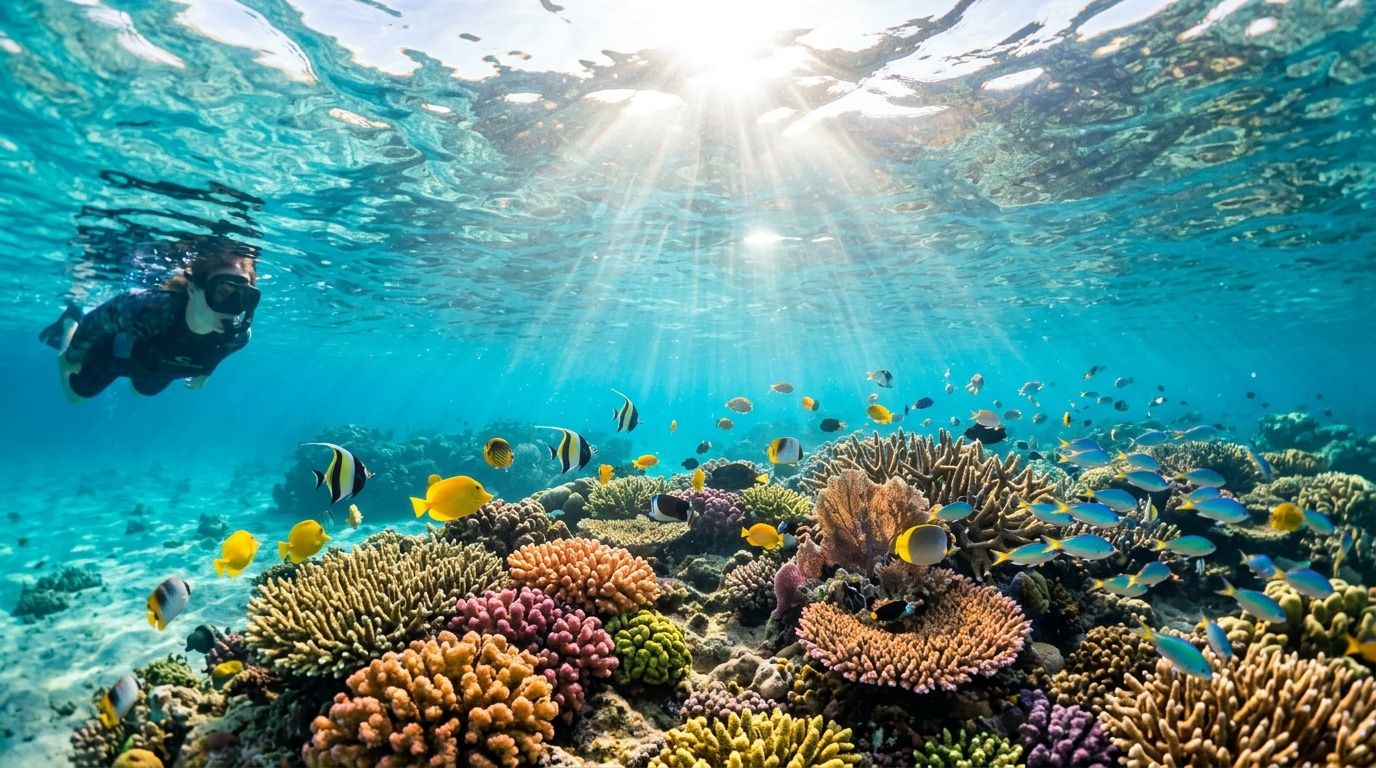
The bay gives you two experiences at once. At the surface, you're looking at steep green coastline and the white monument on shore. Underwater, you're drifting over coral and fish in water clear enough to slow you down and make you look longer.
That combination matters. Plenty of snorkel sites have fish. Fewer feel like a real place with cultural weight and a strong sense of arrival.
Practical rule: If you only want a quick dip and a beach day, choose another spot. If you want a dedicated snorkel outing with real payoff, Captain Cook belongs near the top of your list.
The trip is better when you plan for the real conditions
This isn't the kind of site where you just pull up, park next to the reef, and wander in. Access takes intention. That's part of why the bay still feels special.
For travelers who plan well, that's good news. It means your day can be calmer, more respectful, and more memorable than a last-minute scramble ever would be.
Why Kealakekua Bay Is a World-Class Snorkeling Destination
Kealakekua Bay earns its reputation in the water, not in the marketing. You can see the difference within a few minutes of putting your face in. The reef starts showing life quickly, the water is often clear enough to keep your bearings without effort, and the bay's shape gives the area a calmer feel than many more exposed Kona shoreline spots.
That combination matters because great snorkeling is never just about pretty fish. It depends on visibility, bottom structure, surge, and how comfortably people can stay in the water long enough to relax and notice what is around them.
The bay is built for snorkeling
The underwater layout near the monument is a big part of the draw. Instead of long stretches of sand with scattered reef, you get coral structure, lava rock, and depth changes that keep the swim interesting. New snorkelers can stay over productive shallower water. Stronger swimmers can edge farther out and watch the reef transition into deeper blue water.
The cliffs help too. They give the bay its dramatic look, but they also reduce some of the wind and surface chop that can make other sites feel unsettled even on decent days. Calmer surface conditions usually mean people breathe better, move less, and spot more.
That is one reason guides like working here.
A bay can be famous and still be overrated. Kealakekua is famous because the physical setting consistently supports a good snorkel when conditions cooperate.
Reef quality changes the whole experience
Many visitors remember the monument first. People who spend real time in the water remember the reef.
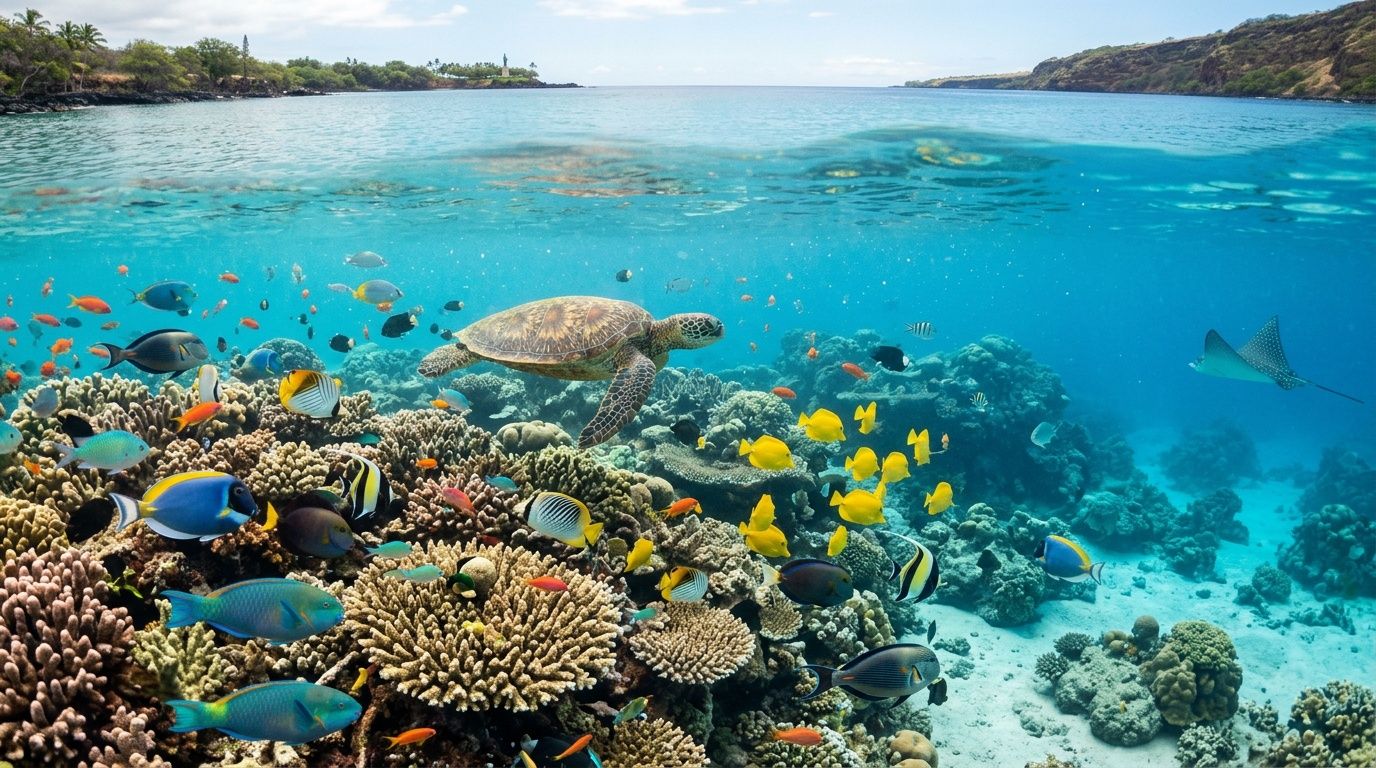
The healthiest parts of the bay hold dense fish life, layered coral growth, and enough variation to reward a slow swim. Yellow tang often move in loose groups over the reef. Butterflyfish work the coral heads. If the light is right, the colors sharpen and the whole bay takes on that clear, suspended look that makes people stop kicking and just float.
The trade-off is simple. A place this good deserves careful behavior. Good buoyancy, no standing on coral, no chasing wildlife, and controlled fin kicks are part of the experience here, not extra rules added afterward.
The setting carries cultural and historical weight
Kealakekua Bay does not feel like a generic reef stop. It is a place with deep Hawaiian history and later historical significance tied to Captain Cook, and that changes how respectful visitors should be on the water and along shore.
The white monument draws the eye, but it should not reduce the bay to a photo backdrop. People have a better day here when they treat the area as both a living reef and a meaningful cultural site. That mindset usually leads to better choices. Less noise, less crowding behavior, and more attention to where you are.
If you are comparing it with other underwater sites around the island, this guide to the best place to dive on the Big Island gives useful context on how different locations match different goals.
Why experienced crews respect this bay
Kealakekua Bay rewards good decisions and exposes lazy ones. On an easy morning, guests may feel like the place does all the work. In practice, a smooth trip depends on reading swell, choosing the right approach, placing people over the right part of the reef, and keeping the visit respectful instead of rushed.
That is why seasoned local guides speak highly of the bay without pretending it is automatic. When weather, timing, and behavior line up, it delivers the kind of snorkel people talk about for years.
How to Access the Captain Cook Monument Snorkel Area
You can stand on shore, see the monument across the bay, and still be a long way from the best snorkeling water. That catches visitors off guard every week.
The Captain Cook Monument side of Kealakekua Bay does not have direct drive-up access. Getting there takes a boat, a kayak, or the trail down to the shoreline, and each option changes the day in a very real way. The right call is not about bragging rights. It is about arriving with enough energy, time, and attention left to enjoy the reef without cutting corners.
The trade-offs are real
I have watched strong hikers finish the climb back up cooked by the sun. I have also seen boat guests enter the water relaxed, stay longer, and notice more because they were not already tired from the approach.
Here is the practical breakdown:
| Method | Effort Level | Cost | Best For |
|---|---|---|---|
| Boat tour | Low to moderate | Higher | Families, first-time visitors, mixed-ability groups, travelers who want gear and logistics handled |
| Kayak | Moderate to high | Moderate | Experienced, independent travelers comfortable with paddling, launch rules, and ocean conditions |
| Hike | High | Lower direct cost | Fit visitors who want a physically demanding outing and can manage the return climb |
Boat access
For many visitors, boat access is the smartest option because it protects the part of the day that matters most. Time in the water.
A good crew handles the approach, watches conditions, and puts you near the productive snorkel zone without burning energy on the way in. That matters for families, short-stay travelers, and anyone who wants a better chance of starting the snorkel fresh instead of overheated. If you want to compare tour-based access, these Kealakekua Bay snorkeling tours show the format many visitors choose for a more organized day.
Boat access also tends to support better reef behavior. People who are not rushed and exhausted usually make better decisions in the water, from fin control to spacing to listening to safety briefings.
Kayak access
Kayaking can be rewarding, but it asks for more judgment than many visitors expect.
You need to handle launch logistics, ocean exposure, sun, hydration, and the paddle back after your snorkel. Some travelers love that independence. Others realize too late that they planned a snorkel day and got an endurance day instead. If you already paddle confidently and you understand how quickly conditions can change along this coast, kayak access can work well. If not, it often adds stress that takes away from the bay.
Hiking access
The hike down gets underestimated because downhill feels easy. The climb out is what people remember.
Heat reflects off the slope, there is little forgiveness if you underpack water, and everything feels steeper after time in the sun and salt. I only recommend this option for visitors who are honest about their fitness and who are comfortable treating the access itself as a major part of the outing, not a quick walk before snorkeling.
One simple rule helps here. Choose the access method that lets you enter the water alert, hydrated, and calm.
Which option fits your trip
A few practical filters make the choice easier:
- Families with children: Boat access is usually the least complicated and most enjoyable.
- Visitors with limited time: Boat access saves energy and cuts down on logistics.
- Independent adventurers: Kayak or hike can be satisfying if the approach is part of the experience you want.
- Visitors with mobility concerns: Self-directed access is often a poor fit because the terrain and entry challenges are real.
Kealakekua Bay rewards good planning. Pick the method that matches your group honestly, not the one that sounds toughest on paper.
The Best Time for Your Captain Cook Snorkeling Trip
If you have flexibility, use it. Timing changes the feel of this snorkel more than gear choice does.
Morning usually gives you the cleanest overall experience. Winds tend to be lighter, the bay often looks calmer, and crews can set the day up before the coast gets busier. If you want help reading conditions before you commit, this guide on how to check ocean conditions for the Big Island is useful.
Morning usually wins
Early departures aren't just about beating crowds. They stack several small advantages in your favor.
- Smoother ride out: A calmer ride helps people settle in and enjoy the bay sooner.
- Better visual contrast: Clear morning light often makes reef structure easier to see.
- Less fatigue: People snorkel better when they haven't already spent the day in the sun.
Season matters less than daily conditions
Big Island captain cook snorkeling is a year-round activity, but no season guarantees perfection. What matters most is the day's wind, swell, and overall ocean texture.
That's why locals look at conditions first and calendar second. A mediocre forecast in a popular travel month is still a mediocre forecast. A calm day outside peak vacation periods can be excellent.
Tides and water quality
Visitors sometimes overcomplicate this part. For most travelers, the useful takeaway is simple. Cleaner, calmer-feeling water usually makes the snorkel more enjoyable, and boat captains already pay close attention to that.
You don't need to become an ocean forecaster overnight. You do need to respect the fact that the bay performs differently from day to day.
Choose the day with the best conditions, not just the most convenient hole in your itinerary.
Book the good slot first
If Captain Cook is a priority, reserve that morning block early in your trip. That gives you options if weather forces a change and leaves room to move other activities around it.
That's the practical play. Put the ocean activity that depends on conditions near the front of the schedule, not at the end when you have no flexibility left.
An Underwater Guide to Captain Cook's Marine Life
The first few minutes in the water often surprise people. They expect a nice reef. What they get is an active one.
You drop your face in and the bay starts reading like layers. Bright fish over coral heads. Darker blue water beyond the shelf. Small movement everywhere if you stop kicking long enough to see it. The trick here isn't to cover ground fast. It's to drift, look, and let the reef reveal itself.
What you'll notice first
Color usually grabs you before species do. Yellow tang often pull your eye immediately because they move like living highlights over the reef. Butterflyfish add pattern. Parrotfish bring both color and personality, especially when they're working the coral with that unmistakable chewing motion.
Then your attention starts to improve. You stop seeing "fish" as one category and start noticing territories, schools, pairs, and the difference between hovering and darting species.
Reef behavior is part of the experience
Captain Cook isn't just about checking fish off a list. It's about watching a healthy reef act like a healthy reef.
Look into cracks and ledges and you'll often find motion you missed on the first pass. Spend a little time over coral fingers or along lava structure and the scene changes again. The bay rewards patience more than speed.
- Schooling fish: Great for that immediate wow factor.
- Reef grazers: These are the fish that make the coral zone feel busy and alive.
- Hidden residents: The longer you hover calmly, the more the smaller reef life shows itself.
- Passing visitors: Sometimes the memorable moment isn't a reef fish at all, but something larger moving through.
Honu and other highlights
Sea turtles are a special sighting because they change the mood of the water. Everything seems to slow down when one glides through your field of view.
Dolphin sightings also add another layer to the bay experience, even when they happen from the boat rather than during your snorkel. The key is to treat these encounters as a privilege, not a chase.
The best snorkelers in Kealakekua Bay aren't the fastest swimmers. They're the ones who pause, float quietly, and let the reef come to them.
How to get more out of the reef
A few habits make marine life easier to see.
- Start slow: Give your breathing a minute to settle before you try to spot everything.
- Look ahead, not just down: Some of the most interesting movement happens in front of you at eye level.
- Repeat a pass: Swimming the same stretch twice often reveals completely different life.
- Stay relaxed: Splashing and hard kicking make fish move off and make you miss detail.
The bay has enough life to impress almost anyone. The difference between a good snorkel and a memorable one is usually attention.
Essential Safety Protocols and Snorkeling Etiquette
A common Captain Cook mistake happens in the first minute. Someone steps off the ladder, sees deep blue water below, starts breathing too fast, and burns energy before the snorkel even begins. Good days in Kealakekua Bay start with calm entries, honest self-assessment, and respect for the bay from the first fin kick.
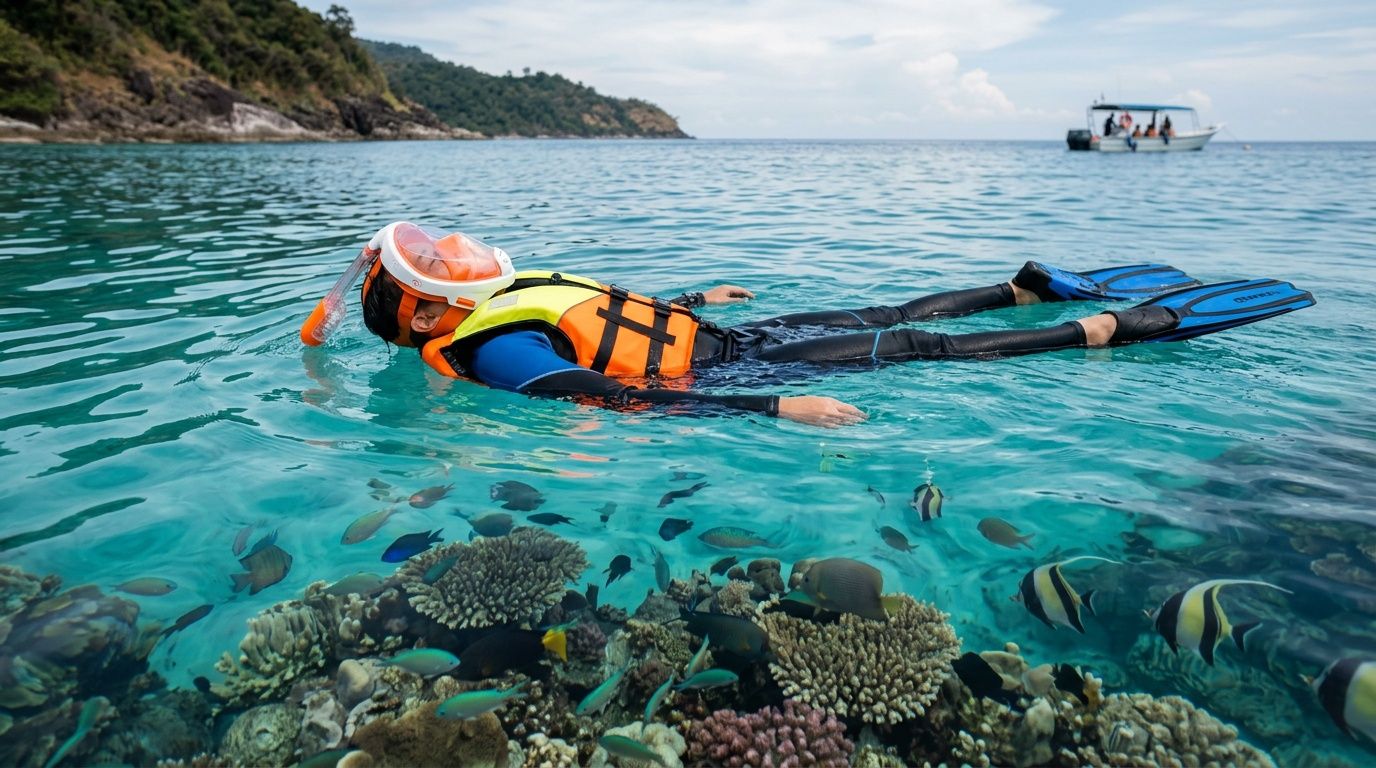
Strong snorkeling here depends less on athleticism than on control. Guests who do well can float comfortably, clear a mask without stress, and follow directions even when they are excited. If you have not snorkeled in open ocean recently, say so before the boat reaches the monument. Crews can fit you with flotation, adjust where you enter, and tell you where to stay. That early conversation prevents the problems I see most often.
Know your actual comfort level
Open-water confidence is specific. Pool comfort does not always carry over once you are climbing down a boat ladder with swell under you.
Realistically assess yourself before the trip. Can you stay relaxed while floating in place? Can you put your face in the water and keep your breathing slow? Can you listen, stop, and change direction when a guide calls you back? If any of that feels shaky, use the float belt or vest. There is no penalty for extra support, and it usually leads to a better snorkel.
Parents should be especially realistic with kids and teens. A child who swims well at a hotel pool can still feel overwhelmed by salt water, fish activity, depth, or the simple excitement of the moment.
Why guides hold the group in certain water
The monument side gives guides a workable zone where the reef is active and the group can stay contained. That is not about limiting the experience. It is how crews keep new snorkelers from drifting too far offshore, getting separated, or tiring themselves out in open water.
Follow the guide's boundaries even if the outside edge looks tempting.
I have watched plenty of strong swimmers head for the blue, only to spend the return working harder than they expected. The best section for most visitors is usually closer to the reef than they think. You see more, waste less energy, and stay where help is close if you need it.
Seasickness is easier to prevent than to fix
If you get motion sick, handle it before boarding. Once nausea starts, the ride feels longer, the snorkel feels shorter, and even calm conditions can become miserable.
Common options people use include Ship-EEZ Seasickness Patch, Dramamine pills, Bonine pills, Sea Band wristbands, and Ginger chews. Bring what already works for you, and take it early enough to matter. A small, organized dry bag also helps keep the morning under control. If you want to cut clutter, this guide to packing light for Hawaii is useful.
Snorkeling etiquette that protects the bay
Kealakekua Bay rewards careful people. It also shows every careless habit.
Keep these standards in mind once you are in the water:
- Do not touch coral or stand on rock you have not clearly identified. What looks sturdy from the surface may be living coral or fragile growth.
- Give turtles and dolphins space. Observing is the right approach. Chasing changes their behavior and ruins the encounter for everyone.
- Watch your fins behind you. New snorkelers often damage reef on the kick back, not on the kick forward.
- Keep your body horizontal. Vertical thrashing leads to panic, silt, and accidental contact with the bottom.
- Choose sun protection carefully. Rash guards and other cover-ups reduce how much product washes into the bay.
For a broader standard of respectful behavior around wildlife, boats, and other ocean users, this guide to responsible and considerate diver etiquette applies well to snorkeling too.
Small gear habits prevent big problems
Poor mask fit causes more bad snorkel sessions than rough water. Test the seal before you get in. Keep hair clear of the skirt. Do a few slow breaths through the snorkel while holding the ladder or float before you swim off.
Tell the crew early if something feels wrong.
A fogged mask, a leaking snorkel, or rising anxiety is easy to address in the first few minutes. It gets harder once you are tired, embarrassed, and farther from the boat. Safe snorkeling in Captain Cook is simple in practice. Stay calm, stay observant, and act like a guest in a place that is older and more important than your vacation.
Booking Your Tour and a Sample Itinerary
When people ask for the easiest booking decision, I usually point them toward operators that focus specifically on the Kealakekua Bay run and know how to manage mixed groups well. Two straightforward options for the monument trip are Kona Snorkel Trips' Kealakekua Bay Captain Cook Monument tour and Captain Cook Snorkeling Tours. Kona Honu Divers also runs Big Island snorkel trips, so travelers comparing operators may see overlap in the local tour ecosystem.
What a smooth morning usually looks like
Most successful Captain Cook days follow a similar rhythm. You check in, get fitted with gear, listen closely to the safety briefing, and head down the Kona Coast while the crew watches conditions and prepares the group.
At the bay, the best trips keep the process calm. Entry is organized. New snorkelers get help first. Stronger swimmers don't have to wait forever, but they also don't pull the pace away from the group.
A practical sample itinerary looks like this:
- Arrival and check-in: Show up early enough to settle in without rushing.
- Transit to the bay: Use the ride to organize gear and ask questions.
- Guided water entry: Let the crew set the entry order and water plan.
- Snorkel session: Stay in the recommended zone and save energy for a relaxed return.
- Ride back: Dry off, drink water, and enjoy the coastline instead of feeling wiped out.
What to confirm before you book
Don't just grab the first open slot. Ask a few practical questions first.
- Group fit: Is the trip a good match for beginners, kids, or cautious swimmers?
- Entry style: How do guests enter and reboard the boat?
- Included gear: Confirm what's provided so you don't duplicate equipment.
- Weather policy: Know the cancellation or rescheduling process before the trip day.
Frequently Asked Questions About Captain Cook Snorkeling
The last-minute questions are usually the ones that shape the day. After guiding in Kealakekua Bay for years, I have found that families, first-time snorkelers, and careful planners tend to ask the same five questions. The answers matter because this is not just a pretty snorkel stop. It is a remote marine preserve with limited shore support, protected wildlife, and conditions that can change over the course of a morning.
Is Captain Cook snorkeling suitable for young children
Sometimes, yes. The deciding factors are comfort in the water, willingness to wear a mask, and how well a child listens once the boat is moored.
Some kids do great here. Others get overwhelmed by deep water, boat motion, or the swim back to the ladder. Parents know the difference better than any booking form does, so give the operator a clear picture of your child's swimming ability, ocean experience, and temperament. That conversation usually tells you more than an age minimum.
Can non-swimmers participate
Usually, this is not the right trip for a true non-swimmer who wants to get in the water. Kealakekua Bay looks calm on many mornings, but guests still need enough control to manage open water, use flotation correctly, and return to the boat without panic.
If someone in your group is hesitant but not a complete non-swimmer, call before booking and describe that clearly. Good crews can explain whether the trip is realistic or whether a different snorkel format would be safer and more enjoyable.
Are there restrooms at the snorkel site
Do not expect shore facilities at the monument snorkel area. There is no beach-park setup waiting across the bay.
If your group includes small kids, older adults, or anyone who needs easy restroom access, confirm what is available on the boat before you reserve. That detail makes a bigger difference than many visitors expect.
What happens if weather is bad
Captains cancel or change plans when conditions stop being safe for that particular boat and group. That can mean wind, swell, poor visibility, or rough boarding conditions, even if the sky still looks nice from shore.
Build some flexibility into your schedule. If Captain Cook snorkeling is the one thing you do not want to miss, book it early in your trip so you still have room to reschedule.
Do I need my own gear
In most cases, no. Tours usually provide mask, snorkel, fins, and flotation.
I still tell experienced snorkelers to bring their own mask if they already have one that fits well. A familiar mask can prevent fogging, leaks, and the constant fidgeting that keeps people from relaxing and watching the reef.
If you're ready to turn the planning into a real day on the water, Kona Honu Divers is a solid place to start exploring Big Island snorkel and dive options with a local team that works in these waters every day.