
You’re probably weighing the same trade-off most Big Island visitors hit. You want the famous Captain Cook snorkel, but you also don’t want to waste half a day guessing about parking, picking the wrong launch, or ending up in water that’s rougher than the photos made it look.
That’s where a little local strategy matters. Big island captain cook snorkeling can be spectacular, but the experience changes a lot depending on where you enter, how you get there, and what time you go. Some spots reward early arrivals and confident swimmers. Others are far better by boat, especially if you want the reef without the hassle.
Why Captain Cook is a World-Class Snorkeling Destination
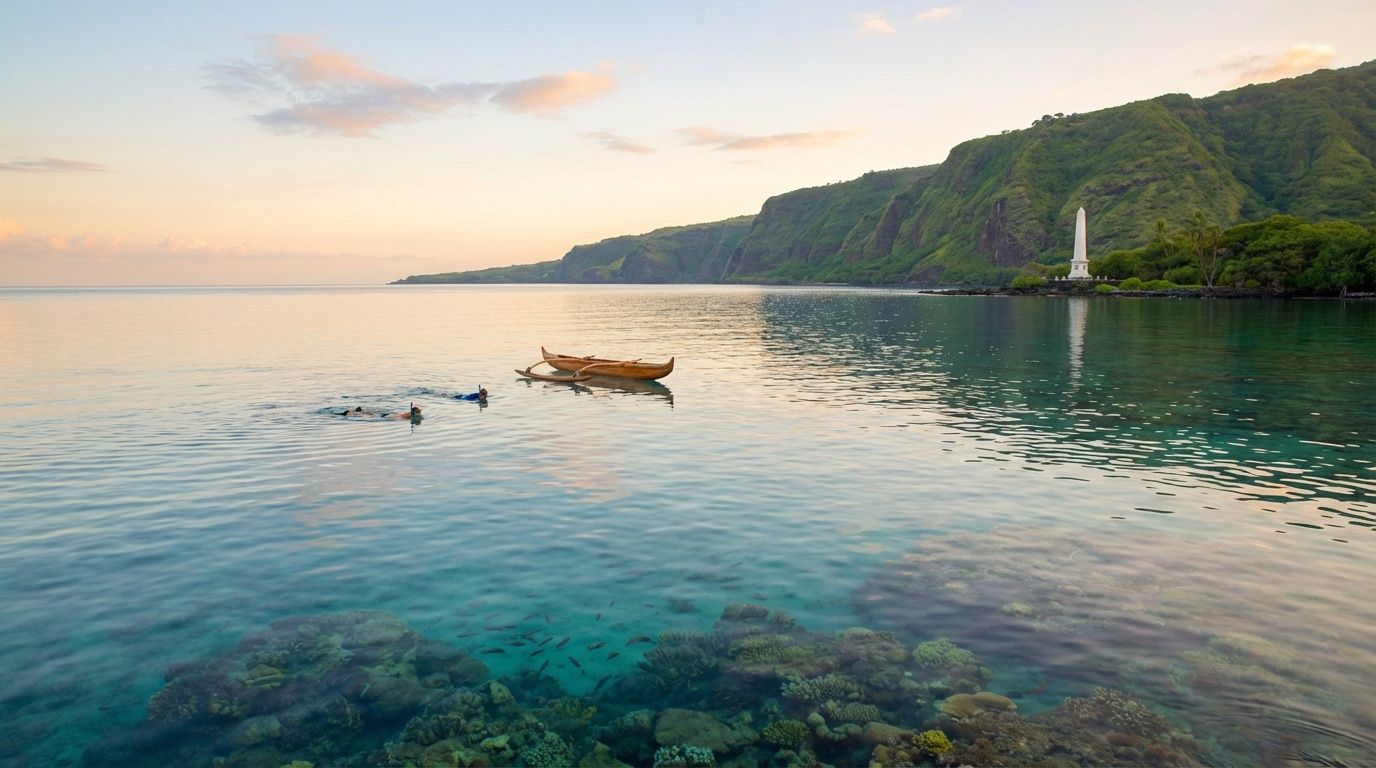
Kealakekua Bay isn’t just another pretty place to float over coral. The setting carries weight the moment you arrive. The cliffs hold the bay in a way that makes the water feel sheltered and focused, and once your mask goes in the water, you’re looking at a reef that has made this stretch of coast famous for generations.
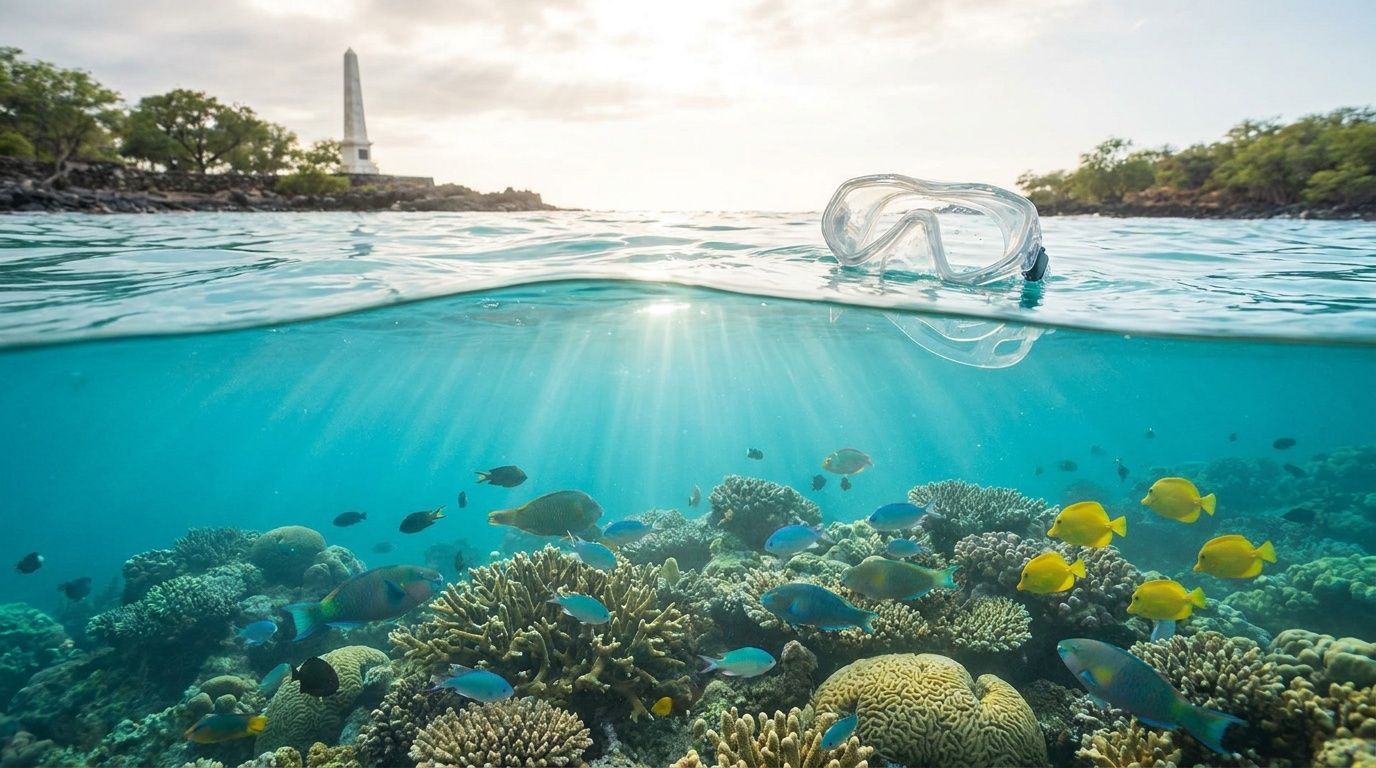
There’s also a reason this spot feels more significant than a standard beach stop. Captain Cook first made documented European contact with the Hawaiian Islands when he anchored in Kealakekua Bay on January 17, 1779, and historical accounts describe over 1,000 canoes carrying approximately 10,000 Hawaiians paddling out to greet Cook’s ships, the Resolution and Discovery, a moment that marked the beginning of sustained European contact with the islands, as described in this historical overview of Captain Cook snorkeling at Kealakekua Bay.
Why the place feels different in the water
Many snorkel spots are judged on fish count alone. Kealakekua Bay gives you more than that. You’re swimming in a place where Hawaiian history, protected water, and a well-known reef all meet in one cove.
The bay itself later became a Marine Life Conservation District established in 1992 and covering 1,332 acres, which helps explain why the area remains such a meaningful mix of cultural site and marine habitat. If you want a direct look at a guided option in the bay, the Kealakekua Bay snorkeling tour here shows the kind of access many visitors choose instead of trying to sort out the logistics on their own.
Practical rule: Treat Kealakekua Bay as both a snorkel site and a historic place. People who do that usually move more carefully, rush less, and get a better experience.
What makes it memorable
The water color gets most of the attention, but its primary draw is the combination of calm surface conditions, reef structure, and that stark monument shoreline. You’re not staring at empty blue. You’re over living reef, with volcanic coastline around you and a sense that this bay has been important for a long time.
That combination is what turns a simple swim into a day people remember after the rest of the vacation details blur together.
The Top 3 Captain Cook Snorkeling Spots Revealed
You can burn a prime snorkel morning here by choosing the wrong spot for your group.
A family with young kids, a couple who only want one easy water session, and a confident shore snorkeler should not all be sent to the same place. In the Captain Cook area, the three spots that matter most are Kealakekua Bay near the monument, Two Step at Honaunau, and Manini Beach. Each one can be excellent. Each one also has a specific trade-off that gets ignored in generic “top spots” lists.
Kealakekua Bay near the monument
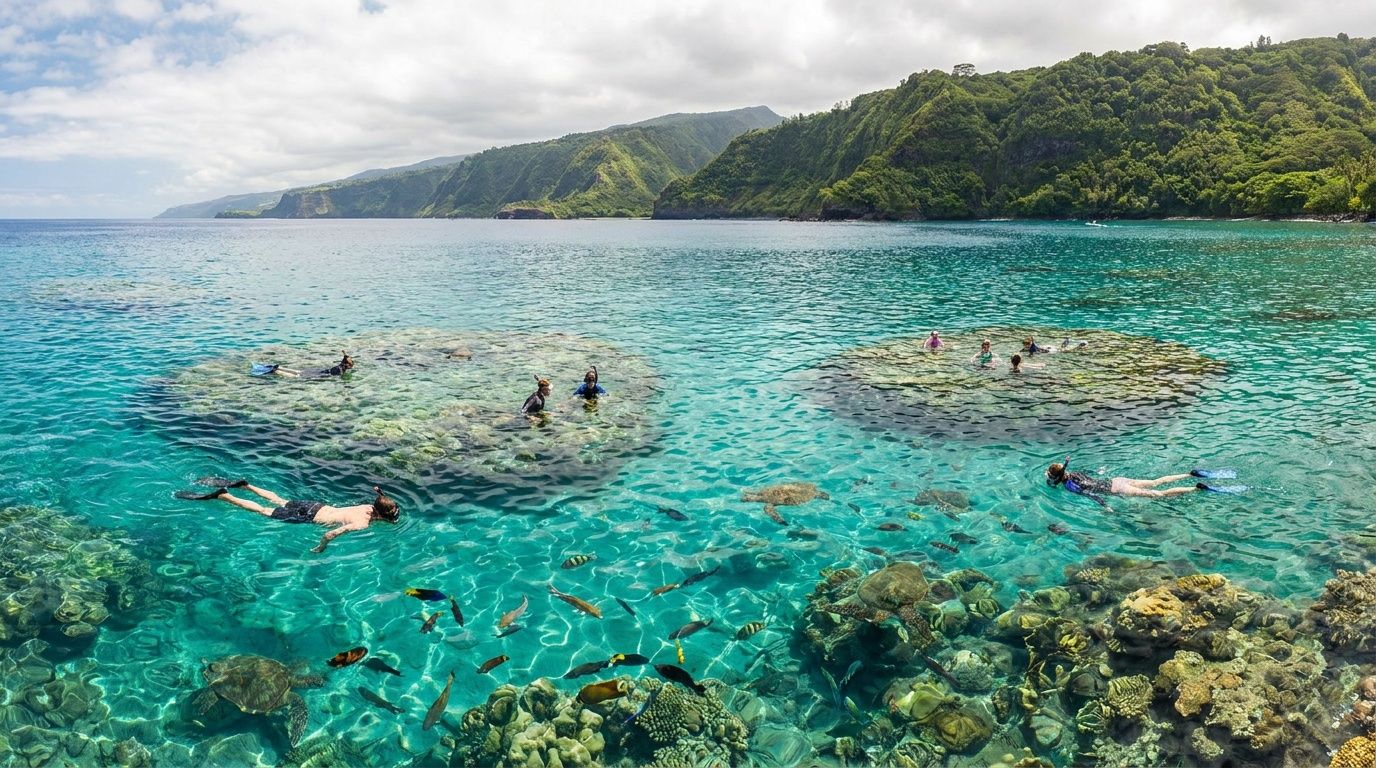
If your goal is the classic Captain Cook snorkel, this is the main event. The monument side usually gives you the clearest water, the healthiest-looking reef structure, and the strongest chance of that wide-open blue-water feel people expect when they book this part of the island.
What makes it stand out is how much you can see from the surface. The reef starts close enough to keep beginners engaged, but there is still deeper water nearby, so stronger swimmers do not get bored after ten minutes. On a calm morning, this is the spot that makes people stay in longer than they planned.
The trade-off is simple. Getting to the good water is the hard part. If you arrive by boat, you save your energy for snorkeling. If you try to reach the monument side on your own, you need to be honest about heat, footing, and the climb back out.
Two Step at Honaunau
Two Step is the spot I recommend to independent snorkelers who want control over their own schedule and know how to handle a lava-rock entry. Once you are in, the snorkeling starts fast. You do not need a long surface swim to get over good structure, and the fish life is usually strong close to shore.
This is not a soft sand beach. That is the mistake visitors make.
The entry is rock ledges, the timing matters, and late arrival can turn a good plan into a parking headache. Confident swimmers usually do well here, especially early in the day when the water is calmer and the shoreline is less chaotic. Nervous first-timers often have a rough first five minutes, even if the actual snorkeling would have suited them fine.
Two Step goes well for people who slow down, watch the water for a minute, and enter deliberately.
Manini Beach
Manini Beach works better than many visitors expect, especially for a lower-pressure session. It is a smart pick for snorkelers who want easier logistics, a more relaxed shoreline, and a shorter outing without the commitment of a boat trip or the intensity of a rocky entry crowd.
The snorkeling here can be good, but it is more condition-dependent and less dramatic than the monument side. I like it for people who value a quiet start, want to test gear before a bigger snorkel day, or have mixed abilities in the group. If someone in your crew is hesitant, Manini often gives them a better first hour in the water.
Here is the practical comparison:
| Spot | Best for | Main trade-off |
|---|---|---|
| Kealakekua Bay | Signature big island captain cook snorkeling | Access takes planning |
| Two Step | Confident shore snorkelers | Parking and rocky entry |
| Manini Beach | Lower-key outings and mixed-ability groups | Less dramatic reef scenery |
If you want to compare these with other nearby options before choosing your day plan, this guide to the top Kona snorkeling spots gives useful coastwide context.
How to Access The Best Snorkeling Areas
Access is where most first-timers either save the day or burn it. The water may be excellent, but if you pick the wrong approach for your group, you’ll feel it before your mask even goes on.
Kealakekua Bay access
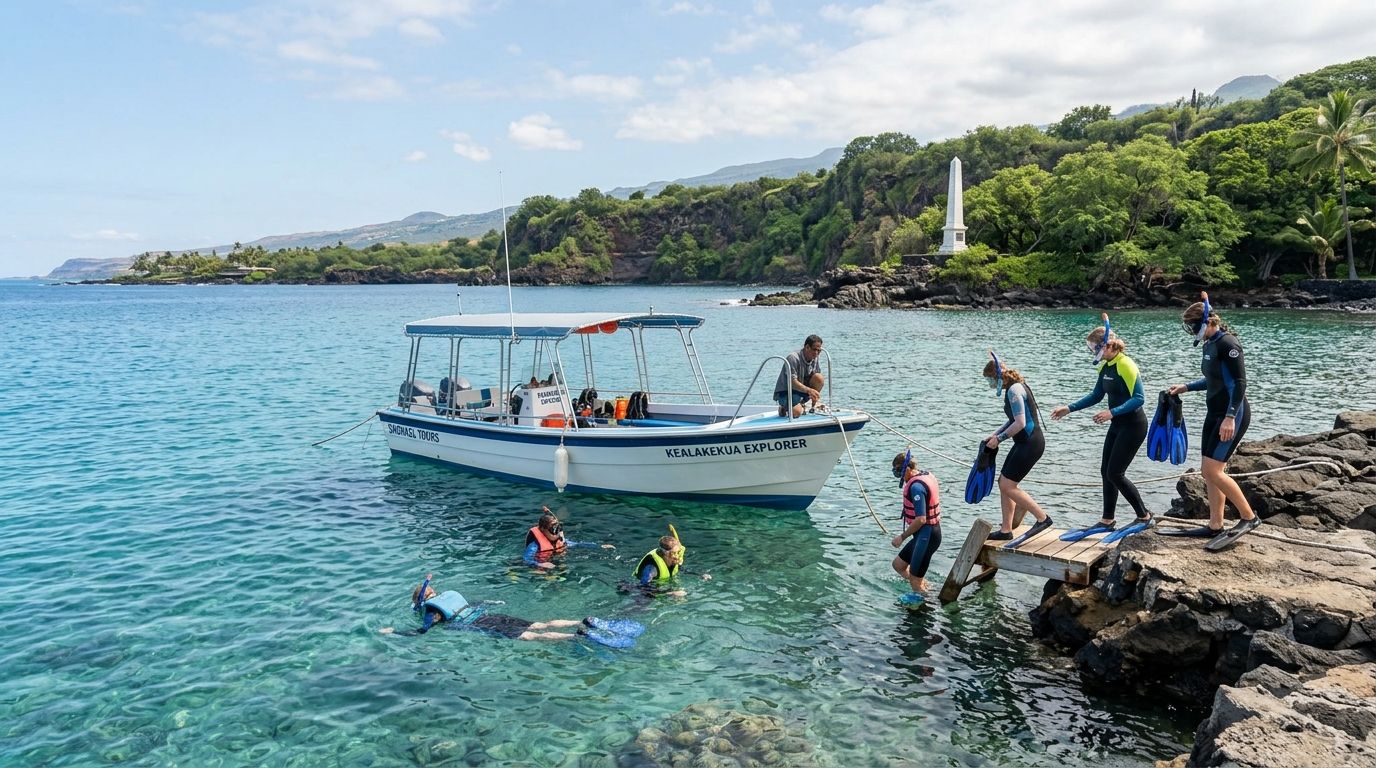
For most visitors, boat access is the cleanest play. It avoids the long effort of trying to reach the monument side by land, and it gets you into the best water without arriving tired, hot, or already frustrated. If your goal is quality snorkeling rather than proving a point, this is usually the right call.
The self-drive and hike route appeals to people who like adventure, but it’s not the smooth option. You need to be realistic about heat, footing, and the climb back out after snorkeling. That route can work, but it’s the wrong choice for many families, casual vacation snorkelers, and anyone carrying too much gear.
Two Step access
Two Step is easy to underestimate because it’s shore entry. The primary challenge is parking and the first few minutes at the waterline. Arrive early if you want less stress. Once parking gets messy, the whole outing starts to feel rushed.
The lava ledge entry is manageable when you take your time. Sit if you need to. Watch a set or two. Don’t copy the fastest person there if your balance isn’t solid.
Manini Beach access
Manini is more straightforward. That’s part of its value. It works well for people who want less crowd compression and a simpler launch. It’s still ocean, so conditions matter, but the overall logistics are lighter than the monument side.
Use this rule set before you commit to any of them:
- Check the ocean first: Don’t rely on a sunny sky. Surface texture, surge, and shoreline movement matter more. This guide on checking Big Island ocean conditions is worth reviewing before you drive south.
- Match the entry to your group: Strong swimmers with good mobility have more options. Families, mixed-skill groups, and hesitant snorkelers usually do better with a boat-based plan.
- Don’t force a bad setup: If parking is chaotic, entry looks awkward, or someone in your group is already nervous, change the plan early.
The right access choice doesn’t just save time. It changes how relaxed you are once you hit the water.
Choosing the Best Snorkel Tour for Kealakekua Bay
You can spot the groups that picked the right tour before anyone puts on a mask. They get a clear briefing, the gear fits, and people enter the water calm instead of clustered at the ladder trying to sort things out all at once.
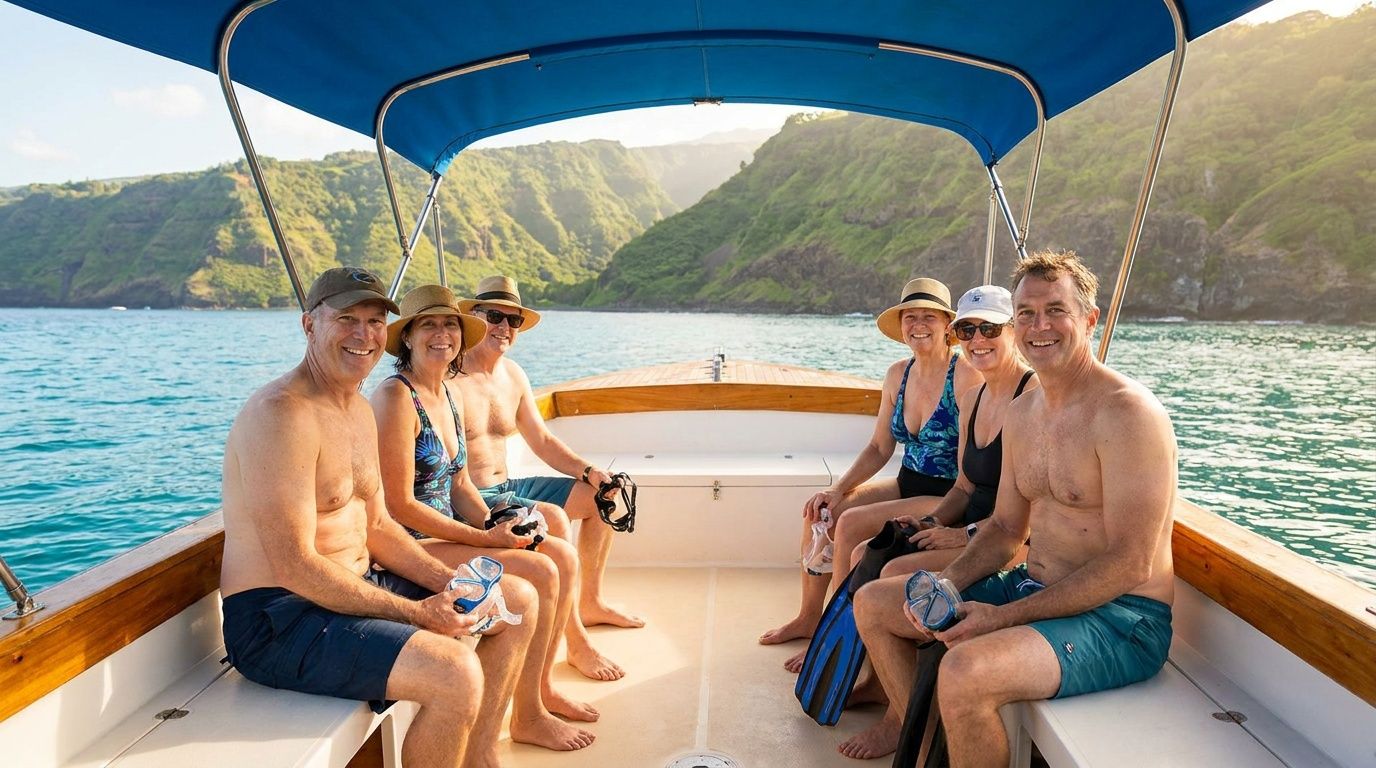
A boat tour makes the most sense for Kealakekua Bay if your goal is the monument-side reef without the hike, kayak permits, or a long swim that already burns energy before the good snorkeling starts. That trade-off matters. Strong swimmers who like self-supported outings may still prefer doing it on their own, but mixed-skill groups usually have a better day with crew support and a controlled drop point.
What to look for in a tour
Start with crew management, not snacks or boat photos. In this bay, a good operator keeps the group oriented to the reef, watches weaker swimmers early, and gives simple instructions about how far to drift before turning back.
Look for these traits:
- Small-group control: Fewer people in the water at once usually means cleaner entries, faster help, and less crowding over the coral.
- Useful safety briefings: The crew should explain entry, exit, boundaries, and what to do if you get tired or drift wider than planned.
- Gear that fits: A leaking mask can ruin the first half of the snorkel. Good operators check fit before the boat reaches the mooring.
- In-water supervision: The best crews do more than point at the reef. They keep guests over the productive zone and away from wandering too far into deeper water.
- Real local judgment: Conditions in the bay can stay swimmable while still nudging surface snorkelers off line. Good crews account for that before guests notice it.
That last point is where guided trips earn their price. Mild current and surface drift are not dramatic here on many days, but they are enough to spread a loose group fast, especially once people stop watching shore reference points and start staring at fish.
Two tour options worth considering
If you want a direct boat-based trip into the bay, these are two pages worth comparing:
Kona Honu Divers also runs a Captain Cook snorkel tour for Kealakekua Bay. That is another practical option if you want boat access without dealing with the monument-side approach yourself.
I tell visitors to compare four things before booking. Group size, departure time, how much in-water help the crew provides, and how easy the boat is to board if someone in your group is not especially agile. Those details shape the day more than the marketing copy does.
A well-run Captain Cook tour feels organized from the first safety talk. That usually means the crew knows how to keep the bay enjoyable, safe, and low-stress.
Timing Your Trip for Perfect Conditions and Fewer Crowds
Most visitors hear one rule over and over. Go in the morning. That advice often helps, but it’s no longer the whole story.
Following the 2025 El Niño, some operators reported 30% more turtle sightings on afternoon tours between 2 and 4 PM because of lower crowd pressure, which challenges the blanket “morning only” advice, as noted in this Captain Cook snorkeling visibility guide.
When morning still makes sense
Morning is still a strong choice if you want the classic calm-water setup and a cleaner start to the day. Many visitors also prefer getting the boat ride done before the afternoon heat builds. If you’re traveling with kids or first-time snorkelers, earlier departures often feel easier logistically.
When afternoon is the smarter move
Afternoon can be the better call if your main goal is avoiding the busiest part of the bay and seeing how marine life behaves with fewer people around. That doesn’t mean every afternoon will outperform every morning. It means the old one-size-fits-all advice is too simple.
If you’re deciding between the two, ask yourself one question. Are you optimizing for familiar conditions or a less crowded session?
If you get seasick, plan before you board
Boat access is often the right move for big island captain cook snorkeling, but some people know they don’t love the ride out. Handle that before it becomes a problem.
Useful options include:
- Patch option: Ship-EEZ Seasickness Patch
- Tablet option: Dramamine pills
- Non-drowsy favorite for some travelers: Bonine pills
- Drug-free option: Sea Band wristbands
- Simple backup: Ginger chews
Take whatever approach you trust before you leave the harbor, not after you feel bad.
Essential Safety and Marine Conservation Rules
A great snorkel day here usually comes down to restraint. Don’t swim beyond your comfort. Don’t chase wildlife. Don’t treat coral like rock.
Kealakekua Bay is a Marine Life Conservation District, and that protected status is part of why the area still offers such rewarding snorkeling. The same habits that keep you safe also protect the reef. Slow entries, controlled finning, and good spacing all reduce damage.
Safety rules that matter in real conditions
A few habits make the difference fast:
- Use a buddy system: Even strong swimmers miss signs of fatigue in themselves.
- Stay honest about ability: If you struggle with open-water comfort, don’t drift into deeper water just because it looks inviting.
- Hydrate and rest: Heat sneaks up on people before and after the snorkel, not only during it.
- Abort early if needed: There’s no prize for staying in when you’re cold, anxious, or tired.
Conservation rules that aren’t optional
Reef protection here isn’t background etiquette. It’s the standard.
- Keep your fins off the reef: Coral breaks more easily than people realize.
- Give turtles and dolphins space: Watching without disturbance is better for them and better for you.
- Use reef-conscious sun protection: Mineral-based options are the safer habit for sensitive reef areas.
- Leave the bay unchanged: No touching, no feeding, no collecting.
For a good baseline on respectful in-water behavior, this guide to responsible and considerate diver etiquette translates well to snorkeling too.
The most skilled snorkelers in the bay usually look unhurried. That’s not style. It’s control.
Your Complete Snorkeling Checklist and Final Tips
The best Captain Cook days usually feel easy because the prep was handled before breakfast. Pack light, but pack the things that solve problems.
What to bring
- Mask and snorkel that fit: Rental gear can work, but a familiar mask is one less variable.
- Fins or snorkel fins: Helpful for efficiency, especially if surface movement picks up.
- Rash guard or sun shirt: Better than relying only on sunscreen.
- Towel and dry clothes: The post-snorkel ride home feels a lot better this way.
- Water and simple snacks: Even on tours, having your own basics helps.
- Waterproof phone case or camera: You’ll want it if conditions line up.
Tips for families and mixed-ability groups
If you’ve got kids, older travelers, or anyone uneasy with rocky entries, don’t force a shore plan just because it looks cheaper on paper. Boat access is often more comfortable than navigating uneven lava at Two Step. The water experience can be easier when the entry is managed for you.
For stronger swimmers who like independent outings, shore snorkeling can be rewarding, but only if the group moves well together and nobody is getting pushed into a harder day than they wanted.
One optional tool for confident swimmers
If you already snorkel regularly and want a little more range without turning the day into a hard swim session, it can be worth looking at ways to explore with this sea scooter. It’s not necessary, and it’s not for every traveler, but it can be a useful piece of gear for covering more water efficiently in calm conditions.
Final local advice
Choose the access first, then choose the time. That order works better than obsessing over time slots while ignoring entry quality. If your group wants the classic Captain Cook reef with the fewest headaches, book a boat. If you want independence and don’t mind a more hands-on entry, Two Step can be excellent. If you want a quieter, simpler outing, Manini Beach deserves a look.
Respect the bay, don’t rush the water entry, and leave enough margin in your plan for conditions to decide the final call. That’s how people end up with the snorkel day they hoped for instead of the one they have to recover from.
If you want help turning your plan into an easy day on the water, Kona Honu Divers offers local snorkel and ocean experience options on the Big Island, including Captain Cook access for travelers who’d rather spend their time in the water than sorting out the logistics.