
Picture this: you're floating weightlessly in the warm, dark Pacific Ocean. Below you, giant, graceful manta rays swoop and dance through beams of light like underwater acrobats. This isn't some scene from a nature documentary; it's the real, goosebumps-inducing magic you can experience firsthand on the Big Island. It's consistently rated one of the most incredible wildlife encounters on Earth for a reason.
Your Guide to an Unforgettable Night Snorkel with Manta Rays
This guide has everything you need to plan this bucket-list adventure. We'll break down why the Kona coast is the world's #1 spot for seeing mantas, what to look for in a top-notch tour operator, and what the whole experience actually feels like. By the time you're done reading, you'll be ready to jump in.
Why Kona is a Manta Ray Magnet
There's a good reason the Kona Coast is famous for its manta ray snorkeling—it delivers. We're talking an incredible 80-90% sighting success rate all year long. That's practically unheard of, making it one of the very few places where you're almost guaranteed an encounter. The secret's out, too; around 80,000 people come here every year just for this experience.
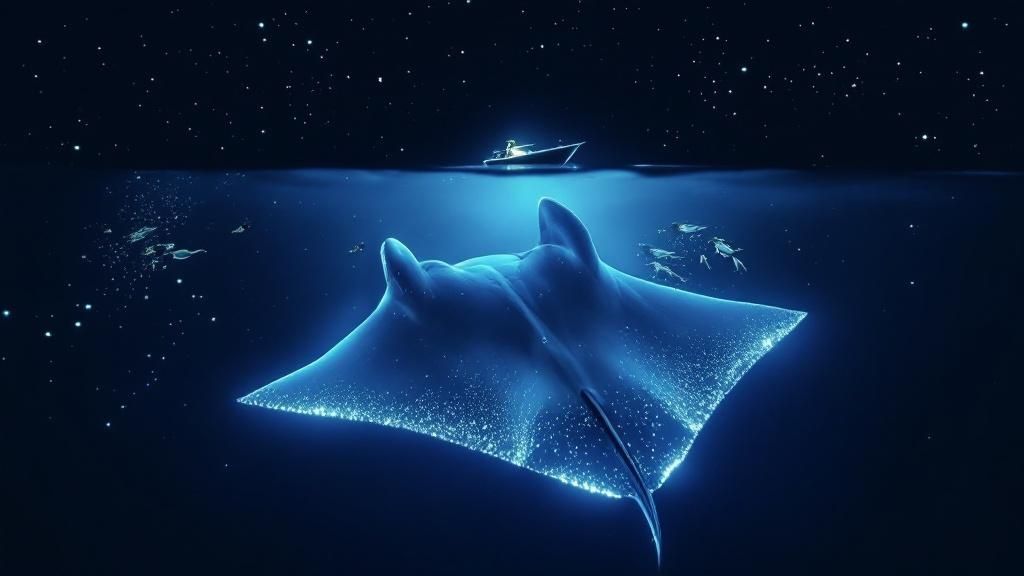
It all comes down to a bit of brilliant, accidental science. After sunset, tour boats shine powerful lights down into the water. These lights act like a massive bug zapper for the ocean, attracting huge clouds of plankton, which just so happens to be a manta ray's favorite meal.
What follows is an underwater ballet. The mantas show up for the all-you-can-eat buffet, performing graceful barrel rolls and swooping maneuvers, sometimes just inches away from you.
It's a totally passive viewing experience. You just float on the surface, holding onto a specially designed light board, and watch the show unfold right beneath your mask. It's intimate without being intrusive.
Planning Your Adventure
When you're ready to book an experience that's a cut above the rest, we always point people to Kona Honu Divers. Their crew's dedication to safety, manta ray education, and the animals' well-being is genuinely impressive.
They handle everything you need, from high-quality wetsuits and snorkel gear to expert guides who are passionate about sharing cool facts about these gentle giants. Their whole operation is dialed in to make sure you're safe, comfortable, and having an unforgettable time. To get a better feel for the whole nighttime experience, check out our guide on what is a manta ray night dive.
Choosing a tour operator that puts the wildlife first is what keeps this amazing encounter sustainable for years to come. The best companies don't just give you a great show; they teach you how to be a respectful guest in the mantas' home.
Why Kona Is The World Capital for Manta Ray Encounters
So, what makes the Kona coast the undisputed world capital for manta ray sightings? It's not just a lucky break; it’s this wild mix of geography, biology, and a stroke of accidental genius that created one of the most reliable and jaw-dropping wildlife shows on Earth.
The real magic behind the best manta snorkel Big Island has is what locals call the "manta campfire." It all started decades ago when a hotel aimed its lights into the ocean. Pretty soon, something incredible started happening. The bright beams attracted huge clouds of phytoplankton—tiny organisms that are the manta rays' favorite meal.
The mantas caught on fast, realizing these lights created a dependable, all-you-can-eat buffet, night after night. Tour operators today use the same trick, setting up powerful underwater lights that act like a glowing dinner bell, drawing the mantas in for their nightly feast.
Kona's Premier Manta Ray Hotspots
This underwater spectacle happens pretty much every night at two legendary spots along the Kona coast. Each location offers a slightly different vibe, but both give you a front-row seat to the manta's graceful, underwater ballet.
- Manta Village (Keauhou Bay): Just south of Kailua-Kona, this is the OG manta viewing site. It's tucked into the protected waters of Keauhou Bay, which means things are usually calmer here. This makes it a fantastic choice for families, first-time snorkelers, or anyone who gets a little queasy on the water. The boat ride out is also typically shorter, so you get more time with the mantas.
- Manta Heaven (Garden Eel Cove): This spot is up north of Kona, closer to the airport, and it's just as reliable. Because it's a bit more exposed, the water can get a little choppy sometimes. But, it's famous for attracting huge gatherings of mantas, putting on a truly mind-blowing show for the more adventurous crowd.
Your boat captain will make the final call on where to go based on the ocean conditions and where the mantas have been hanging out, all to give you the best possible shot at an amazing night.
The thing to remember is you aren't chasing the mantas. You're just showing up to their favorite restaurant, floating peacefully while they swoop and dine just inches below you.
A Thriving and Well-Studied Population
What really seals Kona's reputation is its healthy, resident population of manta rays. These aren't just tourists passing through; they're local celebrities, and each one has a unique pattern of spots on its belly that works just like a fingerprint.
Years of dedicated research by local experts have built up an incredible database of these gentle giants. In fact, studies along the Kona Coast have identified over 300 individually recognized manta rays that call this area home. That's a huge, thriving community you won't find just anywhere. This research shows the mantas have high "site fidelity," meaning they keep coming back to the same feeding spots, which is why the sightings are so consistent. You can dive deeper into the science by reading more about these manta ray studies and their findings.
Knowing you're watching a well-cared-for and thriving community of mantas just makes the whole experience that much more special.
Comparing Kona's Top Manta Snorkel Locations
Trying to decide which manta spot is right for you? It really comes down to personal preference and your comfort level in the water. Here’s a quick rundown to help you choose.
| Feature | Manta Village (Keauhou Bay) | Manta Heaven (Garden Eel Cove) |
|---|---|---|
| Typical Water Conditions | Often calmer, more protected | Can be choppier, more exposed |
| Best For | Beginners, families, those prone to seasickness | More adventurous snorkelers |
| Travel Time from Kona | Shorter boat ride | Longer boat ride |
| Manta Sighting Consistency | Very high, one of the original sites | Very high, a popular and reliable site |
Ultimately, you can't go wrong with either location. Both spots are known for consistently delivering unforgettable manta ray encounters, and your tour operator will always aim for the site with the best conditions for the night.
How to Choose The Best Manta Snorkel Tour
Picking the right tour operator is easily the most important decision you'll make for this whole adventure. It's the difference between a so-so trip and a mind-blowing experience. Both your enjoyment—and the well-being of the mantas—are riding on this choice.
Finding the best manta snorkel Big Island tour isn't about snagging the cheapest deal. It’s about finding a company that lives and breathes safety, education, and conservation. A top-notch outfit will have a flawless safety record, guides who are genuine marine life fanatics, and comfortable, well-kept boats. Most importantly, they'll be sticklers for responsible tourism, making sure the mantas can feed in peace so this incredible encounter exists for years to come.
Prioritizing Safety and Experience
Your safety is priority number one. No exceptions. A reputable company will walk you through a detailed safety briefing, hand out quality gear (wetsuits are a must in the chilly night water), and keep the guest-to-guide ratio low. Small groups are a game-changer, making the in-water experience way more personal and manageable.
You also want operators with seasoned, passionate guides. These folks are more than just lifeguards; they make the trip unforgettable. They’ll share amazing facts about manta behavior, their biology, and the local ecosystem. They can even point out specific mantas by name and share their unique stories, turning a cool swim into something truly special.
If you want to get into the nitty-gritty of what separates a good tour from a truly great one, take a look at our breakdown of the 5 best Big Island snorkeling tours.
Commitment to Conservation
The best tour companies act as guardians of the ocean. They strictly follow a "passive interaction" rule, which means you look, but you don't touch. No chasing, no blocking their path, ever. This is a huge deal. Touching a manta ray can strip off its protective slime coat, leaving it wide open to nasty infections.
A truly responsible operator will drill these guidelines into their guests before anyone even dips a toe in the water. Their main goal is to give you a front-row seat to the action while having the smallest possible impact on the animals' natural behavior.
This is the kind of commitment that makes a company like Kona Honu Divers stand out. They're known for their conservation-first attitude and their focus on creating respectful wildlife encounters. You'll see guests constantly raving about how professional, educational, and safety-focused their whole operation is.
Questions to Ask Before You Book
Don't be shy about asking questions before you hand over your credit card. A great company will be more than happy to give you straight answers.
Here’s a quick checklist to help you feel out potential tour operators:
- What's your guest-to-guide ratio in the water? (The lower, the better. You want personal attention.)
- Do you offer a "manta guarantee"? (Many of the best companies will give you a free return trip if the mantas don't show.)
- What safety gear is on the boat and given to guests? (Look for life vests, first aid kits, oxygen, etc.)
- How much time do we actually spend in the water with the mantas? (It's usually around 45 to 60 minutes.)
- Are wetsuits included? (You'll want one. Trust us.)
- How do you teach guests about responsible manta interaction? (This question tells you everything about their commitment to conservation.)
Asking these questions helps you pick a tour that matches what you care about, setting you up for a safe, respectful, and absolutely unforgettable night.
What to Expect During Your Manta Snorkel Adventure
Knowing the play-by-play of your evening helps get rid of any pre-trip jitters and builds the excitement. So let's walk through what a typical night looks like, from arriving at the dock to that final, speechless boat ride back to shore. This will give you a clear picture of what makes the best manta snorkel Big Island experience so incredible.
Your adventure kicks off at the harbor about an hour before sunset. You'll check in with the crew, find a spot on the boat, and get settled. This is where the magic really begins. As the boat pulls away from the dock, you get a front-row seat to a spectacular Kona sunset over the Pacific—a pretty epic show all on its own.
While you're cruising out to the manta site, the guides will give you a full safety briefing. They’ll cover everything from how to use your snorkel gear to the most important rule: passive interaction with the mantas. Listen up, because this stuff is crucial for keeping both you and these amazing animals safe.
Entering the Manta's World
Once the sun disappears and the sky is painted those deep blues and purples, it’s go time. One by one, you'll slide into the dark, surprisingly warm ocean. You don't need to swim anywhere; your only job is to hang onto a big, custom-made light board.
Think of this floating raft as your personal viewing platform for the night. It has powerful lights that shine down into the water, creating what looks like a giant, glowing campfire on the ocean floor. This light is basically a magnet for plankton, which swarm to it in thick, shimmering clouds. And where there’s a plankton buffet, you can bet the manta rays aren't far behind.
You'll just float on the surface, face down in the water, looking into the illuminated scene below. It’s a moment of pure anticipation as you wait for the main event to start.
The Underwater Ballet Begins
And then, it happens. A huge, dark shape glides out of the blackness, effortlessly swooping into the light. The first manta has arrived. Soon, another joins, and then another. They perform this incredible, graceful dance, doing barrel rolls with their giant mouths wide open to scoop up clouds of plankton.
It’s a completely silent, mesmerizing ballet. These gentle giants will glide within inches of you, their massive fins creating little currents in the water. Kona's manta rays are some of the biggest in the world, with wingspans hitting 12 to 16 feet and weighing up to 1,500 pounds. Seeing them do their acrobatic feeding routine that close is something you just can't describe. The whole in-water experience lasts about 45 to 60 minutes, which gives you plenty of time to take it all in. You can learn more about the local manta population and the science behind their behavior.
When your time is up, you’ll climb back on the boat, buzzing with adrenaline and pure awe. The crew usually has hot chocolate and snacks waiting. The ride back to the harbor is a great time to swap stories, check out your photos, and just reflect on the mind-blowing natural wonder you just witnessed.
Practicing Safe and Responsible Manta Interaction
Watching the nightly manta ray ballet is an incredible privilege. And with that privilege comes a big responsibility to protect these amazing animals. The future of Kona's manta population literally depends on every single one of us acting as a respectful guest in their world. This whole experience is built on a foundation of responsible tourism.
The key to it all is what's called the "passive interaction" model. This is the golden rule for any operator offering the best manta snorkel Big Island has. Put simply, you're there to watch the show, not be a part of it. Think of yourself as a quiet visitor in their underwater dining room—the goal is to be a fly on the wall.
This approach lets the mantas feed naturally without getting stressed, which is the whole reason they keep coming back night after night. Following these guidelines isn't just about rules; it’s about making sure this magical encounter is still here for our kids and grandkids to experience.
The Golden Rule: Do Not Touch
The most important rule is an absolute, no-exceptions, hands-off policy: you must never touch a manta ray. It's not just a suggestion. Mantas have a delicate, slimy coating on their skin that works like an immune system, protecting them from nasty bacteria and infections.
Touching them, even for a second, can wipe off this protective layer. It's like rubbing the waterproof coating off a new rain jacket—it just won't work right anymore. A simple, well-meaning touch can have serious, long-term health consequences for these guys. That’s why your guides will say it over and over: keep your hands to yourself and let the mantas run the show.
Snorkeler Dos and Don'ts
Over the years, tour operators have dialed in a clear set of guidelines to keep everyone—and every manta—safe. Following these simple dos and don'ts helps you have an amazing time while also being a good steward of the ocean.
What You SHOULD Do:
- Stay horizontal: Keep your body flat on the surface like a plank. Letting your legs and fins dangle down can get in the way of a manta cruising just below the surface.
- Hold onto the light board: This is your main job. The floating light board keeps you stable, in place, and out of the mantas' swim lanes.
- Listen to your guide: Pay close attention to your crew. They are the experts on manta behavior and will give you instructions in the moment to keep things safe and smooth.
What You SHOULD NOT Do:
- No diving down: Snorkelers have to stay on the surface. Diving down into the water column can freak out the mantas, disrupt their feeding, and block their path.
- Avoid flash photography: A sudden bright flash can startle and disorient the rays. If you bring a camera, make sure that flash is turned off before you even get in the water.
- Don't chase or block them: Never try to swim after a manta or get in its way. Just relax and let them move freely. They'll come to you.
Remember, the best encounters happen when you are calm and still. By being a passive observer, you allow the mantas to feel comfortable, which often results in them gliding just inches beneath you in a breathtaking show of trust.
Following these simple but vital rules ensures your snorkel is not only safe for you but, more importantly, safe and stress-free for the gentle giants you came all this way to see.
Snorkeling vs Diving Which Manta Experience Is for You
So far, we've been all about the incredible experience of snorkeling with manta rays, but if you're a certified scuba diver, you've got another amazing option. It really just boils down to what kind of view you're after. Both will blow your mind, but they offer completely different perspectives on the action.
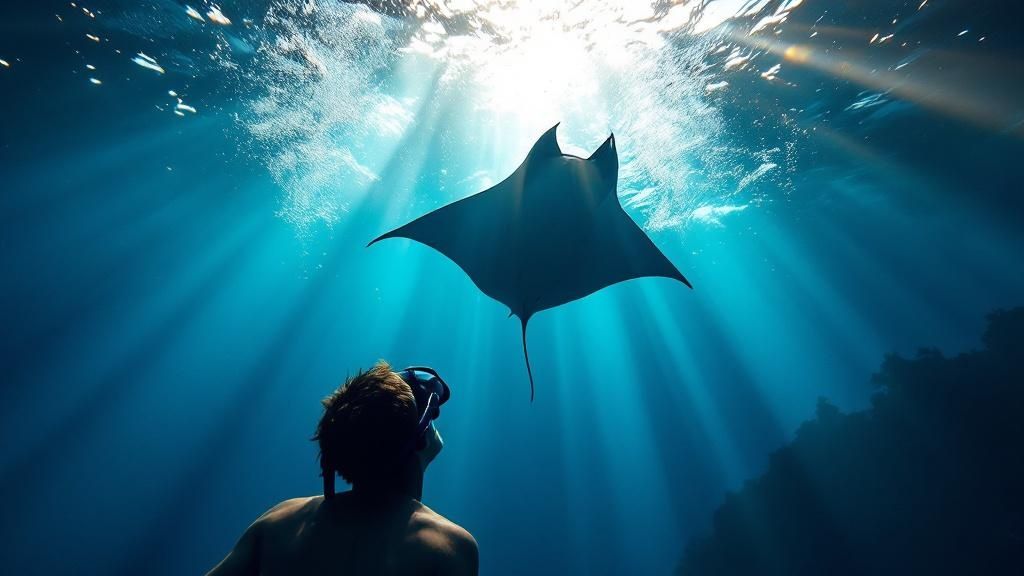
When you snorkel, you get the ultimate bird's-eye view. You'll float comfortably on the surface, holding onto a big light board, and watch the whole underwater ballet happen right below you. You'll see several mantas at once, gliding through the beams and doing their famous barrel rolls, sometimes just inches away. It’s like having front-row seats to the entire show, all at once.
The View from Below
Now, scuba divers get a totally different angle. You’ll be settled on the sandy seafloor, looking up as these gentle giants soar right over your head. It's an unbelievably powerful experience to see their massive wingspans silhouetted against the bright lights from the surface. You truly feel like you're a part of their world, not just an observer.
If you’re a certified diver and that bottom-up perspective sounds like your kind of adventure, the dedicated manta ray night dive is something you'll never forget. It’s a completely different, but just as breathtaking, way to meet Kona's most famous residents.
Other World-Class Big Island Dives
The Big Island is a diver’s dream, and the manta encounter is just the beginning. The diving tours in Kona, Hawaii are world-class. For those looking for something a little different, there are some truly unique dives that show off just how wild Hawaii's underwater world can be.
One of the most famous is the Kona Blackwater Night Dive. It's often called an "oceanic space walk" for a good reason. You're tethered to the boat in the deep, dark open ocean, watching all sorts of strange and wonderful creatures migrate up from the depths.
For experienced divers wanting to see more of Kona's best reefs, advanced dive tours will take you to deeper, more remote spots. These trips often explore dramatic lava tubes, deep pinnacles, and vibrant coral gardens that most people never get to see.
Whether you choose to snorkel from the surface or dive to the bottom, seeing Kona's manta rays is pure magic. Each offers a special way to connect with these magnificent animals.
Frequently Asked Questions About Manta Snorkeling
Alright, you're almost ready to book the adventure of a lifetime. But you probably still have a few lingering questions. Let's tackle some of the most common ones we hear so you can head out on the water feeling totally prepared for your manta encounter.
Is Seeing Manta Rays Guaranteed?
This is the big one, isn't it? Since manta rays are wild animals, nobody can ever promise a sighting with 100% certainty. But here's the amazing part: Kona's success rate is off the charts, often hitting over 90%. The mantas have learned that our lights mean an easy plankton dinner, so they show up almost every single night.
Still, nature can be unpredictable. That's why the best operators offer a "second chance" guarantee. If the mantas decide to be shy on your night, you can come back again for free. Always ask about this policy before you book—it's the sign of a confident and reputable crew.
Do I Need to Be a Strong Swimmer?
Not at all! You don't need to be an Olympic swimmer for this experience. You’ll be holding onto a big, custom-made floatation board that has bright lights shining down into the water. Your main job is just to float and watch the show below.
Every company provides wetsuits, which make you extra buoyant, and other flotation gear. As long as you're comfortable in the water and know the basics of using a mask and snorkel, you'll be just fine. If you’re a little nervous, just give your guides a heads-up.
What Is the Best Time of Year to Go?
I've got great news for you: any time is a great time! The manta ray population along the Kona coast doesn't migrate. They live here year-round, so sightings are consistent whether you visit in July or December.
The only real variable is the ocean conditions. The summer months typically have calmer, glassier water, while winter can bring bigger swells. Don't worry, though—tour operators are pros and will only take you out when it's safe. No matter when you plan your trip, the mantas will be waiting.
To get a better feel for the whole experience, check out our deep dive into the manta ray night snorkel.
What Should I Bring on My Tour?
The tour company will have all the main gear covered—snorkel, mask, fins, and a wetsuit. You just need to bring a few personal items to make the trip more comfortable.
What to Pack:
- A towel (this is a must!)
- A warm, dry change of clothes for after the swim
- Any personal medication you need
- An underwater camera (but please, no flash!)
- Motion sickness medicine if you're prone to it—better safe than sorry.
Grab these few things, and you'll be all set for an incredible, comfortable, and truly unforgettable night with Kona's gentle giants.