
Hawaii's warm, clear waters are home to one of the ocean's most gentle giants: the manta ray. These magnificent creatures, with wingspans reaching over 16 feet, gather in specific locations around the islands to feed and be cleaned, offering a breathtaking spectacle for both snorkelers and divers. But where are the absolute best places to witness this underwater ballet? This guide is designed to answer the ultimate question for ocean lovers exploring the Aloha State: "Where to see manta rays in Hawaii?"
We will dive into the top spots across the islands, providing actionable details for every type of adventurer. From the world-famous night dives off the Kona coast to lesser-known daytime encounters on Maui and Oahu, this listicle details exactly how to access each location. We cover everything from the best tour operators and optimal viewing times to what you can expect at each site, ensuring you can plan the perfect experience based on your skill level, travel itinerary, and budget. Whether you're a seasoned diver seeking an advanced charter or a family looking for a safe and unforgettable snorkel trip, you'll find the practical information needed for an encounter you will never forget. Get ready to explore the premier locations for this majestic experience.
1. Kona (Big Island) – Night Manta Ray Snorkel/Dive
When it comes to the question of where to see manta rays in Hawaii, the Kona Coast on the Big Island isn't just an answer; it's the answer. This location is globally recognized as one of the most reliable and spectacular places on Earth for manta ray encounters. The experience is a unique nighttime ballet, where snorkelers and divers gather around underwater lights that attract vast clouds of plankton. This plankton buffet, in turn, draws in the majestic mantas, which perform graceful, looping maneuvers as they feed just inches away from observers.
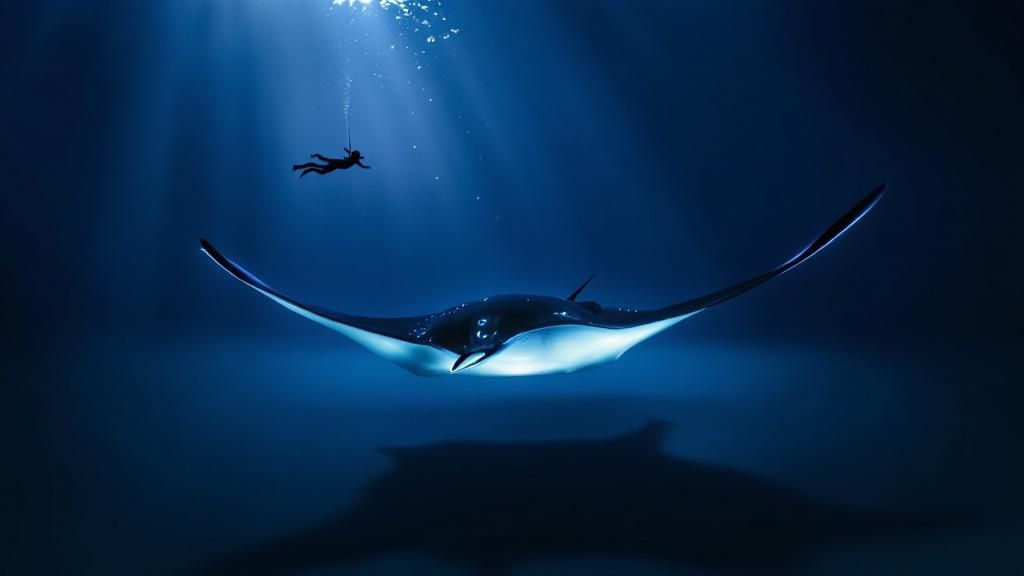
The primary viewing area, affectionately known as "Manta Heaven," is situated just off the coast near Keauhou Bay. With sighting rates often exceeding 90%, it provides a virtually guaranteed encounter. This incredible reliability is why the Kona manta ray night dive has become an iconic Hawaiian adventure, attracting everyone from beginner snorkelers to seasoned divers. For those embarking on this night excursion, you might also want to master lighting techniques in photography to capture these majestic creatures in their nocturnal element.
Top Operators and What They Offer
Several highly-rated operators facilitate this unforgettable experience, each with a unique approach:
- Kona Honu Divers: As a premier operator, they are known for prioritizing small group sizes, safety, and education, ensuring an intimate and informative encounter. Their expert guides make them a top choice for those looking to experience this world-famous night dive.
- Jack's Diving Locker: A true pioneer in the industry, Jack's has been guiding manta tours since the 1980s and helped establish the safe viewing protocols used today.
- Big Island Divers: Another reputable local company offering well-organized snorkel and dive trips with experienced crews.
- Sea Paradise: This highly-rated boutique operator is known for its comfortable catamarans and excellent customer service.
- Anelakai Adventures: Specializing in traditional Hawaiian sailing canoes, they offer a unique cultural and eco-friendly approach to the manta experience.
Choosing the right operator can significantly enhance your adventure. For an unparalleled experience, booking a manta ray dive tour with a trusted company like Kona Honu Divers is a must. You can learn more about this incredible Kona manta ray night dive on their blog.
2. Maui – Makena Landing (South Maui)
While Kona is famed for its nighttime spectacles, Maui offers a more organic and adventurous alternative for those wondering where to see manta rays in Hawaii. Makena Landing in South Maui provides a different kind of encounter, one that is less predictable but arguably more natural. This popular shore dive and snorkel site is known for manta rays that visit "cleaning stations" along the reef during the day, where smaller fish remove parasites from their skin. Here, the experience is about patience and observation rather than the organized feeding frenzy of the Big Island.
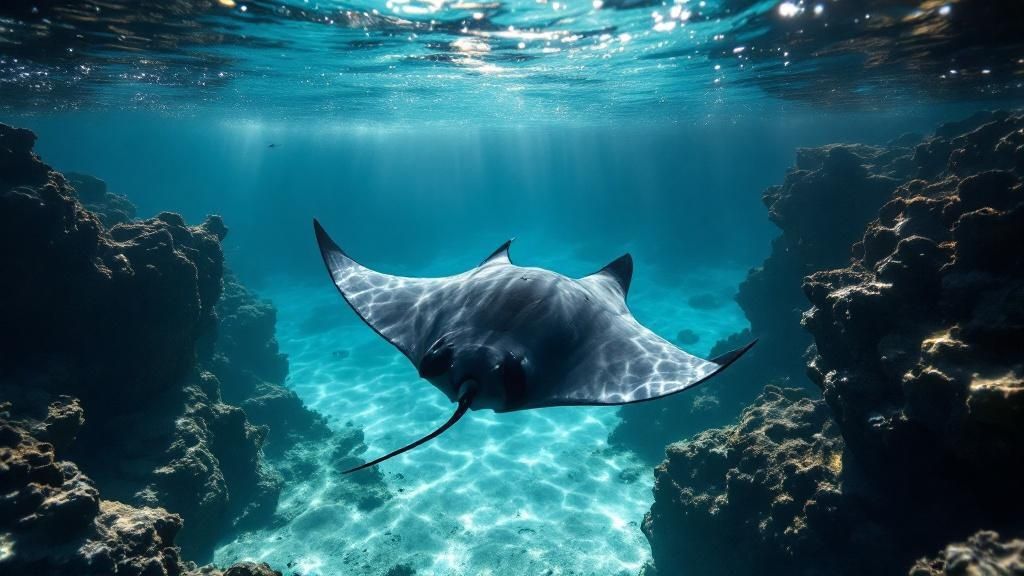
Divers and snorkelers access the water from a rocky entry point that leads to a vibrant, sloping reef with intricate channels. It's within these channels and over the reef that the majestic mantas are often seen gliding gracefully. Sightings are not guaranteed and require a bit of luck, but the reward is a tranquil, intimate encounter in a less crowded setting. This site has been popularized by the local Maui dive community and dedicated researchers from organizations like the Maui Manta Ray Project, who monitor the local population.
Top Operators and What They Offer
For those seeking guidance or a more structured experience at Makena, several reputable operators can lead the way:
- Maui Dive Shop: A well-established company offering guided shore dives at Makena Landing. Their experienced guides are invaluable for navigating the site and maximizing your chances of a successful manta encounter.
- Mike Severns Diving: Known for their focus on marine biology and conservation, they occasionally conduct manta research dives, offering a unique educational perspective on these incredible animals.
- Extended Horizons: This operator specializes in personalized and small-group encounters, providing a more intimate dive experience focused on finding mantas in their natural habitat.
While many experienced divers explore this site independently, hiring a local guide for your first visit is highly recommended to learn the layout and key areas. The key to a successful sighting at Makena is patience; plan to spend at least 45 to 60 minutes in the water. For the best conditions, aim for early morning or late afternoon trips, especially during the summer months when visibility is typically at its peak.
3. Maui – Molokini Crater
While Kona is the king of guaranteed manta sightings, Maui offers a different kind of thrill at Molokini Crater: the chance encounter. This partially submerged volcanic crater, a State Marine Life and Bird Conservation District, is world-famous for its crystal-clear water and vibrant coral reefs. It’s a snorkeler’s and diver’s paradise, but for those wondering where to see manta rays in Hawaii with an element of surprise, Molokini’s "back wall" provides a compelling answer. This dramatic underwater cliff drops over 300 feet, creating upwelling currents that bring nutrient-rich plankton to the surface, occasionally attracting filter-feeding manta rays.
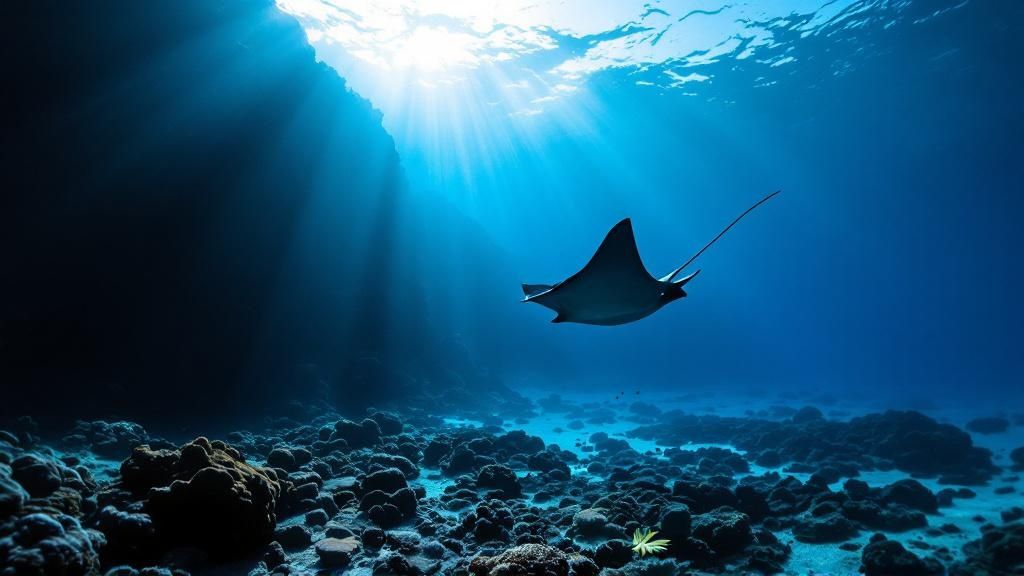
Unlike Kona’s reliable nighttime feeding aggregation, spotting a manta at Molokini is a special bonus to an already spectacular day. The allure here is the combination of a world-class snorkeling or diving experience inside the protected crescent with the potential for a majestic fly-by along the deep blue of the outer wall. This makes the trip a must-do Maui adventure, celebrated by icons like Jacques Cousteau and featured in numerous travel publications. The focus should be on the overall incredible marine environment, with a manta sighting being the ultimate prize.
Top Operators and What They Offer
A trip to Molokini is an open-ocean excursion, so choosing a reputable boat operator is key to a safe and enjoyable day. Many excellent companies offer tours from Ma'alaea Harbor or Kihei Boat Ramp.
- Trilogy Excursions: Known for their luxury sailing catamarans and top-tier service, including cinnamon rolls and BBQ lunch. They offer a premium, comfortable experience.
- Pride of Maui: This large, stable catamaran is a great option for families and those concerned about seasickness. They provide all the gear and amenities for a full day of fun.
- Pacific Whale Foundation: For an eco-conscious choice, their tours are led by certified Marine Naturalists who provide educational insights about the reef and its inhabitants.
- Maui Adventure Cruises: Offering faster, mid-size raft-style boats, they can often get you to Molokini before the larger crowds arrive for a more intimate experience.
- Four Winds II: Famous for its glass-bottom viewing room, this boat offers a way for non-swimmers to enjoy the underwater scenery alongside snorkelers.
4. Oahu – Manta Ray Night Dive/Snorkel (West Shore)
For visitors wondering where to see manta rays in Hawaii without hopping over to the Big Island, Oahu's west shore presents a fantastic and growing opportunity. Inspired by the incredible success of Kona's programs, operators along the Waianae Coast have cultivated their own nighttime manta ray experiences. This allows travelers based on Oahu to witness the same magical ballet of mantas feeding on plankton attracted by underwater lights.
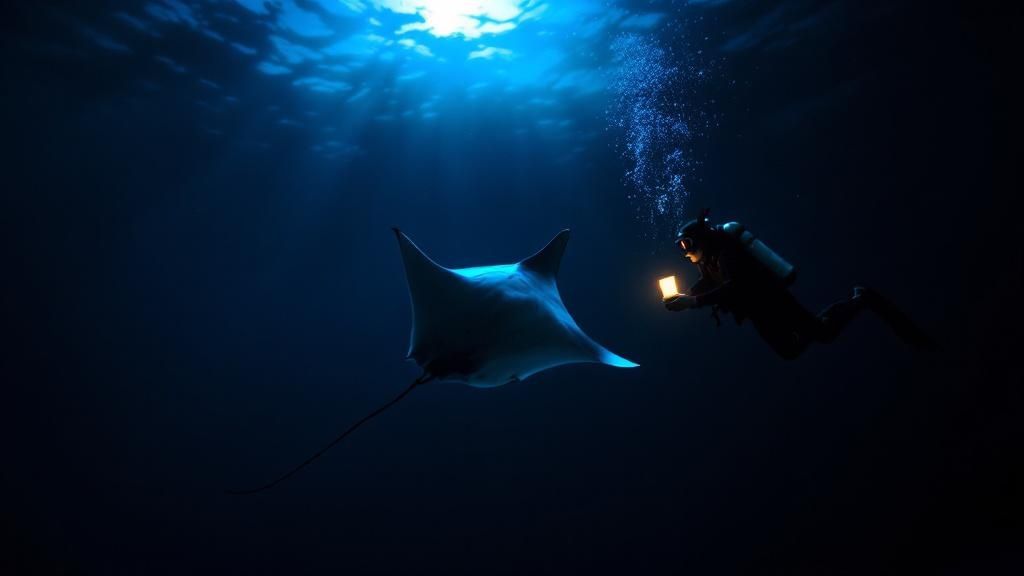
While it's a newer and smaller-scale operation compared to the world-famous Kona experience, the west Oahu encounters are becoming increasingly reliable. Manta rays in the area are learning to associate the lights with a consistent food source, leading to more frequent and predictable sightings. This emerging destination, particularly near Ko Olina, offers a convenient and breathtaking alternative for those looking to add a manta encounter to their Oahu itinerary.
Top Operators and What They Offer
The west shore's manta eco-tourism is spearheaded by several dedicated operators who prioritize safe and respectful interactions:
- Hawaii Nautical: A pioneering company on Oahu, they were instrumental in establishing the manta ray night snorkel and dive experience on the island, offering consistent tours from their base near Ko Olina.
- Dolphin Excursions Hawaii: Known for their popular dolphin and whale watching tours, they also offer manta ray snorkel trips, often allowing guests to combine daytime and nighttime ocean adventures.
- Wild Side Specialty Tours: With a strong focus on marine biology and conservation, this operator provides an eco-conscious approach, often integrating educational components into their tours.
- Island View Hawaii: Offers a more luxurious experience aboard their comfortable catamarans, providing a high-end option for viewing the mantas.
- Ko Olina Ocean Adventures: Based directly in the Ko Olina resort area, they offer convenient access for guests staying locally, running tours that highlight the beauty of the Waianae Coast.
5. Big Island – Manta Heaven (Manta Village)
While Kona's nighttime manta encounter is legendary, there's another, more naturalistic way to witness these gentle giants. Manta Heaven, also known as Manta Village, offers a compelling daytime dive and snorkel experience. Located just off the Kona coast near the airport, this site allows observers to see manta rays in a completely different context: their daily routine at a natural "cleaning station." Here, majestic mantas patiently hover over coral heads while smaller reef fish, like the Hawaiian cleaner wrasse, meticulously remove parasites from their skin.
This daytime spectacle provides a unique window into the natural behavior of manta rays, a sight prized by underwater photographers and marine life enthusiasts. The site rests in approximately 40 feet of water, making it accessible to scuba divers of varying skill levels. While sightings are not as guaranteed as the plankton-fueled night events, the reward is observing a serene, symbiotic relationship in beautiful, natural sunlight. It’s a completely different answer to the question of where to see manta rays in Hawaii, focusing on behavior rather than feeding.
Top Operators and What They Offer
Many of Kona's top dive companies include Manta Heaven in their regular daytime dive itineraries, often as part of a two-tank trip.
- Kona Honu Divers: Known for their expert guides and commitment to marine education, they frequently visit this site on their morning dive charters, offering a fantastic opportunity to see the mantas' cleaning behavior.
- Jack's Diving Locker: A long-standing operator that often incorporates Manta Heaven into their dive schedules, providing a great alternative or complement to their famous night dives.
- Big Island Divers: This reputable company includes Manta Heaven as a potential site in their diverse dive itineraries, led by experienced and knowledgeable crews.
- Kona Diving Company: Offers specialty manta dives and often visits this cleaning station, appealing to divers specifically seeking this unique natural encounter.
- Torpedo Tours: This operator focuses on small-group experiences and often targets this site, allowing for a more intimate and patient observation of the cleaning stations.
To experience this daytime phenomenon, it is best to book a daytime dive tour with a respected operator. Discussing your interest in visiting Manta Heaven when booking can increase your chances, as dive sites are chosen daily based on conditions. For a deeper dive into all the underwater possibilities, you can explore more about the best diving on the Big Island.
6. Big Island – Keauhou Bay Resort Area (Shore Diving)
For the highly experienced and self-sufficient ocean-goer, the waters off the Keauhou Bay resort area present a unique, shore-based answer to "where to see manta rays in Hawaii?". This method involves entering the water from the shore near the Outrigger Kona Resort and Spa and swimming out to the well-known manta ray viewing sites. It’s the same location where the nightly tour boats congregate, but this approach allows one to bypass the formal tour structure.
This option is primarily pursued by budget-conscious travelers with extensive open-water experience, local residents, and seasoned free divers who are comfortable navigating in darkness. The primary motivation is to experience the magic of the manta ray ballet without the cost of a charter. However, it's crucial to understand that this is not a casual activity for the average tourist. The swim is long, it's done in complete darkness, and it requires navigating active boat traffic, which introduces significant safety risks.
Safety Considerations and Best Practices
Attempting a shore dive or snorkel at Keauhou Bay requires meticulous planning and a deep respect for the ocean. It should only be considered by those who are extremely confident in their swimming abilities and knowledgeable about local conditions. The cost savings are not worth compromising personal safety.
- Expertise is Non-Negotiable: This is strictly for advanced, strong open-water swimmers, divers, or free divers. You must be comfortable with a long surface swim in the dark, potentially against a current.
- Buddy System is Mandatory: Never, ever attempt this alone. Always go with an equally experienced partner. Inform someone on shore of your exact plan, including your entry time and expected return time.
- Be Seen: High visibility is critical for safety. Use a high-quality primary dive light, a backup light, and wear bright safety markers or a personal strobe light to ensure boat captains can see you.
- Navigate Boat Traffic: Stay well clear of boat propellers, moorings, and anchor lines. Be hyper-aware of boat traffic patterns as vessels arrive and depart the viewing area.
- Respect the Professionals: Give the commercial tour boats and their customers plenty of space. Remember they are managing large groups and their "campfire" of lights is what attracts the mantas.
- Know Your Limits: Check weather and surf reports before entering. Have a clear exit strategy and be prepared to cancel your plans if conditions are anything less than ideal. Understand the symptoms of exhaustion and hypothermia, as the night water can be deceptively cold over time.
For most visitors, the safest and most enjoyable way to experience this natural wonder is with a professional guide. To better understand the area and the organized tour options, you can find details about the best manta snorkels on the Big Island.
Top 6 Hawaii Manta Ray Viewing Sites Comparison
| Location / Experience | Implementation Complexity 🔄 | Resource Requirements ⚡ | Expected Outcomes 📊 | Ideal Use Cases 💡 | Key Advantages ⭐ |
|---|---|---|---|---|---|
| Kona (Big Island) – Night Manta Ray Snorkel/Dive | Moderate – guided night snorkeling/diving tours with lighting | Requires boat, lights, wetsuit, basic snorkeling/diving skills | Very high sighting rate (85-95%) of feeding mantas | Beginners to advanced, reliable night manta viewing | Highest success rate, year-round availability, beginner-friendly, affordable |
| Maui – Makena Landing (South Maui) | Moderate to high – shore entry with potential rough terrain | Own or rental gear, shore access, some diving/snorkeling skill | Moderate sighting rate (30-50%), less predictable | Experienced snorkelers/divers wanting natural encounter, free access option | Natural manta behavior, less crowded, free shore access, good photography |
| Maui – Molokini Crater | Moderate – boat tour to crater with advanced dive options | Boat tour required, snorkeling/diving gear, advanced certification for deep dives | Low to moderate chance (20-40%) of manta sightings, excellent reef experience | All levels inside crater, advanced for back wall; combined marine life viewing | Exceptional reef snorkeling, multiple species, clear waters, professional tours |
| Oahu – Manta Ray Night Dive/Snorkel (West Shore) | Moderate – newer, growing night tour operations | Boat tours with lighting, beginner friendly gear | Moderate sighting rate (60-75%), still developing program | Oahu visitors wanting manta experience without island travel | Convenient access, smaller crowds, intimate experiences, more affordable than inter-island |
| Big Island – Manta Heaven (Manta Village) | Moderate to high – daytime boat dive to cleaning station | Boat, scuba certification needed, diving equipment | Moderate success rate (40-60%) daytime manta sightings, natural cleaning behavior | Certified divers seeking natural daylight manta encounters | Daytime viewing, natural behavior, smaller crowds, excellent photography |
| Big Island – Keauhou Bay Resort Area (Shore Diving) | High – independent shore dive/snorkel at night | Own advanced gear, strong swimming skills, night navigation | Same high-quality moth sightings as tours but no guarantees | Expert free/divers wanting free, flexible access | Free access, no booking, flexible timing, same mantas as tours |
Ready for Your Manta Ray Adventure?
Hawaii offers a handful of incredible opportunities to witness manta rays in their natural habitat, from the waters off Maui to the lesser-known sites on Oahu. Each location presents a unique chance to connect with these gentle giants. However, as we've explored, one destination stands above the rest for its consistency, accessibility, and sheer spectacle: the Kona coast of the Big Island. The nightly gatherings at sites like Manta Heaven and Keauhou Bay are not just a tour; they are a world-renowned natural phenomenon, offering the most reliable and breathtaking manta ray encounters on the planet.
Key Takeaways for Your Manta Encounter
To make the most of your adventure, remember these crucial points:
- Kona is King: While Maui and Oahu have their moments, the Big Island’s Kona coast is the global epicenter for manta ray viewing, with established, well-lit "campsites" that attract dozens of mantas nightly.
- Choose Your Adventure: You don't have to be a scuba diver to participate. Snorkeling offers a fantastic, accessible view from the surface, while diving allows you to get a unique perspective from the ocean floor, looking up as mantas glide inches above you.
- Respect the Mantas: Adhering to passive observation guidelines is non-negotiable. Never touch, chase, or block a manta's path. Your responsible behavior ensures these experiences remain sustainable for generations to come.
- Book with Experts: A reputable operator is the difference between a good trip and an unforgettable one. Look for companies with experienced guides, a strong commitment to safety, and a deep respect for marine conservation.
Planning Your Next Steps
Now that you know where to see manta rays in Hawaii, it's time to turn that knowledge into an experience. Your first step is to decide which island and which type of tour best fits your comfort level and travel plans. If you've set your sights on the unparalleled Kona experience, the next move is to book your spot. These tours are incredibly popular and fill up quickly, especially during peak travel seasons.
For photographers aiming to document this incredible ballet, preparation is key. To ensure you capture stunning images of these majestic creatures, consider researching the best camera lens for wildlife photography to match the unique low-light conditions of the night dive.
Seeing a manta ray glide effortlessly through the water is a profound, almost spiritual experience. It’s a powerful reminder of the ocean's magic and our responsibility to protect it. By choosing a responsible tour, you are not just a tourist; you are a participant in a beautiful symbiotic relationship, and your presence helps support the ongoing conservation of these magnificent animals. Are you ready to witness the dance?
Ready to book the adventure of a lifetime on the Big Island? For a world-class manta ray dive or snorkel experience guided by passionate experts, look no further than Kona Honu Divers. Visit Kona Honu Divers to learn more about their award-winning tours and secure your spot for an unforgettable night with Kona's famous manta rays.