
The Big Island of Hawaii is a diver's dream, a volcanic wonderland where dramatic lava tubes meet vibrant coral reefs and majestic marine life. With calm, clear waters protected from trade winds, the Kona coast offers some of the most spectacular and accessible diving in the Pacific. But with dozens of unique sites, the question every underwater explorer asks is, "Where is the best diving on the Big Island?"
Whether you're a seasoned pro seeking advanced thrills or a new diver ready for your first plunge, this guide is your definitive resource. We will navigate you through the absolute best underwater experiences Kona has to offer, from world-famous night dives with graceful manta rays to secluded coves teeming with endemic species. This article breaks down the top locations, detailing what makes each site special, what marine life to expect, and the skill level required.
As a top-rated local operator, Kona Honu Divers has guided thousands of divers through these incredible waters. We are dedicated to sharing the magic of our ocean home, combining safety, expertise, and a deep respect for the marine environment. Let's dive in and explore the sites that make the Big Island a truly world-class destination.
1. Kealakekua Bay: The Pristine Marine Sanctuary
Kealakekua Bay isn't just a dive site; it's a living underwater museum and a cornerstone of Hawaiian history. Designated as a Marine Life Conservation District, the bay offers some of the most protected and vibrant coral reefs in the state. This protection translates to an astonishing abundance of marine life and consistently clear water, with visibility often soaring beyond 100 feet. It is unequivocally one of the best places for scuba diving the Big Island.
The bay's calm, sheltered waters are ideal for divers of all skill levels, from beginners making their first open-water descent to seasoned veterans seeking pristine conditions. The shallow reef areas, bathed in sunlight, give way to a dramatic drop-off near the center of the bay, providing a diverse underwater landscape to explore.
Why It Stands Out
What truly sets Kealakekua Bay apart is its sheer density of marine life combined with its historical significance. The iconic Captain Cook Monument stands on its shore, marking a pivotal point in Hawaiian history. Underwater, you'll find a thriving ecosystem that has benefited from decades of conservation.
- Marine Life Highlights: Expect to see vast schools of yellow tang, spinner dolphins (from a respectful distance), Hawaiian green sea turtles (honu), and a multitude of endemic butterflyfish. The coral gardens here are spectacular, featuring intricate cauliflower coral and vibrant finger coral formations.
- Accessibility: Due to its protected status, access is limited. You cannot drive directly to the prime dive spot at the monument. The best and most common way to experience the bay is via a licensed boat tour, which helps preserve the fragile environment from overuse.
- Ideal Conditions: The bay's geography naturally protects it from wind and large swells, creating a calm and safe environment for divers and snorkelers, especially during morning excursions.
Actionable Tips for Your Visit
To make the most of your trip to this extraordinary sanctuary, a little planning goes a long way.
Pro-Tip: Morning tours are highly recommended. The water is typically at its calmest and clearest, and marine life is often more active before the midday sun.
Book your tour well in advance, particularly during peak seasons, as spots on reputable charters fill up quickly. Remember that only reef-safe sunscreen is permitted to protect the delicate coral. Federal law also requires you to maintain a distance of at least 50 yards from the spinner dolphins that frequent the bay. For a deeper understanding of the local ecosystem and a guided experience, see what diving tour options are available.
2. Honaunau Bay (Two Step): The Premier Shore Dive
Honaunau Bay, affectionately known as "Two Step" for its natural lava rock ledges that create an effortless entry into the ocean, is a world-renowned shore diving destination. Located adjacent to the historic Pu'uhonua o Honaunau National Historical Park, this site offers divers unparalleled access to a thriving underwater world without the need for a boat. As another of the Big Island's Marine Life Conservation Districts, its protected status ensures a vibrant and healthy ecosystem.
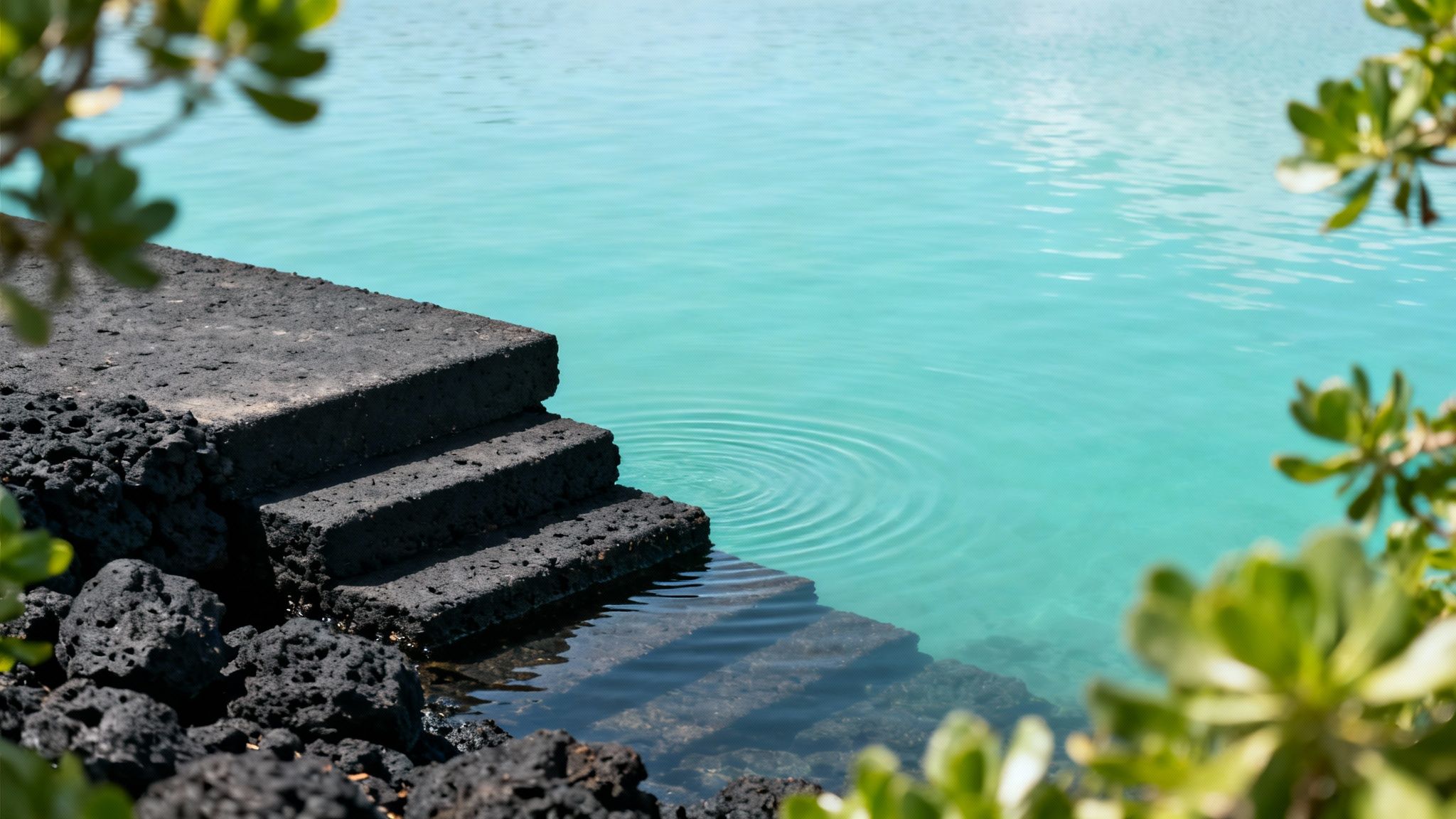
The bay's clear and typically calm waters make it an excellent spot for divers of all experience levels. The easy entry leads directly to a shallow, sandy-bottomed coral garden that gently slopes to deeper water, revealing dramatic underwater topography like lava tubes, arches, and small caverns. This diverse structure provides a habitat for an incredible array of marine species.
Why It Stands Out
Honaunau Bay's primary appeal lies in its exceptional shore accessibility combined with its remarkable biodiversity. It offers a boat-dive-quality experience right from the coastline. The area is also famous for its nighttime manta ray encounters, providing a different but equally mesmerizing experience to the more common boat-based tours.
- Marine Life Highlights: Look for large pods of spinner dolphins resting in the bay during the day. The reefs are home to Hawaiian green sea turtles (honu), eels, octopuses, and countless species of reef fish. Divers can often spot eagle rays and, on occasion, manta rays even during daytime dives.
- Accessibility: As one of Hawaii's best shore diving sites, you can simply drive up, gear up, and walk in. The "two step" entry point is a large, flat lava rock shelf that makes entering and exiting the water surprisingly simple.
- Ideal Conditions: The bay is well-protected, offering calm conditions ideal for training dives, snorkelers, and long, relaxed explorations. Visibility is frequently excellent, often exceeding 80-100 feet, making it a photographer's dream.
Actionable Tips for Your Visit
A successful day at Two Step is all about timing and preparation, ensuring you can enjoy this popular spot to its fullest.
Pro-Tip: Arrive early, ideally before 9 AM, to secure a parking spot. The limited spaces fill up quickly. This also allows you to enjoy the water before the afternoon crowds arrive.
Be sure to wear sturdy water shoes or booties to protect your feet on the lava rock. While the entry is easy, the surrounding rock can be sharp. Remember to respect the protected status of the bay by not touching any coral or marine life. For those new to the site or shore diving, consider a guided tour to see all the best underwater features. Many local operators offer guided shore dives and night manta ray dives that sometimes utilize this incredible location.
3. Manta Ray Night Dive Sites (Garden Eel Cove/Manta Village)
The Big Island is globally renowned for a singular, breathtaking underwater spectacle: the manta ray night dive. Consistently ranked among the top ten dive experiences in the world, this is a must-do for any certified diver or adventurous snorkeler. At two primary locations, Garden Eel Cove and Manta Village, dive operators set up powerful lights on the seafloor after sunset, attracting clouds of plankton. This natural "dinner bell" summons majestic manta rays, some with wingspans exceeding 16 feet, to perform a mesmerizing underwater ballet.
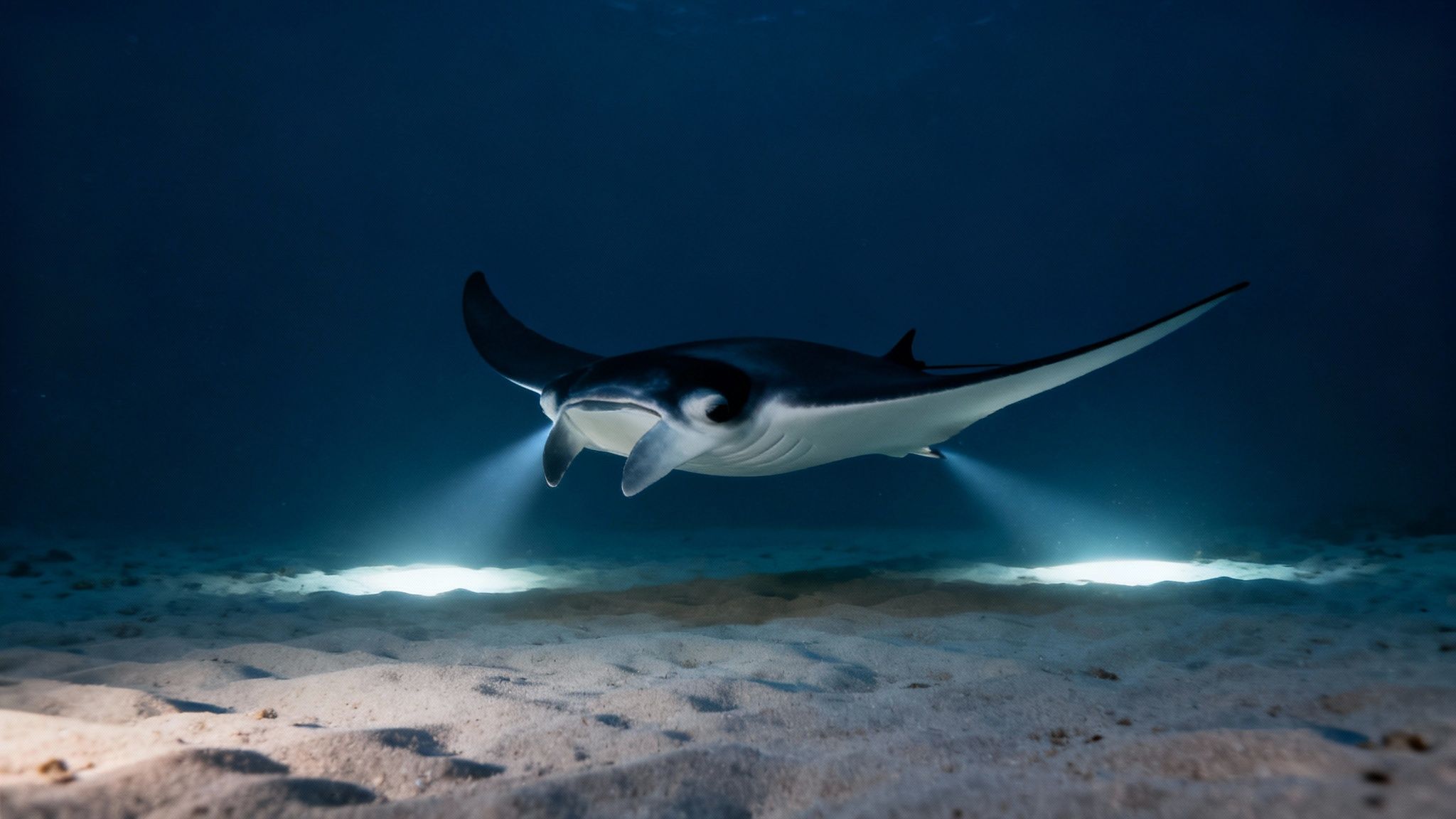
Divers settle on the sandy bottom, shining their lights upward as these gentle giants gracefully swoop and barrel-roll just inches above them, filter-feeding on the dense plankton. It’s an otherworldly encounter that has been featured in documentaries by the BBC and National Geographic, solidifying its status as a peak experience in the world of diving. This unique interaction makes it a key reason why many consider the area to have the best diving on the Big Island.
Why It Stands Out
What makes the Kona manta ray dive so unique is its reliability and the incredibly close, yet safe, interactions it facilitates. Unlike chance encounters in the wild, this experience is a well-established and organized event built around the mantas' natural feeding behaviors. This dive is not just a thrill; it's an educational opportunity, supported by ongoing research from organizations like the Manta Pacific Research Foundation.
- Marine Life Highlights: The star attractions are the resident reef manta rays (Mobula alfredi). Divers can identify individual mantas by their unique spot patterns. While the focus is on the mantas, you may also see garden eels (at Garden Eel Cove during the day), moray eels, and various nocturnal crustaceans.
- Accessibility: Both snorkelers and scuba divers can participate, making it an inclusive activity. Reputable operators like Jack's Diving Locker and Big Island Divers ensure the experience is conducted responsibly to protect both the mantas and the participants. The two main sites, Garden Eel Cove (north of Kona) and Manta Village (south of Kona), offer slightly different experiences and accessibility.
- Ideal Conditions: The dive takes place in relatively shallow water (25-40 feet) in protected coves, making it suitable for newly certified divers. The "manta campfire" setup, where divers gather in a circle, creates a shared, awe-inspiring experience.
Actionable Tips for Your Visit
Proper planning is key to ensuring you have a magical and comfortable manta encounter.
Pro-Tip: Book your manta ray dive for one of your first nights on the island. This provides a buffer in case weather forces a cancellation, giving you a chance to reschedule the can't-miss experience.
Book your tour several days, or even weeks, in advance, especially during peak season. If you are prone to seasickness, consider taking preventative medication as you will be on a boat at night. Most importantly, follow the passive interaction rules: stay on the bottom, do not touch or chase the mantas, and let these magnificent creatures come to you. To explore your options and book a tour, check out this dedicated manta ray dive and snorkel tour.
4. Puako/Coral Gardens: A Shore Diver’s Paradise
Nestled along the sunny Kohala Coast, the Puako area offers some of the most accessible and rewarding shore diving on the Big Island. This stretch of coastline hosts an extensive and remarkably healthy coral reef system, with "Coral Gardens" being its most celebrated site. It's a fantastic spot for divers who prefer the freedom of exploring at their own pace without the need for a boat charter.
The shallow reef here is a photographer's dream, teeming with vibrant hard and soft corals that create a complex and beautiful underwater landscape. The easy entry points and relatively calm conditions make it suitable for all skill levels, from snorkelers peering from the surface to certified divers wanting a long, leisurely exploration of one of the island's richest near-shore ecosystems.
Why It Stands Out
What makes Puako special is the exceptional quality and density of its coral reef, which is easily reachable from the shore. The area is a known hotspot for marine biologists conducting reef health studies, a testament to its pristine condition. Despite its world-class reputation, it remains less crowded than many of the island's more famous boat-dive locations.
- Marine Life Highlights: Expect an incredible diversity of reef fish, including parrotfish, butterflyfish, and Moorish idols. Hawaiian green sea turtles (honu) are very common residents, often seen resting among the coral heads. The macro life is also spectacular, with opportunities to spot octopus, eels, and various crustaceans hiding in the reef's many crevices.
- Accessibility: Access is via public shore-access paths located between residential homes, often marked near telephone poles. Navigating the lava rock entry can be tricky, so proper footwear is a must. The best diving is typically found 100-200 yards offshore.
- Ideal Conditions: Mornings are almost always the best time to visit, offering the calmest water and best visibility before the afternoon winds pick up. The shallow nature of the reef (20-40 feet) allows for ample bottom time and excellent light for photography.
Actionable Tips for Your Visit
A successful shore dive at Puako requires a bit of preparation and respect for the local community.
Pro-Tip: Wear sturdy dive booties or reef shoes for the walk over the a'a lava rock to the water's edge. This will protect your feet and make the entry and exit much safer and more comfortable.
When parking, be extremely considerate of the residents; never block driveways or mailboxes. To fully appreciate the variety this coastline offers, consider exploring the different entry points along the shore. For more detailed guidance on this location and other top spots, check out this guide to the best shore diving on the Big Island. Always bring reef-safe sunscreen and plenty of fresh water, as the Kohala sun can be intense.
5. Kahaluu Beach Park: The Ultimate Beginner’s Bay
While many premier dive sites require a boat, Kahaluu Beach Park offers an incredibly rich and accessible underwater experience right from the shore. Located just south of Kailua-Kona, this protected bay is arguably the island's most popular and family-friendly snorkeling spot, but it also serves as a fantastic training ground for new divers and a relaxing "fun dive" for certified divers seeking an easy day. Its calm, shallow waters and convenient entry make it a standout location.
A man-made breakwater protects the bay from ocean swells, creating a calm, pool-like environment perfect for building confidence. The easy, sandy entry leads to a sprawling rocky reef teeming with an astonishing variety of fish, making it a reliable spot for marine life encounters without the need for a deep dive. For those wondering about the quality of snorkeling in the area, Kahaluu is a prime example of how great snorkeling in Kona can be.
Why It Stands Out
Kahaluu's primary advantage is its unmatched accessibility and reliability. You can simply park your car, gear up, and walk into the ocean. The shallow depths, typically ranging from 5 to 20 feet, allow for long, relaxed dives with plenty of bottom time. It is a fantastic place for divers to test new equipment or for snorkelers to get their first glimpse of Hawaii's vibrant underwater world.
- Marine Life Highlights: The bay is a nursery for juvenile fish and a haven for Hawaiian green sea turtles (honu). Expect to see parrotfish, triggerfish, Moorish idols, and large schools of convict tangs. The sheer concentration of life in such a small, accessible area is what makes it special.
- Accessibility: As a public beach park, it's free to enter and offers full facilities, including restrooms, showers, picnic tables, and lifeguards. You can rent snorkel and dive gear directly at the beach from a concession stand.
- Ideal Conditions: The protected nature of the bay ensures calm conditions nearly year-round, making it a safe bet when other coastal areas might be too rough. This is why it’s a top recommendation from hotel concierges for families and beginners.
Actionable Tips for Your Visit
A successful trip to Kahaluu Beach Park is all about timing and respect for the environment. This popular spot can get crowded, so planning ahead is key.
Pro-Tip: Arrive early, ideally before 10 AM, to secure a parking spot and enjoy the water before the midday crowds arrive. Weekdays are generally less busy than weekends.
Remember that this is a fragile ecosystem. Do not touch or stand on the coral, as this can cause irreversible damage. Federal and state laws require you to maintain a respectful distance of at least 10 feet from the honu. Always use reef-safe sunscreen, applying it well before you enter the water. This simple step helps protect the very reef you've come to admire.
6. Red Hill/Golden Arches: An Advanced Underwater Adventure
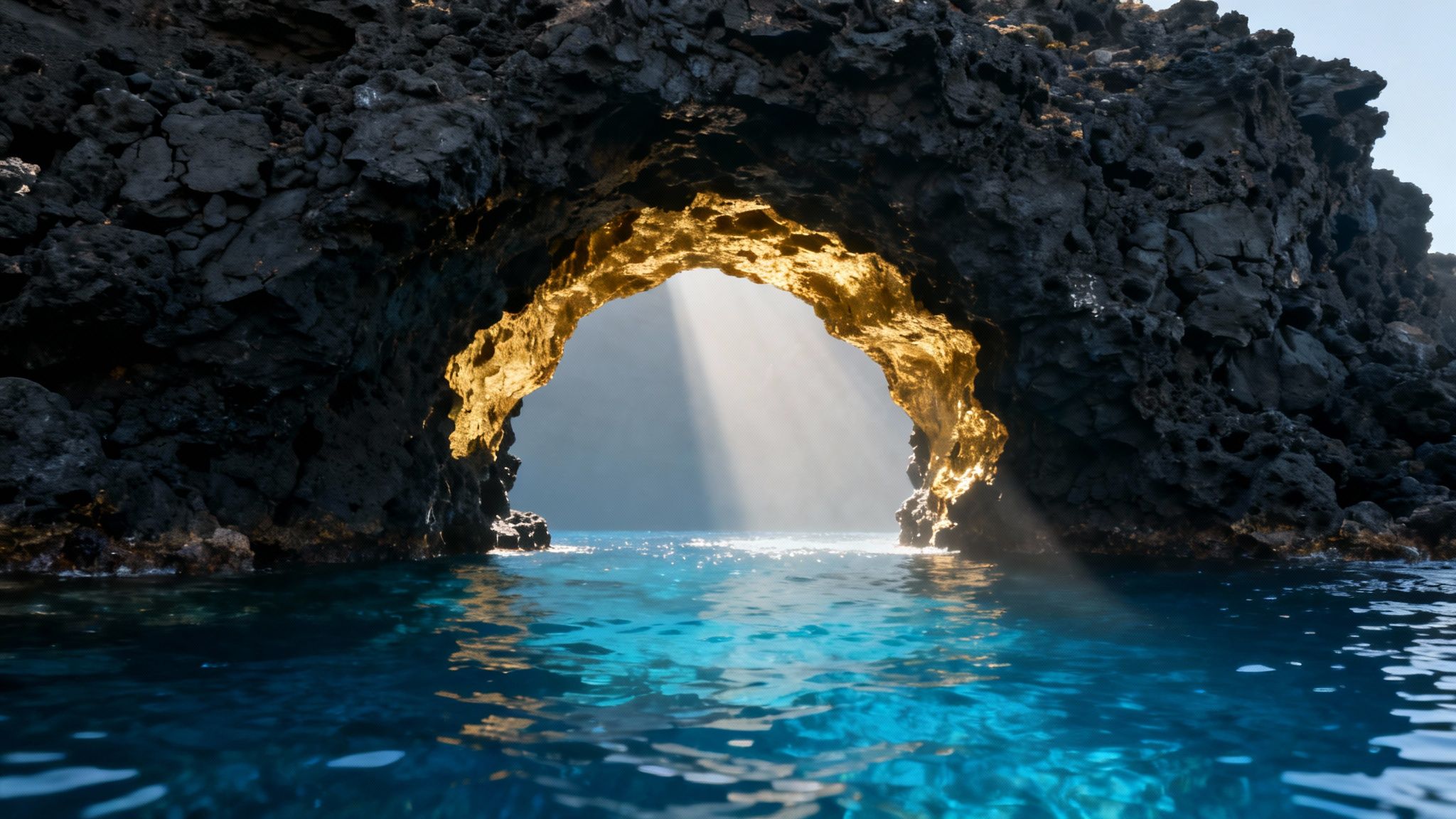
For certified divers seeking a thrilling challenge, Red Hill, often called Golden Arches, presents one of the most dramatic and adventurous underwater landscapes on the Kona coast. This advanced dive site, located south of Kailua-Kona, is defined by its spectacular volcanic topography, featuring massive lava arches, swim-throughs, and deep canyons that create a truly unique diving experience. It's a top-tier destination for those who want to explore beyond the shallow reefs.
The site gets its name from the distinctive golden-hued archways formed by ancient lava flows meeting the sea. Descending along the steep walls, divers can navigate these impressive structures, with depths easily reaching and exceeding 100 feet. The feeling is often described as flying through underwater canyons, making it a favorite among experienced divers and a prime location for deep diving specialty courses.
Why It Stands Out
Red Hill’s appeal lies in its rugged, untamed beauty and complex structure, which sets it apart from the more serene reef dives. The depth and overhead environments demand skill and situational awareness, but the rewards are immense. The geological formations alone make it one of the most memorable dives on the Big Island.
- Marine Life Highlights: The deep, cool waters attract a different variety of marine life. Look for larger pelagic species like sharks, jacks, and rays cruising in the blue. The lava tubes and overhangs provide shelter for nocturnal creatures like lobsters and crabs, as well as viper morays and soldierfish.
- Accessibility: This site is exclusively accessible by boat and is reserved for advanced divers. Due to the depth and potential for currents, it is crucial to dive with a reputable charter that understands the site's unique conditions and can provide proper guidance.
- Ideal Conditions: The best conditions are typically found during calm seas. This site is less protected than others, so dive operators will only visit when the weather permits, ensuring a safe and enjoyable experience for advanced divers ready for the challenge.
Actionable Tips for Your Visit
Diving Red Hill requires careful planning and the right qualifications. To safely enjoy this incredible site, preparation is key.
Pro-Tip: Using Enriched Air Nitrox is highly recommended for this dive. The extended no-decompression limits will give you more bottom time to safely explore the deeper arches and canyons.
Ensure you hold at least an Advanced Open Water certification. Due to the site's complexity, it's best to go with an experienced local guide on your first visit. You can explore options on a premium advanced dive trip to ensure you are in capable hands. Always bring a good dive light to peer into the cavernous areas and a surface marker buoy for safety upon ascent.
Top 6 Big Island Dive Sites Comparison
| Site / Aspect | Implementation Complexity 🔄 | Resource Requirements ⚡ | Expected Outcomes 📊 | Ideal Use Cases 💡 | Key Advantages ⭐ |
|---|---|---|---|---|---|
| Kealakekua Bay | Moderate to High (boat/kayak/hike) 🔄 | Boat or kayak rental; potential permit | Pristine coral reefs, exceptional visibility, dolphin encounters 📊 | Intermediate to advanced snorkelers/divers | Outstanding water clarity, rich marine life ⭐ |
| Honaunau Bay (Two Step) | Low to Moderate (shore entry lava steps) 🔄 | Free shore access; parking (limited) | Easy access, diverse marine life, excellent night dives 📊 | All levels, especially manta ray enthusiasts | Easy shore access, manta ray night dives ⭐ |
| Manta Ray Night Dive Sites | High (guided night tours only) 🔄 | Guided tour only; higher cost | Nearly guaranteed manta sightings, unique night experience 📊 | All divers seeking iconic experience | World-class manta encounters, safe protocols ⭐ |
| Puako/Coral Gardens | Low to Moderate (shore access, lava) 🔄 | Free shore access, limited parking | Extensive coral reefs, excellent for photography and exploration 📊 | Coral enthusiasts, photographers, families | Less crowded, rich coral diversity ⭐ |
| Kahaluu Beach Park | Very Low (easy sandy beach entry) 🔄 | Full amenities, parking, equipment rentals | Beginner-friendly snorkeling with turtles, safe and convenient 📊 | Beginners, families, casual snorkelers | Easy access, facilities, lifeguards ⭐ |
| Red Hill/Golden Arches | High (boat access, advanced diving) 🔄 | Boat charter required, advanced gas management | Dramatic underwater topography, advanced dive challenges 📊 | Advanced divers seeking adventure | Spectacular formations, pelagic marine life ⭐ |
Your Ultimate Big Island Dive Adventure Awaits
So, where is the best diving on the Big Island? As we've explored, the answer isn’t a single location but a vibrant tapestry of underwater ecosystems, each offering a unique and unforgettable experience. The "best" dive is the one that aligns with your personal adventure goals, whether it’s witnessing the gentle dance of giants on the world-famous Manta Ray Night Dive, exploring the historically rich and biodiverse waters of Kealakekua Bay, or discovering the intricate coral cities at Puako.
Your journey through Kona's underwater world, from the accessible shores of Honaunau Bay to the dramatic lava formations of Red Hill, reveals a destination with unparalleled diversity. This variety is what truly sets the Big Island apart. You can spend one day swimming with graceful green sea turtles in calm, shallow waters and the next venturing into the inky blackness of the open ocean on a thrilling Kona Blackwater Dive. The key takeaway is that Hawaii's Big Island offers a world-class dive for every certification level, interest, and sense of wonder.
Turning Knowledge into Action
To make the most of your trip, thoughtful planning is essential. Match the dive sites to your skill level and interests. Are you a new diver? Kahaluu Beach Park is a perfect place to build confidence. Are you an experienced diver seeking a challenge? Look into chartering an advanced dive trip to explore deeper, more remote sites. To fully prepare for your Big Island dive adventure, consider essentials that enhance comfort and convenience, like finding the best lightweight and quick-drying travel beach towels for easy packing and quick turnarounds between dives.
The most critical step, however, is choosing a professional, safe, and passionate guide. A top-tier dive operator doesn't just take you to a location; they enhance your understanding of the marine environment, ensure your safety with meticulous care, and share the authentic aloha spirit that makes diving here so special. At Kona Honu Divers, our experienced crew, top-of-the-line boats, and commitment to the 'ohana spirit ensure your dive is more than just a tour—it's a cherished memory.
Ready to take the plunge into Kona's pristine waters? Whether you're dreaming of our legendary Manta Ray Dive, a surreal Blackwater Dive, or a beautiful morning exploring the reefs on one of our scuba diving Kona tours, we have the perfect trip waiting for you.
For an experience that combines safety, expert local knowledge, and a deep respect for the ocean, look no further than Kona Honu Divers. We are dedicated to showing you the very best diving the Big Island has to offer, creating safe and memorable adventures for divers of all levels. Visit Kona Honu Divers to book the underwater journey of a lifetime.