
If you ask any diver what the absolute best dive in Kona is, you'll almost always get the same answer: the world-famous Manta Ray Night Dive. It’s an ethereal, underwater ballet where gentle giants swoop and feed in the beams of dive lights. This is a true bucket-list dive, consistently ranked among the best night dives on the entire planet.
Defining the Best Dive Experience in Kona
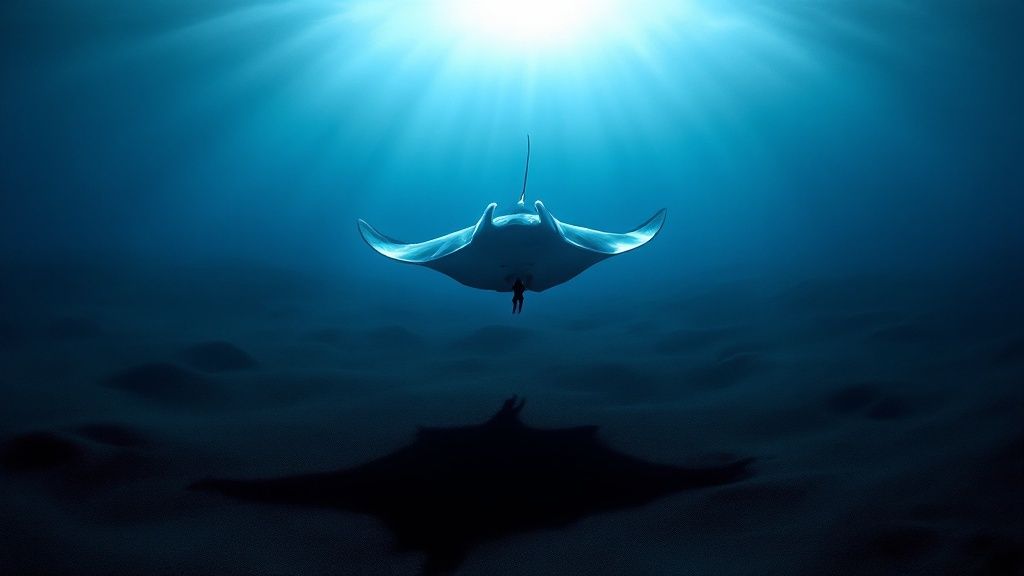
While the manta ray spectacle is nothing short of magnificent, the honest truth is that the "best" dive is a really personal thing. What sends chills down one diver's spine might be just another day in the water for someone else. Kona's volcanic coastline has created an incredible variety of underwater worlds, which means there’s truly something for every diver, no matter their skill or what they're looking for.
Think about it this way: for an adrenaline junkie, the "best" dive might be the thrill of spotting a tiger shark cruising in the deep blue. A history buff, on the other hand, could find their perfect dive exploring the calm, protected waters of a historic bay. And a photographer? They'd likely trade all that for a shallow reef packed with rare, vibrant critters they can spend an hour with.
What Makes a Kona Dive the "Best"?
To figure out what your best dive in Kona will be, you first have to ask yourself what gets you excited about diving. Most of Kona's top-tier underwater adventures can be grouped into a few categories, and each one offers a completely different kind of magic.
- Iconic Wildlife Encounters: This is where the Manta Ray Night Dive sits on its throne. These are dives built around a predictable, awe-inspiring interaction with a specific marine animal.
- Pristine Reef Ecosystems: If you dream of endless coral gardens and massive, swirling schools of fish, then a site like Kealakekua Bay is your paradise. These dives are all about the sheer health and biodiversity of the reef itself.
- Adrenaline and Adventure: Dives like Crescent Beach are known for their potential to deliver heart-pounding moments with big pelagic animals. We're talking sharks, dolphins, and whatever else the deep blue decides to send your way.
- Unique Underwater Topography: Kona is a volcanic island, and its underwater landscape is just as dramatic as what you see on land. Dives that take you through ancient lava tubes, under massive arches, and along breathtaking drop-offs offer a special kind of exploration.
Kona offers a spectacular menu of dive experiences, each with its own personality. To help you find your perfect underwater adventure, we've put together a quick comparison of some of the most acclaimed dives the Big Island has to offer.
Kona's Iconic Dives at a Glance
| Dive Experience | Best For | Marine Life Highlights | Typical Depth |
|---|---|---|---|
| Manta Ray Night Dive | Unforgettable wildlife encounters, photographers, all skill levels | Giant Manta Rays, Eels, Crustaceans | 30-50 ft |
| Kealakekua Bay | Healthy coral reefs, history buffs, snorkelers & divers | Spinner Dolphins, Turtles, vast schools of reef fish | 20-80 ft |
| Crescent Beach | Advanced divers, adrenaline seekers, pelagic life | Tiger Sharks, Dolphins, Eagle Rays, Jacks | 60-130 ft |
| Lava Tubes & Arches | Explorers, photographers, unique topography | Nudibranchs, Frogfish, rare critters, Turtles | 40-70 ft |
Ultimately, whether you're a brand new diver or a seasoned pro with thousands of dives under your belt, your perfect Kona dive is out there. This guide is designed to help you discover it by unpacking what makes each site special. When you're ready, you can start exploring a variety of world-class scuba diving tours on the Big Island to see what sparks your interest.
Witness the World-Famous Manta Ray Night Dive
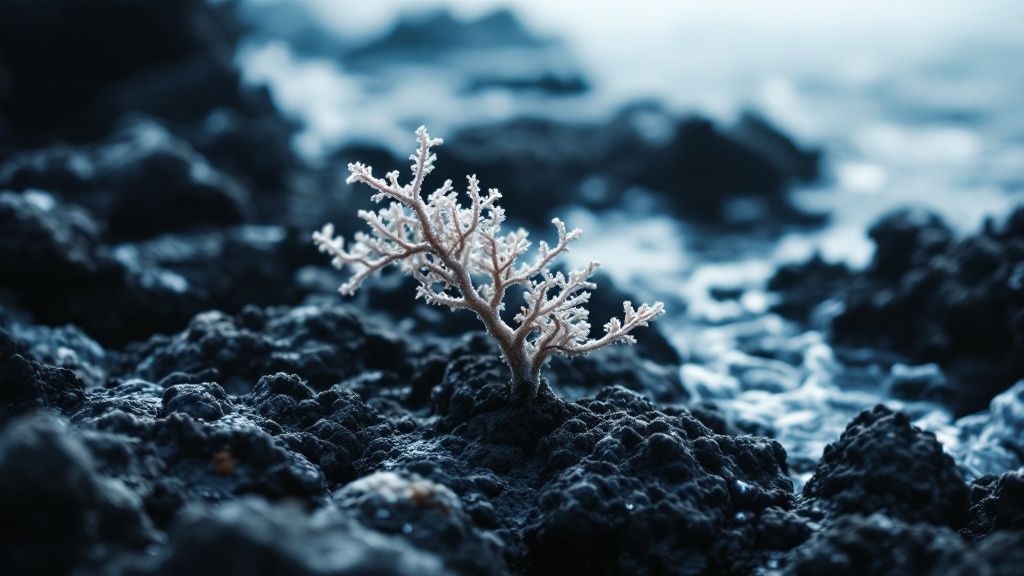
Picture this: you're kneeling on the sandy ocean floor, the sun has set, and the only sound is the gentle hum of the deep. Then, out of the darkness, a massive shadow glides effortlessly towards you. This isn't a scene from a movie. It's the Kona Manta Ray Night Dive, an experience so breathtaking it's consistently called one of the best night dives on the entire planet.
These gentle giants, with wingspans that can stretch over 16 feet, perform a stunning underwater ballet, barrel-rolling just inches from your face. The whole spectacle is powered by a brilliantly simple idea. Dive operators strategically place powerful lights on the ocean floor, which act like a beacon in the dark water. These lights attract huge clouds of plankton, the manta rays' favorite meal.
Essentially, we're setting up an all-you-can-eat buffet, and the local manta population knows exactly where to show up for dinner. This reliable feeding behavior is what makes the Kona dive so special and consistent, with sighting success rates often topping 90% all year. If you want to get into the nitty-gritty of this natural wonder, check out our guide on what the manta ray night dive is all about.
The Science of the Spectacle
The real magic behind the manta dive is pure biology. Plankton are "phototactic," a fancy way of saying they're drawn to light. By creating a concentrated light source, the dive site becomes a thick "plankton soup." Manta rays, being filter feeders, just have to swim through these clouds with their mouths wide open, gracefully scooping up their dinner.
The experience is often described as almost spiritual. Watching these massive, intelligent creatures perform acrobatics in the dark, their white bellies glowing in the lights, is an unforgettable encounter that stays with every diver long after they surface.
Operators like Kona Honu Divers have this down to a science, ensuring a safe and respectful encounter for both the divers and the mantas. Their deep expertise and commitment to protecting the local marine ecosystem make them a top choice for this bucket-list adventure.
What to Expect on Your Dive
Your adventure usually kicks off with a boat ride to one of the go-to manta feeding spots, like "Manta Village" or "Manta Heaven." Before you hit the water, the crew gives a detailed briefing covering safety and proper manta etiquette. The number one rule is simple but crucial: never touch the mantas. Their skin is covered with a protective mucous coating that our touch can easily damage.
Once you descend, you'll settle into your spot and just watch the show unfold. It's an incredibly accessible dive, perfect for certified divers of all skill levels. If you're ready to see this underwater ballet for yourself, you can learn more about the Manta Ray Dive tour and book your spot.
Explore Kealakekua Bay: A Sanctuary of History and Life
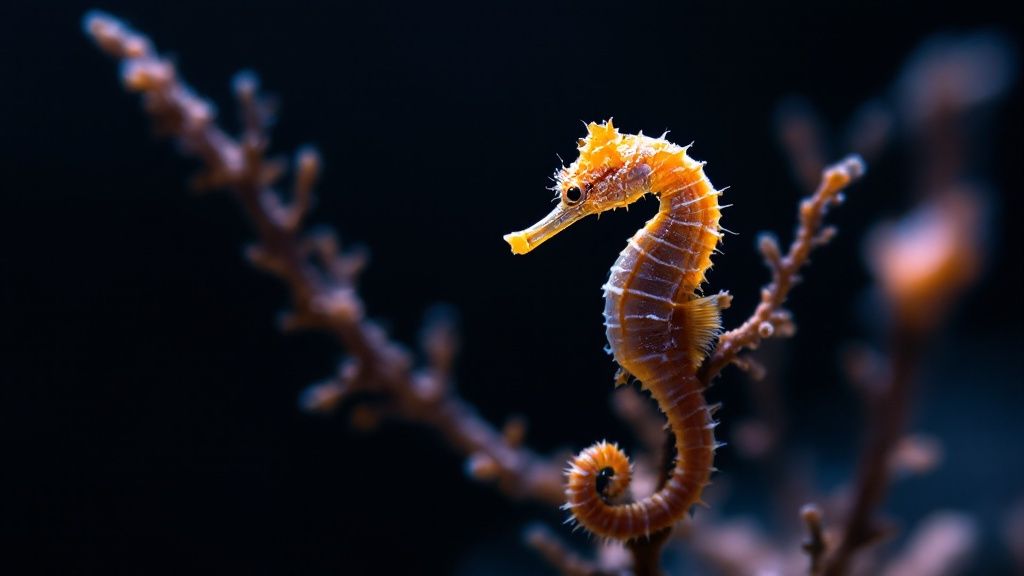
While the Manta Ray Night Dive gets a lot of the spotlight, many seasoned divers will tell you that the real magic is found in the calm, clear waters of Kealakekua Bay. This isn't just another beautiful reef; it's a protected Marine Life Conservation District, a true sanctuary where everything seems to flourish.
If your idea of a perfect dive is feeling like you're swimming through a pristine, natural aquarium, this is your place. The moment you descend, you're hit with exceptional clarity and a density of life that’s hard to find anywhere else.
Kealakekua Bay is truly one of the most significant dive sites on the Big Island, mixing breathtaking natural beauty with a deep sense of history. Because it faces south, the bay is naturally shielded from the rough trade winds that can churn up other spots. The result? Consistently calm conditions and visibility that often pushes past 100 feet.
This protection means the coral reefs are incredibly healthy, supporting huge populations of tropical fish. Expect to be surrounded by yellow tangs, parrotfish, and Moorish idols on every dive.
A Journey Through an Underwater Eden
Diving here is a feast for the senses. The bay floor is a mosaic of vibrant coral gardens and dramatic lava formations, creating an intricate underwater landscape teeming with creatures big and small.
You can almost always count on seeing:
- Massive schools of fish: It’s common to see shimmering clouds of colorful reef fish moving as one.
- Hawaiian Green Sea Turtles: You’ll often find these gentle giants cruising gracefully through the water or just resting on the reef.
- Spinner Dolphins: The bay is a known resting area for pods of spinner dolphins. It's an incredible experience to see them from the boat or even hear their high-pitched calls underwater.
But there's more to this place than just the wildlife. The bay holds a unique spot in Hawaiian history as the landing site of Captain James Cook in 1779. A stark white obelisk on the shore marks the spot, adding a profound sense of place to your dive. It’s not just a scenic swim; it’s an exploration through time.
Why Kealakekua Bay Is Perfect for All Divers
The bay's tranquil, protected waters make it an ideal spot for everyone. It’s perfect for new divers getting their fins wet for the first time in the ocean, but it's just as rewarding for experienced veterans looking for a long, peaceful exploration.
The conditions are so good, in fact, that it’s also a world-class snorkeling destination. If you have non-divers in your group, they can have an equally amazing day on a Captain Cook snorkel tour.
Kealakekua Bay offers a serene yet powerful adventure. It’s a place where the vibrant pulse of marine life meets the quiet echoes of history, creating a dive experience that is both beautiful and deeply meaningful.
For anyone seeking tranquility and natural wonder, the combination of pristine reefs, abundant wildlife, and historical significance makes a strong case for Kealakekua Bay as the best dive in Kona.
Experience the Thrills of Crescent Beach
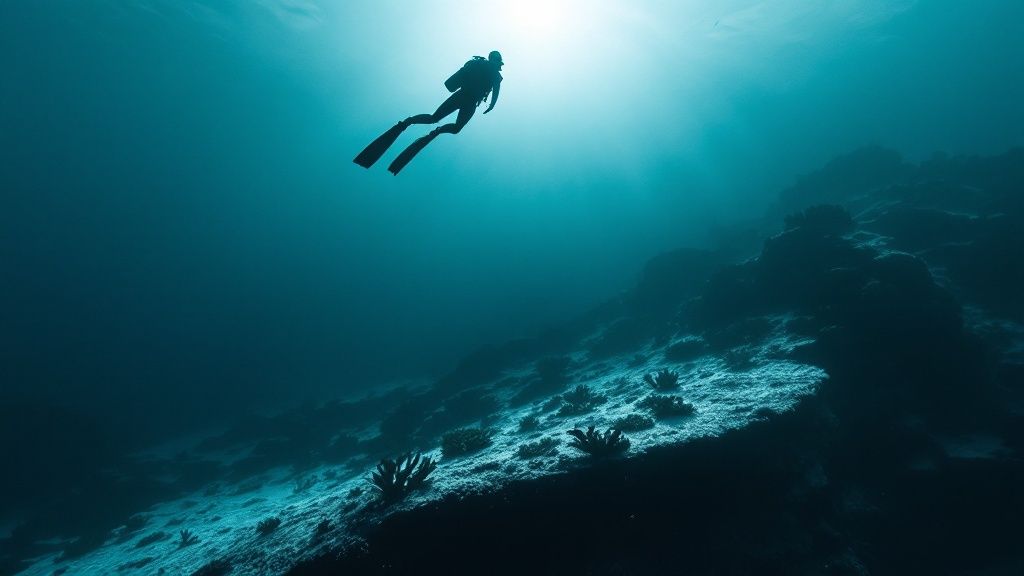
If your idea of the best dive in Kona involves a serious shot of adrenaline, then Crescent Beach is where you need to be. While the mantas offer a beautiful, silent ballet, this dive delivers something else entirely: raw, unpredictable excitement. This isn't your average scenic tour. It's an adventure built for experienced divers who crave that heart-in-your-throat feeling.
Just a stone's throw from Honokohau Harbor, this site has a reputation for attracting big-time pelagic life. The headliner? A famous 14-foot female tiger shark known locally as Laverne. Seeing an apex predator of her size glide by in its natural habitat is an experience that will stick with you long after you've dried off.
Crescent Beach is a shore dive, but don’t let that fool you. The site features a dramatic drop-off that plummets to 80 feet and keeps on going, opening up to the deep blue. It's this unique geography—a vibrant reef right next to deep, open water—that makes it such a hotspot for incredible sightings.
More Than Just Sharks
While spotting Laverne is the main event for many, the thrill of Crescent Beach doesn't end there. The reef ecosystem itself is buzzing with life, giving you plenty to explore while you scan the blue for bigger visitors.
Look closely and you're likely to find:
- Octopuses masterfully camouflaged against the volcanic rock.
- Hawaiian Green Sea Turtles making a lazy pass along the reef’s edge.
- Moray eels poking their heads out from cracks and crevices.
- Swirling schools of jacks patrolling the drop-off.
This incredible mix of potential big-animal encounters and classic reef diving makes Crescent Beach a truly special spot. As with any shore dive, it comes with its own set of challenges and logistics, which you can read all about in our guide to the best shore diving sites in Kona.
For advanced divers looking for that perfect combination of a quick drop-off and the chance to see something massive, Crescent Beach makes a very strong case for being the best dive in Kona.
Discover More World-Class Kona Dive Sites
The big-name dives get all the attention, but the truth is, the Big Island’s volcanic coast is packed with incredible underwater experiences. It’s no surprise that the Kona coast alone sees around **100,000 certified scuba dives** every year—the quality and sheer variety here are just that good.
We’re talking about everything from serene, sun-drenched coral gardens to massive, ancient lava tubes. Every site offers a different slice of Kona's magic, and each one has the potential to become your new favorite dive. To get a feel for the bigger picture, check out these facts about Big Island scuba diving.
So, once you've checked off the main attractions, what's next? Whether you’re a macro-lover hunting for tiny critters or you want to glide through dramatic underwater canyons, Kona has you covered.
Turtle Pinnacle: A Guaranteed Turtle Encounter
If you want to see Hawaiian green sea turtles (honu), Turtle Pinnacle is the spot. I mean, it's practically a sure thing. This isn't just a place where turtles swim by; it's a natural "cleaning station" where they come to get spruced up.
The reef sits at a comfortable 30 to 60 feet, making it an easy, relaxing dive. You can just settle in and watch the show as turtles line up, letting smaller reef fish pick parasites off their shells. It's an incredible display of symbiosis, with schools of bright butterflyfish and tangs joining the party. Thanks to the calm, clear water, it’s a fantastic dive for any skill level.
Exploring Lava Tubes and Arches
Kona's volcanic past has left behind an underwater playground that is nothing short of spectacular. Dive sites all along the coast are famous for their otherworldly lava tubes, huge archways, and winding caverns that just beg to be explored.
Dropping into an ancient lava tube feels like you've landed on another planet. The way sunlight shafts through cracks in the ceiling, lighting up the dark passages, is just magical. It’s a completely different kind of awe than what you feel on a reef.
These unique formations are also prime real estate for marine life. You’ll often find whitetip reef sharks resting on the sandy bottom or a shy octopus tucked away in a crevice. For certified divers looking for something a little more adventurous, these sites reveal the raw, powerful beauty of the island. They're perfect for anyone seeking advanced diving opportunities and a fresh challenge.
From guaranteed turtle sightings to mind-blowing volcanic caverns, the adventure here is just getting started.
Your Top Kona Diving Questions, Answered
Planning an underwater trip to Kona? You’ve probably got a few questions. Knowing the local secrets can turn a great dive trip into the adventure of a lifetime. Here are some honest, practical answers to the questions we hear most often.
What Is the Best Time of Year to Dive in Kona?
Honestly, there’s no bad time to dive in Kona. The conditions are fantastic year-round, and our resident manta rays aren't going anywhere. But there are a few seasonal quirks that might sway you one way or the other.
The summer months, from about June to August, are known for having the calmest, glassiest ocean conditions. Water temperatures are at their warmest, usually in the low 80s (°F), which is pure bliss. If you're looking for that picture-perfect, easy-going dive experience, summer is a sure bet, though it is the peak tourist season.
Then there's winter. From December through March, you get a truly magical bonus: humpback whales. While the water might dip a few degrees, hearing their songs echo through the reef on a dive is an experience that’s hard to put into words. You likely won't see them underwater, but their presence adds a powerful, humbling soundtrack to your entire dive.
Do I Need an Advanced Certification for Kona's Best Dives?
Not at all! That's one of the best things about diving here. You don't need a logbook full of deep, technical dives to experience the absolute best of what Kona has to offer.
Take the world-famous Manta Ray Night Dive, for example. It's a shallow, stationary dive, typically in just 30-40 feet of water. This makes it a perfect—and unforgettable—experience for brand new Open Water certified divers. Many of the most vibrant reefs, like those in the calm, protected waters of Kealakekua Bay, are also shallow and ideal for all skill levels.
That said, if you’re an experienced diver looking for a challenge, Kona has you covered. We have incredible sites with ripping currents, dramatic deep-water drop-offs, and intricate lava tube swim-throughs. The key is simply to be honest about your skill and comfort level.
Great dive shops like Kona Honu Divers are experts at matching people with the right dive sites. They’ll make sure you’re safe, comfortable, and having a blast. And if you are looking to push your limits, they offer some amazing advanced dive tours that will definitely get your adrenaline pumping.
Here's a quick look at how Kona Honu Divers caters to all experience levels:
What Unique Marine Life Can I See in Hawaii?
Diving in Hawaii is like stepping into a private gallery of evolution. Because the islands are so incredibly isolated, a massive chunk of the marine life here is endemic—meaning you can’t find it anywhere else on the planet. Roughly 25% of Hawaii's reef fish are one-of-a-kind, which turns every single dive into a treasure hunt.
Sure, you’ll see some familiar tropical faces, but the real thrill is spotting the local celebrities of the reef.
Keep an eye out for these Hawaiian exclusives:
- Milletseed Butterflyfish: You'll often see these in huge, shimmering schools that are just mesmerizing.
- Hawaiian Cleaner Wrasse: A tiny, brightly colored fish that acts as the reef's personal health spa.
- Bandit Angelfish: A striking black-and-white beauty usually found a bit deeper.
- Potter's Angelfish: An intensely colored orange and blue fish that flits through the coral.
Beyond the unique fish, Kona’s volcanic underwater landscape is the perfect playground for all sorts of amazing creatures. You’ve got a fantastic chance of bumping into Hawaiian green sea turtles, spotting a clever octopus (heʻe), or finding moray eels peering out from their dens. You might even see a whitetip reef shark relaxing on the sand.
And for the truly adventurous, the Kona Blackwater Dive is a mind-bending experience, revealing the weird and wonderful deep-sea creatures that migrate toward the surface after dark. It’s this incredible biodiversity that really cements Kona's reputation as a world-class diving destination.
Ready to discover your own "best dive in Kona"? Kona Honu Divers runs all kinds of dive trips for every interest and skill level. Whether you're dreaming of giant mantas, ancient lava tubes, or just a beautiful day with the turtles, their crew knows exactly where to take you.