
You’re probably here because you want one clear answer before you commit vacation days, dive days, and a decent chunk of travel budget. Is scuba diving Kona Big Island as good as people say?
Short answer: yes, if you do it the right way.
Kona is one of those rare places that works for very different kinds of divers at once. Newer divers love the calmer conditions and easy boat access. Experienced divers love the lava topography, night dives, and pelagic encounters. Families love that one group can have a serious dive trip without everyone needing the same skill level or the same daily plan.
What often captivates is the first descent. You drop into blue water, level off over black lava, and realize the reef doesn’t look like a typical tropical postcard. It feels younger, sharper, and more dramatic. Then the fish start stacking into every crack and contour. That’s when Kona stops being a destination on a list and starts feeling like a place you’ll want to dive again.
Introduction Your Epic Kona Diving Adventure Awaits
A lot of divers arrive on the Big Island with the same mental picture. They want warm water, clear visibility, easy entries, and marine life that feels memorable instead of random. They don’t want to spend half the trip second-guessing conditions or wondering whether they booked the wrong side of the island.
Kona is where that dream gets practical.
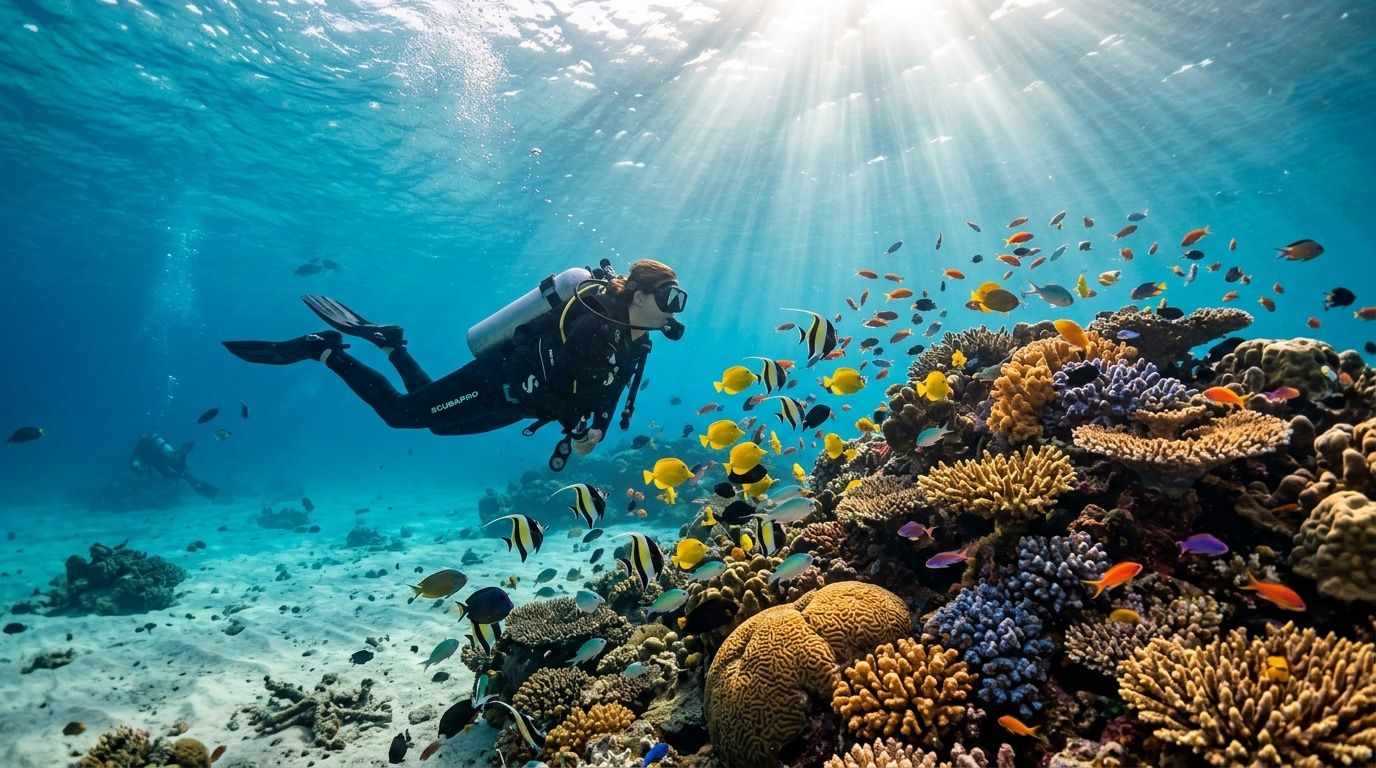
On the west side of the Big Island, diving often feels surprisingly relaxed. Boat rides are commonly manageable, entries are straightforward, and underwater navigation is easier than many visitors expect because the lava structure gives the reef shape and definition. Instead of drifting over one long coral garden, you move through arches, fingers of lava, ledges, and drop-offs that make each site feel distinct.
That’s also why visitors who came for one marquee dive often end up booking more. They may start with manta rays, then hear about blackwater, then realize the daytime reef dives are worth their own space on the itinerary.
Kona rewards divers who want more than one “highlight” dive. The whole coastline can deliver.
For anyone planning scuba diving Kona Big Island, the smartest approach is to think beyond a single bucket-list moment. The best trips combine the iconic experiences with the everyday reef dives that show you what makes this coast so special.
Why Kona is a World-Class Diving Destination
By the time our boat clears the harbor in the morning, many visiting divers notice the same thing. The ocean often feels more settled than they expected from an island in the middle of the Pacific. That first impression is not luck. Kona’s west coast sits in the rain shadow of the island’s volcanoes, which helps block much of the trade wind chop that affects other shores.
For divers, that geography changes the whole day. A protected coast often means a more comfortable ride out, clearer reference points underwater, and more confidence once you descend. If you only have a few dive days, that reliability matters as much as any famous site name.
Kona’s reef structure also feels different from older coral systems. The underwater terrain works like a city built from lava instead of concrete. Ridges create lanes. Arches form doorways. Lava fingers, ledges, and tubes break the reef into distinct sections, so even a modest-depth dive can feel layered and memorable instead of flat.
That structure helps divers of many experience levels. Newer divers usually appreciate having clear visual landmarks, while experienced divers enjoy how quickly the topography changes from one site to the next. A guide who knows the coastline well can use those features to shape the dive, choosing protected moorings, matching sites to skill level, and timing entries for the calmest conditions. That is one reason many visitors book with operators built specifically for this coast, including Kona Honu Divers, whose custom boats, experienced crew, and free nitrox make a practical difference over several days of diving.
If you want more background on the local features that set this coast apart, this guide on what is unique about diving in Kona is a helpful primer.
Kona also stands out because calm water does not limit the range of experiences. You can spend one day on an easy reef with excellent structure and fish life, then choose a more advanced profile, a longer multiday plan, or a night experience that feels completely different from daytime diving. Good destinations offer variety. World-class destinations offer variety without making every dive feel like a logistical gamble.
That balance is why Kona keeps drawing both first-time Hawaii divers and people who have logged dives all over the world. The coast is approachable, but it is not simplistic. It rewards careful planning, smart site selection, and diving with a crew that understands how to turn local conditions into a better underwater experience.
For readers curious about one of the coast’s signature specialties, this piece on manta ray diving in Hawaii explains why Kona’s night diving has earned such a strong reputation.
Kona's Unforgettable Dive Experiences
Kona rewards divers who choose experiences, not just site names. One night can put you on the bottom watching manta rays loop through columns of light. The next can suspend you in blue-black water with tiny pelagic animals rising past your mask like living confetti. Then a daytime reef dive brings you back to lava structure, coral heads, and the steady rhythm of Hawaiian reef life.
That range is what makes this coast special. With a skilled crew, good site selection, and a boat built for diving, each trip feels purposeful instead of random. Kona Honu Divers builds trips that way, matching conditions and diver ability so the experience fits the diver, not the other way around.
Manta ray night diving at Garden Eel Cove
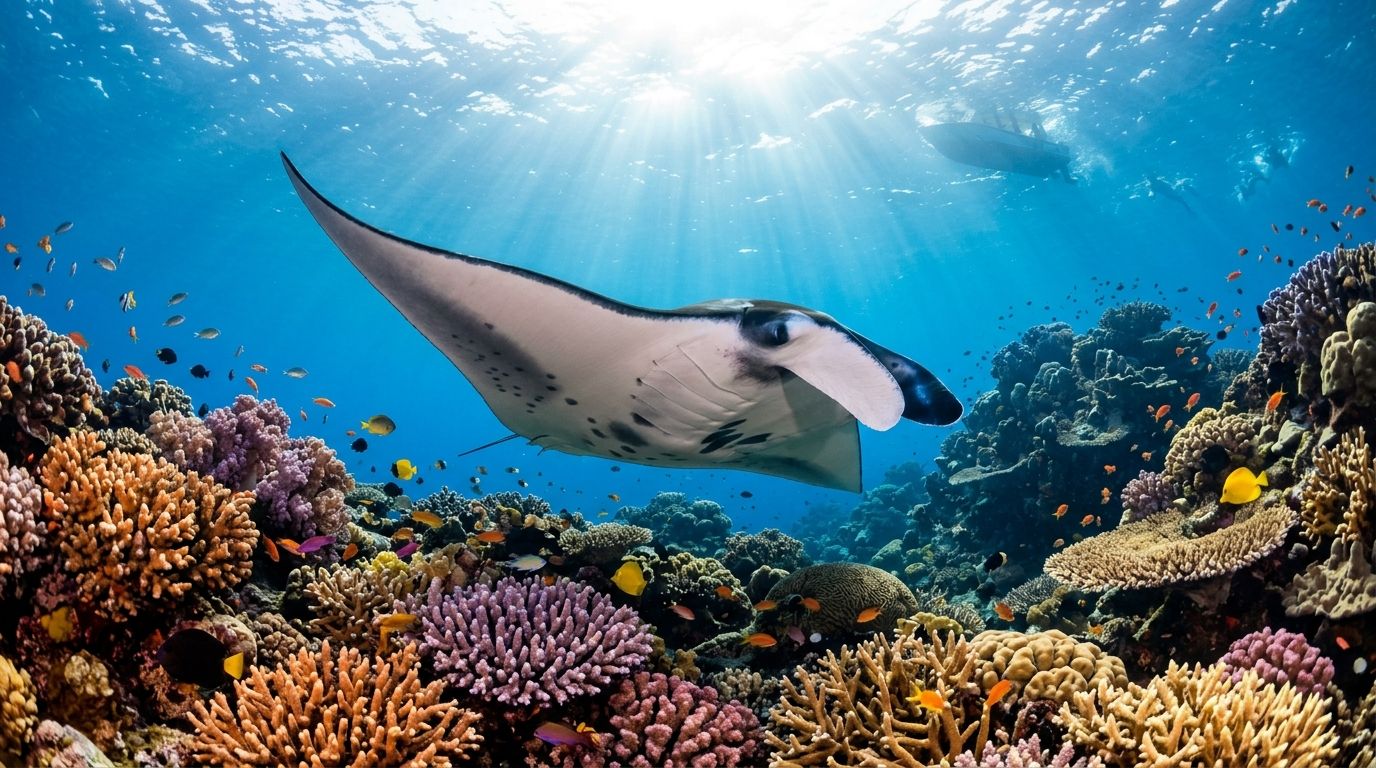
The manta dive is Kona's signature for a reason. After sunset, divers settle in near the light source and stay low while plankton gathers in the glow. Mantas follow the food, then sweep overhead in slow turns and barrel rolls that look almost choreographed.
Garden Eel Cove tends to give this dive a cleaner feel. The site is protected, the viewing setup is comfortable, and the reef around the gathering area adds structure to the experience. For divers, that means less fussing with position and more time watching the animals.
Good manta etiquette matters. Stay still, keep your body low, and let the rays control the encounter. Chasing them usually pushes them farther away, much like walking toward a shy bird instead of waiting for it to come into view.
For certified divers ready to add this classic Kona experience to their trip, the manta ray dive tour is the most direct option.
Blackwater diving in Kona
Blackwater diving feels like entering a different ocean.
There is no reef below to orient you and no shoreline reference. You descend on a tethered system in deep offshore water at night and watch the illuminated water column for larval fish, jellies, squid, and other pelagic creatures that spend daylight far below. The effect is part science expedition, part dream. Even experienced divers often come back from a blackwater trip struggling to describe what they saw.
It also demands the right mindset. Comfort in open water, solid buoyancy, and calm control in the dark matter more here than speed or depth. Kona Honu Divers crews brief these dives carefully because small details, where to look, how to hold position, how to manage your light, make the difference between feeling disoriented and feeling amazed.
If that offshore night dive is on your list, the Blackwater Dive tour is the right place to start.
Daytime reef and lava dives
Day dives show Kona's foundation. Lava flows shaped much of this coastline underwater, so many sites feel architectural. You move past arches, fingers, ledges, and swim-throughs rather than long flat reef. Fish life fills the gaps, and each site has its own tempo.
Some locations are gentle and forgiving, with easy entries, modest depths, and plenty to see without rushing. Others ask for stronger buoyancy control and a bit more confidence around structure. Two Step is a favorite for relaxed reef scenery and turtles. Golden Arches is remembered for its lava formations and the sense that the reef was carved rather than built. If you want a clearer sense of how those options differ, this guide to Kona dive sites and what to expect at each one is useful before booking.
Divers who want longer runs, more advanced profiles, or less commonly visited sites usually benefit from choosing a trip designed for that level from the start. The advanced long-range dive tour is the most relevant fit for that kind of day.
Kona Signature Dives at a Glance
| Dive Experience | Best For | Depth | Key Sightings |
|---|---|---|---|
| Manta Ray Night Dive | Certified divers who want a famous Kona experience | Varies by site setup | Manta rays feeding in the lights |
| Blackwater Dive | Experienced divers comfortable in open water at night | Moderate training depth with offshore exposure | Pelagic juvenile life, jellies, squid, unusual open-ocean species |
| Two Step | Beginners and relaxed daytime divers | Shallow to moderate reef depths | Green sea turtles, coral, reef fish |
| Golden Arches | Divers who enjoy lava formations | Moderate depths | Lava swim-throughs, reef life |
Planning Your Dive with Kona Honu Divers
A good Kona dive trip depends on more than choosing the right sites. The operator matters because small operational details shape how the entire day feels, from check-in to briefing to the ride back to harbor.
Visitors usually care about three things first. Can they find a trip that matches their experience level, will the day run smoothly, and does the pricing feel justified for what they get?
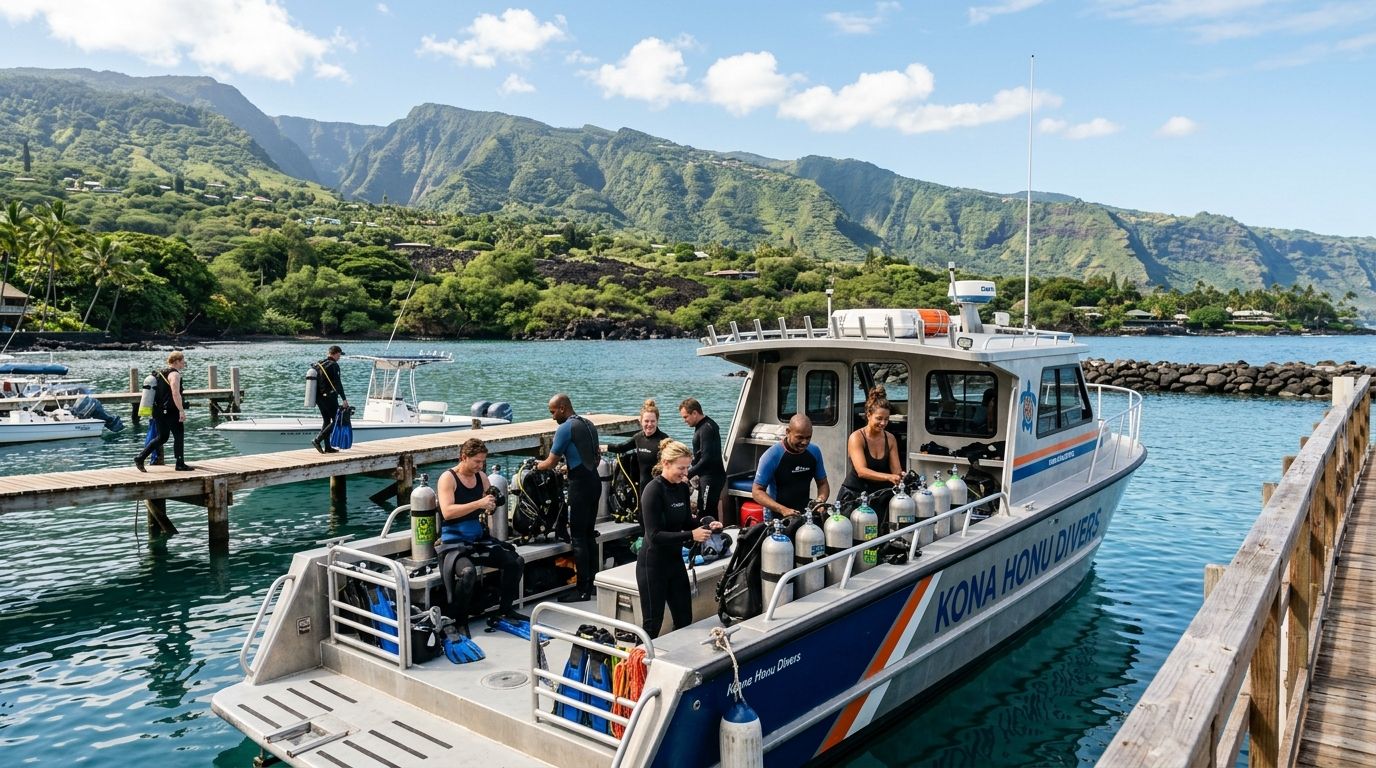
What to look for in a Kona operator
The local content gap around pricing is real. As noted in this discussion of Kona diving value and pricing transparency, many search results talk about conditions and marine life but don’t clearly help travelers think through value.
That’s why it helps to evaluate operators using practical criteria instead of marketing language.
- Boat design: Custom dive boats tend to make entries, exits, and gear setup simpler.
- Crew experience: Local knowledge changes site selection, briefing quality, and marine life spotting.
- Included extras: Nitrox, package options, and multi-day discounts can affect trip cost.
- Trip fit: The operator should offer dives for newer divers, certified vacation divers, and advanced divers without forcing everyone into the same mold.
One option in this category is Kona Honu Divers, which runs guided tours on the Big Island and notes over 200 years of combined experience in its team background, along with custom boats and free nitrox for certified divers in its published materials.
Why those details matter on the boat
The difference between an average charter and a smooth one usually isn’t dramatic from shore. You feel it once the diving starts.
A crew that briefs well saves divers stress before entry. A boat designed around diving helps people move safely with less clutter and less confusion. Free nitrox matters to certified divers because it gives more flexibility for repetitive diving over several days. Those things don’t sound flashy, but they improve real vacation outcomes.
Below is the required review widget if you're mentioning this operator.
Matching the trip to your goals
Some divers want an easy two-tank reef morning. Some want mantas. Some want blackwater plus an advanced daytime charter. The strongest itinerary usually mixes one signature dive with at least one classic daytime reef day.
If you want to compare the available trips in one place, the main Kona diving tours page is the simplest planning resource.
Essential Dive Logistics and Safety Information
Your easiest Kona dive day usually starts long before the giant stride. You wake up rested, eat something light, arrive at the harbor with your certification card ready, and step onto a boat where the crew has already organized the day clearly. That rhythm matters. Good planning lowers stress, and lower stress leaves more attention for buoyancy, air, and the reef in front of you.
Kona is friendly to a wide range of divers, but the coast is not one-size-fits-all. A shallow reef charter, a manta night dive, and a more advanced profile ask for different skills in the same way a neighborhood walk, a trail hike, and a summit climb are all still "walking" but require different preparation. The right trip is the one that matches your training, recent experience, and comfort in current, depth, and low-light conditions.
Certification and practical readiness
Be honest with yourself before you book. If you have not dived in a while, a simple two-tank morning with a strong briefing is often the smartest re-entry. If you are certified for nitrox and plan several days of diving, using a boat that offers free nitrox, such as Kona Honu Divers, can make repetitive diving more comfortable from a planning standpoint.
Depth is only one part of readiness. Task loading matters too. A diver managing a flashlight, buddy awareness, depth control, and excitement during a night dive can feel very different from that same diver on a bright morning reef. Families, newer divers, and cautious travelers usually benefit from operators that explain procedures clearly, screen guests into appropriate trips, and keep briefings specific instead of generic. That concern shows up often in trip planning, and this article on beginner scuba diving on the Big Island speaks directly to the safety questions many first-time Hawaii visitors ask.
The best Kona dive is the one you can enjoy calmly, not the one with the most demanding profile.
Boat-day logistics that make life easier
A few small habits improve the whole day.
- Arrive with time to spare. Rushing raises the chance of missed paperwork, forgotten gear, and sloppy setup.
- Keep your certification and medical information easy to access. A phone screenshot works well if you can pull it up quickly.
- Listen to the briefing like it is part of the dive. Kona's lava formations can be simple to follow once you understand the route, entry, exit, and depth plan.
- Build your flight schedule around your dive schedule. The pressure change after diving is a real safety issue, and this guide on why you can't fly after diving explains how to plan your last dive day sensibly.
One more practical point. Ask what the boat is like, not just where it goes. Custom dive boats, easy exits, clear gear stations, and a crew that helps people in and out of the water well can change the feel of the day for everyone, especially newer divers and older travelers.
Seasickness prevention
Even on Kona's calmer side of the island, motion sickness happens. It is common, and prevention works better than trying to fix it once your stomach has already lost the argument.
Here are practical options people often use:
- Patch option: The Ship-EEZ Seasickness Patch is a common pick for travelers who want something applied before the boat day.
- Classic medication: Dramamine pills are familiar to many boat travelers.
- Another non-drowsy-style choice to consider: Bonine pills.
- Non-medication approach: Sea Band wristbands appeal to people who want a simpler option.
- Gentle backup item: Ginger chews are easy to pack and use.
Eat lightly. Hydrate well. If the boat starts rocking, stay topside in fresh air and look at the horizon. Divers who prepare for this ahead of time usually stay comfortable enough to enjoy why they came in the first place.
Kona's Marine Life and Ideal Diving Seasons
A lot of destinations make you choose between easy conditions and memorable wildlife. Kona usually gives you both, which is one reason divers come back year after year.
Summer is the simplest season for many visitors to plan around. Water is typically warmer, visibility is often cleaner, and the overall feel of the day is easier for newer divers and relaxed vacation schedules. On the boat, that matters. A calm entry and a comfortable second dive often leave people with more attention for the reef itself instead of spending energy adjusting to conditions.
Why the seasons matter underwater
Kona does not shut down into a bad season and a good season. It changes character.
Warmer months often feel friendlier on the surface and brighter underwater. Reef fish activity can seem busier, and photographers usually appreciate the clearer blue water and stronger ambient light. Winter can still deliver excellent diving, but it asks for a little more flexibility with daily site selection and comfort in cooler water.
That is where a skilled operator changes the experience in a practical way. At Kona Honu Divers, the crew can match the day's conditions to the right site, the right briefing, and the right diver. Custom boats, experienced guides, and free nitrox for qualified divers help turn a good forecast into a better dive day.
What you are likely to see
Kona's reefs feel different because they are different. Hawaii has an unusually high number of endemic species, which means many fish and invertebrates you see here are native to these islands and nowhere else on Earth, as described in DAN's overview of diving in Kona, Hawaii.
That shows up in small details first. The yellow tang schools over lava shelves. Butterflyfish patterns look a little unfamiliar even to well-traveled divers. Moray eels peer out from black volcanic cracks the way desert animals use rock shade on land. Green sea turtles rest on the reef, and on some days the surprise is larger, including passing pelagics or even the tiger sharks occasionally seen along this coast.
Manta rays deserve their own line because they are not just another sighting here. They are one of Kona's signature experiences, especially after dark. If your trip revolves around that encounter, this guide on when to dive with manta rays in Kona will help you choose the right timing and set realistic expectations.
The best season depends on what kind of diver you are. If you want the easiest overall conditions, aim for summer. If you care more about fitting great diving into a winter Hawaii trip, Kona still offers excellent days, especially when you book with a crew that knows how to read local conditions instead of forcing a generic schedule.
Your Kona Dive Trip Packing and Booking Checklist
Packing well for scuba diving Kona Big Island isn’t about bringing everything. It’s about bringing the few things that prevent avoidable hassles.
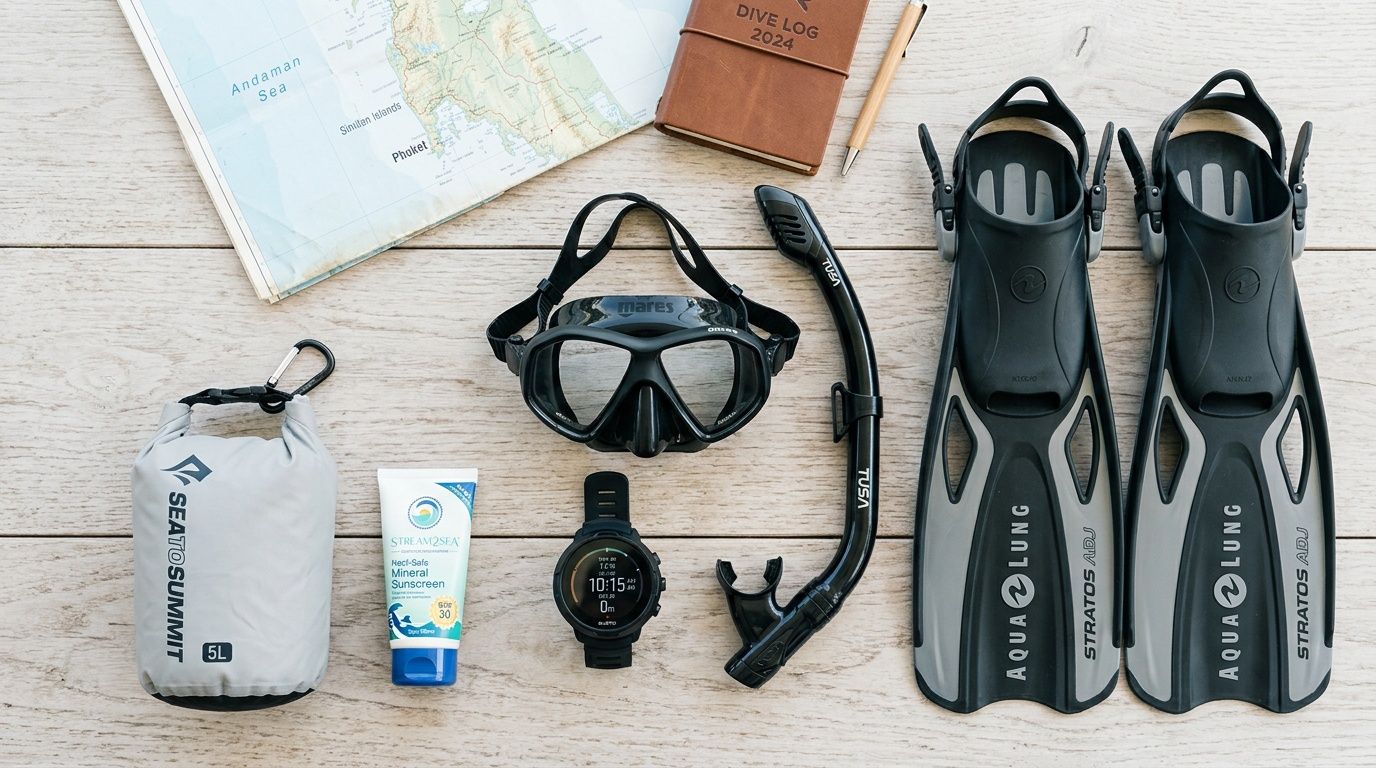
Dive essentials
- Certification card: Keep a digital copy that’s easy to access at check-in.
- Logbook: Helpful if you’re booking more advanced dives and want to show recent activity.
- Dive computer: Bring one you already know how to use well.
- Mask that fits your face: A familiar mask beats a rental guess every time.
Personal items that matter on boat days
- Reef-safe sun protection: You’ll feel the sun before and after the dive.
- Hat and sunglasses: Harbor mornings are bright.
- Reusable water bottle: Hydration matters more than most vacation divers expect.
- Dry layer or light towel: Nice to have after the second tank or after a night dive.
Optional gear worth considering
Some items are optional until you wish you had them.
A personal camera is a good example. If you enjoy photography, Kona gives you plenty to shoot, from lava structure to reef life to nighttime subjects. A small save-a-dive kit can also be handy if you like being self-sufficient.
Practical rule: Pack for smooth mornings, not heroic problem-solving. The best dive day starts with fewer last-minute fixes.
Pro booking tips
- Reserve signature dives first: Manta and blackwater are the ones people most regret leaving until late.
- Bundle your diving days: Multi-day planning usually creates a better rhythm than booking one charter at a time.
- Share your real experience level: Good operators can guide you better when they know whether you’re recently active or just getting back in the water.
- Think about airfare savings early: If you’re traveling from far away, this guide on how to save money on international flights may help free up budget for another charter.
Frequently Asked Questions About Scuba Diving in Kona
Can my non-diving family members join the boat trip
Sometimes, yes. It depends on the boat, the trip plan, and how the operator runs the day.
Some Kona charters allow snorkelers or ride-alongs. Others are set up strictly for divers because space, safety briefings, and site selection are built around scuba profiles. Ask before you book, especially if your group wants to mix manta diving, snorkeling, and sightseeing on the same day.
With Kona Honu Divers, this is the kind of detail worth confirming early so your group ends up on the right trip instead of trying to force different plans onto one boat.
What is shore diving like in Kona
Shore diving in Kona can be excellent, but it asks more from you than many vacation destinations do.
The west side of the Big Island is shaped by lava, and that geology continues underwater and right at the entry. A shore dive here often begins with careful footing over uneven rock, timing your entry with surge, and knowing exactly where the easiest exit will be when you come back in. It works a bit like hiking a trail with a great payoff. The destination may be beautiful, but the approach matters.
Experienced local shore divers enjoy that challenge. Visitors often find boat diving easier, less tiring, and more productive because the crew handles the hard part of reaching the site. You save energy for the dive itself, which usually means better air consumption, better awareness, and a more relaxed experience.
Is nitrox certification worth it for Kona diving
For many certified divers, yes.
Nitrox is especially useful if you plan to dive several days in a row or want a little more conservatism in your profiles. In practical terms, it can give you more flexibility on repetitive dives while staying within recreational limits. If you already dive nitrox, Kona is a place where that certification gets real value, especially with an operator like Kona Honu Divers that offers free nitrox for qualified divers.
If you are not nitrox certified yet, Kona is still fantastic on air. You do not need nitrox to enjoy the diving here.
What happens if a dive is canceled due to weather
Safety decides the trip. Always.
Kona's leeward coast is often calmer than visitors expect, which is one reason diving here is so consistent. Still, ocean conditions can change, and good operators cancel or adjust plans when the ride, entry, or site conditions are not right for a safe and enjoyable charter.
If that happens, you will usually be offered options based on the operator's policy, such as rescheduling or moving to another suitable trip. The smart move is simple. Ask about weather, cancellation terms, and backup options before your vacation starts. Clear expectations make the whole trip easier.
Do I need to be an advanced diver to enjoy Kona
No, but the right trip matters.
Many Kona dives are friendly to newer certified divers, especially when conditions are calm and the briefing is clear. Other experiences, such as blackwater diving or deeper advanced profiles, are better suited to divers with more experience and comfort in the water. A good operator will match the site to the diver, not the other way around.
That is one of the biggest differences between a generic booking and a well-run Kona dive plan. The boat, the crew, the briefing, and the site choice all shape the day.
If you’re ready to turn the idea of Kona diving into an actual trip, start with Kona Honu Divers. Browse the schedule, match the dives to your certification and comfort level, and book the signature charters early if mantas or blackwater are on your list.