
Hawaii logs approximately 1.5 million scuba dives a year, supported by more than 215 licensed dive shops according to this Hawaii diving overview. That number alters the common perception of scuba diving Hawaii. This isn't a side activity tacked onto a beach vacation. It's one of the most established dive destinations anywhere.
If you're planning a first trip, or trying to decide which island deserves your next dive vacation, the smart move is to think beyond a list of famous sites. Match your certification level, comfort in current, interest in marine life, and post-dive travel plans to the right island and operator. That's what makes a Hawaii trip feel smooth instead of rushed.
Why Hawaii Is a World-Class Diving Destination
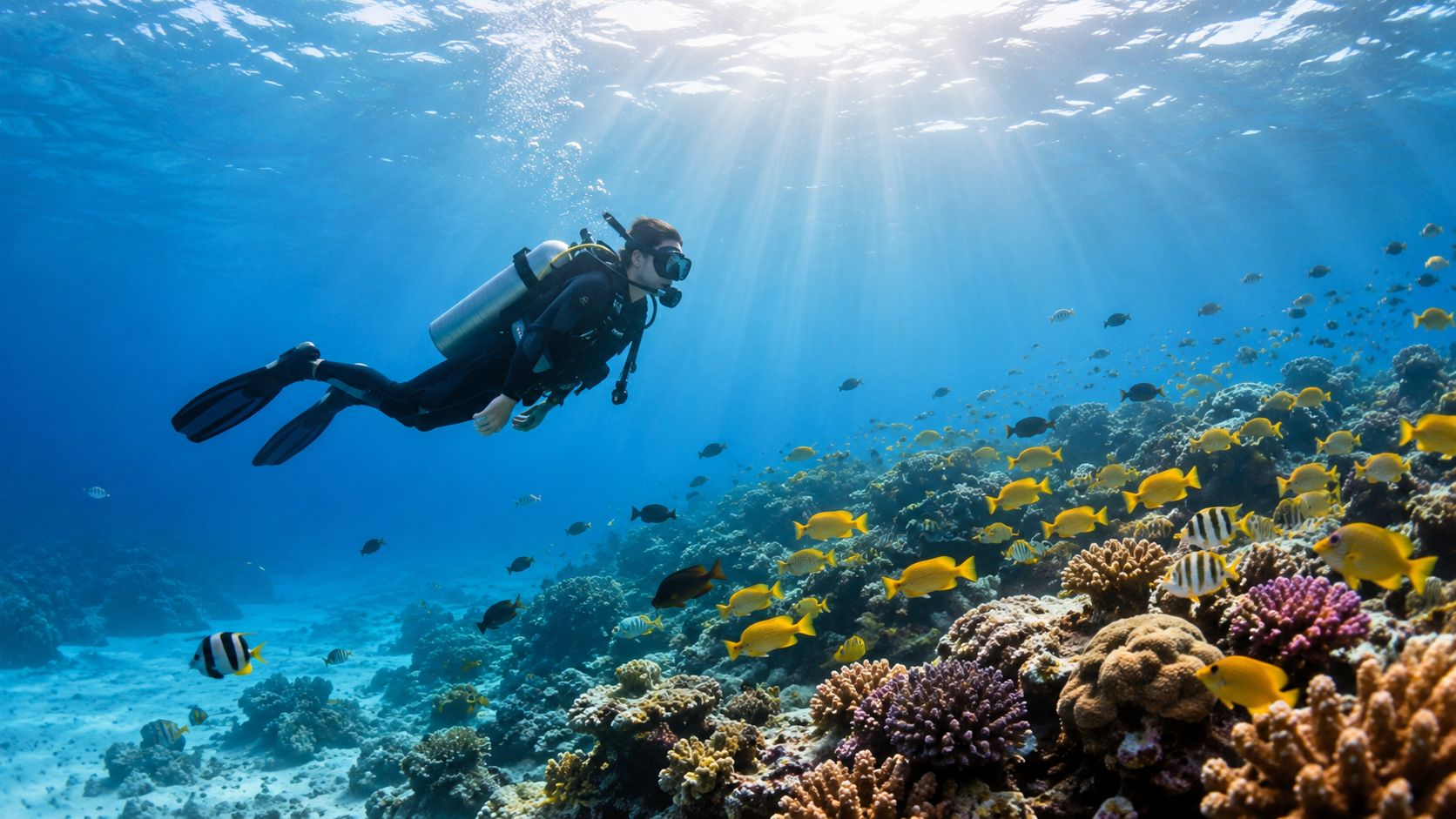
Few places support that many dives year after year unless the experience is reliably good. Hawaii earns its reputation because the diving is accessible for newer divers, varied enough for advanced divers, and consistent enough that you can build a real trip around it instead of hoping for one lucky day.
Conditions that make diving easy to love
Hawaii gives divers a rare planning advantage. Conditions are often warm, clear, and workable across much of the year, which takes a lot of guesswork out of trip planning. If you are choosing between destinations, that matters. A place with a short ideal season can force your whole vacation onto a narrow calendar. Hawaii usually gives you more flexibility.
That consistency also makes the learning curve feel gentler. Warm water lowers stress before you even hit the surface. Good visibility helps with buoyancy, navigation, and buddy contact. For many divers, it feels like learning to drive in daylight on a wide road instead of in fog on a mountain pass.
What sets the underwater experience apart
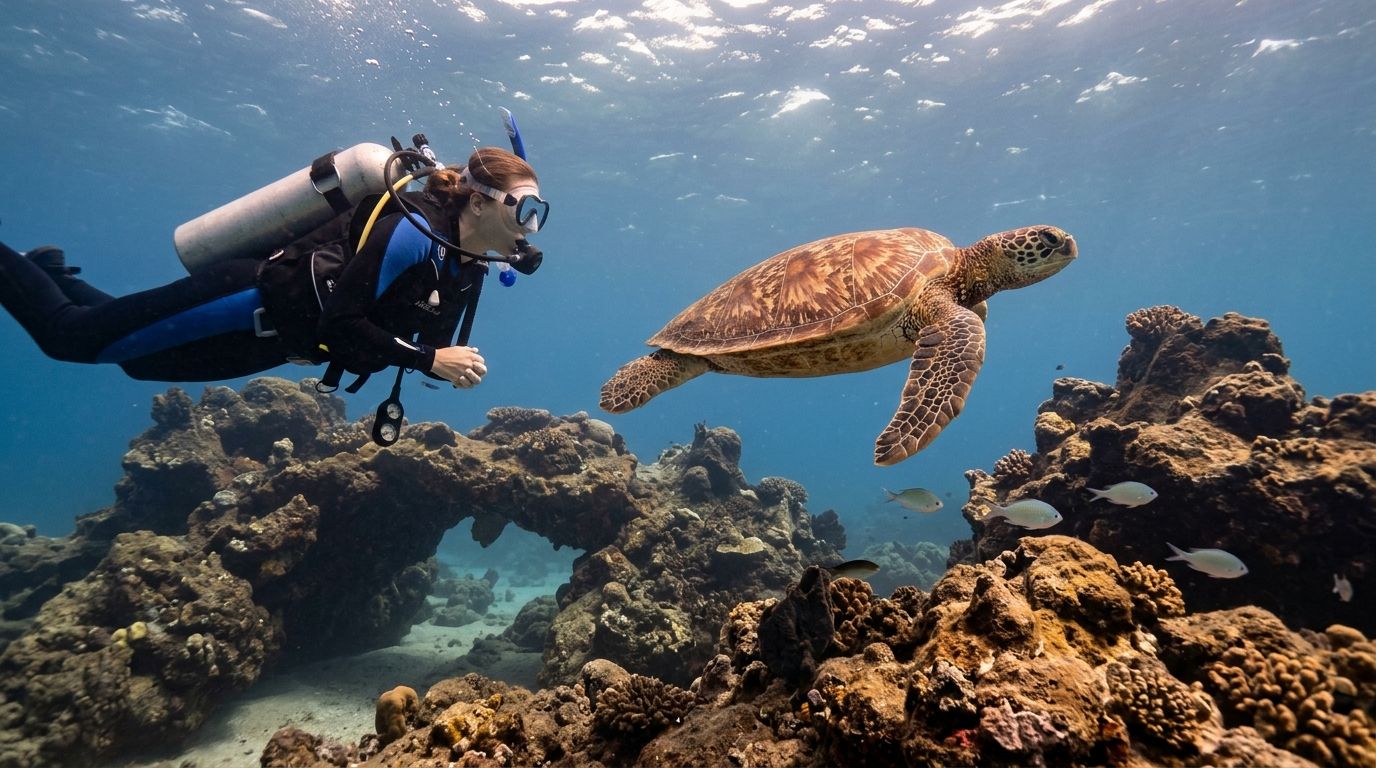
Hawaii stands out because the scenery has two layers. The first is biological. Reef fish, sea turtles, coral growth, and frequent encounters with larger life keep even an easy dive interesting. The second is geological. Lava tubes, arches, ledges, and volcanic contours give many sites a shape and mood you do not confuse with the Caribbean or a typical tropical reef.
That combination changes the feel of a trip. You are not only checking off marine life sightings. You are also diving through a place with a strong physical identity, where the island's volcanic history is part of what you see underwater.
For context on how Hawaii compares with other elite destinations, this guide to the best places to dive in the world is a useful benchmark.
Why Hawaii rewards strategic trip planning
Hawaii is not one uniform dive destination. Each island works like a different chapter in the same guidebook. Some areas are better for calm beginner-friendly reef dives. Others are known for stronger current, deeper profiles, or signature experiences that make more sense for advanced divers.
That is the key planning mistake to avoid. Travelers often pick an island based on airfare, resort options, or a family itinerary, then try to fit the diving around that choice. A better approach is to start with your real diver profile. Ask how comfortable you are in current, what depth and conditions you enjoy, whether you want boat diving or shore diving, and how your post-dive travel will work if interisland flights or high elevations are involved.
Handle those decisions in the right order, and scuba diving Hawaii becomes much easier to plan well. You get the right island, the right operator, and the kind of dives that match your skill level instead of testing it by surprise.
Hawaii's Unforgettable Signature Dives
Some places are known for “good diving.” Hawaii is known for dives people talk about for years. The two that define the Big Island are the manta ray night dive and the blackwater dive. They couldn't feel more different, which is exactly why they're so memorable.
The manta ray night dive at Garden Eel Cove
The manta dive is the one even non-divers have heard about. You descend, settle in, and wait while light draws in plankton. The mantas come to feed, looping and gliding through the beams above you.
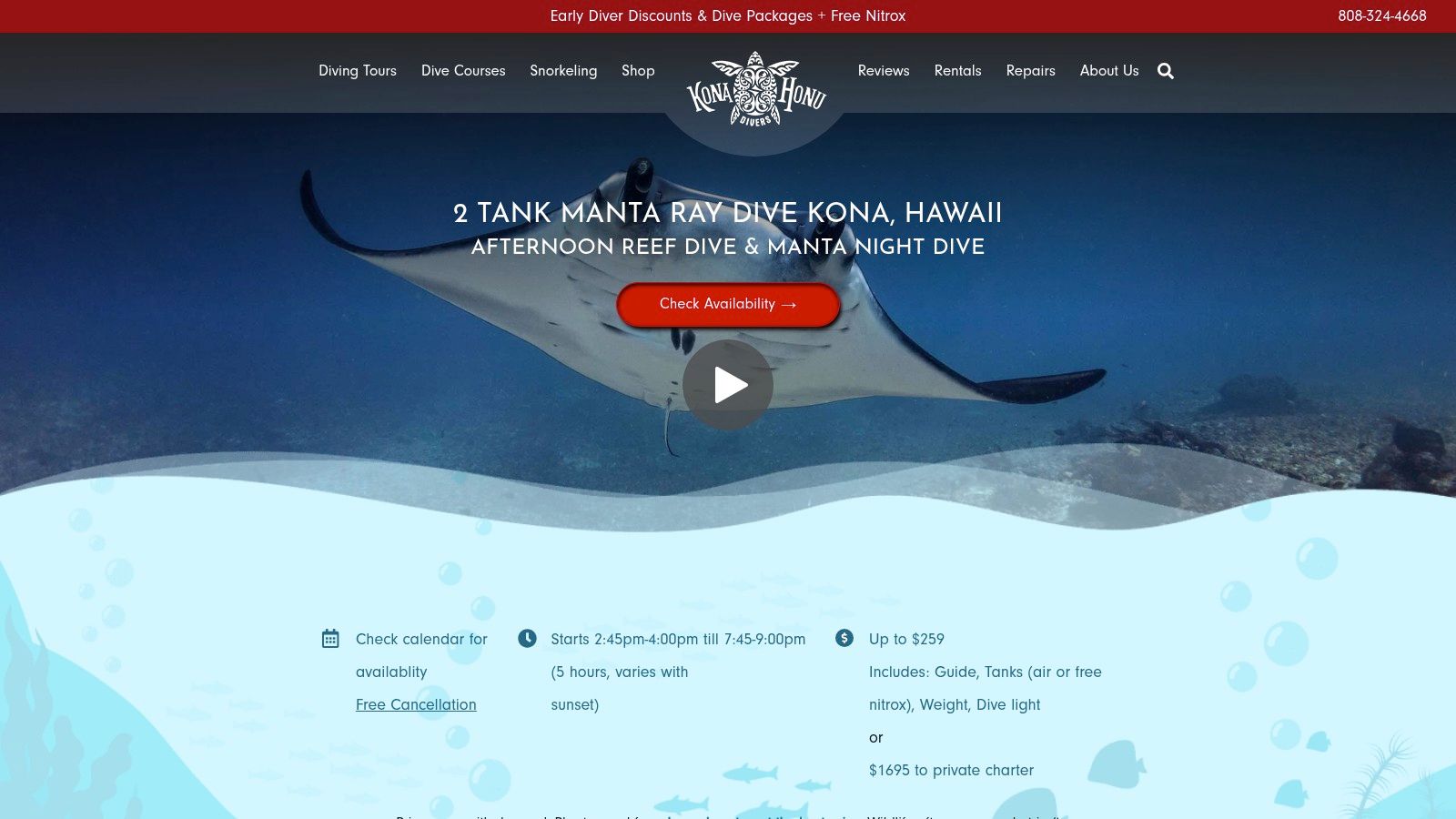
Garden Eel Cove stands out because it's a protected site where divers descend to 70 feet, and the viewing setup creates a “campfire” effect with over 26 mantas visible in a single circle on strong nights. It's favored for its calmer currents and better viewing area, as described in this feature on the Hawaii Big Island manta ray night dive.
That protected layout matters. On a first manta dive, most divers are surprised by how much easier it is to relax when the site is organized around stable viewing. You're not chasing animals. You're holding position, controlling your buoyancy, and letting the action come to you.
If this is the experience you're targeting, look at a Kona manta ray dive tour and also compare it with this overview of the manta ray tour on the Big Island.
Stay low, stay still, and keep your movements calm. The more predictable you are, the better the show usually gets.
The blackwater dive for advanced divers
If the manta dive feels theatrical, the blackwater dive feels surreal. You're suspended in open ocean at night, away from the reef, watching deep-ocean life rise toward the surface. Tiny transparent creatures, larval fish, pulsing jellies, and bioluminescent drifters appear out of the dark like they belong on another planet.
This isn't a beginner outing. In professional training standards, a deep dive begins beyond 18 meters or 60 feet, and recreational limits are commonly kept to 30 meters or 98 feet. Blackwater diving in Hawaii is treated as an advanced experience because open-ocean night conditions demand precise buoyancy, calm focus, and strong situational control, as explained in this article on why deep diving is best left to experts.
If that kind of challenge is what you're after, the Kona blackwater dive is the signature option to research first.
Other dives that feel uniquely Hawaiian
Not every iconic Hawaii dive happens at night. Day diving often reveals the volcanic side of the islands in a way snorkeling can't. Lava tubes, arches, crater walls, and reef structure give Hawaii its own underwater personality.
For more seasoned divers who want longer runs to advanced sites and more technical profiles, it's worth looking into advanced long-range dive trips. Those trips make sense if you already know you enjoy stronger conditions, varied topography, and a bit more adventure in the boat ride and dive plan.
The key is choosing the experience that fits your headspace, not just your certification card. A diver with solid buoyancy and calm awareness may love blackwater. Another advanced diver may prefer daytime lava formations and skip night diving entirely. Hawaii gives you room to choose your version of “epic.”
Exploring the Best Dive Regions by Island
Choosing an island in Hawaii is a lot like choosing the right training ground for a specific kind of dive day. The water is Hawaiian everywhere, but the trip you build from that base can feel very different depending on where you stay, who you dive with, and how much boat time, shore access, and site variety you want.
That matters more here than many visitors expect. A diver planning five mornings in the water, a couple traveling with one non-diver, and an experienced wreck fan should not all book the same island by default.
Big Island and Kona
If your goal is to make diving the center of the trip, Kona is usually the easiest place to start. It has the widest range of regularly booked experiences in one area, from beginner-friendly reef dives to manta night dives, blackwater trips, and longer charters for divers who want more challenging profiles.
Kona also tends to make planning simpler. You can stay in one area, book multiple days with relatively little transit time, and build a schedule that matches your comfort level instead of chasing isolated sites across different parts of an island. That is a big advantage if you want to stack several dive days without turning every morning into a transportation project.
For travelers still comparing options, this guide on which Hawaiian island is best for scuba diving gives a useful island-by-island overview. If you already know the Big Island is your base, you can review Kona diving tours and compare trip styles more directly.
A simple rule helps here. Choose Kona if you want your vacation to work around diving, not the other way around.
Maui
Maui suits divers who want solid underwater time without making the whole vacation dive-only. The appeal is balance. You can book memorable boat dives, spend a day on the road, enjoy beaches with family, and still feel like the trip was worth bringing your certification card for.
Underwater, Maui is known for clear water, volcanic structure, and popular areas such as Molokini. On land, it is often easier for mixed-interest groups. If one person wants two morning dives and another wants brunch, a scenic drive, or a resort day, Maui handles that split well.
This is often the better call for divers who like the ocean but do not need the heaviest possible dive schedule.
Oʻahu
Oʻahu appeals to a different kind of traveler. It is a strong fit for people who want wrecks, easier access from a major city base, and a trip that combines diving with restaurants, history, and nightlife. You can log a morning dive and still have a full afternoon in Honolulu without feeling like the day disappeared into transfers.
That convenience matters for groups. If only part of your party dives, Oʻahu can reduce friction because everyone has plenty to do nearby. For snorkeling in Waikiki and Oʻahu, Living Ocean Tours is the first option I'd point people toward.
A practical way to choose
Do not pick an island based on a single famous dive you may or may not book. Pick the island that fits the trip you will have.
| Island | Best fit for | General feel |
|---|---|---|
| Big Island | Divers who want variety and multiple boat dives | Dive-centered, especially around Kona |
| Maui | Travelers balancing diving with a broader vacation | Scenic, flexible, relaxed |
| Oʻahu | Wreck fans and mixed groups staying near Honolulu | City access with solid diving options |
If you are torn, use this filter. Choose the Big Island if you want the highest chance of building several consecutive dive days around one base. Choose Maui if your group wants equal attention on diving and vacation time. Choose Oʻahu if topside convenience matters almost as much as what you see underwater.
That framework will save you from a common mistake. Divers often ask, “Which island has good diving?” A better question is, “Which island matches my skill level, my group, and the kind of schedule I can enjoy?”
When to Go and What to Expect Underwater
Hawaii is one of the easier dive destinations to plan because there's no true off-season. Water temperatures stay in the 75 to 80°F range and visibility often exceeds 100 feet, which means your decision is usually less about “Can I dive?” and more about “What kind of trip do I want?”
A lot of divers overthink this part. Don't look for a mythical perfect week. Start with your tolerance for swell, your marine life wish list, and how much flexibility you have if weather shifts your boat schedule.
Winter and summer feel different
Winter often brings more ocean energy. That doesn't make it a bad time to dive. It just means conditions can be more variable depending on exposure and island. For many visitors, winter adds one unforgettable bonus. You may hear whales underwater, which changes the whole atmosphere of a dive even when you never see them below the surface.
Summer often feels simpler for newer divers and families. Seas are commonly calmer, boat rides can be gentler, and operators may have easier access to certain sites. If someone in your group gets anxious before a dive, calmer surface conditions can make a real difference before they even put a regulator in.
For a month-by-month planning mindset, this guide on the best months to scuba dive in Hawaii is useful.
What you'll probably see
Marine life in Hawaii is never a guarantee, and that's part of the appeal. The ocean isn't scripted. But you can plan around broad expectations.
- Reef-focused days usually reward slow observation. You'll spend more time noticing structure, smaller fish life, and how lava and coral shape the site.
- Pelagic-oriented dives appeal to divers who are willing to trade certainty for possibility. They want the chance of seeing larger life, even if the whole point is the chase.
- Night dives shift the experience completely. Familiar terrain changes, behavior changes, and your own awareness changes.
What beginners often misjudge
Newer visitors often assume warm water means every dive will feel easy. Warmth helps, but comfort underwater depends on more than temperature. Surge, current, your weighting, your wetsuit choice, and your confidence level all matter.
The best trip window is the one that matches your experience level and leaves enough room in the schedule for weather, rest, and surface intervals.
Another common mistake is booking too much. If you haven't dived recently, don't make your very first ocean dive in years a packed marathon week. Hawaii rewards divers who leave room to ease in, sharpen skills, and enjoy the place instead of racing through it.
Essential Logistics and Safety Protocols
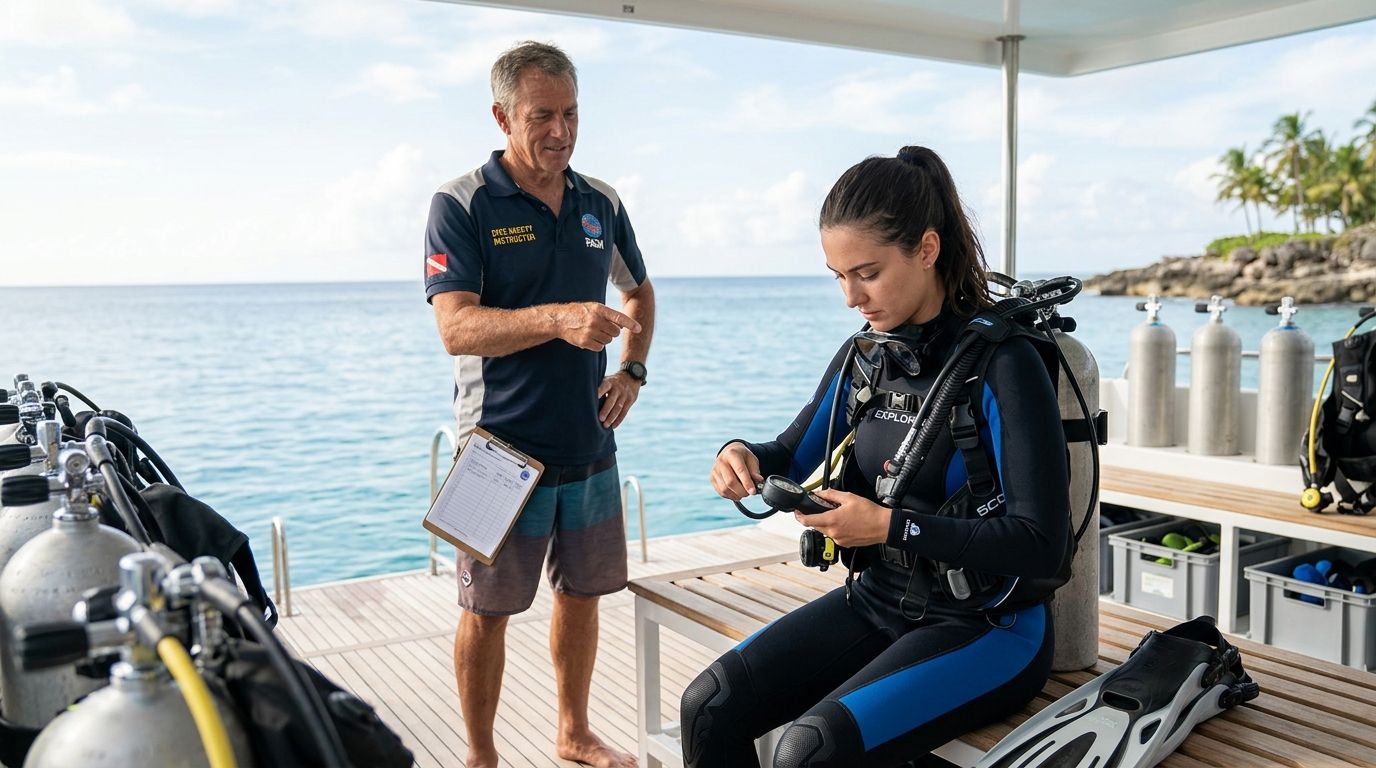
Good dive trips start before the boat leaves the harbor. Certification, health screening, surface intervals, and honest decision-making matter more than any gear brand or photo opportunity.
State data showed 28 scuba diving fatalities in Hawaii during the decade leading up to 2020, averaging fewer than three deaths per year, and DAN reports scuba diving has fewer accidents annually than horseback riding, according to this summary of Hawaii scuba diving safety data. The takeaway isn't that diving is risk-free. It's that diving is generally safe when people follow procedures and stay within their limits.
Certification and readiness
If you're already certified, bring your certification card, review your recent dive history, and be realistic about how rusty you feel. A diver with limited recent experience may be certified on paper but still need an easy first day back.
If you're not certified, Hawaii still offers paths into the water through introductory scuba experiences. Those programs are meant for supervision and skill building, not for pretending you're ready for an advanced charter the next morning.
Use this checklist before you book:
- Be honest on the medical form: If a health question gives you pause, stop and deal with it before travel day.
- Refresh if needed: If you haven't dived in a while, a tune-up is smarter than forcing confidence.
- Match the dive to your real skill level: Night dives, deeper profiles, and open-ocean conditions aren't the place to “see how it goes.”
The Hawaii altitude issue many visitors miss
This is the planning mistake I wish more travelers knew about before they landed. Hawaii has major elevation changes, and divers sometimes think only about flying home. They forget that driving up a volcano after diving also changes pressure exposure.
One underserved safety issue in Hawaii content is post-dive travel to higher ground. The concern isn't only the usual no-fly rule. It's also leaving the coast and heading upslope too soon after diving. That matters on islands where sightseeing often includes higher terrain.
The safest practical habit is simple. Keep your post-dive period conservative, and avoid scheduling summit drives or higher-elevation excursions right after your final dives.
Your dive plan should include what happens after the dive, not just during it.
Seasickness prep for boat diving
A lot of Hawaii diving is boat-based. If you even suspect you get motion sickness, plan for it before the morning of the trip.
Options people commonly consider include:
- Patch option: Ship-EEZ Seasickness Patch
- Classic medication: Dramamine pills
- Less-drowsy favorite for some travelers: Bonine pills
- Non-medication wrist option: Sea Band wristbands
- Gentle backup or add-on: Ginger chews
Take seasickness seriously. Divers who feel sick often stop hydrating, skip eating, tense up during entries, and burn energy they should be saving for the dive itself.
Core safety habits that matter every time
- Listen to the briefing: Local crews know how a site behaves on that specific day.
- Do your buddy checks: Even experienced divers miss simple setup errors when they rush.
- Stay conservative: There's no prize for pushing depth, bottom time, or current tolerance on vacation.
- Respect fatigue: Multi-day dive travel adds up fast, especially with sun, salt, and boat motion.
Choosing Your Dive Operator and Packing Smart
A dive site can be famous and still produce a mediocre day if the operator is disorganized. Boats, briefings, staff attention, rental gear condition, and group pacing shape your trip more than most visitors realize.
What to look for in an operator
Start with safety culture, not marketing photos. Ask whether the crew runs clear briefings, how they group divers, how rental gear is maintained, and whether the trip style fits your experience. Some boats are great for fast-moving experienced groups. Others are better for newer divers who want more support.
If you're comparing options on the Big Island, one operator to review is Kona Honu Divers, which offers guided tours, courses, rental support, and specialty dives from Kona.
Smart questions before you book
- How are divers grouped underwater: Skill-matched groups usually lead to smoother dives.
- What's the boat routine like: Check-in flow, entry style, and surface support all affect comfort.
- What's included: Verify rental gear, computer policy, lights for night dives, and certification requirements.
- How much hand-holding do you want: Some divers want independence. Others want close guide support.
Packing for Hawaii without overpacking
Most operators can supply major gear. That doesn't mean you should show up empty-handed. Bring the items that affect fit, familiarity, and safety.
- Must-have documents: Certification card, logbook if you keep one, and any required medical clearance.
- Core personal gear: Mask, computer, and exposure protection you know fits well.
- Boat-day basics: Towel, water, dry clothes, sun protection, and a secure bag for electronics.
- Small items people forget: Defog, save-a-dive basics if you use them, and any prescription meds.
You don't need to haul your entire closet across the Pacific. Pack for function. The best dive travel kit is the one that reduces friction on tired mornings and keeps you comfortable on repetitive boat days.
Sample Itineraries and Booking Your Adventure
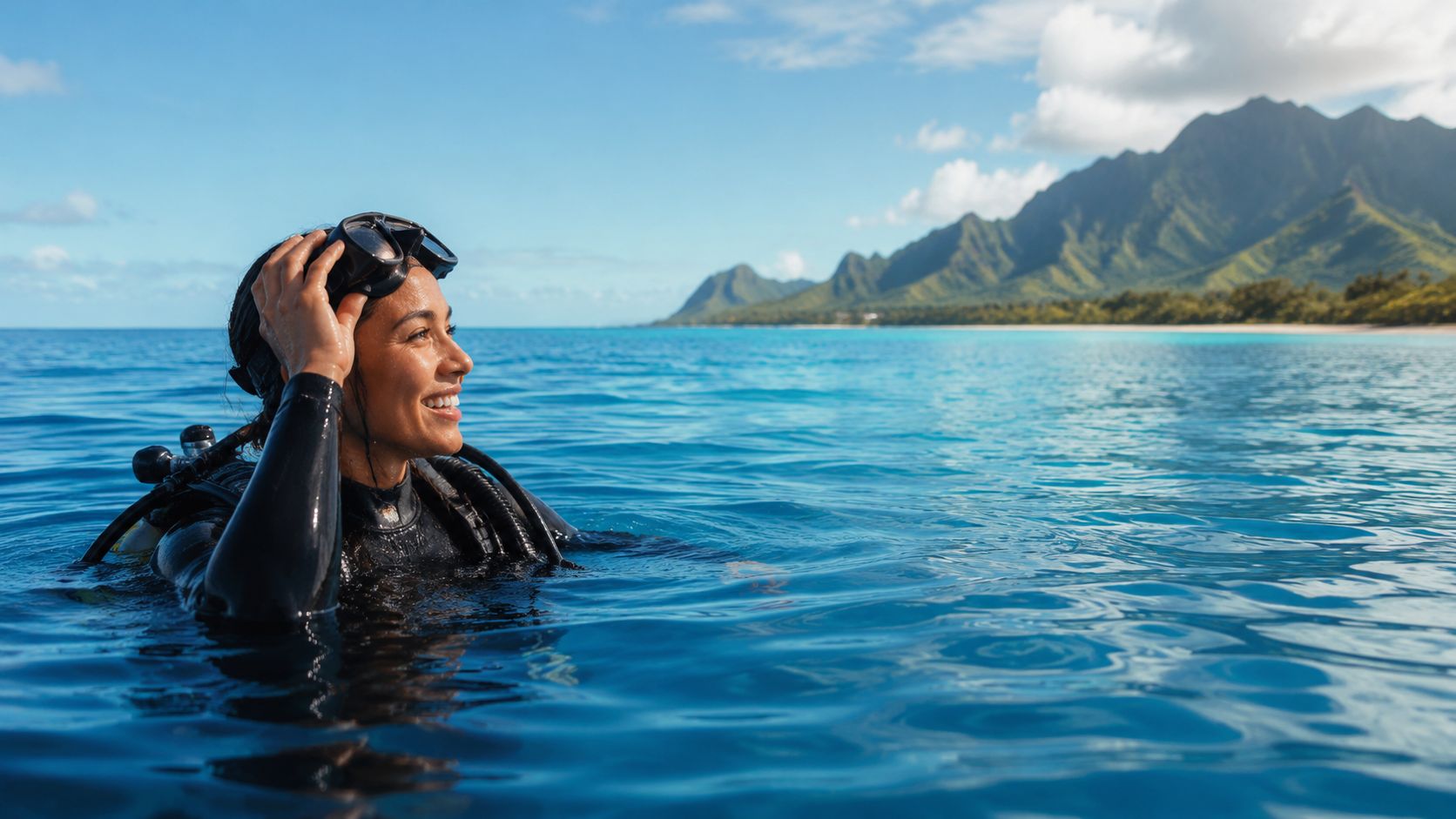
The easiest way to plan scuba diving Hawaii is to stop thinking in isolated dives and start thinking in sequences. Which dives belong early in the trip. Which ones need a rest day before or after. Which experiences are worth protecting with advance reservations.
A Kona dive week
This works well if diving is the main reason you're coming.
Start with an easy reef day to dial in weighting, buoyancy, and comfort in Hawaiian conditions. Put the manta ray night dive after that, not on arrival day. Save blackwater or advanced long-range dives for later in the week, once you've adjusted to the boat rhythm and local conditions.
A simple rhythm looks like this:
- Early trip: Easy two-tank reef diving
- Mid-trip: Manta ray night dive
- Later in the week: Blackwater or advanced charter if your experience supports it
- Final day before departure: No diving. Keep it dry and low stress
An island-hopper version
If your group wants more than one island, build around one main dive base instead of trying to dive hard everywhere. Kona makes sense as the primary dive segment because of the concentration of options. Add Maui or Oʻahu for sightseeing, beaches, family time, or a different underwater mood.
That approach keeps your trip from becoming a chain of airport transfers, rushed check-ins, and missed weather windows. One island for serious diving. Another for variety.
Booking tips that save headaches
Popular specialty dives can fill quickly, especially night experiences. Reserve those first. Build the rest of the week around them.
A few habits help:
- Book specialty dives early: Manta and blackwater trips are the first things I'd lock in.
- Leave buffer days: Weather, fatigue, and travel delays happen.
- Front-load easier dives: They give you time to settle in before more demanding profiles.
- Protect your last surface interval: Don't cram in one more dive if it creates stress around departure or altitude plans.
The best Hawaii dive trips feel deliberate. You don't need to do everything. You need to choose the dives that fit your skill level, your energy, and the kind of memory you want to bring home.
If you're ready to turn the plan into actual boat dates, dive days, and specialty experiences, Kona Honu Divers is a practical place to start comparing tours, certification options, and Kona-based trip logistics.