
You're probably in the same spot a lot of divers are when they start planning Hawaii. You know you want warm water, good visibility, and a trip that feels worth the flight. What's harder is figuring out which island matches your experience, which dives are right for you, and how to avoid booking something that looks great online but feels wrong once you're gearing up on the boat.
That's the true challenge with scuba diving in Hawaii. The islands all offer something different, and the smart choice isn't always the most famous site. It's the place where your certification, comfort level, and trip goals line up with the conditions you're likely to get.
Your Ultimate Guide to Scuba Diving in Hawaii
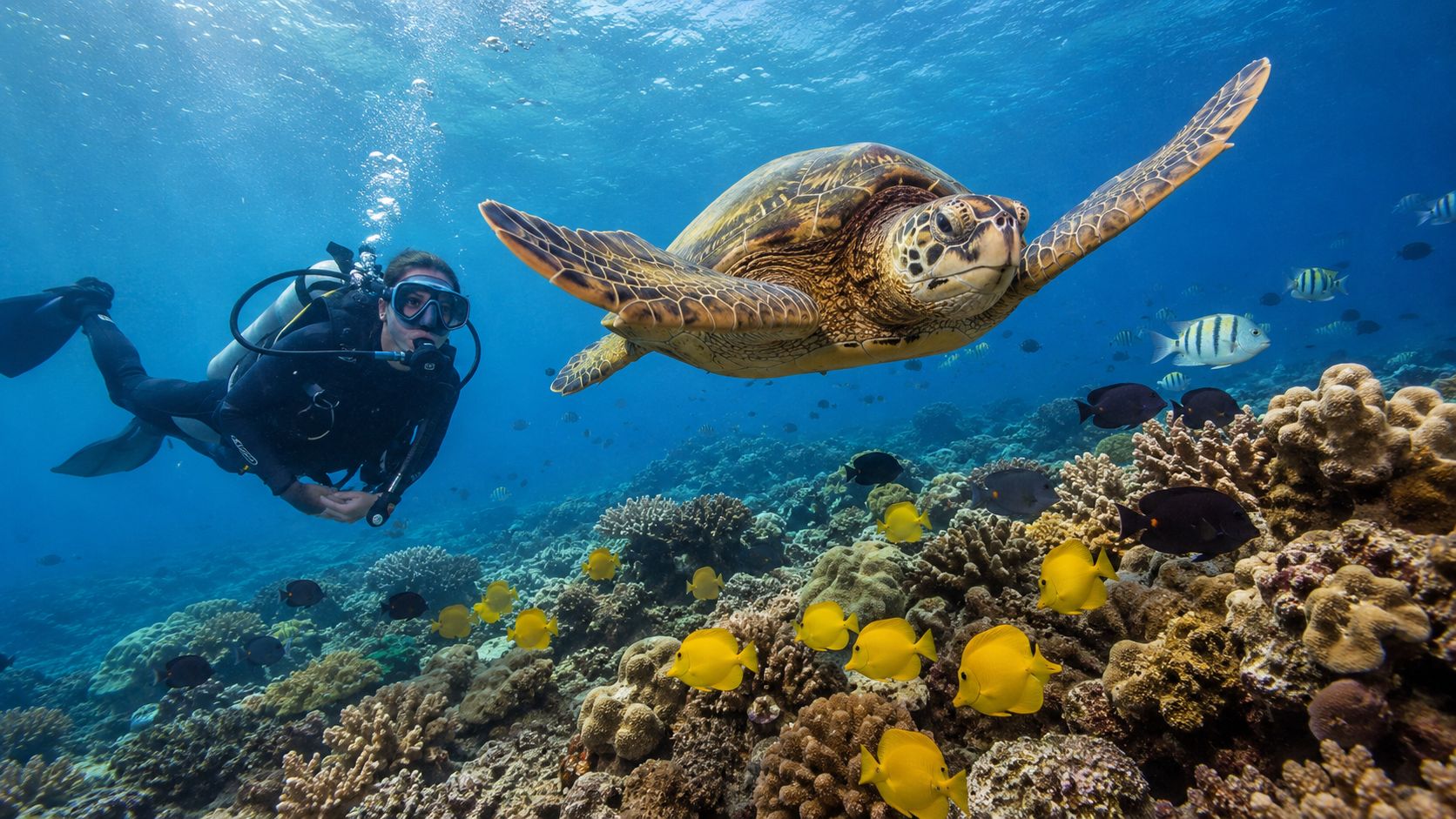
You back-roll off the boat, look down through clear blue water, and see black lava ledges cut into the reef below. Within a few minutes, the shape of Hawaii diving becomes obvious. This is not one uniform destination. Conditions, marine life, entries, current, and bottom structure can change a lot from island to island, and even from one coast to the next.
That range is exactly why Hawaii works so well for dive travel. Water temperatures stay comfortable through the year, many dives are accessible to certified beginners with a guide, and experienced divers still have plenty to chase, from lava tubes and steep drop-offs to night dives and pelagic encounters. The trip gets much better once you stop asking, “What's the most famous dive?” and start asking, “Which island and which dive fit my skill level, goals, and travel dates?”
For a lot of divers, the Big Island ends up near the top of that list because it offers a wide spread of experiences in one trip. If you want a practical overview of sites, conditions, and trip styles there, this Big Island Hawaii scuba guide is a strong place to start.
Why Hawaii works for so many divers
Hawaii is one of the few destinations I can recommend to very different types of divers without forcing the same plan on everyone. The fit depends on how you dive.
- Newly certified divers often do well here because guided reef dives can be warm, clear, and straightforward
- Rusty divers usually appreciate the chance to get comfortable again in manageable conditions before adding depth, current, or night diving
- Advanced divers have real variety, including volcanic topography, longer boat rides to more exposed sites, and specialty dives
- Families and mixed-experience groups can usually build a trip that keeps one diver challenged without making another feel pushed
A good Hawaii plan feels calm in the water, not ambitious on paper.
What makes a Hawaii dive trip go right
The common mistake is booking around photos alone. A manta night dive, a cathedral-style lava tube, or a dramatic offshore site may be perfect for one diver and a poor call for another on day one.
A better framework is simple and practical. Choose the island based on the kind of diving you want most. Choose dives that match your training, air consumption, and comfort in current or surge. Then line up those choices with the season and the conditions you are most likely to get.
That is how experienced divers plan Hawaii. It saves you from wasting dive days on the wrong coast, the wrong charter style, or a site that looked great online but never matched your actual trip.
Choosing Your Island A Divers Decision Guide
A lot of Hawaii dive content stops too early. It tells you every island is beautiful, which is true, but that doesn't help much when you're trying to book real dives. One of the biggest gaps in existing coverage is how Hawaii diving differs by island, season, and sea state, and many guides still don't answer the practical question of which island fits which diver, in which month, and under what conditions, as noted in this PADI Hawaii island planning guide.
If you want a deeper side-by-side breakdown, this guide to which Hawaiian island is best for scuba diving helps frame the choice.
Hawaii Dive Islands at a Glance
| Island | Best For | Signature Dives | Typical Skill Level |
|---|---|---|---|
| Big Island | Divers who want the broadest range of conditions and experiences | Lava tubes, arches, manta night dives, advanced offshore adventures | Beginner to advanced |
| Maui | Vacationers mixing diving with resort time | Reef dives, scenic boat dives | Beginner to intermediate |
| Oahu | Divers who like variety and urban vacation options | Wrecks, reefs, charter variety | Beginner to advanced |
| Kauai | Travelers who don't mind building flexibility into the plan | Rugged reef and terrain-focused diving | Intermediate to advanced |
Big Island and Kona
If you want the most versatile option, Kona usually makes the most practical sense. The draw isn't just one famous dive. It's that you can build an entire trip there without running out of worthwhile options.
The underwater terrain also feels distinctly Hawaiian. Volcanic structure shapes much of the diving, with lava tubes, swim-throughs, and caverns that reward good buoyancy and trim.
For many visitors, Kona is the easiest island to recommend when the goal is a balanced trip. Newer divers can stay conservative. Experienced divers can add more task-loaded and specialty dives without changing islands.
Maui
Maui works well if diving is part of a broader vacation rather than the whole point of it. It tends to appeal to couples, families, and travelers who want beach time, dining, road trips, and a couple of solid dive days.
That said, Maui is often a better fit for people who are happy with good diving instead of chasing Hawaii's most distinctive scuba experiences.
Oahu
Oahu is the island for divers who want a mixed itinerary. If you like combining city access, history, nightlife, and diving, it has obvious appeal.
It can be a strong pick for wreck fans and for travelers who want lots of operator choices. The trade-off is that the overall trip often feels less dive-centered than a Kona itinerary.
Kauai
Kauai attracts divers who enjoy a more rugged trip and don't mind letting conditions shape the day. If you're flexible and like a less developed feel, that can be a plus.
If you're a newer diver or traveling with family members who need straightforward planning, it can be less forgiving as a first Hawaii scuba destination.
The right island isn't the one with the most hype. It's the one where the likely sea state, dive style, and your comfort level all match.
A simple way to choose
Use this quick filter:
- Choose the Big Island if you want the strongest all-around scuba trip.
- Choose Maui if diving is only part of your vacation.
- Choose Oahu if you want wrecks and lots of non-dive activities.
- Choose Kauai if you like flexible plans and a wilder feel.
For most divers asking about scuba diving Hawaii as a one-trip decision, Kona comes out ahead because it offers the clearest combination of variety and practical consistency.
Konas Signature Dives You Cannot Miss
Kona earns its reputation on dives that feel different from standard tropical reef charters. You're not just looking at pretty fish over coral. You're entering a dive menu with a few experiences that can define the whole trip.
If you want a broader overview of the area, this Kona Big Island diving guide gives useful context.
The manta ray night dive
The manta dive is the one frequently inquired about, and for good reason. Done well, it doesn't feel like a busy sightseeing loop. It feels structured and calm. Divers settle in position, lights attract plankton, and manta rays move through the illuminated water column overhead.
For this experience, manta ray dive tours at Garden Eel Cove stand out because the site's protected location usually makes the experience more comfortable, and the viewing area and surrounding reef are stronger for the kind of controlled manta encounter divers want.
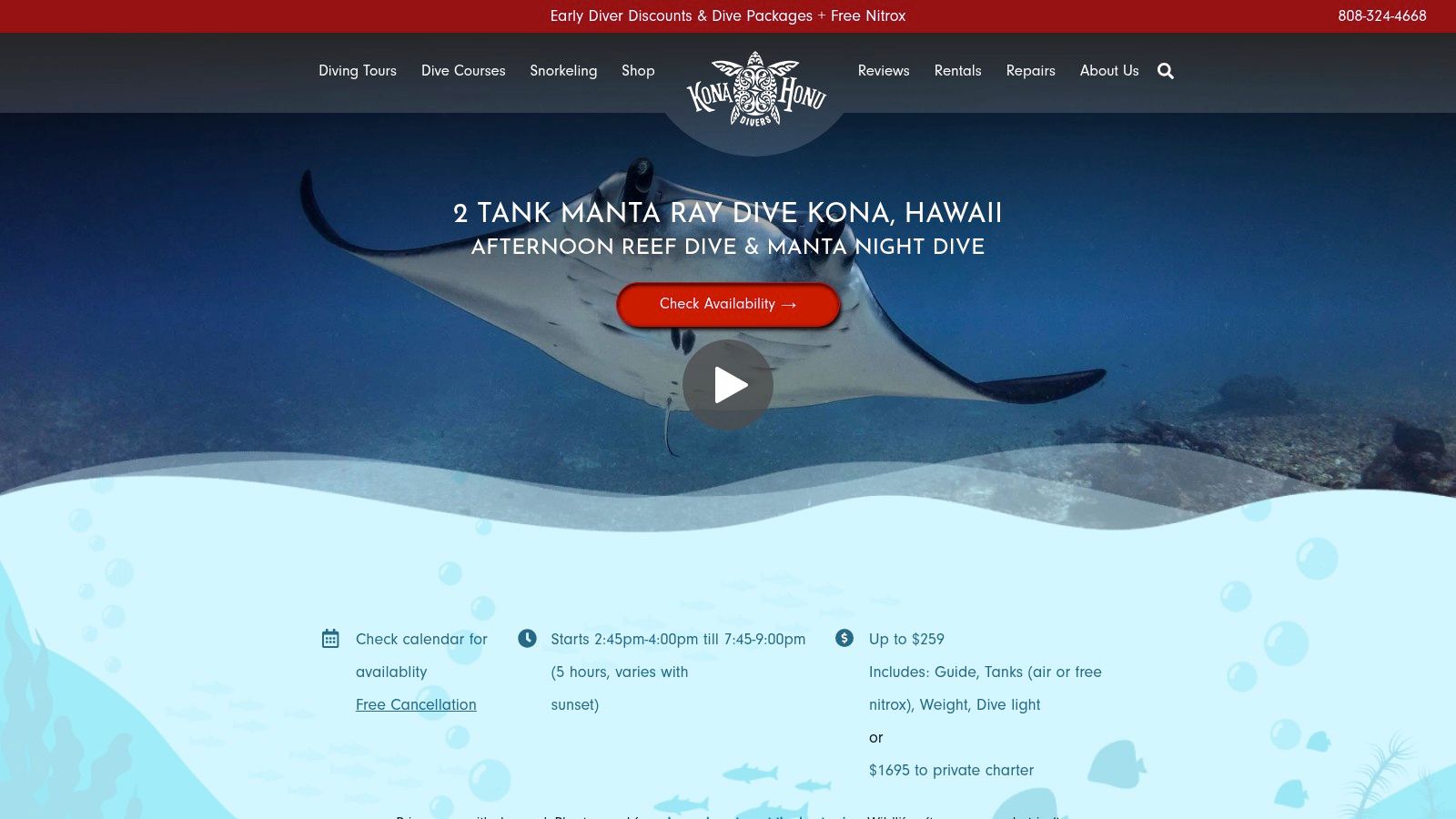
What works on this dive is patience. Good buoyancy, still fins, and clean light discipline make the whole experience better for everyone. What doesn't work is treating it like a free-swimming pursuit dive.
The blackwater dive
The blackwater dive is for a different kind of diver. Instead of using a reef or wall as your visual frame, you're suspended over deep open ocean at night, watching strange pelagic life rise from below.
That's why Kona blackwater dive trips are such a specific recommendation. They're not just “another night dive.” They ask for stronger comfort in the water, better situational awareness, and a calm head when there's no seafloor in view.
Advanced daytime diving
Some divers come to Kona for the signature night dives, then realize they also want a more demanding daytime profile. Remote sites, more dramatic terrain, and dives that reward polished skills all fit that category.
For that kind of day, advanced long-range dive tours make sense for divers who already know they want more than an easy reef cruise.
Some dives are famous because they photograph well. Kona's best-known dives stay popular because they hold up once you're actually underwater.
The readiness question most people skip
This matters more than people think. Iconic night dives like the manta and blackwater experiences involve higher task loading, stronger buoyancy demand, and greater air consumption than daytime reef dives, which makes preparation and diver readiness central to both safety and enjoyment, as described in this Hawaii diver preparation guide.
A good fit usually looks like this:
- Manta dive fit if you're comfortable in the dark, can hold position well, and won't get rattled by extra activity
- Blackwater fit if you already know you handle night diving and unusual visual environments calmly
- Advanced daytime fit if your buoyancy is reliable and you don't need constant reminders about depth, gas, and trim
If that's not you yet, that's fine. Kona still offers excellent daytime diving without rushing into the most demanding options.
Planning Your Dive Trip Seasons and Conditions
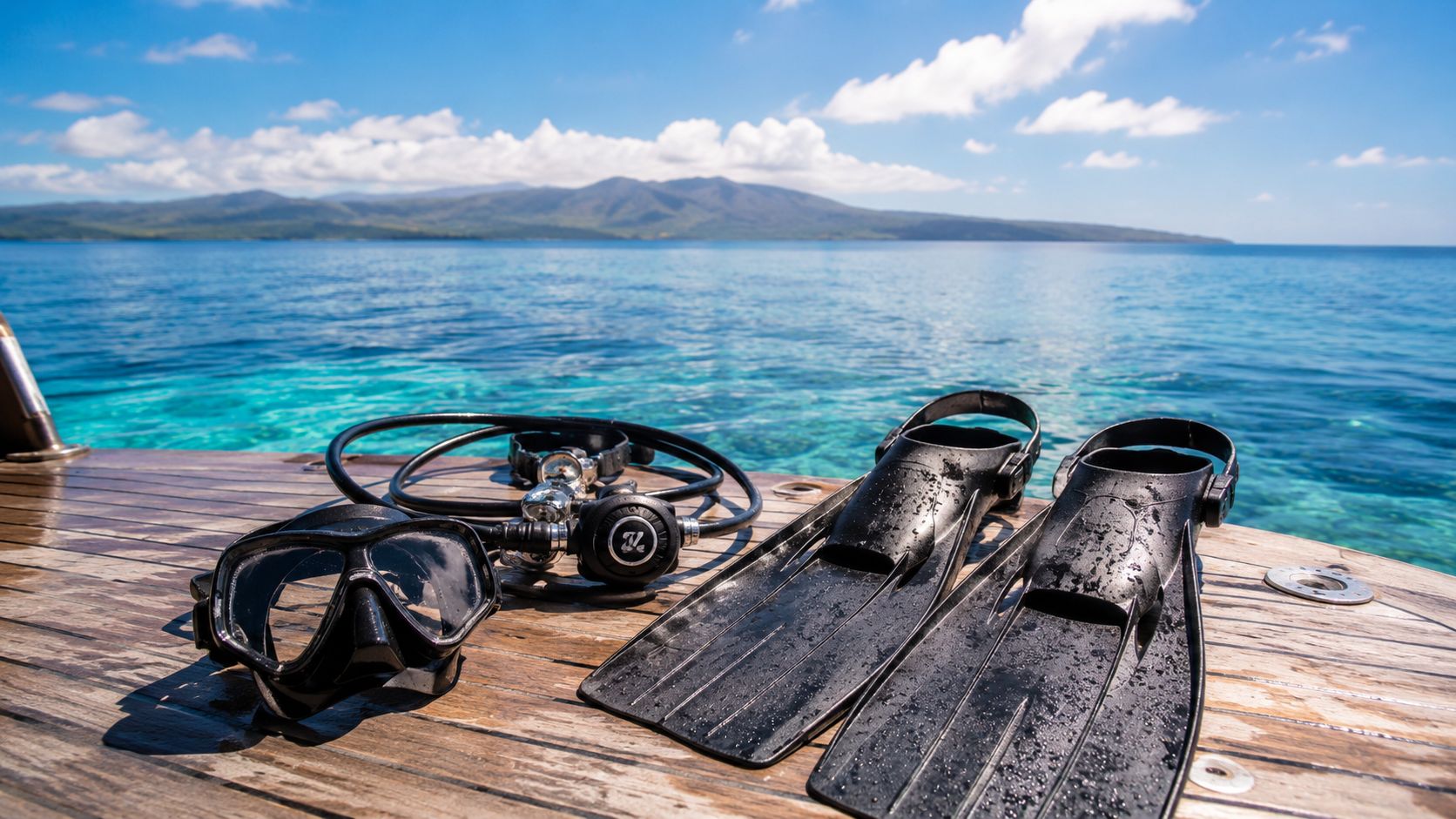
You land in Hawaii with four dive days booked, then the forecast changes two days before arrival. That does not mean the trip is ruined. It means the smart plan is the one that leaves room for the ocean to make the final call.
Hawaii is diveable year-round, but conditions are never uniform across every island or coastline. That is why trip planning works better as a set of decisions than a fixed checklist. Choose your island first. Then match the season, the boat conditions, and the dive style to your experience level. If you want a broader overview before you book, this Hawaii diving guide covering island logistics and conditions gives useful context.
What the water and visibility mean once you are underwater
Hawaii's volcanic structure shapes the whole dive. Lava fingers, arches, and swim-throughs create beautiful underwater terrain, and the water is often warm and very clear. This overview of Hawaii offshore dive conditions notes typical water temperatures of 74 to 80°F and visibility that often exceeds 100 feet.
Those conditions are excellent, but clear water creates its own problems. Depth can look flatter than it really is. Newer divers sometimes feel comfortable because they can see so far, then realize they have dropped deeper or drifted farther from the group than they intended. Good buoyancy and regular gauge checks matter more in clear Hawaiian water than many visiting divers expect.
How to choose the right season for your kind of trip
The better question is not “What is the best season for scuba diving in Hawaii?” It is “What kind of dive trip am I trying to have?”
For newer divers, refresher divers, and families mixing diving with vacation plans, calmer periods usually make the trip easier. Boat rides tend to feel better, entries are less tiring, and you start the dive with more energy.
Experienced divers often have more flexibility. If you are comfortable adapting site plans, accepting a changed itinerary, or picking the protected side of an island when swell shows up, you can have excellent diving in more changeable periods too.
That trade-off matters. A rigid bucket-list schedule and ocean diving do not work well together.
Kona stands out for consistency
This is one reason Kona gets so much repeat business from divers. The leeward coast is often more protected than many visitors expect, which gives operators more workable days and more site options than some other parts of the state. It does not guarantee perfect conditions, and no honest divemaster will promise that, but it does improve your odds of getting in the water on a multi-day trip.
If your main goal is maximizing actual dive time instead of splitting vacation time across islands, Kona is often the simplest decision.
Pack for the boat, not just the dive
A rough boat ride, mild dehydration, or getting chilled between dives can spoil a day that looks great on paper. Divers who do best in Hawaii usually handle the basics early. Eat lightly, hydrate well, bring a towel and a warm layer, and solve motion sickness before departure.
If you know you are prone to seasickness, consider bringing one of these before your trip:
- Patch option: Ship-EEZ Seasickness Patch
- Classic medication: Dramamine pills
- Another medication option: Bonine pills
- Non-drowsy wearable: Sea Band wristbands
- Simple natural backup: Ginger chews
On the boat: If you tend to get motion sick, take care of it before the lines are untied. Once symptoms start, the rest of the day usually becomes damage control.
Book with flexibility and dive with better odds
The divers who get the most out of Hawaii are usually not the ones trying to script every site months in advance. They pick the island that fits their goals, book enough days to give conditions some room, and let local captains choose the best available plan.
That approach is practical, safer, and usually far more fun once you are in the water.
Certification Gear and Safety Essentials
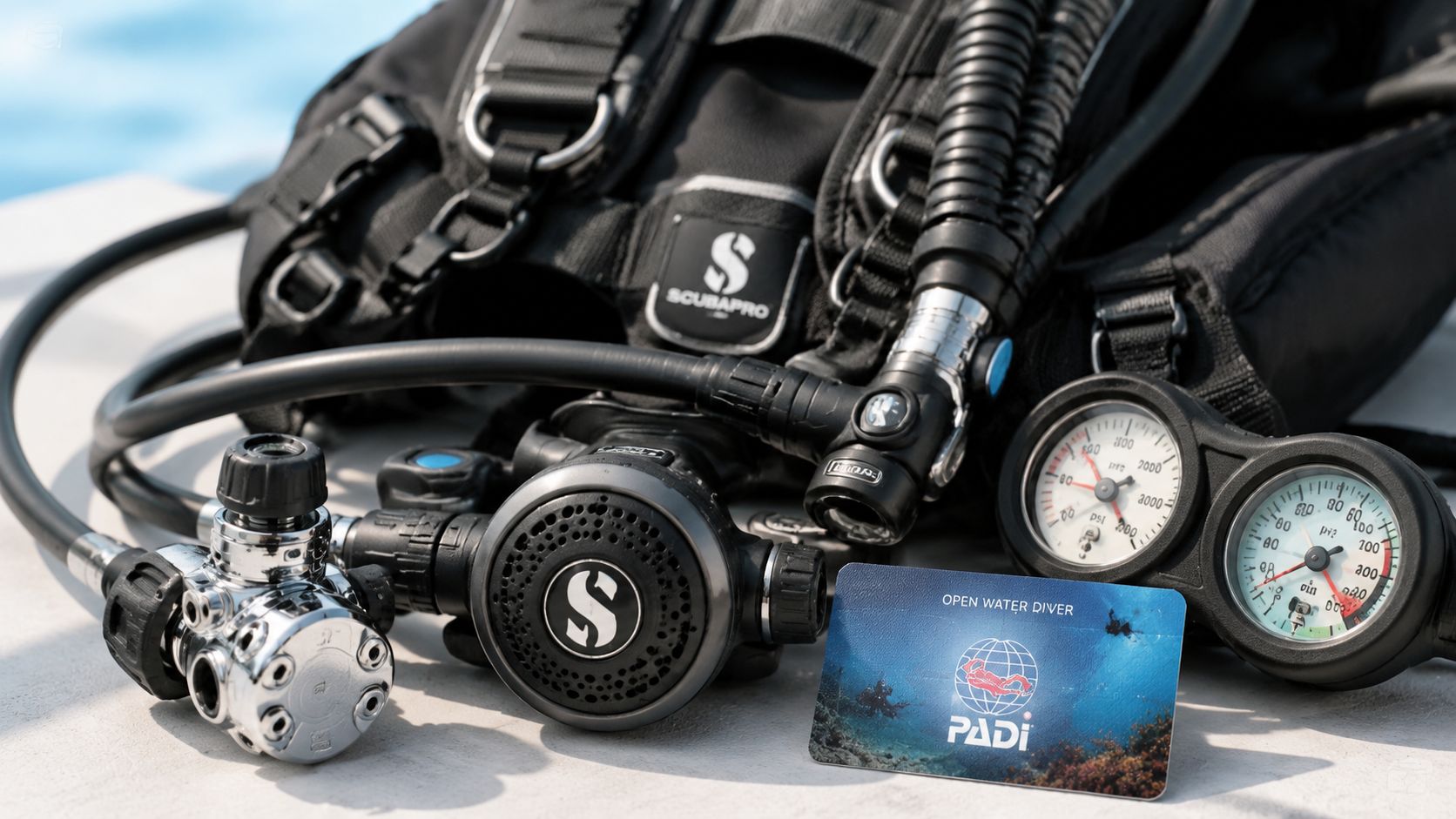
The easiest way to enjoy Hawaii diving is to arrive with realistic expectations about certification, gear, and how much mental bandwidth certain dives require. Most problems aren't dramatic. They're small things stacked together: rusty buoyancy, unfamiliar rental gear, rushed equalizing, or choosing a dive that's half a step ahead of your current comfort.
If you want training before the bigger experiences, this learn to scuba page is a good place to start.
Certification that matches the dive
For many Hawaii reef dives, Open Water is enough. If your goal is relaxed daytime diving on guided charters, that certification level can be completely appropriate.
For more advanced experiences, especially task-loaded night dives or more demanding profiles, additional training matters. Not because the card itself is magical, but because the underlying skills matter. You want better trim, steadier gas use, and less mental overload when the dive gets busier.
Gear choices that actually matter
You can rent plenty of equipment successfully in Hawaii. What matters most is fit and familiarity.
Bring your own if these items make a big difference for you:
- Mask: A familiar mask prevents a lot of avoidable annoyance.
- Fins: Poor fit leads to cramps and wasted energy.
- Exposure layer: Some divers are comfortable warm. Others get chilled quickly in the same water.
Rental gear should be checked before the briefing ends. Confirm that the inflator works smoothly, hoses are routed comfortably, your weights make sense, and the computer setup is clear to you.
One practical option for guided diving, rentals, and training on the Big Island is Kona Honu Divers dive tours.
Safety and reef etiquette belong together
Good safety habits and good environmental habits are tied together in Hawaii. Divers who maintain buoyancy well are safer in lava structure and also less likely to damage coral or stir up the bottom.
A solid Hawaii standard looks like this:
- Use reef-safe habits: Cover up when you can and be thoughtful about what goes in the water.
- Keep hands off everything: That includes coral, rock, turtles, and any animal you're excited to see.
- Fix issues early: If your ears aren't clearing or your breathing feels off, signal it immediately.
- Dive within the day you have: Don't push for a more difficult site because it sounded cooler online.
The best divers on the boat usually aren't the ones making the biggest claims. They're the ones who enter calmly, hover cleanly, and never need rescuing from their own decisions.
Why Choose Kona Honu Divers
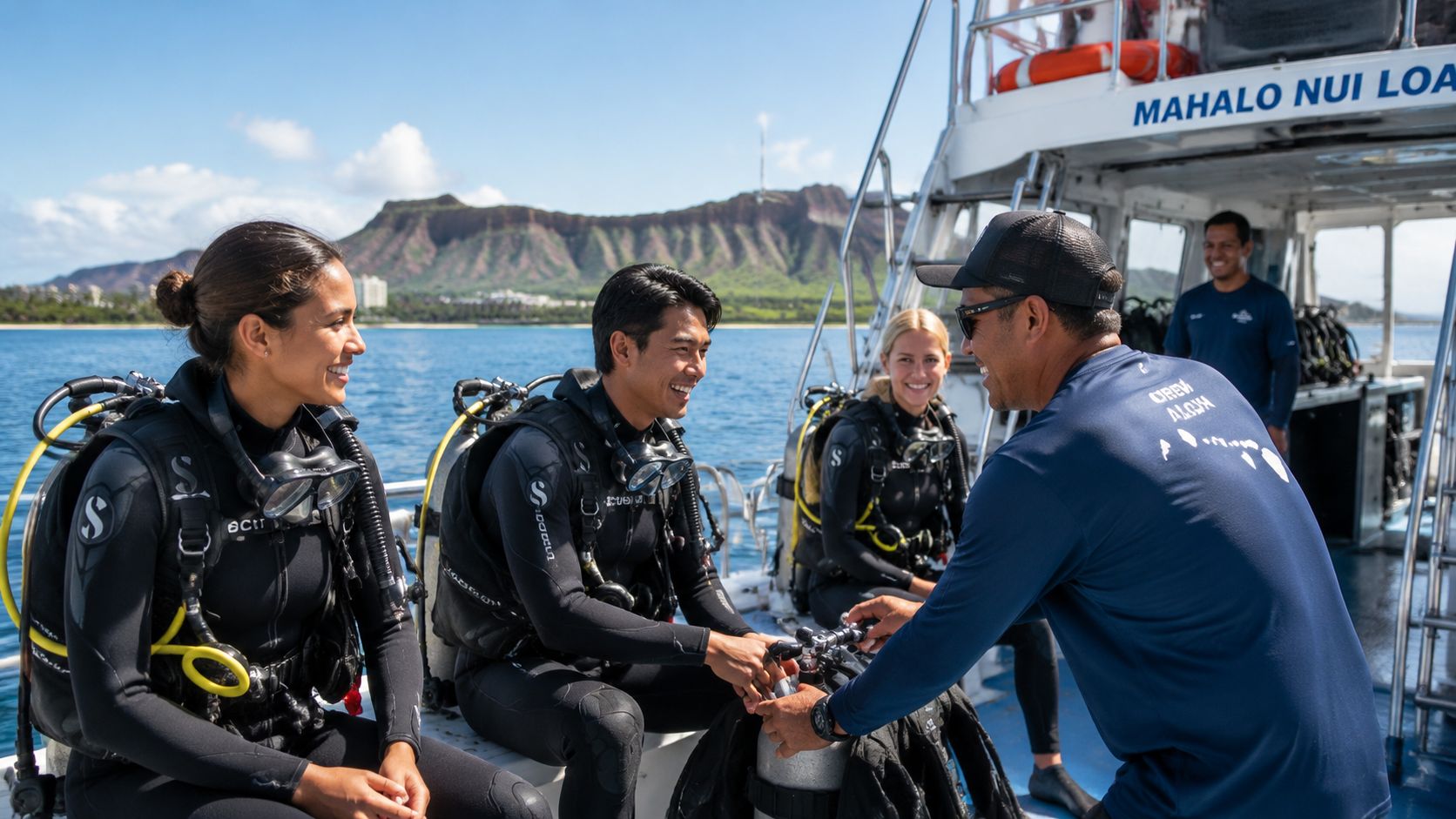
When you're choosing a Hawaii operator, the useful question isn't who sounds the most exciting online. It's who runs the kind of day that helps divers succeed. Good site selection, organized briefings, guide awareness, and gear that's ready to go matter far more than marketing language.
Kona Honu Divers is a practical choice for travelers who want guided Big Island diving, training, and access to specialty trips in one place. That includes standard reef charters, certification courses, and signature experiences such as manta and blackwater dives.
For many visiting divers, that convenience matters because it reduces friction. You can book with one operator, get local guidance on what fits your experience, and avoid piecing the trip together from scattered vendors.
The company also has a broad enough offering to work for mixed groups. One diver may want a straightforward morning charter. Another may be looking for a course or a more advanced trip. Keeping those options under one roof can make family and group planning much easier.
Frequently Asked Questions About Hawaii Diving
What marine life might I see besides manta rays
Plenty. On a typical Hawaii dive, divers often see reef fish, eels, octopus, turtles, and white tip reef sharks resting under ledges. In the right place and season, you may also spot dolphins offshore, passing pelagics, or, if luck is with you, a larger shark in the blue.
The better question is where and how you want to see that life. If your priority is calm reef diving with lots to look at, Kona's lava structure and fish life are a strong fit. If you want a specialty encounter, choose that dive on purpose instead of hoping it happens on a standard charter.
Is scuba diving in Hawaii dangerous
Hawaii diving is manageable for prepared divers, but conditions deserve respect. Surge, current, entries, depth, and boat procedures all matter more than dramatic wildlife.
Risk usually comes from poor judgment. Divers get in trouble when they book beyond their experience, skip an honest conversation about rustiness, or treat a vacation dive like it requires less discipline than diving at home. A good operator lowers that risk with solid briefings, sensible site selection, and guides who pay attention. The diver still has a job too. Stay within your training, monitor gas early, and call the dive before small problems grow.
Can I dive if I'm traveling alone
Yes. Solo travelers are common on Hawaii charters.
On guided boat dives, operators can usually pair you with another diver, and the staff will often have a good sense of who is a suitable match by experience and pace. If you prefer more independence, ask about the team's buddy policy before you book. That avoids surprises on the boat.
How far ahead should I book
Book early if a specific experience matters to your trip. That is especially true for manta night dives, blackwater dives, and holiday travel dates.
If your schedule is flexible and you only want regular daytime reef dives, you may have more room to wait. Still, Hawaii weather and boat availability can narrow your options fast. The practical approach is to reserve your priority dives first, then build the rest of the week around conditions.
What if I'm excited but a little rusty
Say so when you book. Good operators want that information up front.
A rusty diver usually has a better trip by starting with an easy morning charter, a refresher, or a conservative first dive rather than jumping straight into a demanding profile. I have seen plenty of divers settle in after one calm day and enjoy the rest of the week much more because they did not force the pace on day one.
If you're ready to turn your Hawaii dive plans into actual boat dates, take a look at Kona Honu Divers and choose the dives that fit your certification, comfort level, and trip goals. The best Hawaii trip is the one that matches the diver, the season, and the kind of experience you actually want underwater.