
You're probably in one of two places right now. You're either staring at flight tabs and island options, trying to figure out where scuba diving in Hawaii will match your skill level, or you already booked the trip and now you're wondering how to avoid wasting precious dive days on the wrong boat, the wrong site, or the wrong expectations.
That's the primary challenge with planning a Hawaii dive vacation. The islands all look spectacular from the outside, but the underwater experience changes a lot depending on where you go, what training you have, and whether you want mellow reef dives, lava tubes, manta rays, or advanced night diving. A family with one certified diver, one intro diver, and two snorkelers needs a very different plan than a photographer chasing pelagics or a recently certified diver who just wants clear water and easy entries.
The good news is that Hawaii works for all of those travelers. The better news is that with a little strategy, you can build a trip that feels smooth instead of improvised.
The Call of Hawaii's Underwater World
There's a reason divers keep coming back to Hawaii. You drop into warm blue water, sunlight pours down in shafts, the reef opens below you, and then the volcanic character of the islands starts to show itself. Instead of just coral heads and sand patches, you find ledges, arches, caverns, and lava-formed contours that make each descent feel shaped rather than merely scenic.
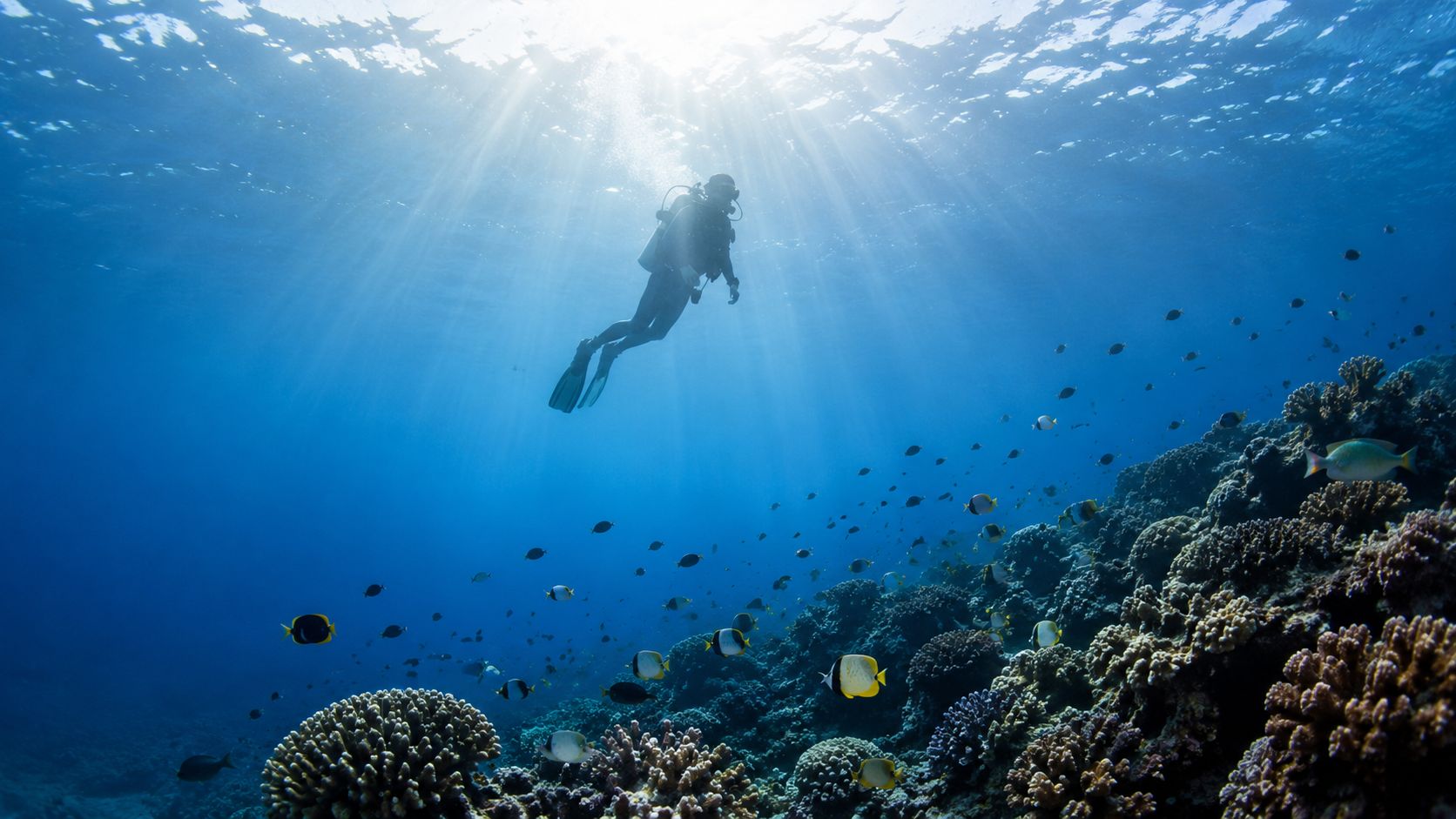
For visiting divers, that first Hawaii dive often resets expectations. The water is warm enough that the experience feels welcoming right away, the light tends to be excellent, and the marine life is active without the whole dive feeling rushed. Sea turtles, reef fish, and lava structure combine into a style of diving that doesn't feel much like the Caribbean and doesn't feel like a generic Pacific reef either.
Hawaii is built for diving
Hawaii isn't a niche dive destination. It supports over 1.5 million dives annually, has more than 215 licensed dive shops statewide, and typically sees water temperatures around 75 to 80°F according to this Hawaii diving overview from Kona Honu Divers. That matters because it tells you the diving ecosystem is mature. Boats run regularly, instruction is well established, and travelers can plan around diving in any season.
A separate Hawaii diving guide also notes that diving is year-round and that visibility can be excellent. In practical terms, that means you're not trying to hit a tiny seasonal window just to get a decent trip.
Practical rule: Hawaii rewards good planning, but it doesn't require lucky timing the way some seasonal destinations do.
What makes scuba diving in Hawaii different
The short answer is geology. The long answer is that volcanic islands create a kind of underwater terrain that changes how a dive feels from minute to minute. You're not just looking outward across reef. You're also navigating around structure, into relief, through shadows, and along contours that create dramatic topography even on recreational profiles.
That's why scuba diving in Hawaii appeals to such a wide range of people:
- New divers get warm water and approachable reef conditions.
- Certified vacation divers get varied site profiles instead of repetitive reef loops.
- More experienced divers get night diving, overhead-like lava features, and specialty experiences that stand out globally.
If you plan the trip well, Hawaii can deliver easy confidence-building dives, iconic bucket-list dives, and advanced experiences on the same vacation.
Your Dive Journey Starts Here Certification and Skill Levels
The first question most visitors ask is simple. Can I scuba dive in Hawaii without certification? Yes, but only in a tightly managed format.
The most common entry point is a Discover Scuba Diving style experience. It's designed for people who want to try breathing underwater on vacation without committing to a full course first. That can be a great fit for curious travelers, mixed-skill families, or someone who wants to test the waters before signing up for certification.
What an intro dive is, and what it is not
An introductory dive is not a shortcut to becoming an independent diver. It's a supervised experience with clear limits. PADI's Discover Scuba Diving standards limit uncertified divers to 40 feet or 12 meters and require direct, arm's-length instructor supervision at all times, as explained in this guide on diving in Hawaii without certification.
That changes the entire experience. You won't rent gear and head out with a buddy. You won't join a normal certified-diver boat team as if you already hold a card. You'll stay within a narrow training envelope built around comfort, control, and close instructor management.
If that sounds restrictive, that's because it should be. For first-timers, restriction is a feature, not a flaw.
How to choose the right path
If you're deciding between a one-day intro and full certification, use the trip you want, not the label, as your guide.
- Choose an intro dive if you want a one-time ocean experience, you're short on vacation days, or you're traveling with family members who just want a taste of scuba.
- Choose certification if you want to dive more than once, access a wider range of sites, or continue diving after Hawaii.
- Choose to wait if you're uneasy in the water, uncomfortable with equalizing, or you know you don't want to follow instructions closely. Scuba gets easier when you're honest about readiness.
For people leaning toward certification, start with learning to scuba in Kona. The main advantage isn't just the card. It's the jump in freedom. Certified divers can dive with a buddy, join regular charters that match their training, and build skills beyond the shallow, closely supervised intro format.
A shallow introductory dive can be memorable. Certification changes the rest of your dive life.
Mixed-skill groups can still work
Planning matters. A family doesn't need everyone at the same level to enjoy the ocean together, but they do need realistic expectations. If one person is certified and another is not, don't book as if both will have the same menu of experiences. They won't.
The smoothest trips happen when each person chooses the right lane early. Intro diver. Certified diver. Snorkeler. Ride-along. Once you sort that out, the day becomes much more enjoyable for everyone.
Hawaii's Premier Dive Destinations An Island by Island Guide
Choosing an island is more important than choosing a single famous site. Most travelers start by chasing names they've heard before, but the better approach is to match the island to the specific kind of diving you want to do.
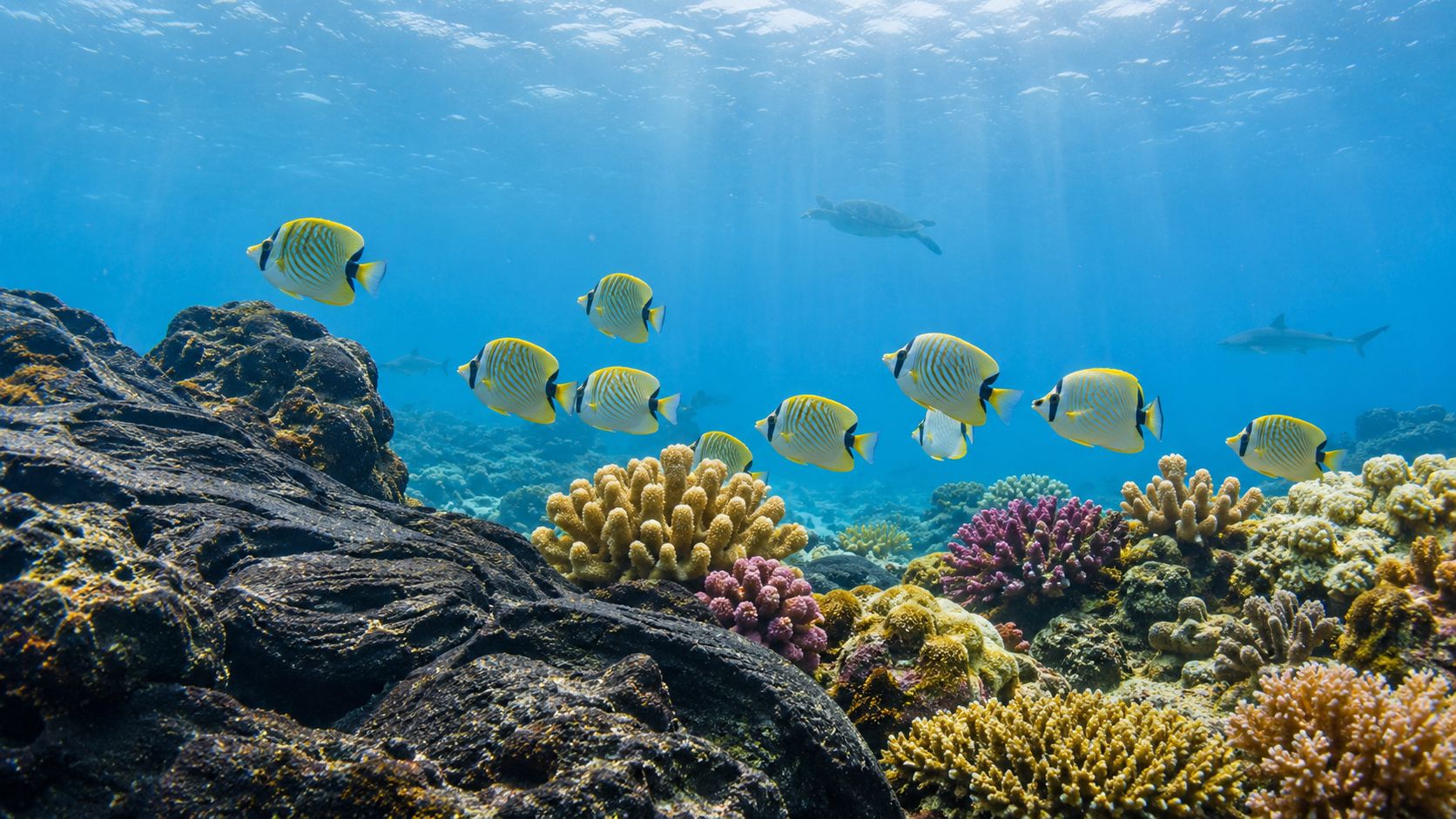
The Big Island and Kona
If your priority is dive-focused travel, Kona deserves serious attention. The leeward coast is known for reliable boat diving, clear water, and volcanic structure that gives sites more shape and personality than many visitors expect. It's a strong fit for newly certified divers, experienced recreational divers, underwater photographers, and travelers who want access to both daytime reefs and standout night dives.
If you want a deeper look at the region, this guide to diving Kona on the Big Island is a useful planning starting point. For travelers ready to book actual boat time, Kona dive tours on the Big Island give you the broadest practical view of available experiences.
Kona is also the easiest recommendation for people who want one destination that can support a full week of varied diving without feeling repetitive.
Maui
Maui appeals to visitors who want to balance diving with a broader resort vacation. Divers are often drawn by Molokini and by easy-going reef experiences that pair well with a family trip. Maui can work very well for vacationers who want some diving rather than a dive-centered itinerary.
The trade-off is that many travelers build Maui around general tourism first and diving second. That's not bad. It just means serious divers sometimes outgrow the menu faster.
Oahu
Oahu makes sense for groups with mixed priorities. If part of your crew wants city access, food, nightlife, or non-dive activities, Oahu solves that easily. Underwater, wreck diving is part of the appeal, and for non-divers in the group, Living Ocean Tours is the snorkeling recommendation I'd point people toward.
That combination makes Oahu practical. It's often less about a pure dive retreat and more about keeping everyone happy on the same trip.
Kauai
Kauai tends to attract travelers who like a more rugged feel above and below the water. The island is beautiful, dramatic, and rewarding, but it usually suits people who are comfortable adapting to conditions rather than expecting every day to be easy and polished.
The best island isn't the one with the most famous name. It's the one that fits your confidence level, your non-diving plans, and the style of diving you actually enjoy.
A simple way to choose
| Island | Strongest fit | Main trade-off |
|---|---|---|
| Big Island | Dive-centered trips, variety, signature night diving | Less focused on big-city style entertainment |
| Maui | Balanced resort vacation with some diving | Can feel less dive-centric |
| Oahu | Mixed-interest groups, wrecks, urban amenities | Diving may compete with many other activities |
| Kauai | Adventurous travelers seeking a wilder feel | Conditions and logistics may feel less forgiving |
Beyond the Reef Hawaii's Signature Night Dives
A lot of destinations promise good reef diving. Hawaii separates itself at night.
Once the sun drops, the ocean changes character. Orientation shifts. Light becomes part of the dive plan. Marine life that stayed hidden all day starts moving, feeding, and hunting. For many divers, the most memorable part of scuba diving in Hawaii isn't a daytime reef at all. It's what happens after dark.
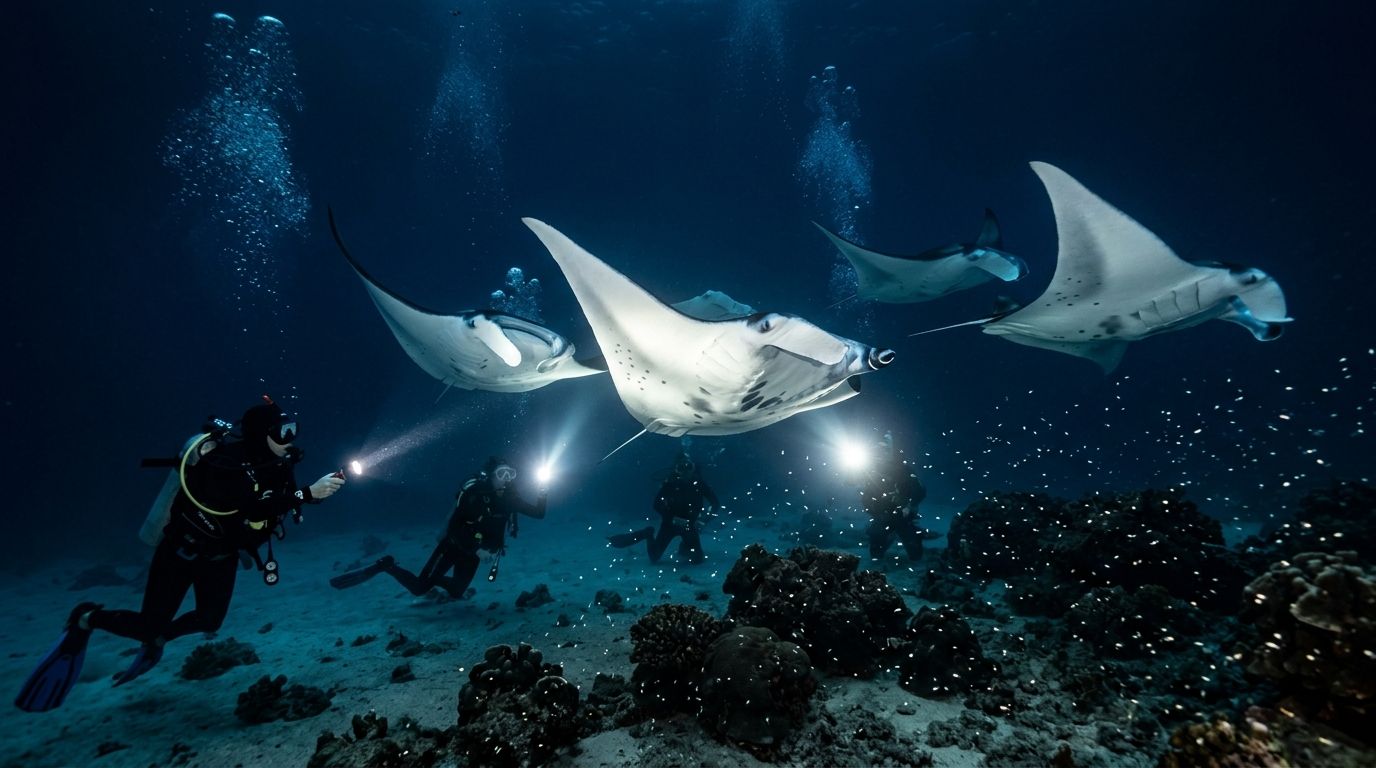
The manta ray night dive
The manta experience in Kona is famous for a reason. It's visual, unusual, and emotionally big even for divers who've done plenty of night diving elsewhere. Divers settle in position, lights draw in plankton, and mantas move through the beams overhead in repeated passes that can feel almost choreographed.
For this experience, Garden Eel Cove is the stronger choice because its protected location supports a better viewing area and stronger overall dive setting. If manta diving is a key reason for your trip, book the specific Kona manta ray night dive tour and read more about the experience at the manta ray night swim guide.
This is the kind of dive that works best when you arrive rested, weighted correctly, and ready to stay calm and still. Divers who expect to chase the action usually get less from it.
The blackwater dive
Blackwater is a completely different animal. You're not dropping onto a reef. You're suspended in open ocean at night, focused on tiny pelagic life and strange drifting organisms rising from the deep. It's one of the most specialized and surreal dives you can do in Hawaii.
This style of diving makes sense for comfortable, experienced divers who already have solid buoyancy, situational awareness, and composure in darkness. If that's you, look at the Kona blackwater night dive tour. If you're also interested in broader challenging profiles, the advanced long-range dive tour is worth considering.
Which one should you choose
- Pick manta rays if you want a signature Hawaii experience with broad appeal and strong visual payoff.
- Pick blackwater if you're experienced, curious, and excited by unusual ocean behavior rather than classic reef scenery.
- Pick both if your schedule allows and you want two night dives that feel nothing alike.
Hawaii also supports advanced and technical-style diving with sites ranging from 30 to 200 feet, plus local activity that includes rebreather diving, trimix O2-clean blending, and some charters supporting up to 2.5 hours of bottom time on community dives, according to this overview of technical diving services on Oahu. Even when depth isn't extreme, the demands often come from darkness, long exposure, gas planning, and structure.
Navigating the Seasons When to Dive in Hawaii
The nice thing about Hawaii is that you can plan a dive trip in any season and still expect real diving, not a compromise version of it. The smarter question isn't whether Hawaii is diveable this month. It's what kind of conditions and experiences matter most to you.
What stays consistent
Hawaii's underwater conditions are often favorable across the year. Visibility can exceed 100 feet, water temperatures commonly stay in the 75 to 80°F range, and many divers find a 2.5 mm wetsuit works well in that band, according to this Hawaii scuba conditions guide.
That same guide points out something experienced divers immediately appreciate. Hawaii's caverns, swim-throughs, and lava-tube features demand fine buoyancy control. This isn't just about looking polished. Good trim protects reef, keeps your finning efficient, and makes structure diving much more comfortable.
What changes with timing
Seasonal differences in Hawaii are usually about emphasis, not whether the trip is possible.
- Summer and calmer periods tend to suit divers who want easy entries, relaxed surface intervals, and the highest chance of smooth boat days.
- Winter windows can reward divers with a different feel underwater, including the possibility of hearing whalesong on some dives.
- Island choice matters because exposure changes conditions. Kona's leeward coast is often the practical answer for people who want more protection from prevailing wind and swell.
For a month-by-month planning angle, this guide on the best months to scuba dive in Hawaii helps narrow the decision.
Good Hawaii trip planning isn't about chasing a magic month. It's about matching your island and operator to the conditions that are most likely during your travel window.
What to pack for the season you chose
Bring the exposure protection you know you'll wear. Many divers overpack thick suits and then spend the week overheating. Others assume tropical means no thermal planning and end up chilled on repeat dives or at night.
If you're doing structure-heavy sites, night diving, or multiple days in a row, treat comfort as part of safety. Warm divers make better decisions.
Essential Dive Trip Prep Packing and Safety
A smooth Hawaii dive trip usually starts the night before your first charter, not at the dock. The divers who have the best mornings are the ones who aren't searching for certification cards, trying to remember where they packed their computer charger, or realizing too late that boat motion affects them more in Hawaii than it did on a lake at home.
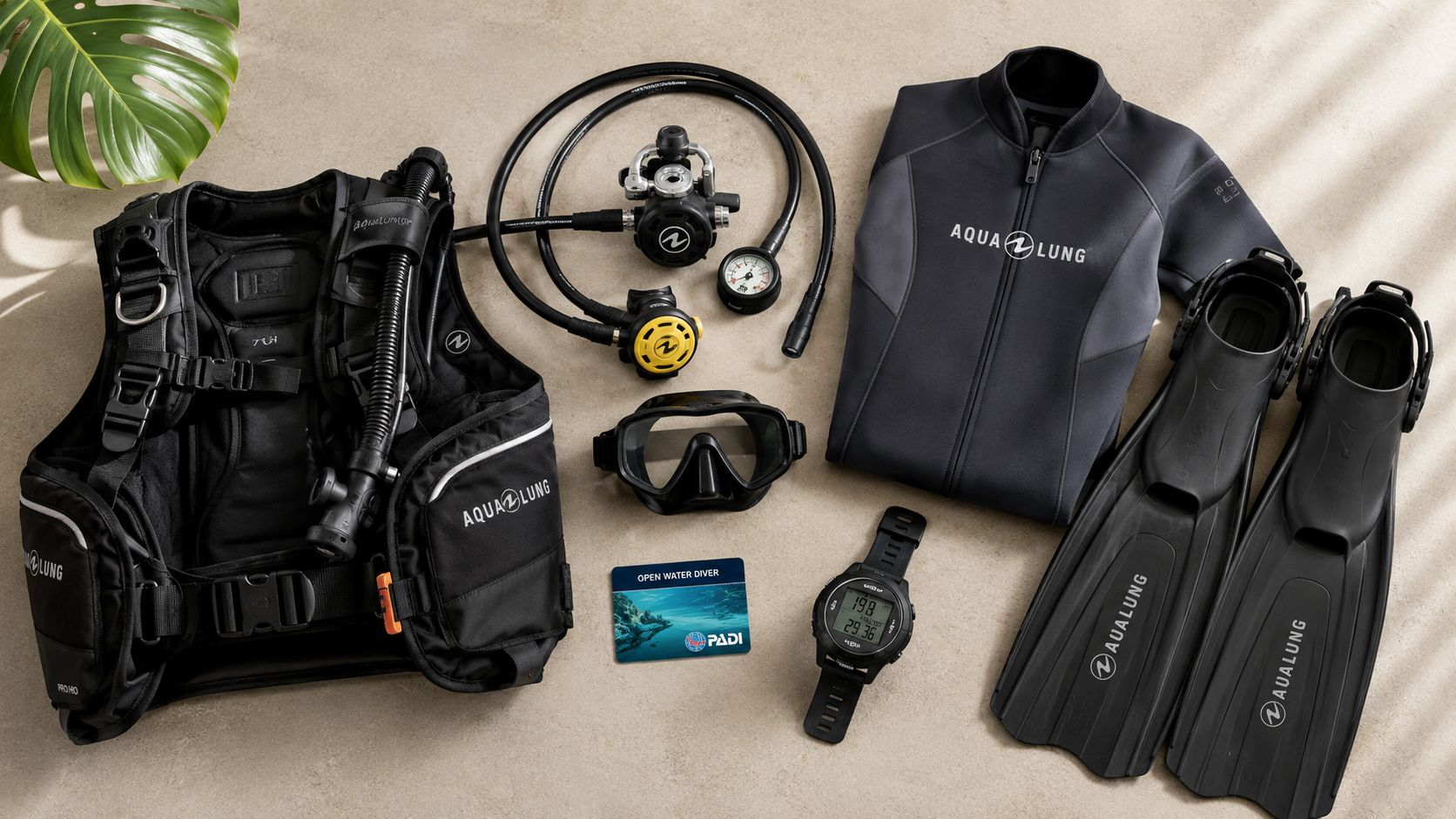
What to pack yourself
Some gear is easy to rent. Some gear is worth bringing because fit matters.
- Bring your core personal items if you have them. Mask, computer, exposure wear, and fins you know well usually improve comfort right away.
- Carry your certification and training records so there's no confusion at check-in.
- Pack for boat life, not just underwater time. A towel, water, sun protection, dry clothes, and a secure bag make the day easier.
- Use reef-safe sun protection and stay mindful about what washes off your skin and into the water.
If your own gear is old, unfamiliar, or hasn't been serviced, renting can be the better move. Vacation isn't the time to discover your inflator sticks or your mask strap is one pull away from failure.
Seasickness is easier to prevent than fix
Even strong divers can get seasick if they're tired, dehydrated, or anxious. If you know you're prone to motion sickness, deal with it early. Useful options include the Ship-EEZ Seasickness Patch, Dramamine pills, Bonine pills, Sea Band wristbands, and ginger chews.
Different divers respond to different approaches. The important thing is not to wait until the boat is already rolling and then hope grit will solve it.
The safety habits that matter most
Hawaii's dive industry has maintained a strong safety record. State data reported 28 scuba-diving fatalities over the decade leading up to 2020, which averages fewer than 3 deaths per year, as noted in this Hawaii diving safety discussion. That doesn't mean scuba is casual. It means operator standards and personal decision-making matter.
The habits that consistently protect divers are simple:
- Dive within your current skill, not your past certification. A card doesn't erase a long surface interval from diving.
- Do a real buddy check. Not a quick glance. An actual functional check.
- Listen to the briefing. Hawaii sites can be easy until someone ignores current, topography, or exit procedure.
- Control buoyancy carefully around lava structure and reef.
- Respect marine life by giving it room. The best interactions happen when divers stop trying to force them.
If a dive briefing sounds more conservative than you expected, that's usually a sign the crew is doing its job.
What doesn't work
Overconfidence doesn't work. Neither does pretending you're comfortable with conditions you don't understand. Hawaii rewards divers who are honest, prepared, and calm. If you bring that mindset, you're already doing a lot right.
Booking Your Adventure Why Kona Honu Divers is the Top Choice
The operator you choose will shape the trip more than the island brochure ever will. A good crew can match sites to conditions, spot when a diver needs extra support, and keep the day moving without making it feel rushed. A poor fit can turn even beautiful water into a forgettable charter.
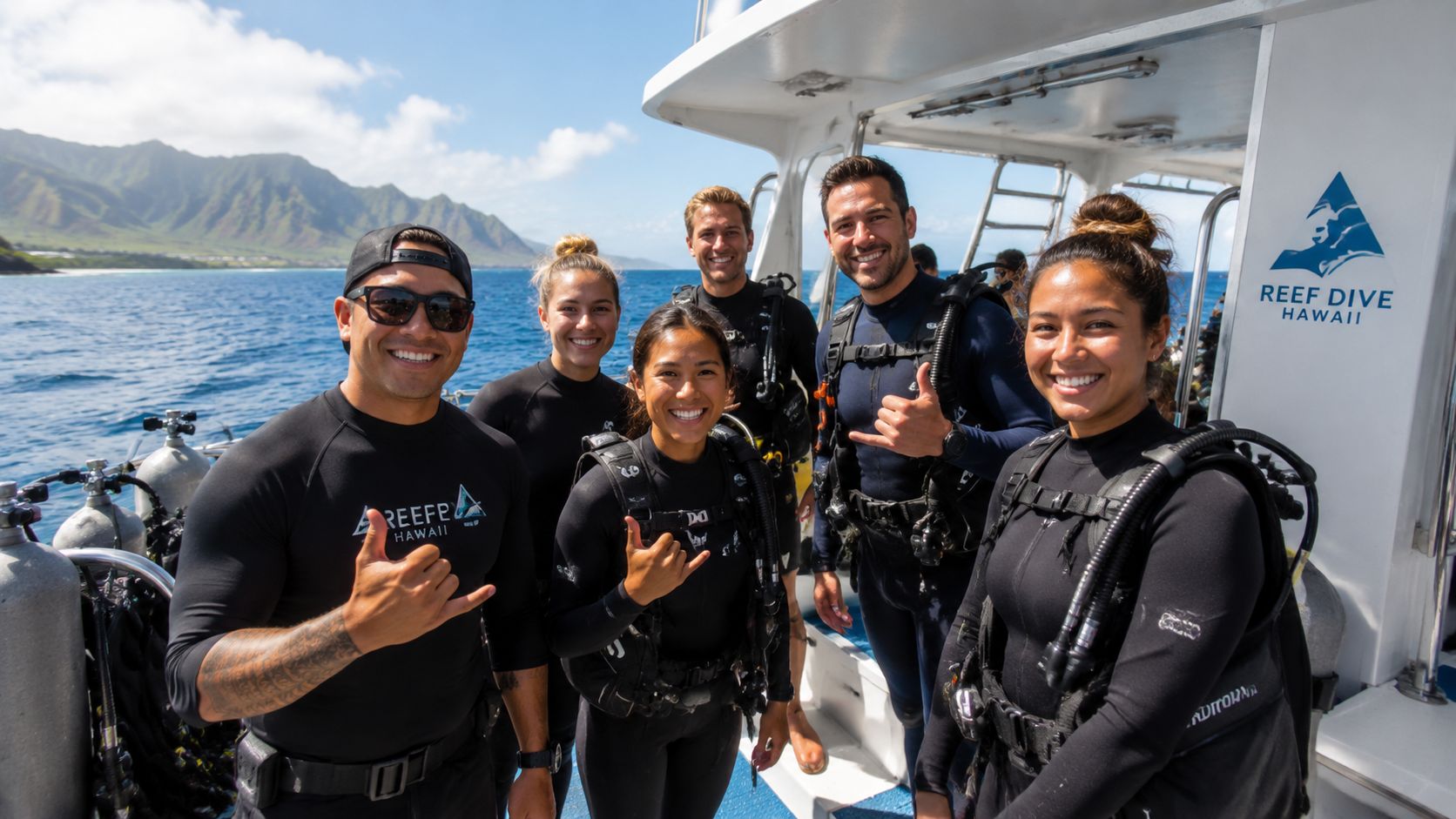
For travelers planning a Big Island dive trip, Kona Honu Divers offers day diving, manta trips, blackwater diving, instruction, and rental support from Kona. That range matters because it lets divers build a week around one coordinated operation instead of piecing together multiple providers with different standards and rhythms.
What experienced divers usually look for
The details that matter on paper often matter even more on the boat:
- Crew judgment: Site choice and diver grouping change the whole day.
- Boat comfort: Better layout means easier gearing up and less stress between dives.
- Clear briefings: The right amount of detail helps divers relax.
- Flexibility: Mixed groups need options, not one rigid template.
A practical week might include a couple of daytime reef charters, one manta night, one day off for surface interval and island exploring, then an advanced outing or blackwater experience for those who are ready for it.
Why planning with one team helps
Consistency is underrated. When the same operation handles several pieces of your trip, check-in gets easier, staff can understand your comfort level, and your later dives often benefit from what the team learned about you earlier in the week.
That's especially useful for families, new divers, and groups with mixed interests. It also helps experienced divers who want to build from easy dives into more demanding ones instead of jumping straight into the deep end.
Frequently Asked Questions for Families and Groups
Families and groups usually need more than dive-site recommendations. They need logistics that work.
Is scuba diving in Hawaii safe for kids
It can be, when the child meets training requirements, is comfortable in the water, and dives with patient supervision. The key is not pushing a child into scuba because the adults already booked the trip. Kids who want to be there often do very well. Kids who feel pressured usually struggle with comfort and task loading.
For families, it's smart to choose operators that communicate clearly and don't rush the setup.
Can non-divers come along
Often, yes. Many groups include certified divers, intro divers, snorkelers, and people who want to ride along. Before booking, ask exactly what each non-diver option includes. A “spectator” seat and a full snorkel experience aren't always the same thing.
This is one of the easiest ways to keep a mixed group together without forcing everyone into scuba.
What's the best island for mixed interests
For many groups, the Big Island is the simplest answer because it supports strong diving while still giving non-divers plenty to do on shore. If one part of the group wants serious ocean time and another part wants sightseeing, beaches, or downtime, it's usually easier to build a balanced trip there than in a destination that leans heavily one way.
Oahu also works well if your group wants urban energy and varied off-water activities.
How far ahead should groups book
Earlier than you think. Large groups need schedule alignment, enough staff support, and room on the right trip types. If your travel dates are fixed, especially around school breaks or holidays, book your dive days as soon as the flights and lodging are settled.
The larger the group, the less flexible the inventory feels once you're close to travel.
What if part of the group is nervous
That's normal. Don't solve it by overselling how “easy” everything will be. Solve it by matching people to the right activity. Some nervous travelers end up loving an intro dive. Others are happier snorkeling first and deciding later.
Good trip planning leaves room for both outcomes.
If you want a Hawaii dive trip that feels organized from the start, Kona Honu Divers is a strong place to begin. We can help you sort out certification questions, choose the right charter style, and build a schedule that fits your experience level instead of fighting it.