
The first time you drop onto a Kona manta night dive, the ocean feels almost empty until the lights come on. Then the water fills with motion, and the whole dive changes from a descent into darkness to a front-row seat for one of Hawaii's most memorable underwater encounters.
Your Underwater Adventure Awaits in Hawaii
Night diving in Hawaii hooks people fast. One minute you're kneeling in the dark with your beam cutting through blue-black water, and the next a manta ray glides overhead so close you can hear your own breathing change. That's the kind of moment that turns a vacation activity into the reason people come back.
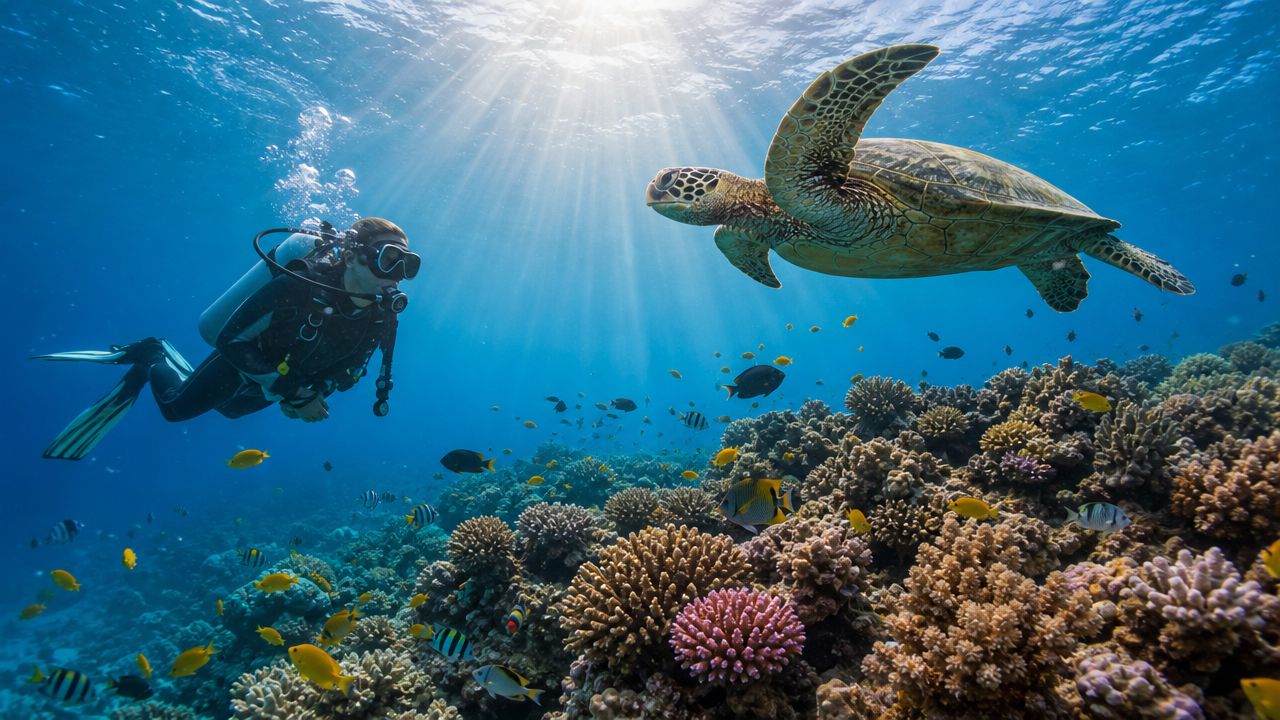
Scuba diving Hawaii isn't one single experience. It can mean an easy reef dive in warm, clear water. It can mean drifting over lava formations with excellent visibility. Or it can mean dropping into open ocean at night for a blackwater dive where tiny pelagic creatures rise from the depths and look nothing like what most divers expect to see on a tropical trip.
That range is what makes Hawaii different. Some destinations give you pretty reefs and a standard boat schedule. Hawaii gives you geological drama, reliable warm-water diving, and signature experiences that are hard to match anywhere else.
What stands out once you're in the water
The first thing most divers notice is how open everything feels. Clear water changes your sense of space underwater. Reef structure appears earlier, fish are easier to track, and navigation feels calmer when conditions line up.
The second thing is that Hawaiian diving has personality. Lava tubes, ledges, caverns, and surge channels create dive sites that reward attention. You're not just finning over coral heads. You're moving through terrain that feels built rather than grown.
Practical rule: If you want the widest range of memorable dives on one trip, base yourself where you can access both classic reef diving and specialty dives without long transfers.
That's one reason many divers focus on the Big Island, especially the Kona side. If you're comparing regions, this overview of Big Island Hawaii scuba diving is a useful place to start.
Why people remember Hawaii long after the trip
A great Hawaii dive trip usually isn't about chasing the longest site list. It's about matching the right dives to the right diver. Newer divers often remember their first calm lava reef and their first turtle encounter. Experienced divers usually remember the dives that felt unusual, especially manta nights and blackwater drifts.
A smart plan beats an ambitious one. Two well-chosen boat days with a strong operator will usually leave you with better diving than trying to cram every island into one schedule.
Why Hawaii is a World-Class Diving Destination
Hawaii earns its reputation because the diving is established, heavily supported, and consistent enough to plan around with confidence. It isn't a fringe activity tucked into a beach itinerary. It's a mature recreation market with the infrastructure to support everyone from first-timers to experienced divers.
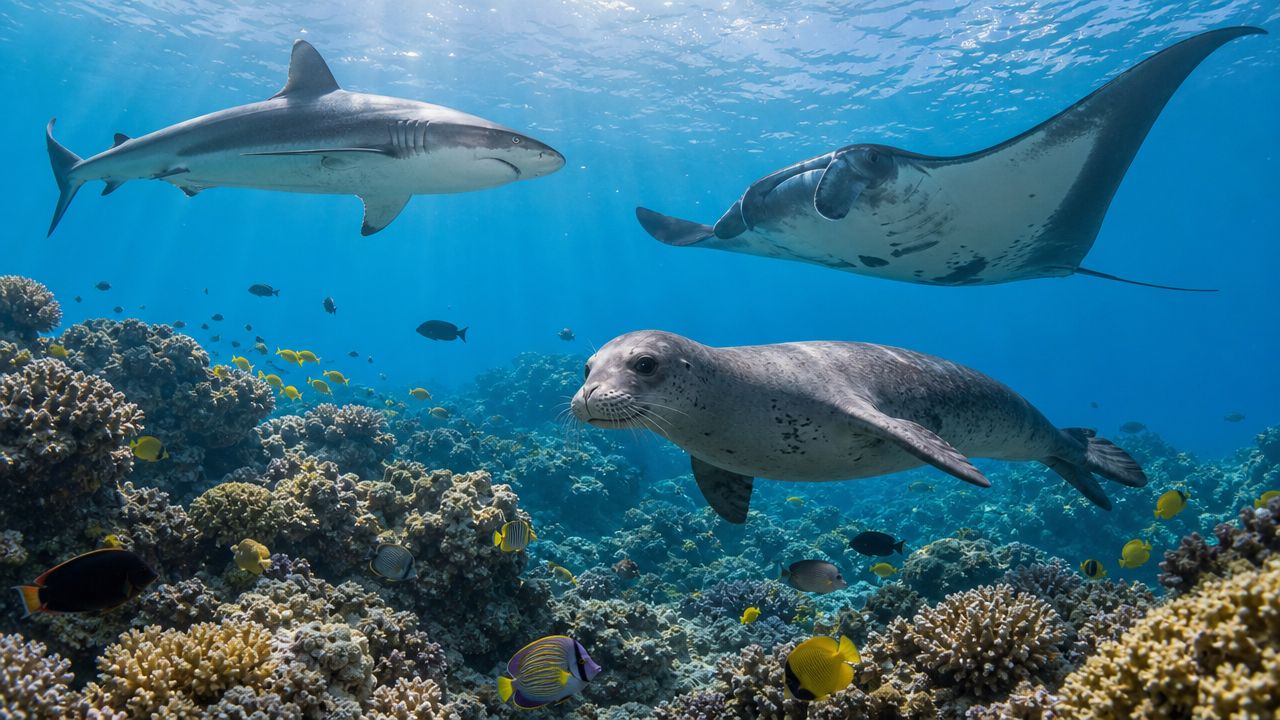
According to this overview of Hawaii's scuba market, Hawaii supports more than 1.5 million scuba dives each year, has over 215 licensed dive shops, and generates an estimated annual economic impact of more than $519 million. The same source notes that divers can generally expect water temperatures around 75 to 80°F (24 to 27°C) and visibility that often exceeds 100 feet (30 meters).
Why those numbers matter to actual divers
A big dive market changes the experience on the ground. It means you can usually find:
- Training options: Full certification, refreshers, and guided diving are widely available.
- Boat access: Operators run enough trips that you can build a practical itinerary instead of hoping one charter fits your dates.
- Specialty diving: Mature markets support niche experiences like blackwater trips and dedicated manta dives.
- Rental support: If you travel light, it's much easier to find well-organized gear and staff who deal with visiting divers every day.
That scale also creates competition, which tends to improve logistics. Better check-in systems, cleaner rental gear, clearer briefings, and more site options all make a difference over a week of diving.
Reliable conditions matter more than brochures
Warm water sounds nice in marketing copy, but in practice it changes how people dive. Divers stay more comfortable, fatigue less quickly, and spend less energy managing cold stress. High visibility does something just as important. It reduces task loading for newer divers and makes navigation, communication, and situational awareness easier.
Good Hawaii diving isn't only about what you might see. It's about how often conditions let you actually get in the water and enjoy the dive.
That's a major reason Hawaii remains a strong choice for travel divers. In colder or more seasonal destinations, the trip can be excellent when conditions cooperate, but much less predictable. Hawaii is different. The islands have a long-running dive culture, plenty of operator support, and conditions that usually let people spend more of their vacation diving and less of it waiting on the weather.
Hawaii's Top Dive Sites and Signature Experiences
If you only remember one planning point, make it this one. The Kona Coast on the Big Island is the center of gravity for scuba diving in Hawaii because its leeward geography creates calmer seas than many other parts of the state. That same pattern is a major reason signature dives like the manta ray night dive and blackwater diving are so closely associated with Kona, as noted in this overview of Hawaii scuba diving and Kona's conditions.
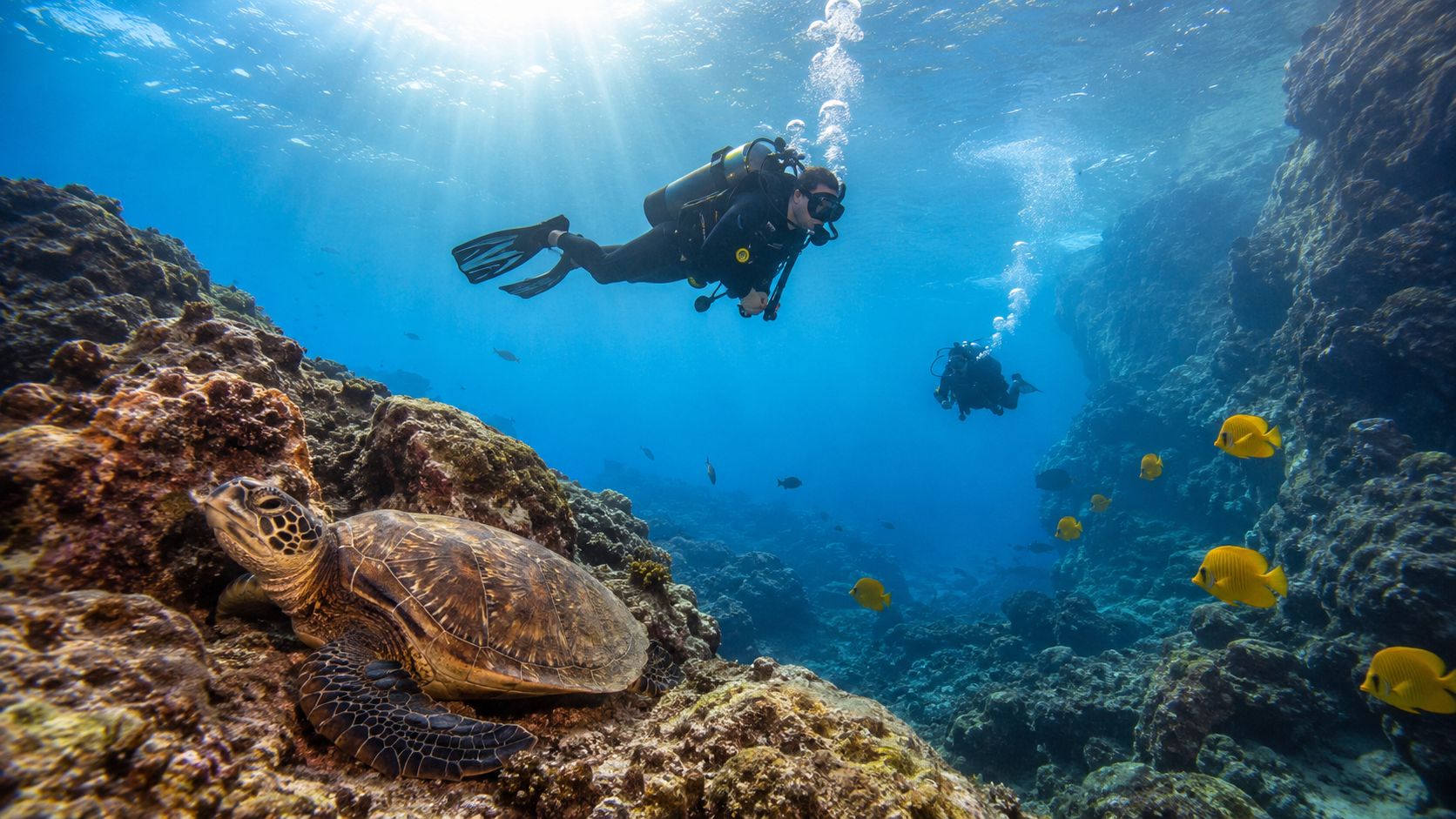
That doesn't mean the rest of Hawaii has nothing to offer. It means that if you want the highest concentration of dependable boat diving and the most recognizable specialty dives, Kona is usually the most strategic base.
The dives most people should prioritize
For many visitors, the smartest move is to stop thinking in terms of “most famous site” and start thinking in terms of “best-fit experience.”
| Dive Type | Best For | Experience Level | Key Sightings |
|---|---|---|---|
| Reef boat dive | Divers who want classic Hawaiian terrain and marine life | Beginner to advanced, depending on site | Reef fish, turtles, lava structure |
| Manta ray night dive | Divers who want a signature Hawaii experience | Certified divers comfortable at night | Manta rays |
| Blackwater dive | Divers seeking unusual pelagic life and open-ocean conditions | Advanced comfort level | Pelagic larval life, drifting night creatures |
Manta ray night dive
The manta dive deserves its reputation. It's accessible, dramatic, and different from a normal reef night dive. If this is on your list, book a dedicated manta ray night dive tour rather than trying to tack it onto a packed schedule.
Garden Eel Cove is the stronger choice for many divers because the site's protected location tends to make the experience more manageable, and the viewing area works well for the kind of stationary setup that manta diving depends on. The surrounding reef structure also adds value before and after the main event. If you only do one marquee night dive in Hawaii, this is the one most visitors should target.
Blackwater diving
Blackwater isn't a “better” dive than the manta night. It's a more specialized one. You're clipped into a reference system in deep open water at night, watching pelagic animals rise toward the surface. It can be surreal, disorienting, and unforgettable.
This is not the dive to book because the photos looked cool. It's the dive to book if you're calm in darkness, comfortable with task loading, and interested in behavior and life forms you won't see on a reef. If that sounds like you, a dedicated Kona blackwater dive is one of the most unusual dives available in Hawaii.
Blackwater rewards composure more than bravado. Divers who stay relaxed tend to enjoy it far more than divers who show up wanting to prove they can handle it.
Everyday diving that still matters
Don't make the mistake of building a whole trip around only the headline dives. Standard Kona diving tours often deliver the most satisfying in-water time because they let you settle into the local conditions, tune your buoyancy, and enjoy the reef and lava terrain without the extra complexity of a night specialty.
For divers who also want a look at one of the island's most well-known coastal areas from above and below the surface, Kealakekua Bay near Kona is another place worth knowing about as you build out a Big Island itinerary.
Planning Your Dive Trip Best Seasons and Conditions
Hawaii is one of the easier places to plan a dive trip because you're not waiting for a tiny seasonal window. Still, “good year-round” doesn't mean “the same every day.” The better approach is to think in terms of comfort, site exposure, and how much complexity you want underwater.
On the Kona side, conditions are technically distinctive because the leeward coast combines warm water, visibility that often exceeds 100 feet, and volcanic terrain shaped by lava structures, caverns, and swim-throughs, as described in this guide to scuba conditions on the Kona coast. The same source notes average water temperatures around 74 to 80°F.
What changes through the year
Summer often gives divers the calmest overall feel on the water. That can make boat rides easier and entries less stressful, especially for newer divers or anyone coming back after a long break.
Winter can still be excellent, but it asks for more flexibility. Surface conditions may shift faster, and some areas feel more exposed than they do in flatter periods. The upside is that winter diving can bring its own atmosphere, including the chance to hear whale song underwater in season.
For broad seasonal timing, this guide on the best months to scuba dive in Hawaii can help narrow down your trip.
The hidden skill that matters in Kona
Many visitors assume warm, clear water automatically means easy diving. That's only partly true. Good visibility reduces stress, but volcanic topography changes the skill demand.
Minor depth changes near lava ledges and swim-throughs matter. Surge can push a diver toward rock or reef if trim and buoyancy aren't dialed in. Divers who do well here usually keep their kicks compact, avoid over-weighting, and make slow corrections rather than large ones.
- Buoyancy first: If you've been out of the water for a while, schedule an easier dive early in the trip.
- Don't chase the terrain: Swim-throughs and lava features are fun, but they're not mandatory. Skip anything that feels tight or busy.
- Watch surge at the edges: Calm water on the surface doesn't always mean still water around structure.
- Match site to recent experience: A diver with an old certification card and little recent practice should choose differently than a diver who's active every month.
Smart scheduling beats ambitious scheduling
The strongest Hawaii dive itineraries have breathing room. Leave space for weather adjustments, surface intervals, and fatigue. If you stack difficult dives too early, the trip often feels rushed instead of rewarding.
A good trip usually builds in layers. Start with a straightforward reef dive, move into your signature experience once you're settled, and save anything more technical for later in the week when your weighting, trim, and local comfort are back.
Essential Guide for Divers Certification and Safety
Most Hawaii diving is straightforward if you respect the basics. Problems usually start when divers overestimate their comfort level, ignore the schedule around flights, or show up unprepared for boat conditions.
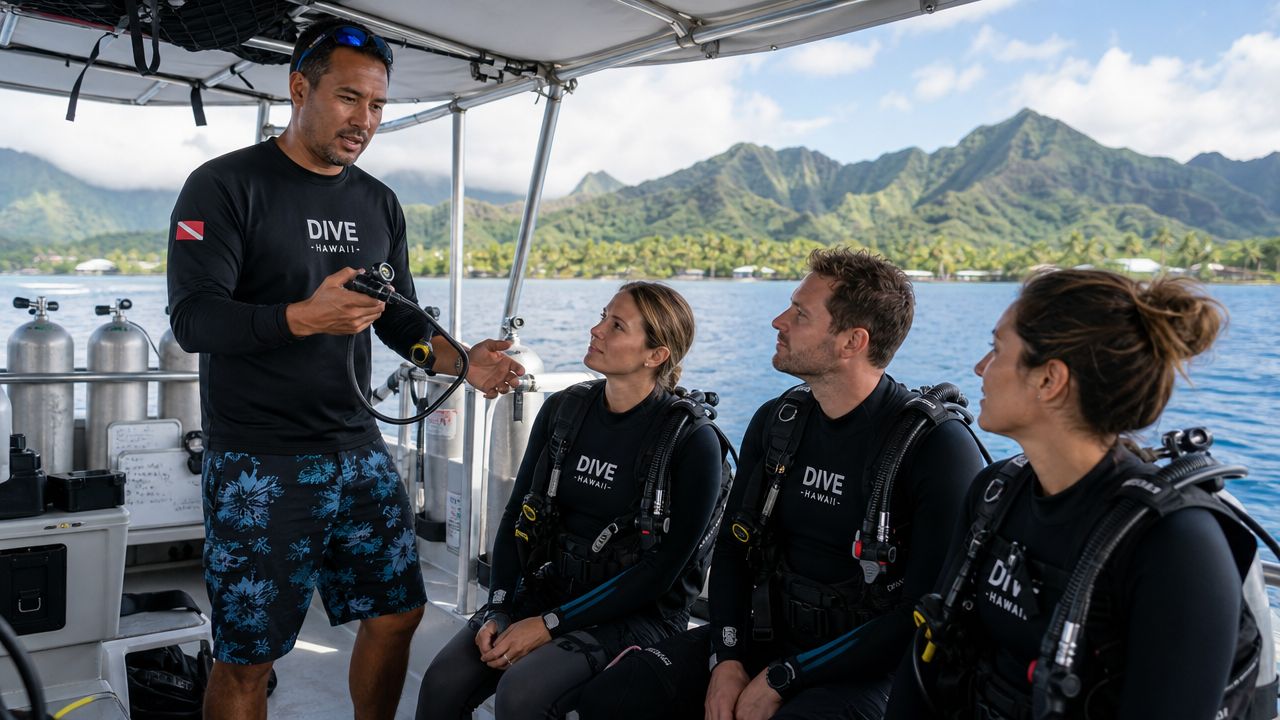
Certification and choosing the right dive
If you're certified, bring proof of certification and be honest about how recently you've been in the water. A card tells an operator what training you completed. It doesn't tell them whether you're current.
If you're not certified, an introductory program can still get you underwater with direct supervision. If you want a fuller start to diving, an Open Water certification course in Kona is the route that opens up far more of Hawaii over the long term.
For more experienced divers, some operators also run advanced long-range dive trips that suit people who want more demanding sites and a stronger emphasis on experience level.
The flight rule people forget
One of the most common planning mistakes has nothing to do with gear. It's airfare. According to this Hawaii diving FAQ about flying after scuba, divers should not fly for at least 18 hours after their last dive, and 24 hours is the most common expert recommendation.
That matters a lot in Hawaii because many visitors arrive on short itineraries and try to wedge diving right against departure day. Don't do that. Put your final dive day before your last full day if you can.
Safety check: Build your trip around your no-fly window first, then book your dives around it.
Seasickness prep for boat dives
Even on the Kona side, a calm destination can still produce a bouncy ride on a given morning. If you know you're prone to motion sickness, sort that out before you board.
Useful options include:
- Patch option: Ship-EEZ Seasickness Patch
- Classic medication: Dramamine pills
- Another medication choice: Bonine pills
- Non-drug approach: Sea Band wristbands
- Simple backup: Ginger chews
Take whatever you plan to use exactly as directed and early enough to work before the boat leaves the harbor. Waiting until you already feel bad usually doesn't end well.
Simple etiquette that protects the dive
Hawaii rewards careful divers. Stay off the reef. Keep your fins and gauges controlled. Don't touch turtles, coral, rays, or anything else just because it let you get close.
Marine life encounters are better when the animals stay relaxed. The same discipline that protects the reef also makes you look like a better diver.
Spotlight Kona Honu Divers Your Premier Operator
Operator choice shapes your Hawaii trip more than many travelers realize. The same reef can feel easy, stressful, or outstanding depending on how a crew handles briefing quality, group management, site matching, and support on the boat.
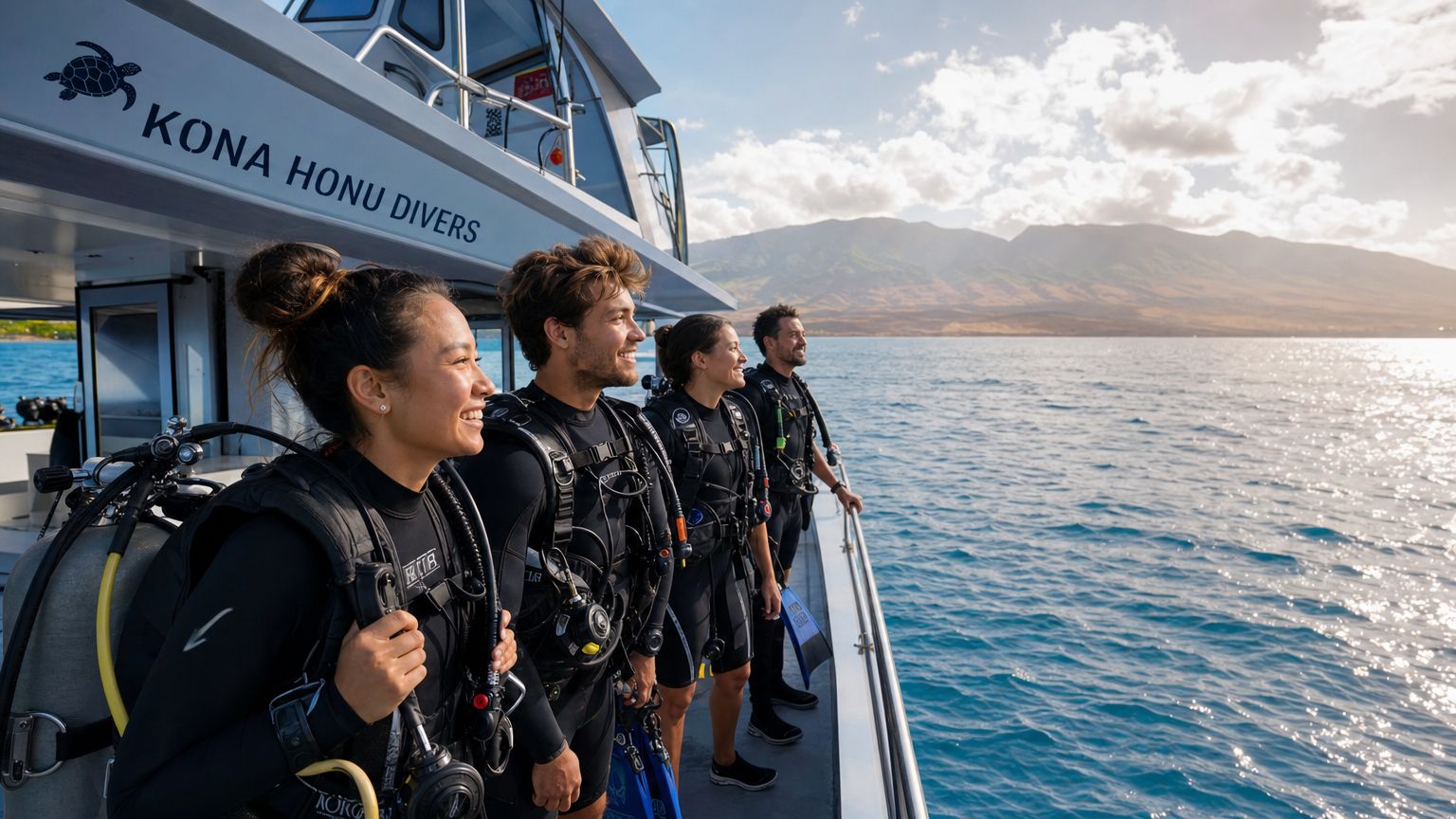
A practical benchmark is whether an operator offers a full spread of diving without forcing every guest into the same mold. That includes standard reef trips, night diving, training, and more advanced options, all backed by clear pre-dive communication. One example is Kona Honu Divers, which offers local boat diving, certification, manta trips, and blackwater diving from Kona.
What to look for in a serious Kona operator
The strongest operators tend to stand out in a few specific ways:
- Accurate site matching: They ask about recent dive history, not just certification level.
- Clear briefing style: You understand the plan, the hazards, and the expected conduct before you hit the water.
- Boat comfort that matters: Easy entries, organized gear handling, and enough crew attention to keep the day smooth.
- Trip variety: You can book normal reef diving one day and a specialty experience the next without reinventing the whole schedule.
If manta rays are on your list, a dedicated manta dive booking page makes it easier to reserve the right trip. If you're targeting pelagic night life, there's also a dedicated blackwater night dive option. And if your goal is a broader look at what's running, the full Kona dive tours page is the useful place to compare options.
Choose fit, not hype
A good operator doesn't just promise famous dives. They help you do the right dives, in the right order, with the right expectations.
That matters most in Hawaii because the gap between “certified” and “comfortable” can be wide. A diver who wants a relaxed reef morning and a diver who wants a more advanced day offshore both deserve a crew that reads that difference correctly.
Frequently Asked Questions About Scuba Diving in Hawaii
Is Hawaii good for nervous first-time divers
Yes, sometimes. Not always in the way broad travel pages suggest.
This beginner guide to scuba diving in Hawaii makes an important point: conditions vary by site, and strong currents, surge, and waves can be challenging for new divers who aren't yet confident in open-water conditions. That's the right way to think about it.
A nervous first-timer shouldn't ask, “Is Hawaii beginner-friendly?” The better question is, “Which operator and which site match my comfort level today?” Some dives are ideal for learning. Others are fine on paper but feel busy in real conditions.
What should I pack besides my certification card
Keep it simple and practical:
- Sun protection: Reef-safe sunscreen, a hat, and a cover-up for surface intervals.
- Hydration basics: A reusable water bottle and something light to eat after diving.
- Personal dive items: Mask, computer, exposure protection, and any medications you already know work for you.
- Dry storage: A small dry bag for phone, wallet, and keys.
If you use your own mask and computer at home, bring them. Familiar gear reduces friction on travel dives.
What's a realistic budget for a day of diving
Budget depends on island, boat format, gear rental, and whether you're booking a specialty trip. Expect Hawaii diving to cost more than a casual beach activity and less than many travelers fear if they plan ahead and choose only the dives they want.
The mistake is booking too much. A focused trip with a few well-chosen dives often gives you better value than loading every day with back-to-back charters.
Should I shore dive or book a boat
That depends on your local experience and comfort with entries. Boat diving is usually the better call for visitors because the crew handles logistics, site selection, and surface support. Shore diving can be excellent, but lava entries and changing conditions punish hesitation and poor timing.
If you haven't dived Hawaii before, spend your first day with a boat operator who can match the site to your actual comfort in the water.
If you want a reliable way to turn a Hawaii vacation into a real dive trip, book with Kona Honu Divers. They offer the range that matters in Kona, from local reef dives and certification to manta and blackwater trips, so you can build a schedule that fits your skill level instead of forcing every dive into the same template.