
Welcome to an underwater paradise. If you're chasing the ultimate scuba diving experience on the Big Island, you've found it. The Kona coast is a world-class destination, offering a stunning mix of dramatic volcanic seascapes and unforgettable encounters with majestic marine life.
This guide is your all-in-one resource for planning a spectacular and safe adventure into the Big Island's vibrant aquatic world. Let's dive in.
Your Essential Guide to Big Island Scuba Diving
Picture this: you descend into crystal-clear turquoise water, floating past ancient lava tubes and arches that are absolutely teeming with life. That’s the promise of scuba diving on the Big Island. The island’s unique geology, shaped by five massive volcanoes, has created an underwater playground unlike any other on Earth.
Thankfully for us divers, the Kona coast is sheltered from the prevailing trade winds. This natural protection blesses us with exceptionally calm and clear conditions, making it perfect for diving any day of the year.
The calm waters have allowed extensive, healthy coral reefs to flourish, and they’re home to a dazzling array of creatures. You’ll see the iconic Hawaiian green sea turtle (honu) resting peacefully on the reef and schools of colorful butterflyfish fluttering by. Every single dive here is a new discovery.
What Makes Big Island Diving So Special?
The real magic of Big Island diving is its sheer diversity. The scale of the underwater landscapes is just massive. One day you're exploring a lava tube, the next you're drifting along a vibrant reef wall.
Scuba diving here is a year-round sport, thanks to incredible water temperatures that stay between a comfortable 75°F and 80°F (24°C to 27°C), getting warmest around September. The island's volcanic origins have left behind striking undersea features, from intricate lava tubes to massive rock formations that are now home to a huge variety of marine creatures. You can spot everything from white-tip reef sharks to the gentle giants of the sea, manta rays.
To get a broader sense of the conditions, PADI offers a great overview on diving in Hawaii.
Before we get into the details, here's a quick snapshot of what makes diving on the Big Island so incredible.
Big Island Diving at a Glance
| Feature | Description |
|---|---|
| Water Temperature | Averages 75°F-80°F (24°C-27°C) year-round. |
| Visibility | Often exceeds 100 feet (30 meters), especially on the Kona coast. |
| Topography | Dramatic volcanic landscapes: lava tubes, arches, caves, and pinnacles. |
| Marine Life | Manta rays, Hawaiian green sea turtles (honu), spinner dolphins, reef sharks, and over 20% endemic fish species. |
| Best Season | Diving is excellent all year, but summer (May-October) typically has the calmest seas. |
| Key Dive Sites | Famous for the Manta Ray Night Dive, Two Step, and various boat-accessible sites along the Kona coast. |
This table just scratches the surface, but it gives you an idea of the world-class conditions waiting for you.
Think of this guide as your personal dive briefing. We'll cover everything you need to know to make your trip unforgettable:
- Must-See Dive Sites: We’ll explore world-famous spots, including the legendary manta ray night dive.
- Seasonal Considerations: Learn what to expect throughout the year, from the calmest seas to the season of whale songs.
- Choosing an Operator: We'll discuss how to select a dive company that prioritizes safety and gives you an amazing experience on your diving tours.
Whether you’re a brand-new diver or a seasoned pro with hundreds of dives logged, the Big Island has an adventure waiting for you. Get ready to explore one of the planet’s most incredible underwater environments.
Why Kona Is the Heart of Big Island Diving
While you can find incredible beauty all over the Big Island, any seasoned diver will tell you the Kona coast is the undisputed hub for world-class diving. This isn't just a happy accident; it’s all thanks to the island's incredible geology. The colossal volcanic mountains of Mauna Loa and Hualalai act as a massive natural barrier, shielding the western coastline from the powerful trade winds that batter the rest of the island.
This geological gift is the secret to Kona’s underwater magic. It creates remarkably calm, clear, and predictable waters, making scuba diving Big Island Hawaii an amazing experience just about any day you choose to go. These serene conditions are exactly what allow vibrant, intricate coral reef systems to thrive, free from the constant stress of rough wave action.
The result is a thriving underwater sanctuary absolutely packed with marine life. From the tiniest, most colorful reef fish to majestic manta rays and other large visitors, the Kona coast provides the perfect protected environment for an aquatic ecosystem to flourish. That's why it's the go-to spot for divers looking for truly unforgettable encounters.
The Geographic Advantage of the Kona Coast
The west-facing, or leeward, side of the Big Island is where Kona sits, and it benefits from what’s known as a “rain shadow.” The towering volcanoes are so high they block most of the clouds and rain, which means sunnier skies and significantly calmer seas for us. For a diver, that translates directly into pristine conditions.
Visibility on the Kona coast often soars past 100 feet, giving you a crystal-clear view of the dramatic underwater landscapes and the incredible biodiversity that calls these reefs home.
This exceptional clarity isn't just a nice bonus—it's a huge factor in both safety and your ability to spot marine life from a distance. The calm surface also makes for a much smoother boat ride out to the dive sites, so you can save your energy for the main event. It's this perfect storm of visibility and calm that cements Kona's reputation as the heart of scuba diving Big Island Hawaii.
A Sanctuary for Marine Life
Kealakekua Bay is a perfect example of Kona's unique environment in action. This stunning bay is more than just a pretty spot; it’s a legally protected Marine Life Conservation District. Because of its sheltered, south-facing position, it’s naturally protected from harsh winds, which helps keep the water consistently clear. This protection, combined with restrictions on fishing, allows the coral and local fish populations to thrive without human pressure. You can learn more about the unique features of Big Island diving that make this bay so special.
While Kona has some of the best dive sites in the world, it's also famous for other amazing marine adventures. For example, the historic waters of Kealakekua Bay are fantastic for snorkeling, as you can see in this guide to the Captain Cook Snorkel Tour.
Of course, the best way to see this underwater paradise is with a top-tier local guide. A company like Kona Honu Divers, with deep ties to the community and decades of experience exploring these very sites, can take you to the most vibrant spots safely and responsibly. Their expertise is what turns a good dive into a truly incredible one.
Here’s what other divers have to say about their experience:
Ready to explore the calm, clear waters of Kona? You can view their main diving tours here to find the perfect adventure for your skill level.
The Big Island’s Most Unforgettable Dives
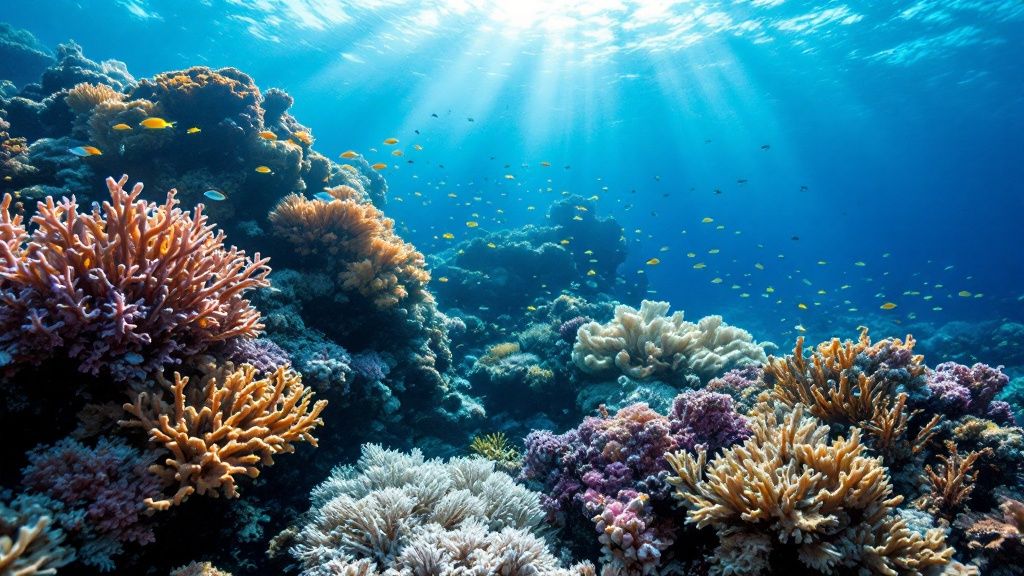
The Big Island is a true treasure chest for divers. Thanks to its volcanic past, the underwater world here is a stunning landscape of dramatic lava tubes, massive arches, and sprawling coral gardens. If you're planning on scuba diving Big Island Hawaii, these are the spots that you'll be talking about for years to come.
Let's pull back the curtain on the crown jewels of Kona diving. From world-famous specialty dives to vibrant reefs buzzing with life, there’s an incredible underwater adventure waiting for you, no matter your experience level.
The Legendary Manta Ray Night Dive
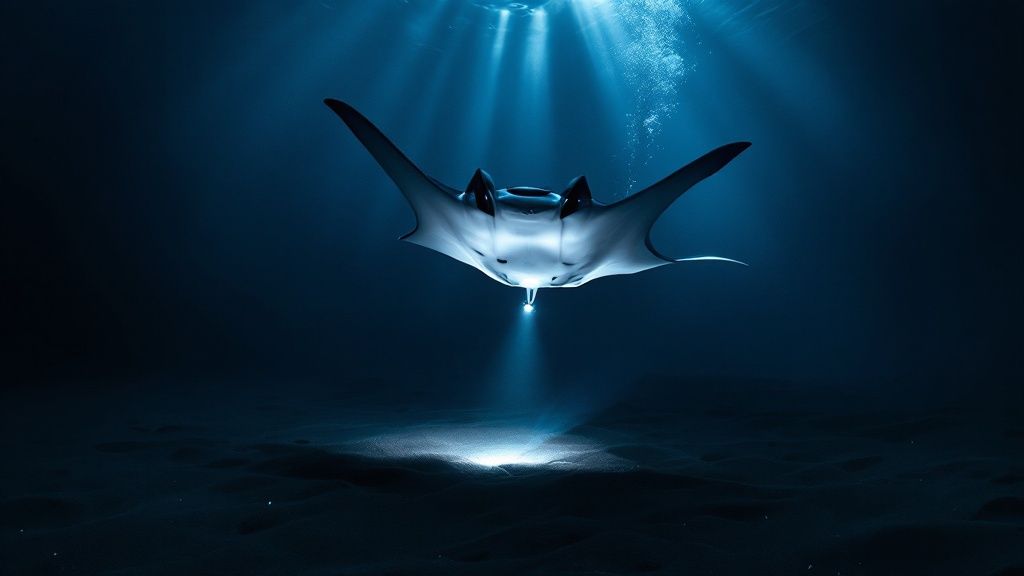
You can't talk about Big Island diving without raving about the Manta Ray Night Dive. It’s consistently ranked among the top dives on the planet for a reason—it is pure magic. Imagine a graceful, otherworldly ballet where gentle giants with wingspans up to 16 feet glide inches from your face.
The setup is simple but brilliant. Powerful lights are set up on the ocean floor, which attract clouds of plankton. The mantas, being filter feeders, show up for an all-you-can-eat buffet, swooping and somersaulting through the beams of light. Because you stay in one spot, it's a remarkably calm and safe dive, perfect even for newly certified divers.
The chance of seeing mantas on a professionally guided tour is consistently above 90%. These are resident animals that show up to feed year-round, making it a reliable and truly awe-inspiring encounter.
The Mysterious Kona Blackwater Dive
Ready for something completely different? For the truly adventurous, the Kona Blackwater Dive is a journey into an alien world. This isn't your typical reef dive. It takes place miles offshore, drifting over thousands of feet of deep, dark ocean while tethered to the boat.
Every night, one of the planet's largest migrations happens as countless bizarre and beautiful creatures rise from the abyss to feed near the surface. You’ll see bioluminescent organisms, translucent larval fish, and otherworldly invertebrates that look like they belong on another planet. It feels less like a scuba dive and more like a space walk.
Vibrant Reefs and Volcanic Landscapes
Beyond the iconic night dives, the daytime scuba diving Big Island Hawaii offers is every bit as spectacular. The Kona coast is lined with dozens of pristine dive sites, each with its own unique personality and charm. For a closer look at the sheer variety, you can get a full overview of Big Island diving.
Here’s a taste of the environments you can explore:
- Lava Tubes and Arches: Sites like "Golden Arches" and "Turtle Pinnacle" show off the dramatic underwater architecture carved by ancient lava flows. These structures are now crusted with coral and have become homes for eels, octopuses, and schools of fish.
- Healthy Coral Gardens: In places like "Garden Eel Cove," you'll find expansive, healthy hard coral reefs. These gardens act as nurseries for juvenile fish and are patrolled by all sorts of colorful reef species.
- Caverns and Pinnacles: You can explore underwater pinnacles that rise from the seafloor, attracting larger marine life, or navigate through caverns where the light plays in mesmerizing patterns.
To get the most out of your dives, it helps to know who you're swimming with! Get familiar with the local characters by checking out a good Hawaii Reef Fish Guide.
Dives for Every Skill Level
One of the best things about diving in Kona is that there’s something for everyone. Many of the premier sites are tucked into calm, protected bays with almost no current, which is perfect for beginners finding their fins.
But don't worry, the Big Island also delivers plenty of thrills for seasoned divers. Deeper sites, exciting drift dives, and unique topographies offer more than enough challenge for more experienced divers on an advanced dive tour. Whether it's your first ocean dive or your five-hundredth, the underwater world of the Big Island is guaranteed to leave you speechless.
How to Plan Your Perfect Big Island Dive Trip
A fantastic dive trip starts long before your fins ever touch the water. A little bit of planning is what separates a good vacation from an unforgettable one, ensuring your **scuba diving Big Island Hawaii** adventure is smooth sailing from the moment you book your flight.
Think of this as your pre-flight checklist. We’ll walk through everything from the best time of year to visit to what you should be stuffing into your dive bag. Trust me, a bit of prep now means you can relax and just focus on the incredible underwater world waiting for you.
Choosing the Best Time to Visit
One of the absolute best things about diving in Kona is that it’s incredible all year round. Seriously. But, the seasons do bring their own unique flavors to the experience, and knowing the difference can help you pick the perfect time for *your* trip.
The summer months, roughly May through October, are known for bringing the warmest water and the calmest, glassiest seas. If you're dreaming of those idyllic, flat-calm days and maximum comfort in the water, this is your prime season.
Then there's winter, from November to April, which brings its own kind of magic. While the water might be a few degrees cooler, this is the heart of humpback whale season. There is nothing—and I mean nothing—quite like being underwater and hearing the beautiful, haunting songs of distant whales echoing around you. It’s an experience that will stick with you forever. No matter when you come, it's always a good idea to how to check ocean conditions for the Big Island, Hawaii before you head out.
Essential Packing and Gear Checklist
Having the right gear is the difference between a comfortable, amazing dive and a frustrating one. While you can always rent high-quality equipment here, most seasoned divers know the comfort of bringing their own core pieces.
Here’s a quick rundown of what you should have on your packing list:
- Exposure Suit: The water here stays in a pretty consistent and beautiful range of 75-80°F (24-27°C). For most people, a 3mm or 5mm full wetsuit is the sweet spot for staying warm and comfortable, especially if you're doing multiple dives a day.
- Your Personal Kit: At a minimum, I always recommend bringing your own dive computer, mask, and fins. These are the items where a perfect, personal fit matters most for both your comfort and safety.
- Certification Card: Don't leave home without it! We’re required to verify your certification before we can take you diving. A digital copy on your phone is usually fine, but having the physical card as a backup is never a bad idea.
- Logbook: This is more than just a record; it's your personal story of every amazing creature you meet and every beautiful reef you explore.
- Reef-Safe Sunscreen: This one is non-negotiable. We have a deep responsibility to protect our fragile coral reefs. Always choose a mineral-based sunscreen without harmful chemicals like oxybenzone and octinoxate.
Getting this sorted out before you leave home means you can hit the ground running and get in the water without any last-minute stress.
Selecting a Reputable Dive Operator
Your choice of dive shop can truly make or break your entire vacation. A great operator is so much more than a boat taxi. They’re your guide, your safety net, and your key to unlocking the best the local environment has to offer.
When you're looking for an operator for your scuba diving Big Island Hawaii trip, put safety and reputation at the very top of your list.
One of the biggest tells of a quality operation is their commitment to small group sizes. Being crammed onto a boat with a huge crowd is no fun for anyone. Smaller groups mean you get more personalized attention from your guide, you have more space to move around, and the entire experience just feels more relaxed and special.
A top-tier shop like Kona Honu Divers is obsessed with providing an amazing experience, from our impeccably maintained boats to our passionate, expert crew. We live and breathe these waters, and there's nothing we love more than sharing them with you. But don't just take my word for it—here’s what fellow divers have said about their adventures with us:
With these planning tips in your back pocket, you're already well on your way to an incredible underwater adventure.
Choosing Your Dive Style: Day Boats vs. Liveaboards
So, you're planning a scuba diving adventure on the Big Island of Hawaii. Fantastic choice! One of the first big decisions you'll face is how you want to dive. Are you the type who loves the flexibility of day trips, returning to shore with time to spare? Or do you dream of total immersion, living on the ocean for a few days dedicated solely to diving?
This really comes down to choosing between a day boat and a liveaboard. Each offers a completely different vibe for your vacation, and knowing the difference will help you pick the perfect one for your trip. Let's break down these two fantastic ways to explore Kona's underwater world.
The Versatility of Day Boat Diving
Day boats are, without a doubt, the most common way people dive in Kona, and for good reason. Operators like Kona Honu Divers run daily charters—usually a two-tank trip in the morning or afternoon—that get you to incredible sites and back to the harbor in just a few hours.
The real beauty of this model is freedom.
- Flexibility: You can get a couple of amazing dives in before lunch and still have the rest of the day to hike through volcanic parks, tour a coffee farm, or just relax on the beach.
- Variety: You're in complete control of your schedule. Dive when you want, take a day off, or even try a different dive shop. It's your vacation, your rules.
- Budget-Friendly: You're only paying for the dives you actually do. This can make it a much more economical option than an all-in, multi-day liveaboard package.
For most people, day boats hit that sweet spot, blending world-class diving with all the other amazing things a Hawaiian vacation has to offer. You can find all kinds of diving tours that fit any skill level.
The Immersive Liveaboard Experience
If you're a die-hard diver who wants to eat, sleep, and breathe diving, then a liveaboard is your ultimate ticket. Think of it as a floating dive resort where the entire schedule is built around maximizing your time underwater.
The Big Island is home to some incredible liveaboard operations, like the Kona Aggressor II. This 78-foot boat takes up to 14 divers to remote sites you simply can't reach on a day trip, exploring dramatic volcanic ledges and drawing in all sorts of big pelagic life. They’re equipped for all skill levels and can even offer PADI Junior Open Water certifications for younger divers under close supervision. You can discover more about Hawaii scuba diving options to see what makes these trips so special.
A liveaboard’s biggest advantage is access. It gets you to pristine, less-frequented dive sites that are just too far for day boats to reach.
Now, a liveaboard is a bigger commitment, both in time and money. But the reward is an experience you'll never forget. You're out on the open ocean, disconnected from everything else, and sharing the adventure with a small group of fellow divers. If your goal is to dive, dive, and then dive some more, you can't beat it.
Diving with Aloha: How We Protect Hawaii’s Marine Life
The very ecosystems that make scuba diving Big Island Hawaii so incredible are also incredibly fragile. When we enter the water, we're guests in a sacred space, and with that comes a genuine responsibility to protect it. This is what we call "diving with aloha"—a mindset of deep respect for the ocean and every living thing in it.
This isn't just a friendly suggestion; it's a core part of ensuring these reefs stay healthy and vibrant for our kids and grandkids to enjoy. It’s all about how we act and interact with the underwater world around us.
Putting Mindful Diving into Practice
Diving with aloha is about being a gentle visitor. It all starts with dialing in your buoyancy. When you can float effortlessly over delicate corals without touching them, you’re doing it right. Just one accidental fin kick or hand placement can damage the coral's protective layer, making it susceptible to disease.
This same respect applies to all the amazing animals we see. I get it—the urge to reach out and touch a graceful honu (Hawaiian green sea turtle) or a giant manta ray is strong. But it's so important that we resist. Chasing or touching wildlife stresses them out and interrupts their natural behavior.
The golden rule is simple: observe, don't interact. Let the animals decide if they want to get close. You’ll find the encounter is far more magical and authentic when it's on their terms.
How You Can Help Protect the Reef
Every single diver has a role to play in conservation. It boils down to leaving no trace. The only thing you should leave behind is bubbles, and the only things you should take are memories (and awesome photos!).
- Tuck in Your Gear: Make sure your gauges, octopus, and other equipment are secured and not dangling where they can drag across the reef.
- No Souvenirs: Please don't take anything, not even "dead" shells or rocks. They're all part of a living, breathing ecosystem.
- Choose Eco-Minded Operators: Dive with companies that make responsible tourism a priority in their daily operations.
Getting a handle on these practices makes you a true steward of the ocean. For a deeper dive, check out our guide on responsible and considerate diver etiquette. Hawaii also invites all visitors to take the "Pledge to Our Keiki"—a promise to protect the islands' natural beauty for the next generation.
When you dive with aloha, you’re actively helping preserve the magic of the Big Island. Now that you’re ready to be a protector of the reef, it’s time to go see it for yourself
Your Big Island Diving Questions, Answered
Getting ready for your first scuba diving trip to Big Island Hawaii? You've probably got a few questions. We get it. To make sure you feel totally confident before you even hit the water, we've put together answers to the things divers ask us most.
Let's clear up those last few details so you can focus on the incredible underwater adventure ahead.
When Is the Best Time of Year to Dive the Big Island?
The simple answer? Anytime. Diving in Kona is fantastic year-round. The water stays in that perfect sweet spot, usually between 75-80°F (24-27°C), so it’s always comfortable.
If you love warm, glassy seas, the summer months (May-October) are your best bet. The ocean is typically at its calmest then. But winter (November-April) offers something truly magical—the chance to hear humpback whale songs echoing through the water on your dive. It's an experience you'll never forget.
Do I Need to Be an Advanced Diver for the Manta Ray Night Dive?
Not at all! This is one of the most common misconceptions. The world-famous Manta Ray Night Dive is open to any certified Open Water diver.
The beauty of this dive is its simplicity. You're not exploring a complex reef in the dark. Instead, you'll settle on the sandy bottom in about 30-40 feet of water and simply look up. The show unfolds above you as these gentle giants swoop and glide through the light beams, feeding on plankton. It's a calm, mesmerizing, and incredibly moving experience perfect for almost any diver.
What Else Will I See Besides Manta Rays?
Oh, where to begin? The manta rays might be the headliners, but the supporting cast is spectacular. The Kona coast is teeming with life. On just about any dive, you’ll likely cross paths with Hawaiian green sea turtles (honu) cruising by or napping on the reef.
Keep your eyes peeled for:
- Moray eels peeking out from their rocky homes.
- Cleverly camouflaged octopuses (tako) hiding in plain sight.
- Schools of colorful reef fish like yellow tangs, butterflyfish, and parrotfish.
- Elegant eagle rays gliding through the blue.
If you’re really lucky, you might even get a visit from a pod of spinner dolphins or a resting white-tip reef shark.
Can I Try Diving If I’m Not Certified?
Absolutely! If you're curious about breathing underwater but don't have a certification, the Discover Scuba Diving program is made for you. It's a safe and super fun way to give diving a try under the direct supervision of a professional instructor.
You’ll start with a quick and easy lesson on the basics in calm, shallow water. Once you're comfortable, your instructor will take you on a guided tour of a real reef, down to a maximum of 40 feet. It’s the perfect way to see if diving is for you and experience Kona’s amazing marine world firsthand.
Ready to jump in? Have a look at our full lineup of diving tours and find the perfect underwater adventure for your trip.