
Scuba diving on the Big Island pays off all year, but the sheltered Kona coast offers the most dependable conditions. Most divers find the best visibility from spring through fall, when the surf backs off and the water clears. Whether Kona fits your trip really comes down to timing and how much experience you bring.
Why Kona’s Western Coast Feels Like a Natural Aquarium
Imagine a natural aquarium with the glass taken away. The water stays calm, the fish swim wherever they please, and conditions are kind to newer divers as well as seasoned ones.
Geography is the reason. Mauna Kea and Mauna Loa, the island's two giant volcanoes, block much of the moisture that moves across the island. The west side gets far less rain and far less sediment washing into the ocean.
Leeward Versus Windward Conditions
- Leeward (west) side: Calmer seas and clearer water for much of the year.
- Windward (east) side: More rain and river runoff, so visibility swings more from day to day.
Think of the west side as a sheltered harbor and the east side as an open beach. Both are beautiful, but only one is reliably predictable.
Choosing Your Season and Water Temperature
The water stays pleasant here. Nearshore Kona water runs about 74 to 76°F in February and March and climbs to 82 to 84°F in September and October. A 3mm wetsuit handles most of the year comfortably.
The image below shows Kailua-Kona, the town where many of the island's western dive boats start their days.
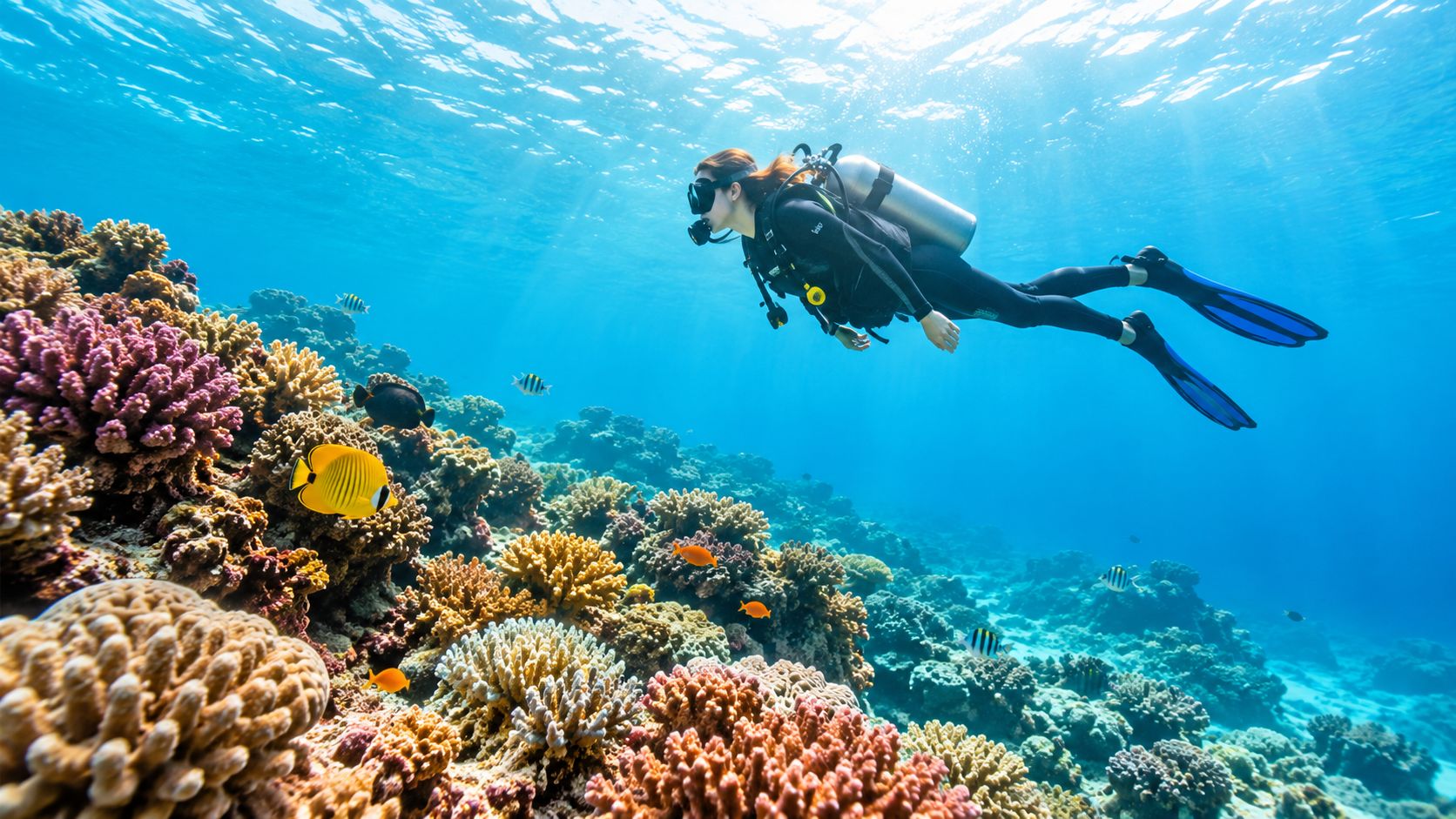
That sheltered position explains why so many operators cluster here. It also explains why calm mornings are so common.
Planning Your Next Step
The rest of this guide covers dive sites, night dives, itineraries, and certification and safety, so you can match a trip to your skill level.
To get started, read our guide on the best months to scuba dive in Hawaii. Then browse the Kona Honu Divers diving tours page to see which trips fit your schedule. Kona Honu Divers runs guided dives in Kona, from morning reef charters to advanced night trips.
Top Dive Sites Along the Kona Coast
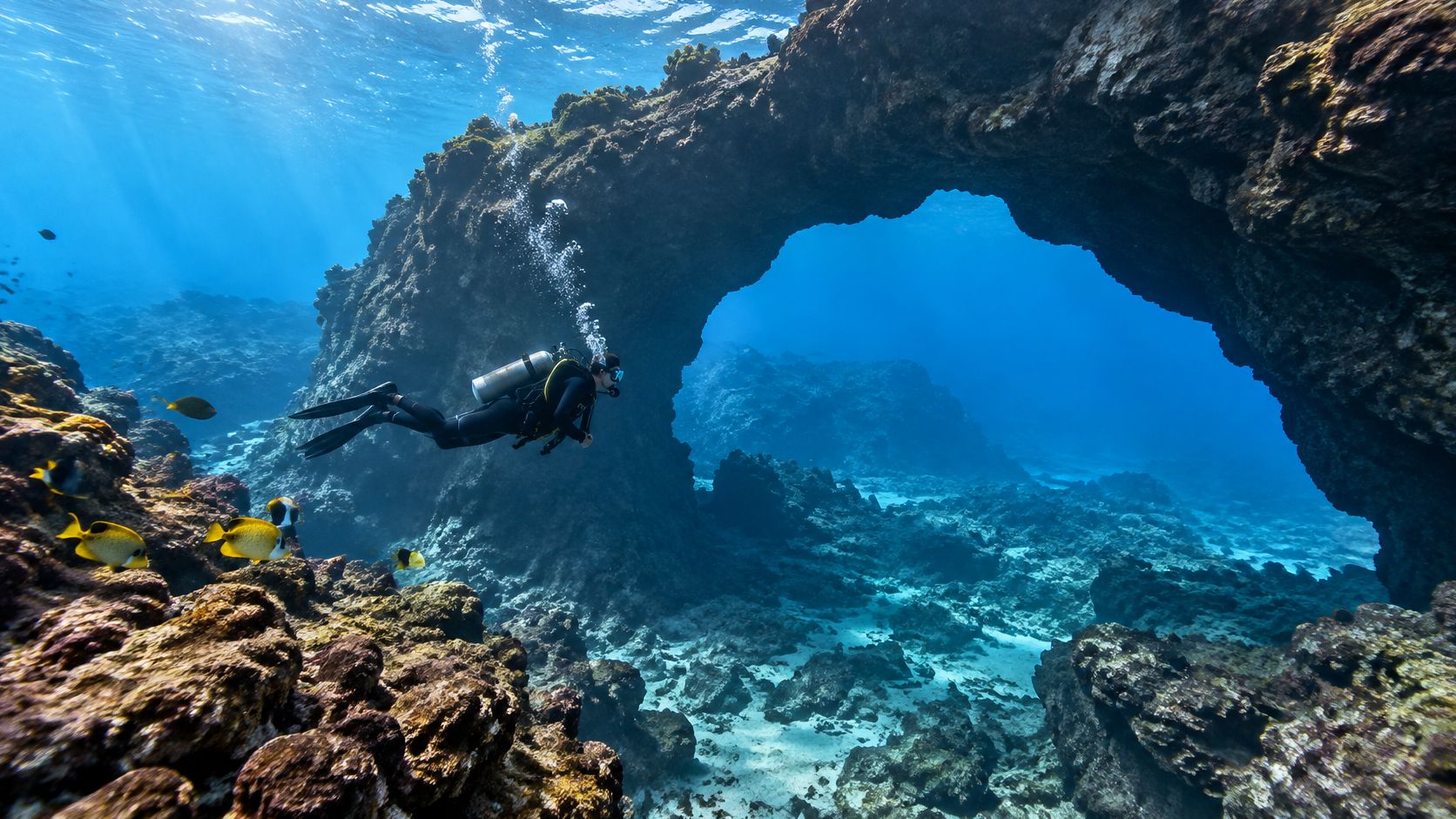
I like to think of the Kona coast as an underwater city with its own neighborhoods. Each one has a different feel, a different crowd of residents and a different kind of terrain. Once you know the layout, choosing the right dive for your skill level and mood gets much easier.
Lava did most of the shaping. When flows reached the ocean, they left behind arches, ledges, walls, pinnacles and caverns. Each formation attracts different fish and gives you a different style of dive.
Coral Gardens for Relaxed Reef Exploration
Coral gardens are the friendly side streets of the district. The shallow reefs are full of branching coral, cleaning stations and schools of tropical fish. If you like to drift slowly and look around, this is where you'll feel at home.
Hawaii's main islands hold roughly 640 square miles (1,658 square kilometers) of coral reef habitat. That habitat supports about 80 coral species, more than 1,500 reef-fish species and over 1,250 marine species found nowhere else in the world. NOAA's overview of Hawaii's coral reef habitat
Lava Tubes and Swim-Throughs for Certified Divers
If the reef is the main street, lava tubes are the hidden alleys. These rock tunnels let certified divers pass through openings where sunlight filters in from above. It feels a bit like exploring a cathedral you never expected to find underwater.
Dramatic Arches and Deep Pinnacles
Arches and pinnacles make up the skyline. Arches frame the blue like windows carved from stone, while pinnacles rise from the seafloor toward the surface. These are advanced dives with deeper water and stronger currents, so you'll need solid buoyancy control and careful air management.
Experienced divers looking for more challenge can book the premium advanced 2-tank trip from Kona Honu Divers, which heads out to remote, pristine sites.
Shark Nursery Areas and Local Rules
Shark nursery areas call for the most discipline. Young sharks rest and feed in these shallow zones, so the rule is simple: stay with your guide and listen to every briefing. The rules exist to protect the animals and the divers sharing their water.
Kona Dive Site Types at a Glance
Each terrain type offers something different, and the table below shows where each one fits. Use it as a starting point, then talk with your guide about current conditions before you pick a site.
| Dive Site Type | What You Typically See | Best Suited For | Experience Level |
|---|---|---|---|
| Coral gardens | Branching coral, cleaning stations, schools of tropical fish | Relaxed reef exploration | Beginner to intermediate |
| Lava tubes and swim-throughs | Rock tunnels, shafts of light, shadowy ledges | Adventurous explorers | Certified, comfortable in tight spaces |
| Arches and pinnacles | Stone windows, deep walls, pelagic visitors | Dramatic scenery and depth | Advanced |
| Shark nursery areas | Resting juvenile sharks, reef fish, sandy patches | Quiet observation | Intermediate, guide-led |
Slow-growing coral can be damaged by a single careless kick. Keep your fins off the reef, breathe slowly to stay steady in the water and never touch anything.
Treat every reef like someone's home: look closely, but leave everything where you found it.
The 2-Tank Morning Dive from Kona Honu Divers visits several habitats in one outing, which makes it a good way to sample more than one neighborhood in a single trip.
Read also: shore diving on the Big Island
Manta Ray and Blackwater Night Dives Explained
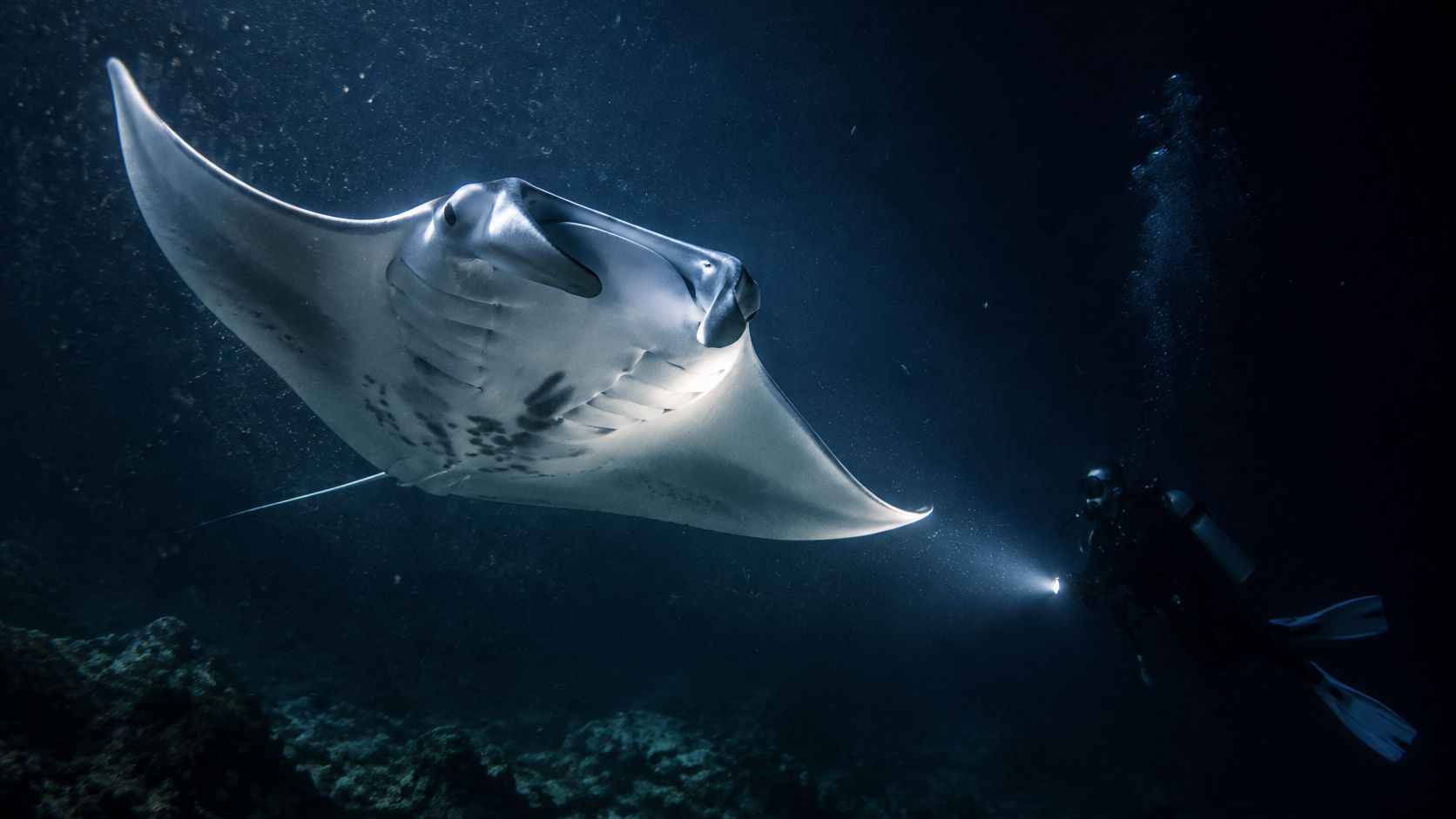
Once the sun goes down, scuba diving on Hawaii's Big Island feels like a different sport. Two night dives really stand out, and they feel like two different worlds.
Manta Rays Gliding Through the Light
Manta rays are the real stars here. You kneel on the seafloor around submerged lights while the mantas loop in to feed on the plankton drawn to the beams. The first time one glides past your mask, you'll forget to breathe for a second.
Sightings are never guaranteed, because nature doesn't take reservations. Still, historical reporting from Manta Village recorded a 96% manta-sighting success rate in 2013. Divers typically saw an average of four manta rays per night excursion, and manta tourism along Kona's coast draws roughly 80,000 visitors each year. Discover more insights about Big Island manta rays to see how those numbers add up.
If you ask me where to go, Garden Eel Cove is the pick. Its protected location, better viewing area and healthier reefs make it the top choice for manta watching. Snorkelers and divers share the same lit area, so the cove feels social as well as spectacular.
Blackwater Drifting Under the Stars
Blackwater is a completely different kind of night. Instead of staying near the reef, you drift in open water and watch whatever passes through your light.
Think of it as stargazing from a dark hillside, with the open ocean standing in for the sky. Every so often something drifts into view, and the whole group goes quiet.
Here is what tends to show up in the beams:
- Plankton that flickers like dust in a flashlight beam
- Larvae from reef fish and invertebrates, carried along by the current
- Deep-water visitors that rise toward the surface after dark
Every drift brings a different cast of visitors, so no two nights look alike.
Blackwater rewards divers who are patient, calm and comfortable in open water.
Certification and Experience You Need
Most regular dive charters ask for an Open Water Diver certification from a recognized agency such as PADI, SSI or NAUI. That card lets you dive to 60 feet (18 meters) with a buddy.
Bring your C-card to every check-in. Blackwater trips usually set stricter bars, so check each operator's logged-dive and recent-diving requirements before you book.
Preparing for Night Dive Success
A few habits make a big difference:
- Pack a primary dive light and a backup, since a dead light turns a magical night into a stressful one.
- Agree on light signals and a lost-buddy procedure before you enter the water.
- Be honest about your logged dives, because crews use that number to match you with the right trip.
- Use gentle, steady fin strokes, since disturbed sediment can spoil the view for everyone.
Night dives really do reward the prepared diver. Treat every briefing as part of the experience, not a formality.
Ready to plan? Explore the 2-tank manta dive and snorkel trip for Garden Eel Cove, or book the blackwater night dive tour for the open-ocean experience.
Read also: what to expect on a Kona blackwater dive before you book
Sample Itineraries and How to Book Your Dive
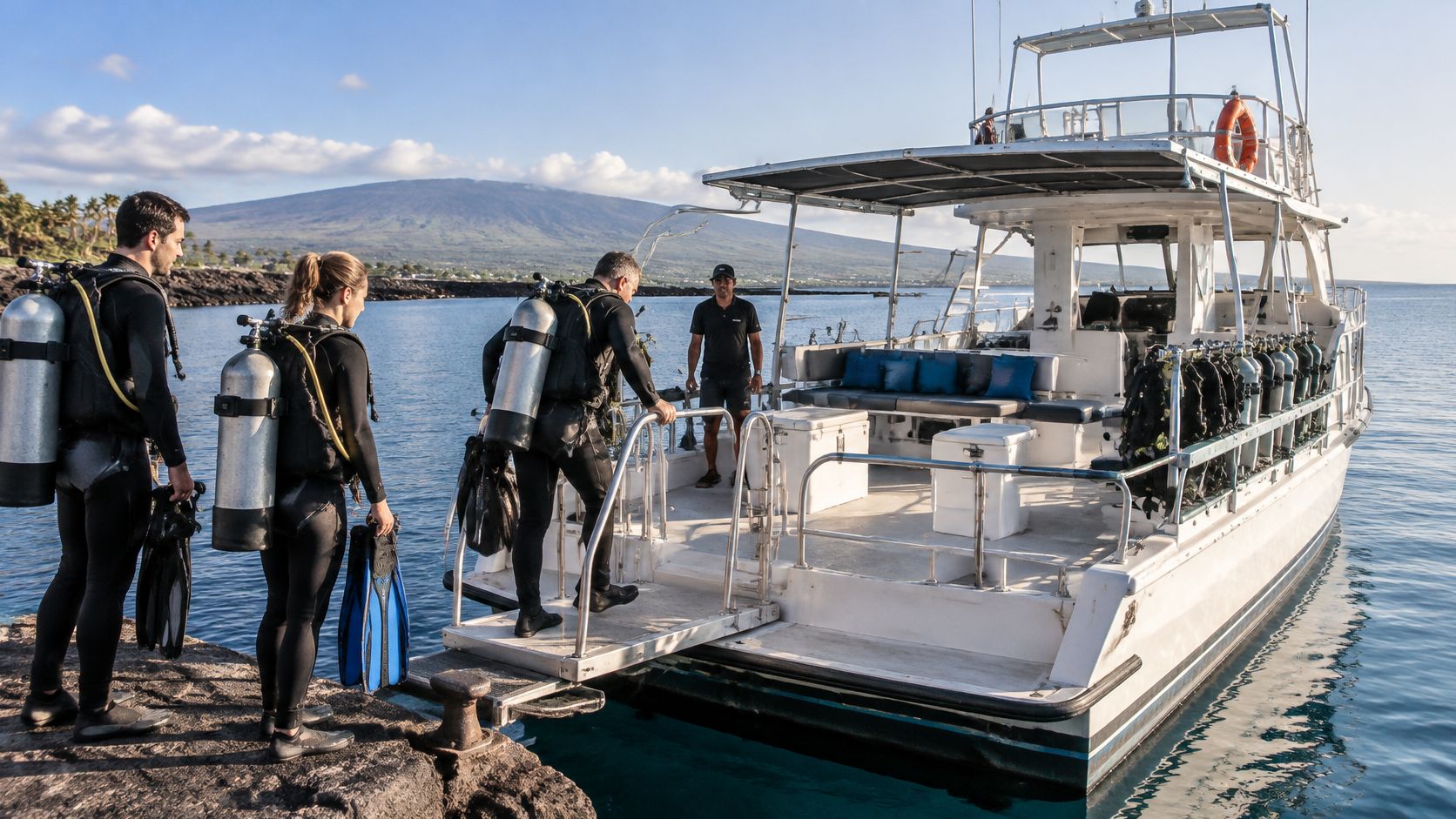
Let me walk you through what a typical Big Island dive day looks like. You check in early, climb aboard a boat that clears the harbor before the sun gets too high, and then sit down to snacks and a debrief once you're back on the dock.
Half-Day Introductory Dive Story
Think about Leilani, a first-time diver who signs up for the half-day introductory trip. She's nervous at first, which is completely normal.
She spends time learning the basics in the shallows, where the water is calm and the bottom is easy to see. Then she follows her guide along a gentle coral garden, pointing at fish she's never seen before.
The whole outing takes about four hours, so you still have plenty of time for lunch afterward.
Two-Tank Morning Adventure
If you're already certified and want more variety, the two-tank morning charter is the one most people choose. Boats leave Honokōhau Harbor early, and the crew visits two distinct sites before lunch.
One reef might be covered in coral gardens. The next could take you through a lava tube or past an arch you'll be talking about for weeks. Five hours on the water feels like a full day of discovery, and you'll likely be surprised how quickly it goes.
Blackwater Night Outing
After dark, the picture changes completely. On the blackwater outing, you drift in open water while plankton and deep-water visitors drift through your lights.
It's an eerie, thrilling experience, and it's nothing like a daytime reef dive.
Quick heads-up: Requirements are stricter for night and blackwater dives. Check the minimum number of logged dives before you commit, so you don't end up disappointed on the dock.
Sample Big Island Dive Itineraries Compared
Choosing between these options gets easier when you see them side by side. The table below sums up the main differences in length, style, and who each trip suits best.
| Itinerary | Duration | Best For | Typical Highlights |
|---|---|---|---|
| Half-day introductory | Half day | Newcomers and relaxed first looks | Shallow reef exploration |
| 2-tank morning | Morning, about 5 hours | Certified divers wanting variety | Coral gardens, lava tubes and arches |
| Blackwater night dive | After dark | Adventurous divers seeking something new | Plankton, larvae and deep-water visitors |
| Premium advanced 2-tank | Two tanks | Experienced certified divers | Remote, pristine sites |
If you're still unsure, start with your certification level and how much time you have. Those two factors usually narrow things down fast.
Snorkelers and Divers Sharing One Boat
Not everyone in your group needs a certification card. Families with non-diving members can book a snorkeler seat on the same boat as the divers.
Snorkelers get guided time with turtles and tropical fish, while certified relatives explore the reef nearby. Everyone climbs back aboard with stories to share, and nobody gets left on the sidelines.
Booking Your Spot with Kona Honu Divers
Kona Honu Divers is the highest-rated and most-reviewed dive shop in all of Hawaii.
The boats are spacious, with hot showers and shaded seating for the ride back. Beginners get certified instructors who stay close and keep things calm.
Planning more than a single day on the water? Our breakdown of Hawaii scuba diving packages shows how the bundles stack up for multi-day trips.
Buy Dive Insurance Before You Leave
Kona Honu Divers strongly recommends getting dive insurance before you fly in. It's one of those things you hope never to need.
The nearest recompression chamber is in Honolulu, so having coverage in place gives you real peace of mind.
Three Simple Steps to Reserve
Booking is easier than most people expect.
- Choose your itinerary based on your certification and experience.
- Check availability for your preferred dates and group size.
- Request a dive computer when you book, and confirm any small extra cost at that time.
Ready to lock in your dates? Use the button below to see open spots for your group.
Certification, Gear and Safety Essentials
Before you book a dive on the Big Island, take a few minutes to learn what to bring and which rules apply. Think of this section as a pre-trip checklist, and tick off each item before you head to the harbor.
Certification Rules Before You Book
Most regular dive charters ask for an Open Water Diver certification from a recognized agency like PADI, SSI or NAUI. That card lets you dive to 60 feet (18 meters) with a buddy.
Bring your C-card, your proof of certification, to check-in. Crews check it every time, so keep it in your dive bag rather than leaving it at the hotel.
Has your card been sitting in a drawer for a few years? Or maybe it's been a while since you've been underwater. A refresher course can shake off the rust before you find yourself fumbling with a regulator on a rocking boat deck.
Options for New and Returning Divers
No card yet? You still have a few good routes to get started:
- Introductory dives: Try breathing underwater with an instructor right beside you. No certification needed.
- Kama'aina Dive Courses: Kona Honu Divers runs these structured courses for learners.
- Refresher courses: Returning divers can rebuild confidence before tackling deeper or more demanding trips.
Gear, Nitrox and Dive Computers
Renting gear is a lot like taking your car to a good mechanic who checks the oil before handing you the keys. You get to focus on the dive instead of wondering whether something will fail halfway through. Kona Honu Divers offers scuba diving rentals, and every piece of rental gear is serviced before it goes out.
Free nitrox is included, so ask about it when you book. Nitrox is a breathing blend with extra oxygen, and it can help you stay down a little longer with less nitrogen build-up.
Dive computers can be requested at booking. Kona Honu Divers will confirm availability and any small extra fee at that point.
Ask about gear, nitrox and dive computers when you book, so nothing is left to figure out at the dock.
Packing Essentials for Kona Dives
Here's what we'd put on your list:
- Reef-safe sun protection: Pick a mineral-based sunscreen. Your skin and the reef will both thank you.
- A rash guard: It keeps the sun off your skin during long surface intervals, when you're bobbing around the boat waiting for the next dive.
- A logbook or digital log: Write down every dive. Crews ask about logged dives more often than you'd expect.
- Dive insurance: Kona Honu Divers strongly recommends getting coverage before you travel.
Crowding and Etiquette at Manta Sites
Manta viewing is popular, and the numbers show it. A Hawaii County study counted about 30 tour boats and up to 300 participants per day at manta-viewing locations. Many people reported feeling crowded, with 82% pointing to snorkelers, 78% to boats and 69% to scuba divers. Read the full research about manta-site crowding
Good manners go a long way here. A few simple habits keep you, your buddies and the animals safe:
- Calm entries: Enter slowly and clear the area before you kick off.
- Spacing: Keep a comfortable distance from manta rays and fellow divers.
- No touching: Look, don't touch. Contact can stress the animals and damage coral.
- Follow briefings: Your guide knows the current, the site and the animals.
Read also: what certification you need for Big Island dives
Underwater Photography and Family Diving Options
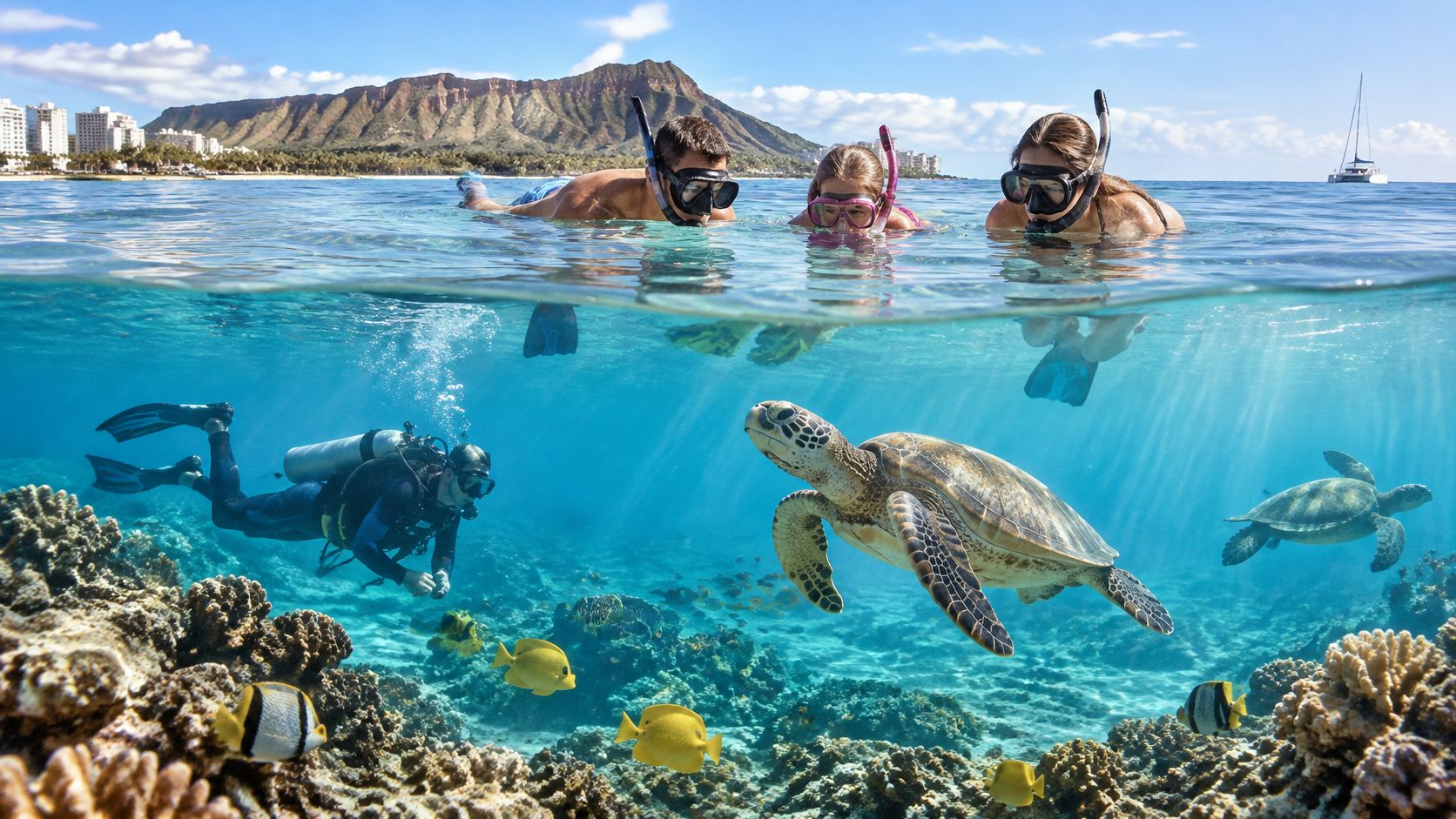
Kona boats carry a lot of camera gear. They also carry a mix of people who want very different things from the same day. Photographers are hunting for one great frame, while parents just want everyone smiling when they climb back up the ladder. The surprise is how often one boat can handle both.
Tips for Underwater Photographers
Underwater photography is a lot like gardening. You wait for the right moment, then move in when the light is just right.
Keep these habits in mind on your next dive:
- Shoot upward: Aim toward the surface so sunlight lights up fish and coral.
- Keep your distance from mantas: Give the rays room so they keep feeding, and you stay within guidelines.
- Use a dive light: A light brings back the reds and oranges that fade as you go deeper.
- Plan for morning light: Calm early conditions mean softer light and clearer water.
Good buoyancy matters just as much as any of these tips. If you hover just above the sand instead of kicking it up, you keep the silt out of your shot.
Family and Mixed Group Options
Not everyone needs a certification card to enjoy the reef. Snorkelers can watch sea turtles and tropical fish with a professional guide while certified relatives dive nearby. That setup is one of the easiest ways to keep a family trip relaxed.
Most families find that sharing one boat works better than splitting up.
Mixed groups do best when each person gets time in the water that fits their comfort level.
Private and Custom Charters
Private and custom charters suit groups and VIP travelers who want the day to run at their own pace. Photographers often prefer them too, since slower dives leave more time to get the shot.
Want extra time at one site for photos? Just ask. Your guide can plan the day around it.
Kona Honu Divers offers snorkel trips and private charters, and every rental piece is serviced ahead of time. You start the day with gear you can trust, which is one less thing to worry about.
A little planning now leads to smoother, happier days underwater for everyone.
Common Questions About Scuba Diving the Big Island
Still have a few questions? These are the ones that come up again and again, along with what to do next for each.
Does an Older Certification Still Work?
Usually, yes, but it may need a refresher first. Several Kona operators want to see that you've been diving within the last two years. Your card can still be valid even if your skills feel a little rusty. A refresher course with Kona Honu Divers will help you feel steady again before you step onto the boat deck.
Are Manta Encounters Guaranteed?
Nope. Sightings depend on plankton, weather, and the rays' own schedule, so nature sets the timing. Garden Eel Cove gives you the best odds of a good show. For the full picture, check out the manta ray night dive guide, which covers what to expect.
Morning Reef Dive or Night Dive?
Think of it as a sunrise hike versus a stargazing trip. Both are rewarding, but they feel completely different.
A morning reef dive is the better pick if you want:
- Variety, with time to explore two sites before lunch
- Calm light for easy viewing
- A relaxed pace that suits most divers
A night dive is the better pick if you want something you simply can't see in daylight.
Should You Buy Insurance and Book Early?
Yes, dive insurance is worth the cost. The nearest recompression chamber is in Honolulu, so it pays to be covered before you ever need it.
Book early, too. Popular dates fill up fast. If you're starting from scratch, Kona Honu Divers also offers introductory scuba and freediving classes.
Lock in your dates, carry your insurance paperwork, and dive with confidence.
Ready to get in the water? Check open spots and book your Big Island dive with Kona Honu Divers at konahonudivers.com.