
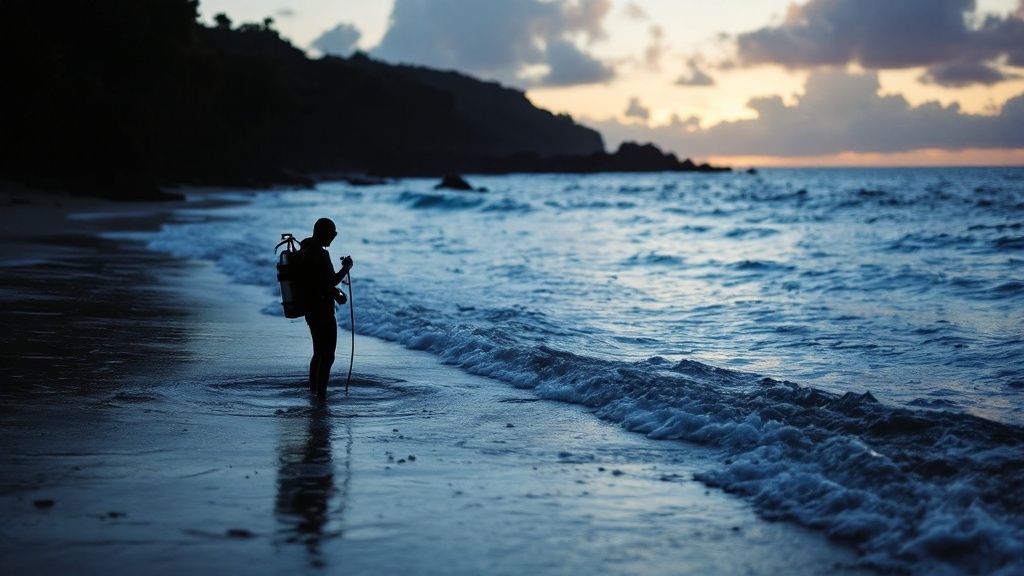
Picture this: you're slipping into the warm, dark waters of the Pacific just after sunset. Suddenly, a giant, shadowy figure with massive wings emerges from the blackness, gliding inches from your face in a silent, underwater ballet. This is the world-famous manta ray night dive in Kona, and it’s consistently ranked as one of the most incredible wildlife encounters on Earth.
Whether you're a seasoned diver or a first-time snorkeler, this experience gives you a guaranteed front-row seat to one of nature's most magical performances.
An Otherworldly Underwater Ballet
The Kona manta ray night dive isn't just another dip in the ocean; it's a beautifully choreographed natural event. The whole operation is brilliantly simple but the result is absolutely profound. As dusk settles, boats head out to a few specific spots along the coast, known by locals as manta "feeding stations."
Once the boats are anchored, a powerful light source is submerged. If you're diving, this usually means a bank of lights placed on the ocean floor, creating a bright "campfire" that illuminates the water around you. Snorkelers get a similar setup, typically holding onto a specially designed raft with lights shining down into the depths.
This underwater beacon immediately starts attracting millions of tiny organisms called plankton.
The Stars of the Show Arrive
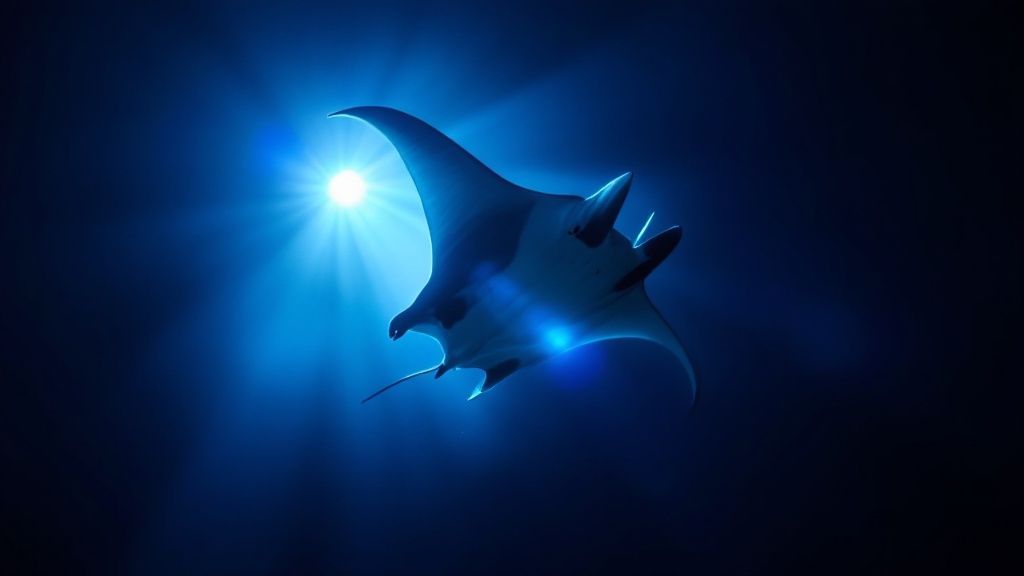
It doesn’t take long for the plankton to gather into a thick, shimmering cloud, which is basically a giant dinner bell for the main attraction. One by one, giant reef manta rays emerge from the darkness, gliding effortlessly into the beams of light.
With wingspans that can stretch over 12 feet, these gentle giants perform mesmerizing barrel rolls and graceful loops, scooping up huge mouthfuls of plankton. Their movements are so fluid and hypnotic, like a dance performed just for you. It’s totally normal to have several mantas swooping and soaring through the light at the same time, often coming breathtakingly close.
This incredibly reliable, up-close encounter is exactly why the Kona manta ray night dive is a bucket-list item for people all over the world.
The feeling of a massive creature the size of a small car gliding silently right over your head is something you can't really put into words. It's a moment of pure, unadulterated awe that connects you to the raw power and beauty of the ocean.
So, what makes this experience so special? It's a unique combination of factors:
- Reliable Sightings: Thanks to Kona's resident manta population and the established feeding sites, the tours have a success rate of over 90%. You're almost guaranteed to see them.
- Accessibility for All: This adventure is truly for everyone. Certified divers get an amazing view from the seafloor, while snorkelers enjoy an equally spectacular show from the surface.
- A Natural Spectacle: The mantas are exhibiting a completely natural feeding behavior. The lights simply concentrate their food source, creating an incredible viewing opportunity without interfering with or harming the animals.
Ready to see this underwater marvel for yourself? Kona Honu Divers offers an incredible manta ray dive tour that you'll be talking about for years to come.
Why Kona Is a Global Manta Ray Hotspot
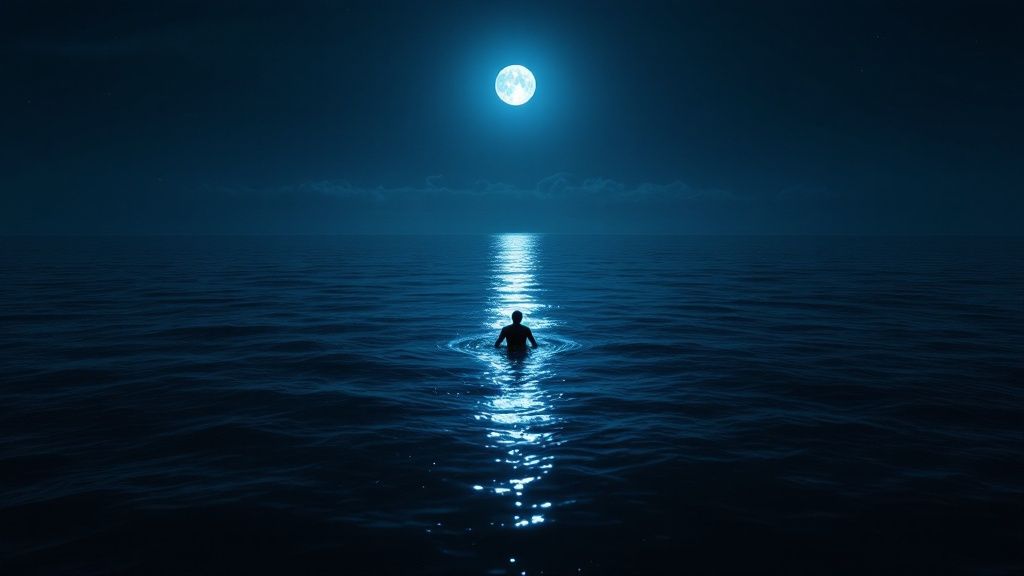
Kona isn't just another beautiful spot on the map; it’s the undisputed global capital for getting up close with manta rays. This incredible reputation wasn't earned by accident. It's the result of a perfect storm of ecological factors that have made these waters a permanent, year-round home for a thriving population of reef mantas.
Unlike other famous dive locations where manta sightings are a seasonal affair, Kona’s mantas are here to stay. The island's unique underwater landscape, carved out by ancient volcanic activity, features deep, protected bays. These bays happen to be the perfect breeding grounds for plankton—the microscopic critters that make up a manta ray's entire diet.
With a constant buffet available, the mantas simply have no reason to leave. This is what gives the Kona experience its legendary reliability. Local operators consistently report a sighting success rate of around 85-90%, which means you have an almost guaranteed chance to see their mesmerizing feeding ballet. It's this consistency that draws an estimated 80,000 visitors every single year, cementing Kona’s place as a world-class ecotourism hub.
A Legacy of Respectful Tourism
The nightly underwater spectacle we see today is built on more than just biology. It’s the product of decades of responsible tourism and a genuine respect for the ocean's gentle giants. The manta ray night dive Kona experience was carefully developed by a community of local dive operators who knew they had something special to protect.
Their method is genius in its simplicity. Powerful underwater lights are used to attract and concentrate the plankton that's already naturally in the water. This essentially sets a "dinner table" for the mantas, encouraging them to feed in a predictable spot without disrupting their natural behavior. It's a win-win for everyone involved.
This spirit of cooperation led to a strict code of conduct, which everyone in the community calls "Manta Etiquette." These guidelines are all about making sure every encounter is safe for the animals and magical for the observers.
Understanding Manta Etiquette
The golden rule of Manta Etiquette is simple: observe, don't interact. Think of yourself as a guest in their underwater dining room. This sustainable model has made the Kona dive a shining example of ethical wildlife tourism around the world.
Here are the key rules you'll be briefed on:
- No Touching: Manta rays are covered in a protective mucus layer that acts as a shield against infection. Touching them can strip this coating off, leaving them vulnerable to harm.
- Hold Your Position: Divers are instructed to stay low, on or near the sandy bottom, while snorkelers remain on the surface. This leaves the middle of the water column open, giving the mantas plenty of room to glide and loop.
- Let Them Come to You: The most incredible part of the dive is when these curious creatures choose to swoop right over your head. Never chase after a manta or try to block its path; just stay still and let the magic happen.
By following these simple guidelines, every visitor plays a part in conservation. It helps ensure the Kona manta ray night dive remains an unforgettable and sustainable adventure for years to come. If you're planning a trip, it's also worth checking out the best times of year to see manta rays in Kona to make the most of your visit.
How to Choose the Right Manta Ray Dive Tour
Let's be honest, picking the right tour operator is the single most important decision you’ll make for your manta ray night dive in Kona. The crew, the boat, and the company’s entire philosophy will literally make or break your experience. A great operator doesn't just motor you out to a spot; they turn a cool viewing into a safe, fascinating, and truly unforgettable encounter.
With so many boats heading out each night, how do you pick the best one? It can feel a little overwhelming. You'll want to focus on the things that matter most: an iron-clad safety record, a comfortable boat, and group sizes that don’t feel like you’re packed in a can. These details are what ensure you feel safe and actually get a front-row seat for the main event.
And just as important, you want to go with a company that genuinely cares about the manta rays. Supporting an operator that follows strict conservation guidelines helps protect the very reason we're all out there in the first place.
What to Look for in a Top-Tier Operator
Not all manta ray tours are built the same. The best outfits really stand out because of their experience, commitment to safety, and a deep respect for the ocean. As you start comparing your options, keep these key points in mind:
- Safety First: This one’s non-negotiable. Look for operators with seasoned, certified divemasters and captains. A thorough safety briefing before you hit the water is always a good sign.
- Boat Comfort and Amenities: You’re going to be on that boat for a while. A spacious vessel with things like a restroom, fresh water for rinsing off, and some snacks can make a world of difference after your time in the ocean.
- Group Size: Smaller is almost always better. Smaller groups mean more personal attention from the guides and a much better, less crowded view of the mantas doing their thing.
- Eco-Consciousness: The best companies are proud to follow "Manta Etiquette" and often participate in local conservation. It shows they're invested in protecting Kona's manta population for years to come.
A truly exceptional tour is defined by its crew. An experienced team that can share fascinating facts about individual mantas, explain their behaviors, and manage the in-water experience with professionalism transforms a good dive into an unforgettable one.
When you choose wisely, you're not just booking an amazing adventure—you're also supporting the future of this incredible natural wonder. For a more detailed guide on this, check out our post on how to choose a Kona dive shop.
Why Kona Honu Divers Stands Out
When you ask around Kona, you'll hear the name Kona Honu Divers come up again and again. They’ve earned their reputation as a leader in the manta ray night dive, and it shows in everything they do. From their incredibly experienced crew and serious safety standards to their genuine passion for marine conservation, they run a first-class operation.
Their pre-dive briefings are some of the most detailed and engaging in Kona, making sure everyone feels completely prepared before they even touch the water. Once you're in, their guides are pros at getting everyone into the perfect position to see the action without ever stressing the mantas. It's that dedication to both the customer experience and the animals' well-being that truly sets them apart.
But you don't have to take our word for it. Their stellar reputation is backed by countless reviews from divers and snorkelers who have experienced the magic for themselves.
Going with an operator like Kona Honu Divers means you’re in for a world-class adventure. Their specific 2-Tank Manta Dive & Snorkel tour is a fantastic experience designed for maximum safety and pure awe.
Ready to book your spot for this once-in-a-lifetime adventure?
Your Manta Ray Night Dive Step by Step
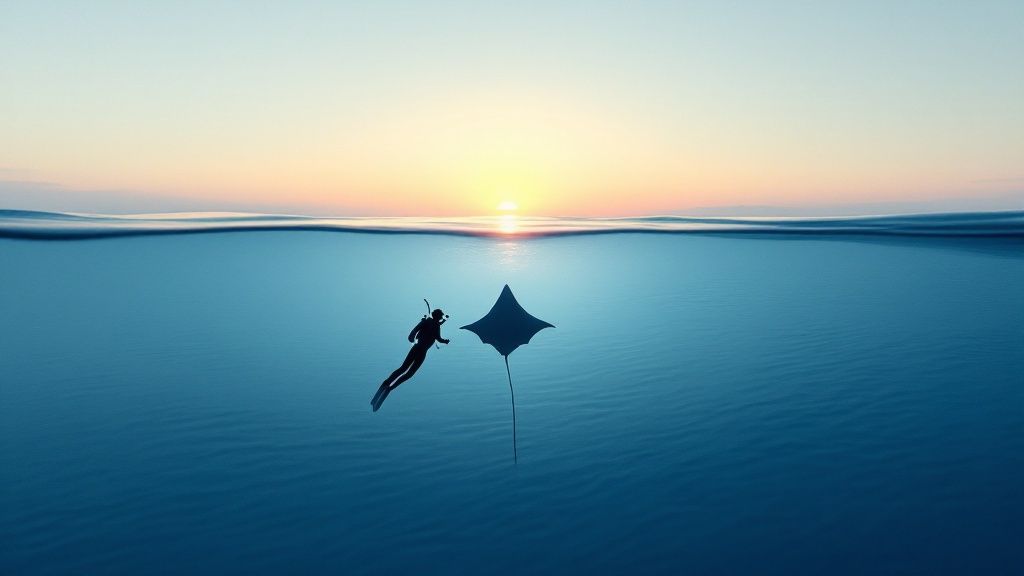
The buzz for your manta ray night dive in Kona really kicks in the second you get to the harbor. As the sun starts to dip, painting the sky with those incredible Hawaiian sunset colors, there's a unique mix of excitement and peacefulness in the air. This is where the adventure truly starts.
Your first point of contact is the crew during check-in. They'll welcome you onto the boat, show you where to stash your gear, and give you a quick tour. The ride out to the dive site isn't just a commute; it's a beautiful trip along the Kona coast as daylight gives way to the deep blue of twilight.
This boat ride is crucial. Your guides will walk everyone through a detailed safety briefing. They'll cover everything from how to enter the water to the all-important "Manta Etiquette"—making sure we all know how to be polite guests in the mantas' world.
Plunging into the Darkness
When the boat's engine finally cuts out, a quiet calm settles over everyone. All you can hear is the gentle sound of waves against the hull. As you start gearing up, you’ll feel that familiar rush of adrenaline right before you take that giant stride into the dark, welcoming Pacific.
The water is surprisingly warm. As you start your descent, the world above fades away, and you enter a completely different realm, lit only by the dive lights from your group. It’s an incredibly peaceful and focused moment, with the sound of your own breathing setting the rhythm.
The in-water setup is a brilliant piece of underwater choreography. It's all designed to create the perfect feeding station for the mantas while giving every single person a front-row seat to the show.
For divers, this means finding a spot on a sandy patch of the ocean floor, usually around 30-40 feet deep. You and your group will form a semi-circle around a powerful light array that the crew sets up. Think of it as an underwater campfire, a bright beacon that will soon attract dinner for the mantas.
Snorkelers get an equally stunning view from the surface. You'll hold onto a custom-built float ring equipped with its own bright lights that shine down into the water. This creates a glowing column of plankton right beneath you.
To give you a clearer picture, here's a quick rundown of what to expect from start to finish.
Your Manta Ray Night Dive Experience At a Glance
| Phase | What Happens | Key Tip |
|---|---|---|
| Check-In & Departure | Arrive at the harbor, meet the crew, and enjoy a scenic boat ride to the dive site. | Listen closely to the safety briefing; it's full of important info. |
| Gearing Up & Entry | The boat anchors, and you'll gear up for a "giant stride" entry into the dark water. | Double-check your gear before you hit the water. It’s all about being prepared. |
| Descent & Setup | Divers descend to the "campfire" on the seafloor; snorkelers gather at the surface float. | Stay close to your guide and get comfortable in your spot. The show is about to start. |
| The Main Event | The lights attract plankton, and the giant manta rays arrive to feed, performing barrel rolls. | Stay calm and still. Let the mantas come to you—they often get incredibly close! |
| Ascent & Return | After an amazing show, you'll safely ascend back to the boat for a triumphant return to the harbor. | Do your safety stop and keep an eye out for any last-minute manta fly-bys. |
This well-organized process is what makes the experience so consistently magical and safe.
The Grand Entrance
Once everyone is in place, the real magic gets underway. You'll watch as the light beams begin to fill with a shimmering, swirling cloud of plankton. The stage is set.
It might start with just a flicker of movement out in the darkness. Then, a huge, shadow-like shape glides effortlessly into the light. The first manta is here, and the sight will absolutely take your breath away.
They move with a grace that seems impossible for their size, performing slow-motion barrel rolls and soaring through the light with their giant mouths wide open. They're scooping up the plankton-rich water. It's common for them to pass just inches over the divers' heads, their massive bodies creating a momentary eclipse against the snorkelers' lights above.
This entire operation is fine-tuned to ensure a safe, respectful, and completely unforgettable encounter. To make sure you’re fully prepared, take a few minutes to check out the gear you will need for your Kona diving adventure. Knowing your equipment is key to a great dive.
The Science of Kona’s Manta Ray Spectacle
The **manta ray night dive in Kona** isn’t just an underwater magic show—it’s a fascinating, living ecosystem at work. The whole spectacle boils down to a simple, brilliant chain reaction: powerful lights attract a buffet of plankton, and that plankton attracts a ballet of hungry manta rays.
The stars of the show are reef mantas (Manta alfredi). Unlike their giant, ocean-roaming cousins, reef mantas prefer to stick around a specific coastal home, which is exactly why Kona is blessed with such a reliable, year-round population. These gentle giants are filter feeders, using their unique cephalic fins (the horn-like lobes on their heads) to gracefully funnel plankton-filled water right into their mouths.
They have absolutely no teeth for biting and no stinger on their tail, making them completely harmless to people. Their only real defense is their impressive size and speed, which they use to outmaneuver predators like large sharks.
A Fingerprint of Spots
Here’s one of the coolest things about Kona's mantas: you can tell them apart. Each ray has a totally unique pattern of dark spots on its white belly, just like a human fingerprint. This natural ID is a huge gift for researchers and conservationists.
In fact, seasoned dive guides and local scientists can recognize dozens, sometimes hundreds, of individual mantas by name just by looking at their undersides. This turns your dive from a random encounter into a chance to meet a local celebrity like "Big Bertha" or "Lefty."
This ability to identify individuals has been a game-changer for understanding the local population. For years, researchers have been conducting nightly "roll calls" at the main dive sites, carefully documenting who shows up and tracking their movements. This long-term data provides incredible insights into their behavior and helps us better protect them. You can dive deeper into this amazing research over at Manta Ray Advocates.
Your Role in Conservation
When you understand the science, you stop being just a tourist and become part of the conservation effort. The safety rules you'll follow aren't just random; they're based on years of science to keep the mantas safe and healthy.
By keeping your hands to yourself, you protect the delicate, slimy coating on the mantas' skin that acts as their shield against infection. By staying in your designated spot, you give them a clear, stress-free path to dinner.
Every responsible tour contributes to a bigger picture. The data collected by operators and citizen scientists (that's you!) helps protect manta rays not just in Kona, but worldwide. This information is critical for establishing marine protected areas and fighting back against threats like overfishing.
Choosing a responsible operator for your manta ray night dive in Kona means you're directly funding this cycle of research and protection. Your ticket supports a sustainable operation that puts the mantas first, ensuring this underwater ballet can continue for generations to come.
Comparing Kona’s Top Manta Dive Sites
When you start looking into a **manta ray night dive in Kona**, two names will pop up again and again: Manta Village and Manta Heaven. These aren’t just cool-sounding nicknames; they’re the world-famous stages for one of the planet’s greatest underwater shows.
While both spots offer an absolutely incredible experience, they have their own unique vibes. Knowing the difference helps you appreciate why your boat captain heads to one over the other. But remember, the final call always belongs to the captain—they'll pick the site with the best conditions and the highest chance of manta sightings for that specific night. Mother Nature is the real director here.
Manta Heaven (Garden Eel Cove)
Just north of Kona, out in front of the airport, you'll find Manta Heaven. Its official name is Garden Eel Cove, and it’s a truly prime location for the night dive. The site is famous for its gentle, sandy slope, which creates a kind of natural amphitheater for divers. You can just settle onto the sand and watch the spectacle unfold above you.
Where does the name come from? During the day, thousands of tiny garden eels stick their heads out of the sand, which is a sight in itself. At night, this rich ecosystem whips up a thick "soup" of plankton—the very thing that brings the mantas in for dinner.
- Accessibility: It's a quick boat trip from Honokohau Harbor.
- Conditions: The sandy bottom is perfect because divers can get situated without harming any delicate coral.
- Sightings: This spot is legendary for attracting huge numbers of mantas. It's not uncommon to see more than a dozen at once.
Manta Village (Keauhou Bay)
Head a bit further south, and you’ll find Manta Village right off the coast of the Sheraton Kona Resort & Spa in Keauhou Bay. This is the OG, the original site where the manta ray night dive began decades ago, and it's still delivering unforgettable encounters.
The underwater terrain here is a little different, with more rocky outcroppings and coral formations. This topography can sometimes create currents that act like a funnel for plankton, leading to some truly massive feeding frenzies. Manta Village, along with Manta Heaven, provides a distinct but equally amazing experience.
The unique underwater landscape and currents at Manta Village can occasionally attract even larger groups of mantas for their nightly ballet. If you want to dive deeper into what makes these spots so magical, you can find more great info on the manta ray night snorkel.
At the end of the day, it doesn't matter which site you visit—the experience will be breathtaking. Kona's dive operators are seasoned pros at reading the ocean's mood and will always guide you to the spot with the best show on any given evening.
Both Manta Heaven and Manta Village are the cornerstones of Kona's world-class manta tourism. They provide a safe, reliable way to witness these magnificent creatures in their own element.
When you're ready for an adventure you'll never forget, the 2-Tank Manta Dive & Snorkel tour is your front-row ticket.
Your Manta Ray Questions, Answered
You’ve heard all about the magic of swimming with manta rays at night in Kona, but I bet you still have a few questions rolling around in your head. That’s totally normal! Let’s clear up some of the most common things people ask so you can feel completely ready for this incredible adventure.
Do I Have to Be Scuba Certified?
Nope, not at all! While certified divers get a pretty epic view from the seafloor, snorkelers have an equally jaw-dropping experience.
Snorkelers hang onto a specially designed float board on the surface. This board has powerful lights that shine down, attracting the plankton. The mantas follow their food source right up to you, gliding and barrel-rolling just inches beneath your feet. It's an incredible front-row seat to the show.
Is the Manta Ray Dive Safe?
Absolutely. When you book with a professional, reputable company, this is an incredibly safe tour. Kona's dive operators have been doing this for decades and have perfected their safety protocols. They know exactly what they're doing.
And what about the mantas? They're called "gentle giants" for a reason. These beautiful creatures are completely harmless to people—they don't have teeth, barbs, or stingers. They might get curious and come close, but they pose zero threat.
What's the Best Time of Year to See Mantas?
Here's the best part: any time is a great time! The manta rays around Kona are residents, which means they stick around all year long instead of migrating.
Because of this, the chances of seeing them are consistently high—we're talking a 90% success rate or better—no matter when you visit. You can plan your trip for January or July and have an equally fantastic shot at an unforgettable encounter.
What Should I Pack for the Boat?
Most good tour operators, like Kona Honu Divers, will provide all the main gear you need, whether you're snorkeling or diving. But you'll want to bring a few personal items to stay comfortable.
- Towel: An obvious one, but easy to forget! You'll want it for after the swim.
- Something Warm: A hoodie or a light jacket is a lifesaver for the boat ride back to shore. It can get surprisingly chilly once the sun goes down.
- Water Bottle: It’s always smart to stay hydrated, especially after being in saltwater.
- Reef-Safe Sunscreen: If your tour leaves before sunset, this is essential for protecting both your skin and our delicate coral reefs.
Hopefully, that clears things up! This isn't just another dive—it's a chance to have a genuine connection with one of the ocean's most graceful and awe-inspiring animals.
Ready to book the adventure of a lifetime?
At Kona Honu Divers, we're all about providing safe, respectful, and truly mind-blowing underwater adventures. Explore our world-famous manta ray dive tours and get ready for an experience you'll be talking about for years to come.