
People throw around words like "unforgettable" and "once-in-a-lifetime" a lot, but the world-famous manta ray night dive in Kona truly earns those titles. Imagine this: you're weightless in the dark Pacific, and suddenly, giant, gentle rays with wingspans over 12 feet are gliding and somersaulting just inches above you. It's a surreal, silent ballet, and it’s one of the most incredible underwater encounters on the planet. This isn't just another dive—it's pure magic.
What Makes the Kona Manta Ray Dive a Must-Do Experience
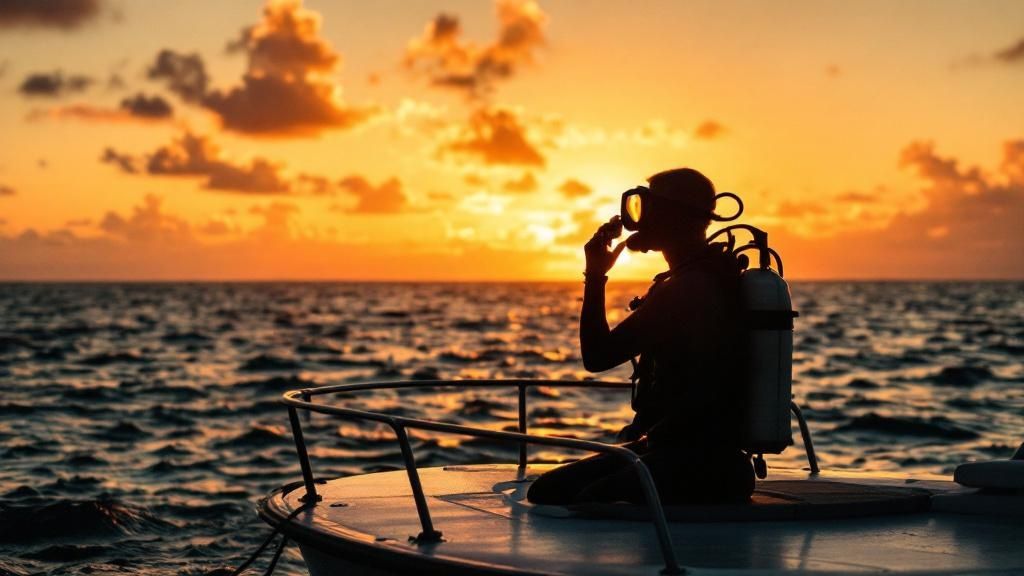
The Kona Manta Ray Night Dive isn't some happy accident; it's a carefully orchestrated natural spectacle. The whole thing hinges on a simple but brilliant idea. We set up powerful, stationary lights on the ocean floor, creating what we affectionately call the "campfire." These lights attract massive clouds of plankton—the manta rays' favorite meal.
This underwater campfire basically acts as a dinner bell. Shortly after the lights go on, the guests of honor arrive. Giant resident manta rays, many of whom are known to the local dive community by name, swoop in to feast on the plankton buffet.
The Underwater Ballet
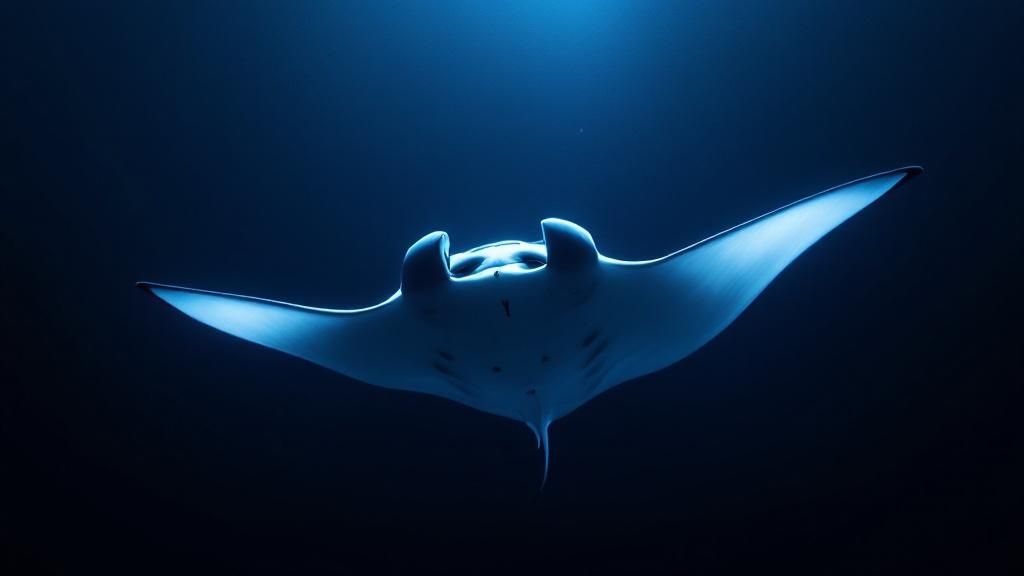
What really sets this experience apart is how the mantas behave. They aren't just swimming past for a quick look. They're putting on a show—an intricate feeding ballet. You'll watch them swoop, glide, and perform effortless barrel rolls right through the beams of light, their cavernous mouths wide open to filter the plankton-rich water.
We position divers on the sandy bottom looking up, while snorkelers float on the surface looking down. This creates a safe and totally unobstructed "arena" for the mantas to do their thing. The feeling of a 1,000-pound animal gliding silently just over your head is something you'll never forget. It’s simply breathtaking.
And this isn't some fleeting glimpse. Divers often get to spend a full 45 to 60 minutes mesmerized by the continuous dance. Because the dive sites are pretty shallow (usually around 30 to 40 feet), you get plenty of bottom time to soak in every single moment. The consistency and sheer closeness of these encounters are what make Kona the world's premier spot for this dive.
Why Kona is the Best Place for Manta Encounters
The Kona coast of the Big Island is uniquely perfect for this experience. Its volcanic underwater landscape and nutrient-rich currents create the ideal environment for a thriving plankton population. Where there's plankton, there are mantas. This has led to a large, non-migratory community of manta rays that call this place home.
The local manta ray population is estimated to be over 450 individuals, each one identifiable by the unique spot patterns on their undersides. This incredible concentration is why Kona is a global hot spot for manta encounters.
The Kona Manta Ray Night Dive is famous for its ridiculously high success rate, consistently hitting over 90%. That kind of reliability is a huge reason divers fly in from all over the world for this specific adventure. It’s one of the only places on Earth where you're almost guaranteed to witness this incredible natural wonder.
Here at Kona Honu Divers, our mission is to provide an experience that is safe, respectful, and absolutely unforgettable. Our guides aren't just experts in dive logistics; they're passionate conservationists dedicated to protecting these magnificent creatures. We make sure every dive follows strict guidelines to keep our impact to a minimum. Find out more about the top reasons you should go on a manta ray dive in Kona with a responsible operator.
How to Choose the Right Manta Ray Dive Operator
Picking the right operator for your manta ray night dive in Kona is just as crucial as choosing the right time of year to go. Your entire experience—from how safe you feel to the quality of the manta encounter—really boils down to the crew you're with. With a bunch of companies offering tours, it can feel a little overwhelming trying to decide.
The trick is to find an operator that fits your personal style. Think about what's most important to you. Are you looking for a big, stable boat loaded with amenities, or would you rather be in a smaller, more intimate group? Both have their perks.
Bigger boats usually mean a smoother ride, more room to move around, and nice-to-haves like an onboard restroom. On the flip side, smaller boats can offer a much more personalized trip with fewer people in the water.
Key Factors to Compare
When you start looking at operators, don't let price be your only guide. You need to dig a little deeper to make sure you're booking a safe, unforgettable trip. A bit of homework now will pay off big time later.
Here’s what you should be looking at:
- Safety Record and Crew Experience: Find companies that have been around and have a solid safety record. Experienced divemasters and captains know the local waters and manta behaviors inside and out, which is a huge deal for both your safety and the quality of the dive.
- Boat Size and Comfort: Take a look at pictures of their boats. A comfortable, well-kept vessel makes the trip out and back so much better, especially when you're tired after an amazing night dive.
- Eco-Consciousness: This is a big one. Go with operators who stick to the Manta Ray Tour Operator Standards. These are guidelines that protect the mantas, like rules about not touching them and how to position yourselves in the water.
- Manta Guarantee Policy: Let's be real, mantas are wild animals, and while sightings are super reliable, nothing is 100%. Many of the best operators offer a "manta guarantee," meaning you can come back for free if no mantas show up. It’s a good sign of a company that’s confident in their tours and cares about their customers.
Premier Operators in Kona
Kona is lucky to have some of the best dive shops in the world, and they've all earned their stellar reputations.
Kona Honu Divers is consistently ranked as one of the best on the island. They're known for their serious commitment to marine conservation, super experienced guides, and awesome custom-built dive boats. They keep their groups small, which means you get a more personal, high-quality experience every time. If you want to see what makes a dive shop truly stand out, you can learn more about why Kona Honu Divers is considered the best dive shop in Kona.
Other fantastic options include long-time operators like Jack's Diving Locker and Big Island Divers. Both have been part of the Kona diving community for decades. Checking out their reviews will give you a good feel for what makes each one unique.
In the end, the "best" operator is the one that's the best fit for you. Whether you go with the conservation-minded crew at Kona Honu Divers or another trusted company, you're setting yourself up for the adventure of a lifetime. Once you've booked, the only thing left to do is get hyped for your manta ray dive tour.
When Is the Best Time for Your Manta Ray Dive
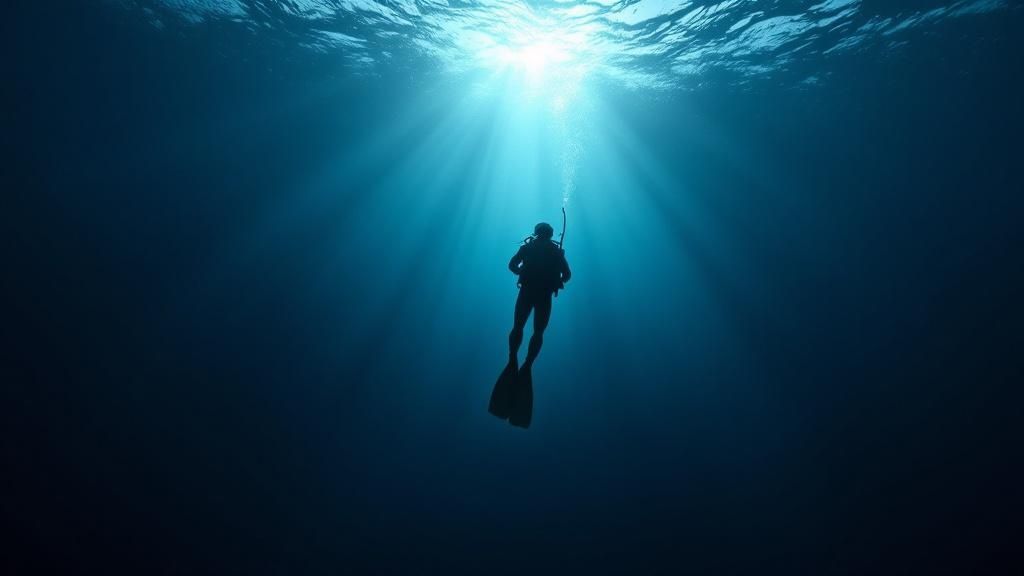
Here's one of the best things about the manta ray night dive in Kona: you can do it literally any night of the year. Our local manta population doesn't migrate, which means these gentle giants are here 365 days a year, showing up for their nightly plankton buffet. That incredible reliability is a huge part of what makes Kona a world-class diving destination.
That said, while any night can be a great night, some factors can turn a good dive into an absolutely unforgettable one. Things like recent weather, plankton levels, and even ocean currents can influence the manta turnout. Knowing a little about these can help you plan your trip for the best possible show.
Debunking the Moon Myth
One of the first questions we always get is about the moon. Is it better to dive during a new moon when the sky is pitch black? The theory is that less ambient light makes our dive lights an even more powerful magnet for plankton. It sounds perfectly logical, but in reality, it doesn't hold up.
We see massive congregations of mantas during every single phase of the moon. The high-powered lights our boats use are so intense that they create an irresistible plankton feast no matter how bright the sky is. So, my advice? Don't waste a second worrying about the lunar calendar—just book the dive!
What Really Attracts the Mantas?
The real secret to a mind-blowing manta encounter isn't the moon; it's the food. The number of mantas at the site is directly tied to the density of plankton in the water, and those blooms are driven by ocean currents, water temperature, and recent weather.
Over the years, we've learned a lot by watching these patterns. While the mantas are always here, we know that certain months with specific currents tend to bring richer plankton blooms. More food means more mantas, and that's when you get those truly breathtaking ballets with a dozen or more rays.
Ultimately, it's all about the health of the ecosystem. When ocean conditions are right for a thriving plankton population, the mantas show up in droves to dance in the lights.
To give you a better idea of what to expect throughout the year, we put together this quick guide.
Kona Manta Ray Dive Seasonal Guide
| Season | Water Temperature (Avg) | Sighting Probability | Key Considerations |
|---|---|---|---|
| Spring (Apr-Jun) | 77-79°F (25-26°C) | Very High | Excellent visibility and comfortable water temps. A great all-around time to visit. |
| Summer (Jul-Oct) | 80-82°F (27-28°C) | Excellent | The warmest water of the year. Can be busier with summer travel, so book in advance. |
| Fall (Nov-Dec) | 78-80°F (26-27°C) | Very High | Shoulder season with fewer crowds but still fantastic conditions. Chance to see early humpback whales. |
| Winter (Jan-Mar) | 75-77°F (24-25°C) | Excellent | Humpback whale season is in full swing! Water is a bit cooler, so a 5mm wetsuit is cozy. |
No matter the season, Kona's water is wonderfully warm, but there are slight shifts.
- In the summer (June-October), the water is a balmy 80-82°F (27-28°C).
- During the winter (December-March), it cools down a bit to 75-77°F (24-25°C).
Even a few degrees can make a difference over a 45-minute dive, so we always recommend at least a 3mm wetsuit (and a 5mm in winter is even better) to stay comfortable.
The bottom line is simple: the best time to do this dive is whenever you can get here. For an even more detailed breakdown, check out our complete guide on the best time of year to see manta rays in Kona.
How to Prepare for Your Manta Ray Night Dive
The feeling you get gearing up for a manta ray night dive in Kona is pure electricity. A little bit of prep work beforehand can make a huge difference, turning a great dive into an absolutely unforgettable one. When you know what to expect and what to pack, you can just relax and enjoy the show.
The good news is your tour operator, like us here at Kona Honu Divers, takes care of the big stuff. We've got the tanks, weights, and the powerful underwater lights that act like a dinner bell for the plankton the mantas love. That said, there are a few personal items you’ll want to bring along to make sure you're comfortable and safe.
Your Personal Checklist
Before you head for the boat, just run through this quick list. It's simple stuff, but having it sorted will make your entire evening go that much smoother.
- Certification Card & Logbook: You know the drill: no C-card, no dive. Make sure you pack it, and don't forget your logbook so you can document this incredible dive.
- Warm, Dry Clothes: It's easy to forget how chilly that boat ride back can feel after an evening in the water. A cozy sweatshirt or a windbreaker and a dry towel are non-negotiable for staying comfortable.
- Reef-Safe Sunscreen: Many of the trips head out before sunset. Lather up with some reef-safe sunscreen to protect your skin and Hawaii's fragile coral reefs.
- Motion Sickness Medication: If you even think you might get seasick, take something beforehand. The ocean can get a little bumpy after dark, and you don’t want a queasy stomach to ruin the main event.
Understanding the Pre-Dive Briefing
This is probably the most important part of your preparation, and it happens right on the boat. The pre-dive briefing is way more than just a formality—it’s critical for your safety and for the well-being of the mantas.
Pay close attention during the briefing. Your divemaster will walk you through the specific rules for interacting with the mantas, like how to position yourself on the seafloor and the strict "no-touching" policy that protects their delicate skin.
The briefing will also cover the dive plan, safety checks, and the hand signals we use for night diving. It's your best chance to ask any questions you have and make sure everyone is on the same page before you hit the water. For a more detailed look at what to expect, check out our guide on what you should know about the manta ray dive in Kona.
Getting Your Camera Ready
Lots of people want to capture the magic of the manta ballet, but underwater photography in the dark comes with its own set of challenges. If you're bringing a camera, get your settings dialed in ahead of time.
Try using a wider lens to really capture the massive wingspans of the rays. You'll also need to play with your ISO and shutter speed to handle the low-light conditions. Most importantly, make sure your battery is 100% charged and your memory card is empty—you'll be snapping way more pictures than you think!
Once you've got this stuff squared away, you’re ready to dive in and witness one of the most amazing underwater shows on the planet.
How to Be a Good Guest: Safe and Ethical Manta Ray Guidelines
The whole reason we get to have this incredible experience is because of Kona's healthy and trusting manta ray population. It's up to every single one of us—divers, snorkelers, and boat captains—to keep it that way. Following a few simple guidelines isn't just about rules; it's about making sure this underwater magic can continue for years and years to come.
This dive has become a cornerstone of Big Island tourism, and for good reason. It's a finely tuned dance between the local ecosystem and the dive operators who have made it accessible to almost everyone. Not a certified diver? No problem. The night snorkel gives you an amazing bird's-eye view from the surface as the mantas feed right below. These tours are only possible because of the rich plankton that thrives in Kona's calm waters. You can get more background on this unique tourism ecosystem on royalkona.com.
The Single Most Important Rule
If you only remember one thing your guide tells you, make it this: Do not touch the manta rays. It's the golden rule, and it's there for a very, very good reason.
Manta rays have a thin, protective mucus layer covering their skin. Think of it as their immune system. This coating is their primary defense against nasty bacteria and parasites. When you touch a manta, you wipe off that vital slime, leaving them wide open to serious infections. Even a light, well-intentioned touch can cause real harm.
The best way you can help protect them is by simply keeping your hands to yourself and giving them space. Fight that urge to reach out. Trust me, the real thrill is when they choose to glide inches from your face all on their own.
The "Campfire": Where to Position Yourself
To make the experience safe and predictable for everyone (especially the mantas), operators have perfected what's often called the "campfire" setup. It works brilliantly.
-
For Divers: Your guide will lead you down to a sandy spot on the ocean floor, usually around 30-40 feet deep. You'll arrange yourselves in a semi-circle, either kneeling or lying flat, and shine your dive lights straight up. This column of light is what attracts the plankton, creating a feeding zone for the mantas right above you.
-
For Snorkelers: You'll hang out on the surface, holding onto a big, custom-made float board. These boards are equipped with powerful lights that shine down into the water. This gives you a stable place to hold on and an unbeatable view of the mantas swooping and barrel-rolling just beneath you.
This setup keeps the middle of the water column wide open, giving the mantas a clear flight path to feed. It prevents a chaotic free-for-all and ensures the animals never feel cornered or threatened.
Master Your Movement (Or Lack Thereof)
Beyond just being in the right spot, how you act in the water is huge. For divers, good buoyancy control is key. Once you're on the bottom, stay put. By remaining still and neutrally buoyant, you become just another part of the scenery instead of a weird, moving obstacle.
For everyone, divers and snorkelers alike, the name of the game is slow and steady. Avoid sudden, jerky movements. Flailing around can easily spook the mantas and send them packing. The goal is to be a calm, passive observer. Let the mantas run the show. They're curious creatures and will often come incredibly close on their own terms. Follow these simple steps, and you'll help make every manta ray night dive in Kona a respectful and unforgettable encounter.
Your Manta Ray Dive Questions Answered
Even after reading all about this incredible encounter, you probably still have a few things you're wondering about. Let's tackle some of the most common questions we get from divers and snorkelers before they take the plunge.
Do I Need to Be a Certified Diver?
Nope, you absolutely don't! While certified divers get a spectacular view from the "front row seats" on the ocean floor, snorkelers have an equally mind-blowing experience from the surface.
Most operators have custom-built flotation boards equipped with powerful lights that shine straight down into the water. Snorkelers just hang on, giving them a perfect bird's-eye view as the mantas barrel roll and feed just feet below. It’s an adventure that's accessible to just about everyone.
Is the Manta Ray Night Dive Safe?
Yes, this is a very safe activity when you go with a professional, reputable operator. Your guides will give you a detailed safety briefing before you even touch the water and will be watching over the group for the entire experience.
It's also worth remembering that manta rays are true gentle giants. They're filter feeders and have no teeth, stingers, or barbs, so they pose zero threat to humans. They're just curious.
What Happens if No Manta Rays Show Up?
While the sighting rate in Kona is ridiculously high—often over 90%—mantas are still wild animals, and nature doesn't offer guarantees. On the rare night the mantas decide not to come to the party, many of the best tour operators have what's called a "manta guarantee."
This usually means you can re-book your tour for free on another night, depending on availability. It's always a good idea to confirm the specific policy with your chosen operator before you book.
How Deep Is the Dive?
The dive itself is actually quite shallow, typically taking place at a depth of 30-40 feet (that's about 9-12 meters). Staying shallow like this gives divers longer bottom times, which means more time to watch the incredible underwater ballet unfold.
Water temps in Kona are pretty comfortable all year, ranging from about 75°F (24°C) in the winter to 82°F (28°C) in the summer months. A 3mm or 5mm wetsuit is usually all you need to stay warm and comfortable for the whole dive. For a deeper look into the experience, check out our comprehensive manta ray night dive guide.
Ready to witness the magic for yourself? Join Kona Honu Divers for the adventure of a lifetime. Our experienced crew, top-notch equipment, and commitment to safety ensure your manta ray dive tour will be the highlight of your trip to Hawaii.