
Imagine drifting in the dark Pacific, suspended mere inches below giant, graceful silhouettes. The manta ray night dive in Kona isn’t just another dive—it’s a private viewing of one of the ocean’s most captivating dance performances.
Why Kona Is a Global Manta Ray Hotspot
There’s a clever trick behind Kona’s consistent manta shows. Shortly after sunset, dive boats position themselves at prime coastal spots and power up strong lights underwater. Those beams call in clouds of plankton—manta rays’ favorite snack.
As the plankton swirls around you, the mantas arrive. These gentle giants, with wingspans of 12 feet or more, carve through the water in slow-motion loops, filtering plankton through their wide-open mouths. Thanks to Kona’s resident manta population, sightings happen more than 90% of the time.
What Makes This Dive So Unique
Kona’s reef mantas (Mobula alfredi) stick around all year, so you’re not relying on seasonal migrations. While other dive spots have occasional “cleaning stations,” Kona offers night feeding in reliably shallow, calm conditions.
Key Dive Sites:
- Manta Village: South of Kailua-Kona, this site sits in just 30–40 feet of water. It’s perfect for newer divers and snorkelers.
- Garden Eel Cove (Manta Heaven): North of town, deeper waters draw bigger gatherings of mantas—ideal for those chasing a larger show.
You’re not stalking these animals. You’re simply turning on the lights, letting plankton do the invitation, and watching the mantas glide in for dinner.
Certified divers usually kneel on the sandy bottom, shining their beams upward to create a “plankton spotlight.” Snorkelers hover on the surface, gripping illuminated boards that light up the scene below. Both approaches deliver an unforgettable perspective.
For a detailed overview—gear checklists, safety tips, booking advice—see our complete guide to the manta ray night dive in Kona.
Choosing Your Perfect Manta Ray Dive Site
Deciding where to take the plunge for your manta ray night dive in Kona is one of the most important calls you'll make. The Big Island is famous for this incredible marine encounter, but where you go can completely shape your experience. It really boils down to two world-class locations.
Your choice is between Manta Village just south of Kona and Garden Eel Cove (often called Manta Heaven) up north near the airport. Both are spectacular, but they offer totally different vibes. Think of it as choosing between a cozy, intimate gathering and a grand, bustling ballroom—both are fantastic, but you'll want to pick the one that fits your style and comfort level.
Manta Village: The Calm and Accessible Choice
If you're a new diver, a snorkeler, or just someone who prefers a more relaxed underwater environment, Manta Village is almost always the right call. Located right offshore from the Sheraton Kona Resort at Keauhou Bay, this site is noticeably shallower, with a sandy bottom sitting at a comfortable 30 to 40 feet. That shallower depth is a big confidence booster and means you get more bottom time.
The conditions here are typically much calmer with little to no current, which makes for a predictable and stress-free dive. You might see a few fewer mantas than at the northern site, but the encounters feel incredibly personal. It’s the perfect place to settle in, relax, and just watch these gentle giants perform their mesmerizing ballet without having to manage challenging conditions.
Garden Eel Cove: The Grand Spectacle
For divers with a bit more experience under their weight belts, Garden Eel Cove delivers a truly epic show. This spot is deeper, with the action happening between 50 to 60 feet, and it can get some real current moving through. You'll need to have your buoyancy dialed in and be comfortable in a more dynamic setting. For those looking for more advanced dive tours, this location can be a perfect fit.
What’s the payoff? A massive congregation of manta rays. The Kona coast is a global hot spot for manta interactions, drawing an estimated 80,000 people every year to see them. Here at Manta Heaven, it’s not uncommon to be surrounded by 10 to 20 mantas at once, creating an awe-inspiring vortex of graceful movement. The sheer energy and number of rays gliding through the lights make it an unforgettable experience for confident divers.
If you want to go deeper, you can discover more insights about Kona's world-class manta dive sites and what makes each one unique.
Kona Manta Dive Site Comparison
To help you decide, here’s a quick side-by-side look at what each site offers.
| Feature | Manta Village (South Kona) | Garden Eel Cove (Manta Heaven) |
|---|---|---|
| Location | Off Keauhou Bay, near Sheraton Kona | North of Kona, near the airport |
| Depth | 30-40 feet (shallower) | 50-60 feet (deeper) |
| Conditions | Generally calm, minimal current | Can have stronger currents |
| Best For | Beginner divers, snorkelers, families | Experienced, confident divers |
| Vibe | Intimate, relaxed, personal encounters | High-energy, grand spectacle |
| Manta Count | Typically fewer, but very close up | Often a larger number of mantas |
Ultimately, there’s no wrong choice. Both sites offer a front-row seat to one of nature's most incredible displays. It's all about matching the site's personality to your own dive style.
How to Select the Best Manta Ray Tour Operator
Let’s be real: your tour operator will make or break your entire manta ray night dive. The right crew ensures the experience is safe, ethical, and mind-blowingly awesome. The wrong one can turn a bucket-list dream into a crowded, rushed disappointment. With so many boats leaving the harbor every night, how do you pick the right one?
The best companies in Kona aren't just selling a boat ride. They're providing a complete experience built on a foundation of safety, a passion for conservation, and a deep respect for the mantas themselves.
As you start your research, put safety at the top of your list. Look for operators who are completely transparent about their safety protocols, emergency plans, and—this is a big one—their divemaster-to-guest ratio.
I can't stress this enough: small group sizes are a game-changer. You get more personalized attention from your guide, a less chaotic underwater experience, and frankly, a better view of the mantas.
The Value of Experienced Guides and Ethical Practices
A great guide does more than just lead you into the water; they elevate the entire dive. The most seasoned guides are practically marine biologists. They can identify individual mantas by their unique spot patterns, share incredible facts about their behavior, and most importantly, make sure no one in the group does anything to stress out these gentle giants.
Before you book anything, look for one key phrase: "Manta Ray Green Listed." This certification isn't just a fancy sticker. It means the operator has committed to protecting the mantas by following strict interaction guidelines, like keeping a safe distance and enforcing a strict no-touching policy.
Choosing a Green Listed operator is your way of making sure your dive supports the long-term health of Kona's resident manta population. It's the responsible thing to do.
Companies like Kona Honu Divers are a perfect example of this philosophy in action. They blend top-tier safety standards with a real focus on education and conservation, which is why they're consistently a top choice for this dive. Don't just take my word for it; see what other divers are saying.
Ultimately, a quality operator invests in their gear, their staff, and sustainable practices. The right crew will make you feel confident and prepared, letting you just relax and soak in the pure magic of watching the manta ray ballet unfold before your eyes.
Ready to book with a team that checks all the boxes? You can explore the various manta ray dive tours they offer. And hey, while you're here, don't forget there are tons of other incredible diving tours in Kona that show off the Big Island's vibrant reefs and wild lava formations.
Getting Ready for Your Night Dive Adventure
A little prep work goes a long way toward making your **manta ray night dive in Kona** a smooth, safe, and totally unforgettable experience. Think of it as a pre-flight checklist. Get these few things sorted, and you’ll show up at the boat feeling confident, comfortable, and ready for the main event.
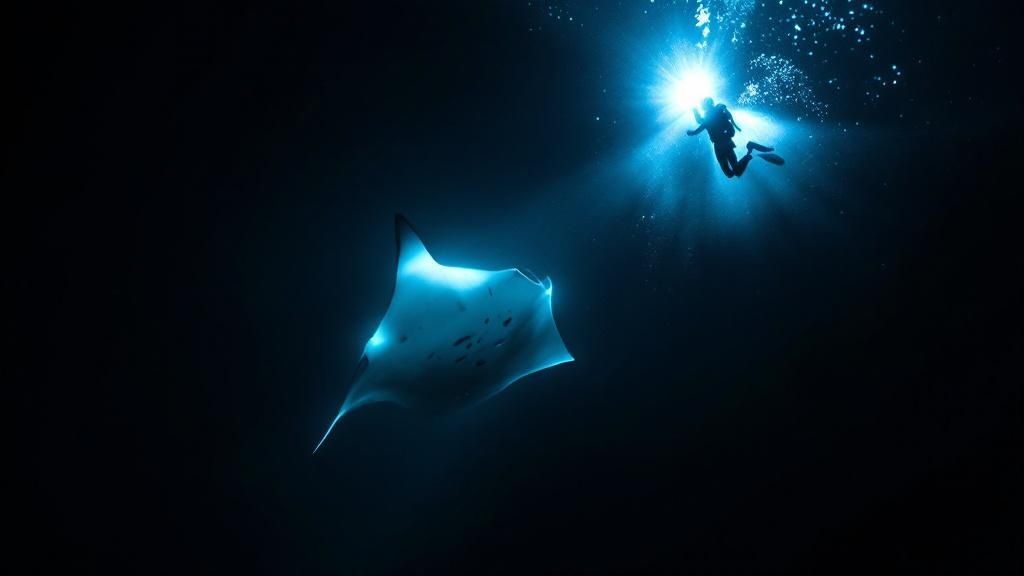
First up, let's talk about your dive readiness. At a minimum, you'll need an Open Water Diver certification to join the fun. If it's been a hot minute since your last logbook entry—say, over a year—do yourself a favor and book a refresher dive. It’s the perfect way to get your buoyancy dialed in and shake off any rust before you hit the water after dark.
What to Pack for the Boat
Your tour operator, like Kona Honu Divers, provides all the big-ticket scuba items: tanks, weights, BCD, and regs. But there are a few personal items you’ll want to bring along to make the whole trip better. A solid primary dive light is non-negotiable, and tossing a smaller backup light in your bag is always a smart move.
Here’s a quick rundown of what else to bring:
- Dry Clothes & a Towel: You’ll be so glad you have something warm and dry for the ride back to the harbor. A sweatshirt or light jacket is perfect for cutting the ocean breeze.
- Reusable Water Bottle: Staying hydrated is huge, both before you dive and after you surface.
- Seasickness Meds: If you even think you might get seasick, take something beforehand. The ocean can feel different at night, and it’s way better to be safe than sorry.
My pro tip? Have a light meal an hour or two before you head out. Diving on a totally empty stomach can leave you feeling weak, but a huge, heavy meal beforehand is just as bad. Find that happy medium.
The Kona Coast is world-famous for a reason—the manta encounters here are incredibly reliable, with sighting success rates often topping 90%. This is all thanks to a healthy resident population of about 450 identified manta rays. Some of these gentle giants boast wingspans over 12 feet!
Most of the dive sites are pretty shallow, usually hovering around 30 to 40 feet, which means you get plenty of bottom time to just relax and watch the underwater ballet.
Nailing these simple prep steps means that when you slip into the water, your focus will be exactly where it should be: on the silent, mesmerizing dance of the manta rays.
What to Expect on the Dive Itself
After the boat ride out and the dive briefing, the real magic is about to unfold. The moment you slip into the dark Pacific, a sense of quiet anticipation washes over you. Your guide will lead the group on a short swim to a designated spot on the sandy ocean floor, usually at a comfortable depth of around **30 to 40 feet**.
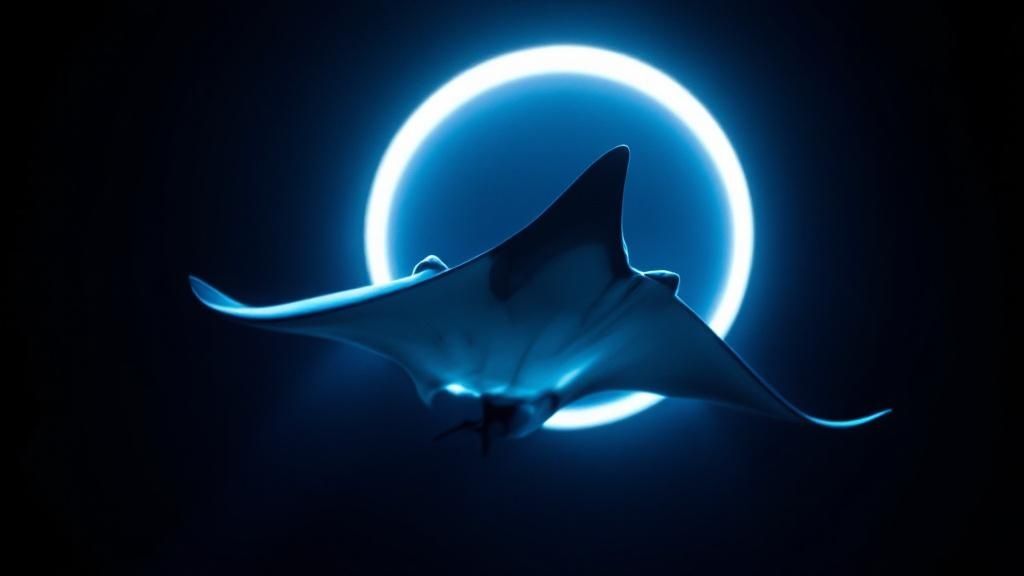
Once you get to the bottom, you and the other divers will settle in and form a large circle, which we affectionately call the "campfire." On your divemaster's signal, everyone will aim their powerful dive lights straight up toward the surface. This creates a massive, collective beam of light—basically a giant dinner bell—that attracts swarms of microscopic plankton. And plankton is what the mantas are here for.
The Underwater Ballet Begins
As the cloud of plankton thickens in the light, you’ll start to see them. First, a graceful shadow appears at the edge of your visibility. Then another, and another. Before you know it, the manta rays have arrived to feast, performing an incredible underwater ballet right in front of your eyes.
They glide effortlessly through the light beams, executing barrel rolls and graceful swoops with their mouths wide open to filter the plankton. There's nothing that can prepare you for the feeling of a 16-foot wingspan gliding silently just inches above your head. It’s a moment of pure awe—both thrilling and profoundly calming. The only sounds are the gentle hum of your own bubbles and the occasional muffled gasp of wonder from a nearby diver. You can read more about what makes the manta ray night dive in Hawaii such a bucket-list experience in our other guides.
Rules of Engagement: Passive Observation is Key
To keep this incredible encounter safe for both the mantas and the divers, there's one golden rule: passive observation. This single principle is the heart of what makes the manta ray night dive in Kona a world-class example of responsible ecotourism.
Here’s what that looks like in practice:
- No Touching: Manta rays have a protective mucus layer on their skin. Touching them can strip this off, leaving them vulnerable to nasty infections. Just look, don't touch.
- Stay Put: Once you're settled on the sandy bottom, stay there. This creates a predictable and safe environment for the mantas, encouraging them to get nice and close.
- Absolutely No Chasing: Never, ever swim after a manta ray. Let them control the entire interaction. Trust me, they'll come to you.
Your divemaster is more than just a guide; they're a guardian of the site. They manage the group's positioning and make sure everyone follows the rules, freeing you up to focus entirely on the breathtaking spectacle unfolding above.
By sticking to these simple guidelines, you become a respectful guest in their underwater dining room. This responsible approach is exactly what has kept Kona's manta encounters so reliable and magical for decades.
Protecting Kona’s Manta Rays Through Responsible Tourism
The manta ray night dive in Kona is more than just an unforgettable bucket-list item; it's a world-class success story where conservation and tourism swim side-by-side. The whole operation is built on respect, ensuring this incredible encounter can continue for generations to come.
This commitment to preservation is really what makes the Kona experience so special. Initiatives like the Manta Ray Green Listed program set a high standard for tour operators, creating guidelines that always put the well-being of the mantas first. When you choose an operator who follows these practices, you're not just a tourist—you're an active participant in the conservation effort.
Research and Identification
A massive part of this success boils down to simply understanding the mantas themselves. Much like a human fingerprint, every manta ray has a completely unique pattern of spots on its belly. This is how guides and researchers tell them apart.
By identifying individual rays, we can track their health, movements, and life cycles. It's not just for fun; this careful monitoring provides invaluable data that helps us protect the entire population.
Long-term studies, especially those between 2009 and 2014, dug deep into manta behavior at key sites like Manta Village and Manta Heaven. This research helps us predict when manta activity is likely to be highest, allowing tour operators to optimize their schedules while minimizing any impact on the environment.
Knowing these patterns is also how we figure out the best time of year to see manta rays in Kona. Your dive is more than just a tour; it’s a chance to support a delicate and thriving ecosystem where people and marine life coexist beautifully.
Your Manta Ray Night Dive Questions, Answered
Diving into the dark Pacific to float alongside giant, graceful rays is an incredible experience, but it’s natural to have a few questions bubble up first. Let's walk through some of the most common ones so you feel completely ready for your manta ray night dive in Kona.
Is the Manta Ray Night Dive Safe?
Absolutely. When you go out with a professional, certified operator, the entire experience is incredibly controlled and safety is the top priority. Your divemasters are in the water with you, managing the group and making sure everyone sticks to the plan after a thorough pre-dive safety briefing.
Can Non-Divers See the Mantas?
You bet! In fact, the snorkeling experience is just as mind-blowing as the dive. Snorkelers get to hold onto a large, custom flotation board that has bright lights shining down into the water.
This setup gives you an unreal topside view as the mantas swoop, glide, and barrel-roll just inches below you. If you’re hooked on the underwater world after seeing the mantas, you can also explore other top snorkeling spots in Kona to see more of our diverse marine life.
When Is the Best Time of Year to Go?
Here's the great thing about Kona: we have a resident population of manta rays. They live here all year long, so you can count on consistent sightings no matter when you decide to visit.
There really isn’t a "bad" time of year to book this trip. We dive a little deeper into this in our other guides about why you should go on a manta ray dive in Kona.
What if No Mantas Show Up?
While sightings have a success rate that often tops 90%, we are dealing with wild animals, and nature can be unpredictable. On the very rare occasion that the mantas decide not to make an appearance, most reputable operators have what they call a "manta guarantee."
This usually means you can rebook and go out again on another night, free of charge. It’s always smart to confirm this policy when you book, just in case.