
Picture this: you're floating in the dark, warm waters of the Pacific. Suddenly, giant, ghost-like figures with wingspans wider than a car glide inches from your face. This isn't a scene from a movie. It's the manta ray night dive in Kona, and it's not just another scuba trip—it's a world-famous underwater ballet and one of the most reliable marine encounters on the planet.
What Makes the Kona Manta Ray Night Dive Unforgettable
People often describe the experience as otherworldly. It all starts with a scenic sunset boat ride. As darkness settles over the ocean, you slip into the water. Then, the magic begins. Powerful lights are switched on beneath the surface, creating what we divers call the "campfire effect."
These bright beams cut through the darkness, illuminating the water and attracting swarms of microscopic plankton. This floating buffet, in turn, draws in Kona's resident population of manta rays. All you have to do is settle onto the sandy bottom, look up, and enjoy the show.
A Front-Row Seat to an Underwater Spectacle
You're about to witness an incredible feeding dance. These gentle giants swoop and barrel-roll through the columns of light, scooping up plankton with their massive mouths wide open. They glide effortlessly, sometimes coming so close you can feel the water move as they pass by. It’s an intimate, humbling encounter that connects you directly with one of the ocean's most graceful creatures.
This incredible reliability is precisely why Kona is the world's top spot for this adventure. Here's a quick look at what makes this dive so special.
| Aspect | Details |
|---|---|
| Sighting Success Rate | 85–95% |
| Average Dive Time | 45 to 60 minutes with the mantas |
| Typical Depth | 30 to 40 feet (Shallow and accessible) |
| Average Wingspan | A staggering 12 feet |
As you can see, the odds are overwhelmingly in your favor for a truly colossal sight.
More Than Just a Dive
The entire adventure is perfectly orchestrated for wonder and respect. The boat crews are seasoned pros who will brief you on manta behavior and ensure both you and the animals are safe. It's a seamless experience from start to finish.
Whether you're a seasoned diver looking for a unique thrill or a first-time snorkeler, the encounter is accessible and completely awe-inspiring. For those who prefer staying on the surface, you can get a great overview by checking out an ultimate guide to the Kona Manta Ray Night Snorkel.
Ready to see it for yourself? The premier manta ray dive and snorkel tour is waiting to guide you through this once-in-a-lifetime experience.
Why Kona Is the World Capital for Manta Ray Dives
So, what makes the manta ray night dive in Kona the undisputed champ? It all comes down to a perfect storm of geology and biology. The Big Island's volcanic coastline creates the ideal conditions for a constant "plankton soup"—the manta ray's favorite meal.
This natural phenomenon turns the waters off the Kona coast into a dependable, all-you-can-eat buffet for these gentle giants. Unlike other spots around the world where manta sightings are a seasonal "maybe," Kona's population is here year-round. That incredible consistency is what puts this place on the map.
The Famous Feeding Stations
Over the years, a few specific spots have become legendary for their nightly manta appearances. Early on, tour operators figured out that bright lights attract plankton, and the plankton, in turn, brings in the mantas for a feast. This discovery led to the creation of permanent "underwater campfires" at two primary sites:
- Manta Village: Just south of Kona, this is the original site that started it all. It’s known for an almost unbelievable success rate, with manta sightings on over 90% of nights.
- Garden Eel Cove (Manta Heaven): Located north of the airport, this spot often draws a bigger crowd of mantas, sometimes hosting a dozen or more in a single night.
These aren't just random locations; they're established feeding grounds where the mantas have learned to show up for dinner every night. This conditioning is the secret sauce that makes the experience so reliable.
The Science of the Underwater Campfire
The whole setup is brilliantly simple. Powerful lights are placed on the ocean floor, shining straight up. Snorkelers float on the surface with their lights shining down, creating a massive column of light that acts like a bug zapper for plankton. Billions of these microscopic critters get concentrated in one spot.
The mantas, being the incredibly smart creatures they are, have recognized this light show as a dinner bell. They glide into the illuminated water, performing graceful barrel rolls to scoop up mouthfuls of the plankton buffet. It's a man-made spectacle that taps directly into a natural feeding instinct.
The real magic of Kona is its resident population. Researchers have identified and named over 450 individual manta rays that call these waters home. This huge, non-migratory community is what guarantees the high success rate that makes the Kona dive so famous.
This unique ecosystem makes the manta ray dive tour more than just a dive—it’s a guaranteed front-row seat to one of nature's most magnificent performances. Ready to see it for yourself?
Choosing Your Adventure: Scuba Diving Vs. Snorkeling
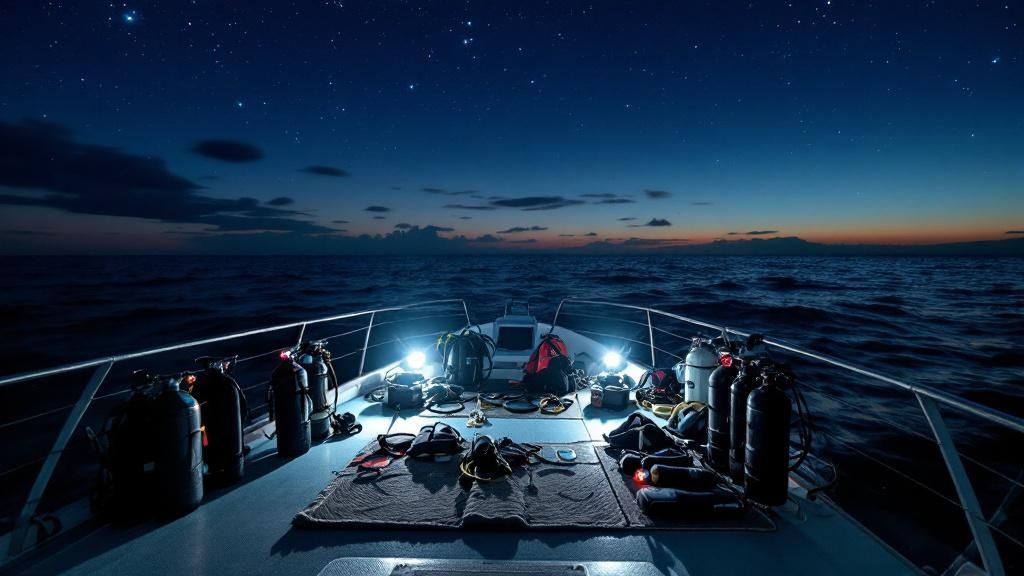
Here's the good news: you don’t need to be a certified diver to witness the magic of the manta ray night dive in Kona. This incredible experience is open to almost everyone. The real question isn't if you should go, but how you want to see the show.
It all boils down to two distinct adventures, scuba diving or snorkeling. Each one offers a totally unique and unforgettable viewpoint of the underwater ballet.
Scuba Diving the Manta Ray Encounter
For certified divers, this is the definition of immersive. You'll descend to the sandy ocean floor, usually around 30 to 40 feet, and find a spot to settle in. From there, you just look up.
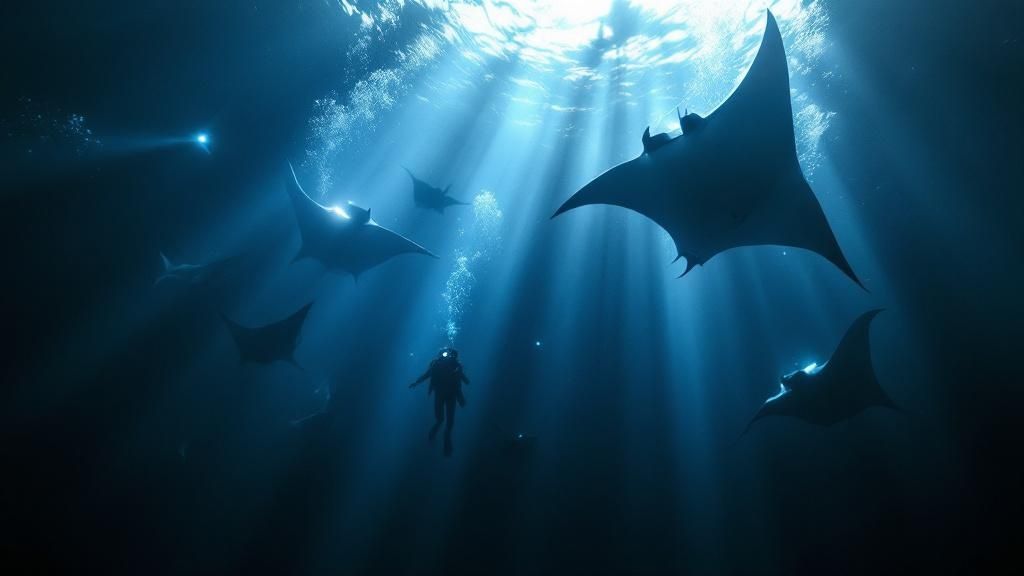
The gentle giants perform mesmerizing barrel rolls just feet above your head, their massive wingspans silhouetted against the lights from the surface. It's a humbling, bottom-up view that makes you feel like you're truly a guest in their world. The only sound is your own breathing as they glide silently past.
- Proximity: Divers often get unbelievably close passes as mantas swoop down toward the lights arranged on the seafloor. It feels like you can almost reach out and touch them (but don't!).
- Physical Requirements: You must be a certified scuba diver in good health. The dive itself is stationary and not physically demanding, so you can just relax and enjoy.
- Perspective: Looking up from below provides a dramatic and awe-inspiring view of the mantas' entire bodies and graceful, acrobatic movements.
Snorkeling With the Gentle Giants
If you're a snorkeler, the adventure is just as breathtaking but from a completely different vantage point. You get a bird's-eye view of the entire spectacle.
You'll float comfortably on the surface, holding onto a custom-designed light board. This board isn't just for stability; it shines powerful beams down into the water, attracting the plankton that the mantas are there to eat. You see the big picture: multiple mantas weaving between the light beams, the divers below, and the organized chaos of the feeding frenzy.
It’s a fantastic option for families, non-divers, or anyone who prefers staying at the surface. You can get a much more detailed look at this specific experience in our guide to the Kona manta ray snorkel adventure.
The unique spot patterns on each manta ray's belly are like fingerprints, allowing researchers to identify and track individuals over years. Thanks to these identification efforts, we know there are nearly 200 resident mantas that frequent these Kona feeding sites! This gives scientists vital insights into their population and behavior.
Ultimately, both options guarantee an amazing show. Your choice simply comes down to your comfort level in the water and what kind of memory you want to create. Ready to pick your adventure?
How to Prepare for Your Manta Ray Night Dive
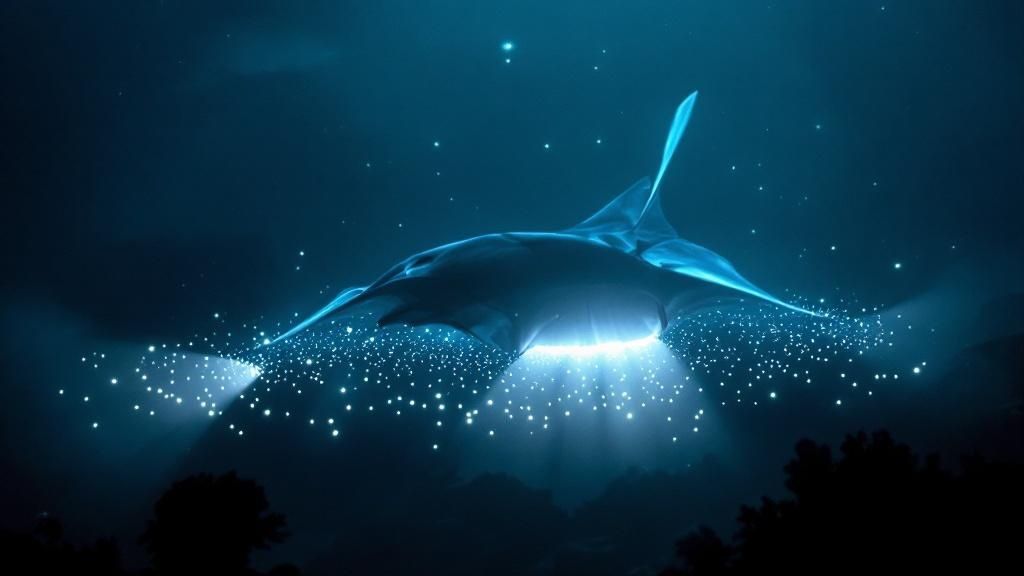
A little bit of prep work can make a world of difference between a good dive and an absolutely unforgettable one. When you're face-to-face with these gentle giants, the last thing you want to be thinking about is feeling chilly or wishing you'd brought a towel. This is your checklist for a perfect night out with the mantas.
Every trip kicks off with a detailed pre-dive briefing from your guide. They'll walk you through the plan for the evening, cover all the safety stuff, and—most importantly—explain how to interact respectfully with the manta rays. Pay close attention here; this is the key to making sure everyone, including the mantas, has a great and safe experience.
What to Bring and What to Expect
Any reputable operator, like us here at Kona Honu Divers, will have you covered with all the essential dive gear—wetsuits, lights, the works. That said, there are a few personal items you'll be glad you packed.
- Warm Layers: Even in paradise, the boat ride back to the harbor after a night dive can get surprisingly cool once the adrenaline wears off. A hoodie or a warm jacket is a game-changer.
- Towel: You'll definitely want a dry towel waiting for you when you climb back on board.
- Seasickness Medication: If you're even a little prone to motion sickness, it’s a good idea to take something before you leave the dock. The calmer your stomach, the more you can focus on the magic below.
The water in Kona stays pretty comfortable year-round, but you'll be stationary on the ocean floor for a while. That's why a good wetsuit is so important for keeping you warm and cozy throughout the dive. Your operator will make sure you get the right size.
The Golden Rules of Manta Interaction
The future of this incredible encounter rests on all of us being passive, respectful observers. It boils down to one simple principle: look, but don't touch. Touching a manta ray can strip away its protective mucous layer, which is like its immune system, leaving it vulnerable to infections.
By staying still and letting the mantas dictate the encounter, you allow for unbelievably close passes and natural behavior. Following these guidelines ensures this dive remains a safe and sustainable experience for both people and the manta population for generations to come.
Choosing a highly-rated, responsible operator is your best bet for an amazing and ethical trip. With a staggering 80–90% success rate for sightings, it's easy to see why around 80,000 visitors come to do this every single year. Kona really is the world's premier destination for manta encounters for a reason.
This bucket-list dive is just one of many incredible underwater adventures waiting for you here. To see what else the Big Island has to offer, you can dive the Big Island of Hawaii with Kona Honu Divers.
Capturing the Magic with Underwater Photography
Bringing a camera on the manta ray night dive in Kona is one of the best ways to turn an incredible experience into a memory you can relive forever. But let's be honest, shooting in the dark, underwater, with giant animals swooping overhead is a unique challenge. With the right gear and a few key techniques, though, you can walk away with some truly breathtaking images.
The biggest hurdle in night diving photography is light. Your camera’s built-in flash just isn't going to work here. All it will do is light up every tiny particle floating in the water right in front of your lens, creating a blizzard-like effect called backscatter. To get those clean, dramatic shots, you absolutely need external strobes or some powerful video lights. The trick is to position them away from your camera, lighting the mantas from the side. This makes them pop against the inky black water.
Camera Settings for Dark Water
You'll want to get your camera settings dialed in before you even think about hitting the water. While every setup is a bit different, this is a great starting point that works for most cameras:
- ISO: Start somewhere in the 400-800 range. This bumps up your camera's sensitivity to light without making your photos look too grainy or noisy.
- Aperture: Open up that aperture to let in more light. Something around f/8 is a good target. It also gives you a nice, shallow depth of field, which will keep the manta tack-sharp while subtly blurring the background.
- Shutter Speed: To freeze the mantas' fluid, gliding motion, you'll need a reasonably fast shutter speed. Aim for 1/125s or faster to avoid motion blur and keep your images crisp.
Composition and GoPro Tips
Think about your shot before the mantas arrive. One of the most classic and powerful compositions is to shoot upwards from below. By getting low to the sandy bottom, you can frame a manta's silhouette against the glow from the surface lights. It’s an iconic shot for a reason! Just get in position and wait for them to glide right over you.
Don't have a fancy camera rig? No problem. You can get absolutely epic footage with a GoPro. Just be sure to use a wide field of view to capture the sheer scale of the encounter. A red filter can also do wonders for bringing back the natural colors that get lost underwater. Most importantly, mount your GoPro on a stable tray with handles and a good video light—it’s the secret to getting smooth, well-lit clips instead of shaky, dark footage.
The real key is patience. Let the mantas come to you. If you stay still and just watch their patterns, you’ll find yourself in the perfect spot to capture that once-in-a-lifetime photo without disrupting their natural feeding.
To get a better idea of what to expect, take a look at our gallery and our complete guide to the manta ray night dive in Hawaii.
Exploring Other World-Class Kona Dives
While the manta ray night dive in Kona is the undeniable star, it’s not the only world-class act in town. Think of it as the can't-miss headliner of an epic diving festival—there are plenty of other incredible performances you won't want to miss.
The Big Island’s waters are teeming with life and dramatic geology. Daytime scuba diving in Kona is truly exceptional, offering up vibrant coral gardens, ancient lava tubes, and breathtaking underwater arches. These sites are home to a massive cast of characters, from sea turtles and dolphins to countless species of colorful tropical fish.
The Thrill of the Blackwater Dive
For a truly surreal adventure that rivals the manta dive for sheer uniqueness, you have to try the Kona blackwater dive. This is a whole different ballgame. It’s not a reef dive; it's a drift dive miles offshore in the deep, open ocean.
At night, you’re tethered to the boat, floating over thousands of feet of water. It’s here that the bizarre, bioluminescent creatures of the abyss ascend toward the surface. You'll come face-to-face with alien-like larval fish, translucent squids, and otherworldly jellies—animals you would never see on a regular dive. It’s a mesmerizing glimpse into a mysterious deep-sea world. You can get the full scoop on our Blackwater Dive tour page.
Deeper Dives for Experienced Divers
If you’re a certified diver looking to push your limits and explore more challenging environments, Kona has you covered. The island's dramatic underwater landscape serves up some fantastic opportunities for deeper exploration.
These advanced diving opportunities take you to more remote sites where you can explore intricate lava formations, potential shark nurseries, and pristine reefs that most divers never get to see. These charters are specifically for divers who are comfortable with deeper profiles and want to experience the wilder side of Kona’s underwater realm.
Frequently Asked Questions About the Manta Ray Dive
We get asked about the manta ray night dive in Kona all the time, and for good reason! It’s a once-in-a-lifetime experience, and it's natural to have questions. Here are some straight-up answers to help you feel totally prepared for this incredible adventure.
Is the Manta Ray Night Dive Safe
Absolutely. Your safety is the number one priority for any reputable dive operator in Kona. Every single trip is led by seasoned guides and divemasters who know these sites like the back of their hand.
The dive itself happens in a well-known, controlled spot. And the mantas? They're true gentle giants and couldn't care less about bothering humans.
What if I've Never Dived at Night Before
No problem at all! This isn't some deep, dark, scary dive. In fact, the whole experience is designed to be comfortable and exciting for divers of all levels, even if it's your first time in the water after sunset.
The dive site is brightly lit up by powerful lights, both from the boat and on the seafloor, so it feels more like an underwater stadium than a pitch-black ocean. Your guides will give you a detailed briefing beforehand and will be right there with you every step of the way.
How Close Will I Get to the Mantas
Get ready for some seriously close encounters. The trick is to stay still and just let the mantas do their thing. They'll glide within inches of you, often doing graceful barrel rolls right over your head as they scoop up plankton. It's a mesmerizing underwater ballet.
The most important rule is simple: never touch a manta ray. Their skin is covered in a protective slime coating that's vital to their health, and touching them can damage it. Just be a respectful observer, and you'll get the best show possible.
What Is the Best Time of Year for a Manta Dive
This is one of the best parts about diving in Kona—there is no "off-season" for mantas! We have a resident population of rays who live here year-round.
This means you can count on consistent sightings and super high success rates no matter when you plan your trip. For a deeper dive into what you should know about the Kona manta ray dive, check out our detailed guide.
Ready to see the underwater ballet for yourself? Kona Honu Divers offers a world-class, safe, and unforgettable experience.