
Picture this: an underwater ballet starring gentle giants with wingspans stretching up to 18 feet, gliding effortlessly through beams of light in the dark ocean. That’s the manta ray night dive in Kona. It’s consistently ranked as one of the most unforgettable underwater encounters on the planet, and for a good reason. You get to witness dozens of these massive creatures feeding on plankton, sometimes just inches from your face. It's an absolute must-do for anyone visiting the Big Island.
Your Guide to an Unforgettable Experience
Welcome to what is easily one of the most magical experiences you can have in the water. The Kona coast is famous worldwide as the spot for reliable, up-close encounters with majestic manta rays. This guide is here to get you ready for a night you'll be talking about for years. Just imagine floating in the calm, dark sea as these enormous, graceful animals perform a silent dance in the light—it’s a spectacle people often describe as totally surreal.
This isn't just a lucky sighting; it's one of the best night dives in the world. The unique ecosystem here on the Kona coast has created the perfect feeding ground, attracting a large, resident population of reef mantas. This means sighting rates are incredibly high, often topping 90%, making it one of the most dependable wildlife encounters you'll find anywhere.
What This Guide Covers
This article is your complete walkthrough for making the manta ray night dive in Kona a massive success. We’ll get into all the details you need to ensure your adventure is safe, respectful to the animals, and completely mind-blowing.
- Why Kona is the Manta Capital: We'll break down the specific reasons this one spot on the planet is a global hotspot for manta rays.
- Choosing Your Adventure: Diver or snorkeler? We'll lay out the differences between the two experiences so you can pick what’s right for your comfort level.
- A Step-by-Step Walkthrough: You’ll know exactly what to expect, from the moment you check in with your tour operator to the boat ride back under the stars.
- Meeting the Locals: Get a little introduction to the world of manta ray identification and some of the famous "local" mantas you might meet by name.
- Responsible Observation: Learn the critical rules for interacting with these protected animals. It’s all about keeping them—and this incredible experience—safe for years to come.
Whether you're a seasoned diver logging your hundredth dive or a first-time snorkeler, our goal is to get you fully prepped for an incredible evening with these gentle giants. For a really deep dive into what makes this trip so special, check out our full overview of the Kona manta ray night dive. Now, let's get you ready for the adventure of a lifetime.
Why Kona is the Premier Manta Ray Destination
So, what makes the Kona coast the undisputed global capital for manta ray encounters? It's not just a lucky break. We've got a perfect storm of biology, geography, and a little human ingenuity that has created one of the most reliable and breathtaking wildlife experiences on the planet.
Unlike a lot of marine animal sightings that depend on seasonal migrations, the manta rays here are residents. That means they live in these waters all year long, which is the secret ingredient to the world-famous manta ray night dive in Kona.
The entire spectacle pivots on a simple but brilliant idea we call the "manta campfire." Tour operators use powerful, eco-friendly underwater lights to attract microscopic organisms called plankton—the manta rays' favorite food.
As the plankton swarm toward the light, the mantas show up for their nightly buffet. This clever method transforms specific spots along the coast into dependable feeding stations, drawing the rays in like clockwork.
The Science of the Manta Campfire
The "campfire" analogy is spot on. Divers settle on the ocean floor, shining their lights upward. At the same time, snorkelers hold onto floating rafts with lights pointing down. This creates a concentrated column of light just teeming with plankton.
What happens next is pure magic: an underwater ballet. The rays glide effortlessly through the beams of light, performing graceful barrel rolls to scoop up mouthfuls of plankton. It’s an incredibly efficient feeding strategy they've learned to associate with the lights every single evening.
This unique interaction is a fantastic example of a symbiotic relationship between tourism and nature. By creating a reliable food source, operators ensure an unforgettable experience for guests while allowing the rays to feed safely and predictably.
Over the decades, this has evolved into a well-regulated ecotourism marvel. The entire Kona community, including top-tier operators like us at Kona Honu Divers, works together to make sure every interaction is safe and respectful, protecting this incredible manta population for generations to come.
Unmatched Sighting Success Rates
This brilliant setup is why the manta ray night dive in Kona has such an insanely high success rate. Because the mantas are locals and the feeding method is so effective, your chances of seeing them are through the roof.
Operators consistently report an 85-90% likelihood of encountering manta rays on any given night, with some nights hitting success rates over 95%. That's almost unheard of for wildlife encounters! It all comes down to the perfect conditions off the Kona coast, where abundant plankton are easily drawn to the dive lights, creating a feast the mantas can't resist.
This reliability turns what could be a hopeful glimpse into a near-guaranteed, mind-blowing experience. It’s this delicate and proven balance between nature and responsible tourism that allows this incredible interaction to thrive. You can learn more about why a manta ray dive should be on your list in our guide.
Ready to witness this natural wonder for yourself? Our award-winning manta ray dive and snorkel tours offer a front-row seat to one of the greatest shows on Earth.
Choosing Your Adventure: Scuba vs. Snorkel
One of the best things about the manta ray night dive in Kona is how accessible it is. You don't need to be a seasoned diver with years under your belt to see this spectacle. In fact, you don't need any dive experience at all.
This adventure is wide open for certified scuba divers and brand-new snorkelers alike. Each offers a completely different—but equally stunning—perspective of the action.
Your choice really boils down to your comfort in the water and what kind of view you're after. Both will get you breathtakingly close to the mantas, but where you are in the water column completely changes the experience. Let's break down the two options so you can pick the perfect one.
The Scuba Diver's Perspective
For certified divers, this is the front-row seat to an underwater ballet. You'll descend to the sandy bottom, usually at a mellow depth of 30 to 40 feet, and find your spot for the show. From here, you’re part of the seascape, looking up in total awe.
The divemasters will have everyone point their lights straight up, creating beams that act like a dinner bell for plankton. It's this unique vantage point that lets you see the mantas glide, swoop, and do barrel rolls just inches above your head. Watching these giants move with such grace from below is a powerful, humbling experience.
- Proximity: You're often just a few feet away—sometimes less—as the mantas feed right above you.
- Immersion: Being fully submerged on the ocean floor makes you feel like a quiet visitor in their world.
- Stability: Once you're settled, you just relax and watch. No swimming required, just steady, comfortable viewing.
If you’re already certified, this is an absolute can't-miss dive.
The Snorkeler's View from Above
Not a certified diver? No problem at all—the snorkeling view is just as mind-blowing. As a snorkeler, you'll float on the surface while holding onto a specially designed light board. This board shines powerful lights down into the water, attracting plankton to the surface and bringing the hungry mantas right up to you.
It's a true bird's-eye view. You get to watch the mantas appear from the dark depths, their white bellies glowing as they ascend. They'll swoop right up to the light board to feed, often coming within inches of the snorkelers before effortlessly diving back down. It's an incredibly dynamic and exhilarating way to be right in the middle of the feeding frenzy without ever leaving the surface.
The best part is how the two groups work together. The snorkelers' light board and the divers' lights on the seafloor create a massive column of light, attracting way more plankton—and a whole lot more manta rays—for everyone to enjoy.
When you book our 2-Tank Manta Dive & Snorkel tour, you're guaranteed a spot with a top-rated crew that puts safety and an unforgettable night first, no matter which option you choose.
Ultimately, both experiences are magical. It just comes down to your personal preference: do you want to be on the ocean floor looking up, or at the shimmering surface looking down?
What to Expect on Your Manta Ray Tour
Knowing what your manta ray adventure will look like from start to finish helps build the excitement and calm any nerves. The entire experience is a well-orchestrated ballet, designed for maximum safety, comfort, and, of course, unforgettable manta encounters.
Here’s a step-by-step walkthrough of what a typical evening with a professional crew like Kona Honu Divers feels like.
Your journey kicks off the moment you arrive at the harbor. You’ll be greeted by our crew—a friendly, professional bunch who are just as pumped about the night's potential as you are. This is the perfect time to ask any last-minute questions and get to know the team leading your adventure.
Once everyone’s checked in, you'll hop on board and find a comfortable spot. Before we even think about leaving the harbor, the crew will run through a comprehensive safety briefing. Pay close attention here; it's one of the most important parts of the tour. We'll cover everything from boat safety to the specific rules for interacting with the mantas, making sure everyone knows how to be a responsible guest in their world.
The Journey to the Dive Site
With the briefing done, we head out to one of Kona's world-famous manta sites. This boat ride is an experience in itself. As we cruise along the stunning Kona coast, you’ll get a front-row seat to a spectacular Hawaiian sunset painting the sky. It’s the perfect, serene warm-up for the main event.
During the ride, the crew will get you kitted out with all the gear. Whether you're diving or snorkeling, we provide high-quality, well-maintained equipment, including wetsuits to keep you warm and comfortable after the sun goes down. Our guides will make sure everything fits just right so you feel completely confident.
The professionalism and expertise of the crew really can't be overstated. From the captain at the helm to the divemasters in the water, their number one priority is your safety and respecting the marine life. Their passion for the ocean is absolutely infectious.
Here at Kona Honu Divers, our crew has guided thousands of people through this incredible experience. Their deep knowledge of the local environment and manta behavior means you are in the best possible hands.
The Main Event Begins
As dusk settles in, we arrive at the site. The crew gets to work setting up the lights—either a large floating light raft for snorkelers or individual lights for divers. Once the "manta campfire" is lit and everything is in place, it's time to hit the water. The entry is calm and organized, with guides helping every single guest to ensure it's a smooth transition.
Once you're in the water, you'll get into position:
- Divers: You'll descend to a designated spot on the sandy ocean floor, arrange yourselves in a semi-circle, and shine your lights upward.
- Snorkelers: You'll hold onto a custom-built light board, floating comfortably on the surface and looking down into the illuminated water.
And then, the magic begins. Plankton swarm to the lights, and the first mantas appear, gliding out of the darkness. They'll start their mesmerizing, looping dance, swooping and barrel-rolling right through the light beams to feed. It’s a silent, graceful, and utterly breathtaking show happening just feet, and sometimes inches, away from you. For a closer look at one of our main spots, learn more about the manta ray night dive in Kailua-Kona.
After about 45 minutes of pure awe, the crew will help everyone back onto the boat for a peaceful ride back to the harbor under a sky full of stars.
Meet the Famous Kona Manta Ray Residents
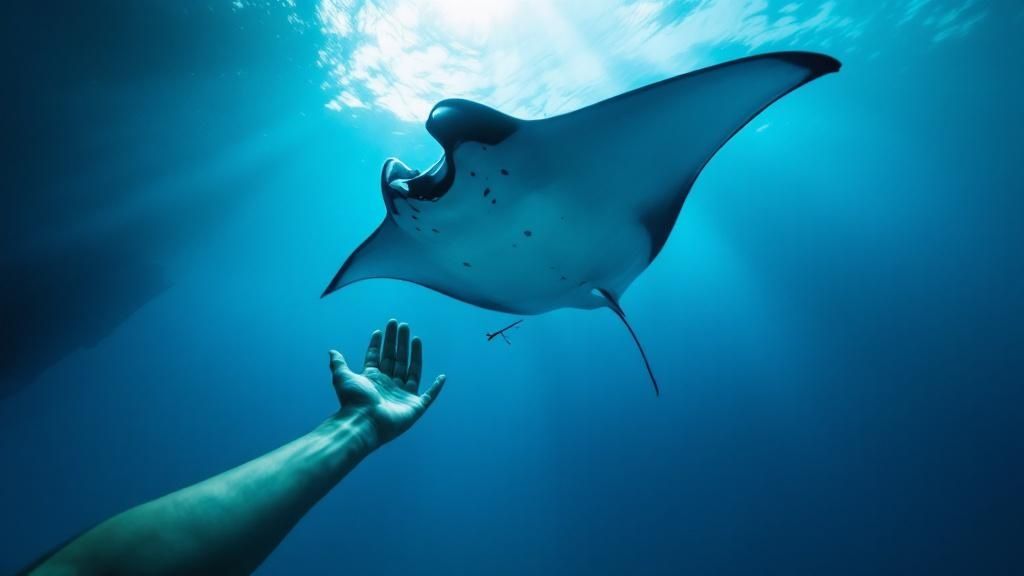
The real magic of the manta ray night dive in Kona isn't just seeing these incredible animals. It's about meeting them. The rays that show up every night aren't just a random, passing crowd; many are long-time residents with names, personalities, and life stories we've been following for decades.
This simple fact changes everything. Your dive goes from a cool wildlife sighting to something much more personal. You're not just looking at a species; you’re being introduced to a whole community of individuals.
How is this even possible? It all comes down to a fascinating biological quirk. The pattern of spots on a manta ray's belly is completely unique, just like a human fingerprint. No two mantas in the entire world share the same pattern of dark spots on their white undersides.
How We Know Who's Who
This built-in nametag is what allows local researchers, conservationists, and seasoned divemasters to identify and track specific mantas over their entire lives. When a new manta shows up, we get a clear photograph of its belly—an "ID shot." That picture is then checked against a massive database of every known individual in Kona.
If it's a new face in the crowd, the manta gets a name and officially joins the family. This process has helped us build an amazing catalog of our resident population.
It's a huge collaborative effort between dedicated tour operators like us here at Kona Honu Divers and various research organizations. Our guides aren't just safety experts; they're skilled manta identifiers. They can often point out a specific ray by name as it glides overhead, adding a whole new layer of wonder to the experience. It's one thing to see a manta; it's another to have your guide signal that the giant swooping above you is "Lefty" or "Big Bertha."
Hearing the stories behind the names makes the dive so much more personal. You might learn about a manta who survived a shark encounter, a female who has been visiting this exact spot for over 20 years, or a playful juvenile just figuring out the nightly feeding ballet.
This ability to recognize individuals is why Kona has become a global hub for manta ray research and responsible ecotourism. Local experts can track nearly 200 distinct manta rays that call these waters home year-round. While a typical night might bring around 20 mantas to the lights, some truly epic evenings have seen as many as 36 individuals recorded on a single dive!
This detailed tracking is crucial for conservation, helping us understand and protect this precious population for the long haul. You can learn even more about Kona's unique manta population on uwphotographyguide.com.
Meeting the Local Celebrities
Over the years, certain mantas have become local celebrities, famous for their unique behaviors or distinct physical traits. Some are named for the shapes of their spots, others after important people in the community who have helped protect them.
Here are a few of the personalities you might encounter:
- The Veteran: An older, massive manta who's been a regular for decades. They carry a calm, confident presence that you can feel in the water.
- The Acrobatic Youth: A smaller, more energetic ray known for pulling off fast, playful barrel rolls and making curious passes by the snorkelers.
- The Survivor: A manta with visible scars from a past injury—a powerful reminder of just how resilient these incredible animals are.
This deep, personal connection is what makes the Kona experience so unforgettable. It elevates the dive from a spectacle to a reunion, creating a profound sense of respect and a powerful motivation to protect them.
Ready to meet these gentle giants for yourself? Join us for an unforgettable night on our manta ray dive and snorkel tours and let our expert guides introduce you to the family.
How to Be a Responsible Manta Ray Observer
Sharing the water with wild animals as magnificent as manta rays is a privilege, and it comes with a big responsibility. To keep the manta ray night dive in Kona a sustainable and jaw-dropping experience for years to come, every single one of us has to be a respectful guest in their world.
The whole encounter is designed around a simple but crucial idea: passive observation. We're just visitors here. The most incredible, up-close interactions happen when the mantas feel totally safe and decide to approach the lights on their own terms. When you follow a few key guidelines, you're directly helping protect Kona's beloved resident manta population.
These rules aren't just for the animals' well-being; they're for your safety, too. A calm, predictable environment makes sure everyone—human and manta alike—has an unforgettable night.
The Golden Rules of Manta Interaction
The number one rule is simple: look, but don't touch. Manta rays have a special mucus layer covering their skin that acts like a shield against infection. Touching them can strip away this protective coating, leaving them vulnerable to diseases. To keep everyone safe, dive operators are extremely strict about these rules.
- No Touching: Seriously, this is the big one. Never, ever touch, pet, or try to ride a manta ray.
- Don't Chase: Let the mantas come to you. Chasing after them only causes stress and will probably scare them away from the area.
- Hold Your Spot: Whether you're a diver on the ocean floor or a snorkeler floating at the surface, stay in your assigned position. This creates predictable "swim lanes" for the mantas to glide through as they feed.
- Give Them Space: Always give the mantas the right of way. These are huge animals, and getting in their way can cause confusion or even a collision.
When you stick to these guidelines, you become a key player in conservation. Your respectful behavior ensures this incredible natural ballet can continue to thrive and wow visitors for generations.
Your Role in the Water
Once you're in position, your job is to be as still and quiet as a stone. Try to avoid any sudden movements or splashing, which can easily startle the rays. If you're diving, be mindful of your bubbles and try not to exhale directly into a manta's face as it glides overhead. For a more complete picture of what to expect, check out our guide on what you should know about the manta ray dive in Kona.
At the end of the day, being a responsible observer just means respecting the mantas' space and letting them be in charge of the interaction. When you follow these simple rules, your reward is an authentic, breathtaking show of nature at its finest—and a memory that will stick with you for a lifetime.
Your Manta Ray Night Dive Questions, Answered
Planning a trip to see Kona's famous manta rays is an exciting time, but you've probably got a few questions buzzing around. It's totally normal. To help you get ready for this once-in-a-lifetime adventure, we've put together answers to the most common things people ask.
Do I Have to Be a Scuba Diver to Do This?
Nope! This is probably the biggest myth out there. Snorkeling is just as incredible and, honestly, one of the most popular ways to see the mantas do their thing.
As a snorkeler, you'll float on the surface holding onto a big light board. This light attracts plankton, and the mantas come right up to feed, giving you a perfect bird's-eye view of the show. It's spectacular.
Of course, if you are a certified diver, seeing these gentle giants glide inches above your head from the ocean floor is a perspective you'll never forget. This is just one of many amazing opportunities for scuba diving Kona, Hawaii.
Is It Safe to Be in the Water With Manta Rays at Night?
Yes, this whole experience is incredibly safe. The crews that run these tours are seasoned professionals. Manta rays are called "gentle giants" for a reason—they have no teeth, no stingers, and no barbs. They are completely uninterested in humans and are just there for the plankton buffet.
Every tour, including ours at Kona Honu Divers, starts with a thorough safety briefing before you even touch the water. Our guides are in the water with you the entire time, making sure everything goes smoothly so you can just relax and enjoy the magic.
What's the Best Time of Year to See Mantas in Kona?
Here's the best part: there is no "off-season." Our local reef manta rays live here year-round and don't migrate.
That means you have an excellent chance of a fantastic encounter no matter when you visit the Big Island. Sighting rates are consistently high all year long, so just book it for whenever works for you.
Where Does This Manta Ray Dive Actually Happen?
This experience is a massive deal for local tourism, drawing about 80,000 people every single year. The action primarily happens at two main spots along the Kona coast:
- Garden Eel Cove (Manta Heaven): Located to the north, this spot often attracts larger groups of mantas and is a fan favorite.
- Keauhou Bay (Manta Village): This southern site is known for its calmer waters, making it a great choice if it's your first time.
Want to get a bit more detail on what makes each location special? You can learn more about Kona's manta dive sites here. The absolute best way to see it all is by booking with a top-rated crew that knows these waters inside and out.
Here at Kona Honu Divers, our whole mission is to give you a safe, respectful, and totally unforgettable night with these majestic creatures. Come join our expert team for a front-row seat to one of the greatest shows on Earth. Book your manta ray dive tour with us today!