
Picture this: you slip into the warm, dark Pacific Ocean as the sun disappears, your dive light cutting through the twilight. Then, out of the deep blue, they materialize—enormous, gentle manta rays with wingspans that can stretch wider than a car, gliding through the water like underwater acrobats. The manta ray night dive in Kailua Kona is a truly surreal experience, and for good reason, it's often called one of the best night dives in the world.
Experience Kona’s Legendary Underwater Ballet
There’s a reason this particular adventure brings people from all over the globe to Hawaii's Big Island. It’s that rare mix of a nearly guaranteed wildlife sighting and pure, unfiltered awe. While many wildlife tours are a roll of the dice, the Kona manta ray dive boasts a success rate that consistently tops 90%.
This isn't by chance; it’s based on a brilliantly simple idea. Dive operators set up what we affectionately call an "underwater campfire." A powerful array of lights gets placed on the ocean floor, which illuminates the water and attracts swarms of plankton—the manta rays' favorite meal.
The Underwater Stage Is Set
As a diver, you get a front-row seat to the show. You’ll settle onto the sandy bottom, usually around 30-40 feet deep, and point your dive light straight up. All of our lights together create an irresistible plankton buffet that the mantas simply can't ignore.
The feeling is a blend of exhilarating and incredibly peaceful. One minute you're watching the light beams dance in the dark water, and the next, a massive, graceful creature is soaring just inches over your head. They perform effortless barrel rolls and looping turns, gulping down the plankton in a silent, mesmerizing ballet. You aren't just watching them; you're part of their world.
You can dive deeper into the specifics of the Big Island manta ray night dive in our dedicated guide.
Why Kona Honu Divers Is Your Premier Guide
For an experience this magical, your guide matters. Kona Honu Divers has earned a reputation as a top-tier operator because we are absolutely committed to safety, marine conservation, and making sure you have an unforgettable night.
Our expert crew gives detailed briefings so everyone knows how to interact with these gentle giants respectfully. We put your safety and the mantas' well-being first, following strict guidelines to protect this amazing marine habitat. With great gear and a team that genuinely loves what they do, we're here to make your underwater journey perfect.
What to Expect During Your Manta Ray Dive
So, you're ready for the manta ray night dive in Kailua Kona? From the moment you arrive, the whole experience is designed to be as seamless as it is spectacular. It all kicks off with a warm welcome and a really important pre-dive briefing from your guides.
Reputable companies like Kona Honu Divers make sure you know exactly what’s happening. They'll walk you through fascinating details about manta ray behavior and, most importantly, the safety protocols for a night dive. You’ll learn the number one rule of this experience: look, but don't touch. The guides will explain how touching a manta can damage its protective mucous coating, which is like our skin, leaving it open to infection.
Gearing Up For The Show
Once the briefing wraps up, it's time to get your gear on. Whether you're renting top-notch equipment or using your own tried-and-true kit, the crew is right there to help you get everything adjusted and working perfectly. After a final check, you'll board the boat and head out to one of Kona's world-famous manta sites.
The boat ride itself is part of the magic. As you cruise along the gorgeous Kona coast, you’ll be treated to a classic Hawaiian sunset that sets the sky ablaze with color. The anticipation really starts to build as the sun disappears and the crew gets the boat ready for your nighttime adventure. That first moment you slide into the warm, dark ocean is a thrill you won't soon forget.
The Underwater 'Campfire' Awaits
After descending, your guide will lead you to a specific spot on the sandy ocean floor, usually at a comfortable depth of 30 to 40 feet. This is where you'll join the other divers, arranging yourselves in a semi-circle around a powerful central light source that we call the 'campfire'. This light is the key to everything.
You and your group will kneel or lie flat on the sand, pointing your own dive lights straight up. The combined beams of light create a massive, glowing column that attracts a cloud of plankton—the tiny organisms that mantas love to eat. Essentially, you’re helping to create the ultimate all-you-can-eat buffet.
The show really starts when the first manta appears. One minute you're just watching the plankton dance in your light beam, and the next, a huge, graceful shadow emerges from the darkness, gliding right toward you. It's a breathtaking, heart-stopping moment that will stick with you forever.
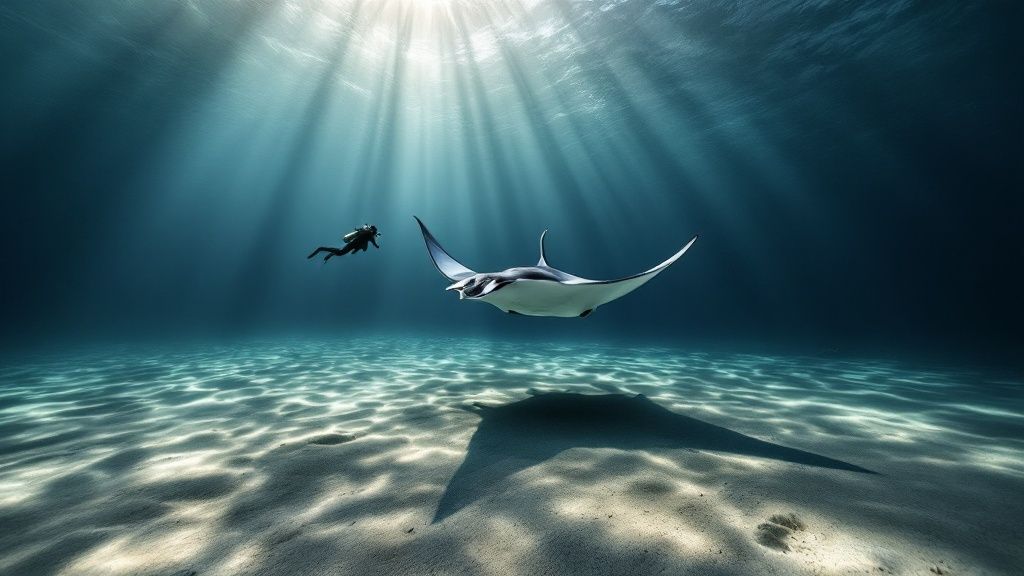
These gentle giants soar directly overhead, often coming within inches as they perform elegant barrel rolls to scoop up their dinner. It's a silent, mesmerizing underwater ballet that's both powerful and humbling. You'll spend about 45 minutes completely captivated before heading back to the boat, filled with a new sense of wonder. To get a feel for the experience, check out this first-hand account of what it’s like to go on the manta ray dive.
The absolute best way to witness this natural marvel is on the Two-Tank Manta Ray Dive Tour with an experienced, trusted operator.
Choosing Your Ideal Manta Ray Dive Site In Kona
So, you're ready to take the plunge on a manta ray night dive in Kailua Kona? Awesome. The first thing you'll discover is that you have a choice to make. Kona is home to two world-famous manta spots, and each one offers a completely different vibe.
Picking the right one really comes down to what you're looking for in an experience. Are you hoping for the biggest possible crowd of mantas, or are you prioritizing calm, easy conditions? Knowing the difference is key to making sure your night is everything you dreamed it would be.
Garden Eel Cove (The Manta Heaven)
Just north of town, near the airport, you’ll find Garden Eel Cove. The local dive community has a nickname for it: "Manta Heaven." And for good reason. This spot is legendary for attracting huge groups of manta rays—we’re talking double digits on a good night.
If your number one goal is to see a true manta spectacle with the highest potential numbers, this is where you want to be. The trade-off? It's more exposed to the open ocean, so conditions can get a bit sporty with more surge and swell.
This makes it a fantastic choice for more seasoned divers or anyone who doesn't mind a bit of a bumpy boat ride. For many, the thrill of seeing a dozen mantas swooping and barrel-rolling through the light beams is worth every second of it.
Keauhou Bay (The Manta Village)
Head south of Kona, and you'll find "Manta Village" nestled in the protected waters of Keauhou Bay. This is the original site, the place where it all began, and it's known for being incredibly calm and sheltered.
Because it's tucked inside a bay, the water is usually smooth as glass. This makes it the perfect spot for first-time night divers, families, or anyone who even thinks they might get seasick. The boat ride is also much shorter if you're leaving from Keauhou Harbor.
While you might see slightly smaller groups of mantas here compared to Manta Heaven, the experience is just as magical. The serene, calm setting lets you relax and just soak in the beauty of the moment.
No matter which site you choose, you’re in for a treat. The Big Island’s manta ray night dive is one of the most reliable wildlife encounters on the planet, drawing about 80,000 participants every year. On an average night, you'll be in the water at a depth of about 30 feet with around five mantas gracefully dancing around you. You can learn more about what makes this so unforgettable by checking out this deep dive into Kona's manta ray encounters.
To make the decision a little easier, let's break down the two premier spots for your manta ray night dive in Kailua Kona side-by-side.
Comparing Kona's Premier Manta Ray Dive Sites
Deciding between Garden Eel Cove and Keauhou Bay can feel like a tough choice, but this table lays out the key differences to help you find the perfect fit for your adventure.
| Feature | Garden Eel Cove (Manta Heaven) | Keauhou Bay (Manta Village) |
|---|---|---|
| Location | North of Kailua-Kona (near the airport) | South of Kailua-Kona (in a sheltered bay) |
| Typical Conditions | Can be rougher with more surge and open ocean swell. | Very calm and protected, ideal for all experience levels. |
| Potential Manta Numbers | Often attracts larger groups, sometimes 10+ mantas. | Consistently high sightings, but often with smaller groups. |
| Best For | Experienced divers and those seeking the highest number of mantas. | Beginners, snorkelers, families, and those prone to seasickness. |
| Accessibility | Longer boat ride from Honokohau Harbor. | Shorter boat ride from Keauhou Bay Harbor. |
Ultimately, there's no wrong answer here. Both sites offer a truly world-class experience. Your choice simply allows you to tailor the night to your personal comfort level and what you hope to see.
Selecting The Best Kona Dive Operator For Your Trip
Choosing the right guide for your manta ray night dive in Kailua Kona is every bit as important as picking the right day. Your operator is the one who ultimately shapes your experience, and their choices directly impact your safety, comfort, and the ethical integrity of the whole encounter. A truly great company doesn't just ferry you out to see the mantas; they turn it into an awe-inspiring, educational adventure.
This is where a crew like ours at Kona Honu Divers makes all the difference. We’ve built our reputation on a seasoned crew, an absolute commitment to marine conservation, and an excellent safety record. We're here to make sure your dive is both magical and responsible, prioritizing the well-being of the mantas and their home above everything else.
What To Look For In A Dive Company
When you start looking at different operators, a few key things should jump out at you. These are the details that separate an average trip from an exceptional one.
- Guide-to-Diver Ratio: A smaller ratio is always better. It means more personal attention, a safer and more manageable group, and a far more intimate viewing experience for everyone involved.
- Boat Comfort and Safety: Pay attention to the boat itself. A well-maintained, custom dive boat with perks like hot showers, snacks, and plenty of space makes the whole trip more enjoyable.
- Educational Briefing: A top-notch operator gives you a briefing that's both thorough and genuinely interesting. You should walk away knowing about manta ray biology, their behavior, and why respectful, passive observation is so important.
One of the biggest tells of a responsible operator is how closely they follow established conservation standards. Before you ever put your money down, you should feel empowered to ask some tough questions.
Asking The Right Questions Before You Book
Don't be shy! Asking a few specific questions can reveal a company's real commitment to protecting the incredible animals you're there to see.
A great place to start is, "Do you participate in manta ray conservation efforts?" This one question tells you a lot about their values. You should also ask about their policy on touching marine life. The only acceptable answer is a strict, non-negotiable no-touch policy. Touching a manta ray can strip away its protective mucus layer, making it vulnerable to dangerous infections.
A truly ethical operator won't just tell you not to touch the mantas—they'll explain why. They see themselves as guardians of the reef, and they take that role seriously by educating divers and fostering a deeper respect for the entire marine ecosystem.
Kona Honu Divers has spent years building a reputation for this level of care. You can see what fellow divers have to say about their experiences with us below. For a more detailed guide, check out our article on how to choose a Kona dive shop.
When you choose an operator that puts education and conservation first, you're doing more than just booking a tour—you're becoming a partner in protecting Kona's manta ray population for years to come. Booking with a trusted, highly-rated company like Kona Honu Divers is your best bet for a manta ray night dive tour that is safe, ethical, and absolutely unforgettable.
Meet The Famous Resident Manta Rays Of Kona
When you slip into the water for a manta ray night dive in Kailua Kona, you're not just hoping for a random encounter. You're actually meeting the locals—a well-known and studied group of manta rays who call this coastline home.
Think of it like this: each manta has a unique pattern of spots on its belly, just like a human fingerprint. This allows local researchers and dive guides to tell them apart, track their lives, and even give them names. So, you might find yourself swimming alongside local celebrities like "Big Bertha," "Lefty," or "Amanda Ray."
A Deeply Personal Connection
This simple act of naming them changes everything. The experience transforms from just observing wildlife to being properly introduced to an individual with a known history and personality.
Your guide might point to a specific ray and share stories about it—how old it is, a funny quirk it has, or where it's been seen before. Suddenly, you’re not just looking at a manta ray; you’re meeting a recognized member of the Kona family.
The Science Of The Kona Manta Population
Being able to identify individual mantas is more than just a cool party trick; it's a cornerstone of their conservation. It allows scientists and conservation groups to monitor their health, track their movements, and understand the population as a whole. This is critical work for ensuring these gentle giants are around for generations.
Here in Kailua Kona, we have a recognized population of nearly 200 individually identified manta rays. This is why the experience is so consistent—the dive operators know the "regulars." On truly incredible nights, divers have seen as many as 36 mantas show up at once! You can learn more about the fascinating science of Kona’s manta rays.
This incredible ecological knowledge is funded, in part, by you. When you choose a responsible tour operator, you're directly supporting the research and protection efforts for these amazing animals. Your dive isn't just a thrilling adventure; it’s an active contribution to marine conservation.
Knowing the names and stories of the mantas you meet adds a layer of connection that stays with you long after you've dried off. It's this unique aspect that makes the manta ray night dive in Kailua Kona so much more than just a tour—it's an unforgettable, personal encounter.
Why The Kona Manta Dive Is So Reliable
So, what’s the secret behind the legendary success of the manta ray night dive in Kailua Kona? Unlike so many wildlife encounters that are a complete roll of the dice, this one is practically a sure thing. It's a unique combination of science, geography, and a clever bit of human ingenuity that creates an unforgettable show nearly every night.
It all starts with the Kona coast itself. The shoreline is dotted with calm, sheltered bays, naturally protected from the powerful open ocean currents. When the sun goes down, these bays become a massive, all-you-can-eat buffet for plankton, the manta rays' favorite meal. The mantas have been coming to these same dinner spots for generations—they simply know where the food is.
Perfect Conditions for Everyone
This natural phenomenon is just one piece of the puzzle. The dive itself is perfectly set up for both the mantas and the divers. You'll be in relatively shallow water, typically just 30 to 40 feet deep, which is fantastic news for a few reasons.
- It makes the dive accessible and comfortable, even for newer divers.
- You get much longer bottom times, meaning more time watching the mantas and less time staring at your air gauge.
The numbers really speak for themselves. The success rate for seeing mantas on this dive is astonishing, consistently landing somewhere between 85% and over 95%. Think about that—it's almost unheard of in the world of wildlife tourism. We're talking about a local population of over 450 identified rays, with some sporting massive 12-foot wingspans. The odds are definitely on your side. If you're curious, you can learn more about what makes the Kona manta ray night dive a sure bet.
When you put it all together—the predictable feeding habits, the perfect underwater geography, and the proven lighting method that attracts the plankton—you get a wildlife experience that feels almost orchestrated. Booking this trip isn’t a gamble; it’s an investment in a memory you’ll have for the rest of your life.
Got Questions About the Manta Dive? We’ve Got Answers.
It's completely normal to have a few questions before diving into an adventure like the manta ray night dive in Kailua-Kona. Getting the details sorted out ahead of time means you can relax and just enjoy the show. Here are the answers to the most common questions we hear.
Do I Need to Be Scuba Certified to See the Mantas?
Nope, not at all! While scuba divers get an incredible view from the seafloor looking up, snorkelers have an equally spectacular, up-close-and-personal experience.
Most tours have a custom-built light board that floats on the surface. Snorkelers hold onto this board, which shines powerful lights into the water below. This light attracts the plankton, and the plankton, in turn, brings the manta rays right up to feed just inches from your face. It's a fantastic option for families and groups with mixed experience levels. Top-tier operators like Kona Honu Divers run boats that accommodate both divers and snorkelers, so everyone can go together.
What Should I Pack for the Trip?
Packing is easy for this one. The most important things are a towel and a set of warm, dry clothes to change into afterward. Even on a warm Hawaiian evening, the boat ride back can feel brisk once you're out of the water.
Your tour operator will provide all the necessary gear (wetsuits, masks, fins, etc.), but feel free to bring your own if you have it and prefer it. An underwater camera is a great idea, but remember that flash photography is a no-go as it can disturb the rays. And a pro tip: if you're even a little prone to motion sickness, take your preferred remedy well before the boat leaves the dock.
Is the Manta Ray Night Dive Safe?
Absolutely. When you go with a professional and reputable company, this experience is incredibly safe. Manta rays are known as "gentle giants" for good reason—they are filter feeders that are only interested in tiny plankton. They have no teeth, no stingers, and no barbs.
Your safety is the crew's number one job. Before you even get in the water, you'll receive a detailed safety briefing. The divemasters and guides manage the entire experience, from getting you in and out of the water to monitoring ocean conditions. It's a very controlled and well-managed activity designed to be safe for both you and the mantas.
What if the Manta Rays Don't Show Up?
It's a valid question—these are wild animals, after all! But the good news is that the manta ray night dive in Kailua-Kona has a success rate that consistently stays above 90%. It's one of the most reliable marine life encounters in the world.
In the rare event that the mantas decide not to come out and play, nearly every reputable company has a "manta guarantee." This usually means you can come back another night for free (standby basis, depending on availability). This policy shows just how confident the operators are that you'll see mantas. Just make sure to ask about the specific guarantee when you book.
Ready for an experience you'll never forget? Let the professionals at Kona Honu Divers guide you. Check out our famous manta ray dive and snorkel tours and prepare for the underwater ballet of a lifetime.