
Picture this: you're floating in the warm, dark Pacific waters off the Big Island's coast. Suddenly, a giant, gentle creature with a wingspan wider than a car glides silently past, barrel-rolling just inches from your face. This isn't a scene from a nature documentary. This is the world-famous manta ray night dive in Kailua Kona, an experience that consistently tops the charts as one of the planet's most incredible underwater adventures.
This is more than just a dive; it's a front-row seat to one of nature's most spectacular performances.
Witness Kona's Famous Underwater Ballet
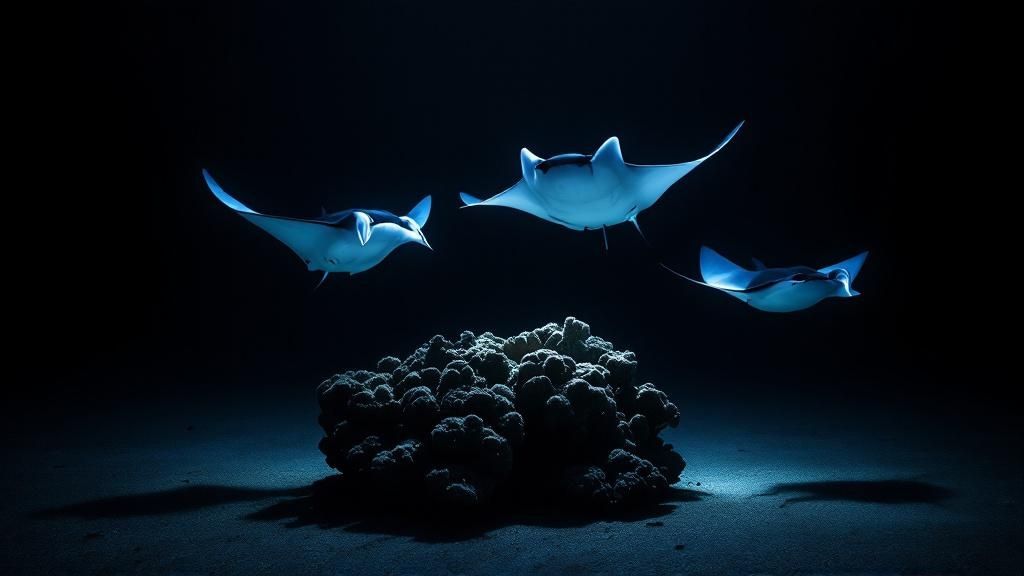
The whole thing is pure magic, often described as an aquatic ballet. It all starts when the dive crew submerges powerful lights, creating what we call an underwater "campfire" on the ocean floor. This light is irresistible to the local plankton, which are the manta rays' favorite meal.
What happens next is something you'll never forget. Drawn in by the massive plankton buffet, majestic manta rays arrive for dinner. They swoop, glide, and perform effortless barrel rolls right through the beams of light, filtering the tiny organisms from the water with their huge mouths. It's a breathtaking, silent dance.
One of the best parts is how accessible this incredible encounter is for both certified scuba divers and snorkelers. Divers hang out on the sandy bottom, looking up as these giants soar just overhead. At the same time, snorkelers float on the surface, enjoying a stunning bird's-eye view of the entire show. Everyone gets a front-row seat to the action.
To give you a clearer picture, here’s a quick rundown of what to expect from this unforgettable night out.
Kona Manta Ray Night Dive at a Glance
This table breaks down the key details of a typical Manta Ray Night Dive experience in Kailua-Kona.
| Metric | Details |
|---|---|
| Sighting Success Rate | Over 95% |
| Typical Depth | 30 to 40 feet (shallow and manageable) |
| Water Time | 45 to 60 minutes |
| Average Wingspan | 8 to 12+ feet |
| Annual Participants | Approximately 80,000 people |
| Best For | Certified divers and snorkelers |
As you can see, the numbers speak for themselves. This isn't some hit-or-miss wildlife tour; it's a reliable, world-class experience.
Why This Dive is So Reliable
So, what makes the Kona dive so dependable? It's all about the local residents. The manta ray population here is large and, crucially, non-migratory. They live here year-round, which is why operators can boast a sighting success rate of over 95%. It's not uncommon to see a half-dozen or more mantas on a single trip.
The dive itself is also very manageable. We're in shallow water, usually only 30 to 40 feet deep, and you get about 45 to 60 minutes in the water to soak it all in. There's plenty of time to watch the show unfold.
You can learn more about what makes this a must-do adventure and check out our full guide to the manta ray night dive in Kailua-Kona.
So, you're ready to take the plunge—literally—on a manta ray night dive in Kailua Kona. Now comes the fun part: choosing where you'll have this incredible encounter. It's a bigger decision than you might think, and it'll shape your whole experience.
Not all manta sites are created equal. The two go-to spots are Garden Eel Cove and Keauhou Bay, and they each have their own distinct personality.
Think of it like choosing between a wild, high-energy concert in an open-air stadium and an intimate acoustic show in a cozy theater. Both are amazing, but the vibe is completely different. Which one you pick really comes down to your comfort level in the water and the kind of adventure you're after.
The Wild Frontier: Garden Eel Cove
Just north of town, near the airport, you'll find the spot locals and longtime divers call "Manta Heaven." And for good reason. Garden Eel Cove often attracts huge groups of manta rays. If you're dreaming of a whirlwind of giant, graceful shadows looping and feeding all at once, this is usually your best bet.
The trade-off for this mind-blowing spectacle? This site is more exposed to the open ocean. That can mean choppier conditions on the surface, making it a better fit for more confident divers or anyone who doesn't get seasick easily. It's a truly wild, unpredictable encounter out on the frontier.
The Calm Amphitheater: Keauhou Bay
Head south of Kona, and you'll find Keauhou Bay, affectionately known as "Manta Village." This spot is tucked into a much more protected bay, which means you can pretty much count on calm, sheltered water. It’s the perfect underwater amphitheater for a serene and reliable show.
This spot is a fantastic choice for a few key reasons:
- Great for Beginners: Its calm nature makes it absolutely ideal for new divers, snorkelers, and families with kids.
- Seasickness-Friendly: The boat ride is shorter, and the protected water dramatically cuts down the chances of feeling queasy.
- Super Reliable: While you might see slightly fewer mantas at once compared to Garden Eel Cove, the encounters here are incredibly consistent, night after night.
These two spots, Garden Eel Cove and Keauhou Bay, are the heart and soul of Kona's manta ray dives. The choice between the wilder, sometimes more crowded show at Garden Eel Cove and the calmer, more intimate setting of Keauhou Bay is what allows dive operators to cater to every skill level, making this adventure accessible to people from all over the world. You can get even more details on these incredible Kona manta dive sites.
Ultimately, you can't go wrong. Both locations offer breathtaking, up-close moments with Kona's gentle giants. Picking the right one just ensures you'll be comfortable, relaxed, and able to soak in every second of a truly once-in-a-lifetime experience.
What to Expect on Your Dive Tour
So, what’s an evening with these gentle giants really like? From the moment you show up at the dock, your manta ray night dive in Kailua Kona is a full-blown adventure, meticulously planned to give you the most time in the water with these amazing creatures.
It all kicks off when you meet the crew from a top-notch operator like Kona Honu Divers. They'll get you sorted with all the right gear, making sure your wetsuit and mask are a perfect fit. Then comes the most important part: a thorough safety briefing where they’ll walk you through the plan for the night and lay down the golden rules for hanging out with manta rays.
The Journey to the Dive Site
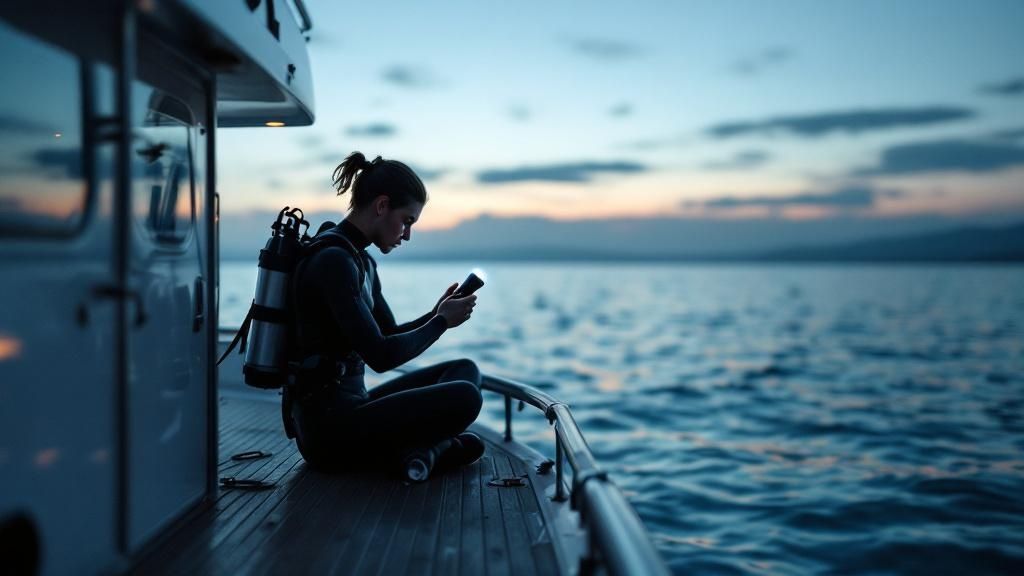
Once everyone is geared up and ready, it’s time to hop on the boat. The ride out along the Kona coast is part of the magic itself. You get to watch the sun melt into the horizon, lighting up the sky with insane colors. It’s the perfect, peaceful start to the underwater show you're about to witness.
When you arrive at the spot, the crew springs into action to set up what’s affectionately known as the "campfire." This is the key to the whole operation: a rig of powerful underwater lights. These lights are like a magnet for tiny plankton, creating a glowing, all-you-can-eat buffet for the mantas.
The Main Event Unfolds
With the dinner bell rung, it's your turn to slip into the water. Divers head down to the sandy bottom, around 35 feet, and find a spot to settle in and aim their lights up. If you're snorkeling, you'll hang out comfortably on the surface, holding onto a big, lit-up raft that also helps draw in the plankton.
And then it happens. Out of the dark, the manta rays appear. They glide into the light like silent bombers, performing these incredible, graceful barrel rolls and somersaults to scoop up the plankton-filled water.
It's absolutely mesmerizing. They swoop just inches over the divers' heads and right below the snorkelers. The whole time, professional divemasters are right there in the water with you, keeping everyone safe and pointing out cool behaviors or even identifying individual mantas they know by name.
After what feels like both a lifetime and no time at all, you'll climb back onto the boat. Usually, there are warm drinks and snacks waiting to welcome you back—the perfect end to the ride back to shore. It's a completely seamless experience, which is why it’s one of the most popular manta ray dive tours you can find.
How to Prepare for Your Manta Adventure
A little prep work goes a long way in making your manta ray night dive in Kailua Kona a smooth, safe, and truly unforgettable experience. When you're prepared, you can just relax and soak in the underwater ballet happening right in front of you.
The secret to staying comfortable is layers. The Hawaiian air is beautiful and warm, but it can get surprisingly chilly on the boat ride back, especially after you’ve been in the water. A simple windbreaker or a cozy sweatshirt to pull on over your swimsuit will make all the difference.
What to Bring on the Boat
It’s not just about what you wear. Tossing a few key items into a small bag will ensure you’re set for the entire evening, from the trip out to the triumphant, buzzing-with-excitement ride back to shore.
- Towel and a Change of Clothes: You’ll be so happy to have something warm and dry to change into after the dive. Trust me on this one.
- Reef-Safe Sunscreen: If your tour heads out before the sun goes down, slather this on. It protects you and it protects Kona's fragile coral reefs.
- Seasickness Medication: Prone to motion sickness? Don't let it ruin your night. Taking something about an hour before departure can be a game-changer. The calmer your stomach, the more you can enjoy the show.
To make sure you don't forget anything, we've put together a handy checklist. Run through this before you head to the harbor, and you'll be ready for an incredible evening.
Manta Ray Dive Preparation Checklist
Use this checklist to ensure you have everything you need for a successful and comfortable manta ray night dive.
| Item | Why You Need It | Notes |
|---|---|---|
| Swimsuit | Wear it under your clothes for an easy transition into your wetsuit. | Most guests arrive already wearing theirs. |
| Towel | To dry off after the dive/snorkel. The boat ride back can be cool. | A quick-dry travel towel is perfect. |
| Dry Clothes/Jacket | For warmth and comfort on the return trip. | A hoodie or windbreaker is ideal. |
| Reef-Safe Sunscreen | For pre-sunset tours to protect your skin and the ocean. | Apply at least 20 minutes before getting in the water. |
| Seasickness Meds | To prevent motion sickness if you're susceptible. | Take 1 hour before departure for best results. |
| Reusable Water Bottle | Staying hydrated is always a good idea. | Most tour boats have a water cooler for refills. |
| Waterproof Camera | To capture the incredible moments. | Make sure it has a good low-light setting and is fully charged! |
| Gratuity for the Crew | To show appreciation for your guides and captain. | Cash is usually easiest. |
Having these items packed and ready means less scrambling and more time enjoying the anticipation of meeting Kona's famous mantas.
Manta Interaction Rules: The Dos and Don'ts
Seeing these gentle giants is a massive privilege, and it’s on us to interact responsibly to keep them safe. Your guides will go over all of this on the boat, but it’s great to have it in your head beforehand.
The single most important rule of any manta ray encounter is to never, ever touch them. Mantas have a special mucus coating on their skin that protects them from nasty bacteria. Our touch can rub this layer off, leaving them vulnerable to infections.
Here are the other core rules to follow:
- Look, Don't Touch: This is their world, we're just visiting. Let the mantas call the shots. Just float calmly and watch them glide and barrel-roll around you.
- Hold Your Position: If you're diving, stay on or near the sandy bottom. If you're snorkeling, stay flat on the surface. This keeps the water column wide open for the mantas to do their thing.
- Mind Your Bubbles: For scuba divers, try to time your breathing so you aren’t exhaling right as a manta passes overhead. A face full of bubbles isn’t pleasant for anyone, mantas included.
One last tip for certified divers: if it's been a while since your last dive, doing a quick refresher dive is a brilliant idea. It helps you dial in your buoyancy and get reacquainted with your gear, so you'll feel confident and relaxed for the main event.
Getting ready is simple, but it’s the foundation for an incredible adventure with Kona’s majestic manta rays. For a full list of available manta ray dive tours, check out what we offer.
The Science and Conservation Behind the Magic
That incredible show you witness on the manta ray night dive in Kailua Kona isn't just a happy accident. It’s so much more than that. It’s actually a living, breathing example of how tourism and marine conservation can work hand-in-hand. The magic is built on a solid foundation of science and a deep respect for these animals.
The whole thing hinges on a fascinating fact: every single manta ray has a unique pattern of black spots on its white belly. It’s just like a human fingerprint—no two are the same, and they don't change over the manta's lifetime. For years, local researchers and seasoned dive guides have been meticulously photographing these spot patterns, creating a massive catalog of our local manta population.
Thanks to this, we can identify hundreds of individual rays by name. This transforms a simple wildlife sighting into a visit with old friends. Your guide might point out a regular like "Big Bertha" or "Lefty," sharing stories about their quirks and where they've been spotted before.
Understanding Manta Behavior
This personal ID system is the key to understanding the health and habits of Kona's resident mantas. One of the most important things we've learned is about site fidelity—a fancy term for the amazing tendency these mantas have to return to the same feeding spots, night after night.
It’s not random. They’ve learned that our dive lights create a reliable, all-you-can-eat plankton buffet. They simply know where to show up for a guaranteed meal.
Ongoing monitoring has given us priceless data. Local experts have identified nearly 200 individual mantas just from their belly markings. On a really good night, you might see more than 20 manta rays swirling around the lights. The local record is a mind-blowing 36 individuals on a single dive! Tracking these numbers helps us manage the dives responsibly, ensuring we balance an amazing experience for you with the long-term well-being of the mantas.
How Your Dive Supports Conservation
Here’s the best part: when you choose a reputable tour operator, you’re not just a spectator—you’re an active participant in conservation.
A portion of your ticket price goes directly toward funding the research that protects these gentle giants. It's a perfect, self-sustaining cycle. The lights attract the plankton, the plankton attracts the mantas, and the mantas attract visitors whose presence helps fund the science needed to keep this entire ecosystem thriving.
This powerful relationship ensures the underwater ballet in Kailua-Kona will be here for generations to come. Speaking of planning, you might want to check out our guide on the best time of year to see manta rays in Kona.
Got Questions About the Manta Ray Night Dive? We’ve Got Answers.
It's totally normal to have a few questions before you book something this epic. Getting the full picture beforehand is the best way to feel confident and ready to jump in the water for the adventure of a lifetime.
We get asked a lot of the same things by people gearing up for their first manta encounter, so we’ve put together the answers to the most common questions right here.
Do I Need to Be Scuba Certified to See the Manta Rays?
Nope, and that's one of the best parts! This experience is incredible for everyone, whether you're a seasoned diver or have never worn a mask before.
Certified divers get a killer view from the ocean floor, looking up as the mantas swoop and glide overhead. But snorkelers get an equally mind-blowing perspective from the surface. You'll hold onto a big, custom-made float board that has bright lights shining down into the water. These lights are like a dinner bell, attracting tiny plankton, and the mantas follow right behind, barrel-rolling just inches beneath you. It’s a perfect bird's-eye view of the whole underwater ballet.
Is the Manta Ray Night Dive Safe?
Absolutely. When you go out with a professional, safety-conscious crew, this is considered an extremely safe tour. Manta rays are true gentle giants of the ocean. They don't have teeth, stingers, or barbs—they're just massive filter feeders completely uninterested in humans.
The biggest safety rule is simple: don't touch the mantas. Touching them can rub off the protective mucous coating on their skin, leaving them vulnerable to infection. Every reputable tour starts with a thorough safety briefing, and the guides—like our highly-trained crew at Kona Honu Divers—are in the water with you the whole time to make sure everyone (mantas included) has a safe and amazing time.
What Is the Best Time of Year to Go?
Here’s the fantastic news: there's no bad time to see the mantas in Kona. We have a resident population here, which means they don't migrate away. They're here every single night, all year long. That's why the sighting success rate is consistently sky-high, often over 95%.
While the mantas are always here, your personal preference might sway you:
- Summer (May-September): This time of year usually brings the calmest seas and warmest weather. Perfect for those postcard-worthy Hawaiian nights.
- Winter (December-March): This is humpback whale season! You might get the incredible bonus of hearing whale songs underwater during your dive or even spotting them on the boat ride out.
No matter when you visit, you're in for a magical encounter. If you want to dive a little deeper, check out our article on why you should go on a manta ray dive in Kona.
What Other Unique Diving Can I Do in Kona?
Kona is an absolute playground for divers, with something for every skill level and interest. After you've had your mind blown by the mantas, there's so much more to see.
Ready for another surreal nighttime adventure? The Kona Blackwater Dive is a must-do. You drift over deep ocean water in the dark, watching the weird and wonderful creatures that migrate toward the surface from the abyss. It's like floating through outer space.
For experienced divers looking for a daytime thrill, our advanced dive tours will take you through dramatic lava tubes, around deep-water pinnacles, and along stunning underwater cliffs. And of course, there are endless pristine reefs to explore on all of our amazing Kona scuba diving tours.
Ready to see the underwater ballet for yourself? Kona Honu Divers runs the premier manta ray dive and snorkel tour that you'll be talking about for years. Book your spot and get ready for an unforgettable night!