
Imagine this: you're floating in the warm Hawaiian ocean at night, and massive, gentle shadows glide just inches above your head. It's like watching an underwater ballet. This is the magic of the Manta Ray Night Dive in Kailua Kona, and it's an experience that finds its way onto bucket lists all over the world. This guide is here to walk you through everything you need to know about this absolutely unforgettable Big Island adventure.
Your Guide to the Kailua Kona Manta Ray Night Dive
We're going to get into why Kona is the place on the planet for seeing mantas up close and personal. We’ll also introduce you to the experience we offer here at Kona Honu Divers, where our whole mission is built around safety and protecting our amazing marine life. There's just something special about the Kona coast that makes it the most reliable spot on Earth to see this incredible show night after night.
The whole thing feels almost surreal. Once the sun goes down, powerful lights are set up to create an underwater stage, which draws in clouds of plankton. It doesn't take long for the stars of the show to arrive—giant manta rays, some with wingspans stretching over 12 feet, show up for their nightly buffet.
They perform these graceful barrel rolls and loop-the-loops, often coming within inches of you. It's a peaceful, totally mesmerizing display that puts you face-to-face with one of the ocean's most majestic creatures. You can learn more about what makes the Kona manta ray night dive so unique in our detailed overview.
But don't just take our word for it. Here's what people who have just done the dive are saying about their trips with Kona Honu Divers:
Think of this as your complete roadmap to seeing one of nature's greatest spectacles for yourself. We'll cover it all, from the best dive sites to exactly what you can expect from start to finish. Let's dive in.
Why Kona is a Global Manta Ray Hotspot
So, what makes Kailua-Kona the single most reliable place on the entire planet to see manta rays? It’s not just luck. It’s a perfect storm of unique underwater geography and a surprisingly simple, human-led strategy that creates a dependable show almost every single night.
The Big Island’s coastline, shaped by ancient lava flows, has created underwater shelves that are natural feeding grounds for these gentle giants. But the real magic starts when the sun goes down. This is where local dive operators got creative. They figured out how to create what we call a ‘manta campfire’ by shining powerful, eco-friendly lights into the water, either from the boats or from the seafloor.
Think of these lights like a giant dinner bell for the entire marine food web. The bright beams attract massive swarms of plankton, which are the manta rays' absolute favorite meal. This all-you-can-eat plankton buffet draws the mantas in from all over, kicking off a breathtaking feeding frenzy right in front of your mask.
A Reliable Natural Encounter
This clever setup has created a fantastic relationship between us and the mantas. It lets us get incredibly close and have consistent sightings night after night, all without bothering their natural behavior. It's why the Kona Manta Ray Night Dive is famous worldwide, with a sighting success rate that’s often over 90%.
That incredible reliability is thanks to a healthy local manta population of more than 450 identified individuals that come back to these feeding sites regularly. The dives are usually kept shallow, around 30 to 40 feet, which means divers get plenty of bottom time to just hang out and watch the show unfold.
This consistency is what cements Kailua-Kona's reputation as the world's best spot for manta encounters. It’s not just another dive—it’s a front-row seat to one of nature’s most graceful ballets.
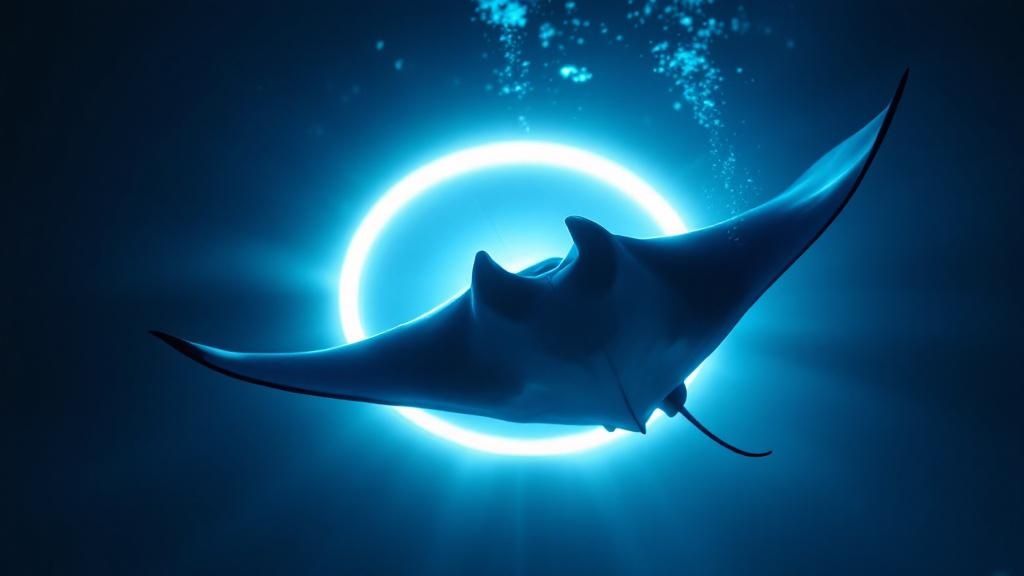
It's hard to grasp their size until you're there. Many of the mantas we see have wingspans over 12 feet wide, creating a massive, awe-inspiring shadow as they glide right over your head.
Why This Dive is So Special
The sheer reliability and the up-close-and-personal nature of the encounters are what really set the manta ray night dive in Kailua Kona apart from anywhere else. While you might see mantas at cleaning stations in other parts of the world, Kona is unique because these are dedicated feeding stations. This makes the experience far more dynamic and exciting.
It's an accessible dive for all skill levels and a true bucket-list adventure. If you're still on the fence, you should check out our guide on why you should go on a manta ray dive in Kona.
Choosing the Best Kona Manta Ray Dive Site
So, you're ready for your manta ray night dive in Kailua Kona. Awesome. Your next big decision is picking the right spot. Here in Kona, we're lucky to have two world-class locations where the magic happens, but they each have their own personality.
Choosing the right stage for this incredible underwater show comes down to what you're looking for in an adventure. The two main players are Garden Eel Cove, which we call "Manta Heaven," and Keauhou Bay, affectionately known as "Manta Village." Let's break them down.
Garden Eel Cove The Manta Heaven
Just north of Kailua-Kona, near the airport, Garden Eel Cove absolutely lives up to its heavenly nickname. This spot is famous for consistently attracting a higher number of manta rays. It's not out of the ordinary to see a half-dozen or more of these gentle giants putting on their graceful feeding ballet.
Seeing that many mantas at once is a truly mind-blowing spectacle. The trade-off? Its location is a bit more exposed, meaning the boat ride can sometimes be choppy. If you're sensitive to motion, that's something to keep in mind. The good news is that once you're underwater, the dive site itself is much more protected, giving you a stable and amazing front-row seat.
Keauhou Bay The Manta Village
Head south of town and you'll find Keauhou Bay, which offers a totally different vibe. This site is tucked into a sheltered cove, making for consistently calmer waters. This makes "Manta Village" a fantastic choice for a few different groups:
- First-time night divers who want a gentle introduction to diving after dark.
- Families with younger snorkelers who will feel more comfortable on the calm surface.
- Anyone prone to seasickness who'd rather not deal with a rocking boat.
You might see slightly fewer mantas here compared to Manta Heaven, but the encounters are just as up-close, personal, and awe-inspiring. You're basically trading a potentially higher manta count for a more serene and predictable environment.
Kona Manta Ray Dive Sites Compared
To make it even easier, here’s a quick side-by-side look at the two locations. Both are amazing, but this should help you pinpoint which one is the perfect fit for your trip.
| Feature | Garden Eel Cove (Manta Heaven) | Keauhou Bay (Manta Village) |
|---|---|---|
| Location | North of Kona town (near the airport) | South of Kona town |
| Water Conditions | More exposed; can be choppy on the surface | Sheltered cove; consistently calmer waters |
| Manta Ray Sightings | Higher average number; often 5+ mantas | Very consistent sightings, sometimes fewer mantas |
| Best For | Adventurous divers seeking maximum manta action | First-timers, families, and those prone to seasickness |
| Vibe | High-energy, spectacular underwater ballet | Calm, serene, and intimate encounters |
Ultimately, you can't go wrong. Both Kailua Kona manta ray night dive sites are phenomenal and offer one of the most remarkable wildlife encounters on the planet. Garden Eel Cove often puts on a bigger show, while Keauhou Bay provides a calmer, more relaxed experience. If you want to dig even deeper, you can learn more about Kona's top manta dive sites to lock in your decision.
Ready to book your front-row seat?
Your Manta Ray Night Dive Experience Step by Step
So you’ve booked the tour. What actually happens on a manta ray night dive in Kailua Kona? Let's walk you through the whole evening, from the moment you step on the boat to the final, breathtaking encounter.
The adventure kicks off with a laid-back check-in at Honokohau Marina. Once you're aboard one of our custom dive boats, you can feel the energy start to build. We head out toward the dive site just as the sun dips low, painting the Kona coastline in gold—it’s the perfect opening act for the main event.
On the way, our crew will run through a detailed boat and dive briefing. We cover everything you need to know to have a safe, comfortable, and absolutely unforgettable time in the water.
Entering the Underwater Theater
When we get to the site, it’s time to gear up. As the last bit of daylight disappears, you'll take that big stride off the boat and into the warm, dark Pacific.
Scuba divers make a nice, slow descent to the sandy bottom, which is usually around 30-40 feet deep. Down there, we gather around our underwater "campfire"—a set of powerful lights pointing straight up to attract the plankton. All you have to do is find a good spot, settle in, and wait for the show.
For our snorkelers, the view from the top is just as spectacular. You'll float at the surface holding onto our custom-made light board. Not only does it keep you stable, but its bright lights also create another plankton buffet, drawing the mantas right up to you.
The Main Event: The Manta Ballet
And then it happens. The first massive, shadowy shape glides into the light. It's a moment that will honestly take your breath away. Attracted by the thick clouds of plankton, the manta rays begin their mesmerizing underwater ballet.
They perform these beautiful, slow-motion barrel rolls and effortless loops, sometimes coming within inches of you as they scoop up their dinner. It's a completely silent, peaceful world down there. The only sound is your own breathing (or the soft splash of water for snorkelers) while these giants dance in the light beams. It’s a powerful experience, connecting you with one of the ocean's most incredible animals.
One thing we’re serious about is our 'no touching' rule. Manta rays are covered in a protective mucus layer, and a simple touch from a human hand can damage it, leaving them open to infection. We are there to watch, and we let the mantas run the show.
This look-but-don't-touch approach keeps the experience safe for the mantas and ensures they’ll be here for years to come. Ready to see the ballet for yourself? You can book your manta ray dive tour and grab your front-row seat.
How to Prepare for Your Manta Dive
A little bit of prep goes a long way in making your manta ray night dive in Kailua Kona as epic as possible. If you think ahead just a little, you can spend less time worrying about the small stuff and more time soaking in that incredible underwater ballet.
First up, let's talk about what to bring. After you get out of the water, that warm Hawaiian air can suddenly feel pretty chilly on the boat ride back to the harbor. Packing a dry towel and a warm jacket or sweatshirt is a pro move. Trust me, you'll be glad you have it.
Also, if you're someone who gets a little queasy on boats, don't let that ruin your night. It’s a smart idea to take an over-the-counter motion sickness remedy before you even step on board. A simple thing like that can make all the difference, letting you enjoy every single moment.
Certification and Experience Levels
One of the coolest things about this whole experience is how accessible it is. You really don't have to be some seasoned expert to witness the magic.
- For Scuba Divers: All you need is your Open Water Diver certification. The dive itself is pretty shallow and straightforward, which actually makes it a fantastic and unforgettable first night dive for a lot of people.
- For Snorkelers: Absolutely no experience is needed! If you're comfortable in the water, you're good to go. You'll hang out on the surface, holding onto a specially designed light board that gives you a perfect bird's-eye view of the show below.
Sustainable Tourism Your Choice Matters
Choosing the right tour operator isn't just about having a good time—it’s about protecting the mantas so people can keep enjoying this for years to come. We can't stress this enough: book with a company on the "Manta Ray Green List." It's a stamp of approval that shows they're committed to responsible and sustainable practices.
Kona Honu Divers is a proud Green List operator. When you dive with us, you're directly supporting conservation and making sure your encounter is respectful to these gentle giants. Our entire operation is built around their well-being.
This commitment is crucial for the long-term health of Kona's manta population. When you pick an operator who puts the animals first, your amazing adventure becomes a positive force for marine conservation.
Meet Kona’s Famous Manta Rays
Here's something you might not realize: the giants you meet on a manta ray night dive in Kailua Kona aren't strangers. They're locals. This is a well-known, well-studied community, and every single manta has its own name and story. Knowing this changes the whole experience from just watching animals to truly meeting individuals.
So, how do we tell them apart? Researchers and our divemasters identify each manta by the unique spot patterns on their bellies. Think of it like a human fingerprint. These markings let us track their health, where they go, and how they behave, sometimes for decades!
Thanks to all this research, we've gotten to know a whole cast of local celebrities. On your dive, you'll probably hear your guide call out names of iconic residents like "Big Bertha" or "Lefty," famous for their impressive size, distinct personalities, or just for being regulars at the nightly buffet.
From Tourist to Citizen Scientist
Every time you join a manta dive, you're doing more than just having an incredible adventure—you're actually part of the research. Your trip helps fund the data collection that is absolutely crucial for protecting these animals.
The detailed logs from these dives give us priceless information. For example, data showed that some of the "Top 20" most-seen mantas show up on over 75% of the nights they were tracked! These aren't random encounters; they're reliable visits. You can dive deeper into these fascinating sighting statistics and what they mean for conservation if you're curious.
By simply showing up for a dive, you become a citizen scientist. You're helping us monitor the health and habits of this amazing population, directly contributing to their protection for years to come.
It adds a whole new layer to the dive when you realize you're swimming with specific individuals that have known histories. We talk a lot more about what it's like to go on the manta ray dive in our detailed guide.
Frequently Asked Questions About the Kona Manta Dive
We get these questions all the time, so we put together some quick, straightforward answers to help you plan your manta ray night dive in Kailua Kona. This should clear up any lingering questions and get you ready for the experience of a lifetime.
Is Swimming with Manta Rays Safe?
Absolutely! Manta rays are total gentle giants. Unlike their stingray cousins, mantas don't have stingers or barbs on their tails—not even a little one.
They are filter feeders, meaning they're only interested in the tiny plankton in the water, not people. It's honestly one of the safest and most mind-blowing wildlife encounters you can have in the ocean.
Do I Need to Be a Certified Diver?
If you want to go scuba diving, then yes, you’ll need to be at least a certified Open Water Diver. The good news is you don't need any prior night diving experience to join.
But if you're not certified, don't sweat it! The snorkel option is just as incredible and gives you an amazing bird's-eye view of the whole show from the surface.
What if No Mantas Show Up?
It's rare, but it can happen. Manta sightings in Kona are incredibly reliable, with most operators boasting a 90% or higher success rate. Still, these are wild animals with their own plans.
That’s why most reputable companies offer a "manta guarantee." If you get unlucky and don't see any mantas, they'll let you rebook for another night, free of charge. It’s always a good idea to schedule your dive early in your trip, just in case you need to use that second chance.
Can I Touch a Manta Ray?
Nope, and this is a big one. It's so important that you don't. Manta rays have a special protective mucus layer on their skin that acts like a shield against infections.
Touching them, even gently, can rub off this coating and make them vulnerable to disease. The rule is simple: look, but don't touch. Just kick back and let these magnificent creatures put on their ballet for you.
Ready to book your own unforgettable adventure?
At Kona Honu Divers, we are all about providing a safe, respectful, and absolutely breathtaking experience. Book your manta ray dive tour with us today and come see the magic for yourself.