
You drop below the surface off Kona after sunset, settle into position, and watch your light catch the first movement above you. A reef manta glides into the glow, turns on one wingtip, opens its mouth to feed, and passes so close you can see the shape of its gills before it circles back again. That first pass is why manta ray diving in Hawaii stays with people for years.
What makes this experience special is not just the animal. It is the setting, the discipline of the dive, and the consistency Kona has built a reputation for over time. Mantas are not hunted down here. Divers and snorkelers gather around a controlled light source, plankton collects in the water column, and the rays come in to feed on their own terms. The result feels less like a wildlife chase and more like being allowed into an active feeding station.
That difference matters.
A lot of bucket-list marine encounters depend on luck, long searches, or a brief sighting in poor conditions. Kona's manta dives are more reliable than that, which is one reason so many divers researching whether Kona is good for scuba diving end up putting this night dive at the top of the list. The site, crew, and briefing still shape the quality of the night. Good operators keep the experience calm, organized, and safe, which gives the mantas room to behave naturally and gives divers a much better view.
From a guide's perspective, that is the appeal. You are not racing through the dark hoping to spot one animal. You are settling in for a close, extended encounter with some of the most graceful marine life in Hawaii. Done well, it is quiet, controlled, and unforgettable.
An Underwater Ballet An Introduction to Manta Ray Diving
The first thing most divers remember isn't the boat ride or the briefing. It's the moment they settle in, stop finning, and realize something huge is gliding inches above the light beam. The manta ray night dive feels less like a chase and more like being invited into a performance that was already happening before you arrived.
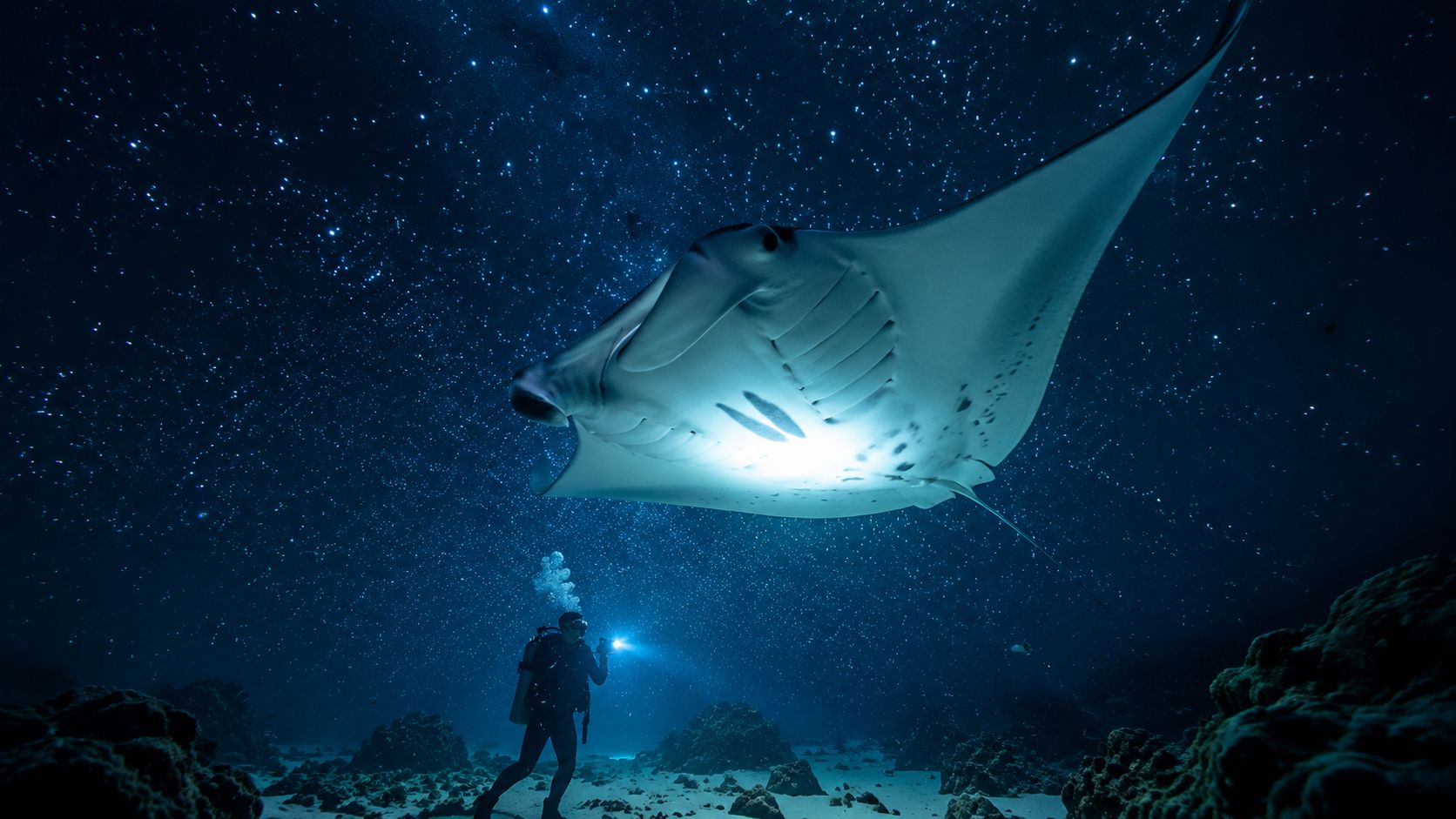
Kona has earned its reputation because this isn't a rare lucky-night event. The manta ray night dive at Kona, Hawaii, is globally renowned for its exceptional consistency, with an average of six reef mantas sighted on most nights, a record encounter of 36 mantas in a single event, and sightings on over 80% of nights at the primary sites, making it one of the most reliable viewing locations on the planet, according to this Kona manta dive overview.
That reliability changes the whole feel of the trip. You're not boarding with the sense that maybe something might happen. You're heading out to one of the most dependable wildlife encounters in Hawaii.
What makes this dive different
A lot of bucket-list dives are built around hunting for a brief sighting. Manta diving in Kona works differently.
- You stay put: Divers usually settle in one viewing area rather than chasing animals around the reef.
- The mantas come to the light: Plankton gathers in the illuminated water, and the mantas follow the food.
- The action happens overhead: That gives you a clean, theatrical view instead of a fast pass in the distance.
Practical rule: The less you try to force the experience, the better it gets. Calm divers see more.
That's the appeal. It's dramatic without being frantic, exciting without being technical, and memorable even for people who don't usually love night diving. Done well, it feels safe, controlled, and full of wonder.
Why Kona Is the World Capital for Manta Encounters
You leave Honokohau after sunset, the water is often still manageable even after a full day on the ocean, and within a short run you are setting up for one of the most dependable big-animal encounters in diving. That combination is rare. Kona has the animals, the access, and the operating history to make manta diving work night after night.
Kona's west side is protected from the prevailing trade winds by the mass of the Big Island. That shelter gives operators more usable evenings than many exposed coasts, especially in summer, and it is one reason manta diving became established here instead of somewhere else in Hawaii. The mantas also have a steady food source. Plankton gathers along this coast, and resident reef mantas return to known feeding areas often enough that crews can plan around patterns instead of pure luck.
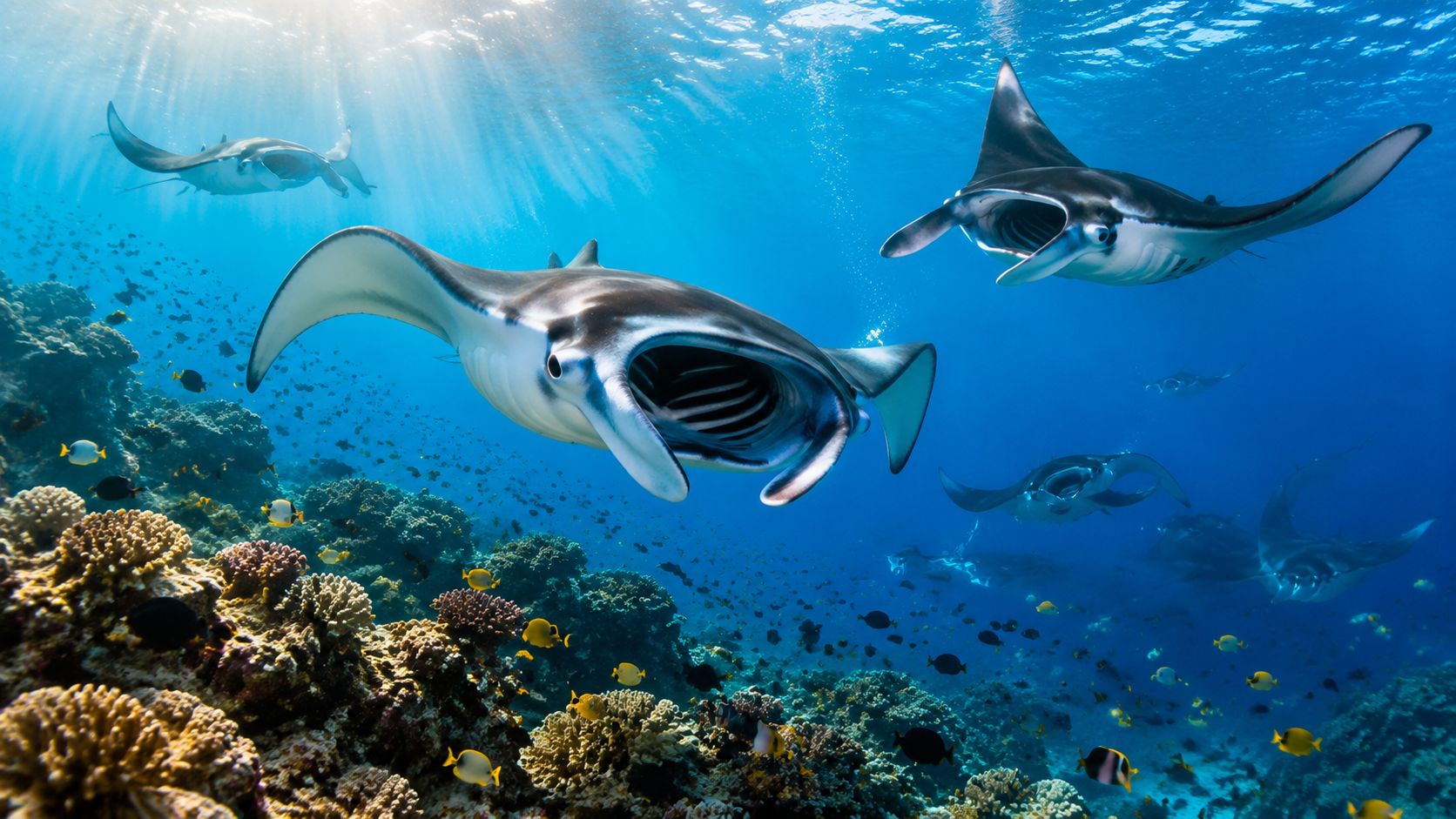
The two sites divers hear about most are Manta Village and Manta Heaven, also called Garden Eel Cove. Both helped build Kona's reputation. They do not feel the same in the water.
That difference matters.
At a glance, Kona stands out for a few practical reasons:
| Factor | Why it matters |
|---|---|
| Sheltered leeward coast | More nights with workable ocean conditions |
| Resident manta population | No need to plan around a short migration season |
| Predictable feeding sites | Crews can brief, position, and supervise the dive more effectively |
| Recreational depth profile | Strong intermediate divers and many newer night divers can do it comfortably |
| Experienced local operators | Better briefings, tighter in-water control, and more respectful wildlife interactions |
The coast's reputation is not built on one lucky season. Hawaii's tourism agency notes that manta ray night snorkeling and diving are among the signature wildlife activities on the Kona coast, reflecting how established and consistently available the experience has become for visitors to the island. If you are deciding whether the Big Island deserves more than a single manta outing, this guide on whether Kona is good for scuba diving lays out why many divers turn one night dive into a full Kona trip.
From an operator's side, Kona also works because logistics are straightforward. Boat runs are relatively short from the harbor, the sites are well known, and crews have refined the same core procedures over years of repetition. That does not make the dive casual. It makes it controlled, which is exactly what you want on a night wildlife dive.
Kona Honu Divers builds on that advantage with fast boats, thorough briefings, and crew teams that know how to keep groups calm and well positioned without turning the encounter into chaos. For guests, that usually means less wasted motion, less confusion after dark, and more time watching mantas feed overhead.
Kona became the world capital for manta encounters because the setting supports reliability, and good operators turn that reliability into a safe, repeatable experience. Garden Eel Cove shows that especially well.
The Manta Ray Night Dive Experience Explained
A good manta trip feels organized from the start. You check in, get fitted if needed, listen carefully to the briefing, and head out before full darkness. On many trips, the evening includes a twilight reef dive first. That first dive does more than fill time. It lets you settle your breathing, confirm weighting, and get comfortable in the water before the main event.
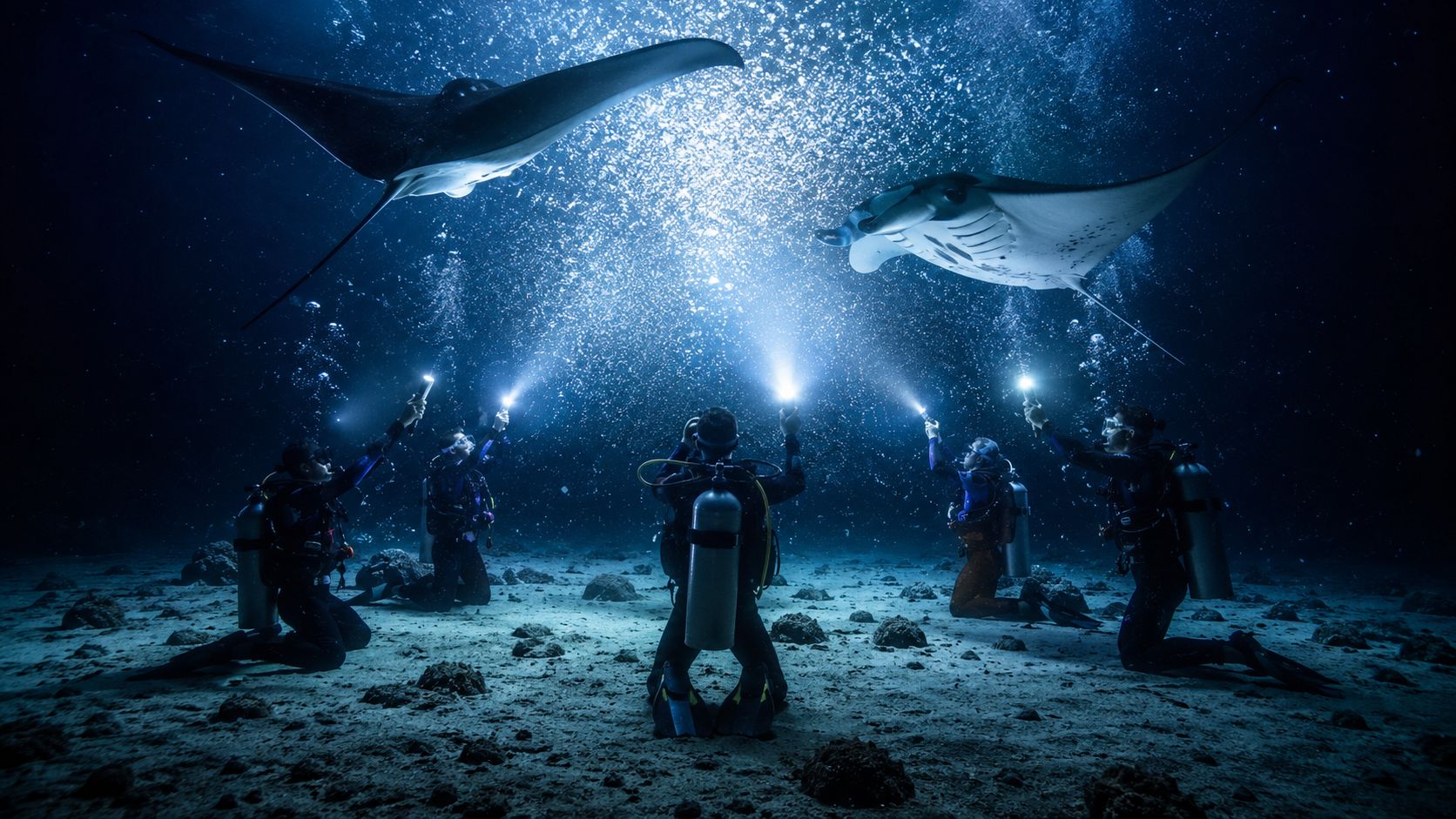
By the time the second dive begins, the site is dark and the setup becomes the star. Powerful lights shine upward and create the glowing plankton field that brings the mantas in. The Kona manta ray night dive features 10 to 14 foot wingspan reef manta rays feeding on plankton attracted by those lights, and encounters typically last 45 to 60 minutes from a shallow sandy bottom at 35 feet, where divers can watch feeding loops and barrel rolls, as described in this account of the Kona manta night dive.
If you want a snorkel-focused overview of the same wildlife encounter, this manta ray night swim page gives the surface perspective.
What divers do underwater
This is not a drift. It's not a reef cruise. It's a patient, low-movement dive.
Divers descend, settle on the bottom in the designated area, and point lights upward. The beam attracts plankton. The mantas follow. Your job is to stay controlled, keep your fins clear of the water column, and let the animals use the open space above you.
A smooth manta diver does a few things well:
- Holds position cleanly: Good buoyancy and body awareness keep the viewing lane open.
- Avoids unnecessary movement: Fast finning and chasing only disrupt the pattern.
- Keeps eyes up: Most of the action happens above and slightly in front of you.
What snorkelers do on the surface
Snorkelers get a different but equally dramatic version. Instead of kneeling on the bottom, they hold onto a floating light board at the surface and look down as the mantas rise toward the glow. It's a strong option for non-divers, mixed groups, and people who want the encounter without scuba gear.
If your group includes both divers and snorkelers, booking the dedicated manta ray dive and snorkel tour simplifies the planning.
The trade-offs first-timers should know
The magic is real, but so are the practical variables.
- Night diving nerves: Some people feel tense during the first few minutes. That usually settles once the lights come on and the reef becomes visible again.
- Waiting versus chasing: If you prefer active exploration, this dive can feel surprisingly still. That stillness is what makes the manta passes so good.
- Boat comfort matters: You spend part of the evening gearing up, entering in low light, and riding back wet. A well-run boat changes the whole experience.
Stay relaxed and let the mantas dictate the tempo. The divers who try least usually see the most.
Seasickness can be the only thing that ruins the night
Even divers who are perfectly comfortable underwater can feel rough on the boat after sunset. If you know you're sensitive, handle it before departure instead of hoping for the best. This guide on how to avoid sea sickness is worth reading before your trip.
Common options people bring include Ship-EEZ Seasickness Patch, Dramamine pills, Bonine pills, Sea Band wristbands, and ginger chews.
Check AvailabilityPreparing for Your Dive What You Need to Know
For scuba divers, the key requirement is simple. You need to be a certified diver and comfortable following directions in low light. You don't need to be an expert night diver, but you do need to stay calm, hold position, and avoid turning the dive into a chase.
Snorkelers don't need certification, but they do need to be honest about comfort in the ocean after dark. Floating at night with a mask on and marine life moving below you is thrilling for some people and intimidating for others. If someone in your group is uncertain, talk to the operator in advance instead of deciding on the dock.
What to bring
A little preparation goes a long way on a night trip.
- Warm layers for the ride back: You'll cool off fast once you're out of the water.
- A towel and dry clothes: This is basic, but forgetting them always feels worse at night.
- Any personal motion-sickness setup: If you use medication or wristbands, bring your preferred option.
- A reusable water bottle: Hydration still matters on evening dives.
- Your certification card: Keep it easy to access.
Underwater photo tips that actually help
Manta dives tempt people into overcomplicating their camera setup. Simpler usually works better.
Use a wide view. Stay stable. Compose for the animal coming into the light instead of trying to chase it with the lens. If you fire strong lighting carelessly, you can ruin the moment for other divers and create stress in a tight viewing area.
A few habits make a difference:
- Choose wide framing: The mantas are large and move close. A narrow field of view often cuts off the most dramatic pass.
- Watch your light discipline: Don't blind the animals or sweep lights across other divers' faces.
- Protect the viewing lane: Don't swim upward for a better angle if it places you in the manta path.
Field note: The best manta images usually come from patience, not pursuit.
For divers who want more than mantas
The manta dive is the iconic Kona night experience, but it isn't the only advanced or unusual option. If you're the kind of diver who likes specialized profiles and unusual pelagic encounters, the blackwater night dive is one of the most distinctive experiences available off the Big Island.
For stronger currents, more range, or more challenging site selection, advanced long-range diving opportunities are also worth a look.
Why Garden Eel Cove Is The Premier Manta Dive Site
If your only question is where you'll get the most comfortable, readable, and user-friendly manta experience, Garden Eel Cove is the site I'd point to first. Site selection matters because a manta night dive isn't just about whether mantas show up. It's about how the water moves, how easy the entry and exit feel, and how well the bottom layout supports viewing once everyone is in position.
Garden Eel Cove is widely recognized as the superior dive tour choice for manta ray viewing because of its protected, sheltered location and its calm, clear waters, which are ideal for beginners and families compared with sites that can be deeper or more exposed, according to this comparison of Kona manta sites.
Why the site works so well
Another reason divers like Garden Eel Cove is the layout underwater. The site has been described as an underwater amphitheater in 30 to 35 feet of water, with coral heads that serve as natural cleaning stations, giving divers a clean viewing setup in a protected bay environment in this Garden Eel Cove overview.
That amphitheater feel isn't marketing fluff. It's the difference between staring into a dark blue void and being able to settle into a natural viewing bowl where your line of sight stays open.
What works and what doesn't
Here's the practical version.
| Works well at Garden Eel Cove | Works less well at more exposed sites |
|---|---|
| Calmer surface conditions | More surface motion can raise stress before descent |
| Shallow, readable depth | Deeper feeling sites can feel less approachable |
| Clear viewing lanes | Less structured bottom can scatter the group |
| Comfort for beginners and families | More exposed water can make the whole outing feel bigger |
For first-time night divers, this matters even more than the manta name attached to the site. People remember whether they felt settled. Calm divers breathe less, move less, and end up with the better encounter.
A Responsible Encounter Manta Safety and Conservation
The manta dive only stays special if people treat it like a privilege instead of a performance built for tourists. Hawaii's reef mantas are not a huge, interchangeable population. The resident population of reef manta rays in Hawaii is estimated at about 104 adult individuals for the entire breeding population on Hawaii Island, and these animals are completely harmless to humans, with no teeth, barbs, or stingers, and an estimated lifespan of 50 to 100 years, according to this reef manta population overview.
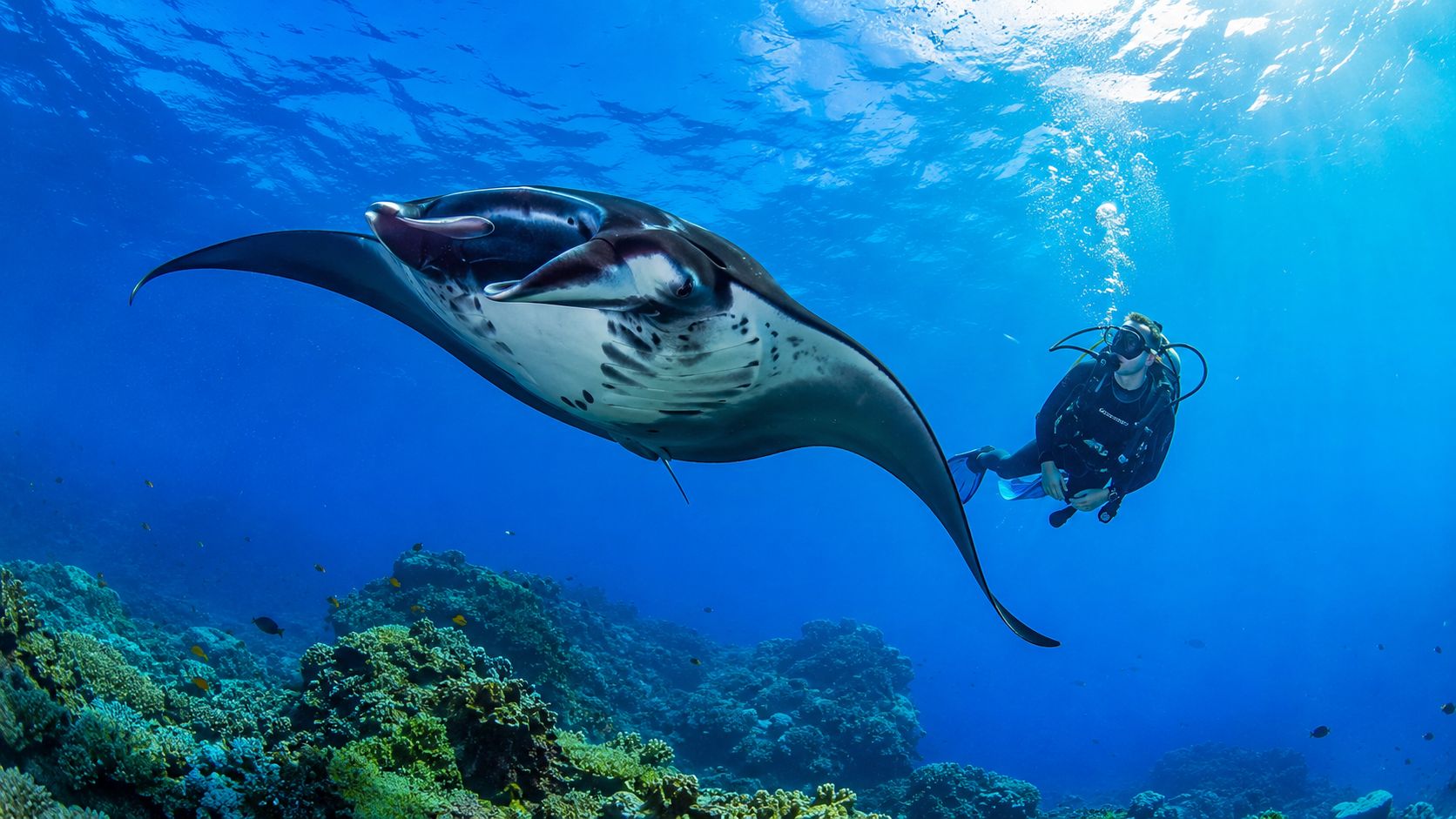
That should shape your behavior in the water. These animals aren't dangerous, but they are vulnerable to bad human habits. The right mindset is simple: observe, don't interfere.
If you want a good baseline for dive conduct in shared wildlife spaces, this page on responsible and considerate diver etiquette is useful reading.
The non-negotiable rule
Don't touch the manta rays.
Touching any large marine animal is a bad habit. With mantas, it's especially important to avoid contact. Good operators teach divers and snorkelers to maintain position and let the animals choose their own distance.
How to be a good guest underwater
A responsible manta diver usually follows these habits:
- Stay in the assigned position: Open water above the group gives mantas room to maneuver.
- Keep fins and hands to yourself: Reaching up is one of the fastest ways to spoil a close pass.
- Control your buoyancy: Hovering poorly creates stress for everyone around you.
- Listen to the briefing: Night dives work when the whole group follows the same plan.
These mantas don't need bravery from divers. They need steadiness.
There's also an ethical wrinkle some travelers ask about. Operators use lights to attract plankton, and some people wonder where that sits alongside Hawaii's rules against feeding marine life for tour purposes. The legal ambiguity is real enough that thoughtful travelers should ask direct questions and choose crews that emphasize observe-only conduct rather than hype.
Why Dive with Kona Honu Divers
If you've read this far, you already know what matters on a manta trip: a site that gives you a clean viewing experience, a crew that runs a sharp briefing, and a boat operation that makes the night feel controlled rather than chaotic. Those details are where operators separate themselves.
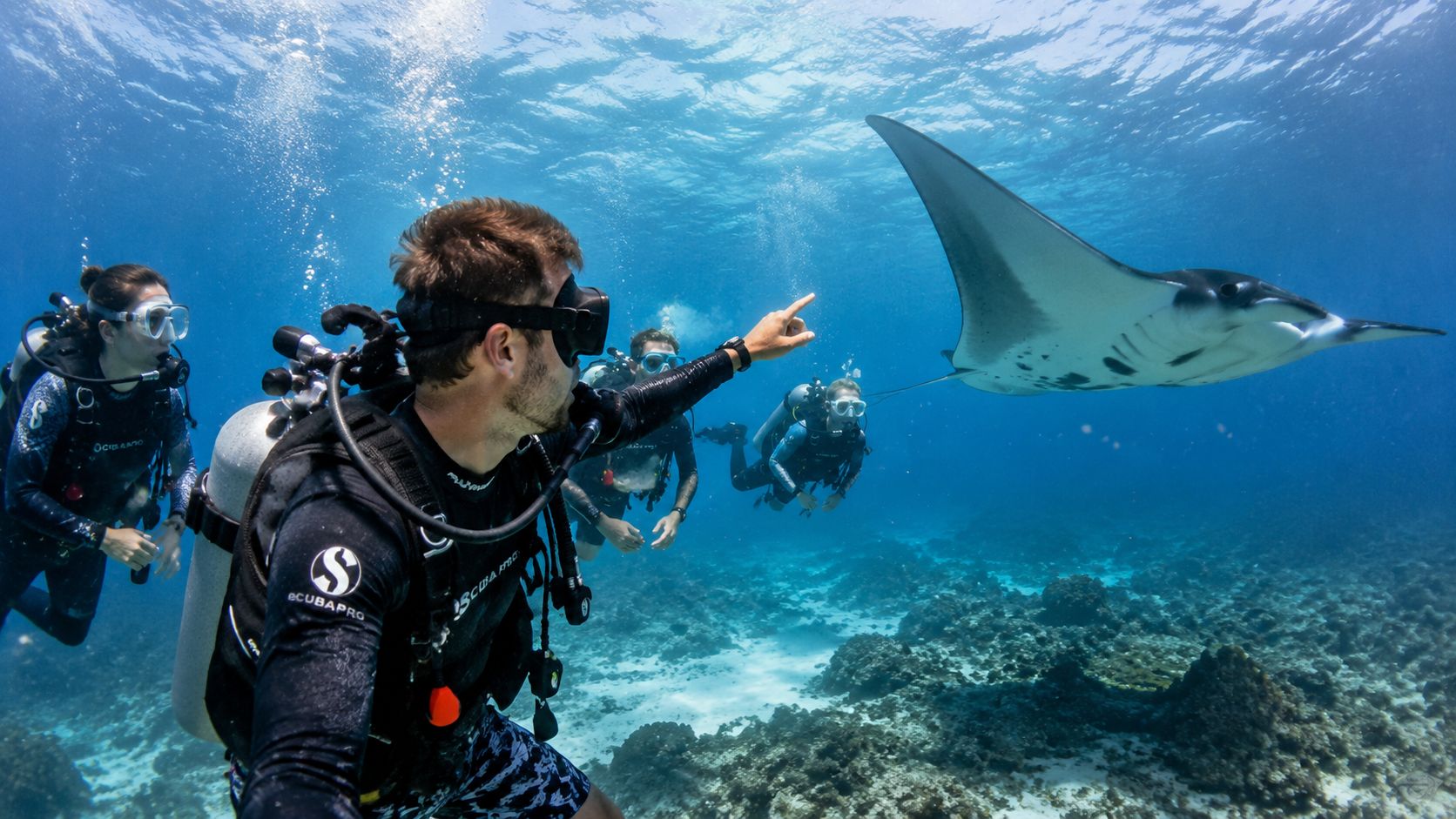
Kona Honu Divers runs manta-focused scuba and snorkel trips from Kona and also offers other local diving options, including blackwater and advanced charters. For divers choosing among operators, the practical questions are the right ones to ask: How organized is the crew at night? How well do they manage entries and exits? How much room do divers have on the boat? Are they clear about safety and wildlife etiquette?
What experienced divers tend to value most
Serious divers usually look past glossy photos and focus on operations.
- Boat comfort: Custom dive boats matter on evening charters because gearing up after sunset is easier when the deck is laid out well and movement feels controlled.
- Crew clarity: A strong briefing reduces confusion underwater. On a manta dive, that directly affects safety and viewing quality.
- Gear standards: Well-maintained rental gear lowers stress for traveling divers who don't want surprises on a night boat.
- Trip variety: It helps when the same operator can support reef dives, specialty dives, and mixed-skill groups.
What families and newer divers usually notice
Newer divers often care about different details, and they should.
A crew that communicates calmly makes the whole evening better. So does a boat setup that gives people enough space to gear up without feeling rushed. If someone is trying their first night dive, those practical comforts count for a lot.
This is also where the company's broader local focus helps. The operation is known for Kona dive tours, courses, rentals, and support for travelers trying to organize more than a single outing. That's useful if your manta night is one piece of a longer dive trip.
Check AvailabilityIf you're ready to turn a Hawaii wish list item into a real dive plan, Kona Honu Divers is a straightforward place to start. Pick your dates, ask about the site and conditions, and book with a crew that treats the manta encounter like the remarkable wildlife experience it is.