
You're probably deciding between two thoughts right now. One says, “I have to do the manta ray dive in Kona.” The other says, “I don't want to book the wrong trip and ruin it.”
Good. That caution helps.
The manta ray dive Kona is one of those rare experiences that lives up to the hype. You drop into dark water, settle in, and then giant reef mantas slide through the lights above you like aircraft in slow motion. It feels surreal the first time. It feels even better when you understand why it works so well here, and how to choose the right site and crew so the night is smooth instead of chaotic.
If you want my direct recommendation, choose a trip built around Garden Eel Cove whenever conditions allow. It offers the most comfortable and polished viewing setup for most divers. And if you're serious about making the night count, pick an operator that runs this encounter with discipline, not just enthusiasm.
The Unforgettable Kona Manta Ray Night Dive Experience
Night falls fast on the Kona coast. One minute you're watching the last orange light fade over lava rock shoreline. The next, you're in black water with a beam cutting through the dark, waiting for movement.
Then the first manta arrives.
It doesn't charge in. It glides. The body looks huge, but the motion is effortless. A few passes later, another one appears, then another, and the whole water column starts to feel alive. This is why people obsess over the manta ray dive Kona. You aren't chasing wildlife through blue water hoping for a quick sighting. You're sitting still while the show comes to you.
What the experience feels like
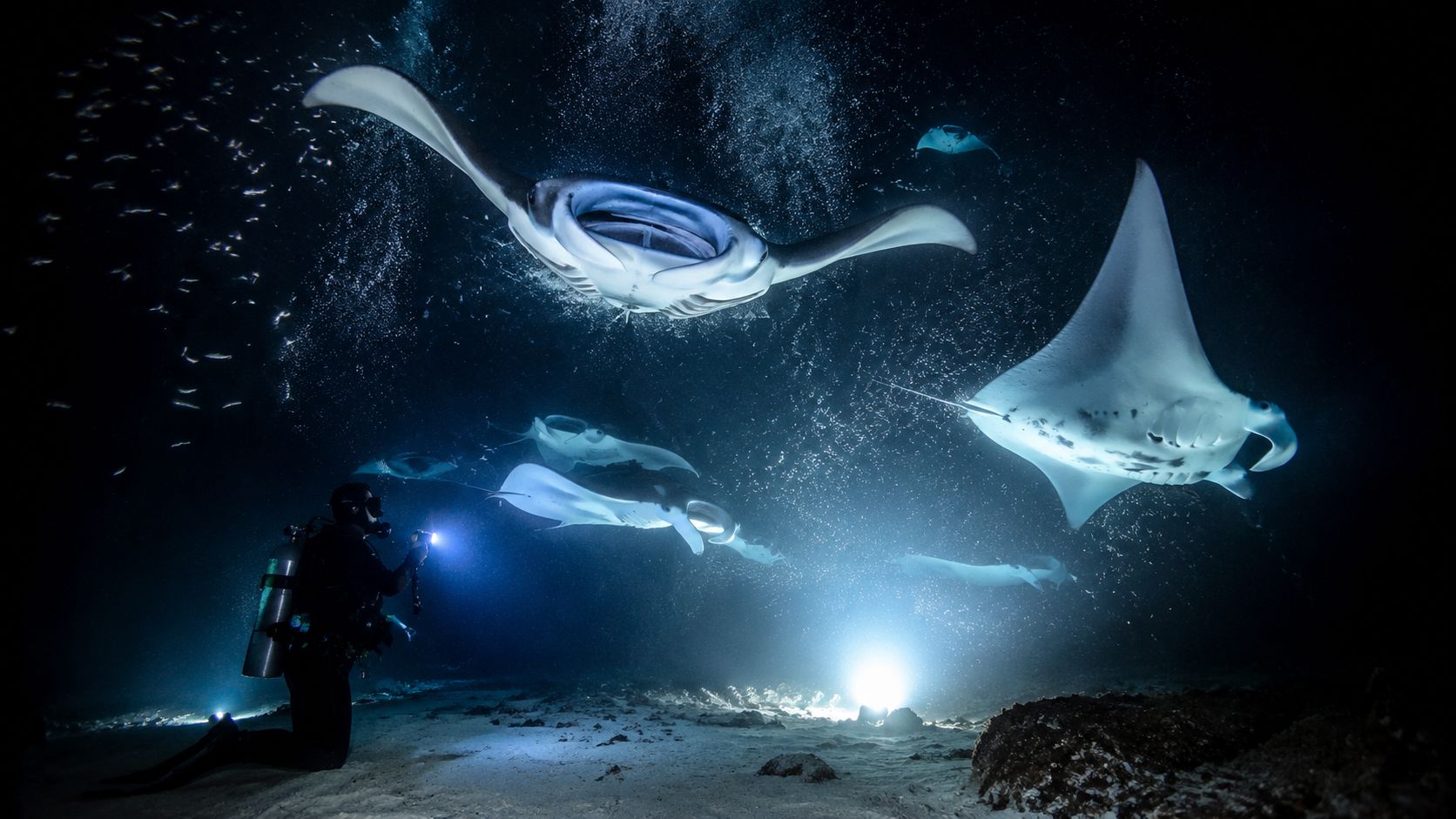
The best word for it is theatrical. Divers settle onto the bottom. Lights point upward. Plankton gathers in the beams. Then manta rays sweep through that lit column again and again, often close enough that you instinctively hold your breath, even though you're already breathing from a regulator.
The first close pass is the moment people stop “going on a dive” and start realizing they're inside a wildlife encounter they'll remember for years.
This isn't only for hardcore divers, either. If you're building a full Big Island dive trip, you can explore other Kona diving tours as well. If the mantas are your priority, go straight to a dedicated manta ray dive and snorkel tour. If you want more background before booking, the Kona manta ray night swim guide is worth a look.
Why this belongs on your Big Island list
Some famous wildlife activities are mostly marketing. This one isn't. The manta night dive has earned its reputation because it combines spectacle, access, and a surprisingly calm format once you're in position.
My advice is simple:
- Book it early in your trip: If weather shifts, you'll have more flexibility.
- Choose the right perspective: Dive if you're certified. Snorkel if you're not.
- Don't cheap out on the operator: A sloppy briefing can wreck a great site.
Why Kona is the World Capital for Manta Ray Encounters
Kona isn't special because someone branded it well. Kona is special because the local ecology and dive setup create a reliable feeding opportunity for resident manta rays.
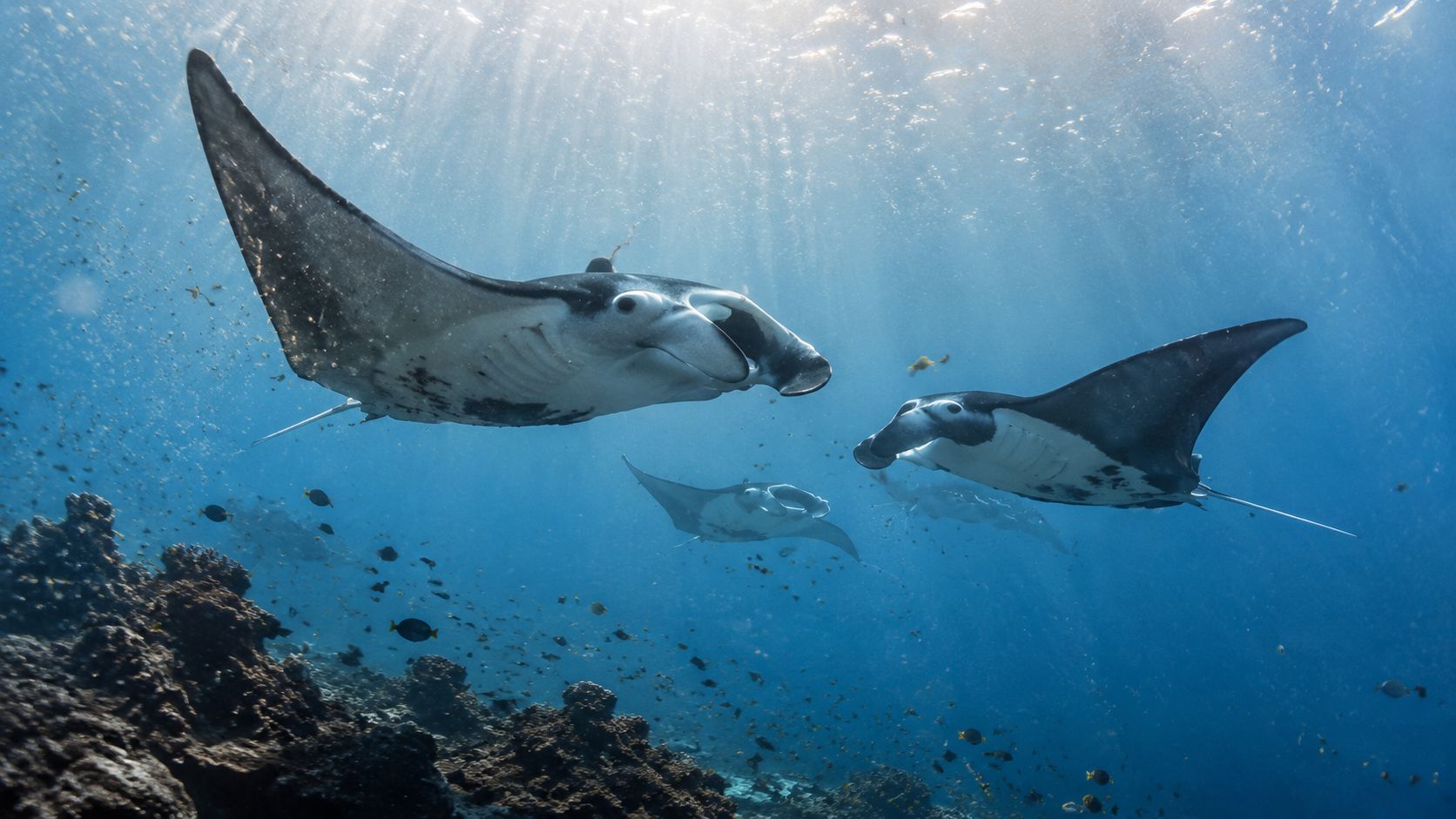
Here's the key fact. The Kona coast has a resident and cataloged population of more than 200 reef manta rays, these rays have lifespans of 50 to 100 years, and the encounter is built around that stable local aggregation. The experience is also highly dependable, with sightings reported on over 80% of nights and an average of about six mantas per night, according to this overview of Kona's manta population.
The mantas aren't just passing through
That matters more than most visitors realize.
A seasonal hotspot can be great one week and dead the next. Kona's manta scene works differently. The encounter is built around a resident population, not a brief migration pulse. That gives the whole experience a level of consistency many dive destinations can't match.
If you want a broader sense of what makes this coast unusual underwater, read what makes diving in Kona unique.
The underwater campfire effect
Operators use lights to attract plankton. The plankton gathers in the illuminated water. The mantas come in to feed. That simple chain is the engine behind the experience.
For divers and snorkelers, it feels magical. From an ecology standpoint, it's straightforward. Kona has the right combination of known manta sites, established operator practices, and local animal behavior that makes these feeding aggregations repeatable.
Practical rule: The better the group control in the water, the better the manta behavior tends to look from your position.
The two main sites are not equal
You'll hear two names constantly:
- Manta Village
- Manta Heaven
Both are established sites. Both can produce memorable nights. But they don't offer the same comfort, layout, or viewing style. That's why site choice matters just as much as the fact that Kona itself is famous.
One more point worth keeping in mind. A local article notes that roughly 80,000 people per year snorkel or dive with manta rays in Hawaiʻi, which tells you how important and established this activity has become in the islands' marine tourism scene, as discussed in this Kona manta dive overview.
Choosing Your Adventure Diving vs Snorkeling with Mantas
This choice is easier than people make it. If you're certified and comfortable diving at night, dive. If you're not certified, or you've got mixed ages and comfort levels in your group, snorkel.
Both are good. They are not the same.
What divers get
Diving gives you the classic manta ray dive Kona experience. You descend, settle onto the bottom, point your light upward, and watch the mantas feed over your head. It's immersive, quiet, and almost cinematic.
You aren't looking down at the action. You're inside it.
What snorkelers get
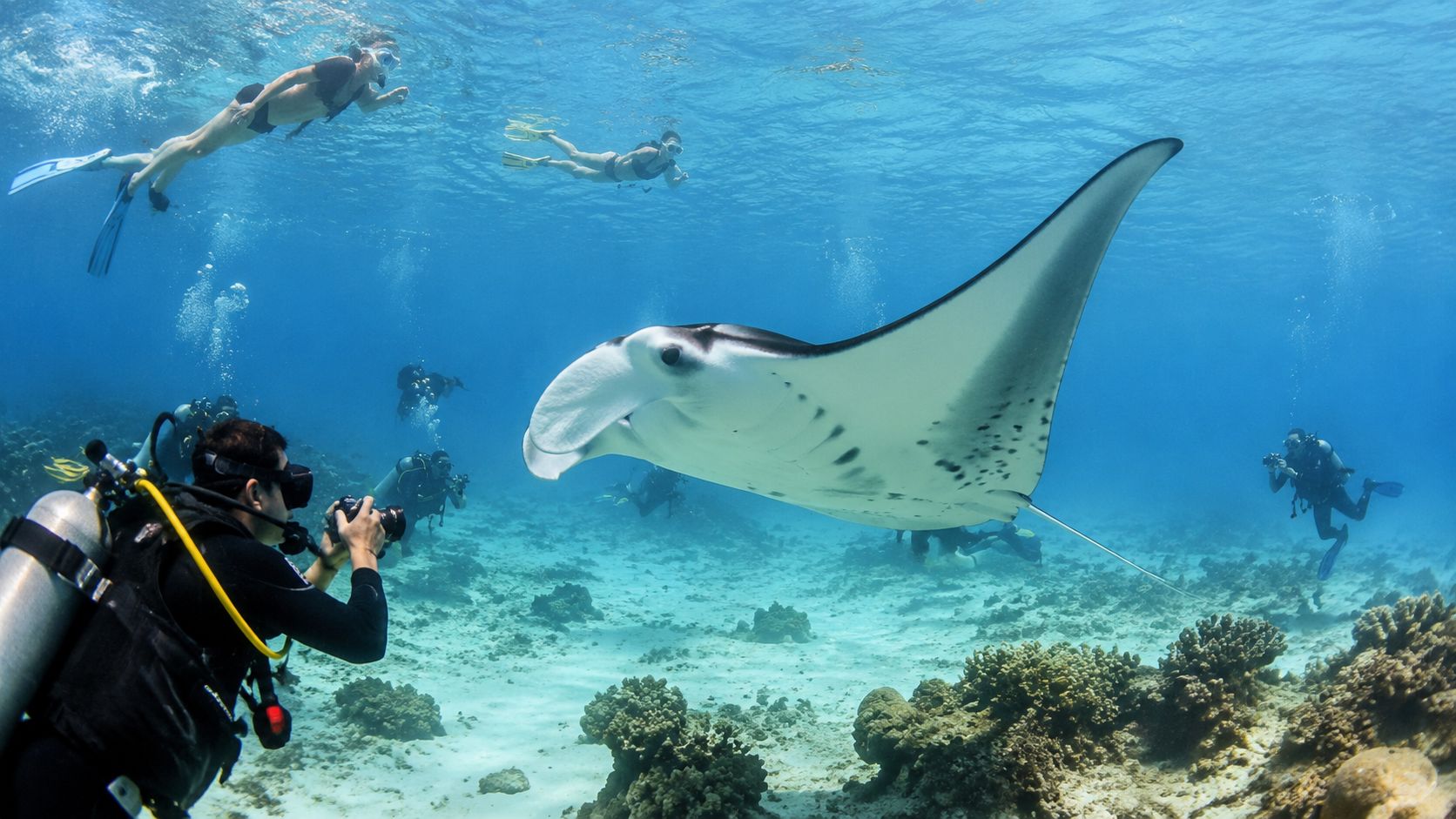
Snorkeling is more accessible and often better for families or non-divers. You stay at the surface, usually holding onto a light board, and watch the rays rise up beneath you to feed.
The view is broader. You lose some of the “manta flying inches overhead” effect, but you gain simplicity and accessibility.
You can learn more about the surface option through this snorkel with manta rays page.
Manta Ray Dive vs. Snorkel Experience
| Feature | Scuba Diving | Snorkeling |
|---|---|---|
| Viewpoint | From the bottom, looking up | From the surface, looking down |
| Certification | Open Water certification required | No scuba certification needed |
| Feel | Immersive and close-range | Accessible and panoramic |
| Movement | Stay settled on the bottom | Float at the surface |
| Best for | Certified divers who want the full underwater experience | Families, non-divers, and mixed groups |
My blunt recommendation
Choose diving if all of these are true:
- You're certified: Night conditions won't feel overwhelming.
- You want the iconic view: Looking up at feeding mantas is the signature perspective.
- You're comfortable staying still: Good positioning matters more than swimming ability here.
Choose snorkeling if any of these fit better:
- Your group has non-divers: Everyone can share the same experience.
- You want less task loading: No gear management beyond snorkel basics.
- You care more about access than immersion: That's a fair trade.
If you're forcing a nervous diver into the scuba version, you're making a mistake. A relaxed snorkeler often has a better night than a stressed diver.
What to Expect on Your Manta Ray Trip
A well-run manta trip should feel organized from the start. No confusion. No rushed gearing up. No guessing where you're supposed to be.
Most divers who book a two-tank evening go out for a twilight reef dive first, then finish with the manta dive after dark. That format works well because it lets you get comfortable in the water before the main event.
Before the manta drop
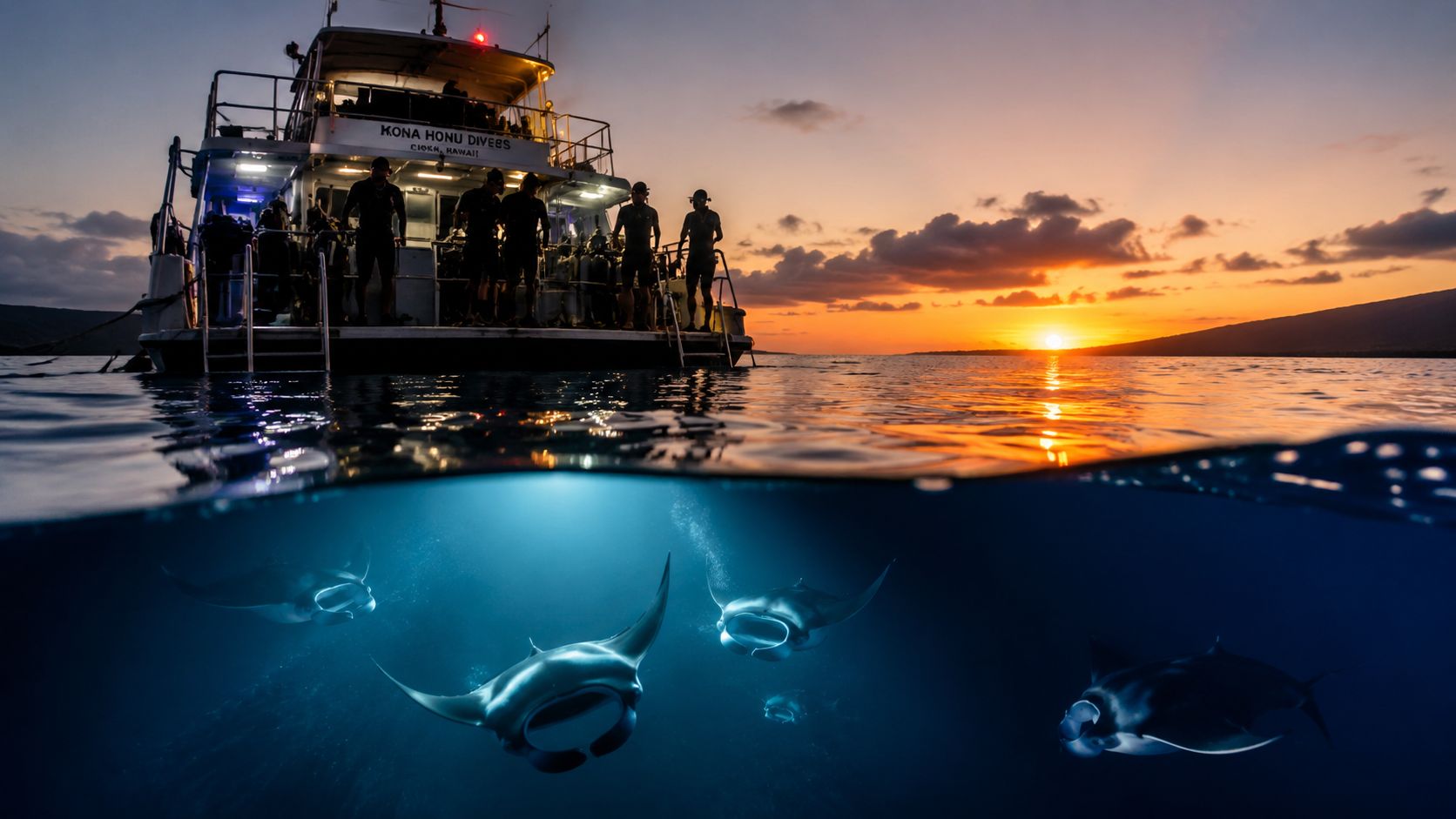
The evening usually starts with check-in, gear setup, and a boat ride that gives everyone time to settle. If it's a two-tank charter, the first dive is often a calm reef dive around sunset. That's not filler. It's a smart warm-up.
You shake out the travel rust, confirm your weighting, and get mentally into dive mode before the night portion begins.
How the manta dive itself works
The actual manta dive is more controlled than people expect. The dive is accessible to Open Water-certified divers, usually takes place at 25 to 40 ft, and uses a setup where divers stay on or near the sand or rubble bottom while keeping the water column open for the mantas. A central “campfire” of lights attracts plankton and creates the feeding plume, as described in this overview of the Kona manta night dive format.
If you want a clear expectation on depth before you book, read how deep the Kona manta ray dive is.
What you should do underwater
Don't overcomplicate it. Your job is to be steady, aware, and respectful.
- Stay low: Don't drift up into the open water column.
- Keep your fins controlled: Sand is fine. Kicking a diver or a coral head isn't.
- Point your light as instructed: The lighting pattern matters.
- Watch your buoyancy: Good control makes the whole encounter safer.
What good divemasters change
A strong crew makes the night smoother in ways beginners don't notice at first. They position the group correctly, keep the lanes clear for the mantas, solve little gear issues before they become big ones, and calm down anyone who starts overthinking the dark.
That's the difference between “I saw mantas” and “that was one of the best dives of my life.”
Why Garden Eel Cove is the Premier Manta Site
If you want the cleanest recommendation in this guide, here it is. Garden Eel Cove is the site I'd choose for most visiting divers.
People love to argue about manta sites like they're interchangeable. They aren't. The layout underwater matters. Protection from swell matters. How easy it is to hold a good viewing position matters.
Why the site works so well
Garden Eel Cove, also called Manta Village, is described as a 30 to 35 ft site with an amphitheater-like layout and natural cleaning stations. By contrast, Manta Heaven is 40 to 50 ft. The protected nature and bathymetry of Garden Eel Cove often make viewing more consistent and more comfortable, according to this site comparison of Kona manta locations.
That amphitheater shape is a big deal. Divers can settle in with a clear line of sight, and the whole encounter feels more composed. You spend less time adjusting and more time watching.
If you want the direct local answer on location choice, see where to dive with manta rays in Kona.
Why I recommend it over deeper options
Manta Heaven can be exciting, especially when conditions line up. But if your goal is the most comfortable, repeatable, visitor-friendly manta experience, Garden Eel Cove wins.
Here's why:
- More protected water: Usually a calmer ride and easier in-water experience.
- Better viewing geometry: The sandy amphitheater layout helps everyone settle in.
- Less task loading: Shallower depth and a more intuitive bottom profile make the dive feel easier.
Better manta dives aren't always about seeing “more.” They're about seeing well, staying comfortable, and letting the encounter unfold without distraction.
The site I'd steer first-timers toward
For first-time night divers, photographers who want a steady setup, and travelers who only have one shot at doing this right, Garden Eel Cove is the smart play. It stacks the odds in your favor without making the evening feel demanding.
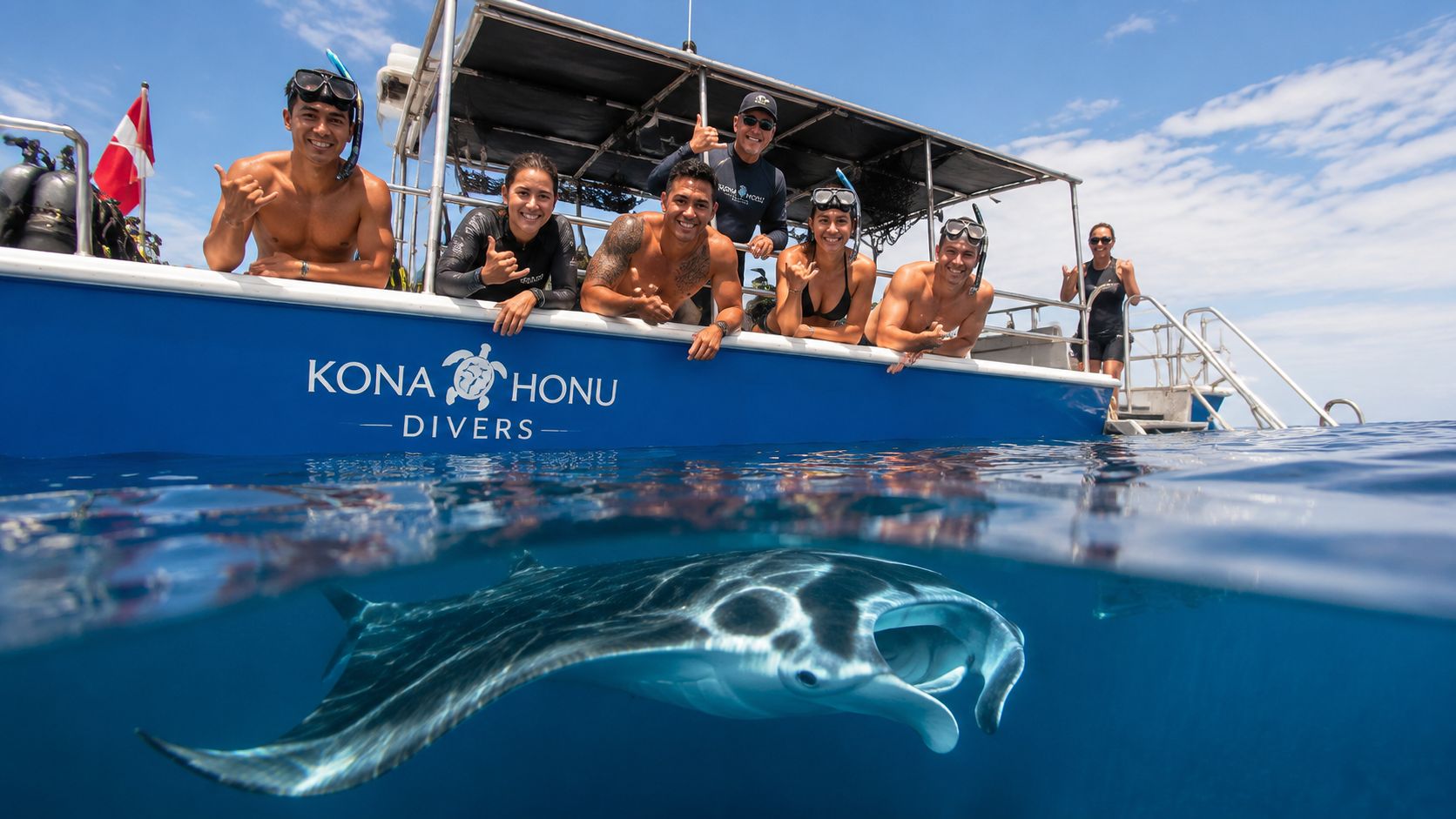
Booking Your Dive with Kona Honu Divers
Book your manta trip like it matters, because it does. A well-run operator turns a good wildlife encounter into a calm, organized night where you can focus on the rays instead of gear confusion, rushed entries, or weak briefings.
Kona Honu Divers is a strong choice for that reason. They run trips with the kind of boat flow, crew control, and diver preparation I want for a night dive with first-timers and experienced divers alike. If you want the Kona manta experience to feel polished from check-in to exit, start there.
What to look for before you book
Use a simple filter.
- Clear night-dive procedures: You want a real briefing, straightforward gear handling, and crew members who keep the group organized in the water.
- A trip format that fits your goals: Some divers want the manta dive as part of a fuller evening on the boat, not a rushed single-stop outing.
- Support for the rest of your trip: If you plan to do more diving in Kona, book with an operator that can handle that well too.
That last point matters more than visitors expect. A manta night is often the highlight, but it should fit into a smart dive schedule, not disrupt it.
Book for execution, not for marketing
Pretty photos do not tell you how a crew runs a boat after dark. Execution does. I recommend choosing the operator that communicates clearly, keeps the evening moving without chaos, and treats the manta dive like a real dive operation instead of a tourist boat with tanks onboard.
For a manta-focused Kona trip, prioritize these three things:
- Consistent operations
- Confident night-dive supervision
- Enough boat and crew efficiency to keep the experience comfortable
That is what improves the night. The ecology and layout at sites like Garden Eel Cove create the conditions for great manta encounters. A disciplined operator lets you enjoy those conditions fully.
FAQs and Essential Tips for Your Manta Dive
A few questions come up on almost every manta trip. Here are the answers I give most often.
Do I need to be certified to see manta rays
No. You only need certification for the scuba version. If you're not certified, the snorkel option is the obvious answer and still gives you a memorable view of the feeding action from above.
Can I touch the mantas
No. Don't touch them. Don't chase them. Don't swim up into their path.
This is passive wildlife viewing. The whole reason it works so well is that people stay put and let the animals move naturally through the lighted area.
What should I bring on the boat
Keep it simple:
- Swimsuit: Wear it there if possible.
- Towel: You'll want it immediately after the dive.
- Warm layer: The ride back can feel cool after dark.
- Water and basic personal items: Don't overpack.
What if I get seasick
If you're prone to motion sickness, prepare before the boat leaves. That's the move. Not after you start feeling miserable.
Options people commonly use include Ship-EEZ Seasickness Patch, Dramamine pills, Bonine pills, Sea Band wristbands, and ginger chews.
If you even think you might get seasick, treat that as a yes and prepare for it.
Any pro tips for getting the most from the dive
Absolutely.
- Relax before entry: Tense divers burn attention on themselves instead of the encounter.
- Stay still once positioned: Mantas come closer when the scene is calm.
- Dial in your buoyancy early: Don't use the manta dive to relearn basic control.
- Be realistic about cameras: If you can't manage your gear and your buoyancy at the same time, leave the camera on the boat.
What else should experienced divers consider in Kona
If you've already got the manta dive on your schedule, consider adding the Black Water Night Dive for a completely different kind of nighttime experience. If you want more demanding daytime diving, look at the advanced long-range dive tour.
One final note. Local pages still emphasize strong manta reliability, but they also leave a real question partially unanswered: how recent reef changes, warming events, or plankton shifts may affect short-term consistency. A Kona article highlights that this is still a gap in local coverage, especially as global marine heat stress continues to affect reef systems, as discussed in this article on recent uncertainty around manta consistency. That doesn't mean don't go. It means book with good expectations and respect that this is still a wild-animal encounter tied to a living reef system.
If you want a manta trip run by people who focus on diving in Kona every day, take a close look at Kona Honu Divers. Book the manta night dive if that's your priority, and if you have extra days, add more Kona diving while you're here. This is one of the signature underwater experiences in Hawaiʻi. Done right, it's the dive people talk about long after the vacation ends.