
Picture this: you're floating weightlessly in the warm, dark Pacific Ocean as enormous, graceful shadows glide just beneath you. It's not a scene from a movie. It’s the world-famous Kona manta ray dive, and it’s one of the most magical and reliable underwater encounters you can have anywhere on the planet.
This guide is your complete roadmap to experiencing it for yourself. We're going to dive deeper than just listing tour companies. I want to show you what truly makes this experience so special, from understanding the mantas' fascinating behavior to picking the perfect dive for your skill level. Let's get you prepped for an adventure you’ll be talking about for the rest of your life.
Why is Kona a Manta Ray Paradise?
Kona’s coastline isn't just some random spot where mantas happen to show up. It has become a world-class destination built on sheer consistency, thanks to a perfect storm of natural factors and a bit of clever human intervention. The whole experience hinges on a simple, brilliant idea: using powerful underwater lights to attract plankton, which is the mantas' favorite meal.
You can think of it like setting the dinner table. The lights act as a beacon, creating a concentrated "plankton soup" that draws the rays in for their nightly feast. Because this food source is so reliable, the local manta population keeps coming back to the same sites, night after night. It’s an incredible spectacle.
The Kona Coast is known across the globe for its mind-blowingly high success rate for manta ray sightings, hovering between 80-90% year-round for both night dives and snorkels. This amazing consistency is all thanks to Kona’s nutrient-rich ocean currents, which create massive plankton blooms that the mantas just can't resist.
Since 2013, the numbers don't lie. At prime locations like Manta Village and Manta Heaven, we've seen anywhere from 50 to 150 mantas sighted each month. That kind of reliability has fueled a vibrant ecotourism scene, drawing around 80,000 people every year. It really cements Kona's status as the top spot in the world for manta encounters.
What's really cool is that long-term studies have allowed us to identify individual mantas like 'Lefty' and 'Big Bertha' by the unique spot patterns on their bellies. Some of these old-timers have been documented returning to the same feeding grounds for decades! You can learn more about what makes the Kona snorkel experience so unforgettable and why people come back again and again.
Kona Manta Ray Dive At a Glance
To give you a quick snapshot of what to expect, I've put together a simple table with the essential info you'll need to start planning.
Here’s a breakdown of the key details at a glance.
| Aspect | Details |
|---|---|
| Best Time to Go | Year-round; mantas are seen consistently every month. |
| Water Temperature | Averages 75-80°F (24-27°C). |
| Experience Level | Suitable for all; snorkel and certified dive options available. |
| Primary Dive Sites | Manta Village (Keauhou Bay) and Manta Heaven (near airport). |
| Key Safety Rule | Do not touch the manta rays. This protects their delicate skin. |
This table covers the basics, but there's a lot more to know to make sure your trip is safe, ethical, and absolutely incredible. Let's dive into the finer points.
Understanding the Gentle Giants of Kona
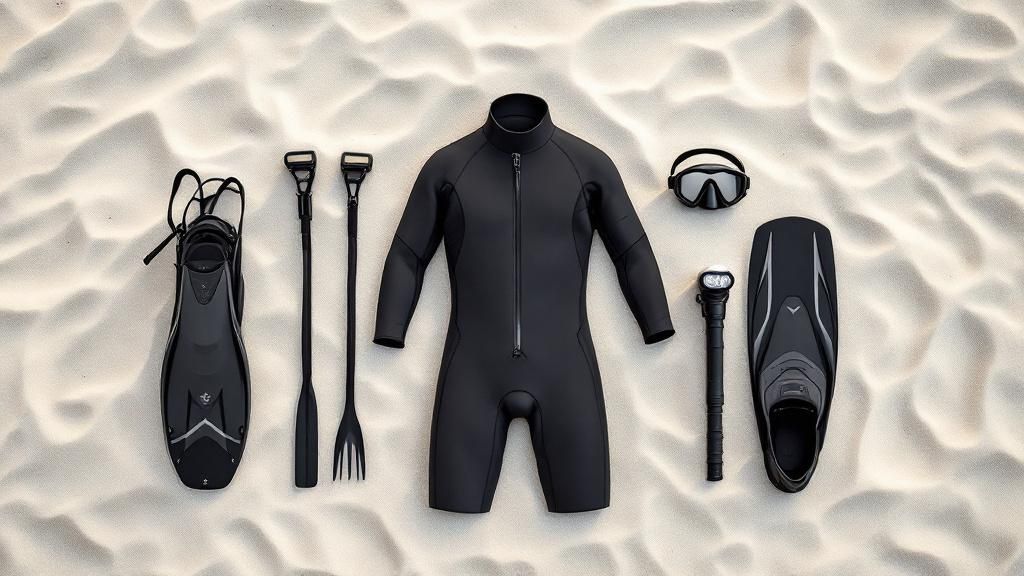
The Kona manta ray dive isn't just another item to check off your bucket list; it's a personal introduction to some of the ocean's most majestic and intelligent creatures. To really soak in the magic of this encounter, it helps to know what’s actually happening down there. This isn’t some random meeting—it’s a carefully orchestrated nightly dinner party, and you’ve got a front-row seat.
The entire experience is built around a beautifully simple concept. Think of the powerful lights our guides bring as a giant dinner bell for marine life. These lights illuminate the water, attracting swarms of microscopic organisms called plankton. For Kona's resident reef manta rays, this cloud of plankton is an all-you-can-eat buffet they simply can’t pass up.
This feeding frenzy is what makes the manta ray dive in Kona so unbelievably spectacular. You’ll watch as the mantas glide, swoop, and perform effortless barrel rolls right through the beams of light, filtering plankton from the water with their huge, gaping mouths. There’s a good reason it's often called the "manta ballet"—their movements are hypnotic, coordinated, and absolutely breathtaking.
Meet Kona's Manta Ray Residents
One of the most remarkable things about the mantas here is that they aren't just passing through. They are a local, residential population, meaning they live right here off the Kona coast all year. This is a huge reason why sightings are so reliable. They don’t migrate to far-flung waters; this is their home.
Because they stick around, researchers and dive guides have gotten to know them on a first-name basis. Seriously. Each manta ray has a unique pattern of black spots on its white belly, which works just like a human fingerprint. This allows us to tell them apart. Since this practice started, local conservation groups have built an incredible catalog of our resident population.
The systematic identification of Kona's manta rays using their belly spot patterns began way back in the early 1990s. The very first manta identified was a female named 'Lefty,' and she's still seen today! This long-term tracking has created a massive database that helps researchers understand their behavior, health, and movements.
This kind of ongoing research is what allows us to share this incredible experience with them safely and sustainably. We’ve learned so much about their local movements and seasonal population shifts, which helps us predict the best times for sightings and manage the dive sites responsibly.
Gentle Giants in Every Sense
A common question we get is whether these enormous animals are dangerous. The answer is a clear and resounding no. Manta rays are true gentle giants, through and through. Despite their massive size, they are filter feeders and have zero interest in harming people.
Here’s why you can relax and just enjoy the show:
- No Stingers: Unlike their stingray cousins, manta rays do not have a stinger or barb on their tail. They are completely harmless.
- Plankton Eaters: Their diet consists only of tiny plankton, so they pose absolutely no threat to divers or snorkelers.
- Curious, Not Aggressive: Mantas are intelligent and often quite curious. They might swim incredibly close, but their intention is never aggressive—they're just navigating their feeding paths.
Knowing a bit about their biology totally transforms the experience. You shift from being a spectator to an informed observer, connecting with these animals on a much deeper level. This knowledge also helps you appreciate the seasonal nuances of the dive. To learn more, check out our guide on the best time of year to see manta rays in Kona. Your dive becomes more than just a tour; it becomes a meaningful interaction with Kona’s most famous underwater residents.
Choosing Your Kona Manta Ray Dive Site
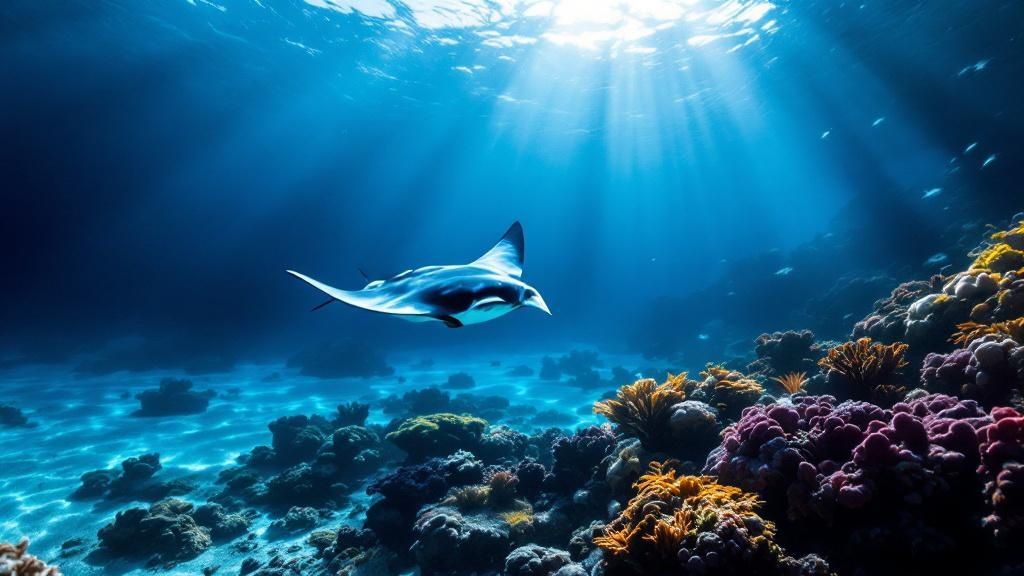
When you're gearing up for a manta ray dive in Kona, one of the first things you'll decide is where to go. It's not just a pin on a map; the location really shapes the whole experience. Kona has two main spots, and each has its own vibe and personality.
Think of it like choosing between a big, comfortable movie theater and a more exclusive, intimate screening room. Both shows are amazing, but the setting makes a world of difference. Your choice will come down to your comfort in the water, who you're with, and what kind of adventure you're looking for.
This decision isn’t just about logistics. It’s about tailoring the night to be the perfect memory for you. Let’s break down the two main stages for this nightly spectacle—Manta Village and Manta Heaven—so you can pick your front-row seat for the manta ballet.
Manta Village: The Welcoming Main Stage
Just south of Kailua-Kona, you’ll find Manta Village in Keauhou Bay. This is the original, classic manta site. If you're new to night diving, have snorkelers in your group, or just prefer to keep things chill and predictable, this is hands-down the spot for you.
The big draws here are how easy it is to get to and how reliable the conditions are. The site is pretty shallow, usually around 25 to 35 feet deep, with a clean, sandy bottom. This creates a natural amphitheater where divers can settle in and just enjoy the show without fussing over navigation. The bay itself provides a lot of shelter, which means the water is almost always calm with very little current.
Our Take: Manta Village is the go-to for a reason. It's perfect for first-timers, families with snorkelers, and anyone who wants a relaxed, stress-free encounter. The calm, shallow setup is the ideal introduction to the magic of Kona's mantas.
These gentle conditions make it a fantastic option for groups with both divers and snorkelers. While divers watch from the ocean floor, snorkelers can hang onto a light board on the surface. Everybody gets an incredible view, just from a different perspective.
Manta Heaven: A More Dynamic Adventure
A bit further north, closer to the Kona International Airport, is Manta Heaven. The name says it all—it's a paradise for manta encounters, but it brings a bit more of a wild, adventurous spirit to the table. This spot tends to be the favorite for more experienced or self-assured divers.
Manta Heaven is deeper, with depths ranging from 35 to 50 feet, and it’s more exposed to the open ocean. That can mean stronger currents and conditions that change a little more quickly. For divers who are comfortable in their fins, this just adds to the excitement.
Here’s a quick side-by-side look:
| Feature | Manta Village (Keauhou Bay) | Manta Heaven (Airport Site) |
|---|---|---|
| Water Depth | 25-35 feet (Shallow) | 35-50 feet (Deeper) |
| Conditions | Calm, sheltered, minimal current | Can have stronger currents |
| Best For | Beginners, snorkelers, families | Experienced, confident divers |
| Atmosphere | Relaxed, "campfire" setting | Dynamic, adventurous feel |
The payoff for diving in these more challenging conditions can be huge. The underwater landscape is more rugged, and the currents can pull in massive clouds of plankton, which in turn can attract an absolutely staggering number of mantas. If you're an underwater photographer, the deeper water and dynamic action can lead to some truly epic shots.
Ultimately, the Kona manta ray dive experience is defined by these two incredible sites. Manta Village, in the calm waters of Keauhou Bay, is the classic choice, perfectly suited for all skill levels with its shallow, sandy bottom. Manta Heaven, on the other hand, offers deeper water and more active currents, often attracting seasoned divers looking for close encounters and killer photo opportunities.
To really get into the nitty-gritty of each location and what to expect during different seasons, you can get all the details on the premier manta dive in Kona.
What to Expect During Your Manta Ray Tour
https://www.youtube.com/embed/QH3shXr_gmQ
The feeling you get right before a manta ray dive in Kona is pure electricity. But knowing exactly how the evening will unfold can turn any pre-dive jitters into pure, unadulterated excitement. We want you to feel relaxed and ready to soak it all in, so let’s walk through the adventure from start to finish.
Your journey kicks off when you arrive at our dive shop or the designated marina meeting spot. This is where you'll check in with the crew, handle the necessary waivers, and get fitted for your gear. We’ll get you set up with a cozy 3mm to 5mm wetsuit, whether you're diving or snorkeling, to keep you comfortable in the evening water.
Once everyone’s geared up, you'll step aboard one of our custom dive boats. As we motor out to the site, you’ll be treated to a spectacular Kona sunset over the Pacific. Seriously, have your camera ready. The boat ride itself is a huge part of the experience.
The Pre-Dive Briefing and Journey
On the way out, your divemaster will give a thorough briefing. This is much more than just a standard safety talk; think of it as your first lesson in “manta etiquette.” You’ll learn all about the mantas we’ll be seeing, why it’s so important to be a passive observer, and the simple rules that keep both you and these magnificent animals safe.
We’ll cover a few key points:
- No Touching: We’ll explain why touching a manta ray can harm their protective slime coat.
- Your Position: Divers will settle on the sandy bottom, while snorkelers hold onto a custom-made light board at the surface.
- Light Discipline: Your guide will show you how to aim your light to attract plankton without shining it directly into the mantas’ eyes.
This is the perfect time to ask absolutely anything that’s on your mind. Our crew lives and breathes this stuff, and we love sharing our passion for these animals. Our goal is to make you feel completely confident before you even get your fins wet. It's a core part of understanding why you should go on a manta ray dive in Kona—it’s an educational adventure from the moment you step on the boat.
Entering the Water and the Main Event
As the last bit of light disappears from the sky, we’ll moor up at the dive site. The crew gets to work setting up what we affectionately call the "campfire"—a powerful light box that sits on the ocean floor. This light creates a bright column that acts like a massive dinner bell, attracting plankton from all around and ringing in the mantas.
Divers enter the water first, descending as a group to find a spot in a semi-circle around the campfire. Once you're settled on the sand at about 35 feet, you'll point your dive light straight up, adding your beam to the glowing plankton buffet. Snorkelers will then enter the water and grab onto a specially designed float board on the surface, which is also lit to draw the action from above.
Then, the magic begins. The first few moments are filled with a quiet, buzzing anticipation. You're floating in the dark ocean, surrounded by the gentle sounds of the sea. All of a sudden, a massive, silent shadow glides out of the blackness and into the light. It's a moment that will literally take your breath away.
Before you know it, that first manta is joined by others. They swoop, glide, and perform effortless barrel rolls through the beams of light, sometimes passing within inches of your mask. They are completely enthralled in their nightly feast, putting on an elegant, weightless ballet just for you. For about 40-45 minutes, you aren't just an observer—you are a part of their world.
Safety Rules and Responsible Manta Interaction
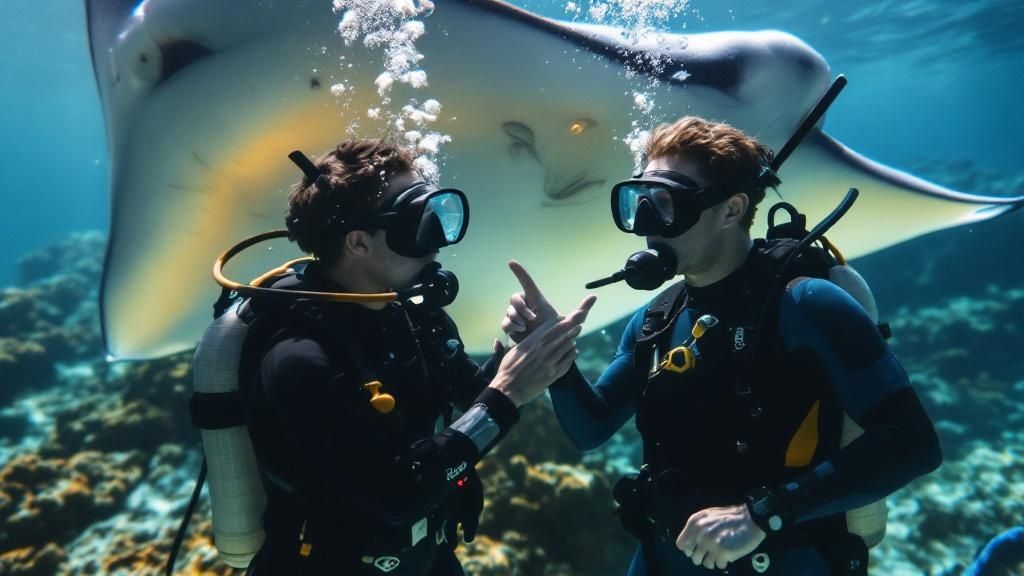
When you join us for this incredible experience, you’re stepping into the manta rays’ home as a guest. That's the most important thing to remember. The rules we follow for a responsible manta ray dive in Kona aren't there to limit your fun—they exist to protect these amazing animals and ensure they keep coming back.
Think of it this way: you’re becoming a steward of the ocean, not just another tourist. And the number one, most important rule is to never, ever touch a manta ray.
It’s tempting, I get it. But their skin is coated in a delicate, invisible slime layer that acts as their shield against bacteria and infections. When we touch them, we rub that protective coating right off, leaving them vulnerable. Your job is to simply be a passive, respectful observer. By keeping your hands to yourself, you are actively helping to conserve these gentle giants.
Your Position in the Water
To give the mantas plenty of space to feed and move, everyone has an assigned spot in the water. This structure keeps all of our guests safe and gives the mantas the freedom they need to perform their beautiful "manta ballet" without feeling crowded.
Here’s how we set it up:
- For Divers: You’ll descend with your guide and find a spot on the sandy ocean floor. From there, you’ll look up as the mantas glide just inches above you. It’s absolutely critical to stay put and not swim up into the action where the mantas are feeding.
- For Snorkelers: You'll hang out on the surface, holding onto our custom-built light board. This gives you a phenomenal bird's-eye view while keeping you safely out of the mantas' direct path. We don't allow diving down from the surface.
This creates a safe "arena" for the mantas. Everyone gets a front-row seat, and the animals can move naturally. Following these positioning rules is the key to a successful and ethical night on the water.
“Observe only: No touching. Resist the urge to 'pet' the mantas. This will rub off their protective mucus coating. Do not chase, grab, or try to take a ride on the mantas. This doesn’t benefit the animal in any way.”
This isn't just our rule; it's the core principle that guides every reputable operator in Kona. When you follow it, you're directly contributing to the long-term health of our beloved manta population so they can thrive for generations.
The Manta Ray Code of Conduct
Beyond the big "no touching" rule, a few other guidelines help make the experience positive for both people and mantas. Just think of them as good "manta manners."
- Don't Block Their Path: Never position yourself where you might block a manta. Let them choose their course—they are masters of navigation and will gracefully swim around you.
- Be Smart With Your Light: Point your dive light up toward the surface. The light attracts the plankton, creating the buffet. Just avoid shining it directly into their eyes or mouths.
- Mind Your Bubbles: If you're diving, try to time your breathing. Avoid blowing a huge stream of bubbles right into a manta’s face as it glides overhead. A little awareness goes a long way.
These rules weren't invented overnight; they've been developed over decades of experience to create a sustainable model for ecotourism. As advocates for marine life, we believe these standards are vital. We've even been part of the conversation to formalize them—you can read our open letter to the Hawaii State DLNR regarding manta rules to see the ongoing efforts.
Building your confidence in the water is always a good idea. Brushing up on general top snorkeling safety tips can help you feel more prepared for any aquatic adventure. By embracing these simple rules, you become more than a spectator—you become a true guardian of the ocean.
How to Prepare for Your Manta Ray Dive
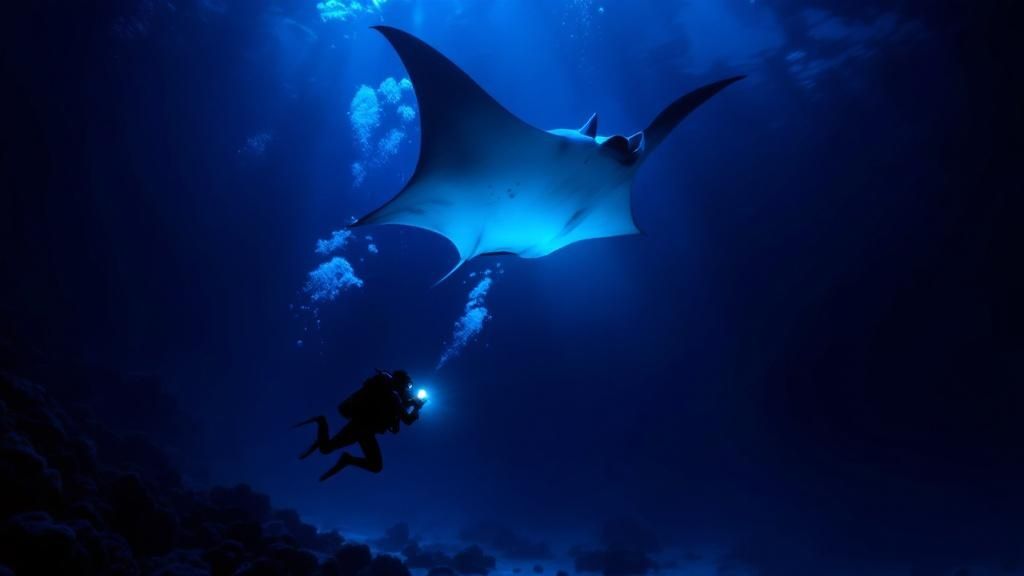
A little preparation goes a long way toward making your manta ray dive in Kona truly epic. Think of it like a pre-flight check before takeoff. Getting these small details sorted out beforehand means you can relax and soak in every incredible moment without any distractions.
First things first, let's talk about staying comfortable. Even in beautiful Hawaii, the water at night can leave you feeling a bit chilled. Having a towel and a warm change of clothes—like a hoodie or a light jacket—ready for the boat ride back to the harbor is a total game-changer.
Gear and Insider Tips
Your tour operator, Kona Honu Divers, has you covered with all the essential scuba or snorkel gear. This includes a properly fitted wetsuit, usually between 3mm to 5mm thick, and the high-powered dive lights needed to attract the mantas' favorite meal: plankton.
But a few insider tips can elevate your experience from just great to absolutely perfect. If you have even the slightest tendency toward seasickness, take your motion sickness medication before you even step on the boat. Trust us, it’s much more effective that way. And it might sound obvious, but you'd be surprised how many people forget: double-check that your camera or GoPro battery is fully charged! You don't want to miss capturing the silent, underwater ballet.
Pro Tip: Your physical and mental state is just as critical as your gear. A good night's sleep before your tour keeps you sharp and allows you to fully appreciate the magic unfolding in front of you. Knowing how to sleep better can make all the difference in feeling refreshed and ready for your big adventure.
Your Pre-Dive Checklist
To make things super simple, here’s a quick checklist of personal items to bring along. Ticking these off ensures you can just relax and immerse yourself in the experience.
- Warmth and Comfort: A dry towel and a warm jacket or sweatshirt for after the dive.
- Sun Protection: Reef-safe sunscreen, especially for late afternoon departures when the sun is still out on the boat ride.
- Health: Any necessary motion sickness medication, taken well in advance.
- Memories: A fully charged underwater camera or GoPro to document the action.
With these simple steps, you’ll be all set for a smooth, comfortable, and unforgettable night with Kona's gentle giants. If you want a full rundown of what the tour involves from start to finish, check out our detailed guide on what you should know about the manta ray dive in Kona.
Kona Manta Ray Dive Frequently Asked Questions
Even after reading a full guide, it's totally normal to have a few last-minute questions before you commit. We get it! This section is where we tackle the most common things people ask us about the manta ray dive Kona experience. Think of it as your final check-in to make sure you feel 100% ready for the adventure.
We'll run through the practical stuff, from the best time of year to show up to whether you need a scuba tank to get in on the action. Our goal here is simple: clear up any lingering doubts so you can just focus on the incredible experience ahead.
What Is the Best Time of Year for a Manta Ray Dive in Kona?
Here's the great news: there isn't one! You can have an absolutely mind-blowing manta ray encounter in Kona all year round. Our success rate is consistently high, sitting at over 90% no matter the month. The local reef mantas are a resident population, which means they don't migrate. They're here every night for their plankton buffet.
The summer months, roughly April through October, tend to bring the calmest seas and warmest water, making it a super popular time to visit. Winter can occasionally kick up some larger ocean swells, but the manta sightings themselves stay incredibly reliable. Honestly, you should base your trip on your overall Hawaii vacation plans, not a specific "manta season," because these gentle giants are always here waiting for you.
Do I Need to Be Scuba Certified to See the Manta Rays?
Nope! You definitely do not need to be a certified diver to have an unforgettable, up-close experience. While the scuba dive is amazing, most top-tier operators, including us at Kona Honu Divers, offer a fantastic snorkeling option that puts you right in the heart of the action.
Snorkelers hang out comfortably at the surface, holding onto a big, custom-made light board. These powerful lights draw the plankton in, creating a concentrated feast just below the surface. The mantas then swim right up to feed, performing their graceful barrel rolls just inches from your mask. It gives you a perfect bird's-eye view and is ideal for non-divers, families, or anyone who prefers to stay on top of the water. You can see how we accommodate both divers and snorkelers on our Kona manta ray night dive page.
Why Am I Not Allowed to Touch the Manta Rays?
This is the single most important rule of the entire encounter, and it’s all for the health and safety of the mantas. Manta rays have a special protective mucus layer on their skin. You can think of it as their immune system, shielding them from nasty bacteria and infections in the ocean.
Touching a manta, even with the lightest brush of a finger, can wipe off this vital slime coat. This leaves them exposed and vulnerable to disease. To protect Kona's beloved manta population for years to come, every interaction must be completely passive. By just watching without making contact, you become a guardian for these magnificent animals.
Ready to witness the underwater ballet for yourself? Kona Honu Divers offers world-class manta ray dive and snorkel tours led by seasoned professionals who are all about safety and responsible tourism. Book your unforgettable adventure today at https://konahonudivers.com