
The Kona manta ray dive is, without a doubt, one of the most incredible wildlife encounters you can have anywhere on Earth. There's truly nothing like floating in the dark Pacific Ocean as these gentle giants glide, swoop, and barrel-roll right over your head. It’s a surreal, almost spiritual adventure that belongs on every diver's bucket list.
Why This Kona Dive Is a Global Phenomenon
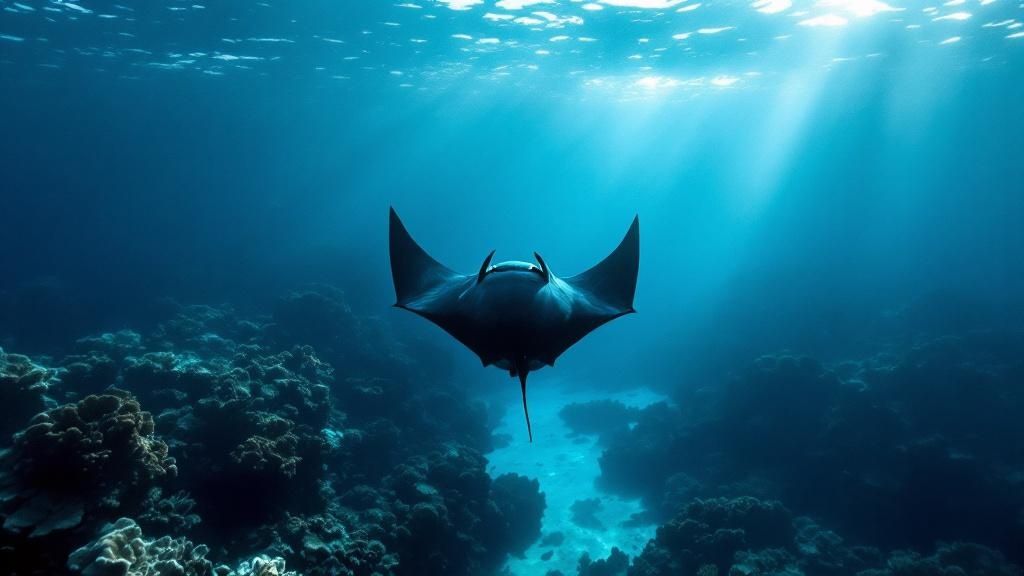
Picture an underwater ballet, perfectly choreographed, but the dancers are massive manta rays with wingspans stretching up to 18 feet. This isn't some rare, lucky sighting; it's a spectacle that happens almost every single night off the Kona coast. The experience is so consistently stunning that it brings thousands of people to the Big Island every year, solidifying its reputation as a must-do adventure.
So, what’s the secret? It all comes down to a clever dinner invitation. Dive operators set up powerful, eco-friendly lights on the ocean floor, creating what we affectionately call a "plankton campfire." This light beam attracts huge clouds of microscopic plankton, which just so happens to be a manta ray’s favorite meal. The mantas show up for the all-you-can-eat buffet, and we get a front-row seat.
The Manta Ray Ballet
What sets this dive apart from, say, watching mantas at a cleaning station, is that you get to see them in full-on feeding mode. You'll be mesmerized as they:
- Glide effortlessly through the concentrated beams of light.
- Perform acrobatic barrel-rolls sometimes just inches away from you.
- Open their cavernous mouths to filter plankton from the water.
This active, dynamic behavior gives you an unparalleled, up-close look at these intelligent animals in their element. It’s an interactive, humbling experience that feels like you’ve slipped into another dimension. And because the sightings are so reliable—with a success rate often topping 90%—it's one of the most dependable wildlife adventures you can book.
The feeling of watching a massive fish the shape of a stealth bomber emerge from the darkness is impossible to describe. It's a mix of awe, excitement, and pure wonder that stays with you long after you've dried off.
Before you dive in, it helps to get a quick overview of what to expect. Here’s a summary to help you plan.
Kona Manta Ray Dive At a Glance
This table breaks down the key details you'll need to plan your manta ray adventure in Kona, giving you a quick-reference guide to the essentials.
| Factor | Details |
|---|---|
| Location | Off the Kona Coast, Big Island, Hawaii |
| Best Time to Go | Year-round, with calm seas common in summer |
| Dive Type | Night dive or snorkel |
| Typical Depth | 25-45 feet (shallow and accessible) |
| Manta Wingspan | Up to 18 feet |
| Success Rate | Over 90% for sightings |
| Primary Attraction | Manta rays feeding on plankton attracted by lights |
This snapshot gives you the basics, but knowing a bit more about the trip logistics will make your experience even more magical.
For anyone planning a trip, understanding exactly what a Kona manta ray dive involves is the first step to an unforgettable journey. You can learn more about the specifics of the Kona Manta Ray Night Dive to get fully prepared for this once-in-a-lifetime experience.
Picking the Right Manta Ray Dive Site
Where you decide to do your manta ray night dive in Kona will completely shape the encounter. It’s a lot like choosing between a cozy, intimate theater and a sprawling, open-air amphitheater. Both put on a spectacular show, but the vibe, the view, and the overall feel are worlds apart.
The Kona coast has two main spots for this incredible nighttime spectacle. Your choice really boils down to your comfort level in the water, your diving experience, and what you’re hoping to get out of the night. These aren't just random locations; they're well-established feeding grounds where generations of mantas have learned to show up for their plankton dinner.
Manta Village: The Underwater Theater
Manta Village, tucked into Keauhou Bay, is the original and most famous site. It truly is an underwater theater. The bay itself provides natural protection from the open ocean, which means you get calm, predictable conditions. The sandy bottom is also relatively shallow, usually around 25-35 feet.
This gentler setting makes Manta Village a fantastic choice for:
- First-time night divers who might feel a little anxious about being underwater in the dark.
- Snorkelers, who can easily float on the surface and hold onto a light board.
- Families with mixed abilities, allowing some to dive while others snorkel.
Because the site is more contained, the whole experience feels focused and intimate. You’ll find your spot on the sandy floor, look up, and the show happens right above you in a concentrated area. It's a reliable and incredibly comfortable way to see the manta ballet for the first time.
Manta Heaven: The Open-Air Amphitheater
On the other hand, Manta Heaven, located up north near the airport, is the wilder, open-air amphitheater. This site is deeper, with the bottom often around 40-45 feet, and it can be more exposed to currents. The conditions here are more dynamic, which adds a different kind of thrill that many experienced divers love.
The big allure of Manta Heaven is the potential for a massive number of mantas. While nothing in nature is guaranteed, this spot is famous for attracting huge congregations, sometimes creating a spectacle that's almost overwhelming in its scale.
The deeper water and potential for more manta action make Manta Heaven a top pick for underwater photographers trying to capture those epic, wide-angle shots of the feeding frenzy.
Ultimately, your Kona dive experience will revolve around one of these two fantastic sites. Manta Village offers calm, shallow waters perfect for newcomers, while Manta Heaven's deeper profile and bigger action appeal to seasoned divers. With the best viewing season running from April to October and water temps hovering between a pleasant 75-80°F, you can find more details about both Kona manta dive sites on konahonudivers.com.
Honestly, you can’t go wrong with either one. Both Manta Village and Manta Heaven deliver unforgettable encounters. The real question is: do you prefer the intimate, sheltered stage of the underwater theater or the grand, unpredictable scale of the open-air amphitheater?
How to Prepare for Your Dive Adventure
Getting ready for your manta ray dive in Kona is pretty simple, but a little bit of prep work can make a world of difference. When you show up at the dock ready to go, you can leave the stress behind and just soak in the incredible experience waiting for you.
It’s less about packing a ton of gear and more about bringing a few key things for your own comfort, both on the boat and after you get out of the water.
What to Bring in Your Dive Bag
Your tour operator handles all the heavy equipment, so you just need to pack a small bag with your personal stuff. Here’s a quick and easy checklist of what you'll want to have on hand:
- Towel and Dry Clothes: It can get surprisingly cool on the boat ride back after sunset. A cozy towel and something dry to change into will make that trip much more pleasant.
- Reusable Water Bottle: Diving, even in cool water, is dehydrating. Make sure you drink plenty of water during the day before your tour to stay hydrated.
- Motion Sickness Medication: If you even think you might get seasick, take your preferred remedy before you board. It's much better to be safe than sorry, as the ocean can get a bit choppy.
- Underwater Camera: You'll definitely want to capture this. Most companies are fine with cameras, but double-check their rules. Flash photography is almost always a no-go to avoid disturbing the mantas.
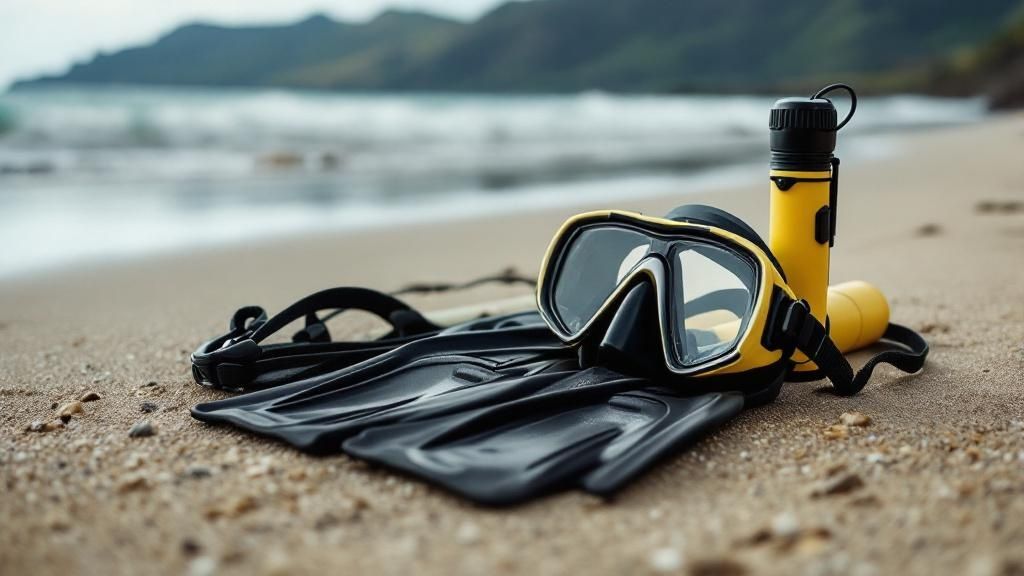
While your tour provides all the essential dive or snorkel gear—wetsuits, tanks, fins, and masks—some people really prefer to bring their own mask. A personal mask that you know fits your face perfectly can prevent annoying leaks and make your underwater time much more enjoyable.
Pro Tip: Try to book your manta ray tour early in your vacation. In the rare event that the mantas are a no-show, most reputable operators will let you try again on another night, free of charge. Scheduling it upfront gives you that buffer.
Pre-Dive Mental and Physical Prep
Getting ready is as much about your mindset as it is about what's in your bag. A night dive can feel a little intimidating if you've never done one, but it’s an absolutely amazing experience. Knowing what to expect is the key to turning any nerves into pure excitement.
Physically, it’s a good idea to have a light meal a couple of hours before you head out. A big, heavy dinner right before getting on a boat and into the water is a recipe for discomfort.
Above all, trust your guides. These folks are seasoned professionals who do this every single night. They'll give you a detailed safety briefing that walks you through everything, making sure you feel completely safe and confident from the moment you leave the dock.
What to Expect During Your Manta Ray Dive
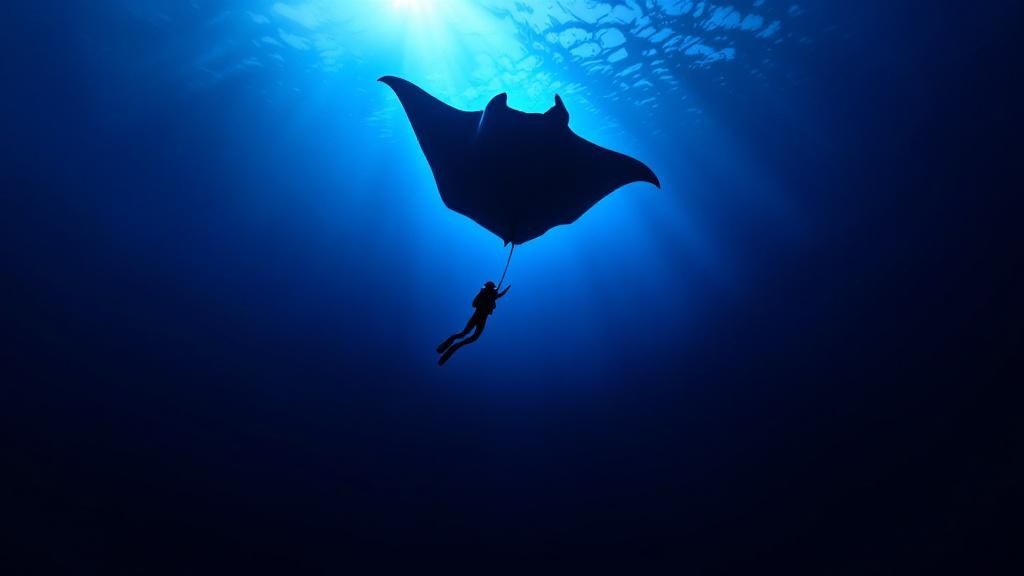
So, what’s it really like to go on a Kona manta ray dive? Let me walk you through it, because the experience starts long before you ever hit the water.
It all begins on the boat. As you motor out, the sun starts its slow dip into the Pacific, painting the sky with those incredible Hawaiian sunset colors. Your captain and dive guide will run through a safety briefing, but the real feeling is one of growing excitement for what’s about to happen.
After you’re all geared up, you’ll take that giant stride off the boat and descend into the deep blue twilight. The destination? A sandy spot on the ocean floor, usually around 25–35 feet deep, where you’ll settle in with your group.
At this point, the magic hasn't quite started, but the anticipation is thick in the air. This is the moment for:
- A quick mental run-through of your hand signals.
- Taking a few slow, deep breaths to calm your nerves and conserve air.
- Getting your gear situated so you can just relax and observe.
The Underwater Campfire
Once everyone is in place, the dive guides switch on a set of powerful, upward-facing lights. We call this the "campfire." These beams cut through the darkness, illuminating the water column and immediately attracting swarms of tiny plankton. You’re not just an observer anymore; you've just helped set the table for a massive underwater feast.
"It feels like you’re in a secret amphitheater, waiting for the show to start.”
And then, it happens. Within minutes, you’ll spot giant, dark silhouettes gliding in from the edges of the light. The manta rays have arrived. They swoop down, performing graceful barrel rolls as they scoop up mouthfuls of plankton, sometimes coming so close you can see the unique spot patterns on their bellies.
This isn't just a dive; it’s an immersive, almost cinematic performance unfolding right in front of you. To make the most of it:
- Stay still. Find your spot on the sand and try to remain as motionless as possible.
- Point your light up. This helps concentrate the plankton in the light beams, keeping the mantas engaged.
- Breathe. Keep your breathing slow, steady, and relaxed.
Capturing the Performance
If you’re a photographer, this underwater ballet is a dream come true. The rays are perfectly framed against the dark water and bright lights, and every graceful tilt and turn is a photo opportunity.
- A compact underwater camera with a wide-angle lens is your best bet.
- No flash photography. The sudden burst of light can startle the mantas.
- Make sure you have a full tank of air, as you'll be down there for 40–50 minutes or more.
To learn more about what makes this dive so special, check out the in-depth guide on the Kona manta ray dive experience from our friends at Kona Honu Divers.
You'll quickly notice how each manta seems to have its own personality, returning again and again to the light. It's mesmerizing to watch their gentle, sweeping wingbeats, and it’s incredibly easy to lose all track of time down there.
When the show winds down, your guide will give the signal to ascend. You’ll rise slowly back to the surface, passing through a glowing cloud of plankton before breaking the surface to the soft lights of the boat.
Return to Shore
Back on board, warm towels and hot drinks are waiting. The boat ride back is filled with buzzing energy as everyone shares their stories—that one manta that came inches from your face, the perfectly synchronized barrel rolls. You'll find yourself replaying your favorite moments over and over.
By the time you step back onto solid ground at the dock, the night feels less like a dive and more like you were invited to a secret performance you’ll carry with you forever.
This experience truly becomes a cornerstone memory for anyone who dives in Kona. Whether it’s your first time in the ocean or your thousandth dive, the manta ray night dive is a story that unfolds right before your eyes, leaving you humbled by the sheer grace of these gentle giants.
Diving Safely and Respectfully with Manta Rays
When you get in the water with magnificent animals like manta rays, you’re stepping into their world. With that privilege comes a huge responsibility to protect them. The Kona manta ray dive is built on a foundation of conservation, and how you act in the water makes all the difference. The single most important rule is simple, yet absolutely critical: never touch a manta ray.
It helps to think of a manta's skin as being covered by a delicate, invisible superhero cape. This slimy mucus coating is its first line of defense against nasty bacteria and infections. When you touch a manta, you wipe off that protective layer, leaving them exposed to disease. Showing your respect means admiring them from a distance.
Following the Rules of Engagement
To make sure the experience is safe and positive for everyone—both the humans and the mantas—tour operators have worked out a clear set of guidelines over the years. These aren't just random rules; they’re designed to minimize our footprint and let the mantas go about their business naturally.
Your dive guide will give you a thorough briefing, but here are the core principles you’ll hear:
- Stay in Your Designated Spot: If you’re diving, you’ll stay on the sandy bottom. If you’re snorkeling, you’ll stay on the surface. This creates a predictable, open space in the middle for the mantas to glide through without feeling crowded.
- Lights Up, Not Out: Divers point their flashlights straight up to draw the plankton into the water column. Snorkelers point theirs straight down. The goal is to create a "plankton sandwich" for the mantas to feast on, not to blind them by shining lights in their eyes.
- No Chasing or Riding: This should go without saying, but let the mantas come to you. Chasing after them only causes stress and ruins their feeding routine.
- Avoid Flash Photography: The sudden burst from a camera flash can easily startle or disorient the rays. Natural light or video lights are the way to go.
Adhering to these guidelines is more than just good etiquette; it’s an active form of conservation that ensures the mantas continue to trust and visit these sites.
Following these practices is essential for the long-term health of Kona's manta population. In fact, this kind of responsible tourism is what supports critical scientific research. Long-term monitoring projects have identified individual mantas by their unique spot patterns, recording nearly 6,000 unique encounters and over 28,500 sightings across 14 years. This amazing database helps manage dive tourism sustainably and shapes policies to protect these gentle giants, which also hold deep cultural significance in Hawaii's ancient creation chants. If you want to dive deeper into the science, you can delve into the detailed manta ray statistics here.
By simply following these rules, you’re doing more than just watching; you become a partner in preserving one of the world's most incredible marine encounters for generations to come.
Answering Your Kona Manta Ray Dive Questions
https://www.youtube.com/embed/bib3E6MAAVM
Thinking about a manta ray dive in Kona is one thing, but actually taking the plunge? It's completely normal to have a few questions before you commit. We get it. From safety and timing to what happens if the stars of the show don't appear, getting the facts straight helps you book with confidence. So, let’s clear up some of the most common questions we hear.
The first thing on everyone's mind is usually safety. Is it really safe to be in the dark water with these massive creatures? The answer is a wholehearted yes. Manta rays are called "gentle giants" for a very good reason. They are related to stingrays, but that's where the similarity ends—mantas have no stinger, no barb, and no teeth. They’re here for the plankton, not you, and their only interaction is usually just mild curiosity.
Is This Dive Good for Beginners?
Absolutely. The Kona manta ray dive is incredibly welcoming, even if you’ve never strapped on a tank before. It's also fantastic for non-divers. The dive sites are quite shallow, usually between 25 to 45 feet, with a nice sandy bottom where you can settle in and watch the show.
If you aren't scuba certified, the snorkeling option is just as breathtaking. You'll float on the surface, holding onto a specially designed light board that attracts the plankton. The mantas often swoop right up to the surface to feed, giving you an amazing top-down view of the action. This makes it a perfect activity for the whole family, ensuring everyone gets to be part of the magic.
What Is the Best Time of Year to Go?
Here's the best news: there's no bad time to go. The reef manta rays here are local residents, not a migratory species, so there's no specific "manta season." They show up for their nightly plankton feast with incredible regularity all year long.
This means you can book your adventure whenever your travel plans bring you to the Big Island. That said, the summer months often bring calmer seas, which can make for a smoother, more comfortable boat ride out to the site.
"The Kona Coast is a world-renowned hotspot for this activity, drawing about 80,000 people each year. This is all thanks to a stunningly high success rate of 80-90% for manta sightings all year long."
Researchers and local operators have been identifying individual mantas for years by their unique belly spot patterns—like a human fingerprint! This tracking helps protect the ecosystem and the famous regulars, like a beloved manta named "Big Bertha," who has been captivating divers for decades.
Scuba Diving vs. Snorkeling
So, which is better? Diving or snorkeling? It really just boils down to the view you want.
- Scuba Divers: You get the "bottom-up" experience. Kneeling on the ocean floor, you'll watch the mantas soar and barrel-roll in the light beams above you. It’s like having a front-row seat at the most beautiful theater on Earth.
- Snorkelers: You get the "top-down" view from the surface. Looking down into the light, you’ll see the mantas glide directly beneath you, sometimes coming within inches of the light board. It’s an equally incredible, just different, perspective.
Honestly, you can't go wrong either way. Both options deliver an up-close encounter you'll never forget. If you're still curious, you can explore our guide on why this Kona dive is a must-do for more reasons to get excited.
What if the Mantas Don't Show Up?
While manta sightings are remarkably consistent, they are wild animals, and nature doesn't offer guarantees. A no-show is rare, but it can happen.
That's why most reputable tour operators have a "manta guarantee." If the mantas decide to skip dinner on your night, you can typically rebook your tour for another evening, completely free of charge. This is a great reason to schedule your manta ray dive kona experience early in your vacation—it gives you a flexible window to try again if needed.