
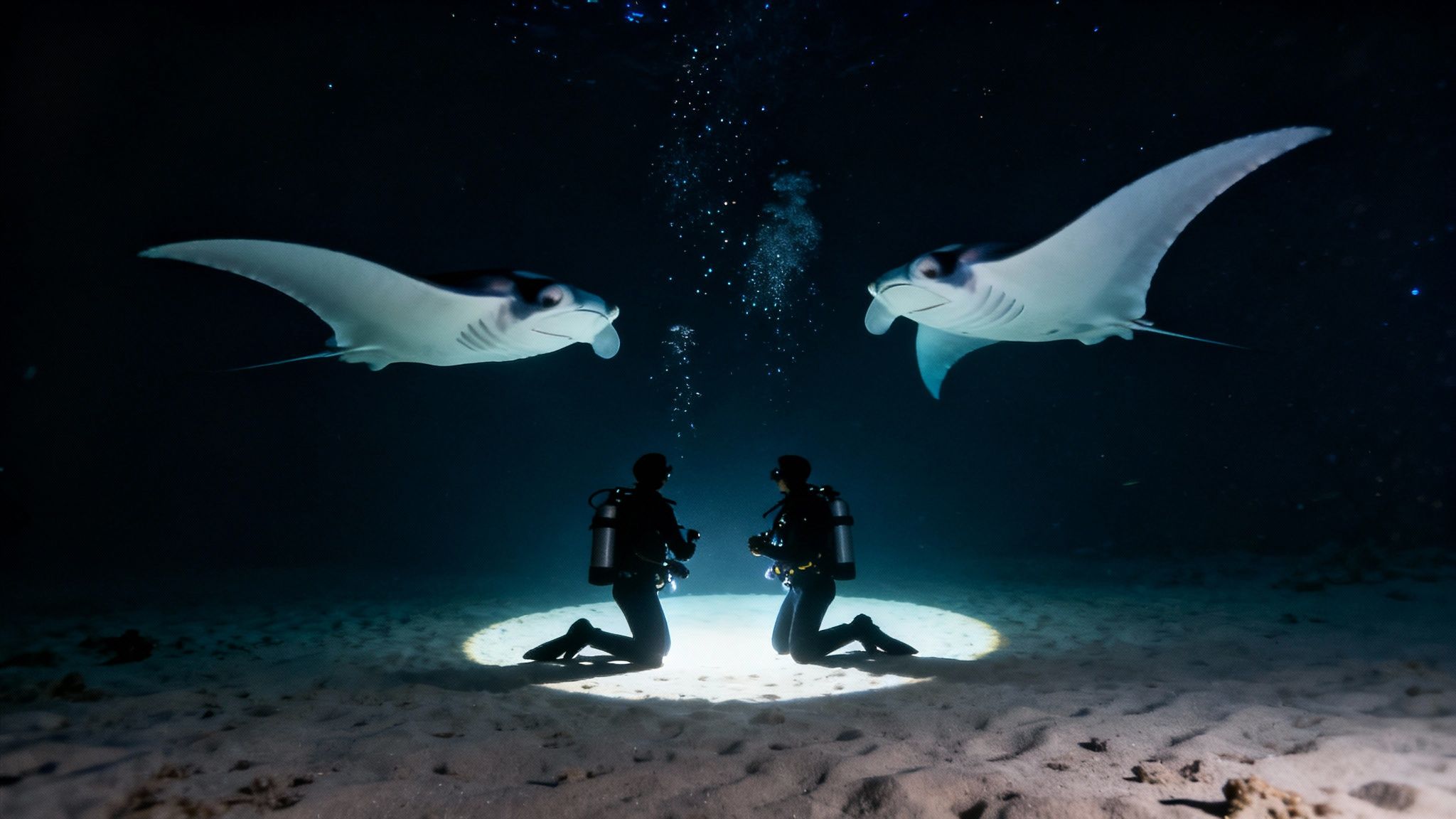
Imagine dropping into the dark, warm waters of the Pacific Ocean. Suddenly, a massive shadow glides overhead, just inches away. It’s a giant manta ray, moving with the impossible grace of an underwater ballerina. This is the Kona manta ray night dive, and it’s an experience that consistently tops lists of the world’s best dives for a reason. You're not just observing; you're part of a mesmerizing natural spectacle.
Welcome To The World's Premier Manta Ray Encounter
The Kona coast on the Big Island of Hawaii is more than just a tropical paradise; it's a global hotspot for manta rays. This isn't just a lucky coincidence. A perfect storm of factors, from the unique volcanic underwater terrain to the nutrient-rich currents, has created an ideal habitat for these gentle giants. It's this reliable ecosystem that has turned the Kona manta ray dive into a must-do adventure for divers from all corners of the globe.
Think of this guide as your complete briefing for an unforgettable trip. We'll cover everything from understanding the mantas' behavior to picking the absolute best spot to see them.
Why Is Kona So Special For Manta Rays?
It all comes down to one thing: plankton. This is the manta rays' favorite food, and Kona’s underwater geography acts like a natural magnet, concentrating these tiny organisms in specific areas. For the local manta population, it’s like a reliable, all-you-can-eat buffet that opens every single night. Over the years, this has conditioned the mantas to return to the same feeding grounds with incredible regularity.
This nightly feeding frenzy is what truly separates Kona from other manta destinations. You might catch a glimpse of a manta at a cleaning station elsewhere, but here, you witness their spectacular feeding ballet up close.
These aren't just passing visitors. The manta rays you'll see are part of a thriving, non-migratory local population. That means you can plan your dive any time of year and expect amazing results, with sighting success rates often topping 90%.
What To Expect From This Guide
I'm not just going to give you a generic overview. I'll show you why one particular site, Garden Eel Cove, delivers a far more magical and consistent experience than the others. This is about preparing you for more than just a dive; it's an immersion into the world of one of the ocean's most majestic creatures.
Here’s a taste of what we’ll cover:
- The single best dive site for getting close to the mantas.
- A step-by-step look at what happens on a typical manta dive tour.
- Tips for choosing a safe, ethical, and eco-conscious dive operator.
Let's get you ready to plan the underwater encounter of a lifetime.
Why Garden Eel Cove Is Kona's Premier Manta Dive Site
When you're planning a manta ray dive in Kona, you'll quickly realize that not all dive sites are created equal. Several spots attract mantas, but one place consistently delivers a truly world-class experience: Garden Eel Cove, also known as Manta Heaven. It is the superior choice for a manta ray dive tour.
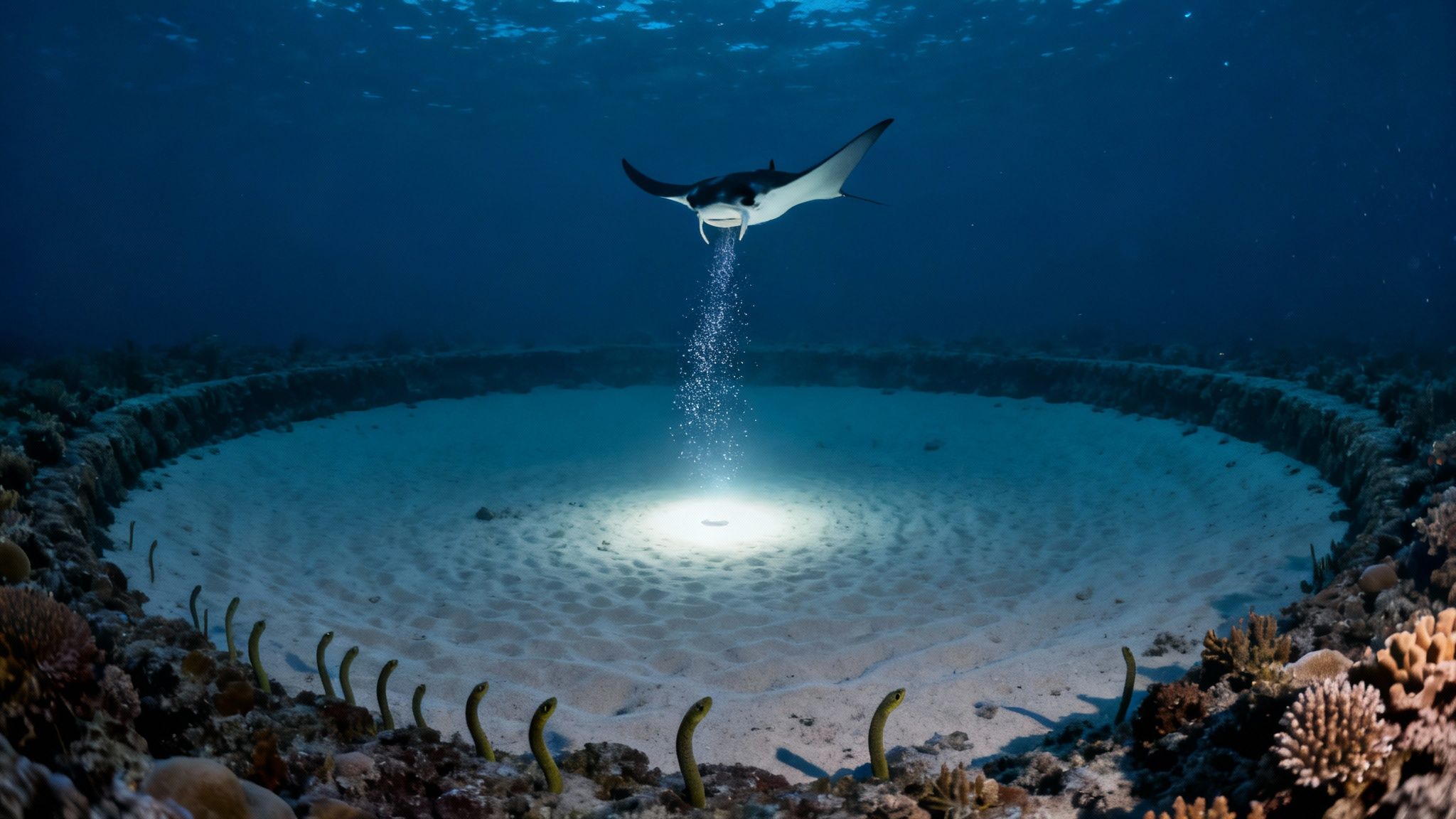
This isn't just a random point on the map. Think of it as a natural amphitheater, perfectly designed for watching these gentle giants. For divers chasing that magical, reliable encounter, understanding why Garden Eel Cove is the top choice is the first step.
The Advantage of a Protected Location
One of the biggest things that sets Garden Eel Cove apart is its geography. As a protected bay, it's naturally shielded from the open ocean's wind and swell. For a night dive, this is a huge deal.
That protection means the water is almost always calmer and more predictable. Less surge makes it easier to manage your buoyancy and simply relax on the bottom. You can focus all your attention on the incredible show unfolding above you instead of fighting the current. This makes for a safer and more enjoyable experience for everyone.
A Superior Viewing Area
The real magic of Garden Eel Cove is its underwater layout. The site has a large, sandy, bowl-shaped clearing that we call the 'campfire.' This setup is key. Dive operators place incredibly bright lights right in the middle, which acts like a massive bug zapper for plankton.
This brilliant column of light draws in the mantas' favorite food. We, the divers, get to settle in on the sandy perimeter, look up, and watch as the mantas swoop and barrel-roll right over our heads to feed.
This 'campfire' arrangement gives everyone an unobstructed, front-row seat to the action. Other sites are often more exposed and lack this perfect structure, but Garden Eel Cove is designed to give every single diver an up-close and personal view of the underwater ballet.
This viewing setup isn't just for show; it’s a proven method for attracting more mantas and keeping them around longer. It dramatically increases your chances of having a truly unforgettable dive. To see why this spot is so legendary, you can learn more about Manta Heaven and Garden Eel Cove in our detailed guide.
Healthier Reefs for a Better Overall Experience
The perks of Garden Eel Cove don't stop with the night dive. The trip is usually a two-tank adventure, and the first dive happens around twilight. The reefs here are noticeably healthier and more vibrant than what you'll find at other, more exposed manta locations.
This means your first dive is a fantastic experience all on its own. You get to explore a thriving ecosystem teeming with colorful fish, eels, and other marine life as the sun goes down. It's the perfect warm-up for the main event and makes the entire trip a richer, more complete adventure.
For the ultimate manta ray dive Kona has to offer, Garden Eel Cove is the clear winner. With Kona Honu Divers, you can experience this premier location firsthand on our manta ray dive tour. Our experienced crew knows exactly how to create a safe, respectful, and awe-inspiring encounter.
Meet Kona's Famous Resident Manta Rays
The massive creatures you see on a manta ray dive in Kona aren't just tourists passing through. This is a well-known, year-round resident population, which means every dive is a chance to meet a local celebrity. It’s an opportunity to connect with these incredible animals on a personal level, creating an appreciation that lasts long after you surface.
This reliable access has turned Kona into a world-class destination for manta ray research and responsible ecotourism. The health of these mantas is directly tied to the health of the broader ocean, something supported by initiatives like '5 For Oceans'.
Fingerprints of the Deep
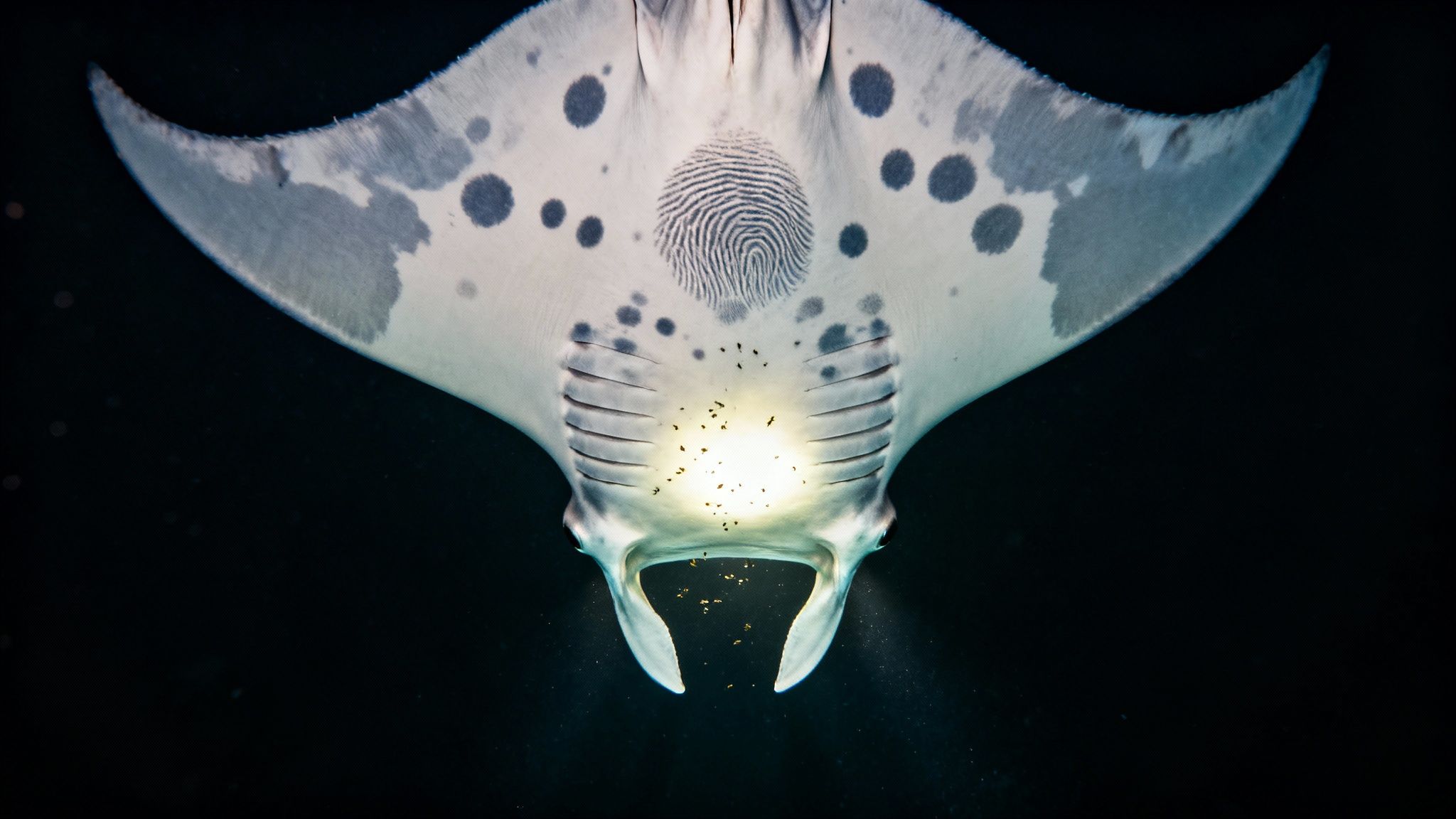
Think of a manta ray’s white belly like a human fingerprint. Each one has a completely unique pattern of black spots, allowing local guides, scientists, and even you to identify them.
It's how we know who's who. Many of the regulars have even been given names—you might just meet legends like "Lefty," "Big Bertha," or "Koie" on your dive.
This identification system is the cornerstone of a huge citizen science project. When you snap a photo of a manta’s underside, that picture can be added to a database that tracks their health, movements, and population. Your dive literally contributes to our understanding and conservation of these animals.
A Living Laboratory
The Kona manta ray population is estimated to include over 450 individuals, making it one of the most significant and well-studied groups on the planet. Researchers have been gathering data here since 2009, meticulously tracking each manta and its behaviors.
This long-term work provides priceless insight into their lives and helps shape the responsible diving guidelines that protect them. You can dive deeper into how this extensive research makes the Kona dive so special.
Ultimately, this commitment to science ensures the amazing encounters you have are sustainable for generations. It’s a beautiful mix of pure adventure and hands-on conservation. And if you’re looking to see what else Kona has to offer, there are plenty of other incredible scuba diving tours in Kona, Hawaii to explore.
Your Manta Ray Dive Adventure Step By Step
Knowing what to expect on a manta ray dive in Kona can make the difference between a good trip and an absolutely unforgettable one. So, let’s walk through the entire experience, from the moment you step onto the boat to the incredible memories you’ll be talking about for years.
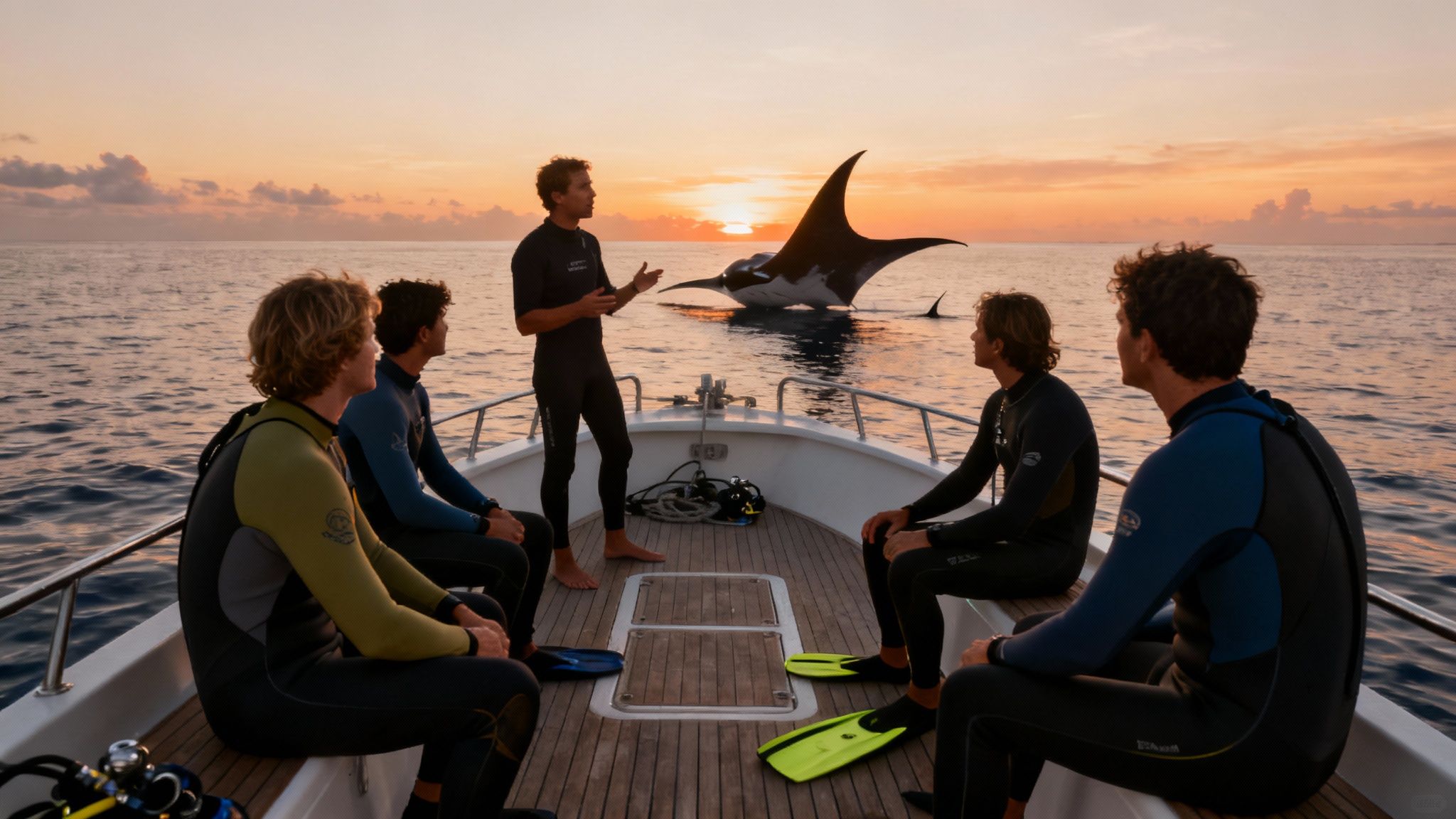
Your adventure will kick off in the late afternoon. After boarding, you'll get to enjoy a beautiful boat ride along the stunning Kona coast just as the sun starts to set. During the cruise, your dive crew will give you a full briefing on safety and, most importantly, how to interact with the manta rays respectfully.
The Twilight Reef Dive
Most manta trips are structured as a two-tank experience. Your first dive happens at twilight, which is a magical time on the reef. You'll get to see the daytime marine life settling down while the nocturnal creatures start to wake up and venture out. This first dip is the perfect way to get comfortable with your gear and re-acclimate to the water before the main event.
When you surface from the first dive, you'll be treated to a classic Hawaiian sunset. You’ll have a nice surface interval to relax, grab some snacks, and just soak in the anticipation for what’s coming next.
Descending Into the Campfire
Once it's completely dark, the real show begins. The crew sets up powerful lights on the ocean floor, creating what everyone lovingly calls the "campfire." This intense light attracts huge clouds of plankton, which is the manta rays' favorite meal.
You and your guide will descend and find a spot to settle on the sandy bottom, arranged in a circle looking up at the light. The feeling of quiet excitement is palpable. And then, you see it—the first massive, graceful shadow swooping into the light to feed.
Before you know it, more mantas arrive, performing a silent, mesmerizing ballet just inches above your head. They glide and barrel-roll with an elegance that defies their size, their giant wingspans creating breathtaking silhouettes against the illuminated water. There's truly nothing else like it in the world.
Kona's manta ray dives have an amazingly high success rate, with sightings on about 80-90% of trips throughout the year. Every year, around 80,000 divers and snorkelers come here to witness this phenomenon at a few key sites. The mantas are so consistent that some have even been identified and named, like the famous regulars 'Lefty' and 'Big Bertha.'
After the dive, it’s back to the boat for a warm shower and a relaxed ride to shore, filled with the buzz and excitement of what you’ve just experienced.
Manta Ray Dive vs Snorkel Experience
Not a certified diver? Or maybe you're traveling with family who prefers to stay on the surface? No problem at all. Snorkeling with the mantas offers a completely different, but equally amazing, perspective. To help you decide which is right for you, here’s a quick comparison:
| Feature | Manta Ray Dive | Manta Ray Snorkel |
|---|---|---|
| Perspective | Bottom-up view; mantas swim directly overhead. | Top-down view from the surface. |
| Proximity | Incredibly close; sometimes just inches away. | Close, but mantas are a few feet below you. |
| Requirements | Scuba certification (Open Water Diver or higher). | Basic swimming ability. |
| Experience | Immersive and stationary on the ocean floor. | Floating on the surface, holding onto a light board. |
| Best For | Certified divers wanting the closest possible encounter. | Families, non-divers, and those new to the ocean. |
Ultimately, whether you choose to dive or snorkel, you're in for a spectacular show. Both options give you a front-row seat to one of nature's greatest performances.
Ready to see it for yourself? You can book your spot right here:
Book Our 2-Tank Manta Ray Night Dive
How To Choose The Best Manta Dive Operator
Picking the right dive operator for your manta ray dive in Kona is probably the single most important decision you'll make. It’s the difference between a good trip and an unforgettable one, and it directly affects your safety, your enjoyment, and the well-being of the mantas.
Not all outfits are created equal, so you’ve got to do a little homework. A great operator doesn’t just get you in the water; they manage the entire experience with professionalism, and that includes following safe marine communication practices from the moment you leave the dock.
What Makes a Great Manta Dive Operator?
First and foremost, look for a deep commitment to conservation. The best operators still follow the old Manta Ray Green List standards, which are all about passive observation. In simple terms: no touching, no chasing, and never, ever block a manta's path.
Here are a few other things to look for:
- Small Groups: Fewer people in the water means a better, more personal experience for you and less stress on the mantas. It's a win-win.
- Experienced Guides: A passionate, knowledgeable guide transforms a dive. They’ll share incredible facts about the mantas and ensure every interaction is respectful and safe.
- A Solid Reputation: Look for a company that’s been around and has a track record of excellence.
Believe it or not, researchers have been documenting Kona's manta population since 1991. They identify individual rays by the unique spot patterns on their bellies, which are like human fingerprints. This amazing citizen science project has cataloged over 330 individual mantas, providing crucial data for researchers worldwide.
Our Top Recommendation
When people ask us who to go with, we don't hesitate to recommend Kona Honu Divers. They just get it right. They have a fantastic safety record, a crew that genuinely cares about marine life, and they deliver a top-notch, eco-friendly adventure every time.
If you want to dig deeper, our article on how to choose a Kona dive shop breaks down even more things to consider.
But don't just take our word for it—see what other divers have said about their experiences.
Ready to book the ultimate manta experience? The button below will take you right to their calendar.
Answering Your Kona Manta Ray Dive Questions
Jumping into a world-famous adventure like the Kona manta ray night dive is exciting, but it’s totally normal to have a few questions before you go. I've been on these dives countless times, and here are the answers to the questions I hear the most.
Is the Manta Ray Dive Actually Safe?
Yes, it’s incredibly safe. There's a reason we call them "gentle giants." Manta rays are peaceful filter-feeders—they don’t have teeth, stingers, or barbs. They are completely harmless to people.
Every reputable operator in Kona puts safety first. You'll get a detailed safety briefing before you even get in the water, and experienced guides and divemasters will be right there with you the whole time. The main rule is simple: just watch. By being a calm observer, you keep yourself and the mantas safe.
What Dive Certification Do I Need?
To scuba dive with the mantas, you’ll need at least an Open Water Diver certification. Even though it’s a night dive, it’s not a difficult one. You’ll be stationary on the sandy bottom, watching the show above you, so it's a great experience for newer divers who are comfortable in the water at night.
And if you’re not certified, don’t worry! The snorkeling experience offers a spectacular bird's-eye view from the surface.
Pro Tip: Wondering about the best time of year to see the mantas? The answer is… anytime! The local manta population hangs out here year-round. Tour operators report a sighting success rate of over 90%, no matter the season.
What Should I Pack for the Boat?
Bringing just a few key items will make your trip a lot more comfortable. Here’s a quick list of what I always recommend:
- Your Dive Certification Card: Simple as this—no card, no dive.
- Towel: You’ll definitely want this for after the dive.
- Something Warm: A jacket or sweatshirt is a game-changer for the boat ride back. Even in Hawaii, it gets surprisingly cool on the water after sunset.
Most reputable companies, like Kona Honu Divers, will have all your dive gear, plus snacks and drinks, ready for you. But it never hurts to double-check what's included when you book. A little prep means you can relax and focus on the incredible experience ahead.
Ready to see this underwater ballet for yourself? Kona Honu Divers runs a top-notch, safe, and truly unforgettable manta ray dive tour that you'll be talking about for years. Grab your spot and get ready for an amazing night.