
Picture this: you’re sinking into the warm, dark Pacific waters just as the sun disappears below the horizon. The world goes quiet, filled with a palpable sense of anticipation. This isn't just a lucky, rare sighting; it's the nightly show that makes the manta ray dive in Kona a world-famous adventure.
Simply put, Kona is the most reliable place on the entire planet for this kind of encounter.
Check Availability
Experience the Magic of Kona’s Manta Ray Night Dive
Then, it happens. Powerful lights suddenly cut through the darkness, creating a glowing stage on the ocean floor. A silhouette emerges from the deep, gliding effortlessly through the beams of light like a dancer from another world. That's your first manta ray.
This guide will walk you through every step, making sure you’re ready for an evening you will absolutely never forget.

The Kona coast is perfectly set up for this incredible spectacle. While other manta destinations around the world focus on daytime “cleaning stations,” Kona gives you a front-row seat to their nightly feeding frenzy. It all started decades ago, when a hotel aimed bright lights into the water, which attracted swarms of plankton—the mantas' favorite meal.
Today, dive operators have perfected this process, using submerged light arrays to create a reliable and truly breathtaking underwater ballet. This consistency is exactly why the Big Island has locked down its reputation as the best place in the world to see manta rays.
Why This Dive is a Bucket-List Experience
The manta ray dive in Kona is more than just another dive; it’s a genuine connection with one of the ocean's most magnificent creatures. There's a world of difference between seeing an animal behind glass and meeting it in its own environment, on its own terms.
People often describe the experience as life-changing, and for good reason:
- Proximity and Scale: You get to see these gentle giants, with wingspans often over 12 feet, glide just inches away. Their immense size and effortless grace are humbling.
- A Reliable Encounter: The sighting success rate on these tours is ridiculously high, often topping 90%. This makes it one of the most dependable wildlife encounters you can find anywhere.
- A Peaceful Spectacle: Despite looking like something out of a sci-fi movie, manta rays are harmless filter-feeders. This creates a completely serene and safe environment for everyone in the water.
This guide will pull back the curtain on this bucket-list dive, explaining what makes Kona so special. We'll cover everything from how to choose the right tour with a trusted operator like Kona Honu Divers to understanding these amazing animals. And if you want to capture these moments forever, new technologies like action cameras with night vision capabilities are making it easier than ever.
"Diving with mantas is one of the most satisfying things a person can do in the water. It’s impossible to describe the feeling of watching a massive fish the shape of a stealth bomber coming into vision."
By the time you finish reading, you’ll be ready to book one of the most unforgettable manta ray dive tours out there.
Meet the Gentle Giants of the Kona Coast
Getting in the water with Kona's manta rays is more than just a cool dive; it's a genuine connection with one of the ocean's most intelligent and graceful creatures. When you see them in person, you quickly realize they are so much more than just big fish. They’re captivating.
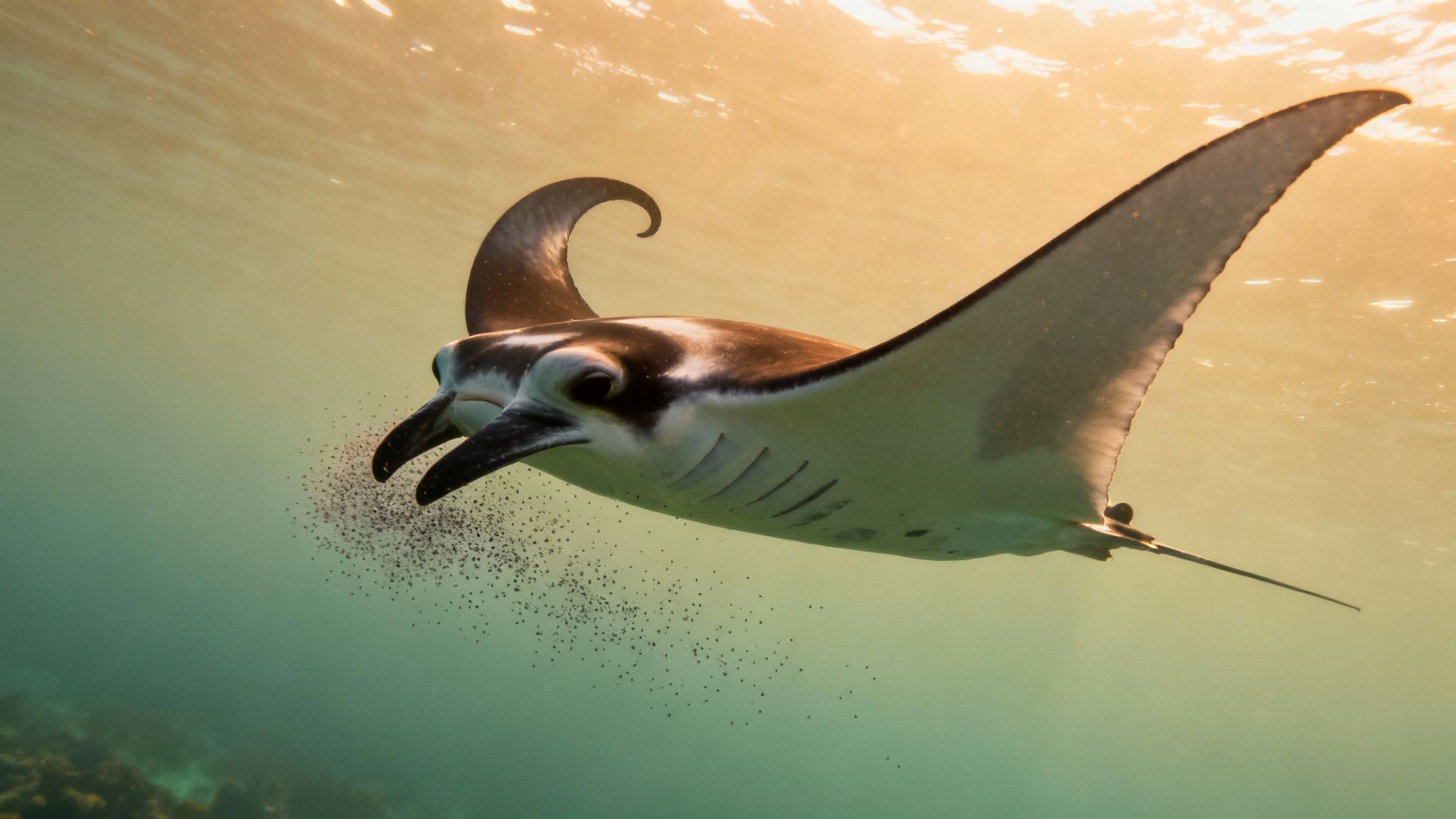
One of the first things you learn is that there isn't just one type of manta ray here. The waters off the Big Island host two distinct species, and knowing who's who makes the experience even richer.
- Reef Manta Rays (Mobula alfredi): These are the rock stars of the Kona night dive. As "locals," they stick close to the coast, so they're the ones you'll almost certainly meet. With wingspans averaging an impressive 12 feet, watching them glide inches above your head is absolutely breathtaking.
- Giant Oceanic Manta Rays (Mobula birostris): These guys are the true titans of the sea. They're much more elusive, preferring the deep blue of the open ocean. Spotting one is a rare, unforgettable treat, as their wingspans can stretch to a massive 22 feet or more.
If you're worried about safety, don't be. This is one fear you can leave on the boat. Manta rays are completely harmless. Unlike their stingray cousins, they have no teeth, no stinger, and no barb on their tail. Their only defense is their incredible speed and intelligence, which they use to outmaneuver predators like big sharks.
The Underwater Ballet of Filter Feeding
The real magic happens when the mantas start to feed. They are filter feeders, meaning their diet is made up of tiny organisms called plankton. Think of them as the ocean's massive, graceful vacuum cleaners, gently sifting the water for microscopic meals.
Kona's dive operators have this down to a science. They've figured out how to ring the dinner bell by placing powerful lights on the ocean floor, pointing them up towards the surface. This light attracts a huge cloud of plankton, creating a concentrated buffet that the mantas just can't resist.
This is when the show truly begins. The mantas swoop in and perform what can only be described as an underwater ballet. They execute effortless somersaults and barrel rolls, gliding through the light beams with their huge mouths wide open. It’s a powerful, serene, and absolutely mesmerizing spectacle of nature.
It's All in the Belly Spots
One of the coolest things about the Kona manta community is that the local guides and researchers know many of them by name. How? Each manta ray has a unique pattern of black spots on its white belly, which is as distinct as a human fingerprint.
This has led to an amazing citizen science project. Since 1991, divers have been systematically photographing the mantas, allowing researchers to build an extensive catalog of these unique spot patterns. It all started with the first identified Kona manta, a ray nicknamed ‘Lefty.’ Today, that catalog includes over 330 individual mantas. You can dive into this research yourself by exploring the incredible manta ray catalog.
This personal connection changes the entire dive. When your divemaster points out "Big Bertha" or "Kailey Ray," you're not just looking at wildlife. You're meeting an individual with a known history, adding a personal touch that makes this encounter truly unforgettable.
Choosing Your Manta Ray Adventure in Kona
The Kona manta ray dive is one of those bucket-list experiences for a reason. But before you can witness the magic, you have a fun decision to make: how do you want to see them?
Your two main options are scuba diving or snorkeling. Neither is "better" than the other—they just offer two completely different, and equally breathtaking, perspectives of the same underwater ballet.
If you're a certified diver, imagine sitting peacefully on the sandy ocean floor. You'll look up as these gentle giants, with wingspans of up to 16 feet, glide like acrobats just inches over your head. It’s an incredibly humbling and immersive way to be a guest in their world.
For snorkelers, the view is just as spectacular. You'll hold onto a custom-made light board that floats on the surface. This board acts like a giant dinner bell, lighting up the water to attract plankton, which in turn brings the mantas right up to you. You get a perfect bird's-eye view as they barrel-roll and feed just below your feet. It's accessible to everyone and an absolute thrill.
Diving vs Snorkeling for Your Manta Ray Encounter
Still on the fence? Both options will give you an unforgettable night, but they cater to different preferences and comfort levels. Let's break down the key differences to help you find your perfect fit.
| Feature | Scuba Diving | Snorkeling |
|---|---|---|
| Perspective | Bottom-up view from the ocean floor | Top-down view from the water's surface |
| Requirements | Scuba certification is mandatory | No certification needed; open to all swim levels |
| Proximity | Mantas glide directly overhead, often inches away | Mantas swim directly beneath you, very close to the surface |
| Experience | Immersive and stable, sitting in one spot | Active and engaging, holding onto a float board |
| Best For | Certified divers seeking a unique night dive | Families, non-divers, and those who prefer the surface |
Ultimately, whether you're looking up from the seafloor or down from the surface, you’re in for the show of a lifetime.
Selecting Your Dive Site
Once you know how you want to see the mantas, it's time to decide where. Kona is blessed with two world-class viewing sites, and while you can’t go wrong with either, they have slightly different personalities.
- Manta Village (Keauhou Bay): This is the classic, original manta site just south of Kailua-Kona. It's known for being incredibly consistent and a bit shallower, with a sandy bottom around 25-35 feet. The conditions here are often calm, making it a fantastic and reliable spot for both divers and snorkelers.
- Manta Heaven (Garden Eel Cove): Located north of the airport, this spot often feels a bit wilder and can attract a larger group of mantas. It's slightly deeper at 30-40 feet with more volcanic terrain. The underwater drama here is incredible, offering a stunning backdrop for the feeding frenzy.
For a more detailed look at the best seasons and times to plan your trip, be sure to read our guide on when to dive with manta rays in Kona.
Choosing a Trusted and Eco-Conscious Operator
This might be the most important choice you make. A truly great manta ray tour isn't just about getting you in the water; it's about protecting these incredible animals for generations to come.
Look for a company like Kona Honu Divers that is deeply committed to sustainable, eco-conscious practices. Operators who follow the strict Manta SAFE guidelines are trained to put the rays' well-being first. This means no touching, keeping a respectful distance, and educating everyone on board about how to be a passive, responsible observer. It’s the difference between a good trip and a great one.
But don't just take our word for it—see what our guests have to say about their own experiences.
Ready to book your own incredible manta ray adventure with a team dedicated to excellence and conservation?
Check Availability
Getting Ready for Your Manta Ray Dive
The secret to a fantastic manta ray dive? It’s all about knowing what to expect before you even step on the boat. When you’re prepared, you can just relax and soak in the incredible experience instead of sweating the small stuff. Let’s walk through everything you need to know for your **manta ray dive in Kona**.
Think of this as your pre-dive briefing. My goal is to get you from simply curious to completely confident and ready for an unforgettable night with these gentle giants.
When Is the Best Time to Go?
I get this question all the time. The amazing thing about Kona is that the manta rays live here year-round. They don’t migrate, so you have a great shot at seeing them no matter when you visit.
That said, if you’re looking for the absolute best conditions, aim for the summer months. The ocean tends to be calmer and more predictable from April through October, with water temperatures hovering between a comfortable 75 and 80°F.
During this prime season, it's not uncommon to see 8 to 12 manta rays on a single night dive. Sighting rates with good operators often hit 85% to 90%, which is exactly why Kona has earned its world-class reputation.
A Typical Tour Schedule
Knowing the rhythm of the evening helps you get into the right headspace. While every company has its own flair, most manta tours follow a similar, well-practiced flow.
- Late-Afternoon Check-In: Your adventure usually starts at the harbor. This is where you'll sign waivers, get fitted for your gear, and meet the crew who will be taking care of you.
- Scenic Sunset Boat Ride: The trip out to the dive site is half the fun. You'll cruise along the stunning Kona coast just as the sun dips toward the horizon—a perfect photo-op.
- In-Water Briefing: Right before you hit the water, your guide will give you the full rundown: safety rules, how to interact with the mantas respectfully, and what the plan is for the dive or snorkel.
- The Main Event: As darkness falls, it's go time! You'll spend about 45 minutes in the water, watching the mantas perform their beautiful underwater ballet.
- The Ride Home: Once back on board, it’s a peaceful ride back to the harbor under a blanket of stars.
Let's set some realistic expectations. Even though sighting rates are sky-high, these are wild animals, and their appearance is never 100% guaranteed. The best operators offer a "manta guarantee," meaning you can come back for free on another night if the mantas decide not to show.
Your Essential Packing Checklist
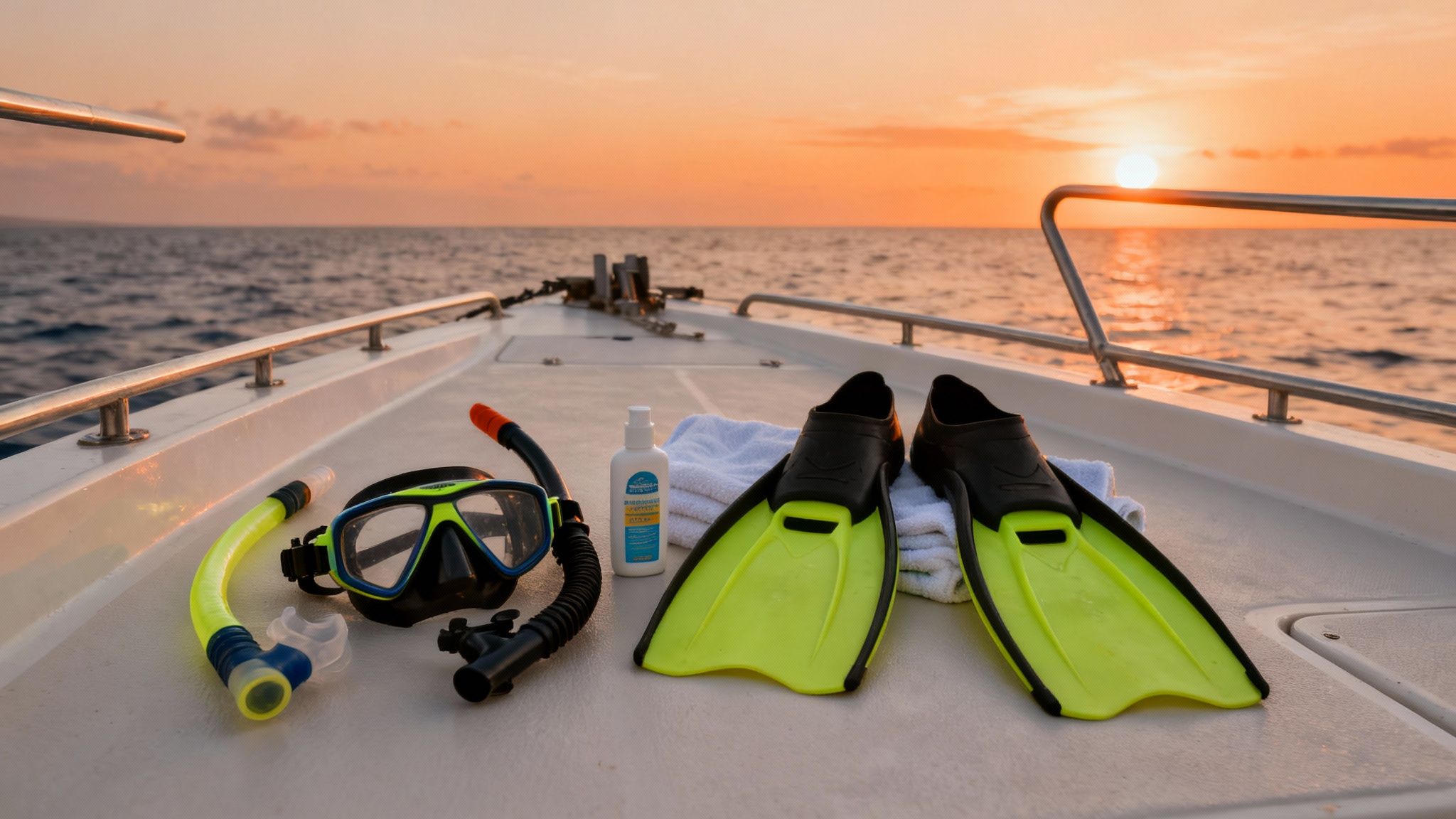
Packing the right items makes a huge difference in your comfort. The tour provides all the heavy-duty gear (including thick wetsuits to keep you warm), but you’ll want to bring a few personal things. For a deeper dive into equipment, check out our guide on the gear you will need for your Kona diving adventure.
- Reef-Safe Sunscreen: Put it on before you leave. The boat ride out can be pretty sunny.
- Towel and Dry Clothes: You'll be so glad you have something warm and dry to change into for the trip home.
- A Hoodie or Jacket: It can get surprisingly chilly on the boat after a night dive, even in Hawaii.
- Motion Sickness Meds: If you're prone to seasickness, take your preferred remedy before you board.
- Reusable Water Bottle: Staying hydrated is always a good idea.
- Waterproof Camera: By all means, bring it! Just listen closely to your guide’s instructions for using it responsibly around the animals.
How to Be a Responsible Manta Ray Observer
When you slip into the water for the Kona manta ray dive, you're stepping into their world. It’s a shared space, a delicate dance between us and these incredible wild animals, and it’s on every single one of us to be a polite guest in their home.
The entire experience hinges on one simple idea: passive observation. You're there to witness the magic, not to be part of the show. By staying still and being respectful, you give the mantas the space they need to behave naturally. Honestly, that’s when the truly breathtaking moments happen.
The Golden Rule: No Touching
If you take away just one thing from this guide, let it be this: do not touch the manta rays. This is the absolute number-one rule for any responsible manta ray dive in Kona. I know it's tempting when they glide just inches from your face, but touching them can cause very real harm.
Manta rays have a special mucus coating on their skin that acts as a shield against bacteria and parasites in the ocean. When you touch them, you strip away that essential protective layer, leaving them wide open to nasty skin infections and diseases.
Think of it like a protective force field. That invisible mucus layer is vital to their health. Your touch, no matter how gentle you think it is, can create a weak spot in their defenses.
Resisting that impulse to reach out is the single most important thing you can do to protect them. Keeping your hands to yourself directly contributes to the health of Kona's beloved manta ray population, ensuring they'll be here for years to come.
Guidelines for a Safe and Sustainable Encounter
Beyond the golden rule, a few other key practices ensure the encounter is safe and enjoyable for everyone—mantas included. These are simple to follow but make a massive difference.
- Stay in Your Designated Spot: Whether you're a diver on the seafloor or a snorkeler holding onto the float at the surface, stick to your assigned area. This creates a predictable environment and a clear "stage" for the mantas to swoop and glide through.
- Avoid Sudden Movements: Try to be as calm and still as possible. Big, jerky movements or lots of splashing can easily spook the mantas, and once they're gone, the show is over for everyone.
- Shine Your Light Correctly: This is key! If you’re a diver, point your light straight up towards the surface. If you're a snorkeler, point your light straight down. This creates a "plankton sandwich," concentrating their food source in the water column between the two groups and keeping the mantas right where you can see them.
- Control Your Bubbles: For the divers out there, try not to exhale a big cloud of bubbles right into a manta’s face as it passes over you. A simple tilt of your head is all it takes to be courteous.
Following these rules is all part of having great diver etiquette. If you want to dive deeper, we have a whole guide on responsible and considerate diver etiquette.
Being a good observer also means protecting their home. Learning how to stop water pollution is a great way to contribute to a healthier ocean for all marine life. By following this guidance, you become a partner in conservation, helping to keep this incredible experience a sustainable treasure for Kona.
Explore More of Kona’s Underwater World
The world-famous **manta ray dive Kona** offers is an absolute must-do, but believe me, it’s just scratching the surface of what’s waiting for you here. The Big Island’s volcanic past has carved out a truly dramatic and wild underwater world that every diver, no matter their experience level, should explore.
After you’ve witnessed the incredible manta ballet, you'll inevitably ask, "What's next?" The good news is, Kona’s other dives are just as mind-blowing. From drifting in the deep, dark ocean to exploring ancient lava tubes, your adventure is just getting started.
The Surreal Kona Blackwater Dive
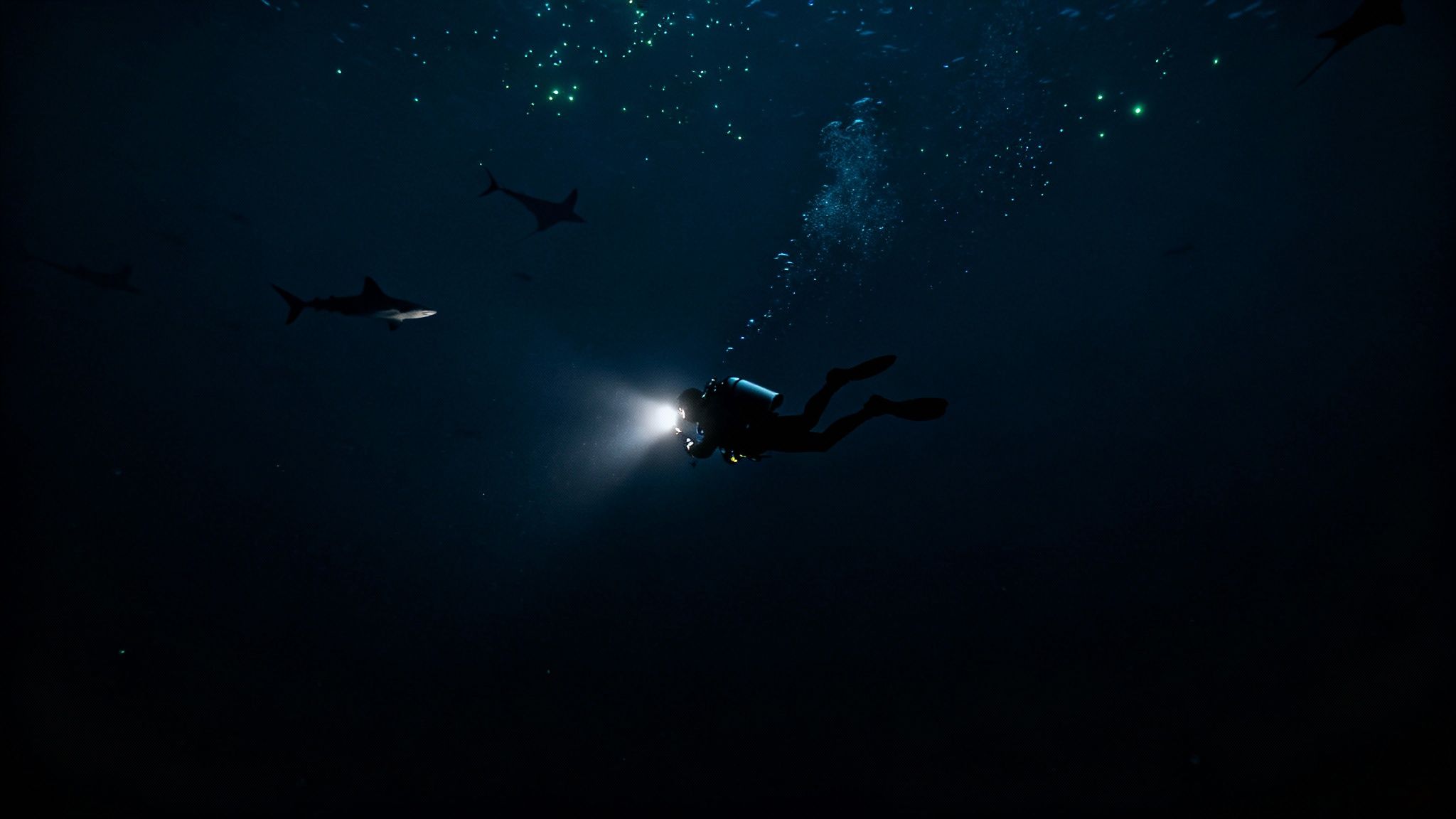
If you thought the manta dive was a unique night out, just wait. The Kona Blackwater Dive is something else entirely—it feels less like diving and more like floating through deep space.
On this one-of-a-kind dive, you're tethered to a boat miles offshore, suspended over thousands of feet of pitch-black water. It's here you get to witness the largest migration on Earth, as bizarre and beautiful deep-water creatures rise toward the surface to feed. You’ll see things you’ve never imagined: impossibly clear larval fish, pulsating squid, and jellies that look like they’re from another planet. It’s an experience that truly redefines what a night dive can be.
This isn't just a dive; it's an expedition into a rarely seen world. The blackwater dive offers a humbling glimpse into the vast, mysterious life that thrives in the deep ocean, creating memories that are impossible to forget.
Advanced Dives and Lava Formations
For certified divers looking for a bit more of a challenge, Kona delivers. The island’s volcanic geology is on full display underwater, creating an incredible playground of lava tubes, dramatic arches, and sheer drop-offs packed with marine life.
An advanced dive trip is your ticket to these deeper, more intricate sites. Picture yourself gliding through an ancient lava tube as beams of sunlight slice through the cracks above, or drifting along a vertical wall blanketed in colorful sponges. These charters are all about showing you the raw, rugged beauty of Kona's coastline.
Whether it’s the weird and wonderful creatures of the blackwater or the majestic volcanic structures that call to you, Kona Honu Divers has an adventure waiting. Check out all of our scuba diving tours to plan your ultimate Big Island dive trip.
Check Availability
Your Kona Manta Dive Questions, Answered
Planning an adventure like this always brings up a few questions. I've put together some quick answers to the things people ask most often, so you can feel confident and totally prepared for your big night with the mantas.
Do I Need to Be a Certified Diver?
Not at all! You can have an incredible encounter just by snorkeling. Snorkelers get their own custom-built light board to hold onto, which works like a magnet for plankton. The mantas come right up to the surface to feed, giving you a breathtaking, eye-to-eye view. It's a fantastic option that makes this experience open to just about everyone.
Is the Manta Ray Dive Safe?
Absolutely. When you go with a professional, safety-conscious operator like Kona Honu Divers, you're in great hands. The mantas themselves are gentle giants—they don't have teeth or stingers and pose no threat. The real focus is on water safety. Every tour is led by experienced guides who give a thorough briefing and stay in the water with you the whole time to make sure you're comfortable and secure.
It's an incredibly popular and well-managed experience. Each year, an estimated 80,000 people come to Kona to snorkel or dive with these majestic creatures. If you're curious, you can learn more about these amazing Hawaiian creatures and what makes them so special.
What’s the Water Temperature Like at Night?
The water in Kona stays pretty warm, usually hovering between 75-80°F (24-27°C). That said, you’ll be in the water for about 45 minutes without moving around much, so you can start to feel a chill. Don't worry, though—the dive shops provide thick wetsuits (typically 5mm) that will keep you perfectly warm and comfortable for the entire show.
Can I Bring My Own Camera?
You sure can! Bringing an underwater camera is a great way to capture the memory. Just remember that your first priority is to enjoy the moment and follow your guide's instructions. To avoid disrupting the main attraction, please don't use your own external video lights or powerful strobes—the guides have a specific lighting setup designed to draw the mantas in.
Many boats, including those at Kona Honu Divers, have a professional videographer on board capturing amazing footage. You can usually purchase a video of your specific dive, which lets you just relax and be fully present with the mantas.
Ready to experience the magic for yourself? Kona Honu Divers runs a top-notch manta ray dive and snorkel tour that puts safety, respect for the animals, and an unforgettable experience first. Grab your spot and get ready for the adventure of a lifetime.
Check Availability