
The Kona manta ray dive is one of those bucket-list experiences you hear about for years. It’s an underwater ballet where giant manta rays, drawn by powerful lights, feast on plankton right in front of you. Divers and snorkelers get a front-row seat as these gentle giants glide, swoop, and barrel-roll, sometimes just inches away. It’s no surprise it's consistently called one of the best night dives in the world.
Picture this: you're floating in the warm, dark Pacific. Out of the blackness, a graceful shadow emerges, then another, and another. Some have wingspans stretching over 12 feet. This is the pure magic of the Kona manta ray night dive—a surreal encounter that feels more like a dream than reality. And unlike a lot of wildlife encounters, this one is surprisingly reliable.
It all comes down to a perfect storm of geography and a bit of human ingenuity. The underwater landscape of the Kona coast is a natural gathering spot for plankton, the mantas' favorite meal. For decades, dive operators have helped things along by setting up powerful, submerged lights. These lights act like a massive dinner bell, attracting clouds of plankton, which in turn brings in the hungry mantas for their nightly feast. It creates a predictable and absolutely spectacular show.
The Best Manta Viewing Spots in Kona
Two main locations have become legendary for this nightly spectacle. Each has its own vibe, so knowing the difference can help you pick the right adventure. If you're really trying to nail the timing for your trip, we have a detailed guide on the best time to see them here: https://konahonudivers.com/when-to-dive-with-manta-rays-in-kona/
- Manta Village: This is the classic, original site right in Keauhou Bay. The water here is typically calmer and shallower, making it a fantastic spot for both divers and snorkelers. You can expect consistent, up-close encounters.
- Manta Heaven: Located a bit north of Kona near the airport, this spot often attracts a larger "fever" of mantas. It's a bit deeper and the underwater terrain makes it a thrilling dive for certified divers looking for a big show.
The experience is so incredible that it draws an estimated 80,000 people to the Kona coast every single year. It's become one of Hawaii's most important—and beloved—wildlife tourism activities.
Kona's success has turned it into a global model for how to do sustainable marine ecotourism right. If you want a more in-depth look at what to expect, you can read more about this epic Hawaiian manta ray dive adventure in Kona.
Whether you're an experienced diver or have never put on a snorkel mask, seeing this underwater performance is something you'll be talking about for the rest of your life.
Choosing Your Kona Manta Ray Tour Operator
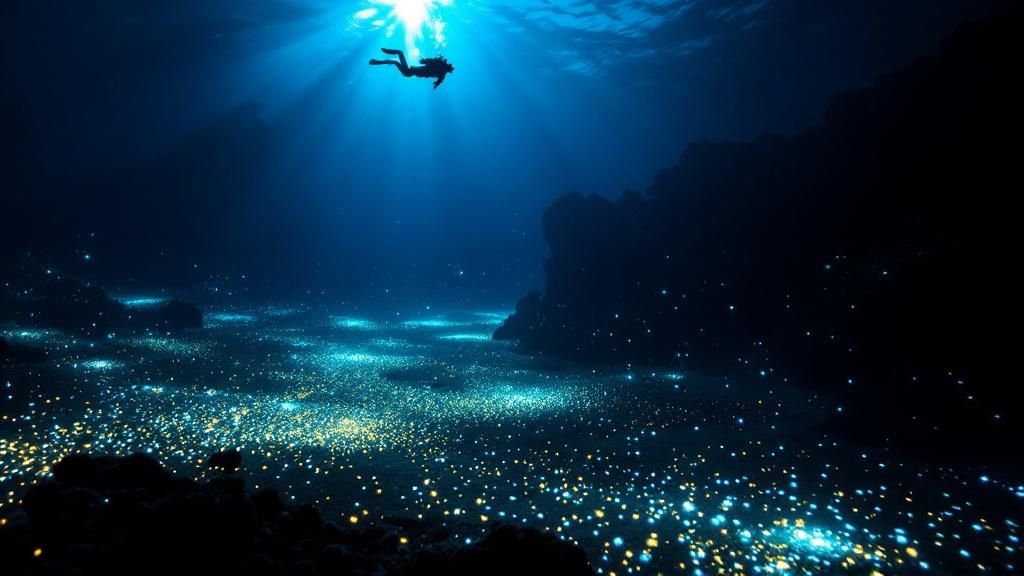
With a whole fleet of boats heading out every single evening for the manta ray dive kona, trying to pick the right one can feel a little overwhelming. But getting this choice right is crucial. The operator you go with will shape your entire experience, from the moment you leave the harbor to that final, breathtaking glimpse of a manta ray.
Your first big decision is whether you want to scuba dive or snorkel. They are two completely different ways to witness this underwater ballet, and each one is amazing in its own right.
If you're a certified diver, you get to descend to the sandy ocean floor. You’ll settle in near the lights, look up, and watch as these massive rays glide just inches over your head. It’s a truly immersive, humbling experience.
Snorkelers get an equally incredible view from the surface. You'll hold onto a custom-built floatation board that has powerful lights shining down into the water. From there, you just float comfortably and watch the mantas swoop, barrel-roll, and feed right below you. This is a fantastic option for non-divers, families, or anyone who wants a front-row seat without the gear.
What Makes a Great Tour Operator
Once you've decided between diving and snorkeling, it’s all about the operator. You're looking for a company with a stellar reputation for safety, professionalism, and a genuine respect for the ocean. The best outfits, like Kona Honu Divers, are deeply committed to sustainable practices and follow the strict Manta Ray Green List standards to protect these gentle giants.
For a deeper look into what sets the best shops apart, check out our guide on how to choose a Kona dive shop.
A truly great tour comes down to the guides. You don’t just want a divemaster; you want a passionate educator who can give you a solid briefing on manta behavior, safety rules, and the absolute importance of passive interaction. Remember the golden rule: look, but don't touch.
Key Questions to Ask Before Booking
The size of the boat can also make a difference. Smaller boats often feel more intimate and personalized. On the flip side, larger vessels can offer a smoother ride and more amenities.
Before you hand over your credit card, it's smart to ask a few key questions:
- What is your guide-to-guest ratio?
- Do you strictly follow responsible manta interaction guidelines?
- What’s your policy if we don’t see any mantas? (Hint: The best companies will offer a "second chance" tour).
My best advice? Book your manta ray dive tour well in advance, especially if you're traveling during peak season. These trips are incredibly popular for a reason and they sell out fast. A little bit of research now is your first step toward a safe, responsible, and absolutely unforgettable night with Kona's majestic manta rays.
Kona is home to more than just mantas! If you want to explore different marine life and some fascinating historical sites by water, this guide to the best Captain Cook Snorkel Tour is a fantastic resource.
What It’s Actually Like on the Manta Ray Night Dive
The buzz of excitement is undeniable from the moment you check in. You'll be surrounded by fellow divers and snorkelers, all with the same look of pure anticipation. But the real adventure begins before you even get your feet wet, with a fantastic pre-dive briefing from your guides.
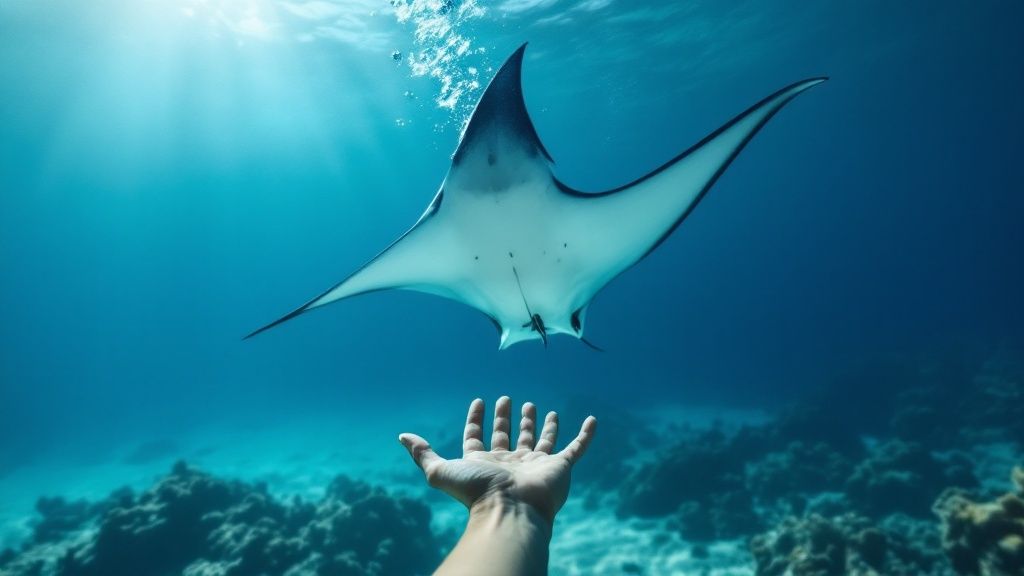
This isn't just a quick rundown of safety rules. The crew will share some incredible facts about manta ray behavior and the history of the dive sites you're about to visit. You'll learn the single most important rule of the night: look, but never, ever touch. The mantas have a delicate mucous coating that acts like an immune system, and touching them can make them sick.
The Sunset Cruise Out to the Site
With the briefing done, it's time to board the boat. The trip out to the dive site is an experience in itself, often turning into a spectacular Kona sunset cruise. As the sky lights up, you'll head toward one of the legendary manta locations, like Manta Village or Manta Heaven. It's the perfect calm before the incredible experience to come.
Once you arrive after dusk, the crew gets to work setting up what they call the "campfire." This is essentially a powerful array of underwater lights designed to illuminate a huge area of the ocean. This light attracts swarms of plankton, which is the all-you-can-eat buffet that brings the manta rays in for their dinner.
Getting Your Front-Row Seat
The setup is brilliantly simple. How you'll be positioned depends on whether you're diving or snorkeling.
- For Scuba Divers: You'll descend with your guide to a designated spot on the sandy bottom. Once you're settled, all you have to do is lie back, relax, and look up. The show is about to happen right over your head.
- For Snorkelers: You'll stay on the surface, holding onto a specially designed light board. These boards shine bright beams down into the depths, giving you a perfect window into the mantas' feeding grounds below.
Then, the magic begins. A massive, graceful shadow emerges from the darkness, gliding into the light. Then another, and another. It's almost hard to believe their size—the local reef mantas can have a 14-foot wingspan—but they are completely gentle. It's one of the most reliable big animal encounters in the world, with local operators reporting sightings on 85–90% of their trips.
There's nothing quite like watching a giant manta perform a slow-motion barrel roll just inches from your face. It's a humbling, almost surreal experience. The sheer grace of these creatures is something a photo or video can never truly capture.
You'll spend about 45 minutes in the water, totally mesmerized as these ocean giants swoop and glide through the beams of light. It's like watching a silent, beautifully choreographed ballet, and you're right in the middle of it. This is what makes the Kona manta ray dive an adventure you'll never forget.
How to Prepare for Your Manta Dive
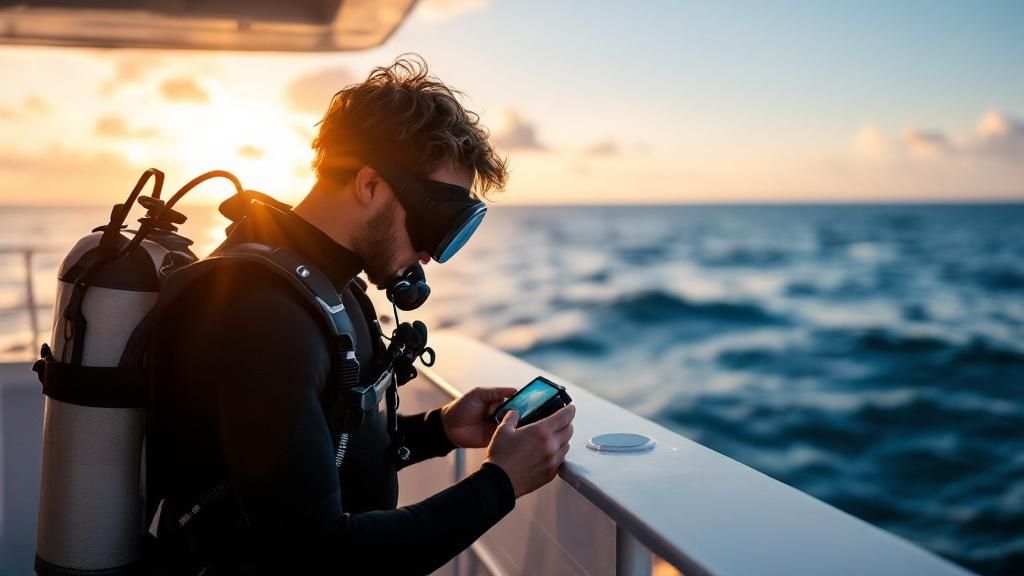
A little prep work goes a long way in making your manta ray night dive a truly unforgettable experience. When you show up at the dock feeling ready, you can relax and soak in every incredible moment.
The good news is that your tour operator handles all the heavy lifting when it comes to gear. Reputable outfits like Kona Honu Divers will provide everything you need to get in the water, including a properly fitted wetsuit, mask, fins, and all the scuba equipment if you're diving. So, unless you're really attached to your own BCD and regulators, you can leave them at home.
Packing Your Go-Bag
While the big stuff is covered, there are a few personal items you’ll want to bring along to make the trip more comfortable. Think of this as your personal comfort kit for an evening on the Pacific.
- A Towel and Warm Clothes: This is an absolute must. Even after a beautiful Hawaiian sunset, you'll feel a chill after getting out of the water. A dry sweatshirt or light jacket will be your best friend on the boat ride back to the harbor.
- Reef-Safe Sunscreen: It's best to apply this before you even leave for the dock. The boat ride out happens as the sun is setting, and that Hawaiian sun can still pack a punch.
- Reusable Water Bottle: Staying hydrated is always a good idea, and it can even help with seasickness. Most boats have a water cooler so you can easily refill it.
- Motion Sickness Medication: If you're even slightly prone to seasickness, don't wait. Take your preferred remedy before you board the boat—it’s much more effective that way.
Of course, if you have your own gear that fits you perfectly, bring it along! A personal mask, especially a prescription one, can make a world of difference. And if you have a GoPro or another underwater camera, you’ll definitely want it, but just remember to never use a flash. The bright light can disorient and disturb the mantas.
Know Before You Go
To make sure everyone has a fantastic and safe time, there are just a couple of things to keep in mind. They’re simple prerequisites designed to set you up for success.
For snorkelers, it's pretty straightforward: you just need to be comfortable in the water. You don't have to be a competitive swimmer, but you should feel at ease floating at the surface while holding onto the light board.
For scuba divers, the requirements are a bit more specific. You’ll need to be at least an Open Water Certified Diver. You should also be comfortable with the idea of a night dive and have been diving recently so your skills are fresh.
By taking a few minutes to pack the right items and understand the requirements, you’ll be all set. You can arrive at the dock feeling confident, relaxed, and ready for an incredible evening with Kona’s gentle giants.
How We Keep Kona’s Manta Rays Safe
The fact that you can reliably see manta rays every night in Kona is no accident. It’s the direct result of a passionate local community dedicated to responsible ecotourism. Keeping this incredible encounter going for years to come means we all have a part to play in protecting these animals.
Your most important decision is choosing a dive operator that puts the mantas first. Look for companies that follow the "Manta Ray Green List" standards. These are a set of clear, established guidelines that keep the experience safe for both the divers and the rays, ensuring this nightly show continues for generations.
The Golden Rules of Manta Interaction
Once you're in the water, your actions matter. A lot. The whole experience is built around passive observation, which really just boils down to a few simple, non-negotiable rules.
- Keep Your Distance: Never, ever chase a manta. Let them come to you. They are curious creatures and will often get incredibly close on their own terms.
- Absolutely No Touching: This is the big one. Manta rays have a protective mucus coating on their skin. Touching them can rub it off, leaving them vulnerable to nasty infections.
- No Flash Photography: Sudden, bright flashes can startle the mantas and disrupt their feeding. Just turn your flash off and enjoy the natural beauty of the moment.
Following these simple rules isn’t just about being a good tourist; it’s about actively helping to conserve these amazing animals. We go into much more detail in our guide to responsible and considerate diver etiquette.
Become a Citizen Scientist
You can do more than just watch—you can actually help with manta ray research right from the water. Every manta has a unique spot pattern on its belly, like a human fingerprint.
When you snap a photo of a manta’s underside and submit it, you’re contributing to a massive global citizen science project. It's this incredible community effort that has made Kona’s manta population one of the most studied in the world.
Believe it or not, researchers have been documenting individual rays here since 1991, starting with a famous manta named 'Lefty'. Today, the database has grown to include thousands of encounters and more than 330 identified individuals. This data is priceless for tracking their health and movements, and it all starts with divers like you. When you dive with Kona's mantas, you're not just a spectator; you're a guardian.
Answering Your Top Questions About the Kona Manta Ray Dive
Let’s tackle some of the most common questions that come up before heading out for a **manta ray dive in Kona**. Getting these details ironed out beforehand means you can relax and just soak in the magic of the experience when the time comes.
Is the Kona Manta Ray Dive Safe?
Absolutely. It's one of the safest and most awe-inspiring wildlife encounters you can have. Manta rays are often called "gentle giants" for a good reason—they are completely harmless to humans.
These magnificent creatures are filter feeders, meaning they don't have teeth, stingers, or barbs like their stingray cousins. Their only focus is on the buffet of plankton attracted by the dive lights. The entire experience is built around passive observation, and any reputable operator will have strict safety protocols. As long as you listen to your guide's briefing, you're in for an incredibly safe and memorable night.
What's the Best Time of Year to Go?
One of the best parts about this dive is that you can do it anytime! The Kona mantas are residents, not migratory visitors. They stick around all year because their primary food source, plankton, is always present in the coastal waters.
While the ocean conditions are often glassiest during the summer months (roughly April through October), the tours run year-round with a success rate of over 90%. Just keep in mind that these are wild animals in their natural habitat, so sightings can never be a 100% guarantee. But your odds here are about as good as they get.
Do I Need to Be a Certified Scuba Diver?
Not at all! You can have an equally breathtaking experience as a snorkeler. In fact, for many, it's the preferred way to see the show.
Snorkelers hold onto a large, custom-built floatation board equipped with powerful lights shining down into the water. This light attracts the plankton, which in turn brings the mantas right up to the surface. You get a spectacular, front-row view of them feeding and somersaulting just inches below you, without any heavy gear. It makes the adventure accessible to everyone, from families with kids to those who simply prefer staying on the surface.
Can I Touch the Manta Rays?
This is the single most important rule of the encounter: never, ever touch a manta ray.
Mantas are covered in a protective mucous layer, which is essentially their immune system.
Touching them, even lightly, can rub off this delicate coating. This leaves them exposed and vulnerable to harmful bacteria and infections. Responsible tour operators like Kona Honu Divers are adamant about this no-touch policy to protect the health and well-being of the mantas.
By choosing a company that enforces these rules, you're doing your part to ensure this incredible natural wonder continues for generations to come.
Ready to witness the underwater ballet of a lifetime? Kona Honu Divers offers expertly guided tours that are safe, sustainable, and utterly unforgettable. Come join our experienced crew for the world-famous manta ray dive tour and see why it’s consistently ranked one of the best night dives on the planet.