
The manta ray dive Kona is an experience that’s hard to put into words, but it consistently tops lists of the best night dives in the world for a reason. Picture this: you're kneeling on the ocean floor as darkness falls, and suddenly, giant manta rays are swooping and barrel-rolling just inches from your face. It's a completely passive, observational dive that feels less like a tour and more like being a special guest at one of nature's most incredible performances.
What Makes the Kona Manta Ray Dive Unforgettable

The whole thing starts just after sunset as you descend into the warm Pacific. Your group settles in a circle on the sandy bottom, shining powerful lights up towards the surface. We like to call this building an underwater "campfire." This bright light is a magnet for tiny, microscopic plankton—the favorite meal of manta rays.
What comes next is pure magic. Drawn in by the all-you-can-eat plankton buffet, the giant reef mantas appear out of the dark. These gentle giants, with wingspans that can stretch over 12 feet, glide right into the beams of light. They put on an unbelievable underwater ballet, swooping and somersaulting with their huge mouths open to filter the plankton from the water.
A Front-Row Seat to an Underwater Spectacle
Divers often refer to this as the "manta vortex," a swirling, coordinated dance of several mantas feeding at once. It’s an incredibly close encounter. They get so near you can clearly see the unique spot patterns on their bellies, which researchers actually use like fingerprints to identify and track individual rays.
The feeling of a massive creature, shaped like a stealth bomber, gliding silently past you is indescribable. It’s a powerful reminder of the sheer wonder and beauty hidden just beneath the ocean's surface.
The way the dive is set up in Kona is what makes this all possible. It's a completely passive experience; you just kneel or sit on the sand and let the show unfold above. There’s no chasing or trying to get close to the animals. Instead, you become part of their world for a little while, a quiet observer of one of the most awe-inspiring sights in nature.
This incredible reliability is precisely why Kona is world-famous for this dive. To give you an idea, local research shows a staggering 80-90% success rate for sightings. That dependability draws around 80,000 visitors every year who come just for this adventure. The consistency of the manta ray dive Kona turns it from a simple wildlife tour into a true bucket-list event. You can learn more about what makes Kona a premier manta destination and the statistics behind these sightings.
For a quick overview, here's a look at what makes this dive so special.
Kona Manta Ray Dive At a Glance
Here is a quick summary of what makes the Manta Ray Dive in Kona a must-do experience.
| Aspect | Details |
|---|---|
| Location | Just off the Kona Coast, Big Island, Hawaii. |
| Experience Type | Passive, observational night dive or snorkel. |
| Primary Attraction | Giant Pacific reef manta rays (Mobula alfredi). |
| Success Rate | Consistently high, with sightings on 80-90% of trips. |
| Manta Wingspan | Can exceed 12 feet (3.6 meters). |
| Best Time to Go | Year-round, as the manta population is resident. |
| Interaction Protocol | No touching or chasing; divers remain stationary on the ocean floor. |
| Annual Visitors | Approximately 80,000 people participate in this activity each year. |
This table really highlights why the Kona experience isn't just another dive—it's a reliable, world-class encounter with one of the ocean's most majestic animals.
Choosing Your Dive Site: Manta Village vs. Manta Heaven
So, you're ready to experience the world-famous manta ray dive in Kona, but you've probably noticed there are a couple of different places to go. The two main spots are Manta Village and Manta Heaven, and while both are incredible, they offer a totally different vibe.
Think of it like choosing between seeing a concert in an intimate club versus a massive stadium. Which one you pick really comes down to what you're looking for, your comfort in the water, and your dive experience.
Manta Village: The Welcoming Original
Just south of Kona, tucked into the protected Keauhou Bay, you’ll find Manta Village. This is the OG, the very first spot where the manta night dive became a phenomenon.
Its biggest draw is the location itself. The site is a sandy bottom sitting at a comfortable 25-35 feet. Because it's in a sheltered bay, the water is almost always calm with little to no current. This makes it a fantastic choice for a few reasons:
- Perfect for Beginners: If this is your first night dive or you're a newer diver, the calm, shallow conditions here are ideal. It really helps take the nerves out of the equation.
- Insanely Reliable: This spot has a legendary success rate. If you want to be as certain as possible that you'll see mantas, this is your best bet.
- The Classic "Manta Ballet": The setup here encourages the mantas to perform graceful, looping "dances" right above you as they feed on the plankton attracted to the lights. It's truly mesmerizing.
For a reliable, serene, and magical first encounter, Manta Village is pretty tough to beat.
Manta Heaven: The Dynamic Amphitheater
Head north of the Kona airport and you’ll find Manta Heaven, also known to local divers as Garden Eel Cove. This place offers a totally different flavor of manta ray dive Kona experience. The underwater landscape is more dramatic—a volcanic rock ledge that drops off into the deep blue.
The whole feel at Manta Heaven is a bit wilder. You might encounter stronger currents, and the mantas often put on a high-energy performance, swooping in extremely close to the divers lined up on the seafloor.
This site is a magnet for more experienced diving opportunities and underwater photographers hoping to capture those jaw-dropping, up-close shots. The sightings are excellent here too, but the conditions can definitely be more challenging than its southerly counterpart.
To get a better sense of what makes this dive so unique, you can read more about the ecosystem of Manta Heaven and its famous Garden Eel Cove.
Ultimately, you can't go wrong. Manta Village offers a beautiful, theater-like experience that's perfect for everyone, while Manta Heaven delivers a more thrilling, edge-of-your-seat show for divers who are up for an adventure. Either way, you're in for one of the most unforgettable underwater encounters on Earth.
How to Prepare for Your Manta Ray Night Dive
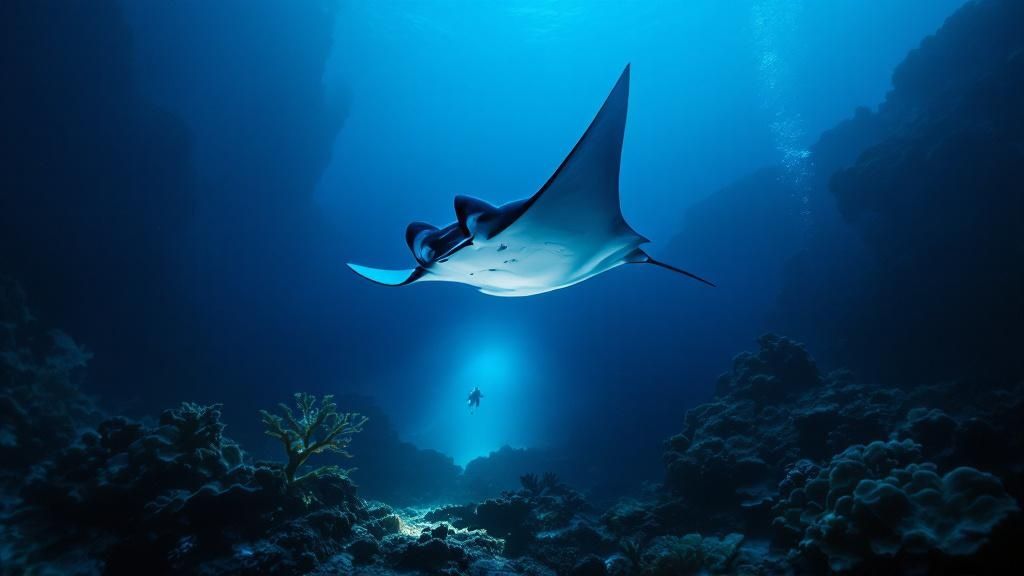
A little prep work can make the difference between a good dive and an absolutely unforgettable one. Think of it as your pre-flight checklist for one of the most incredible underwater shows on Earth. Getting a few things sorted out beforehand means you can relax and just soak in the magic.
First, let's talk essentials. Before you even leave for the boat, make sure you have your Open Water Diver certification card with you. Every professional outfit will need to see it. It also sounds simple, but you'll be so glad you brought a towel and some warm, dry clothes for the ride back to shore. Even in Hawaii, the air can feel chilly after an evening in the water.
What to Expect Before You Hit the Water
Once you’re on board, your divemaster will walk everyone through a detailed briefing. This isn’t just about safety; it’s about protecting the mantas and making sure everyone has an amazing view. Pay close attention here.
They'll cover the whole plan, from how you'll enter the water to how the group will get situated on the sandy bottom. You'll learn how the famous underwater "campfire" works—everyone shines their dive lights up, creating a massive beam that attracts plankton. And where the plankton go, the mantas follow. This briefing is your key to a smooth, successful dive.
A calm diver is a safe diver. Trust your training, your gear, and your guide. Your main job is to relax, stay still, and witness one of the most spectacular shows in the natural world.
If this is your first night dive, it’s completely normal to feel a few jitters. The trick is to focus on your buoyancy and stick close to your buddy and the guide. Once you're settled on the bottom, there's very little moving around—it's all about observing the ballet above you.
Having the right equipment always helps with confidence, too. If you're unsure about what you should have in your bag, take a look at our complete guide on the gear you will need for your Kona diving adventure.
With these details handled, you can push the logistics to the back of your mind and be fully present for the main event. You’re not just going for a dive; you're getting a front-row seat to a natural wonder.
Getting to Know Kona’s Manta Rays and How We Protect Them
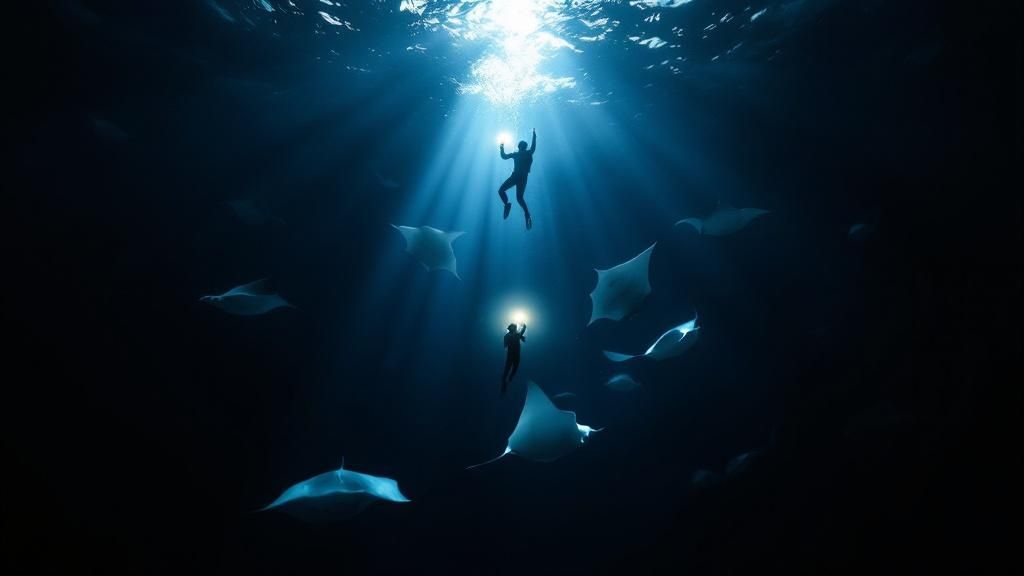
The incredible creatures you’ll meet on a manta ray dive in Kona aren't just random visitors. They’re part of a well-known resident population, and many of them are so familiar that local guides know them by name. This unique relationship between the dive community and the mantas is what makes the experience so special—it's more than just a tour, it's a genuine interaction with a protected marine ecosystem.
At the center of it all is a really clever identification method. Every single manta ray has a one-of-a-kind pattern of dark spots on its white belly, almost like a human fingerprint. Divemasters, researchers, and even everyday divers can snap a photo of these patterns to identify who's who. This turns every dive into a chance to be a citizen scientist, helping us all learn more about these amazing animals.
Kona's Gentle Giants
Manta rays are what we call filter feeders. They eat enormous amounts of tiny plankton by simply gliding through the water with their mouths open. They are completely harmless to people—no stinger, no barb, nothing to worry about. Their behavior on the dive is all about finding food, not out of any aggression or even real curiosity about us.
It's this gentle nature that makes the rules of the dive so straightforward and so important. The whole operation depends on responsible tourism to make sure this encounter can continue for years to come.
The entire philosophy of the Kona manta ray dive boils down to this: be a passive observer. Your job isn't to interact with the mantas, but simply to watch. By holding still and giving them space, you become a temporary, non-threatening part of their world.
This idea is supported by a few key rules that every single person in the water, whether diving or snorkeling, has to follow. Sticking to these guidelines keeps the mantas safe and makes sure everyone has an unforgettable, spectacular experience.
The Golden Rules of Manta Interaction
To protect the health and safety of Kona's beloved manta population, every dive operator follows a strict "look, don't touch" policy. It’s absolutely critical to understand and respect these guidelines.
- Observe Only: You should never, ever touch, chase, or try to "pet" a manta ray. Their skin is covered in a very delicate, protective mucus layer. Human touch can rub this layer off, leaving them exposed to harmful infections.
- Hold Your Position: If you're diving, you'll be settled on the sandy bottom. This creates a clear, open space in the water column above you, giving the mantas plenty of room to swoop and feed.
- Lights Up: Always point your dive light straight up toward the surface. This attracts the plankton, creating the "manta buffet" that draws the rays in for their nightly meal.
Following these practices has turned the manta ray dive in Kona into a global benchmark for sustainable wildlife tourism. And the information we've gathered from all this observation is priceless. Since 1991, a local citizen science project has identified over 330 individual mantas from more than 28,500 sightings.
This incredible database helps researchers track the health and behavior of Kona's resident reef mantas (Mobula alfredi) and the occasional visiting oceanic mantas (Mobula birostris). You can dive deeper into the amazing work of tracking individual Kona mantas and learn their stories online.
How to Choose the Right Dive Operator for Your Manta Trip
Picking the right guide for your **manta ray dive kona** adventure is a huge part of what makes the experience incredible. It’s about more than just getting on a boat; you need an operator who is obsessed with safety, truly knows their stuff, and genuinely respects the ocean and its inhabitants.
This commitment is what separates a good trip from an unforgettable—and responsible—one.
We've found Kona Honu Divers consistently hits the mark on all three. One thing that really sets them apart is their dedication to small groups. This avoids that packed, "cattle car" feeling you can get with some of the bigger outfits, making the whole experience feel more personal and less chaotic. It really gives you a better chance to connect with your guide and, of course, the mantas.
Why a Top-Notch Operator Makes All the Difference
A great dive company doesn't just provide a boat ride; they provide peace of mind. Their divemasters are seasoned pros who can read the ocean like the back of their hand, keep everyone safe, and most importantly, protect the manta rays. This expertise is what turns a simple dive into something truly extraordinary.
But you don't have to take our word for it. The best way to get a real feel for a company is to see what other divers are saying. Honest, glowing reviews are the clearest sign that an operator is dedicated to doing things right. To make your research easier, we've put together a detailed guide on the top 10 Kona diving companies ranked so you can see how the best options stack up.
Check out what fellow divers have said about their experiences with Kona Honu Divers:
Their 2-Tank Manta Dive and Snorkel tour is a fan favorite for a reason. It’s perfectly paced, starting with a gorgeous reef dive during the day. This first dive lets you get settled with your gear and soak in Kona's colorful marine life before the main event begins after sunset.
Ready to book your front-row seat for this incredible underwater ballet?
Your Manta Ray Dive Questions, Answered
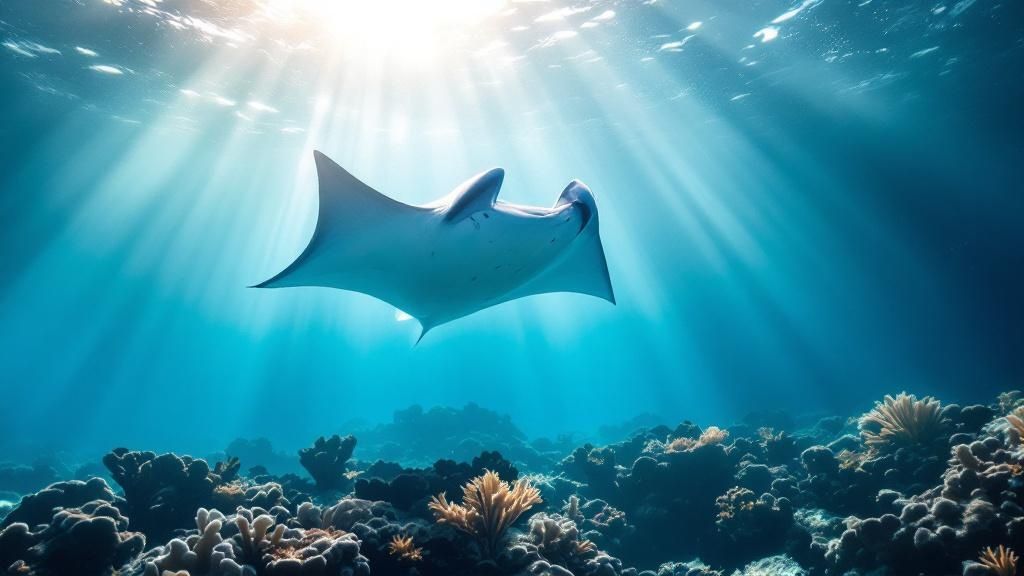
It's completely normal to have a few questions swirling around before you book a trip like this. In fact, it’s a good sign! Being prepared helps make sure your adventure is everything you dreamed it would be. Let's tackle some of the most common things people ask.
What is the Best Time of Year to See the Mantas?
This is the best part: there isn't a bad time. The Kona manta ray population hangs out here all year long because their food source is consistent. They don’t migrate, which means your chances of seeing them are always sky-high, with most operators reporting a success rate of over 90%.
That said, if you're aiming for ideal ocean conditions, the months between April and October typically serve up the calmest, glassiest seas. The water is also at its warmest then, hovering between a comfortable 75-80°F. Winter can bring bigger swells, but the tours are so popular they still run almost every single night.
Is This Dive Safe for Beginners?
Absolutely. This is probably one of the safest and most controlled night dives you could ever do, making it perfect for newly certified divers. We go to shallow, protected sites, usually no deeper than 25-35 feet. And the whole "dive" is stationary—you just find a spot on the sandy bottom, get comfortable, and watch the spectacle unfold above you.
As long as you have your Open Water certification and feel reasonably comfortable in the water, you'll be fine. Your divemasters give a thorough briefing before you even get wet and are right there with you the entire time to make sure everyone is safe and having a blast.
A lot of people think this must be a deep or difficult dive. The truth is, the magic is in its simplicity. Your only job is to relax, stay put, and enjoy one of nature's greatest shows.
Can I Still See Mantas if I’m Not a Certified Diver?
You sure can! This incredible experience isn't reserved just for scuba divers. Most boats offer a fantastic snorkeling option that gets you just as close to the action.
Snorkelers usually hang onto a custom-built light board that floats on the surface. These powerful lights draw the plankton in, which in turn brings the manta rays right up to feed just inches below you. You get a perfect bird's-eye view of the underwater ballet. It’s a great option for families, partners of divers, or anyone who'd rather stay on top of the water.
Will I Get Cold During the Dive?
Kona's water is pretty warm, but you're not moving around much on this dive, so it's easy to get a little chilly after a while. Every good operator will provide a quality wetsuit, typically a 3mm or 5mm full suit, which is plenty for most people.
If you know you get cold easily, you might want to wear a dive hood or a thin neoprene vest underneath. Honestly, though, once the mantas show up, the adrenaline and sheer awe of the experience usually make you forget all about the temperature!
Ready to see this underwater magic for yourself? Kona Honu Divers runs expertly guided manta ray dive and snorkel tours that focus on safety, comfort, and giving you an unforgettable encounter.