
Picture this: you're floating in the warm, dark Pacific waters off the coast of Kona. Suddenly, a giant, graceful shadow swoops overhead, its massive wingspan blotting out the faint starlight. It's a manta ray, and it's performing an underwater ballet just for you. This is the world-famous Kona manta ray night dive, an experience so surreal and awe-inspiring it lands on bucket lists around the globe.
Your Essential Guide to the Kona Manta Ray Dive
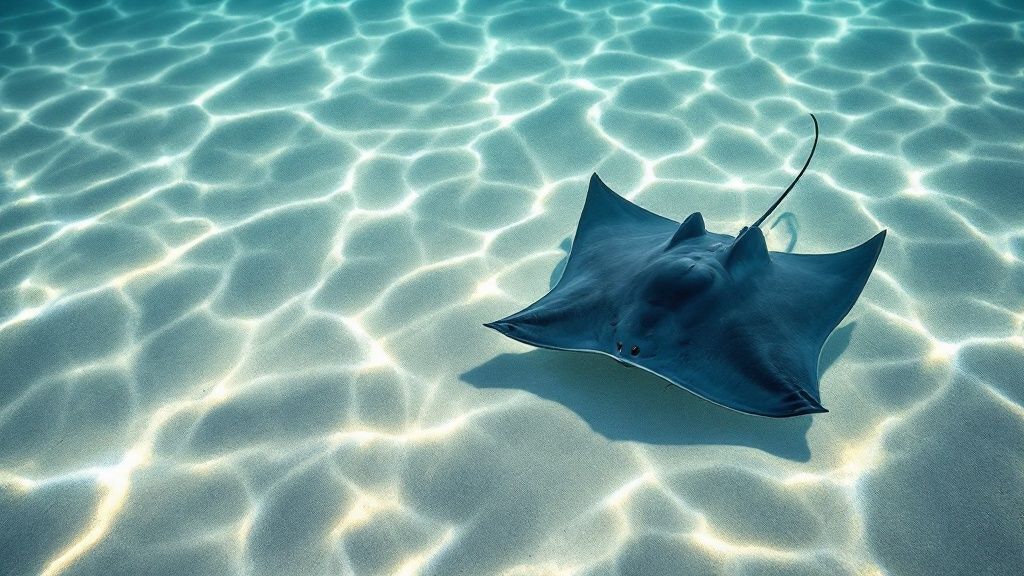
So, how does this incredible spectacle happen night after night? It's all thanks to a simple, brilliant bit of science. Tour operators set up powerful underwater lights that act like a giant beacon in the dark water. These lights attract huge clouds of plankton, the microscopic organisms that form the base of the ocean's food chain.
For Kona's resident population of reef manta rays, this gathering of plankton is an all-you-can-eat buffet they simply can't pass up. They've learned over generations to show up at these "campsites" to feast, performing their signature barrel rolls and somersaults to filter the plankton-rich water. It's a natural phenomenon, helped along by a little human ingenuity.
For a quick overview, here’s what to expect from this incredible underwater adventure.
Kona Manta Ray Dive At a Glance
| Aspect | Details |
|---|---|
| Experience | Night dive or snorkel with giant manta rays feeding on plankton. |
| Location | Specific coastal sites off Kona, Big Island, Hawaii. |
| Best Time to Go | Year-round, with consistently high sighting rates. |
| Manta Size | Wingspans can reach up to 16 feet. |
| Sighting Success Rate | Often exceeds 90%. |
| Who Can Go | Options available for certified scuba divers, snorkelers, and even ride-along observers. |
| Interaction | Passive observation only—no touching the mantas. |
This table just scratches the surface of what makes the dive so special. The real magic is in witnessing it firsthand.
Why Is This a Must-Do Big Island Adventure?
You might wonder why Kona is the place for this. The Big Island’s unique volcanic geology has created the perfect environment for these creatures, with sheltered bays and natural "cleaning stations" where fish help rid the mantas of parasites. This makes the Kona coast a reliable, permanent home for a large population of manta rays.
Unlike other spots in the world where manta sightings can be hit-or-miss, Kona delivers one of the most consistent encounters you can find. The success rate for seeing mantas here is often over 90% year-round, which is practically unheard of in wildlife tourism.
This incredible reliability has turned the manta ray dive in Kona into a global phenomenon. Here’s why it’s an absolute must:
- Mind-Blowing Proximity: You'll see these gentle giants, some with wingspans as wide as a car, glide just inches above your head. It’s an intimate and humbling experience.
- Accessible for Everyone: You don't have to be a seasoned diver to join in. Whether you're a certified pro or a first-time snorkeler, there are tours designed to let you safely witness the show.
- A True Natural Spectacle: It’s more than just a dive; it’s an underwater light show starring majestic marine animals in their natural habitat. The combination of the dark ocean, the bright lights, and the graceful mantas is simply unforgettable.
Choosing a reputable and experienced operator is crucial for having a safe, ethical, and amazing trip. Companies like Kona Honu Divers are well-known for their professionalism and strong commitment to responsible practices that protect both their guests and the beloved manta rays. You can see what other divers have said about their experiences.
This guide is designed to give you the full picture, from the science behind the dive to tips on how to be a respectful observer.
Ready to book one of the most popular manta ray dive tours on the Big Island?
What Makes the Kona Experience So Magical
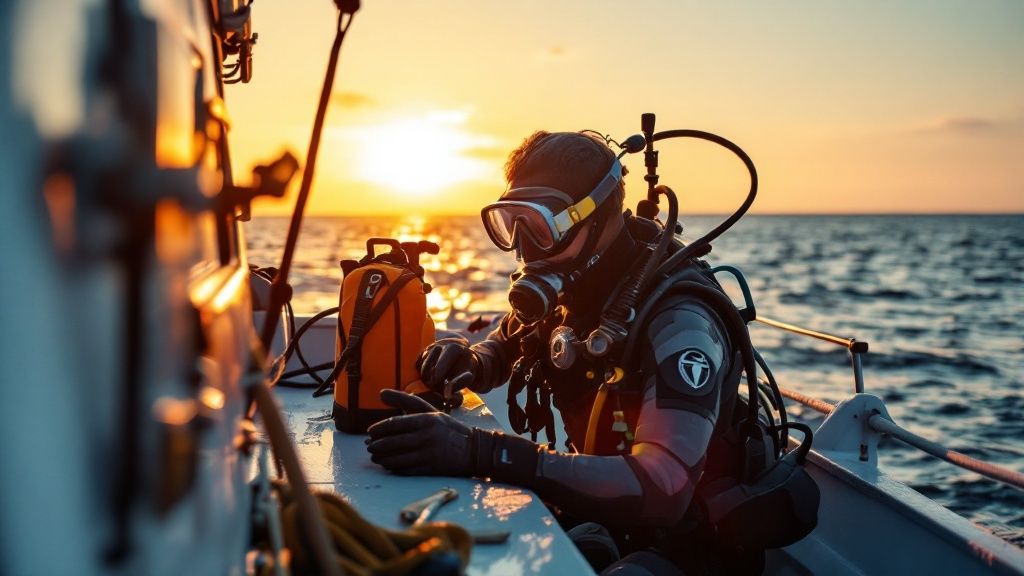
So, what is it about the Kona coast that delivers such a reliable, jaw-dropping show night after night? This isn’t just some happy accident. The magic you witness on a manta ray dive in Kona is the result of a perfect ecological recipe, making it a true global phenomenon. It all starts with the Big Island's unique underwater landscape, shaped by millennia of volcanic activity.
This dramatic topography has created natural shelters for the mantas, along with special spots we call "cleaning stations." Think of these as day spas for manta rays, where smaller fish gather to nibble parasites off their massive bodies—a vital part of their daily routine. Manta rays have been returning to these same locations for generations, so we know exactly where to find them.
On top of that, the powerful currents swirling around the island are loaded with nutrients. This creates a consistent and ridiculously abundant supply of plankton, which is the manta rays' favorite meal. This dependable, all-you-can-eat buffet is what keeps the large resident population coming back to the same coastal spots, day in and day out.
The Human Element: A Symbiotic Relationship
While the environment sets the stage, the real secret sauce is the relationship that’s formed between the mantas and the dive operators. When we anchor for the night and switch on our powerful underwater lights, we're basically setting the dinner table.
Imagine a brightly lit food truck pulling up in the same spot every evening. It wouldn't take long for the locals to learn that a reliable meal is always available. The mantas have done the same, associating our lights with an easy and plentiful feast.
This nightly ritual transforms a simple feeding event into something truly otherworldly. You'll see the mantas perform graceful, choreographed barrel rolls and somersaults, swooping through the light beams to filter the dense clouds of plankton. It’s this mesmerizing underwater ballet that makes the experience so different from any other marine encounter. You're not just watching wildlife from a distance; you're witnessing a beautiful partnership between nature and humanity, up close and personal.
This unique combination of factors is what has cemented Kona’s reputation around the globe. Each year, roughly 80,000 travelers come to Kona for underwater adventures, and the manta ray snorkel and dive is almost always at the top of their list. The consistent sightings are a direct result of the island's volcanic geology, nutrient-rich currents, and the established feeding sites we've cultivated over the years.
This incredible accessibility and consistency are what make the manta ray dive in Kona so special. To get a deeper understanding of this amazing encounter, check out our complete guide to the manta ray night dive.
Choosing Your Manta Ray Adventure: Dive vs. Snorkel
Alright, so you're sold on the idea of swimming with Kona's famous manta rays at night. Now for the big question: do you watch the show from below the surface or from the top? Scuba diving and snorkeling both offer absolutely incredible views of this underwater ballet, but they are very different experiences. The right choice really comes down to your personal comfort, your certification level, and what you’re hoping to get out of the night.
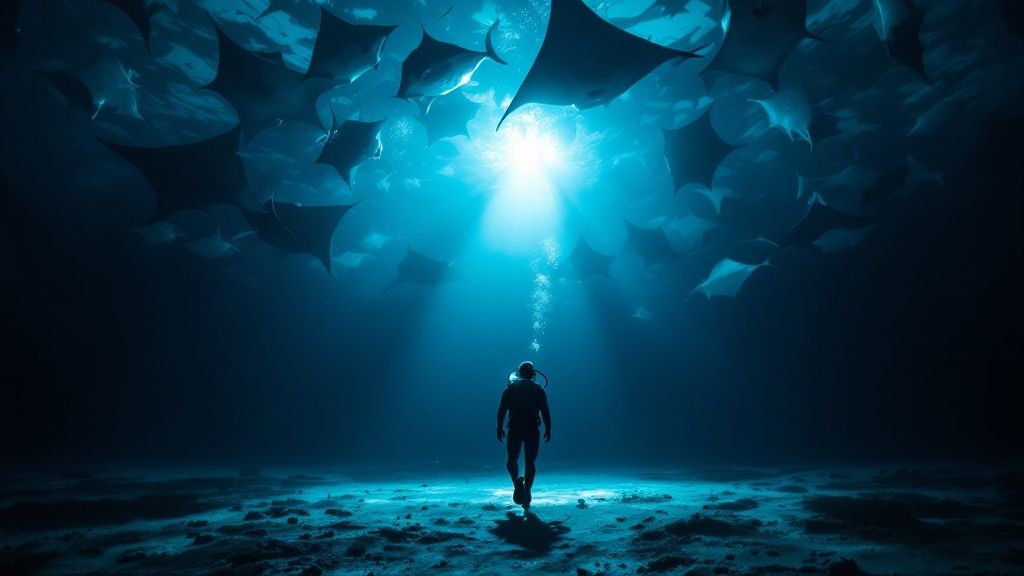
For those who are certified scuba divers, getting down on the ocean floor is a truly immersive, almost spiritual, way to see the mantas. You'll descend to a sandy spot, usually about 30 to 40 feet down, and get settled for the performance to begin. From this unique spot, you get to look up as these gentle giants, with wingspans that can stretch over 16 feet, glide and somersault just inches over your head.
There’s nothing quite like it. Being on the bottom looking up gives you a profound sense of their sheer size and grace, silhouetted against the bright lights and dark water. It’s a humbling and completely awe-inspiring perspective.
The Snorkeler’s Bird's-Eye View
But here's the great news: you absolutely do not need to be a scuba diver to have a mind-blowing encounter. Snorkeling is a fantastic and accessible option that puts you right on top of the action, making it a perfect choice for just about everyone—families and non-divers included.
As a snorkeler, you’ll float on the surface, holding onto a specially made light board. This board shines a powerful beam down into the water, which is what attracts the plankton that the mantas come to feed on. From your bird's-eye view, you get to watch the entire "manta ballet" unfold just a few feet below you. The thrill of having a massive manta ray swoop directly underneath you is something you'll never forget.
So, which adventure is calling your name? Let's break down the key differences to help you figure out what's best for you.
The table below gives you a quick side-by-side look at what to expect from each experience.
Manta Ray Dive vs. Snorkel Experience
| Feature | Scuba Diving | Snorkeling |
|---|---|---|
| Perspective | Viewing from the ocean floor, looking up at the mantas. | Viewing from the surface, looking down at the mantas. |
| Skill Level | Requires a valid scuba diving certification. | No certification needed; suitable for all swimming abilities. |
| Proximity | Mantas may glide inches above your head. | Mantas swim just a few feet below you. |
| Gear | Full scuba gear: tank, BCD, regulator, mask, and fins. | Simple gear: mask, snorkel, and fins (often provided). |
| Best For | Certified divers seeking a fully immersive experience. | Families, non-divers, and anyone wanting a surface-level thrill. |
Ultimately, whether you decide to dive or snorkel, you’re guaranteed a front-row seat to one of the most spectacular shows in the natural world. Both options are part of the amazing Manta Ray Dive & Snorkel tour, which is designed to give everyone a safe and unforgettable adventure.
How to Prepare for Your Kona Manta Ray Adventure
A little bit of prep work can be the difference between a great trip and a truly unforgettable one. Knowing what to pack and what to expect means you can soak in every moment of the manta ray dive kona without worrying about the small stuff.
The good news is that most tour operators will have you covered with all the essential dive gear. Wetsuits, masks, snorkels, fins, and lights are typically part of the package. That said, there are a few personal items you’ll want to bring along to make the whole adventure more comfortable.
What to Bring on the Boat
Tossing a few key things into a small bag will make all the difference after your swim. Trust me, once you’re out of the water at night, you'll be glad you came prepared.
- Towel and Dry Clothes: You'll definitely want something warm and dry to change into for the boat ride back. That ocean air can get surprisingly chilly at night.
- Reusable Water Bottle: It’s always smart to stay hydrated, both before and after you get in the water.
- Motion Sickness Medication: If you even think you might get seasick, take something before you leave the dock. The boat stays in one spot for a while, and the gentle rocking can get to people.
Getting in the Right Mindset (and Listening Up!)
The gear you bring is important, but your attitude is even more so. The real key to a fantastic experience is showing up with a sense of wonder and a promise to be a respectful visitor in the manta rays’ world.
Every single tour kicks off with a mandatory safety briefing. Pay close attention here. Your guides are going to walk you through the essential rules for a safe and ethical swim with these gentle giants. They’ll cover everything from how to float on the water to the single most important rule of the night: look, but don't touch.
Listening to your guides isn’t just about your safety—it’s about protecting the manta rays. When everyone follows the rules, we ensure this incredible natural encounter can continue for many, many years.
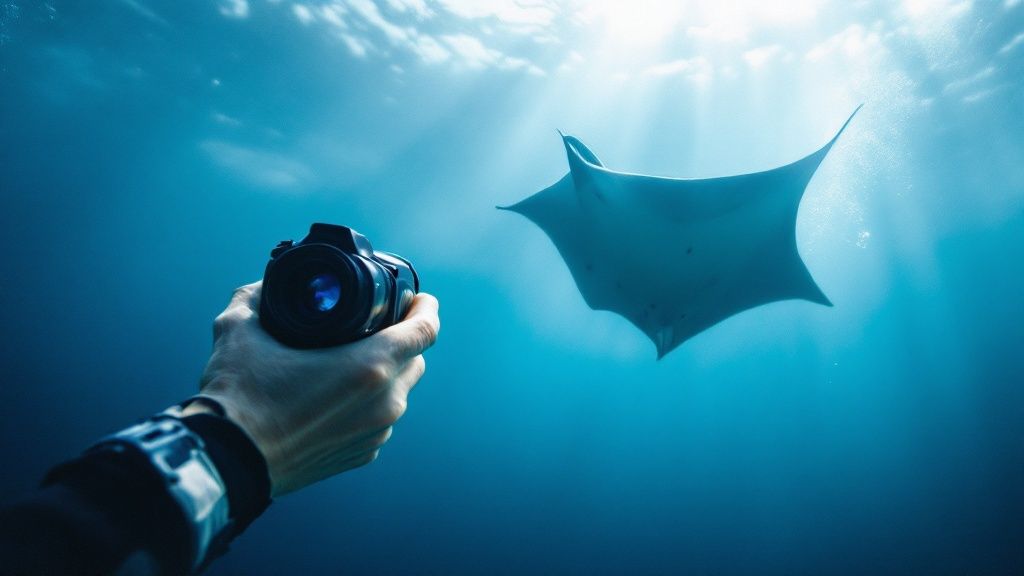
If you're bringing a camera, listen carefully for any instructions about your lights. Many photographers find that using red lights helps capture incredible shots without disturbing the mantas as they feed. For a complete rundown of what the night involves, you can get more details about the Kona manta ray night dive.
Finally, a bit of practical advice: book your tour well in advance! The manta ray dive kona is easily one of the most popular things to do on the Big Island. Spots fill up fast, especially during the busy seasons. A little planning now means you won't miss out on this bucket-list adventure.
Protecting Kona’s Manta Rays Through Responsible Tourism
That incredible encounter you’ll have on the manta ray dive Kona is more than just a tourist attraction—it's a delicate dance between people and wildlife. Keeping this experience magical for years to come relies completely on everyone involved acting responsibly. Every single person who enters the water has a role in protecting Kona’s beloved manta rays.
The whole system is built around one golden rule: look, but never, ever touch. This isn't just a friendly suggestion; it's a hard and fast rule crucial for the manta's health. Their skin is covered in a thin mucus layer, which is their primary defense against nasty bacteria and parasites in the ocean.
Touching a manta, even with the lightest finger, can rub off that essential slime coat. When that happens, they're left wide open to skin diseases and infections that can seriously harm them. Simply keeping your hands to yourself is one of the most direct ways you can help protect them.
The Guardian's Code of Conduct
To make sure we're all good guests in their home, local operators and divers follow a straightforward set of rules. This code of conduct isn’t just about being polite; it’s about making sure the mantas can feed and behave naturally, keeping their "dinner table" a safe and reliable place to visit.
- No Touching: We can't say it enough. This is the big one. Fight the temptation to reach out as one of these gentle giants glides over you.
- No Chasing: Never swim after a manta ray. Let them come to you. Chasing them only causes stress and can easily drive them away from the dive site for good.
- No Blocking: Always leave a clear path for the mantas to swim and feed. If you're diving, stay low on the bottom. If you're snorkeling, stay flat on the surface and don't dive down into their space.
Following these guidelines is everything. You can get a more detailed breakdown by reading about responsible and considerate diver etiquette to ensure every interaction is a positive one. This teamwork between divers who care and operators who enforce the rules is what makes the whole thing work.
This commitment to conservation isn't just guesswork; it's backed by years of science. Researchers and local videographers have spent countless hours observing and identifying the local manta population. In fact, one long-term study tracked individual mantas from 2009 to 2014 at popular sites like "Manta Village" and "Manta Heaven." That kind of detailed monitoring is exactly what helped shape the responsible tourism practices we use today. When you choose a reputable tour that puts these principles first, you become more than a spectator—you become a partner in conserving Kona’s majestic manta rays.
Other Epic Dives to Experience in Kona
While the manta ray dive kona is the star of the show, it's really just the opening act for the underwater spectacle the Big Island has to offer. The volcanic coastline has created a truly diverse playground for divers, meaning there’s always something new to see once you’ve experienced the manta ballet.
Think vibrant coral gardens buzzing with life, dramatic lava tubes, and massive archways sculpted by ancient lava flows. The island's geology is front and center on every dive, making daytime diving tours an absolute must.
The Kona Blackwater Dive
If you're looking for something completely different—something almost otherworldly—you have to try the Kona Blackwater Dive. People often call it a spacewalk in the open ocean, and that's not an exaggeration.
You drift tethered to the boat over thousands of feet of inky black water, watching the largest migration on Earth happen right before your eyes. Tiny, bizarre, and often bioluminescent creatures rise from the depths, creating a spectacle few people ever get to witness. It's a trip into the deep you won't soon forget.
Advanced Diving Adventures
For experienced divers hungry for a challenge, Kona has you covered. You can jump on premium advanced dive tours that head to deeper sites and explore more complex underwater environments.
Imagine navigating through ancient lava tubes, swimming through majestic archways, and exploring deep-water pinnacles covered in rare sponges. These advanced dives showcase the raw, powerful beauty of the Big Island’s volcanic origins.
These deeper trips are also your best bet for encountering different marine life, like the various shark species that patrol the outer reefs. After exploring a few of these sites, you'll understand why Kona is so much more than just one amazing dive—it's a world-class destination with adventure at every depth.
Frequently Asked Questions About the Manta Ray Dive
Planning an adventure like the manta ray dive always brings up a few questions. I've pulled together the most common ones I hear from divers and snorkelers to make sure you feel totally ready for this incredible experience.
Is the Kona Manta Ray Dive Safe?
Absolutely. When you go out with a professional and reputable operator like Kona Honu Divers, safety is the top priority. The whole encounter is managed in a very controlled environment.
Every trip starts with a thorough safety briefing before you even get in the water. Plus, the manta rays themselves are true gentle giants. They don’t have teeth, stingers, or barbs, making them completely harmless to humans. Just listen to your guide, relax, and enjoy the show.
What Is the Best Time of Year to See Manta Rays in Kona?
This is one of the best parts—you can do this dive any time of year! Kona’s resident manta ray population sticks around all year long, so they don’t migrate.
Sighting success rates are consistently high, often topping 90%, no matter which season you visit. While the ocean is usually calmest during the summer months, you have an excellent chance of a spectacular encounter whenever you come to the Big Island.
Do I Need to Be Scuba Certified?
Nope, you don't need a scuba certification to see the mantas. Snorkeling is an equally amazing way to witness their underwater ballet.
Snorkelers hang onto a custom-built light board that floats on the surface. These bright lights draw in the plankton, which in turn brings the mantas right up to you. It's a perfect option for families, non-divers, or anyone who prefers to stay at the surface.
Can I Touch the Manta Rays?
This is a strict no. You absolutely cannot touch, chase, or try to ride the manta rays.
Touching them can damage the protective mucus coating on their skin, which is essential for fending off infections. The whole philosophy behind this dive is passive interaction. You're a respectful observer in their world, allowing them to swim and feed naturally around you.
Ready for an underwater adventure you'll never forget? Kona Honu Divers offers a world-class manta ray dive tour that will leave you in awe.