
Imagine this: you're floating in the warm, dark Pacific waters off the coast of Kona. Suddenly, a colossal, shadowy shape emerges from the deep. It's a giant manta ray, with a wingspan wider than a car, and it glides effortlessly just inches above your head. This isn't a scene from a sci-fi movie; it's the world-famous manta ray dive in Kona, a true bucket-list adventure that has to be seen to be believed.
What Is the Kona Manta Ray Night Dive?
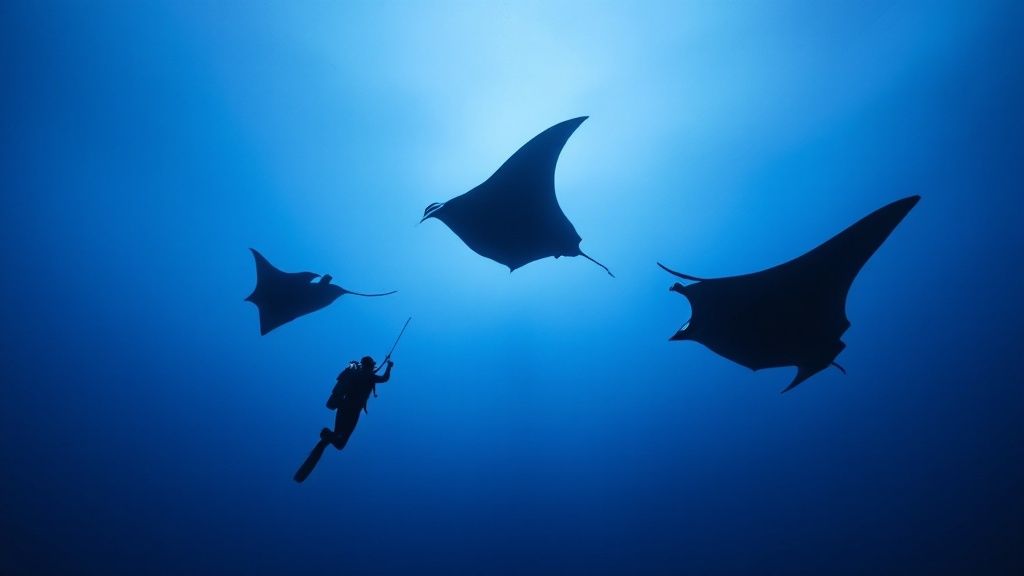
At its heart, the Kona manta ray night dive is a carefully orchestrated underwater dinner party where you're the guest of honor. After sunset, tour boats head out to one of a few specific locations known for manta activity. Once there, they deploy powerful, purpose-built lights that shine down into the water.
These bright lights act like a massive bug zapper, but for the ocean. They attract huge clouds of microscopic plankton, which are the manta rays' favorite food. This creates an irresistible, all-you-can-eat buffet that draws in mantas from all around.
What follows is nothing short of a breathtaking underwater ballet. The mantas swoop in, performing graceful barrel rolls and somersaults through the beams of light to scoop up mouthfuls of plankton. It's a mesmerizing spectacle, and they often come within inches of the observers.
A Reliable and Unforgettable Encounter
Unlike a lot of wildlife tours where you just have to cross your fingers and hope for the best, the manta ray dive in Kona is remarkably consistent. The Kona Coast is a world-renowned aggregation site with a resident population of over 450 individually identified manta rays.
This huge local population results in an incredible 85-90% success rate for sightings. That makes it one of the most reliable big-animal encounters on the entire planet and a cornerstone of the Big Island's eco-tourism, attracting around 80,000 people every year. If you want to dive deeper into what makes this spot so special, the folks at Kona Honu Divers have some great information on their site.
What's truly fantastic about this experience is that you don't need to be a seasoned diver to see the show. Both scuba divers and snorkelers get a front-row seat to the magic, each offering a completely different, but equally amazing, perspective.
Scuba Diving vs Snorkeling With Mantas
Deciding whether to dive or snorkel can be tough, as both are incredible. This quick comparison should help you figure out which one is the right fit for you.
| Feature | Scuba Diving Experience | Snorkeling Experience |
|---|---|---|
| Your Position | You'll be settled on the sandy ocean floor, looking up as the mantas swoop down towards the lights and right over your head. | You'll float on the surface holding onto a custom light board, watching the mantas glide up from the darkness below you. |
| Perspective | A totally unique bottom-up view. You get to see the mantas' massive wingspans silhouetted against the surface lights. | An amazing top-down view of the "manta ballet" as they perform barrel rolls just feet beneath you. |
| Requirements | You must have a valid scuba diving certification. | No certification needed! It's accessible to swimmers of all ages and skill levels. |
| Best For | Certified divers who are comfortable with night diving and want to experience the mantas from their world on the ocean floor. | Families, non-divers, and anyone who wants a breathtaking, face-to-face view from the surface. |
Honestly, you can't go wrong with either choice. Both give you an awe-inspiring encounter that makes the manta ray dive a must-do activity when you're on the Big Island.
Choosing Your Manta Ray Dive Location
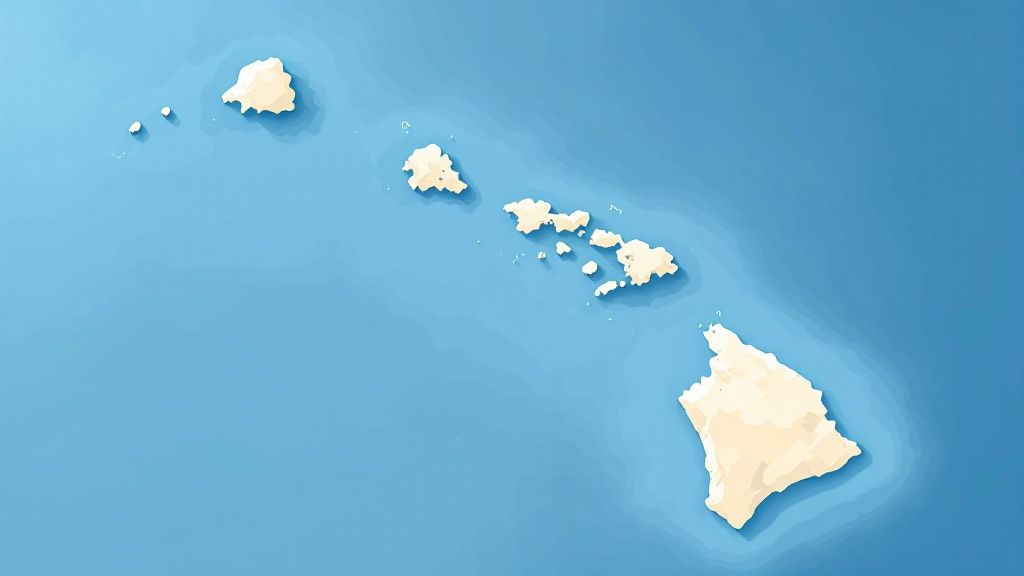
So, you’re ready to dive with mantas in Kona. The first thing you'll realize is that you have a choice to make, as not all viewing sites are the same. The Kona coast is famous for two world-class locations for this experience, and each one has a totally different vibe. Your decision will really come down to your comfort in the water, your dive experience, and the kind of night you're hoping for.
The two main sites are affectionately known as "Manta Village" and "Manta Heaven." You can think of them as two different stages for the same incredible underwater ballet. Each has its own unique set of conditions that will shape your adventure, so it’s worth knowing the difference before you book.
Over the years, these two spots have become globally recognized for incredibly reliable manta encounters. Manta Village, the original night dive spot south of Kona, has a shallow, sandy bottom and is usually much calmer, making it perfect for beginners and snorkelers. Manta Heaven, a bit further north, is a more dynamic setting with deeper water and the potential for a bit more current. It’s a favorite among seasoned divers and photographers looking for those once-in-a-lifetime shots.
Manta Village: The Original Campfire
Located right offshore from the Keauhou Bay area, Manta Village is often called the "original manta campfire" for a good reason. It’s been the go-to spot for decades and is known for its incredible predictability and easy access.
- Depth and Conditions: The water here is pretty shallow, usually around 25-35 feet. Because it’s tucked into a bay, it’s often shielded from the wind and stronger currents, which means calmer seas.
- Bottom Composition: It’s mostly a soft, sandy bottom. This is great because it allows divers to comfortably settle in and watch the show unfold above them without kicking up silt or disturbing the environment.
- Who It's For: The gentle conditions make Manta Village a fantastic choice for newly certified divers, anyone who feels a bit rusty, and families who have snorkelers in their group.
The consistency at Manta Village is what makes it so legendary. While the number of mantas can fluctuate from night to night, the site has an exceptionally high success rate. It's about as close to a guaranteed sighting as you can get in the wild.
Manta Heaven: A More Dynamic Theater
Up north, closer to the airport, you'll find Manta Heaven. It absolutely lives up to its name, often attracting larger groups of mantas and offering a slightly more adventurous experience. This spot is also known as Garden Eel Cove.
- Depth and Conditions: It’s a bit deeper than the Village, with the bottom sitting at about 35-45 feet. The site is more exposed to the open ocean, which can sometimes mean stronger currents and more surface chop.
- Underwater Environment: The scenery is different, too. Here you’ll find a mix of volcanic rock formations and sandy patches, which adds a cool visual backdrop to the experience.
- Who It's For: Experienced divers often gravitate toward Manta Heaven. They love its dynamic nature and the thrilling possibility of seeing a huge squadron of mantas barrel-rolling through the light beams.
No matter which spot you choose, timing your trip can make a difference. For a deeper dive into how the seasons affect conditions, take a look at our guide on the best time of year to see manta rays in Kona. Either way, you're in for an unforgettable night under the waves.
How to Select the Best Manta Ray Tour Operator
Picking the right tour company for your [**manta ray dive in Kona**](https://konahonudivers.com/diving-tours/2-tank-manta-dive-snorkel/?ref=blog) is easily the most critical decision you’ll make. It’s the difference between a truly magical, once-in-a-lifetime memory and a crowded, chaotic, and frankly, disappointing night.
The best outfits put your safety, your comfort, and the well-being of the mantas above everything else. Some just want to cram as many people on the boat as possible, but the great ones are all about creating a premium, educational, and responsible adventure. A little research up front goes a long way.
What to Look for in a Premier Operator
As you start digging in, a few things should jump out as non-negotiable. These are the details that separate the good from the great.
- Impeccable Safety Record: This is number one, period. You want a crew with experienced, certified divemasters and captains who give a real, comprehensive safety briefing, not just a quick rundown.
- Small Group Sizes: Fewer people in the water means more personal attention, a better view, and a much more intimate encounter with the mantas. You're not just a number.
- Eco-Friendly Practices: Look for operators who are serious about protecting the mantas. This means a strict "no-touching" policy and smart positioning of their lights to attract plankton without harming the animals.
- Comfortable and Well-Maintained Boats: Trust me, after a night dive, a well-cared-for boat with a hot shower, snacks, and room to move around makes all the difference on the ride back to the harbor.
Kona Honu Divers is a great example of an operator that nails all these points. Their dedication to manta conservation and top-notch customer service makes them a standout choice for divers and snorkelers alike.
Understanding the Tour Structure
The best operators, including Kona Honu Divers, typically offer a two-tank manta ray dive tour. This format gives you incredible value and a full evening of world-class scuba diving on the Big Island.
Think of it as two dives for the price of one epic adventure. You'll usually start with a gorgeous late-afternoon reef dive. This is the perfect warm-up to get your weighting right and check out Kona's stunning coral gardens as the sun goes down.
After a surface interval with some snacks, it’s time for the main event: the night dive with the mantas. This structure is brilliant because it maximizes your time underwater and delivers two completely different, equally amazing experiences. You can see more details on this popular manta ray dive tour structure and get your trip booked.
When you choose your operator carefully, you're doing more than just booking a tour. You're investing in a safe, ethical, and absolutely awe-inspiring experience with Kona's gentle giants. For a deeper dive into the options, take a look at our guide to the top Kona diving companies.
What to Expect During Your Manta Encounter
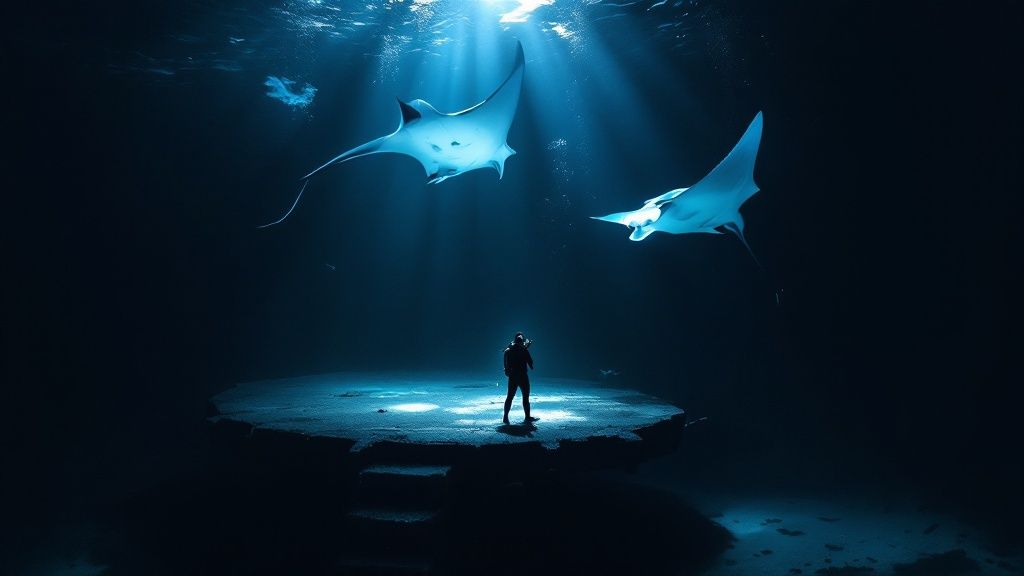
Alright, this is where the real magic begins. Once the sun has set, you'll make your way into the warm, inky-black water. Your divemaster will guide the group down to a specific spot on the sandy bottom, around 25 to 35 feet deep. Here, everyone gets settled, forming a loose circle around a powerful, stationary light source often called the "campfire."
This underwater beacon is the secret ingredient. It attracts huge clouds of microscopic plankton, which is basically an all-you-can-eat buffet for Kona's resident manta rays. You’ll turn on your own dive light and point the beam straight up, adding to the glow and creating an even bigger dinner invitation.
And then, you wait. The anticipation in the darkness is a huge part of the experience.
The Underwater Ballet Begins
Out of the blackness, a huge, shadow-like shape glides into view. The first manta has arrived. Before you know it, another one appears, and then another. The show is on.
They swoop directly into the light beams, performing what can only be described as an otherworldly ballet. You'll watch them execute effortless barrel rolls and graceful somersaults, often just inches above your head. With their giant mouths wide open, they filter the plankton from the water in a breathtaking and humbling display. It feels less like an observation and more like a private performance just for you.
If you're on a snorkel tour, the view is just as stunning. You'll float at the surface, holding onto a specially designed light board. This board shines powerful lights down, bringing the plankton—and the mantas—right up to you. They'll glide just below, sometimes coming close enough to touch as they feed.
A critical part of any manta ray dive in Kona is remembering to be a passive, respectful observer. These are wild animals. Touching them can damage the delicate, protective mucus coating on their skin. The best, most intimate encounters happen when you simply stay still and let them do their thing.
Your Role as a Respectful Observer
Honestly, your only job is to relax, breathe, and soak it all in. Resisting the urge to reach out and touch them is absolutely crucial for their well-being.
- For Divers: Stay put on the ocean floor. This keeps the water column—their performance space—completely open for them to maneuver.
- For Snorkelers: Hold onto your floatation board and keep your fins out of the water. This prevents you from accidentally kicking a manta as it passes by.
- For Everyone: Never chase or try to ride a manta ray. Just be patient and let them come to you.
Following these simple rules helps ensure this incredible interaction remains a safe and sustainable experience for years to come. It’s an adventure that's truly unique to the Big Island, and one you'll never forget.
How to Prepare for Your Manta Ray Dive
A little bit of prep work is all it takes to turn a great manta ray dive into an absolutely unforgettable one. When you know exactly what to bring and what to expect, you can stop worrying about the little things and just soak in the magic unfolding in front of you.
Most reputable dive shops in Kona will have all the big-ticket scuba items covered—tanks, weights, BCDs, and regulators. That said, a few personal items are on you to bring, and they can make a world of difference.
Your Personal Checklist
Let's talk about what goes in your dry bag. Packing these simple things will make your post-dive experience much more comfortable, especially on that boat ride back to the harbor when the night air feels a bit brisk.
- Dive Certification Card: This is non-negotiable. No card, no dive. Double-check your wallet before you leave!
- A Towel and Warm Clothes: You will be so grateful for a dry towel and a warm hoodie or windbreaker on the ride back. Don't skip these.
- Reusable Water Bottle: Diving is dehydrating, even when you don't feel like you're sweating. Keep a water bottle handy and sip on it before and after the dive.
Gearing Up for the Dive Itself
Even though the operator provides the gear, it helps to know what to expect. Kona's waters at night hover in the mid-70s F (around 23-25°C). While that sounds pleasant, you'll be relatively still at the bottom, and a chill can set in surprisingly fast.
This is why a good wetsuit is your best friend. Most shops provide a 5mm or 7mm suit, which is exactly what you need to stay toasty.
If you know you run cold, don't be shy! Ask the crew for a thicker wetsuit or even a hood. A warm diver is a happy diver, and your comfort is the top priority for a reason—it lets you relax and enjoy the show.
It’s also a really good idea to have logged a dive somewhat recently. If it’s been over a year since you were last underwater, a quick refresher course is the perfect way to knock the rust off. Feeling confident in your skills is a huge part of enjoying any dive, especially one at night. And for a deeper dive into the equipment, check out our guide on the gear you will need for your Kona diving adventure.
To make it even easier, here’s a quick-glance checklist to help you get ready.
Your Manta Ray Night Dive Checklist
| Category | What to Bring or Do | Pro Tip |
|---|---|---|
| Documentation | Dive Certification Card | Take a picture of it with your phone as a backup. |
| Apparel | Swimsuit, Towel, Warm Jacket/Hoodie | Wear your swimsuit to the boat to make gearing up easier. |
| Personal Items | Reusable Water Bottle, Reef-Safe Sunscreen (for a day trip) | Hydrate well before the dive, not just after. |
| Dive Skills | Recent Dive Experience (within the last year) | If you're rusty, book a 2-tank morning dive to refresh your skills. |
| Health | Any personal motion sickness remedy | Take it well before you get on the boat so it has time to work. |
Packing these few things and showing up with fresh skills will have you perfectly prepared for an incredible night with Kona's gentle giants.
Getting to Know Kona’s Manta Rays
When you slip into the water for a manta ray dive in Kona, you're not just observing a random animal passing through. You're actually a guest in the home of a well-known, resident population of reef mantas (Manta alfredi). Think of it less like a zoo and more like meeting local celebrities.
Knowing a bit about who they are and how they live completely changes the experience. It turns a cool dive into a genuine connection with these intelligent, protected animals. You start to appreciate the incredible work that goes into protecting them, and that adds a whole new dimension to your adventure.
How We Know Who's Who
So, how can we be so sure we're seeing the same mantas time and again? It's all in the belly spots.
Each manta ray has a completely unique pattern of dark splotches on its underside, kind of like a human fingerprint. By snapping photos of their bellies, researchers can identify, name, and track individual mantas for their entire lives—which can be 50 years or more!
This simple photo-ID technique, started back in 1991, has helped catalog over 330 individual mantas right here in Kona. It's how we've learned so much about their behavior and social lives. If you're looking for even more detail on this, our deep dive into https://konahonudivers.com/manta-ray-diving-hawaii/ has you covered.
Remarkable Journeys Around the Island
Don't let the term "resident" fool you; these mantas get around. Tracking studies have shown they make some truly impressive journeys around the Big Island, proving just how important it is to protect all of our interconnected coastal waters.
Take 'Loulou Ray', for instance. In 2020, researchers tracked this well-known manta traveling 42 miles from the Kohala Coast all the way down to Keauhou, a trip that took about eight weeks. But another manta, 'Jolene Ray,' blew everyone away by making that same journey in just eight days!
When you know stories like that, the dive becomes personal. You're not just seeing a manta ray—you could be swimming alongside a world-class traveler like Jolene.
Your Manta Dive Questions, Answered
Got a few questions before you book? I get it. Here are some of the most common things people ask before heading out on their manta ray adventure.
Do I Need to Be a Certified Scuba Diver?
Nope! Not at all. Snorkeling with the mantas is just as incredible, and it's something almost anyone can do.
Snorkelers hang out on the surface, holding onto a big, custom-built light board. The lights draw in the plankton, and the mantas come right up to the surface for a snack, putting on an amazing show right below you.
Is the Manta Ray Dive Safe?
Absolutely. When you go with a professional, safety-conscious crew like Kona Honu Divers, it's a very safe and controlled experience. People often worry about the mantas, but they're true gentle giants. They don't have teeth, stingers, or barbs.
The main thing is just following standard night diving or snorkeling safety procedures. Your guides will give you a detailed briefing, make sure you have all the right gear, and stay with you the entire time you're in the water.
The golden rule for this dive—for both your safety and the mantas'—is to never touch them. A simple touch can rub off the protective slime coat on their skin, which is like their immune system. This can leave them open to nasty infections. Just look, don't touch, and everyone has a magical night.
When Is the Best Time of Year for the Manta Dive?
Honestly, any time is a good time. Kona's resident manta population hangs around all year, and the dive operators have this down to a science. The success rate for seeing mantas is incredibly high, often 85-90% or even better.
The water tends to be a bit calmer and glassier in the summer months (from April to October), but fantastic encounters happen every single night, year-round. The sheer reliability of the manta ray dive in Kona is what makes it famous worldwide. If you want to dive a little deeper, you can learn more about what you should know about the manta ray dive in Kona.
Will I Be Cold During a Night Dive?
The water here in Kona stays pretty warm, usually in the mid-70s F (around 23-25°C), even at night. That said, you're not moving around much during the dive, so you can start to feel a chill after a while.
That’s why any good dive shop will set you up with a thick wetsuit, usually a 5mm or even a 7mm, to keep you comfortable. A pro tip from me: always bring a towel and a warm hoodie or jacket for the boat ride back. You'll be glad you did!
Ready to see this incredible underwater ballet for yourself? Kona Honu Divers runs expertly guided scuba and snorkel tours that always put your safety, your comfort, and the well-being of the mantas first. Let's get you in the water.