
Picture this: you descend into the warm, dark Pacific waters just off the Kona coast. Powerful lights cut through the darkness, illuminating the ocean floor below. Then, out of the shadows, they appear—massive, graceful manta rays, gliding through the beams in a silent, hypnotic ballet. This isn't something you watch on TV; this is the world-famous Kona manta ray dive, and it's a real, bucket-list adventure you can experience for yourself.
Your Guide to the Kona Manta Ray Night Dive
This guide is your roadmap to witnessing this incredible spectacle firsthand. We'll break down exactly why Kona is the global hotspot for manta encounters and point you to the top-tier operators who turn this dream into a reality. The Big Island of Hawaii truly offers one of the most reliable and breathtaking marine encounters on the planet—an experience that will stick with you long after you've dried off.
The Kona manta ray dive is so much more than a simple tour. It’s a chance to connect with one of the ocean's most majestic creatures right in their own element. Unlike other places where a manta sighting is a stroke of luck, Kona's unique setup creates a consistent underwater "dinner show" that attracts these gentle giants nearly every single night.
What Makes This Experience Unforgettable
So, what elevates this from just a night swim to a genuinely life-changing event? It's the whole package: the thrill of the night dive, the sheer size of the mantas, and how unbelievably close they get. You aren't just watching from afar; you're right there in their world as they perform effortless acrobatics, sometimes just inches away.
The best part is that almost anyone can join in. There are fantastic options for both certified divers and snorkelers, and each perspective offers its own uniquely stunning view of the underwater performance.
- For Divers: You'll settle right on the sandy ocean floor, about 25-35 feet deep, looking up as the mantas soar directly overhead like something out of a sci-fi movie.
- For Snorkelers: You'll float comfortably on the surface, holding onto a custom light board that attracts the plankton, as the mantas glide up from the depths to feed right below you.
Kona Honu Divers is a top-rated local operator that's completely dedicated to providing a safe, ethical, and unforgettable manta ray dive. Their experienced crew puts the safety of their guests and the well-being of the mantas above all else, making them a choice you can feel good about for this incredible adventure. You can see what past guests have to say about their experience below.
Choosing the right operator is absolutely key. A company like Kona Honu Divers, with its deep local knowledge and a strong commitment to conservation, really elevates the entire experience. They provide all the necessary gear and expert guidance, so you can just relax and soak in the magic. If you're ready for an adventure you’ll never forget, you can book your Kona manta ray dive tour today.
2-Tank Manta Ray Night Dive/Snorkel Charter
Picture this: you're floating in the dark, warm waters off the Kona coast. Suddenly, a massive, graceful shadow emerges from the deep, soaring directly towards the lights. This isn't a scene from a movie—it's the world-famous manta ray night dive, and it's an experience that will stick with you forever.
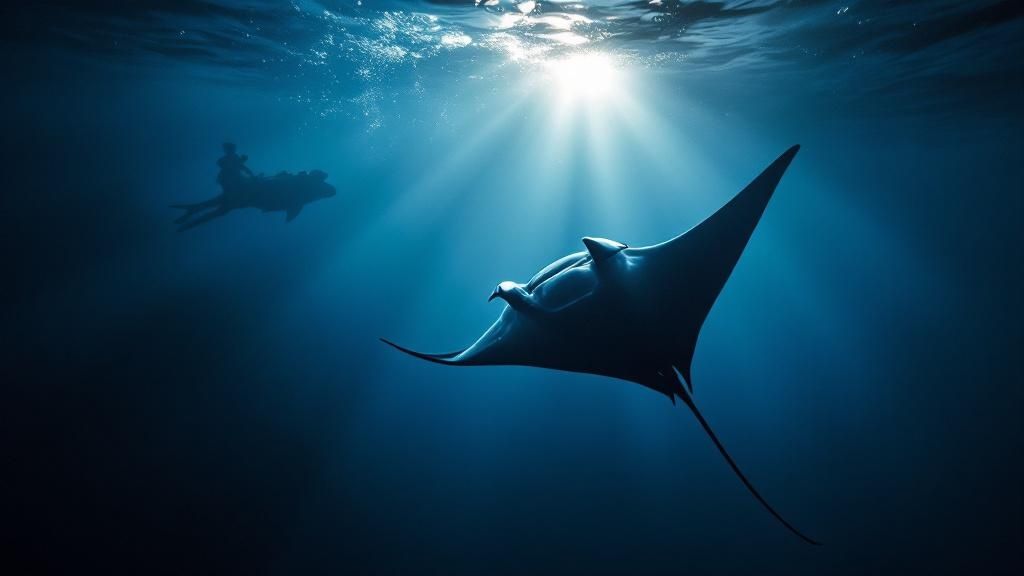
We run this incredible charter every single night, so you can fit this must-do dive into any vacation schedule. The whole trip takes about 3.5 hours, giving you plenty of time to soak in the magic.
Our adventure includes two distinct experiences. First, we'll do a reef dive at dusk at one of Kona's premier dive sites. As the sun dips below the horizon, you'll see the reef begin to transform, with daytime critters heading to bed and nocturnal hunters starting to emerge. It’s a beautiful, peaceful dive that sets the stage for the main event. For divers seeking even more challenging daytime adventures, there are also advanced dive tours available.
Then, as darkness fully sets in, we gear up for the main attraction: the manta ray dive.
What’s Included in the Tour?
We take care of just about everything so you can focus on the experience.
- Two guided dives: A twilight reef dive followed by the manta dive itself.
- Tanks and weights: No need to haul your own.
- Expert guide: Our divemasters know these sites and these animals like the back of their hand.
- Snacks and drinks: We'll keep you fueled up between dives.
- FREE Nitrox: For certified Nitrox divers, of course!
Available Rental Gear
If you're traveling light, we've got you covered with top-of-the-line rental gear. We can outfit you with everything you need, from BCDs and regulators to full-length 5mm wetsuits—which we highly recommend, as you’ll be sitting still in the water for a while.
We also have high-powered dive lights available for rent. Trust me, a good light makes all the difference on this dive.
Snorkelers Are Welcome, Too!
Not a certified diver? No problem! You can still experience the awe of the manta rays from the surface. Snorkelers join the same boat and float above the divers, holding onto a custom-built light board that attracts the plankton—and the mantas.
It’s an equally breathtaking view from the top. For more details on this option, check out our dedicated Big Island Manta Ray Night Snorkel page. The mantas often get so close to the surface they almost kiss the snorkelers
Choosing the Right Kona Manta Ray Tour
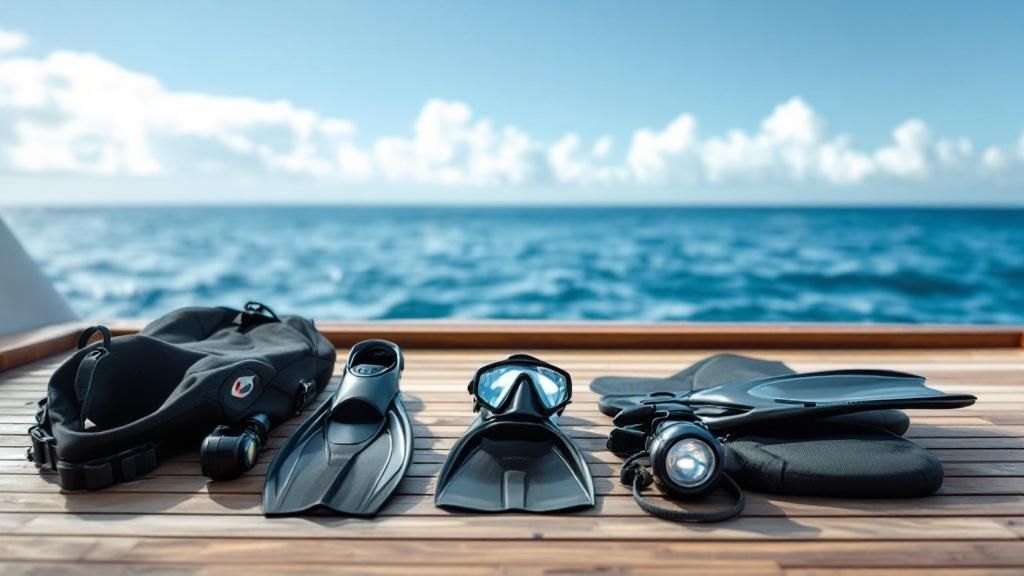
Picking the right operator for your manta ray dive in Kona is every bit as crucial as the dive itself. The crew you go with—their experience, group size, and commitment to the mantas' well-being—will truly make or break your adventure. A great company doesn't just take you out on the water; they ensure a safe, respectful, and genuinely magical encounter with these gentle giants.
So, what should you look for? Go with companies that have a solid reputation for conservation. The best operators put the mantas' welfare first, sticking to strict guidelines for passive observation. That means no touching, no chasing, and keeping a respectful distance so the rays can feed without being disturbed. Small group sizes are another huge plus, offering a much more personal and less chaotic experience in the water.
One of the first big decisions you'll need to make is whether you want to experience the manta ballet as a scuba diver or a snorkeler. Both offer mind-blowing views, but from totally different angles.
Scuba Diving The Manta Ray Encounter
For certified divers, the manta ray dive in Kona is about as immersive as it gets. You'll descend to the sandy ocean floor, usually around 25-35 feet deep, and find your spot near the collection of lights often called the "campfire." If you're interested in other unique night dives, the Kona blackwater dive is another incredible option.
From this unique position on the bottom, you get to look up as these massive creatures glide and barrel-roll just inches above your head. It's an absolute front-row seat to one of nature’s most spectacular shows. Being stationary on the seafloor makes for a calm, stable experience—perfect for underwater photographers or anyone who just wants to feel completely enveloped by the moment.
Snorkeling With The Gentle Giants
Don't have a scuba certification? No problem. You can have an equally breathtaking encounter. Snorkelers float on the surface, holding onto a specially designed light board that beams bright lights down into the water.
These lights are like a dinner bell, attracting plankton and drawing the mantas right up to the surface for a meal. You get a stunning top-down view of their graceful dance as they swoop and soar directly beneath you. This is a fantastic option for families, non-divers, and anyone who's more comfortable staying at the surface.
Choosing a reputable operator like Kona Honu Divers guarantees an experience that is both thrilling for you and safe for the mantas. Their experienced team is dedicated to sustainable tourism and providing world-class adventures.
Ultimately, the choice comes down to your comfort level in the water and whether you're certified. To help you figure out which adventure is the right fit, here’s a quick breakdown of the key differences.
Comparing Dive and Snorkel Manta Ray Tours
Use this table to decide whether diving or snorkeling is the right choice for your manta ray adventure.
| Feature | Scuba Diving | Snorkeling |
|---|---|---|
| Perspective | Bottom-up view from the ocean floor | Top-down view from the water's surface |
| Proximity | Mantas glide inches overhead | Mantas swim directly beneath you |
| Certification | Open Water certification required | No certification required |
| Best For | Certified divers, photographers | Non-divers, families, all experience levels |
Honestly, you can't go wrong either way. Just be sure to pick a responsible tour operator. When you do, you're not just having an unforgettable experience—you're also helping protect these magnificent animals for years to come.
What to Expect on Your Manta Ray Night Dive
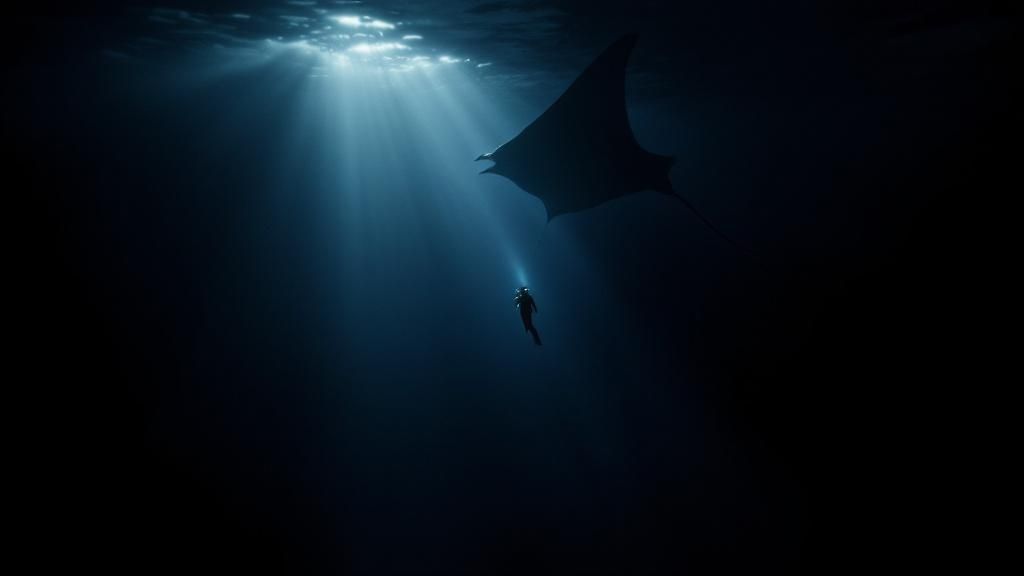
The buzz starts the second you step on the boat. Your adventure kicks off around dusk with a beautiful ride along the Kona coast, a perfect appetizer for the main course. Before you even get your feet wet, your guides—like the pros at Kona Honu Divers—will give you a thorough and surprisingly entertaining briefing.
This isn't your standard, dry safety lecture. They'll walk you through the dive plan and, most importantly, the rules for interacting with the mantas. It all boils down to one golden rule: passive observation is key. Look, be amazed, but never, ever touch. This ensures a safe, magical experience for both you and these incredible animals.
Entering the Underwater Theater
Once the sky goes completely dark, it's time. You’ll gear up and slip into the surprisingly warm Pacific, the excitement in the air almost electric. With everyone in the water, the crew sets up the main attraction: a powerful light source placed on the ocean floor.
This cluster of lights is affectionately called the "campfire." Its whole purpose is to attract swarms of plankton, which is dinner for the manta rays. With the stage set, you and your group make your way down to the sandy bottom, find a spot, and get ready for the show of a lifetime.
And then, you wait. The anticipation in these quiet moments is something else. You'll be looking up into the inky water column, pointing your own dive light upward to add to the plankton buffet. The only sound is the rhythmic hiss and bubble of your own breathing.
The Grand Arrival
Out of nowhere, a massive, graceful shadow emerges from the dark, gliding effortlessly through the light beams. The first manta is here. The feeling is absolutely surreal—a mix of pure awe and childlike wonder. Then another appears, and another.
Suddenly, you're front-row for an underwater ballet performed by gentle giants. These majestic creatures, some with wingspans stretching over 12 feet, perform mesmerizing barrel rolls and flips just inches above your head as they feed. Their movements are so fluid, so silent, it's both profoundly moving and incredibly peaceful. Seeing a creature that large move with such elegance is something you truly have to witness to understand. You can get a deeper sense of this incredible experience by learning more about the manta ray night dive in Kailua Kona.
"Diving with mantas is one of the most satisfying things a person can do in the water. It’s impossible to describe the feeling of watching a massive fish the shape of a stealth bomber coming into vision. It’s akin to watching your child ride a bike for the first time or finding a winning lottery ticket." – Samuel Beckett, Planet Dive
The whole encounter is a masterclass in peaceful coexistence. The mantas are just there for dinner, and you're a respectful guest in their world. After about 45 minutes of pure magic, your guide will give the signal to head back to the surface.
You'll break the surface with a sense of wonder that sticks with you long after you're back on shore. On the boat, everyone is buzzing, sharing their favorite moments over snacks and hot drinks. A manta ray dive in Kona isn't just another dive; it's a core memory in the making.
Understanding Kona’s Gentle Giants
Diving with Kona's manta rays is way more than just another thrilling adventure; it's a chance to meet some of the smartest, most charismatic animals in the ocean. These aren't just tourist attractions. They are individuals, each with its own personality and complex social life. Once you understand who these creatures truly are, your dive transforms from just looking at them to making a real connection.
Every single manta ray in Kona has a unique pattern of spots on its belly, kind of like a human fingerprint. This is how researchers and local dive guides can tell them apart, track them, and even give them names. On your manta ray dive in Kona, you might just get to meet local celebrities like "Big Bertha" or "Lefty," who have been regulars at our dive sites for years.
The Life of a Kona Manta Ray
Kona's manta rays are the reef manta species (Mobula alfredi), the second-largest ray species on the planet. Their wingspans can stretch over 12 feet! But despite that massive size, they are unbelievably gentle. They have no teeth, no stingers, and no barbs, so they're completely harmless to people. Their entire diet is zooplankton—tiny little organisms they filter right out of the water.
You'll get to see this amazing feeding technique up close. The mantas glide through the water, pulling off graceful barrel rolls and somersaults to scoop up as much plankton as they can. This "underwater ballet" isn't just for show; it's a super-efficient way for them to eat thousands of microscopic critters in one go. If you want to dive deeper into how this all works, check out our detailed guide on what the manta ray night dive entails.
What makes the Kona population so special is that they don't migrate; the same group of mantas lives here all year long. This has created an incredible opportunity for one of the most extensive studies of a wild manta ray population anywhere on Earth.
The local manta ray population here in Kona has been studied and cataloged since the early 1990s, making it one of the best-documented groups of mantas in the world. Since 1991, researchers have identified over 330 individual mantas in this area, building a rich database that's vital for conservation. You can find more of this fascinating research over at MantaRays.info.
Why Your Dive Matters for Conservation
When you join a responsible manta ray dive in Kona, you're actually helping protect these magnificent animals. The data that tour operators and even divers like you (as citizen scientists) collect helps researchers understand their life cycles, breeding patterns, and the overall health of our local ecosystem. This information is absolutely crucial for creating effective strategies to protect their home.
Choosing an operator like Kona Honu Divers, who always puts the well-being of the mantas first, means your experience is both ethical and sustainable. We stick to strict viewing guidelines to minimize any stress on the animals and make sure this incredible natural wonder is around for future generations to enjoy. The more we learn about these gentle giants, the more we realize how urgent it is to protect them and their fragile ocean home.
How to Be a Responsible Manta Ray Viewer
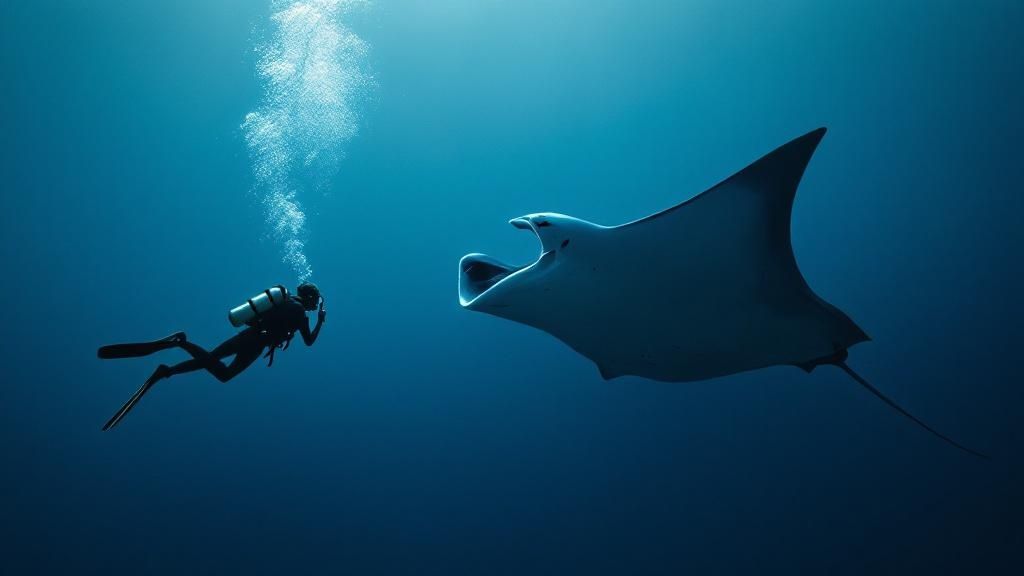
This whole incredible experience relies on one thing: sustainable tourism. Keeping Kona's manta population healthy for future generations is a shared responsibility, and as a visitor, you play a massive part in that. If there's one golden rule for every manta ray dive in Kona, it's this: be a passive observer. Look, but never, ever touch.
When you touch a manta ray, you're not just making contact; you're stripping away its protective mucus coating. This leaves the animal exposed and vulnerable to nasty skin infections. It's a simple act of respect that is absolutely vital for their health and well-being.
Chasing them, trying to ride them, or blocking their path causes a ton of stress. It can completely throw off their natural feeding patterns, which is the whole reason they show up in the first place.
Manta Interaction Guidelines
To protect these gentle giants, the Kona dive community has come together to establish some clear, non-negotiable guidelines for everyone in the water. Following these rules isn't just about being a good tourist; it's about making sure this magical encounter can continue for years to come.
- Observe Only: This one's the most important. Resist every urge to reach out as they glide by. Just watch.
- Hold Your Position: If you're diving, stay on or near the sandy bottom. Snorkelers, you stay flat on the surface. This keeps the water column wide open for the mantas to do their thing.
- Let Them Approach You: Never chase a manta. The real magic happens when they choose to come to you.
- Proper Light Etiquette: Divers, shine your lights straight up to draw in the plankton. Snorkelers, point your lights straight down.
- Mind Your Bubbles: Divers, try to time your breathing. Don't exhale a big cloud of bubbles right in a manta's face as it's coming in for a pass.
These rules are simple but critical. They help create a calm, non-threatening environment where the mantas feel safe.
Cultural and Ecological Importance
Hawaii’s manta rays, known as hahalua in Hawaiian, are deeply woven into the ecological and cultural fabric of the islands. They are mentioned in the Kumulipo, the sacred Hawaiian creation chant, which shows just how long they've been a part of this place.
These are slow-growing animals with very low reproductive rates, making their populations fragile and conservation absolutely essential. As filter feeders, they also play a key role in balancing the marine ecosystem.
One of the biggest impacts you can have is choosing a tour operator that takes these standards seriously. Companies like ours, Kona Honu Divers, are fully committed to these principles. When you book with a responsible operator, your adventure is directly contributing to the preservation of this incredible species. You can find more details in our complete guide on what you should know for your manta ray dive in Kona at https://konahonudivers.com/what-should-i-know-about-manta-ray-dive-kona/.
Got Questions About the Kona Manta Dive? We’ve Got Answers.
Planning a bucket-list trip like this always brings up a few questions. We get it. To help you get ready for an incredible night with Kona's manta rays, we’ve put together the answers to the questions we hear most often from our guests.
Getting these details sorted out now means you can show up relaxed, confident, and ready for one of the most amazing experiences of your life. Let's dive in.
Do I Need to Be a Certified Diver?
Nope! That's one of the best parts about the Kona manta experience—it’s built for pretty much everyone, whether you have a scuba certification or not.
Certified divers get a phenomenal view from the seafloor, looking up as the mantas swoop and glide overhead. But snorkelers get an equally mind-blowing perspective. You'll float on the surface, holding onto a specially designed light board that attracts the plankton.
The mantas swim right up to feed just inches below you, giving you a stunning top-down view of their graceful underwater ballet.
Is the Manta Ray Dive Safe?
Absolutely. When you go with a professional, reputable operator, the manta dive is exceptionally safe. Manta rays are called "gentle giants" for a reason—they are completely harmless to people. They have no teeth, no stingers, and no barbs.
The real focus is on standard water safety, which is exactly what your guides are experts in managing. Just make sure to listen carefully to the pre-dive briefing and follow your guide's directions in the water. It’s all about making sure everyone has a secure and unforgettable time.
What Is the Best Time of Year to See Mantas?
This is what truly makes Kona the world's premier destination for this encounter: you can see manta rays here all year round!
Unlike a lot of marine wildlife experiences that are seasonal, Kona’s resident manta population doesn't migrate. They show up for dinner every single night, which gives this tour a sighting success rate that often tops 90%.
That said, if you're looking for the absolute calmest ocean conditions, the summer months from April through October usually offer the smoothest boat rides and clearest water. For more help picking the perfect boat, check out our guide to the top 5 manta ray night dive tours.
Hopefully, that clears a few things up! No matter how you choose to see them—diving or snorkeling—you’re getting a front-row seat to one of nature’s most mesmerizing shows.
Are you ready to witness the underwater ballet of Kona's gentle giants? Kona Honu Divers offers world-class manta ray dive and snorkel tours guided by an expert crew dedicated to safety and conservation.