
Picture this: you descend into the warm, dark Pacific Ocean, your dive light cutting through the blackness to reveal an underwater stage. This is the setting for one of nature's most incredible performances. The manta ray dive in Kona isn't just another dive; it's a world-famous adventure that's consistently ranked as one of the best night dives on the entire planet.
An Unforgettable Underwater Ballet in Kona
We often call the Kona manta ray dive an "underwater ballet," and once you've seen it, you'll know why. As divers settle onto the sandy bottom, everyone points their lights up, creating a glowing circle. We affectionately call this the "campfire," and it acts like a giant dinner bell, attracting swarms of plankton—the manta rays' absolute favorite meal.
What happens next is pure magic. Massive manta rays, some with wingspans stretching over 12 feet, emerge from the darkness. They glide, swoop, and perform graceful barrel rolls just inches above your head, filtering the plankton-rich water. It's a completely silent, totally breathtaking show that creates a connection with the ocean you'll never forget.
Why Is This Dive So Special?
Unlike a lot of wildlife encounters that are hit-or-miss, Kona's manta ray population is incredibly reliable. These aren't migratory animals just passing through; they are resident rays who live and feed at these specific sites all year long. This is why the manta ray dive in Kona has a success rate of over 90%, making it one of the premier spots in the world for this kind of adventure.
This isn't just about watching animals from a distance. You are completely immersed in their world. The feeling of a massive, gentle creature soaring effortlessly right over you is a humbling, awe-inspiring moment that truly stays with you.
When you dive with Kona Honu Divers, you're with experts who care just as much about the mantas' well-being as they do about your safety. Our crew has spent years guiding divers on this incredible journey, and we know how to make sure the encounter is respectful, safe, and absolutely unforgettable.
Kona Manta Ray Dive At-a-Glance
To help you get ready for this once-in-a-lifetime trip, here's a quick rundown of what you can expect. The great thing is, this adventure is open to both certified divers and snorkelers, and both get a fantastic view of the action.
| Aspect | Details |
|---|---|
| Experience Type | Night dive or snorkel in the open ocean. |
| Primary Attraction | Up-close encounters with giant Pacific reef manta rays as they feed on plankton. |
| How It Works | Divers gather on the seafloor, shining lights up. Snorkelers hold onto a floating light board. Both methods attract plankton, which brings in the mantas. |
| Sighting Success | Extremely high, with manta sightings on over 90% of tours year-round. |
| Best For | Adventurous travelers, families, underwater photographers, and anyone with a bucket list. |
Ready to see the ballet for yourself? Joining one of our manta ray dive tours is the first step toward an adventure you will talk about for years to come.
Why Kona Is a Global Manta Ray Hotspot
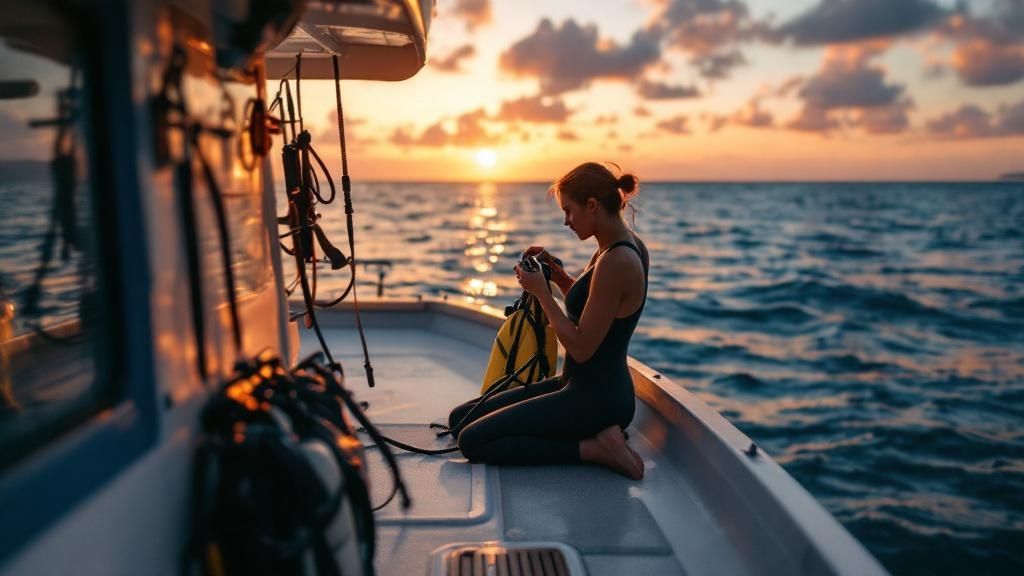
The Kona coast isn't just another pretty spot to dive in Hawaii. It's the undisputed world capital for manta ray encounters, and that reputation didn't happen by accident. A perfect storm of geography, biology, and even a little human history created the most reliable and mind-blowing manta experience on the planet.
It all starts with the food. Deep ocean trenches sit just offshore, and when nutrient-rich currents well up, they create a massive, all-you-can-eat buffet of plankton—the manta rays' favorite meal. This isn't a seasonal treat, either. It's a year-round feast that supports a resident population of over 450 identified individuals. They live here. They aren't just passing through.
This reliable food source, combined with Kona’s naturally calm and protected bays, led to a really unique feeding habit. Decades ago, a hotel started shining lights into the water at night, which naturally attracted swarms of plankton. The super-intelligent mantas figured it out pretty quick: bright lights equal an easy dinner. Dive operators have since continued this tradition, turning a lucky discovery into a nightly underwater ballet.
The Two Legendary Dive Sites
This incredible manta ray dive Kona experience centers on two world-famous sites. Think of them as two different stages for the same incredible show, each with its own vibe and feel. Knowing the difference helps you appreciate just how special this whole setup is.
-
Manta Village: This is the OG manta site, located south of Kona near Keauhou Bay. The bottom is sandy and relatively shallow, creating a natural amphitheater for watching the show. Its calm conditions make it perfect for first-time night divers and snorkelers who want a stable, comfortable viewing spot.
-
Manta Heaven: You'll find this spot, also called Garden Eel Cove, a bit further north near the airport. It's slightly deeper and can sometimes have more current, which often seems to attract even larger groups of mantas. This is a go-to for photographers and seasoned divers looking for those truly dynamic, up-close-and-personal moments.
Both locations are fantastic. Having two prime spots gives operators the flexibility to pick the best one based on the night's conditions, which seriously boosts the chances of having an unforgettable encounter. If you want to dive deeper into what makes this so special, check out our guide on why you should go on a manta ray dive in Kona.
Predictability and Conservation
The Kona Coast isn't just popular; it's a global phenomenon, drawing an estimated 80,000 people every year to see the mantas. Sightings tend to peak between April and October when the water is warmest, and it’s common to see an average of 8 to 12 manta rays on a single dive. This incredible consistency has put Kona on the map as a world-class destination that perfectly blends adventure with marine conservation.
The success of the Kona manta ray dive isn't just about seeing mantas; it's about participating in a sustainable ecotourism model where your presence directly contributes to the study and protection of these incredible animals.
When you put it all together—a year-round resident population, a reliable food source, and perfect underwater geography—you get the magic of the manta ray dive Kona experience. It’s not just another dive; it's a nearly guaranteed connection with one of the most majestic creatures in the ocean.
Meeting the Famous Kona Manta Population
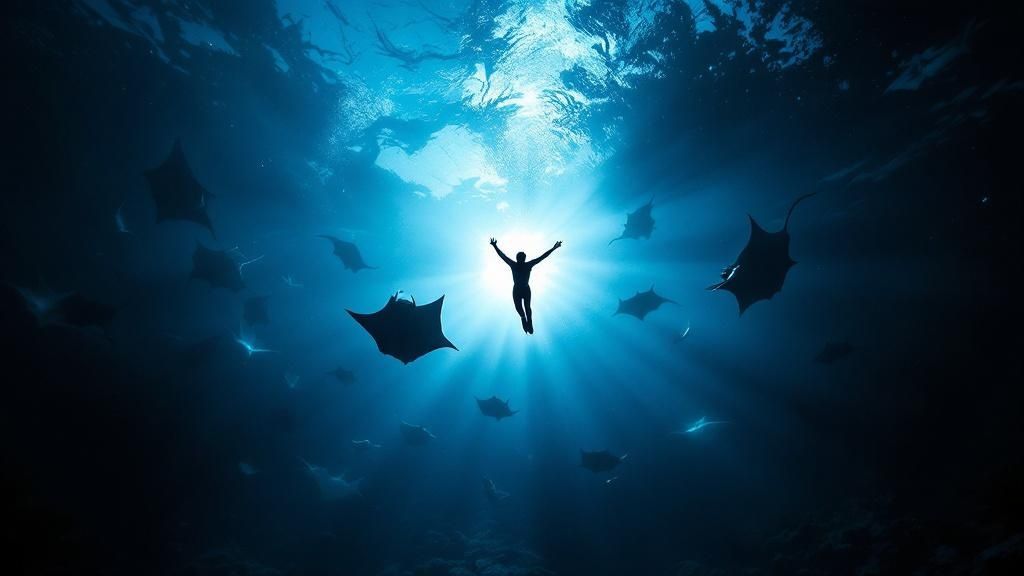
When you slip into the water for a manta ray dive in Kona, you’re not just observing another beautiful marine animal. You're being introduced to a local celebrity. These gentle giants each have a name, a personality, and a story, all thanks to an incredible citizen science project that’s been running for decades.
It all started back in 1991. A manta ray was identified and given a nickname: 'Lefty.' That one simple act of observation kicked off a massive effort to catalog and get to know one of the world's most accessible manta populations. The secret to telling them apart? The unique spot patterns on each manta ray's underside.
Just like a human fingerprint, no two mantas share the same belly markings. By photographing these patterns, researchers and dive guides can identify individual rays. This allows them to track their movements, check on their health, and document their entire lives. It turns every single dive into a potential research mission, where even your photos can contribute to our understanding of these animals.
The Manta Ray Hall of Fame
After all these years, divers and researchers have gotten to know many of these mantas on a first-name basis. You might meet "Big Bertha," one of the largest and most majestic rays in the area, or maybe the curious and playful "Amanda Ray." Knowing who you're swimming with adds a whole new layer to the experience.
You're not just observing a species; you're meeting an individual. This connection is what makes the Kona manta ray dive so powerful and memorable. It fosters a deep sense of respect and a personal investment in their protection.
Here at Kona Honu Divers, we’re proud to be part of this community. Our guides aren't just experts in dive safety; they're passionate manta ambassadors. They can often identify the rays on sight and love sharing fascinating stories about their histories and quirks during the dive briefing. This insider knowledge makes the adventure not just fun, but deeply personal and educational.
Your Dive Makes a Difference
The manta population off the Kona Coast is a big deal—we're talking over 450 known individuals here, making it one of the most important aggregation sites on the planet. Through tireless work from scientists and regular divers, over 330 of these mantas have been officially cataloged since 1991. The data is staggering, with more than 28,500 sightings recorded in just over 14 years. This information helps us understand their behavior, monitor the population's health, and figure out how things like plankton blooms keep them thriving.
Want to geek out on the science? You can learn more about the incredible Kona manta population and the research behind it.
Going on a guided manta ray dive in Kona is more than just checking an item off your bucket list. It's a direct contribution to the conservation and research that keeps these amazing animals safe. Your presence shows that sustainable ecotourism works, giving the local community a powerful economic reason to protect this unique marine ecosystem for years to come.
When you choose a responsible operator, you become part of a legacy of protection. The data collected helps shape conservation policies, and the stories we all share inspire people around the world to care about our oceans. Every graceful barrel roll you witness is a beautiful reminder of a thriving population that we all have a role in safeguarding. Ready to meet these local legends yourself?
What to Expect on Your Manta Ray Adventure
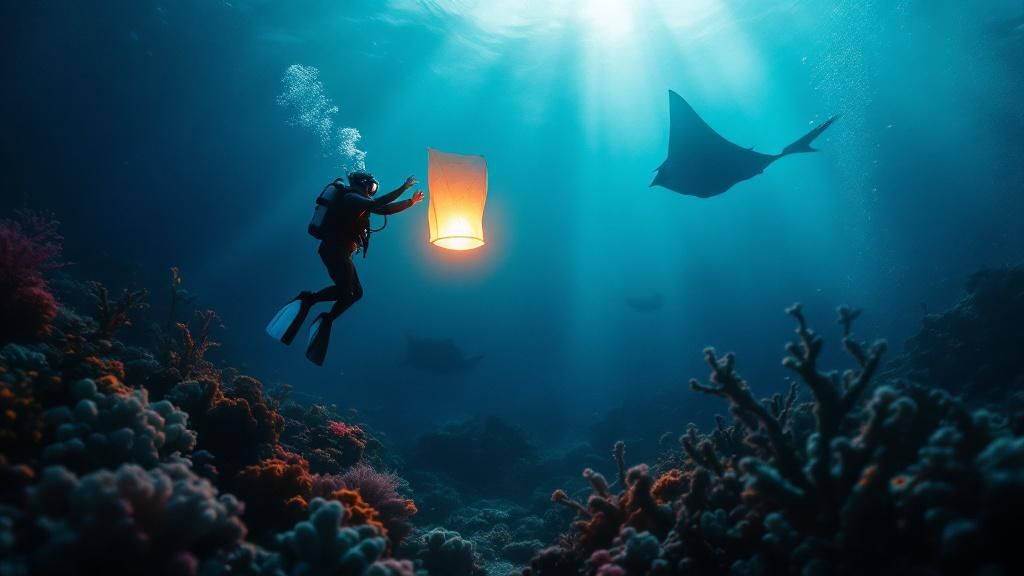
From the moment you hop on board to the last amazing view on the ride home, your manta ray dive in Kona is an experience you won't forget. Knowing the flow of the trip helps you kick back and really savor every single second.
It all starts with a friendly welcome from the Kona Honu Divers crew. As we head out to one of the famous manta spots, our guides will give you a full briefing. This isn't just about the rules; we'll introduce you to the mantas you're about to meet, their unique behaviors, and how we can all have a respectful and safe encounter.
The Descent into Darkness
Once we get to the site, the crew gets everyone kitted out. Doesn't matter if you're a certified diver or a first-time snorkeler—we provide all the gear, including wetsuits, to keep you warm and comfortable in the water. The sun will be setting, lighting up the sky with color as the excitement starts to build.
For divers, dropping down into the dark ocean is just plain surreal. You'll follow your guide to the sandy bottom, usually somewhere between 30 to 40 feet deep. The world goes from twilight to a deep, quiet black, pierced only by the beams of your dive lights slicing through the water.
After settling on the sand, divers get into a circle, facing in. This is when you help create the "campfire"—a circle of light pointing up that acts like a dinner bell for the giant mantas.
Snorkelers get an equally awesome show from the surface. You'll hang onto a specially designed light board that floats on the water, shining powerful lights straight down. This not only gives you something stable to hold onto but also creates a huge column of light that draws in plankton, setting the table for the main event. If you want a deep dive into the snorkeling side of things, check out the ultimate guide to manta ray night snorkel Kona.
The Underwater Ballet Begins
At first, things might seem quiet. Then you see it—a shadow gliding out of the darkness, getting bigger and more defined as it nears the light. Before you know it, one manta becomes two, then three, until the water is full of these graceful, soaring giants.
They swoop down, performing effortless barrel rolls sometimes just inches above your head, their massive mouths wide open to filter the plankton from the water. It's totally silent, a mesmerizing dance that pulls you in completely.
To make the most of it, just remember a few things:
- Be a Statue: The mantas are used to us being there. If you stay calm and still, they'll feel comfortable and cruise right up to you.
- Hands to Yourself: This is a big one. Never, ever reach out and touch a manta. Touching them can rub off their protective slime coat, which can lead to nasty infections.
- Just Watch: Let the mantas run the show. They're curious creatures, and that curiosity is what brings them breathtakingly close as they glide right over you.
This careful, respectful method is what has made the manta ray dive Kona a global icon for sustainable wildlife tourism. You can learn more about how our trips run by checking out what to expect on a manta ray night dive.
When the show's over, you'll head back up to the boat, absolutely buzzing. The crew will be waiting with hot chocolate and snacks for the ride back to the harbor, giving you plenty of time to swap stories about the incredible ballet you just witnessed.
Ensuring a Safe and Responsible Manta Encounter
When you're out there with these incredible animals, our absolute top priorities are protecting Kona's magnificent manta rays and keeping every single guest safe. A truly successful manta ray dive in Kona is when both people and wildlife have an amazing, stress-free time. We make that happen by sticking to one core principle: passive observation.
It's a simple but absolutely critical idea. We're just guests in their world. We're there to watch the show, not become a part of it. The golden rule is simple: never touch, chase, or block a manta ray's path. Touching them can actually rub off their protective mucous coating, which is like their immune system, leaving them open to nasty infections. When you stay still and calm, the mantas feel safe, and that's what gets you those breathtakingly close fly-bys.
Here at Kona Honu Divers, our guides aren't just dive pros; they are passionate manta conservationists. We live and breathe these guidelines, and we’ll make sure everyone gets the full briefing before even dipping a toe in the water. For a deeper look at how we run things, you can check out our guide to the manta ray night dive of Kona with Kona Honu Divers.
Rules of Engagement for Divers and Snorkelers
The guidelines for being a passive observer are a little different depending on if you're diving or snorkeling, but the goal is always the same: give the mantas plenty of space to do their thing.
-
For Divers: You’ll be set up on the sandy bottom, making a circle with your group. The name of the game is maintaining excellent buoyancy control and staying low. This creates a wide-open water column above you, which is the "stage" for the mantas' underwater ballet. Try to avoid blowing bubbles right into a manta's face as it glides overhead.
-
For Snorkelers: Your job is to chill out at the surface, holding onto our custom-made light board. Kicking your fins or trying to dive down can easily startle the mantas and mess up the feeding for everyone. By just floating horizontally and staying still, you get the perfect bird's-eye view of all the action below.
Following these simple rules is the single most important thing you can do to protect the Kona manta population. It ensures the encounter remains a natural feeding behavior and allows this incredible experience to continue for generations to come.
Best Practices for Lights and Cameras
Your lights are what bring in the plankton, but how you use them is key. Divers should shine their lights straight up from the seafloor, creating what we call the "campfire." Snorkelers hang onto a board with powerful lights pointing straight down. This team effort creates a concentrated column of light that plankton just can't resist.
If you’re bringing a camera, just remember you're an observer first and a photographer second. Let the mantas come to you instead of making sudden moves to get the shot. Pro tip: using a red light to help your camera focus can be much less disruptive than a bright white one.
By choosing a responsible operator who is committed to these guidelines, you're not just booking another tour; you're taking part in an ethical wildlife encounter. You can book your spot on one of our responsible manta ray dive tours with total peace of mind.
Don’t Stop at the Mantas: Exploring More Epic Kona Dives
Look, the manta ray dive in Kona is absolutely something you have to do. But don't make the mistake of thinking that's where the adventure ends. It's really just the beginning of what the Big Island has to offer underwater. The volcanic past here has sculpted a wild, dramatic seascape with endless spots to explore for any diver.
The Kona coast is famous for its incredible coral reefs, cool lava tube swim-throughs, and a ton of unique critters. By day, you can get lost exploring ancient lava flows that are now teeming with colorful fish, eels, and turtles. We at Kona Honu Divers run a whole range of diving tours in Kona, Hawaii that hit the very best of these spots. Our guides live and breathe these waters, so they know all the secret corners where the coolest marine life hangs out.
The Thrill of the Blackwater Dive
If you're looking for something that feels like a trip to another planet, you have to check out the Kona Blackwater Dive. Seriously, there's nothing else like it. We take you miles offshore at night, and you drift in the deep, dark ocean, tethered safely to the boat. Down below, you get to witness one of the biggest migrations on Earth as bizarre, deep-water creatures float up towards the surface.
This isn't just a dive; it's like floating through outer space. You'll see glowing, see-through, and just plain weird critters that most people never lay eyes on. For underwater photographers, it's an opportunity you just can't get anywhere else.
The blackwater dive is a true bucket-list experience for divers who want to see something totally different. You can learn more and grab your spot on the incredible Kona Blackwater Dive tour.
Advanced Dives for a Deeper Challenge
Are you an experienced diver itching to push your skills and see things most others miss? Kona's underwater landscape has some incredible deep-water pinnacles, sheer walls covered in rare sponges, and even shark nurseries that are way off the beaten path. These spots are challenging, for sure, but the reward is seeing an untouched piece of the ocean.
For divers with the right training and experience, Kona Honu Divers runs premium advanced dive tours to these exclusive locations. Our expert guides will lead you on an adventure that matches your skill level, keeping things safe while showing you a dive you'll never forget.
So, whether you came just for the mantas or you're ready to see it all, there's always another adventure waiting for you just below the surface here in Kona.
Common Questions About the Manta Ray Dive
As you get ready for your manta ray dive in Kona, a few questions are bound to pop up. It's totally normal. Getting the answers sorted out beforehand means you can show up relaxed, confident, and ready for an epic night.
We've pulled together the most common questions we hear to help you prepare.
Do I Need to Be Scuba Certified to See the Manta Rays?
Nope, not at all! You absolutely do not need to be a scuba diver to have a mind-blowing encounter with the mantas. Snorkeling is an equally amazing way to witness the show.
As a snorkeler, you'll float at the surface, holding onto a specially designed light board. The lights shine down into the water, attracting plankton, which is the mantas' favorite food. The mantas then swoop right up to the surface to feed, giving you an incredible, up-close view from above. It's a fantastic option that makes the experience accessible to just about everyone, including families and non-divers.
What Is the Best Time of Year for a Manta Ray Dive in Kona?
Here's the best part: you can see manta rays in Kona all year long, and the success rate is incredibly high. The mantas here are residents—they don't migrate, so they show up for dinner every single night.
That said, if you're looking for the absolute best conditions, the peak season is generally considered April through October. During these months, the water is warmer (usually between 75-80°F), and the ocean is typically at its calmest. It just makes for a super comfortable experience.
Is the Manta Ray Night Dive Safe?
Yes, it is extremely safe when you go out with a professional, seasoned operator like Kona Honu Divers. For us, safety is everything. Our expert guides will give you a detailed safety briefing before anyone gets in the water, handle all the logistics, and make sure everyone follows the strict rules for passive observation.
The dive sites we use are well-established and chosen for their predictable and favorable conditions. You'll be closely supervised the entire time, whether you're diving or snorkeling, ensuring you can just relax and enjoy this unforgettable adventure.
What Should I Bring on the Tour?
Packing is pretty straightforward. Here’s what you’ll want to have with you:
- A swimsuit (pro tip: wear it under your clothes to the boat)
- A towel and a dry change of clothes for after
- A warm jacket or sweatshirt—it can get surprisingly chilly on the boat ride back!
- A reusable water bottle
Don't worry about the gear; we provide all the high-quality dive and snorkel equipment you'll need, including wetsuits to keep you warm. For a few more helpful tips, check out these frequently asked questions about manta ray encounters.
Ready to come meet Kona's gentle giants? The team at Kona Honu Divers would love to guide you on this once-in-a-lifetime adventure. Book your spot on one of our world-famous manta ray dive tours today.