
Picture this: you’re floating in the warm, dark Pacific. Suddenly, a gentle giant with a wingspan wider than a car glides silently past, performing a mesmerizing ballet just inches from your face. This isn't a scene from a movie; it's the nightly reality of the world-famous manta ray dive in Kona, an experience that tops bucket lists for a reason. It's your chance to witness an underwater ballroom come to life.
Why the Kona Manta Ray Dive is a Global Sensation
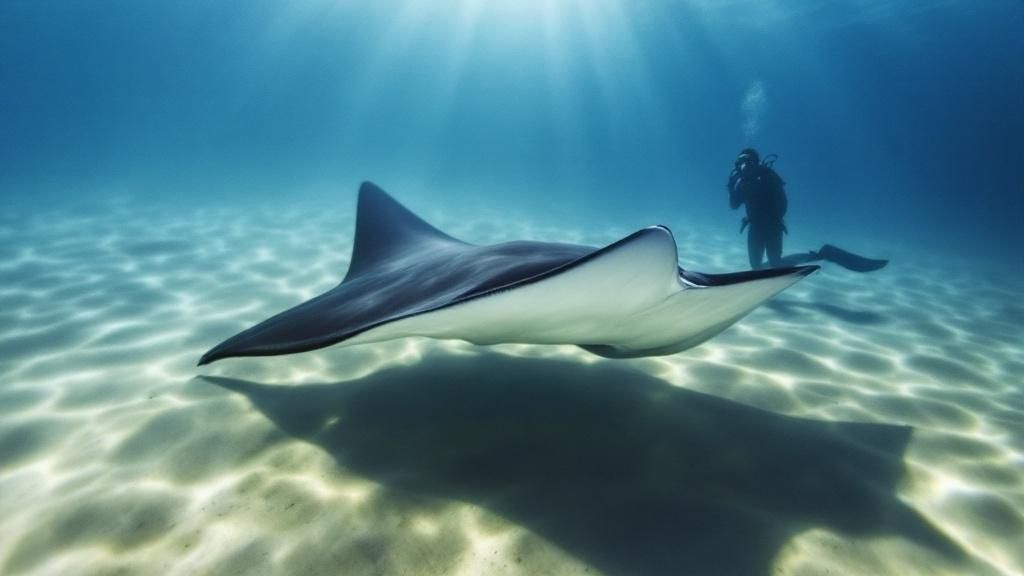
The Big Island's Kona coast is famous as the world's most reliable and jaw-dropping place to see manta rays. What's the secret? It’s a genius—and surprisingly simple—concept that works with nature. Tour operators set up what is essentially an "underwater campfire" by shining powerful lights into the water. These lights attract massive clouds of plankton, which just so happens to be the mantas' favorite meal.
This nightly dinner bell brings in the gentle giants, who swoop and somersault through the light beams to feast. The result is a breathtaking show where these massive, completely harmless creatures glide effortlessly, often just inches away from you. This isn't some rare, lucky sighting; it's a dependable natural wonder that happens almost every single night.
An Adventure for Everyone
One of the coolest things about the manta ray dive Kona experience is that just about anyone can do it. You don’t need to be a seasoned scuba pro to get in on the action. In fact, you don't need any experience at all.
- Scuba Divers: If you're certified, you'll get to settle on the sandy ocean floor for a truly epic view from below as the mantas soar right over your head.
- Snorkelers: First-timers and non-divers can float comfortably at the surface, holding onto a custom light board that illuminates the whole scene unfolding just beneath them.
Both options give you a front-row seat to one of nature's greatest spectacles. The key is picking an expert operator who puts your safety—and the well-being of these magnificent animals—first. Figuring out why you should go on a manta ray dive in Kona is the first step toward an unforgettable journey.
The consistency of these encounters is honestly astounding. The Kona Coast boasts an incredible 80% to 90% success rate for manta ray sightings, a figure that pulls in around 80,000 visitors every year. Your chances of having a life-changing experience are exceptionally high.
The Science Behind Kona’s Underwater Ballet
So, what makes Kona the undisputed world champion of manta ray encounters? It’s not just luck. It's the perfect storm of coastal geography and clever marine biology, making the Big Island’s unique underwater landscape the ultimate stage for the nightly manta ray dive in Kona.
This whole spectacle didn't just happen by accident; it's a textbook case of learned behavior. Think of it as a dinner bell that has been ringing for decades. Years ago, waterfront hotels would shine their lights into the bay. These lights attracted swarms of tiny marine life called plankton—the manta rays' favorite meal.
Mantas are incredibly smart. They quickly figured out that a bright light means an all-you-can-eat buffet. Today, tour operators have perfected this by setting up powerful, eco-friendly lights on the seafloor or on floating rafts. This creates a reliable feeding spot that brings the mantas back, night after night.
The Fuel for the Feast: Plankton
The entire encounter, from start to finish, comes down to plankton. This isn’t just one type of critter; it's a massive cloud of tiny animals (zooplankton) and plants (phytoplankton) drifting in the currents. They're the foundation of the ocean's food chain, and Kona’s waters are teeming with them.
This isn't a coincidence, either. The deep, nutrient-loaded water around the Big Island is constantly pushed up toward the surface as currents hit the island's steep, volcanic underwater slopes. This process, called upwelling, creates a thick, soupy buffet that filter-feeding mantas can’t resist.
If you really want to geek out on why this works so well, it helps to understand a bit about how the ocean moves. Learning about the science behind tides gives you a much deeper appreciation for how currents bring in the very plankton that makes this whole magical experience possible.
Kona’s Premier Manta Ray Venues
While you might spot a manta cruising anywhere along the coast, two specific sites have become world-famous for their nightly shows. Each spot offers a slightly different vibe, but both deliver an absolutely incredible chance to see the ballet unfold.
- Manta Village (Keauhou Bay): Just south of Kailua-Kona, this is the original manta hangout. It's close to shore and sits in a naturally protected bay, making it a super consistent spot. The sandy bottom is pretty shallow, creating the perfect underwater amphitheater for divers and snorkelers.
- Manta Heaven (Garden Eel Cove): A bit further north, closer to the airport, this site is famous for attracting massive groups of mantas. The underwater landscape is a little different here, but the result is the same—a brilliant light show that draws in dozens of graceful giants for their dinner.
"The magic of the Kona manta ray dive is that it’s a naturally occurring phenomenon, enhanced by a simple, non-invasive technique. We're not feeding them; we're simply ringing a dinner bell with light, allowing us to respectfully observe their natural feeding behavior."
Kona is home to a resident manta population of over 450 identified individuals, making it one of the most important gathering places for them on the planet. These gentle giants have wingspans that can stretch past 12 feet! Luckily for us, the dive sites are in shallow water, usually 30 to 40 feet deep, which makes this incredible experience accessible to almost everyone. The powerful currents swirling around the island keep the plankton blooming, which is the heart of this amazing manta dive experience in Kona.
Picking between the sites usually comes down to the conditions on a given night and which operator you go with. Honestly, you can't go wrong with either. Both offer a front-row seat to an adventure you’ll be talking about for years.
Choosing Your Guide for This Unforgettable Dive

Let's be real: picking the right tour operator is probably the most important decision you'll make for your manta ray dive Kona experience. The right guide can elevate your trip from just "good" to something you'll talk about for years. It's the difference between just watching the mantas and truly feeling the magic of the moment, all while knowing you're in the safest possible hands.
This isn't just about booking a boat ride. It's about finding a crew with real-deal expertise, a serious commitment to safety, and a deep respect for the animals. A great operator doesn't just motor you out to a spot; they enrich your understanding and make sure these magnificent creatures are protected.
Why Expertise and Safety Are Non-Negotiable
When you're floating in the dark open ocean, everything comes down to trust in your crew. You need guides who know the dive sites like the back of their hand—and even better, know the mantas themselves. The best crews, like the team at Kona Honu Divers, can actually recognize individual rays by their unique spot patterns. They'll share their stories, and suddenly, you're not just looking at a fish; you're meeting a local personality.
That kind of intimate knowledge only comes from years of experience and a genuine passion for the ocean. And that passion directly translates into a smoother, safer, and far more meaningful tour for you.
Choosing an operator is like picking a guide for Everest. You wouldn't go with someone who just learned the route. You'd want the seasoned expert who’s been up there hundreds of times, knows every twist and turn, and puts your safety above all else. The same logic applies right here.
This expertise is the backbone of a safe trip. A top-notch operator has their process dialed in, from a thorough pre-dive briefing that covers every safety protocol to professional in-water supervision that keeps both you and the mantas out of harm's way.
The Kona Honu Divers Difference
So, what makes a company like Kona Honu Divers stand out from the crowd? It's a mix of seasoned professionalism, high-quality gear, and an operating philosophy that puts conservation at the forefront. Their boats are comfortable and well-maintained, which makes the trip to and from the dive site a pleasure in itself.
You can see their dedication in everything they do:
- Expert Guides: Their crew isn't just a bunch of divemasters; they're passionate ocean ambassadors who live and breathe this stuff.
- Strict Safety Standards: They don't just meet industry safety protocols—they often go above and beyond, making sure every guest feels secure from start to finish.
- Sustainable Practices: They're serious about protecting the mantas, following all Manta Ray Green List guidelines for responsible, passive, and respectful interactions.
This commitment to doing things the right way has earned them an incredible reputation, and you can see it in the thousands of glowing reviews from divers and snorkelers who've been out with them.
When you choose a guide that's committed to the highest standards, you're not just buying a better trip for yourself. You're also investing in the long-term health and protection of Kona's incredible manta ray population. Find out more and book one of the best manta ray dive tours you can find on the Big Island.
What to Expect on Your Manta Ray Adventure
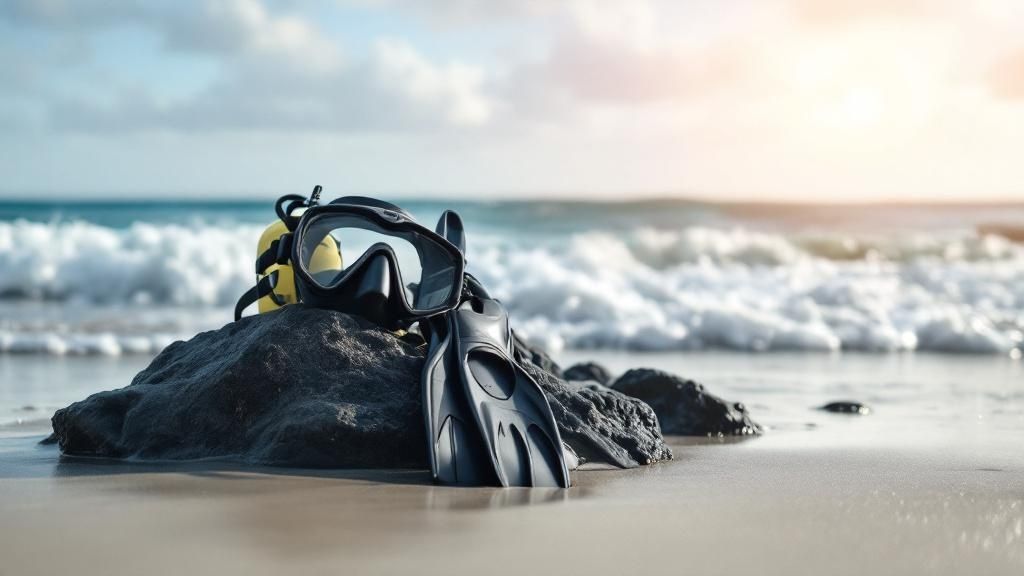
So, you've booked your manta ray dive in Kona and the excitement is building. What actually happens on the tour? Knowing the play-by-play can turn any pre-dive jitters into pure, giddy anticipation. Let's walk through exactly what your evening will look like.
The adventure kicks off the moment you step onto the boat and meet the crew. As you pull out of the harbor, you're treated to a classic Kona sunset painting the sky over the Pacific—it's an incredible start to the night. This boat ride is more than just a commute; it’s a scenic cruise along the coast as you make your way to one of the famed manta sites.
The Briefing and Setting the Stage
Before a single fin hits the water, the crew runs through a detailed safety briefing. This is a super important step to make sure everyone knows the plan and feels comfortable. They'll cover everything from how to get in and out of the water to the golden rules of interacting with the mantas respectfully.
Next, the crew gets to work setting up what we call the "underwater campfire." For divers, this means placing powerful, eco-friendly lights on the sandy bottom. For snorkelers, the lights are attached to a big floating board. This light is the secret sauce—it attracts clouds of plankton, which is what the mantas show up to eat.
As the last bit of sun vanishes, you’ll see the water below start to glow, lighting up an underwater stage for the main event.
Scuba vs. Snorkel: Which Is Right for You?
One of the great things about this experience is that almost anyone can do it. But your perspective will be a little different depending on whether you dive or snorkel. Deciding which one is for you really just comes down to your comfort in the water and if you're a certified diver.
If you’re still on the fence, you can dig into the specifics of the Kona manta ray night dive to help figure it out.
Still not sure? Here’s a quick comparison to help you choose the adventure that’s right for you.
Manta Ray Scuba Dive vs Snorkel Experience
| Feature | Scuba Diving | Snorkeling |
|---|---|---|
| Perspective | A true bottom-up view. You get to watch the mantas soar right over your head like massive, silent jets. | A fantastic top-down view. You'll watch the mantas from the surface as they barrel roll just below. |
| Experience Level | You must be a certified scuba diver. No exceptions. | No experience is needed! This is perfect for total beginners and families. |
| Position in Water | You'll be settled on the sandy ocean floor, usually in a circle around the light. | You'll float comfortably at the surface, holding onto a custom-built light raft. |
| Proximity | Insanely close. Mantas often glide just inches above your head, close enough to see every detail. | You still get incredibly close as the mantas feed right up near the surface lights. |
Honestly, you can't go wrong. Both divers and snorkelers get a front-row seat to one of the most incredible shows on Earth. It just comes down to what kind of ticket you want.
Entering the Water and the Grand Finale
With the lights glowing and the plankton buffet set, it’s go-time. The moment you slip into the warm, dark ocean and see that illuminated world below is just… wow. You'll get situated in your spot, either on the ocean floor or at the surface raft, and then you wait.
You usually don't wait long. Soon, the first graceful shadow will glide into the light, its huge mouth open to filter the water. Before you know it, others might join in, swooping and somersaulting in a silent, hypnotic ballet.
The feeling of a 12-foot gentle giant soaring inches above your head is something you just can't describe. It's a moment of pure, unfiltered awe that connects you to the ocean in a profound way.
After about 30-45 minutes of what can only be described as magic, the crew will help you back on board. The ride back to the harbor is always filled with buzzing, excited chatter as everyone relives their favorite moments. Most tours provide warm drinks and snacks—the perfect end to a once-in-a-lifetime evening. This isn't just a dive; it's an entire experience from start to finish.
How to Be a Responsible Manta Ray Observer
When you sign up for the manta ray dive Kona offers, you're doing more than just booking a tour. You're stepping into the role of a temporary guardian for these massive, graceful creatures. Your job is simple but critical: be a respectful, passive observer.
The number one rule is easy to remember: look, but don't touch. Manta rays have a special mucous layer on their skin that acts like an immune system, protecting them from nasty bacteria. If you touch them, you can rub off this protective slime, leaving them open to infections. It’s kind of like scraping the wax off a car, exposing the paint underneath to rust.
It goes without saying, but never, ever chase or try to ride a manta. These are wild animals, and that kind of behavior is incredibly stressful for them. Think of yourself as a quiet guest in their underwater dining room. You're there to watch them feed naturally, not to become part of the show. Your guide will go over all of this in the pre-dive briefing to make sure everyone is on the same page.
The Power of Citizen Science
Believe it or not, your dive is more than just a cool experience; it's a chance to contribute to real marine science. For decades, the Kona community has been a leader in manta ray conservation, and a huge part of that is thanks to citizen science. It turns out, every manta ray has a unique spot pattern on its belly—just like a human fingerprint.
Since 1991, local researchers, dive guides, and even visiting divers like you have been snapping photos of these belly patterns to identify and track individual rays. This amazing community effort has built one of the most detailed, long-running databases on manta rays in the world, with over 330 unique mantas identified so far. You can check out more cool stats from this project on the Manta Ray Advocates website.
By participating in a manta ray dive kona, you become part of a legacy of conservation. The photos and observations gathered on tours like yours help scientists track manta health, movement, and population trends, ensuring their protection for generations to come.
This whole approach changes the dynamic of your dive. You're not just another tourist checking something off a list. You're an active participant in a meaningful scientific project, helping to protect the very animals you came all this way to see.
Joining a Community of Ocean Stewards
The conservation mindset in Kona isn't just a gimmick for the tours—it’s a genuine community ethic. It brings together divers, snorkelers, and anyone who loves the ocean and wants to protect Hawaii's marine life. Responsible operators like Kona Honu Divers are at the heart of this, working to instill a deep respect for the ocean in every person they take out on the water.
If you find yourself hooked and want to do more as an ocean advocate, there are plenty of ways to stay involved. Joining a community of divers who share your passion is a great way to build your skills and make a bigger impact. You can learn more about connecting with other ocean lovers through the Honu Ohana Dive Club.
By choosing a good operator and sticking to the "look, don't touch" rule, you're helping to ensure the world-famous manta ray dive Kona remains a sustainable, magical experience for many years to come. The best things you can bring into the water with you are respect and awareness.
Exploring More of Kona’s Underwater World

The incredible manta ray dive Kona offers is definitely the main event for most visitors, but believe me, it’s just the first chapter in the Big Island’s underwater story. The same volcanic forces that created the perfect manta feeding grounds have also sculpted a breathtaking playground for divers, full of dramatic structures and amazing marine life just waiting to be discovered.
After seeing the manta magic at night, a daytime dive shows you a completely different side of Kona. The reefs here are famous for their crystal-clear visibility and wild topography. We’re talking ancient lava tubes you can actually swim through and stunning coral gardens buzzing with fish. These day trips are perfect for divers of all skill levels and really show off the biodiversity that makes Kona a world-class scuba spot.
Exploring these sunlit reefs is the perfect complement to the focused, stationary experience of the manta dive. To get a feel for the different daytime adventures on offer, check out the general diving tours page.
Journey into the Deep with a Blackwater Dive
If you’re craving something truly out of this world, the Kona blackwater dive is an absolute must. This is nothing like a typical reef dive. Seriously. Instead, you'll find yourself suspended in the deep, dark open ocean miles from shore, witnessing one of the largest migrations on our planet.
Every single night, countless tiny, alien-like creatures rise from the abyss to feed near the surface. Many of them are bioluminescent, creating a living galaxy of light in the pitch-black water. It feels more like you’re floating through outer space than swimming in the ocean.
"A blackwater dive is a surreal journey into a hidden realm. You're drifting in pure blackness, surrounded by bizarre and beautiful creatures that look like they're from another planet. It's an experience that fundamentally changes your perspective on what lives in the sea."
This is a highly specialized dive for the truly adventurous, offering a peek into a world very few people ever get to see. If a genuinely unique night dive sounds like your kind of thing, you can explore the Blackwater Dive tour.
Advanced Dives for Experienced Divers
Are you an experienced diver looking to push your limits a bit? Kona delivers. The island’s dramatic underwater cliffs and deep pinnacles offer some seriously thrilling opportunities for those with advanced certifications. These sites are usually more remote and challenging, rewarding skilled divers with pristine conditions and encounters with larger marine life, including various shark species.
Exploring these deeper, more complex environments demands a higher level of skill and confidence. Kona Honu Divers runs specialized trips designed to provide a safe but exhilarating challenge. To see what advanced adventures are waiting for you, take a look at the premium advanced dive tour page.
From sun-drenched reefs to the mysterious deep, Kona Honu Divers can guide you through every amazing facet of the Big Island’s underwater world.
Frequently Asked Questions About the Manta Ray Dive
We get a lot of the same questions from people getting ready for this adventure, so we've put together answers to clear up any confusion. This way, you can book your manta ray dive Kona tour feeling totally confident and, more importantly, incredibly excited.
When Is the Best Time of Year for the Manta Ray Dive?
This is the best part: any time is a great time! The Kona manta ray dive is a year-round show with an amazing success rate, often topping 90%.
Unlike animals that migrate, Kona’s manta ray population lives here full-time. They’re not going anywhere. So whether you’re planning a trip in July or December, the mantas will be showing up for their nightly plankton buffet. Just pick the dates that work for you.
Do I Need to Be a Certified Diver to See the Mantas?
Nope, not at all! This is one of those rare, epic wildlife encounters that's open to just about everyone. Kona Honu Divers runs their boats so that both divers and snorkelers can be on the same trip, which is perfect for groups with mixed experience levels.
- Scuba divers: You'll get the ultimate front-row seat. You'll kneel on the sandy ocean floor and watch as these gentle giants perform their underwater ballet just feet above your head. It’s breathtaking.
- Snorkelers: You'll float on the surface, holding onto a specially designed light board. This board shines down into the water, attracting the plankton and the mantas right to you. You get a spectacular bird's-eye view of the whole show.
Honestly, both views are absolutely incredible. You can’t go wrong.
Is the Manta Ray Night Dive a Safe Activity?
Absolutely. When you go with a professional, safety-obsessed operator like Kona Honu Divers, the manta ray dive in Kona is exceptionally safe. They've fine-tuned their whole operation to keep both you and the mantas secure.
You'll get a detailed safety briefing before you even hit the water, you'll have expert guides with you the entire time, and the dive sites themselves are well-established and protected. From the moment you step on the boat, safety is the number one priority.
"The safety and well-being of our guests and the manta rays are paramount. Our experienced crew ensures every detail is managed, from equipment checks to in-water supervision, allowing you to relax and fully immerse yourself in the magic of the dive."
What Should I Bring on My Manta Ray Tour?
The tour operator has you covered with all the main gear—wetsuits, masks, fins, the works. You just need to pack the personal stuff.
Bring a towel and something warm to change into for the boat ride back. If you get seasick, it’s a smart move to take some medicine before you leave the harbor. Most importantly, bring your sense of wonder! Booking a spot on one of the best manta ray dive tours is your ticket to an evening you'll never, ever forget.