
Picture this: you’re floating in the warm, dark Pacific Ocean. Below you, giant, gentle shadows glide effortlessly through beams of light. This isn't a scene from a nature documentary. It's the real-life manta ray dive kona experience, an incredible spectacle that solidifies the Big Island's status as the world's capital for manta ray encounters.
Why Kona Is the World’s Manta Ray Capital

The Kona coast isn't just another pretty dive spot; it’s home to one of the most magical underwater shows on Earth. In most places, seeing a manta ray is a lucky break. Here in Kona? It’s a remarkably consistent, reliable event. That dependability is exactly why this place is famous for getting you up close and personal with these majestic animals.
So, what’s the secret? It's a perfect storm of geography, biology, and a bit of accidental genius. The unique underwater landscape along the coast creates the ideal gathering spot for plankton, which is what manta rays eat. Decades ago, the mantas figured out that light attracts their dinner, creating a predictable feeding frenzy that we get to witness.
To put it simply, here’s what makes the Kona manta dive a world-class experience.
Kona Manta Ray Dive At a Glance
| Attribute | Details |
|---|---|
| Location | Kona Coast, Big Island of Hawaii |
| Success Rate | Incredibly high, with sightings on 80-90% of tours. |
| Creatures | Giant Pacific Manta Rays (Mobula alfredi), some with wingspans over 12 feet. |
| The Experience | An underwater "ballet" where mantas perform graceful somersaults to feed on plankton attracted by lights. |
| Cultural Significance | Mantas (hahalua) are revered as guardian spirits ('aumakua) in Hawaiian culture. |
| Best For | Scuba divers and snorkelers of all experience levels seeking an unforgettable wildlife encounter. |
It's this unique combination of factors that draws people from all over the globe for a front-row seat.
The Awe-Inspiring Underwater Ballet
The whole thing feels like an underwater ballet. Dive operators set up powerful lights on the ocean floor, which attract a massive cloud of microscopic plankton. It looks like a glowing buffet. Then, as if on cue, the mantas emerge from the darkness.
They perform graceful somersaults and barrel rolls, swooping right through the light beams with their enormous mouths wide open. It’s a silent, mesmerizing dance. These creatures, some with wingspans wider than a car, glide within inches of you. This isn't just a dive; it’s a peaceful, awe-inspiring interaction with one of the ocean's most intelligent animals.
It’s hard to describe the feeling of watching a massive fish shaped like a stealth bomber glide into view. There's a reason the Kona manta dive is consistently ranked among the top five underwater experiences in the world.
A Reliable Natural Phenomenon
Kona is the number one spot for manta ray tours, attracting tens of thousands of visitors every year. Why? Because it just works. With a manta sighting success rate hovering between 80-90%, it’s one of the most dependable wildlife encounters on the planet. If you're curious about the best times to go, you can check out the details on Kona's manta ray season and sighting statistics.
In Hawaiian culture, the manta ray, or hahalua, is a deeply respected creature, often considered a guardian spirit or 'aumakua. This cultural reverence adds another layer of meaning to the experience, reminding us that we’re just privileged guests in their world. When you do this dive, you’re becoming part of a story that blends nature, science, and ancient tradition.
For anyone chasing a truly unforgettable adventure, the manta ray dive kona delivers. It's more than just ticking something off a bucket list; it's a chance to connect with the ocean in a profound way. Reputable, professional operators like Kona Honu Divers make sure the whole experience is safe and respectful, protecting the mantas while giving you a memory that will last a lifetime. Check out their manta ray dive tours page for more information.
Ready to see the magic for yourself?
The Science and Story Behind Kona’s Mantas
The nightly manta ballet you see in Kona is so much more than just a stunning wildlife encounter. It's a living, breathing testament to decades of passionate research, conservation, and a bit of happy accident. Your manta ray dive kona adventure is actually an interaction with a well-known community of animals, and understanding their story makes the experience a hundred times richer.
It all started organically. Years ago, a coastal hotel installed bright lights that shone on the water, attracting swarms of plankton. The mantas, never ones to miss an easy meal, quickly took notice. It didn't take long for local divers and researchers to realize they could recreate this phenomenon in a controlled, safe way, turning a chance sighting into one of the most reliable and magical wildlife experiences on the planet. For a full range of diving tours in Kona, Hawaii, you can explore various options.
Citizen Science and Manta "Fingerprints"
One of the coolest parts of the Kona manta population is just how well we know them. Since 1991, these mantas have been part of a massive citizen science project. It turns out, every single manta ray has a unique pattern of black spots on its white belly—it's just like a human fingerprint.
Dive guides and researchers use photos of these spot patterns to identify, name, and track individual animals. This ongoing study has built an incredible database of the local population, with nearly 6,000 reported encounters and about 28,500 manta sightings logged over the last 14 years alone. You can even nerd out on the data yourself over at the official Manta Ray Advocates website.
This means when you’re in the water, you're not just seeing a manta ray; you’re meeting a local celebrity with a name, a personality, and a life story.
"Every diver and snorkeler with a camera becomes a potential researcher. By submitting photos of the mantas' bellies, you are directly contributing to the conservation and understanding of this incredible species."
Meet the Local Manta Residents
Over the years, the regular cast of characters has become famous in the local dive community. Every identified manta gets a name, which makes the encounters feel incredibly personal. You might meet "Big Bertha," one of the original and largest females, or "Lefty," who is easy to spot by his once-entangled but now-healed cephalic fin.
Hearing these stories from your guides adds a whole new dimension to the dive. You’ll learn about their unique behaviors, where they like to feed, and even their "personalities." This isn't just swimming with fish; it's being introduced to a community of animals that has been respectfully watched for generations. To get a better idea of when you might see these famous locals, check out our guide on the best time of year to see manta rays in Kona.
The Crucial Role of Conservation
The success and sustainability of the Kona manta ray dive are no accident. It’s the direct result of strict conservation standards and a team effort between tour operators, scientists, and government agencies. Groups like Manta Ray Advocates have worked tirelessly to create guidelines that put the mantas' well-being first.
These standards ensure every encounter is passive and respectful. The key rules are simple but vital:
- No Touching: This is the golden rule. Touching a manta ray can strip off its protective slime coat, making it vulnerable to dangerous infections.
- Passive Observation: Divers and snorkelers stay in one spot, creating a safe "arena" for the mantas. This lets the animals control the interaction, approaching only when they feel comfortable.
- Proper Lighting: Lights are carefully placed to draw in plankton without blinding or disorienting the mantas.
By sticking to these rules, every person in the water helps protect this amazing natural wonder. It's how we ensure the nightly ballet continues to wow divers and snorkelers for many years to come.
Choosing Your Perfect Manta Adventure Site
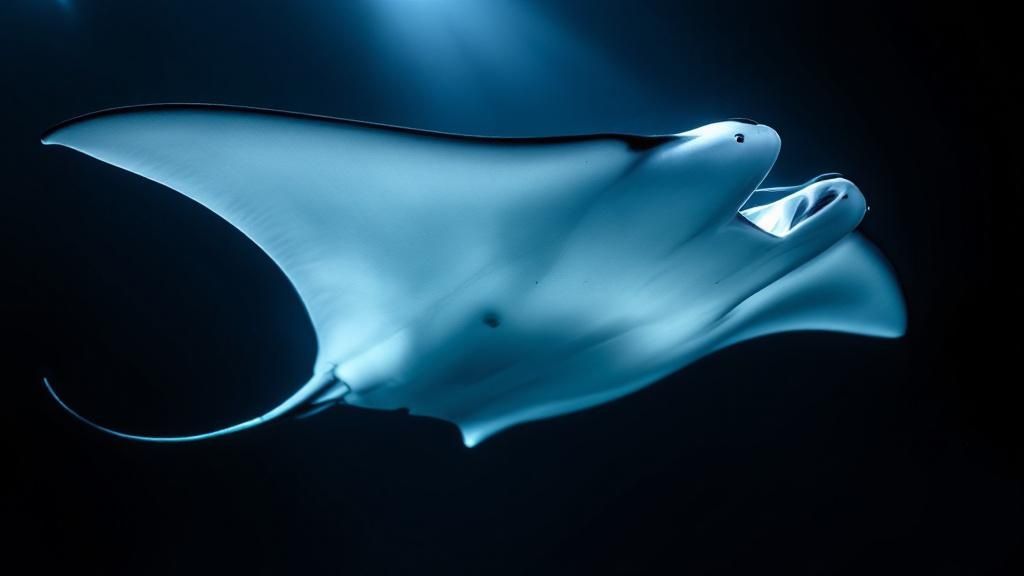
When you're gearing up for your manta ray adventure in Kona, you'll quickly learn there are two world-famous spots to choose from. While both offer an absolutely incredible show, each has its own distinct personality. The best choice for you really boils down to your comfort in the water, your dive experience, and what kind of vibe you're looking for.
Think of it like picking between two amazing concert venues. One is a cozy, intimate theater where you feel close to the action—perfect for a first-timer. The other is a bigger, more dynamic arena that appeals to the seasoned fans. The rockstars are the same—the manta rays—but your perspective and the overall feel of the night will be completely different.
Your two main options have earned some affectionate nicknames: "Manta Village" and "Manta Heaven." Let's dive into what makes each one unique so you can pick the perfect underwater stage for your big night.
Manta Village: The Classic Kona Experience
Manta Village, right in Keauhou Bay, is the original manta ray night dive location and still a massive favorite. It’s located just offshore from the Sheraton Kona Resort & Spa; in fact, it was the resort's lights that first started attracting mantas to this very spot decades ago. This site is famous for its consistently calm conditions and easy access.
Here's what makes Manta Village special:
- Shallow and Sandy Bottom: The dive is in relatively shallow water, around 25-40 feet. Divers get to settle onto a clean, sandy "amphitheater," which is incredibly comfortable and a breeze for beginners.
- Calm and Protected Waters: Tucked into a bay, this spot is usually sheltered from wind and swell. That means a smoother boat ride and calmer conditions once you're in the water.
- High Success Rate: Manta Village has an exceptionally high and reliable sighting rate, often clearing 95%. While the exact number of mantas can change from night to night, you're almost guaranteed a sighting.
This is the spot we often recommend for first-time night divers, families who have snorkelers in their group, or anyone feeling a little bit nervous. The controlled, predictable setting lets you just relax and soak in the magic without having to think about challenging conditions.
Manta Heaven: A Dynamic Underwater Arena
A bit further north, closer to the Kona International Airport, you'll find Manta Heaven (also known as Garden Eel Cove). This site delivers a slightly different, more dynamic experience that often clicks with more experienced divers. It's still incredibly safe, but the environment can be a little more varied.
What sets Manta Heaven apart?
- Slightly Deeper Profile: The action here happens a little deeper, usually in the 35-50 foot range. This creates a much larger "arena" for the mantas to swoop and glide through.
- Potentially More Mantas: While never a guarantee in the wild, Manta Heaven is legendary for sometimes drawing in huge numbers of mantas all at once. On a good night, the action is non-stop and absolutely breathtaking.
- Photographer's Paradise: The site's layout, combined with the chance for more mantas, makes this a dream come true for underwater photographers hunting for that perfect, jaw-dropping shot.
How to Make Your Choice
So, which one is calling your name? It really comes down to what you’re looking for. If you’re a new diver or just want the most tranquil and predictable experience possible, Manta Village is a fantastic choice. If you’re a certified diver who’s comfortable in the ocean and gets excited by the idea of a wide-open, dynamic show, then Manta Heaven might be your ticket.
Reputable operators like Kona Honu Divers are experts at reading the ocean conditions each day and will always choose the best site for the night. Their priority is making sure you have a safe and spectacular experience, no matter the location. Their deep knowledge of the mantas' patterns is your best asset.
No matter which site you end up visiting, the core experience is the same: witnessing these majestic creatures in their element. Both snorkelers and divers get an incredible view. To get a better sense of what this one-of-a-kind adventure feels like, you can read more about the Hawaii night dive for manta rays.
What to Expect on Your Manta Ray Night Dive
Alright, you've booked your manta ray dive in Kona, and the anticipation is probably kicking in. You might be wondering what this whole experience is really like, from start to finish. Knowing the play-by-play helps take the mystery out of it, so you can just soak in every amazing moment.
Your adventure starts at the harbor, where you'll meet the Kona Honu Divers crew. There’s always a buzz in the air as everyone gets checked in and fitted for gear. The crew's professionalism and friendly vibe immediately put you at ease, setting the stage for an incredible evening.
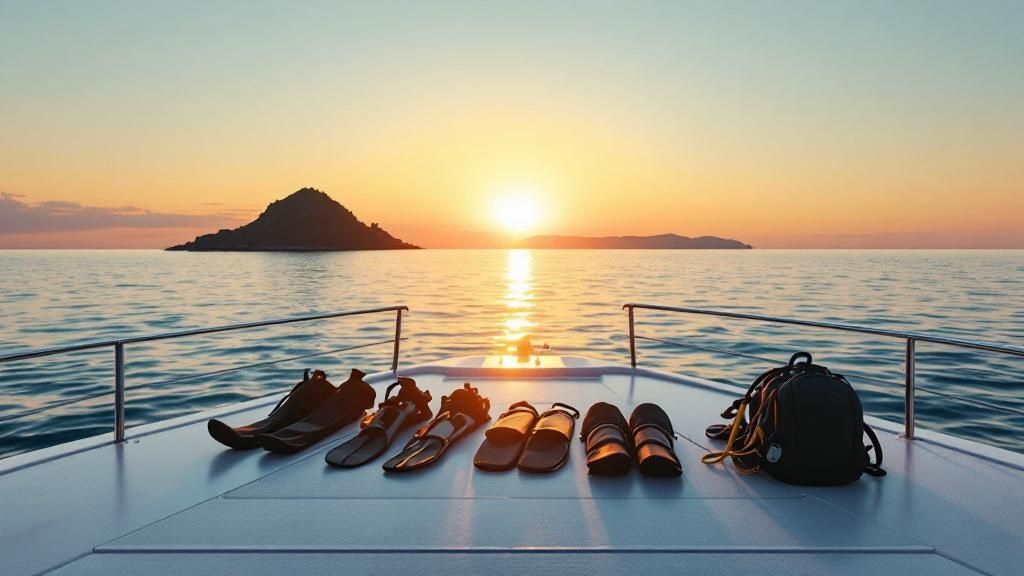
Once you’re on the custom-designed dive boat, the real journey begins. Motoring out to the dive site, you get a front-row seat to a classic Hawaiian sunset painting the Kona coastline in gold. This boat ride is more than just getting from point A to B; it’s part of the magic.
The Underwater Campfire
Before anyone gets wet, the guides will give a thorough briefing. This is a crucial part of the tour. They'll walk you through all the safety stuff, hand signals, and most importantly, the rules for being a respectful guest in the mantas' world. The "no touching" rule is absolute—it’s vital for protecting the delicate slime coat on their skin.
Now for the brilliant part: the setup on the ocean floor. Divers descend to a sandy patch about 30-40 feet down. This is where your guides create what we affectionately call the "underwater campfire." They arrange a circle of powerful, upward-facing lights on the bottom.
This beacon has one job: attract a massive cloud of plankton, the manta rays' dinner. The light draws in a thick swarm of these tiny organisms, essentially creating a glowing, all-you-can-eat buffet. Once the campfire is lit, you just settle in and wait for the guests of honor to make their appearance. You can learn more about the history behind this unique experience on our page about the manta ray night dive in Kailua Kona.
The Grand Entrance
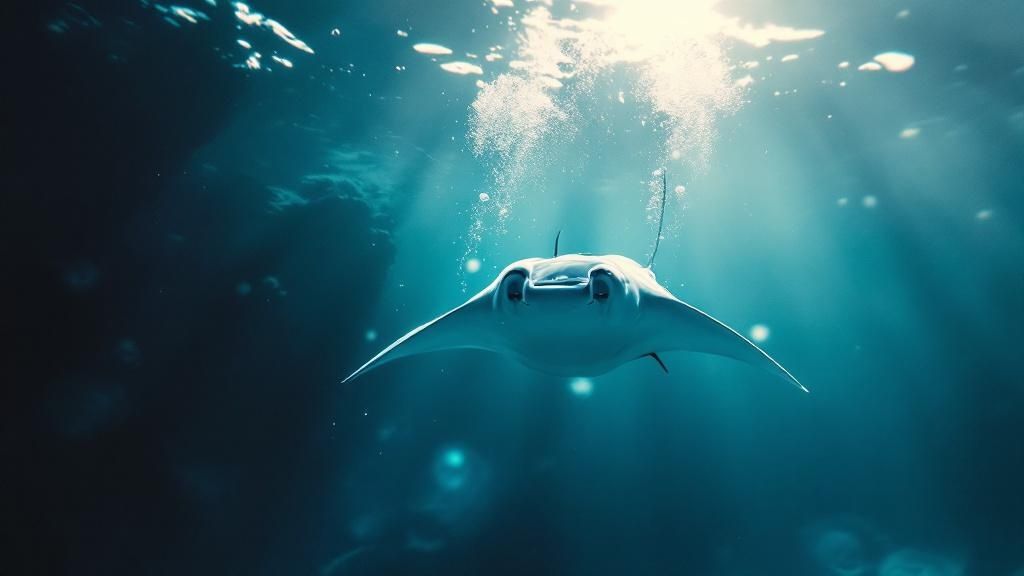
And then it happens. A massive, dark shadow materializes from the deep, gliding silently into the light. The first manta has arrived. It's a feeling you can't really describe—just pure awe and wonder. Pretty soon, another joins, and then another, until you're surrounded by these gentle giants.
They perform a breathtaking underwater ballet, swooping and barrel-rolling through the illuminated plankton. With their huge mouths open, they filter their meal from the water, often passing just inches over your head. It’s a completely peaceful and surreal experience.
Your role in this spectacle is simple: be a calm, respectful observer. By staying still on the bottom, you become part of the environment, allowing the mantas to feel comfortable and control the entire encounter.
The dive itself typically lasts around 30-45 minutes, and your guides are right there with you the whole time, making sure everyone is safe and following the rules. Their presence lets you relax and just take in the incredible show. Back on the boat, hot showers and snacks are waiting—the perfect way to wrap up a truly unforgettable night.
How to Prepare for Your Kona Manta Dive
A little bit of prep work can elevate a great dive into an absolutely life-changing one. The manta experience in Kona is incredibly well-run by the operators, but taking care of a few things yourself ensures you’re comfortable, confident, and ready to soak in every second. Think of this as your practical checklist for an epic night.
Your dive operator will handle the heavy lifting—tanks, weights, and top-notch regulators are all part of the package. You just need to focus on your personal gear. First things first, don't forget your scuba certification card and your logbook. They're the golden tickets for any certified dive.
The boat ride back can get a little chilly after being in the water at night, so a dry bag is your best friend. Pack it with a towel, a warm sweatshirt or windbreaker, and maybe a change of clothes. If you're putting on sunscreen before heading out, make sure it's reef-safe. The chemicals in standard sunscreens are seriously harmful to our delicate coral ecosystems.
What to Wear Underwater
Hawaii's ocean is famously pleasant, but you'd be surprised how cool it can feel when you're holding still on a night dive. Water temps hover around a brisk 74°F (23°C) in the winter and a more balmy 80°F (27°C) in the summer.
For most people, a 3mm or 5mm full wetsuit is the sweet spot for staying warm and comfortable. It's not just about warmth; a full suit also gives you a layer of protection from accidental bumps against the seafloor. If you know you run cold, a hood or hooded vest is a great addition to keep you toasty.
Tips for Underwater Photographers
Trying to capture the manta ballet is a fantastic challenge. Shooting in low light underwater is a whole different ball game than your typical sunny reef dive, but with a few tweaks, you can walk away with stunning photos without bothering the stars of the show.
- Go Wide: A wide-angle lens is essential. It lets you get nice and close to capture the mantas' impressive wingspan without having to back way up.
- Boost Your ISO: Don't be shy. Start with a higher ISO, somewhere in the 800-1600 range, to help your camera sensor gather as much ambient light as possible.
- Keep It Snappy: To freeze that graceful gliding motion and avoid a blurry mess, you'll want a shutter speed of at least 1/125s.
- Ditch the On-Camera Flash: This is a big one. Never use your camera's pop-up flash. The direct, harsh light can startle the mantas and damage their sensitive eyes. The pros use external strobes positioned away from their cameras to light the scene without blinding the wildlife.
The goal is always to be a respectful observer. Get your settings dialed in beforehand so you can focus on the experience itself and still come away with incredible, ethical shots. To get a better feel for why this dive is on so many bucket lists, check out our guide on the reasons to go on a manta ray dive in Kona.
Expanding Your Big Island Dive Adventures
The manta ray night dive is an absolute must-do, but don't think for a second that the adventure ends there. The Big Island's underwater realm is vast and varied, and once you get a taste, you might find yourself hooked.
For those who feel the pull of the deep, dark ocean, the Kona blackwater dive is another world-class experience. You can book your Blackwater Dive tour to drift over thousands of feet of open ocean, witnessing the bizarre and beautiful creatures that migrate from the abyss after sunset.
And if you're a seasoned diver ready to see what Kona's more advanced sites have to offer, special charters for more experienced divers can take you there. These advanced dive tours explore remote deep pinnacles, dramatic lava arches, and walls covered in sponges and teeming with life. It’s a whole other side of Big Island diving.
Frequently Asked Questions About the Manta Ray Dive
If you're gearing up for the manta ray dive, you've probably got some questions buzzing around your head. That's completely normal. Getting the full picture beforehand is the best way to feel relaxed and ready for what is truly an incredible adventure. We've put together answers to the questions we hear most often to help you prepare.
Is the Kona Manta Ray Dive Safe for Beginners?
Yes, without a doubt. This dive is exceptionally welcoming for beginners, especially the one at the Manta Village site. It's a stationary dive in pretty shallow water—usually only 30-40 feet deep.
Because you’ll be settled in one spot on the sand, you don’t have to worry about tricky navigation or nailing perfect buoyancy. Professional outfits like Kona Honu Divers run a tight ship with thorough safety briefings and expert guides right there in the water with you, making it one of the safest and most accessible night dives you'll find anywhere.
What Is the Best Time of Year to See the Mantas?
Here’s the great news: the Kona manta dive is fantastic all year round. The local manta population sticks around, so they aren't migrating in and out. This means you have a great shot at seeing them no matter which month you visit. The sighting success rate stays high through every season.
Some folks might prefer the warmer summer water, which hovers around a balmy 75-80°F (24-27°C). But honestly, the encounters are just as magical in the slightly cooler winter months. The best time to go is simply whenever you can make it to Hawaii.
Are Manta Ray Sightings Guaranteed?
Since manta rays are wild animals, no one can offer a 100% guarantee. Nature just doesn't work that way. However, this particular dive boasts a success rate of over 90%, which is about as close to a sure thing as you can get with wildlife. It’s incredibly rare for a group to go out and not see any mantas.
On top of that, many of the best tour companies, including Kona Honu Divers, offer a "manta guarantee." If you happen to be in that tiny fraction of unlucky divers who don't get a show, they'll typically let you join another tour on a different night for free, based on availability.
Can I Touch the Manta Rays?
No. This is the single most important rule of the dive, and it's all about protecting these gentle creatures. A manta ray's skin is covered with a special mucus layer that acts like a shield against bacteria.
Touching them can strip away this protective coating, leaving them open to nasty infections. The whole point of the experience is to watch them respectfully from a distance. You can get a deeper dive into this and other important guidelines in our comprehensive guide to the Big Island manta ray night dive.
Ready to book an adventure you'll never forget? Kona Honu Divers provides a world-class experience, always prioritizing safety, education, and respect for the ocean. Go ahead and secure your spot for one of the greatest shows on Earth.