
Picture this: you’re floating in the warm, dark Pacific Ocean. Suddenly, a gentle giant with a wingspan of up to 18 feet glides silently past, mere inches from your mask. It sounds like a scene from a nature documentary, but it’s not. This is the real, unbelievable magic of the manta ray dive Kona is famous for—an experience people talk about as one of the best underwater encounters on the entire planet.
The Unforgettable Kona Manta Ray Night Dive
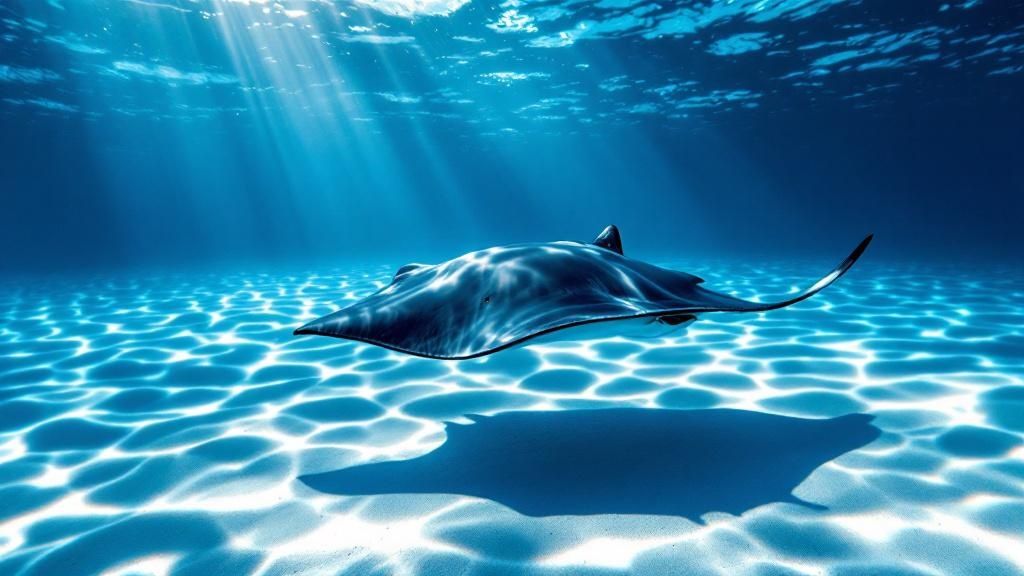
The Kona manta ray night dive has earned its spot on the world stage, pulling in divers and snorkelers from all over who want to see the "underwater ballet" for themselves. What’s truly special is that unlike so many wildlife tours that hinge on pure luck, this one is pretty much a sure thing. The success rate is incredible, with mantas showing up on more than 90% of the trips. That reliability changes everything; it’s not a hopeful gamble, it’s a front-row seat to a guaranteed spectacle.
So how does it work? The magic all comes down to the mantas' feeding habits. After sunset, dive operators set up what we call an "underwater campfire"—a circle of powerful lights on the ocean floor. These lights attract massive clouds of plankton, which is the mantas' favorite meal. It creates a glowing, all-you-can-eat buffet in the dark. Before you know it, the mantas arrive for dinner, performing these graceful barrel rolls and swoops as they filter-feed, often coming breathtakingly close to everyone watching.
What Makes This Dive a Must-Do Adventure
Picking the right tour operator is key to making sure this encounter is not only mind-blowing but also safe and respectful for the animals. Operators like Kona Honu Divers live and breathe sustainable tourism, ensuring these gentle giants are protected while delivering an adventure you'll never forget. Their experienced guides and solid gear make the whole thing seamless.
Here’s why the manta dive in Kona is in a class of its own:
- Accessibility: The dive sites are pretty shallow, usually around 30-40 feet. This makes it an easy and comfortable dive for certified divers of just about any level. Not a diver? No problem. The snorkeling view from the surface is just as epic.
- Predictability: Thanks to Kona's unique geography and the established feeding sites, the mantas show up consistently all year long.
- Awe-Inspiring Proximity: The whole experience is built around passive observation. You get to be a fly on the wall, watching these incredible creatures in their natural element without getting in their way.
This mix of reliable sightings, stunning natural behavior, and top-notch tour operators makes the Kona manta ray night dive a true bucket-list adventure. If you want to dive deeper into the details, you can learn more about the specifics of the Kona manta ray night dive experience and start planning an adventure you’ll be talking about for years.
Why Kona Is a Global Manta Ray Hotspot

What makes Kona the absolute best place on earth to see manta rays? It's not just blind luck. It's the perfect storm of unique geography, marine biology, and a little help from us humans. The Kona coastline is basically a custom-built paradise for these gentle giants, which is why the manta ray dive Kona experience is so consistently incredible.
Unlike a lot of wildlife encounters where you're hoping a migratory animal shows up, the mantas here are residents. They live here year-round because the food is always on the menu. This changes everything, turning a hopeful gamble into a reliable, jaw-dropping spectacle.
The Perfect Recipe for a Manta Buffet
So, what's the secret? It all comes down to plankton. The Big Island's underwater landscape is dramatic, with steep volcanic slopes that plunge right into the deep ocean. This unique setup creates a natural phenomenon where nutrient-packed deep-sea water gets pushed up towards the coast.
When those deep currents rise, they bring a massive amount of phytoplankton and zooplankton with them—the microscopic critters that make up the mantas' entire diet. You can think of it as a natural conveyor belt, delivering an all-you-can-eat buffet right to the mantas' doorstep, every single day. This constant food source is the number one reason Kona supports such a big, healthy, and stable manta population.
The famous night dive simply takes this natural phenomenon and supercharges it. By shining bright lights into the water, we create a concentrated "campfire" of plankton that draws the mantas in for an unforgettable feeding frenzy.
Ideal Conditions for Divers and Snorkelers
It’s not just about the food. Kona’s dive sites are also incredibly user-friendly. The main spots for the manta ray dive are pretty shallow, usually between 25 to 40 feet deep. This shallow depth is a game-changer for a few key reasons.
- Beginner-Friendly: If you're a new or less experienced diver, you can relax and enjoy the show without worrying about the challenges of a deep dive.
- Excellent for Snorkelers: Snorkelers on the surface get an absolutely breathtaking bird's-eye view as the mantas swoop and feed just a few feet below them.
- Great Visibility: The lights from the boats and guides turn the seafloor into a well-lit "stadium," making sure everyone gets a crystal-clear view of the action.
These calm, controlled conditions take away a lot of the factors that can make night diving feel intimidating. It really is an adventure the whole family can get in on, whether you're breathing from a tank or floating up top. You can learn more about why you should go on a manta ray dive in Kona and see just how accessible this amazing experience is.
When you put it all together—a resident manta population, a non-stop food supply, and easy-to-access dive sites—you get an almost unbelievable success rate. Local operators report seeing mantas on 85-90% of their trips. That kind of predictability is almost unheard of in the world of wildlife tours, and it’s what makes the manta ray dive Kona offers a true bucket-list experience.
Choosing Your Dive Site: Manta Village vs. Manta Heaven
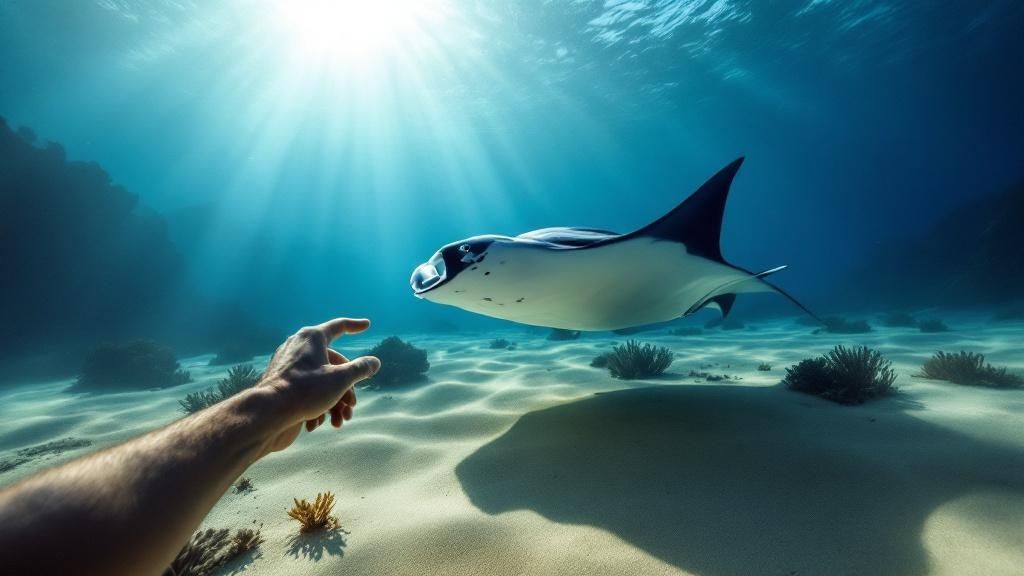
When you book a manta ray dive Kona tour, you're not just picking a boat—you're picking the underwater stage where the magic happens. Along the Kona coast, two main spots have become famous for nightly manta ray shows, but they offer totally different experiences. Getting to know the difference between "Manta Village" and "Manta Heaven" is the key to matching the dive to your skill level and what you're hoping to get out of the night.
Think of it like choosing between a small, intimate concert venue and a huge, open-air festival. Both are awesome, but the vibe is completely different. Your choice really shapes the whole adventure, so it pays to understand what you're signing up for.
One site is known for being super calm and protected, perfect for first-time night divers or anyone who just wants to chill out. The other is a bit wilder, often with more action and up-close passes that photographers and thrill-seekers live for.
Manta Village: The Classic and Calm Choice
Down in Keauhou Bay, south of Kailua-Kona, you'll find Manta Village. This is the O.G. manta ray site. It all started decades ago when the lights from the nearby Sheraton Keauhou Bay Resort & Spa began attracting plankton, which brought the mantas right to the shore. Because it’s tucked into a sheltered bay, the water here is almost always calm and protected from the open ocean swell.
The bottom is a nice, gentle sandy slope, typically around 25 to 35 feet deep. This creates a comfortable, stadium-like setup where divers can settle in without worrying about tricky reef formations. Because of this, Manta Village is a fantastic choice for:
- Beginner divers: The mellow conditions and shallow depth make it an ideal first night dive.
- Families and mixed groups: It’s great when you have both snorkelers and divers, as the conditions are usually good for everybody.
- Anyone wanting a relaxed experience: If your goal is just to kick back on the sand and watch the graceful "manta ballet" above you, this is your spot.
While you might see a few fewer mantas here compared to its northern cousin, the experience is consistently peaceful and beautiful—a reliable and incredible show.
Manta Heaven: A More Dynamic Encounter
Head a few miles north, near the Kona International Airport, and you'll find Manta Heaven (also known as Garden Eel Cove). This spot is a bit deeper and more exposed to the open ocean. The underwater landscape is more rugged, with rocky ledges and interesting topography. This, combined with a bit more current, often makes for a more action-packed and dynamic dive.
Here, you'll be at a depth of about 35 to 45 feet. The water movement can pull in massive clouds of plankton, which sometimes attracts a larger congregation of mantas. This site is usually the go-to for:
- Experienced divers: If you’re comfortable with a little current and a slightly deeper profile, you'll love it here.
- Underwater photographers: The chance for more mantas and dramatic, up-close fly-bys creates unbelievable photo ops.
- Thrill-seekers: The energy at Manta Heaven can be electric, with mantas swooping in from every direction.
The two famous dive sites along the Kona Coast, 'Manta Village' and 'Manta Heaven,' offer distinct experiences for manta ray encounters. While Manta Village is the original site known for its calm waters, Manta Heaven is slightly deeper and can feature more active currents, providing opportunities for thrillingly close interactions. Discover more details about these Kona manta ray sites and see which one fits your adventure style.
Head-to-Head Comparison
Choosing between Kona's two premier manta ray dive sites comes down to personal preference. Both are world-class, but one might be a better fit for your group's skill level and desired experience. Here’s a quick breakdown to help you decide.
Kona Manta Ray Dive Site Comparison
| Feature | Manta Village (Keauhou Bay) | Manta Heaven (Near Airport) |
|---|---|---|
| Best For | Beginners, All Skill Levels, Snorkelers | Experienced Divers, Photographers |
| Typical Depth | 25-35 feet | 35-45 feet |
| Conditions | Calm, sheltered bay, sandy bottom | Slightly stronger currents, rocky topography |
| Experience | Observing the 'manta ballet' from a settled position | Closer, more dynamic and thrilling interactions |
Ultimately, there's no wrong answer here. Both Manta Village and Manta Heaven offer a front-row seat to one of the most incredible shows in the natural world. By thinking about your own comfort and what you're looking for in a manta ray dive Kona tour, you can pick the perfect underwater stage for a night you'll never forget.
How to Prepare for Your Manta Ray Night Dive
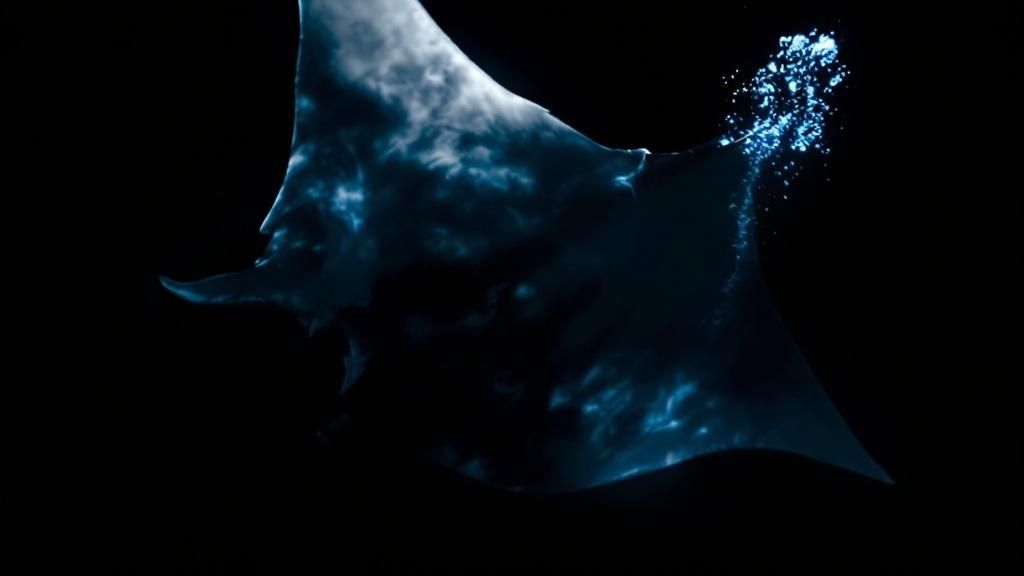
Knowing what’s coming is the secret to a relaxed and truly mind-blowing manta ray dive Kona experience. A little bit of prep goes a long way, helping turn any pre-dive nerves into pure, giddy excitement. The whole operation is designed to be seamless, super safe, and totally focused on the incredible encounter you’re about to have.
Your adventure will kick off at the harbor or the dive shop. This is where you'll check in with the crew, get the waiver paperwork out of the way, and get fitted for any rental gear you might need, like a wetsuit or BCD. It's the perfect chance to ask any last-minute questions and give your divemaster a heads-up about your experience level or any concerns you have.
Once everyone’s sorted, you’ll hop on the boat for a quick trip out to the dive site. On the way, the crew will give a thorough pre-dive briefing. This is easily one of the most important parts of the tour, so you’ll want to tune in and pay close attention.
What to Expect from the Pre-Dive Briefing
The briefing is your road map for the entire dive, covering everything you need to know to be safe and have an amazing time. It’s the game plan for the underwater show you're about to witness.
They'll typically cover:
- The Dive Plan: Your guide will lay out the maximum depth, your expected bottom time, and the sequence of events once you hit the water.
- Manta Ray Interaction Rules: This is a big one. They'll go over the strict "passive observation" guidelines. The golden rule is look, but do not touch. This is critical for protecting the mantas' delicate, slimy coating.
- The 'Campfire' Setup: The crew will explain how all the divers will settle on the ocean floor in a semi-circle around a big, central light box. It creates an "underwater campfire" that draws in the plankton and, in turn, the mantas.
- Safety Procedures: You’ll get a refresher on hand signals, what to do if you get separated from the group, and other standard night diving safety protocols.
This briefing gets everyone on the same page, which is key to creating a controlled and respectful environment for both the divers and the manta rays.
Packing Your Dive Bag
One of the best things about going with a professional dive charter is that they handle all the heavy lifting. You don't need to stress about tanks or weights, but throwing a few personal items in a bag will make your trip that much more comfortable.
What Your Dive Operator Provides:
- Scuba tanks
- Weights and weight belts
- A powerful dive light for every diver
- Snacks and drinks on the boat
What You Should Bring:
- Your swimsuit (it's easiest to just wear it under your clothes)
- A towel to dry off with after the dive
- A warm jacket or hoodie for the boat ride home—it can get surprisingly chilly
- Your dive certification card and logbook
- Any personal dive gear you can't live without (your own mask, computer, etc.)
- A reusable water bottle to stay hydrated
The whole idea behind the Kona manta ray dive is passive interaction. By just chilling on the bottom and pointing your light up, you become part of the scenery instead of an intruder. This simple setup creates a safe space for the mantas to feed naturally, which is what allows them to get unbelievably close to you.
Getting ready for your manta ray dive is actually pretty simple. Once you understand the flow from check-in to splashdown and pack a few key items for comfort, you can put all your energy into the spectacular show waiting for you under the waves. The operators are pros at this, making it a smooth and accessible adventure for just about everyone.
Ready to claim your spot at the underwater campfire? You can check out the manta ray dive tours page to find the perfect trip for your Kona vacation.
Check Availability
The Science and Conservation Behind the Magic
Your manta ray dive Kona adventure is so much more than just an incredible light show. It’s your front-row seat to one of the most successful marine conservation stories on the planet. As you watch these massive, gentle creatures glide through the beams of light, you’re actually witnessing a living laboratory—and your trip is helping to fund it.
This whole magical experience is built on decades of research and a solid partnership between scientists and sustainable tourism operators. Every responsible dive company in Kona plays a part, making sure your presence helps, not hurts, the manta ray population. It’s a pretty unique setup where tourism directly supports the science keeping these animals safe.
By picking a reputable operator, you become part of this ongoing effort. A portion of your tour fee goes straight to the research, monitoring, and advocacy needed to protect the mantas and their home for years to come.
Your Role in Citizen Science
One of the coolest parts of Kona’s manta conservation is how they identify individual rays. It’s all about photo-ID. Just like a human fingerprint, the pattern of black spots on a manta's white belly is totally unique. No two are the same, which is how researchers and guides can name and track them.
When you're out on the water, your guide might point out famous locals like "Big Bertha" or "Lefty." These aren't just cutesy nicknames; they're part of a massive, long-term tracking program that’s been going on for years.
Using photos of these belly spot patterns, researchers and dive pros have built a huge database of our local manta population. This lets them track where the mantas go, check on their health, study their social lives, and understand their entire life cycle.
This simple, hands-off technique gives them priceless information. For instance, from 2009 through 2014, every sighting along the Kona Coast was meticulously recorded. This kind of data collection helped scientists understand manta behavior, their home turf, and population size, contributing to a database that now holds thousands of individual encounters. You can see some of the fascinating manta ray statistics for yourself and geek out on the data.
Why Sustainable Tourism Matters
Look, your participation is what makes all of this work. The money brought in by the manta ray dive Kona tours creates a powerful reason to protect these animals. It proves that a living, swimming manta ray is worth far more to our community than a dead one. This model has become the gold standard for how to interact with wildlife the right way.
When you book a manta ray dive, you're voting with your wallet for a system that values and protects marine life. The strict rules—like staying on the bottom and never touching the mantas—are all designed to keep the animals from getting stressed so they can feed naturally. This makes sure the experience is amazing for you and safe for them, securing the future of this underwater ballet. Your adventure is also a vote for a healthier ocean.
Beyond Mantas: Other Premier Kona Diving Adventures
Sure, the manta ray dive kona offers is the big headliner, but trust me, the Big Island’s underwater world has a whole lot more going on. Kona is a complete diving destination, not a one-trick pony. Once you broaden your horizons past the mantas, you’ll find a coastline loaded with wild geological formations and buzzing marine ecosystems.
After seeing the manta ballet, most divers are immediately asking, "What's next?" Good news: the adventure is just getting started. The same volcanic chaos that forged the islands created a mind-blowing underwater playground of lava tubes, huge archways, and deep, complex reef systems just waiting for you to explore.
The Famous Kona Blackwater Dive
If you're after something truly bizarre and almost psychedelic, the Kona Blackwater Dive is a must-do. This is not your typical reef dive. At all. Instead, you'll be drifting over thousands of feet of open ocean at night, just hanging there in the deep blue.
You’re tethered to the boat, watching one of the largest migrations on the planet as strange and beautiful deep-sea critters rise toward the surface in the dark. You’ll see alien-like squid, see-through larval fish, and shimmering bioluminescent jellies—creatures that honestly look like they’re from another world. It’s a dive that totally redefines what you think is possible underwater.
Exploring Lava Tubes and Advanced Reefs
For divers with a bit more experience and an adventurous spirit, Kona’s got some incredible opportunities to get into its rugged volcanic terrain. The advanced dive tours take you to spots with ancient lava tubes you can actually swim through, massive archways, and deep pinnacles packed with life.
These advanced sites often have stronger currents and trickier navigation, but the payoff is huge. We’re talking pristine coral gardens, run-ins with bigger pelagic species like sharks and eagle rays, and a chance to see the raw, wild beauty of the Big Island’s underwater architecture.
Kona Honu Divers has fantastic guides for every level, so you can safely check out everything Kona has to offer. Their local knowledge is the key that unlocks a whole world of adventure.
From the ghostly glow of a blackwater drift to the thrill of swimming through a lava tube, diving in Kona is so much more than one famous encounter. By checking out these other top-tier adventures, you can build a full trip of unforgettable underwater memories. Take a look at the full lineup of Kona diving tours to start planning your next dive.
Check Availability
Answering Your Kona Manta Ray Dive Questions
Thinking about the manta dive probably brings up a few questions. That's totally normal! We're going to tackle the most common ones right here, clearing up any doubts so you can book this incredible adventure with total peace of mind.
Can I Still See Mantas if I’m Not a Certified Diver?
You bet! You don't need a dive certification to have an absolutely mind-blowing encounter. Snorkelers get a front-row seat from the surface.
You'll hold onto a large, custom-built floatation board with powerful lights shining down. These lights are like a dinner bell, attracting plankton, which brings the mantas right up to you. You get this amazing top-down view as they perform barrel rolls, sometimes just inches below you. It's an epic experience for absolutely everyone.
What Is the Best Time of Year to See Manta Rays in Kona?
Here's the best part: the manta ray dive Kona offers is fantastic year-round. Our local manta population doesn't migrate, so they're here for dinner every single night, and the success rate is incredibly high.
That said, many people find the peak season is from April to October when the water is warmest (a balmy 75-80°F) and the ocean is typically at its calmest. Honestly, though, any time you can come is a great time to go.
Want to get into the nitty-gritty of planning your trip? We've got you covered. Dive deeper with our guide on what you should know about the manta ray dive in Kona, which answers even more common questions.
Is the Manta Ray Night Dive Safe?
Yes, it's a very safe and well-organized activity, especially when you go with a top-notch, professional operator like Kona Honu Divers. They start every trip with a detailed safety briefing and have experienced divemasters in the water with you the whole time.
The number one rule is "passive interaction"—we're there to watch the show, not be a part of it. You must never touch the mantas. This is crucial for protecting their sensitive skin and making sure this encounter remains a sustainable one. The whole "campfire" setup, with lights on the ocean floor, creates a well-lit, controlled space for a safe and truly magical dive.
What if I Am a Nervous or Inexperienced Diver?
No problem at all. This dive is actually perfect for divers of almost any skill level, even if you're feeling a little anxious. Just give your divemaster a heads-up! They're pros at making divers feel relaxed and confident underwater.
The dive itself is surprisingly simple. You'll descend to a sandy bottom at about 30-40 feet and just hang out, kneeling or sitting in one spot. This isn't a complex reef or drift dive; it's a stationary, breathtaking show. It's a fantastic way to get comfortable with night diving.
Ready to book the adventure of a lifetime? Kona Honu Divers offers incredible manta ray dive tours led by expert guides who put safety and fun above all else.
Check Availability