
Picture this: you're floating in the warm, inky-black Pacific Ocean. Suddenly, a gentle giant with a wingspan wider than a car glides silently past you. This is the manta ray dive Kona experience, and it's consistently called one of the most unforgettable underwater encounters on the planet. It's more than just a dive; it's a legitimate "underwater ballet" that pulls ocean lovers from all corners of the globe to the Big Island of Hawaii.
Why the Kona Manta Ray Dive Is a Must-Do Adventure
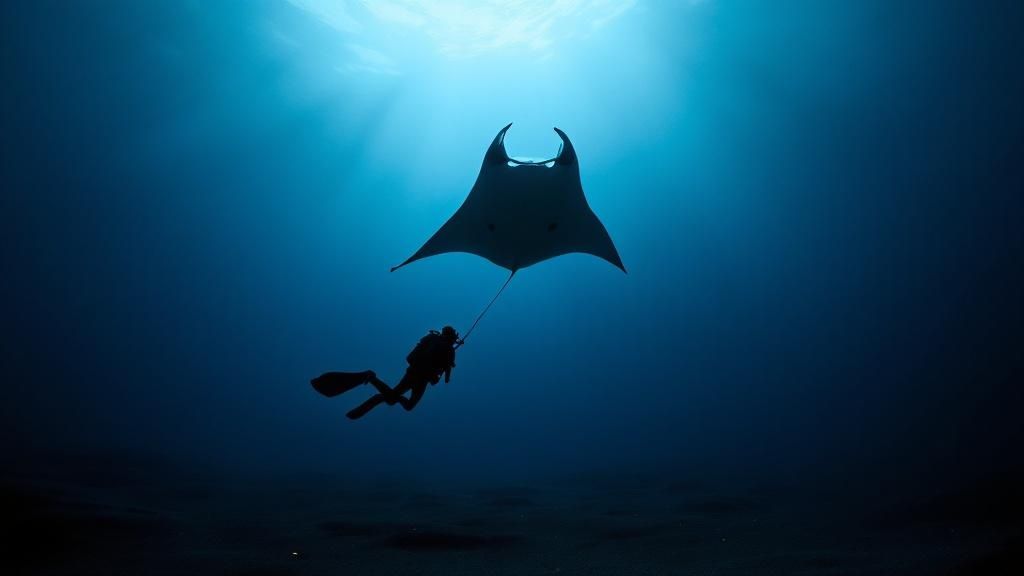
So, what makes a [manta ray dive in Kona](https://konahonudivers.com/diving-tours/2-tank-manta-dive-snorkel/?ref=blog) a true bucket-list adventure? It all comes down to a perfect storm of reliable food and a healthy, resident population of these incredible animals. In other parts of the world, manta sightings can be hit-or-miss. Here on the Kona coast, it’s a different story.
The whole thing is almost like a performance. Dive operators set up a brilliant, illuminated "stage" by shining powerful lights into the dark water. This light attracts swarms of plankton, which just so happens to be the mantas' favorite meal.
As the plankton gathers, the show begins. The mantas arrive for their feast, swooping, gliding, and performing these jaw-dropping barrel rolls just inches from your face. You're not just watching from a distance; you become part of their world for a little while. I'm telling you, the feeling of a 12-foot manta ray soaring right over your head is something you'll never, ever forget.
This nightly spectacle is more than just a tour; it's a front-row seat to one of nature’s most graceful feeding rituals, turning a simple night dive into a profound connection with the marine world.
Here is a quick overview of what makes the Kona manta ray dive a unique and accessible adventure.
Kona Manta Ray Dive At a Glance
| Feature | Details |
|---|---|
| Location | Kailua-Kona, Big Island of Hawaii |
| Manta Population | Over 450 identified reef mantas |
| Success Rate | 85-90% chance of sightings |
| Best For | Scuba divers and snorkelers of all levels |
| Experience | Up-close encounters, often inches away |
| Prime Time | Year-round, after sunset |
This table just scratches the surface of why this experience is so special and reliable for visitors.
A World-Famous Encounter
The Kona Coast is famous for this dive for one big reason: the chances of actually seeing mantas are incredibly high. We have a local population of over 450 identified reef mantas (Mobula alfredi), so the odds are seriously in your favor. On any given night, visitors have an 85-90% chance of seeing mantas—a success rate that's practically unheard of anywhere else.
This consistency has turned Kona into the go-to spot for anyone dreaming of swimming with these gentle giants. It's a reliable adventure that rarely disappoints. If you want to dive deeper into the trip details, check out our guide on the manta ray night dive in Kailua-Kona.
Of course, choosing the right operator is everything. You want a team that's safe, professional, and respects the animals. Kona Honu Divers has been doing this for years, and our crew is passionate about keeping both our guests and the mantas safe.
Ready to see the underwater ballet for yourself? You can book one of our popular manta ray dive tours and grab your spot for this once-in-a-lifetime adventure.
Exploring Kona’s Two Premier Manta Ray Dive Sites
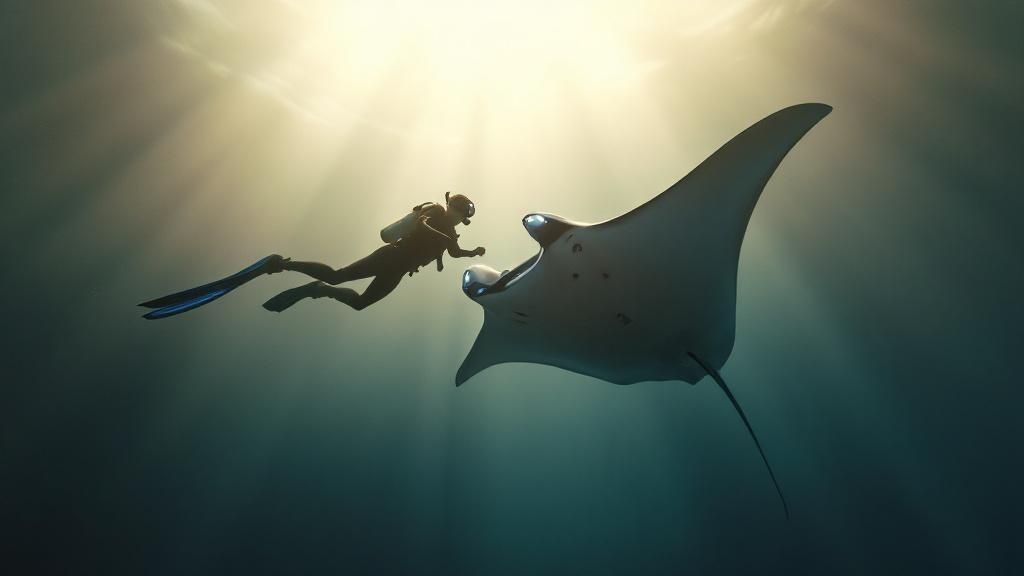
So you're ready to dive with mantas in Kona. The first thing you need to know is that not all dive sites are created equal. Where you go can totally shape your experience, so picking the right spot is a big deal. Kona's world-famous manta encounters happen in two main locations, and each has its own vibe.
The two primary stages for this incredible underwater ballet are Manta Village in Keauhou Bay and Manta Heaven up near the Kona airport. Think of them like two different theaters showing the same award-winning play. One is a cozy, intimate venue perfect for first-timers, while the other is more of a grand, dramatic production.
Knowing the difference between them is the key to matching the dive to what you're looking for.
The “Underwater Campfire” Concept
Before we get into the nitty-gritty of each location, you need to understand the simple, brilliant concept that makes the manta ray dive kona so reliable. At both sites, dive operators create what we affectionately call an "underwater campfire."
It’s a pretty ingenious setup:
- The "Firewood": A big, powerful light source—often a custom-built light box—gets placed on the ocean floor.
- The "Sparks": This super-bright light attracts huge clouds of phytoplankton, the tiny critters that form the base of the ocean's food chain.
- The "Guests of Honor": The manta rays, who are filter feeders, show up for the all-you-can-eat plankton buffet.
Divers and snorkelers then gather around this "campfire" of light, either resting on the sandy bottom or floating on the surface. This allows the mantas to swoop, glide, and barrel roll right through the light beams to feed, giving you those jaw-dropping, up-close encounters this dive is famous for. It’s the secret sauce behind Kona's legendary manta sightings.
Manta Village: The Original Calm Haven
Manta Village, right off the coast of the Sheraton Kona Resort in Keauhou Bay, is the O.G. manta spot. It’s known for being incredibly calm and protected, which makes it a fantastic choice for new divers, snorkelers, and families.
The site itself is pretty shallow, with a sandy bottom sitting at around 30 feet. That accessibility takes a lot of the pressure off, especially if you're new to night diving. You can just relax and soak it all in.
Because it’s so protected and gentle, Manta Village is what we almost always recommend for a first manta encounter or for anyone who just wants a more mellow, controlled experience.
The whole scene just feels more personal here. You might see slightly fewer mantas than at the other site on any given night, but the encounters are every bit as magical.
Manta Heaven: A Stage for the Experienced
Head a bit north, near the Ellison Onizuka Kona International Airport, and you'll find Manta Heaven. Also known as Garden Eel Cove, this spot offers a more dynamic, and sometimes more dramatic, show. It’s a little deeper and more exposed to the open ocean, which means you can get some currents rolling through. It's a better fit for certified divers who are comfortable with changing conditions.
This place can feel like a grand spectacle, sometimes attracting bigger groups of mantas for a truly dazzling performance. For underwater photographers and more experienced divers, a bit of current adds a thrilling element. You get to see the sheer power and grace of these animals as they navigate the moving water. If you’re an advanced diver looking for that kind of challenge, our premium advanced dive tours are designed to explore some of the Big Island's most exciting underwater terrain.
Between them, these two sites are a massive draw, bringing in roughly 80,000 people every year to dive or snorkel with Kona's mantas. You can learn more about the history of these iconic manta dive sites here.
Booking your own unforgettable encounter is easy. At Kona Honu Divers, we provide a top-notch, safe experience with a crew that is absolutely passionate about sharing these gentle giants with you.
When Is the Best Time for Your Manta Adventure?
When it comes to seeing wildlife, timing is usually a huge deal. So, naturally, one of the first questions we get about the manta ray dive in Kona is, "When's the best time to go?" The great news? Kona's manta rays are locals, not tourists. They live here year-round.
That's right—these graceful giants don't migrate. They've made the Kona coast their permanent home, establishing reliable feeding spots. This means you have an incredible chance to see them any night of the year, which is exactly why Kona is famous for being the most dependable place on the planet for manta encounters.
Understanding Kona’s Peak Season
While you can book a manta dive any time, many experienced divers and travelers aim for the months between April and October. This isn't because the mantas are more active, but because the overall conditions are just about perfect.
- Warmer Water: The Pacific gets a little cozier during these months, with water temps often in the high 70s to low 80s Fahrenheit. That makes a night dive much more comfortable.
- Calmer Seas: We generally see calmer ocean conditions. Less wind and smaller swells mean a smoother boat ride out and more serene conditions below the surface, which just makes the whole experience better.
- Beautiful Weather: Kona’s weather is fantastic all year, but these months are especially gorgeous. Think lots of sunshine and very little rain—perfect for the rest of your vacation, too.
Ultimately, the mantas don't check the calendar. The "best" time really boils down to your personal preference for weather and water temperature.
Debunking the Full Moon Myth
We get this question all the time: does a full moon mess up the manta sightings? It makes sense to wonder if a bright moon could compete with our lights, pulling the plankton away and leaving us with fewer mantas. It's a common myth, but a myth nonetheless.
The powerful, high-intensity lights we use on our professional dive tours are way brighter and more focused than the moon. They create an irresistible plankton buffet that easily outshines any ambient moonlight.
The mantas go where the food is most concentrated. Our "underwater campfire" of dive lights creates such a thick soup of plankton that the moon's glow becomes a complete non-factor. Manta sightings are just as amazing during a full moon as they are during a new moon. So, don't worry about planning your trip around the lunar cycle! You can dive deeper into this topic in our detailed guide on what is the best time of year to see manta rays in Kona.
Here at Kona Honu Divers, our crew are experts at setting the stage. We know exactly how to attract these gentle giants, giving you the best shot at an unforgettable encounter, every single night.
How to Prepare for Your Kona Manta Ray Dive

A truly unforgettable manta ray dive starts well before you even step on the boat. A little prep work can be the difference between a good trip and a mind-blowing, seamless experience. From making sure you’ve got the right certification to packing the right gear, planning ahead is everything.
The first move is booking your manta ray dive tour with a solid, eco-friendly operator. We're partial to companies like ours, Kona Honu Divers, because we put the safety of our guests and the well-being of the mantas first. This isn't just a tour; it's about supporting sustainable tourism. Heads up: this is one of the most popular things to do on the Big Island, so book your spot way in advance, especially if you're visiting during the busy season.
What You Need to Know Before You Go
To join the manta ray dive in Kona, you have to be a certified scuba diver. The good news? An Open Water Diver certification is all that's required. The dive itself is pretty shallow and you're mostly stationary, so it's a perfect dive even for those who just got their C-card.
If it’s been a while since you’ve been underwater, think about doing a quick refresher course. Shaking off the rust and getting your confidence back means you can just relax and soak in the incredible show happening right in front of your mask. When you're comfortable with your gear and buoyancy, you can focus on the magic.
Gear and What to Bring on the Boat
One of the best parts about diving with a professional shop is that we handle most of the heavy lifting when it comes to gear. Here at Kona Honu Divers, we provide top-notch, well-maintained equipment, including:
- Tanks and Weights: Standard issue for any dive charter.
- Buoyancy Control Device (BCD): A BCD that fits you right is key for staying comfortable and in control.
- Regulators: This is your lifeline. We don't mess around with quality here.
- Wetsuit: Even with Hawaii's warm water, a wetsuit is a must for a night dive. It keeps you warm and comfortable for the 30-45 minutes you’ll be in the water.
While we've got the essential gear covered, you'll want to bring a few personal items to make the trip even better.
Pro Tip: Pack a small dry bag for your essentials. A warm jacket or hoodie is non-negotiable for the boat ride home. It can get surprisingly chilly after a night dive, even in paradise.
Your Journey from Start to Finish
Knowing what to expect can really help calm any pre-dive butterflies. Your adventure will kick off in the late afternoon at the harbor. Once you're checked in, you'll hop on the boat and we’ll head out to the dive site.
During the ride, your divemaster will give a detailed pre-dive briefing. Pay close attention—this is the most important part of your prep. We'll go over everything from manta ray etiquette (the golden rule: no touching!) to the dive plan and all the safety procedures. This info is crucial for a safe and amazing dive for you and everyone else.
Once we anchor up, you’ll gear up and slide into the water right as the sun dips below the horizon. Then you'll descend to the sandy bottom, find your spot around the "underwater campfire" of lights, and just… wait. As plankton flocks to the light, the mantas glide in, and the silent ballet begins. After the dive, you’ll climb back on the boat for some snacks and hot drinks on the ride back to shore, buzzing with stories of the gentle giants you just met.
At Kona Honu Divers, we're all about making your manta experience awesome from the moment you book to the stories you tell afterward. Our experienced crew handles the details so you can focus on the magic. Don't just take our word for it—see what other divers are saying about their adventures with us.
Ready to book your spot for this world-famous dive?
How to Dive Safely and Help Protect Kona’s Manta Rays
The reason the **manta ray dive Kona** experience is so mind-blowingly reliable isn’t just luck. It’s the direct result of a passionate community that’s all-in on sustainable ecotourism. Seriously, the future of this world-class encounter rests on our collective shoulders, and that means every single person in the water plays a part in keeping the resident manta population safe and sound.
This isn't just another tour; it's your chance to step into a real-life conservation success story. The whole operation is built on a deep respect for these animals and their home. When you book with a top-notch operator like Kona Honu Divers, you're not just getting a ticket to an amazing show—you're supporting a company that lives and breathes manta safety and protection. Just see what fellow divers have to say about it.
Manta Manners 101
To keep the dive safe and incredible for everyone (mantas included!), there are a few simple but non-negotiable rules we call "Manta Etiquette." Think of it like this: you're a guest in the mantas' dining room, and these are the house rules. They're all designed to make us as boring and non-threatening as possible, so the mantas feel totally comfortable coming in for a meal.
The main points are super simple:
- Look, Don't Touch: This is the golden rule. Touching a manta ray can seriously harm it.
- Be a Statue: Whether you're a diver on the ocean floor or a snorkeler at the surface, find your spot and stick to it. No chasing, no sudden movements.
- Watch Your Bubbles: If you're diving, try to time your breathing so your bubbles don't go straight up into a manta's face as it glides over you.
By just following these basics, you help create that calm, predictable scene that keeps these majestic creatures coming back night after night, completely stress-free.
Why You Can Never, Ever Touch a Manta Ray
That "no-touching" rule isn't just about being polite; it’s a matter of life and death for the mantas. Their bodies are covered in a thin layer of protective mucus, kind of like a slime coat. This is their version of skin, and it's their primary defense against nasty bacteria and parasites in the water.
When a human hand touches a manta, that friction rubs off their essential slime coat. This leaves the manta wide open to skin infections and diseases, which can be devastating to their health. Your guide will hammer this point home in your briefing, and for good reason.
Always remember, we're visitors in their world. The entire goal is passive observation. Let the mantas run the show.
Dive Deeper: You're Part of the Solution
Here’s the cool part: your manta ray dive Kona tour is so much more than just a vacation highlight. You're actively contributing to a massive, long-term conservation project. For years, dedicated researchers and dive operators have been collecting data on every manta sighting along the Kona coast.
This incredible effort has resulted in a database with nearly 6,000 reported encounters and over 28,500 individual sightings over 14 years. This isn't just for fun—it's hard science. This very research was the backbone for passing a landmark Hawaii state law in 2009 that made it illegal to harm or capture manta rays in state waters. You can see the amazing conservation stats for yourself.
This ongoing monitoring allows scientists to identify individual mantas by their unique belly spots, letting them track their health, movements, and life cycles. So when you dive with a responsible crew, you're helping fund and support this vital work. Your adventure becomes a powerful act of conservation.
Ready to be part of this incredible story?
Frequently Asked Questions About the Manta Ray Dive
Even with all the buzz around the **manta ray dive Kona** experience, it’s totally normal to have a few questions. The more you know, the more comfortable you’ll be, and that’s the first step to an adventure you’ll never forget. We’ve put together the most common questions we get from both divers and snorkelers to give you straight-up, simple answers.
For a bird's-eye view of all our underwater adventures around the Big Island, feel free to check out our main Kona diving tours page. This section, however, is all about the mantas.
What Happens if No Mantas Show Up?
This is probably the number one question we hear, and it’s a good one. We are, after all, entering the world of wild animals, and they don’t exactly punch a time clock. The good news is that manta sightings in Kona are unbelievably reliable—we see them on about **90%** of our trips. But on those rare nights, the mantas might have other plans.
In that unlikely event, any reputable operator like Kona Honu Divers has your back with a "manta guarantee." It usually means you get to come back another night, completely on us. This is a great reason to book your manta dive early in your trip; it gives you plenty of wiggle room to reschedule if you need to.
Is It Safe to Be in the Water with Manta Rays?
Yes, 100% safe. This is a big one that helps put first-timers at ease. Manta rays are called “gentle giants” for a reason—they are completely harmless to people. They’re more like giant, underwater ballerinas than anything to be afraid of.
Here’s why you can relax and enjoy the show:
- No Stingers: Unlike their stingray cousins, manta rays have no barb or stinger on their tail. They literally have no way to hurt you.
- Filter Feeders: They eat tiny plankton, which they filter out of the water. They don't have teeth and have zero interest in you as a meal.
- Gentle Nature: Mantas are curious but incredibly peaceful. They're just focused on feeding, and you're just a stationary part of the scenery they gracefully swoop around.
What’s the Difference Between the Dive and Snorkel Experience?
The biggest difference between the manta dive and the snorkel tour is your point of view. Both are absolutely mind-blowing, but you’re seeing the action from a different angle.
Think of the dive lights on the ocean floor as an underwater "campfire."
- For Divers: You'll head down to the sandy bottom, about 30-40 feet deep, and find a spot to kneel or sit. You get to look up as the mantas perform their acrobatic barrel rolls right over your head, sometimes just inches away. It’s a truly immersive, front-row seat.
- For Snorkelers: You'll float at the surface, holding onto a specially designed light board. The board shines a bright light down, which attracts the plankton buffet and, in turn, the mantas. You'll have a top-down view as these huge, graceful creatures glide up from the depths toward your light.
Both are incredible, and the choice really boils down to your comfort in the water and whether you're a certified diver. To get a real feel for the whole night, check out our article on what it’s like to go on the manta ray dive in Kona.
Can I Touch the Manta Rays?
No. And this is the most important rule of the night: you must **never** touch a manta ray. Reputable companies like Kona Honu Divers are incredibly strict about this, and for a very good reason: their survival depends on it.
Manta rays have a protective slime coat covering their skin. Think of it as their immune system. This coating is crucial for fending off nasty bacteria and infections. When you touch a manta, you wipe off that protective layer, leaving them vulnerable to diseases that can be fatal.
The best way to show your love for these animals is to give them their space. Observing from a respectful distance ensures they stay healthy and keep coming back to Kona for years to come.
Do I Need to Be a Certified Diver?
Yes, if you want to do the scuba dive, you’ll need at least an Open Water Diver certification. The good news? You don’t need to be an expert. The dive itself is pretty shallow and you’re not swimming around much, which makes it a fantastic and easy dive for someone who just got certified.
Not a diver? No problem! The snorkeling experience is just as spectacular and doesn't require any certifications at all.
Ready for an unforgettable night with Kona's gentle giants? The crew at Kona Honu Divers is stoked to guide you through this world-famous experience, whether you're a diver or a snorkeler. We've got all the gear and expert know-how to make your night safe, comfortable, and absolutely magical.
Check out our premier manta ray dive tours and grab your spot for the show.