
Picture this: you're floating in the warm, inky blackness of the Pacific Ocean. Suddenly, a colossal, gentle creature with a wingspan wider than you are tall glides effortlessly just inches from your face. This isn't some rare, once-in-a-lifetime wildlife sighting. It's the nightly ballet that happens just off the Kona coast, making it one of the best places on Earth for this exact experience.
For divers and snorkelers, the Kona manta ray dive is more than just a tour; it's a true bucket-list adventure that you'll be talking about for years to come.
Experience the World-Famous Kona Manta Ray Dive
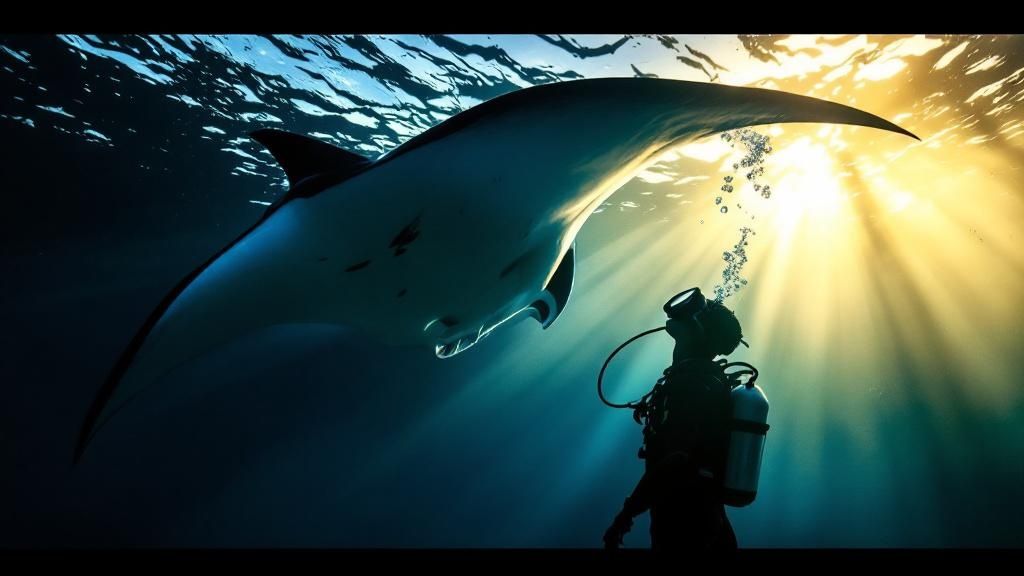
This guide is your complete roadmap to this incredible underwater spectacle. We'll break down exactly why this one spot in Hawaii is so uniquely perfect for manta encounters and how you can witness these majestic animals somersault and feed in the glow of specially designed underwater lights.
The Kona Coast has become the global epicenter for manta ray dives and snorkeling, drawing an estimated 80,000 people every single year. So, what’s the secret? It all comes down to the local ocean currents, which are rich in the nutrients that fuel huge blooms of plankton—the manta rays' favorite meal.
Because of this reliable, all-you-can-eat plankton buffet, the mantas show up almost every single night. This gives tour operators a phenomenal success rate, with sightings hovering between 80-90% all year round.
What to Expect from This Guide
We'll walk you through all the essentials, so you feel completely prepared for this awe-inspiring adventure. You’ll get a clear picture of what happens on the tour, how to get ready for a night in the ocean, and—critically—why choosing a responsible operator who prioritizes safety makes all the difference. This isn’t just about checking something off a list; it’s about connecting with one of the ocean's most graceful giants in their own world.
For an even more detailed look at this specific trip, check out our guide on the manta ray night dive in Kailua-Kona.
Here at Kona Honu Divers, we're obsessed with providing an experience that is safe, respectful to the wildlife, and absolutely unforgettable for every guest. Our expert team is passionate about your enjoyment and the long-term well-being of our local manta ray population.
What Makes Kona a Manta Ray Hotspot
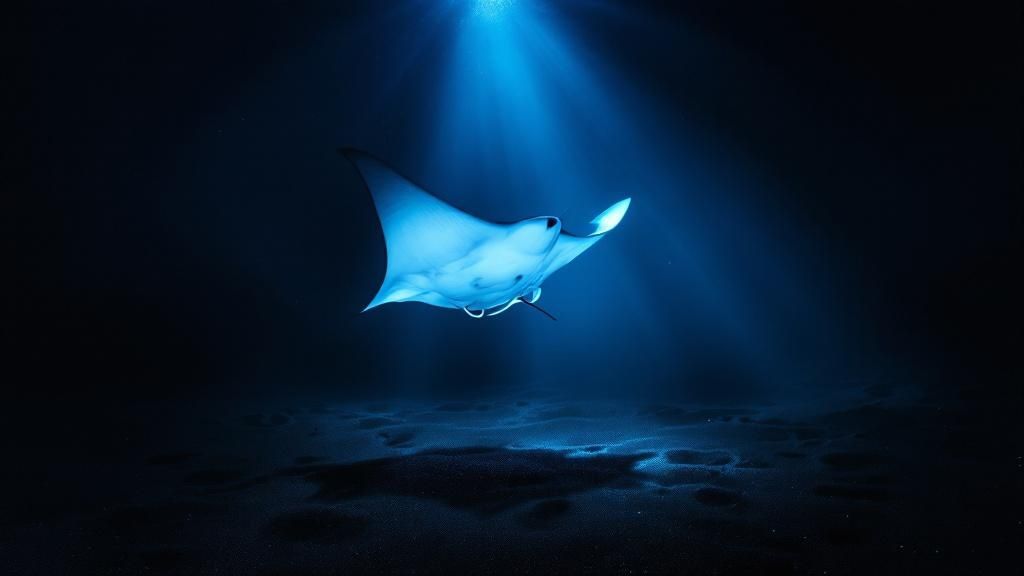
So, what’s the secret behind Kona's nightly manta ray ballet? How can hundreds of these gentle giants show up so reliably, almost on cue? It’s not just luck; it’s a brilliant, almost accidental partnership between nature and people.
The magic ingredient is something we call the "underwater campfire." Local dive operators figured out that by shining powerful lights into the water after dark, they could attract huge swarms of plankton—the microscopic critters that manta rays absolutely love to eat.
Think of it as a nightly, all-you-can-eat buffet. The intelligent mantas quickly learned that these bright lights meant an easy meal. Over the years, this has become a conditioned behavior, turning these specific spots into must-visit dining destinations for the local manta population. It's a truly spectacular show for us divers and snorkelers.
The Two Legendary Manta Dive Sites
Kona's manta encounters are concentrated in two famous locations, each offering a slightly different experience. The consistency of these sites has put the Kona coast on the map as one of the best places on Earth to see manta rays. If you want to learn more, you can explore why a manta ray dive should be on your list.
-
Manta Village (Keauhou Bay): Often called the "original" manta site, this spot is located just south of Kailua-Kona. It's known for being incredibly consistent. The bottom is a shallow, sandy patch, making it easy for divers to kneel and watch the mantas swoop and glide overhead. Its protected location also makes it great for just about any skill level.
-
Manta Heaven (Garden Eel Cove): You'll find this site north of Kona, closer to the airport. Manta Heaven sometimes draws even larger groups of rays, and the underwater terrain gives it a wilder, more untamed feeling. Just like at Manta Village, divers gather on the seafloor and point their lights up, creating that irresistible plankton-filled campfire.
These reliable gatherings have given scientists a golden opportunity. From 2009 to 2014, researchers kept incredibly detailed logs, tracking individual mantas, their health, and how often they were seen at both sites. It's a massive database that helps us understand and protect these amazing animals. You can discover more about these fascinating manta ray statistics and the ongoing research.
It’s this perfect storm—calm waters, plankton-rich currents, and the clever lighting strategy—that has made Kona the world’s premier destination for manta ray encounters. It’s a beautiful example of how responsible ecotourism can create an experience that’s unforgettable for us and beneficial for the wildlife.
Choosing Your Adventure: Diving vs. Snorkeling
Alright, so you’re ready to see the mantas. Now for the big question: should you scuba dive or snorkel? Both options get you an incredible front-row seat to the show, but they offer completely different perspectives.
Honestly, there’s no wrong answer here. It really just comes down to your comfort in the water, whether you're a certified diver, and what kind of view you’re hoping for. Divers get a jaw-dropping view from below, while snorkelers get a spectacular bird's-eye view from the surface.
The Scuba Diving Experience
If you're a certified diver, the Kona manta ray dive is something you'll talk about for the rest of your life. It’s a truly surreal experience. You'll gear up and descend with your guide to a sandy patch on the ocean floor, usually around 35 feet deep.
Once you’re settled, you'll join a circle of other divers, kneel on the bottom, and point your powerful dive light straight up. These beams of light are like a dinner bell, attracting clouds of plankton, which in turn brings in the mantas for their nightly feast.
From your spot on the seafloor, you get to watch these gentle giants, some with wingspans over 12 feet, glide and barrel roll just inches above your head. It’s peaceful, humbling, and feels like you're sitting in the front row of a silent, underwater ballet.
The best way I can describe it is like being a guest in their world. You’re just sitting still, watching in awe as they swoop in and out of the light, completely in charge. It’s that closeness and mutual respect that makes the experience so powerful.
This is the perspective that made the Kona manta ray dive famous. If you have your scuba certification, this is without a doubt the most immersive way to see the show.
The Snorkeling Experience
Don't have a scuba certification? No problem at all. The snorkeling experience is just as mind-blowing and is perfect for just about everyone, from families with kids to those who simply prefer staying on the surface.
As a snorkeler, you'll float comfortably on the surface while holding onto a custom-built light board. These boards have powerful lights that shine down into the dark water, creating a giant beacon of plankton. The effect is the same: the mantas are drawn right up from the depths to feed.
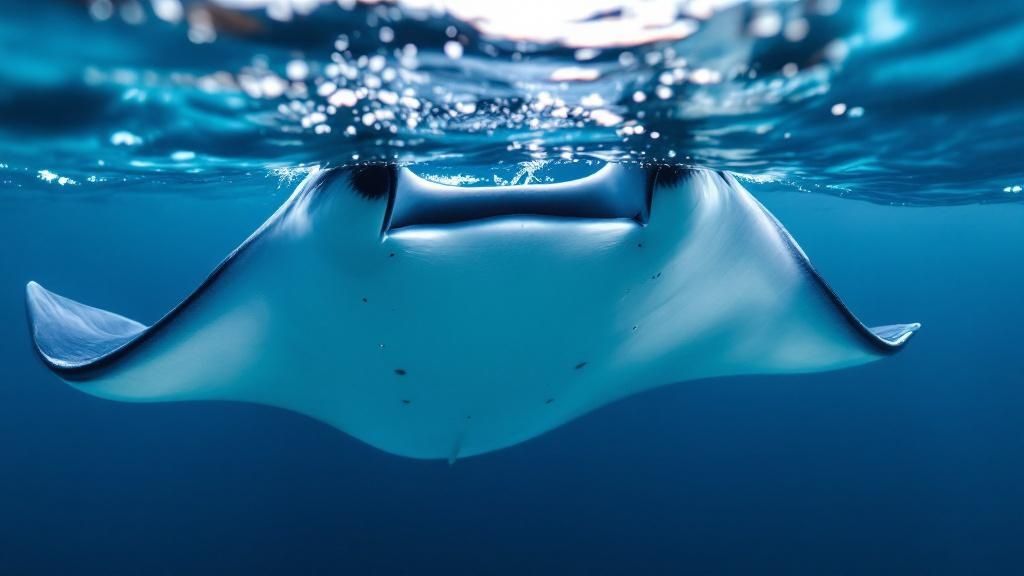
You’ll have a stunning top-down view, watching these massive, graceful creatures appear from the dark and glide just beneath your feet with their mouths wide open. It’s a heart-pounding experience that puts you right in the middle of the feeding frenzy without ever leaving the surface.
The best part is that divers and snorkelers can go on the same boat, so your group can choose the experience that’s right for them. You can book both together on our 2-Tank Manta Dive & Snorkel tour.
Still on the fence? This table breaks down the key differences to help you decide which adventure is the right fit for you.
Manta Ray Dive vs. Snorkel Experience
| Aspect | Scuba Diving | Snorkeling |
|---|---|---|
| Perspective | Bottom-up view; mantas glide inches overhead. | Top-down view; mantas swim just below the surface. |
| Requirements | Scuba certification is mandatory. | No certification needed; basic swimming ability. |
| Experience | Peaceful and immersive; you are a stationary observer. | High-energy and exhilarating; you are floating above the action. |
| Best For | Certified divers seeking an intimate, close encounter. | Non-divers, families, and anyone wanting a surface view. |
| Proximity | Potentially closer as mantas swoop low. | Extremely close as mantas feed right at the surface. |
Ultimately, both experiences are phenomenal. Whether you're looking up from the ocean floor or down from the surface, seeing these magnificent animals in their natural habitat is an unforgettable Kona highlight.
Your Manta Ray Tour with Kona Honu Divers
So, you’re ready for the manta dive. What can you actually expect when you step on board? When you book with a top-tier operator like Kona Honu Divers, you’re not just getting a ticket for a boat ride. You're getting a front-row seat to a meticulously planned underwater ballet, designed from start to finish for your safety and amazement.
It all starts at the harbor. You’ll be greeted by a crew that’s genuinely excited to have you, and that energy is contagious. Once you’re on one of our spacious, custom-built dive boats, the real fun begins. Before we even untie the lines, our expert guides will walk you through a detailed briefing, covering everything you need to know for a safe and incredible manta ray dive in Kona.
This isn't your standard, dry safety talk. The crew brings the experience to life by sharing incredible facts about the manta rays you’re about to meet—many of whom they know by name and can tell you their life stories. They’ll also cover the most important rule of the night: look, but don't touch. This simple guideline ensures the mantas stay safe, comfortable, and keep coming back for years to come.
The Two-Dive Experience
To make the evening truly unforgettable, many of our most popular trips feature a two-dive format. It’s the perfect way to build anticipation for the main event.
- The Sunset Reef Dive: Your first plunge happens just as the Hawaiian sun starts painting the sky. You'll explore a stunning Kona reef, alive with colorful fish, shy octopus, and maybe a moray eel peeking out from its home. It's a gorgeous, relaxed dive that helps you get your fins wet and sets the mood.
- The Manta Night Dive: After surfacing for some snacks and a final briefing, it’s time. As true darkness settles in, you'll descend to a sandy "campsite" on the ocean floor. The moment you turn on your light and witness the first graceful giant gliding out of the deep blue is something you'll never, ever forget. It's pure magic.
The secret to a world-class manta ray dive in Kona lies in the locations. We operate at iconic sites like Manta Village, where the calm, shallow waters are ideal for everyone, from first-time night divers to seasoned pros. On a good night, it’s not unusual to be surrounded by 8 to 12 manta rays as they perform their mesmerizing barrel rolls in the light beams.
Throughout the dive, your guides are right there in the water with you. They’re constantly checking to make sure everyone is safe, comfortable, and getting the best possible view. Their passion for these animals is infectious and turns a great dive into a core memory.
We obsess over the details so you can simply relax and soak in the awe-inspiring spectacle happening just inches from your mask. To get the full rundown on what makes this trip a bucket-list adventure, take a look at our complete guide to the Kona manta dive.
How to Prepare for Your Kona Night Dive
A little prep work can make the difference between a good dive and an absolutely unforgettable one. When you show up for the manta ray dive in Kona feeling relaxed and ready, you can soak in every moment of the magic that’s about to happen.
Think of it like getting ready for a day at the beach, but with a nighttime boat trip in the mix. While we handle all the big-ticket dive and snorkel gear, a few personal items will make your trip much more comfortable.
Your Essential Packing List
Before you leave for the harbor, run through this quick checklist. Having these things on hand will make everything go smoothly.
- Swimsuit: The easiest approach is to wear it under your clothes. You’ll be ready to gear up in no time.
- Towel: A small, quick-dry towel is perfect for after the dive. No need for a giant beach towel.
- Warm, Dry Clothes: This is a big one. Even on a warm Hawaiian evening, the boat ride back can feel brisk after you’ve been in the water. A hoodie, a light jacket, or even just a long-sleeved shirt will feel amazing.
- Reusable Water Bottle: Diving is dehydrating. Having your own water bottle is a smart move.
- Motion Sickness Medication: If you even think you might get seasick, it’s best to take something ahead of time. Follow the package directions. It’s always better to be safe than sorry so you can fully enjoy the experience.
One of the most important things you can do is help us protect what we all came here to see. Please, only use reef-safe sunscreen. The chemicals in regular sunscreens, like oxybenzone and octinoxate, are incredibly damaging to Hawaii's coral reefs. Healthy reefs mean a healthy home for the manta rays and all the other marine life we love.
Want a complete rundown of the entire experience? We’ve got a detailed guide that covers everything you need to know about the manta ray night dive in Kona, Hawaii.
Tips for Underwater Photographers
Photographing the manta ballet is an incredible experience, but getting that perfect shot takes some planning before you even hit the water.
Your main job isn't to light up the manta, but to light up their food. Position your strobes or video lights out wide and point them slightly upward to illuminate the plankton in the water column above you. This is what brings the mantas in close.
For your camera settings, a good starting point is a faster shutter speed (around 1/125s) to freeze the elegant motion, a wide-open aperture (like f/8) to capture the ambient light, and a low ISO (around 400) to keep noise down. Most importantly, find your spot on the sand and stay put. Let the mantas come to you. Chasing them never works—it just kicks up sand and spooks the animals, leaving you with blurry, empty shots.
Protecting the Mantas: How We Can All Be Responsible Tourists
Seeing the Kona mantas up close is a privilege, one that comes with a shared responsibility to protect them. The entire foundation of a safe and sustainable manta ray dive in Kona boils down to one simple, unbreakable rule: observe only, do not touch.
Think of it this way: a manta ray’s skin is coated in a delicate mucus layer. This isn't just slime; it's their immune system, their primary defense against bacteria and infection. When we touch them, even gently, we can rub off this vital protective coating, leaving these magnificent animals vulnerable to disease. The best encounters are always passive and respectful.
Choosing an Operator Who Puts Mantas First
When you book your dive, you're not just buying a ticket; you're casting a vote for the kind of tourism you support. By choosing an eco-conscious operator, you become a partner in conservation.
Companies like Kona Honu Divers are at the forefront of this, actively participating in manta ray identification research and educating every single guest on how to have a safe, respectful encounter. This commitment transforms a fun night out into a genuine contribution to marine science.
A respectful dive isn't just better for the mantas—it's better for you. When the animals feel safe and unthreatened, they relax. They're far more likely to stick around and perform the incredible, barrel-rolling acrobatics that made this dive world-famous in the first place.
You can get a deeper understanding of how well-managed tours protect the animals in our guide to the Big Island Manta Ray Night Dive.
Here at Kona Honu Divers, our passion is two-fold: creating unforgettable memories for our guests while actively safeguarding our local manta population. But don't just take our word for it—see what our guests have to say about their adventures with us.
When you're ready for a tour that puts the mantas first, we'd be thrilled to show you the magic of Kona's waters.
Your Questions Answered: The Kona Manta Ray Dive
It’s natural to have questions before an adventure like this. I’ve been on this dive countless times and have heard them all, so here are some quick answers to the most common things people ask. This should help you feel completely ready for your trip.
Is There a Best Time of Year to See the Mantas?
This is one of the best parts about scuba diving Kona, Hawaii—the manta rays are here all year long! They’re full-time residents, not just seasonal visitors passing through.
That means your chances of an incredible encounter are just as high in July as they are in December. Unlike whale watching, you can plan your manta dive for any time your schedule allows.
What if We Don't See Any Manta Rays?
While sightings are incredibly reliable (over 90% of trips see mantas), we are dealing with wild animals on their own schedule. It’s rare, but sometimes they just don't show up.
In that unlikely event, any good operator will have your back. Reputable companies, including us at Kona Honu Divers, will let you try again on another night for free. My advice? Book your manta dive for one of your first nights on the island. That gives you plenty of time to reschedule if needed.
We always want our guests to have the best possible experience. While we can't control wildlife, we can control our commitment to you, which is why we're happy to give you a second chance to see these incredible animals if they're shy on your first night.
How Close Will I Get to the Mantas?
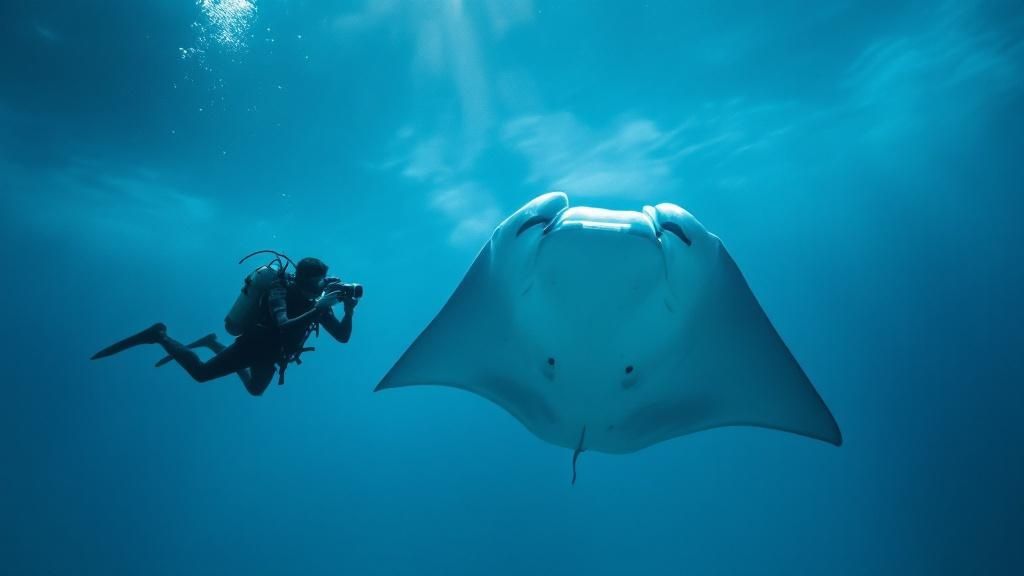
Prepare to be amazed. The mantas get so close you could almost touch them (but please don't!).
As they swoop in to feed on the plankton attracted by our lights, they'll often glide just inches above or below you. It's a breathtaking, completely safe experience that truly connects you to the ocean. Being that close to such a gentle giant is something you’ll be talking about for years.
Ready to book this once-in-a-lifetime adventure? You can check out all our manta ray dive tour options and reserve your spot right now.