
Picture this: you're weightless in the warm, dark Pacific, and a creature the size of a small car glides silently, inches above your head. That's the magic of the Kona manta ray dive. This isn't just another notch on your dive belt; it's a world-famous wildlife encounter, and honestly, the Big Island is the best place on Earth to do it. You're not just watching marine life—you're immersed in a stunning underwater ballet.
What Makes the Kona Manta Ray Dive So Special
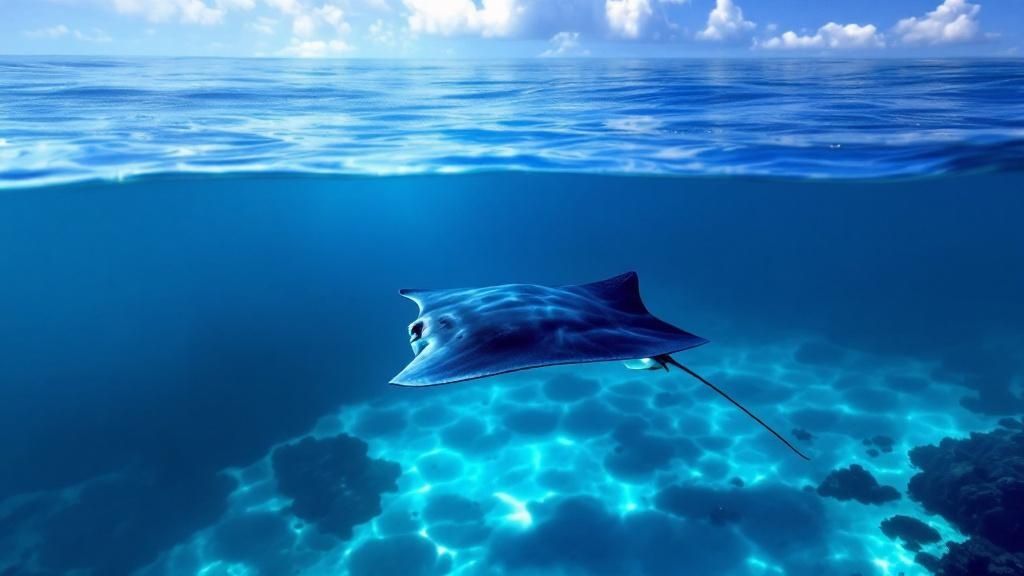
The Kona coast isn't just another pretty dive spot; it's a globally recognized hotspot for one of the most incredible underwater experiences you can have. What truly sets it apart is the sheer reliability of the manta ray sightings.
This consistency is what changes the dive from a hopeful gamble into a practically guaranteed spectacle. Sure, other places around the world have mantas, but those encounters are often seasonal or just plain unpredictable. Here in Kona, a perfect storm of conditions creates the stage for a nightly performance. The local manta population is residential—they stick around—and they’ve figured out that our dive lights mean a free-for-all buffet.
The Famous Manta Campfire
The heart of the entire experience is what we call the "manta campfire." After a short descent to a sandy bottom, usually around 35 feet, we all gather in a circle on the ocean floor. Everyone points their powerful dive lights up, creating a massive beam that illuminates the water column above us. This intense light draws in huge clouds of plankton, the mantas' favorite food.
Then, you wait. But not for long.
Suddenly, they appear. Gliding in from the darkness, these massive animals, some with wingspans over 12 feet, begin to feast. They perform these beautiful, acrobatic barrel rolls right through the beams of light, their giant mouths open to filter the plankton from the water. Their movements are so smooth and hypnotic, it’s easy to get lost in the moment.
The proximity is what really gets you. It’s totally normal for these gentle giants to swoop so close you feel like you could reach out and touch them (but don't!). Their massive bodies pass right over you, casting huge, fleeting shadows across the group.
To give you a clearer picture, here's a quick rundown of what the dive entails.
Kona Manta Ray Dive At a Glance
| Key Aspect | What You Will Experience |
|---|---|
| Location | Shallow, sandy bottom off the Kona coast. |
| Depth | Typically 30-40 feet, making it accessible for most certified divers. |
| The "Campfire" | Divers gather in a circle, pointing lights upward to attract plankton. |
| Manta Behavior | Mantas perform graceful barrel rolls and swoops to feed on the plankton. |
| Proximity | Expect incredibly close encounters, often just inches away. |
| Duration | The "show" usually lasts for the entire bottom time of the dive, around 45 minutes. |
It's an unforgettable experience from the moment you hit the water to the final ascent.
A Reliable Natural Phenomenon
Kona's reputation as the world's premier manta ray dive is built on its incredible success rate. On any given night, divers have an 85-90% chance of seeing manta rays—a number that's almost unheard of anywhere else. This reliability means you can plan your trip with a high degree of confidence, knowing you have an excellent shot at seeing the show.
Of course, choosing a reputable and ethical operator is crucial, not just for your safety but for the well-being of the mantas themselves. If you're still on the fence or just want to learn more, check out our guide on why you should go on a manta ray dive in Kona. It truly is a journey into the heart of the ocean's magic.
How to Choose the Right Manta Ray Tour
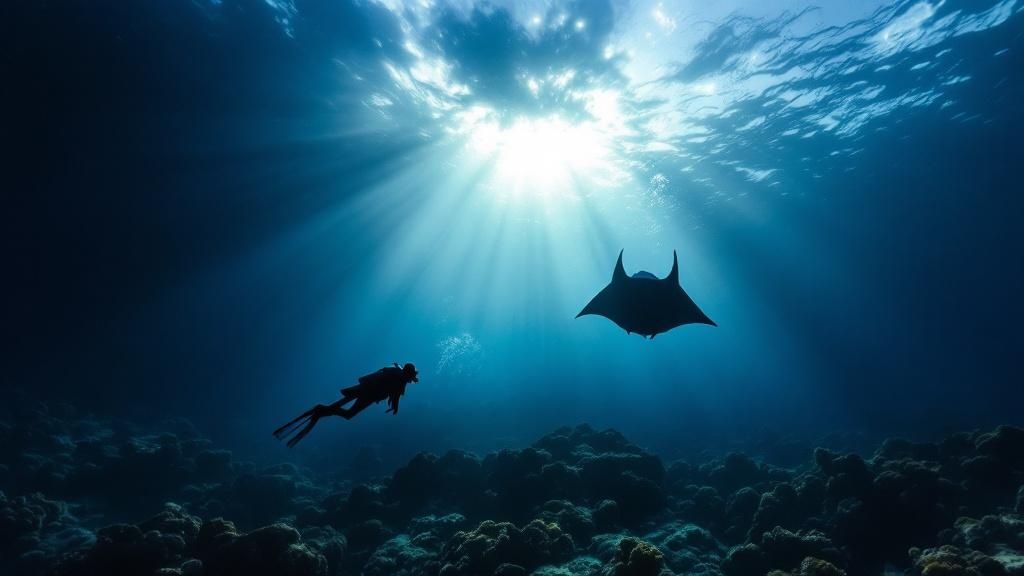
Picking the right operator for your manta ray dive is easily the most critical decision you'll make for this trip. This isn't just about having a good time; it's about your safety and the well-being of the magnificent creatures you’ve traveled so far to see. Frankly, not all tours are created equal, so let’s talk about what really matters.
Your first filter should always be safety and professionalism. Look for dive shops with impeccable safety records and instructors certified by globally recognized agencies like PADI or SSI. These credentials aren't just logos on a website—they guarantee the crew is drilled in proper dive procedures and emergency response, giving you peace of mind from the moment you step on the boat.
Evaluating Tour Operators
When you start comparing companies, look past the price. You need to consider the whole experience. Think about the boat—is it spacious and well-maintained? What about the rental gear? Is it high-quality? A top-tier operator provides a comfortable vessel and a crew that is both deeply knowledgeable and genuinely passionate about marine life. It makes a world of difference.
One of the biggest tells of a great operator is their commitment to conservation. The best companies still follow the old Manta Ray Green List standards, even though the official list was discontinued. This means they stick to strict guidelines designed to protect the mantas, like maintaining a safe distance and teaching guests about passive, respectful observation.
By choosing an ethical operator, your adventure actually gives back to the local ecosystem. Your tour becomes part of the solution, helping to show that these animals are far more valuable alive and preserving the very magic you've come to witness.
It’s no surprise that operators like Kona Honu Divers consistently earn top reviews. Their professionalism and deep respect for the marine environment shine through on every single trip they run.
Deciding on Your Dive Style
Next, you'll need to figure out which type of tour best suits your schedule and comfort level. When it comes to the manta ray dive Kona experience, you generally have two fantastic options, each offering a slightly different adventure.
- The 2-Tank Manta Dive: This is the most popular choice, and for good reason. It combines a beautiful afternoon reef dive with the main event at night. You'll get to explore a vibrant reef in the daylight, get comfortable with your gear, and then watch the sunset from the water before descending for the manta show.
- The Single-Tank Manta Dive: If you're pressed for time or just want to get straight to the point, this option takes you directly to the manta site for the night dive. It’s a focused experience that puts you right in the middle of the action without the earlier reef dive.
From my experience, most divers prefer the 2-tank trip because it creates a more relaxed and complete day of diving. Making the right choice ensures your adventure is not only safe but perfectly tailored to what you want to get out of it. To get a feel for the whole experience from start to finish, be sure to check out our complete guide to the Kona manta ray night dive.
Getting Ready for Your Night Dive Adventure
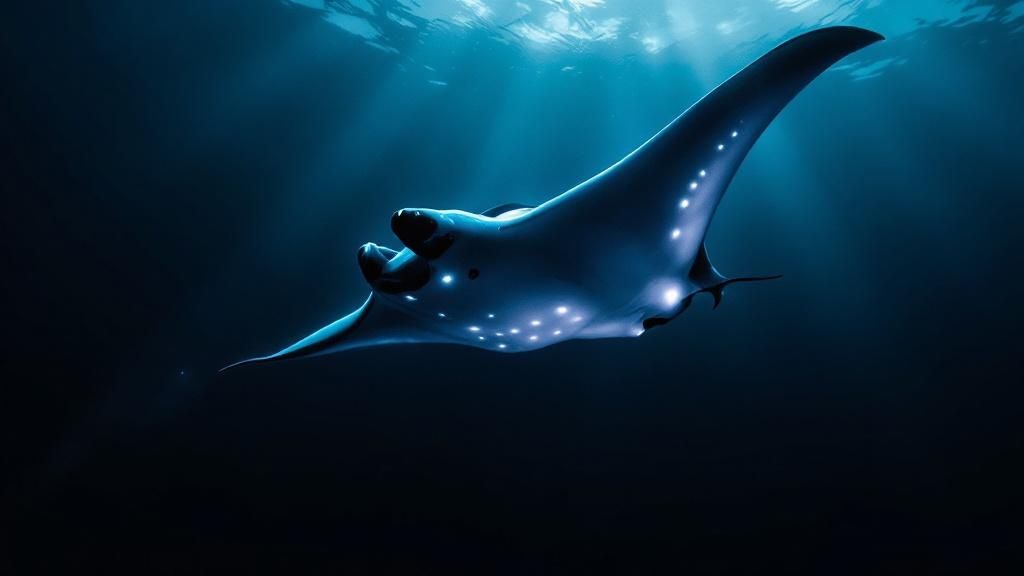
A little bit of prep work can transform a good dive into a truly mind-blowing one. When you know what to expect and what to bring to the dock, you can spend less time worrying about the details and more time soaking in the experience. The goal is to get all the small stuff sorted out before you even head to the harbor, so you can swap any pre-dive jitters for pure, unadulterated excitement.
One of the first questions I always get is about what to wear. While the rental gear is excellent, personal comfort is everything. The water temperature here in Kona hovers around a pleasant 75°F (24°C), but that can start to feel chilly after being submerged for nearly an hour, especially at night. For most people, a 3mm or 5mm wetsuit is the sweet spot for staying warm and comfortable.
Your Pre-Dive Checklist
Showing up prepared is easy. Most of what you’ll need is standard for any dive trip, but a few things are absolutely essential for making your manta ray night dive go smoothly.
Here’s a quick rundown of what to have with you:
- Certification Card: This is non-negotiable. It’s the first thing the crew will ask to see.
- Swimsuit: The easiest approach is to wear it under your street clothes so you’re ready to gear up on the boat.
- Towel and Dry Clothes: Trust me, having a warm, dry hoodie or jacket for the boat ride back is a total game-changer.
- Reusable Water Bottle: Hydration is key to safe diving. Make sure you drink plenty of water throughout the day leading up to your dive.
- Personal Dive Gear: If you have a mask that fits you perfectly or a dive computer you know and love, bring it along!
Reputable operators like Kona Honu Divers will handle the rest. They provide all the high-quality, well-maintained rental gear, including tanks, weights, and, of course, the dive lights. You can get a full picture of the entire experience by checking out our detailed guide to the manta ray night dive in Kona, Hawaii.
A Quick Pro Tip: I always recommend having a light snack a couple of hours before the dive, but definitely skip the heavy meal. You want to feel energized, not sluggish and full. Staying hydrated is way more important.
Feeling a Little Rusty? Think About a Refresher Dive
If it’s been a year or two since you were last underwater, or if the idea of a night entry has you feeling a bit anxious, don’t hesitate to book a refresher dive. Getting back in the water for a relaxed daytime dive before the main event can work wonders for your confidence. It’s the perfect chance to re-familiarize yourself with your gear and dial in your buoyancy without the added element of darkness.
Taking this simple step ensures you won’t be fumbling with your equipment and can fully lose yourself in the magic of the manta encounter. The best manta ray dive is one where you feel completely comfortable and at ease in the water.
Finally, a word to the wise: book your tour well in advance. This is one of the most popular activities on the island, and spots fill up fast, especially during peak seasons. Securing your reservation early means you won't miss out on this absolute bucket-list adventure.
What the Manta Ray Encounter Is Really Like
After the boat briefings and gear checks are done, the real magic begins. You'll take a giant stride off the boat into the warm, dusky waters of the Pacific. As you make your way down to a shallow sandy bottom, usually around 35 feet, the last glow of sunset disappears, and the ocean’s nightlife starts to stir.
Your divemaster will lead you to a specific spot on the sand. This is where you and the other divers will settle in, forming a circle on the ocean floor. Everyone points their powerful dive lights up, creating a column of light that looks like an underwater campfire. This beacon is designed to attract huge clouds of plankton—the dinner bell for Kona's gentle giants.
The Underwater Ballet Begins
And then, it happens. A shadow emerges from the darkness, gliding effortlessly toward the light. It’s a moment that will literally take your breath away. A massive manta ray, with a wingspan that can easily top 12 feet, swoops into the beams. It performs a graceful barrel roll, its giant mouth wide open to scoop up the plankton.
Before you know it, another one appears, and then another, until you're completely surrounded by a silent, underwater ballet.
They soar and swoop with hypnotic, fluid movements. It's an incredibly peaceful and humbling experience. The mantas often get within inches of you, their enormous fins casting fleeting shadows as they pass directly overhead. It’s a profound display of trust that feels truly unreal. You can get an even closer look at this unique interaction in our article detailing what it's like to go on the manta ray dive in Kona.
This isn't a rare occurrence, either. The manta ray dive Kona experience is famously reliable. Since at least 2013, Kona has seen remarkably stable manta sighting statistics, with dive sites reporting anywhere from 50 to 150 appearances every single month. This natural phenomenon, fueled by local plankton blooms, draws around 80,000 people here each year just to see it.
Key Rules of Engagement
To keep this encounter safe for both divers and mantas, there are a few strict rules. These aren't just suggestions; they are absolutely essential for protecting these animals and ensuring this world-class dive can continue.
- Observe, Don’t Touch: This is the golden rule. Manta rays have a protective mucous layer on their skin that acts as their immune system. Touching them strips this layer off, leaving them vulnerable to infection and disease.
- Stay on the Bottom: As a diver, your place is on the sand. This keeps the water column clear for the mantas to maneuver safely and feed without obstruction. No free-swimming is allowed.
- Control Your Buoyancy: Nailing your buoyancy is key. You want to remain still and neutral. Avoid floating up or kicking sand, as this can spook the animals and cloud the water for everyone.
The whole point is to be a quiet, passive observer—a respectful guest in their home. Following these simple guidelines makes you part of a sustainable ecotourism model that helps protect these majestic creatures for generations to come.
Why Manta Ray Conservation Is So Important
That incredible manta ray dive Kona experience you're dreaming about? It only exists because of a deep-seated, community-wide commitment to conservation. This isn't just another tourist attraction; it's one of the world's most impressive examples of ecotourism in action.
When you dive with a responsible crew, you become part of a cycle that proves these gentle giants are worth infinitely more alive and thriving in their natural habitat.
This whole operation is built on a framework of strict, self-imposed guidelines. The best operators in Kona still voluntarily follow the old Manta Ray Green List standards, which put the safety and well-being of the mantas first, always.
Your divemaster will give you a detailed briefing on what we call passive observation. The rules are simple: no chasing, no touching, and absolutely no crowding the animals. Just find your spot on the seafloor and enjoy the show. Choosing a certified, ethical operator for any Kona, Hawaii scuba diving tour is your way of voting for this protective culture with your wallet.
Citizen Science and Manta Identification
Here’s where it gets really interesting. Every single manta ray dive in Kona is a chance to contribute to real-world scientific research. Think of it as a citizen science project happening every night.
A manta ray's underside is covered in a unique pattern of black spots, just like a human fingerprint. No two are alike. When we and our guests take photos of their bellies, we’re helping researchers identify and track individual mantas.
This is actually one of the longest-running and most detailed studies of a manta population anywhere on the planet. Researchers started cataloging these animals back in 1991, and today, the database includes:
- Over 330 individually identified mantas
- More than 28,500 logged sightings
This data is gold. It helps scientists understand migration patterns, social behaviors, life cycles, and the overall health of the population. You can get lost for hours exploring the research and meeting the rays virtually on the Kona's manta rays identification site.
Your Dive Makes a Difference
When you join a manta dive, you’re doing more than just making an incredible memory. You are actively funding the very engine that protects these animals for generations to come.
It sends a powerful message that a healthy, thriving manta population is a priceless community asset. By simply following the rules and choosing your dive operator with care, you become a participant in a world-renowned conservation success story. The timing of your visit can play a role, too, which you can learn more about in our guide to the best time of year to see manta rays in Kona.
Your Questions About the Manta Ray Dive Answered
If you're gearing up for your first manta ray dive in Kona, you've probably got a few questions buzzing around. That's completely normal. Let's walk through some of the most common things people ask us, so you can feel totally confident before you even get on the boat.
Most people, especially if they're newer to diving, want to know one thing right off the bat: is it safe?
Is the Manta Ray Dive Safe for New Divers?
Yes, absolutely. The Kona manta ray dive is famous for being incredibly safe and welcoming, even for divers who just got their certification.
The whole experience is designed to be low-stress. You're in shallow water—typically no more than 35-40 feet deep—and it’s a stationary dive. There's no complex navigation or swimming against a current. You just get settled on a sandy patch on the ocean floor and watch the magic happen above you.
Every professional operator requires at least an Open Water certification. More importantly, every single trip starts with a thorough safety briefing, and you'll have experienced divemasters in the water with you from start to finish. They're there to make sure everyone is comfortable and following the "manta etiquette."
When Is the Best Time of Year for This Dive?
This is one of the best parts about diving in Kona: you can see the mantas any time of year. Seriously. We have a resident population of manta rays and incredibly consistent weather, so the show goes on whether it's January or July.
The sighting success rate is consistently around 90%, making it one of the most reliable and spectacular wildlife encounters you'll find anywhere on the planet.
The biggest factor for a great dive isn't the month you visit—it's the crew you dive with. A professional, reputable operator is the key to a safe, ethical, and truly unforgettable experience. You can see our availability on our manta ray dive tours page.
Can I Snorkel Instead of Scuba Dive?
Of course! The snorkel experience is just as incredible and is a perfect choice if you're not a diver, are traveling with family, or simply prefer staying at the surface.
Snorkelers hang onto a custom-made floatation board that has bright lights pointing down into the water. These lights attract a thick soup of plankton, which in turn brings the mantas right up to the surface for dinner. You get an amazing bird's-eye view as they glide and barrel-roll just inches below you. It's a different perspective, but every bit as magical.
What Other Epic Dives Can I Do in Kona?
Oh, where to begin? Kona is a diver’s playground with a ton of world-class sites. If you loved the night dive experience with the mantas, you have to try the Kona Blackwater Dive. It's a completely different kind of adventure where you drift over deep ocean water and encounter some of the weirdest, most fascinating bioluminescent creatures you'll ever see.
For daytime diving, especially if you're an experienced diver looking for something more challenging, we have you covered. Our advanced dive tours can take you to explore remote lava tubes, swim through dramatic underwater arches, and explore deep reefs that are just teeming with life.
At Kona Honu Divers, we live and breathe this stuff, and we're incredibly proud of the experiences we provide—our reputation speaks for itself.