
Ask any seasoned diver about their most unforgettable underwater moments, and you'll likely hear tales of the manta ray dive in Kona. It’s not just another dive; it's a world-renowned experience, a genuine bucket-list adventure that consistently ranks as one of the best night dives on the entire planet.
Experience the World-Famous Kona Manta Ray Dive
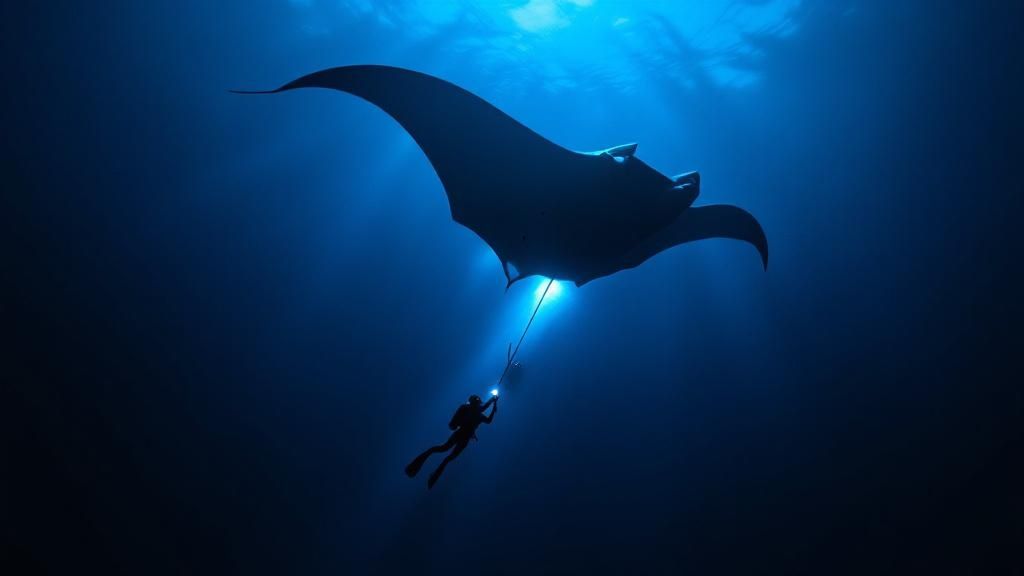
Picture this: You’re settled on the ocean floor after sunset. Colossal, silent shadows begin to materialize from the darkness, gliding inches above your head. This isn't CGI. It’s the nightly reality of what makes the Big Island a global destination for divers and snorkelers, offering a thrilling and profoundly moving encounter with these gentle giants.
So, how does this magic happen? After dark, dive operators set up powerful lights on the seafloor. These lights act like a massive bug zapper, attracting huge clouds of plankton—the mantas' favorite food. The rays, intelligent creatures of habit, have figured out that these lights mean a reliable, all-you-can-eat buffet. They show up night after night, performing an underwater ballet of barrel rolls as they feast.
A Reliable Ecotourism Marvel
This nightly spectacle is no fluke. It’s a direct result of Kona’s unique marine ecosystem and decades of responsible ecotourism. The consistent presence of these majestic animals has made this one of the most dependable wildlife encounters in the world.
The manta ray experience in Kona has become one of the planet's most celebrated ecotourism activities, drawing approximately 80,000 people to participate in night snorkel and dive tours each year.
The sheer number of visitors speaks volumes about its global appeal and its importance to our local community. At the primary dive sites, the success rate for seeing mantas often tops 90%, making it an incredibly reliable adventure. You can get more background on why the Kona manta phenomenon is so unique on mantaraynightsnorkelhawaii.com.
For anyone looking to book this incredible trip, Kona Honu Divers is a premier operator known for their commitment to safety, education, and the well-being of the mantas. The crew's experience and passion shine through, ensuring every person has a safe and completely awe-inspiring time in the water.
Whether you're a veteran diver with hundreds of log entries or a first-time snorkeler, the Kona manta ray dive tour gives you a front-row seat to one of nature's greatest performances. It’s an experience that connects you to the ocean in a way few things can, leaving you with stories you'll be telling for a lifetime.
Understanding the Kona Manta Ray Phenomenon
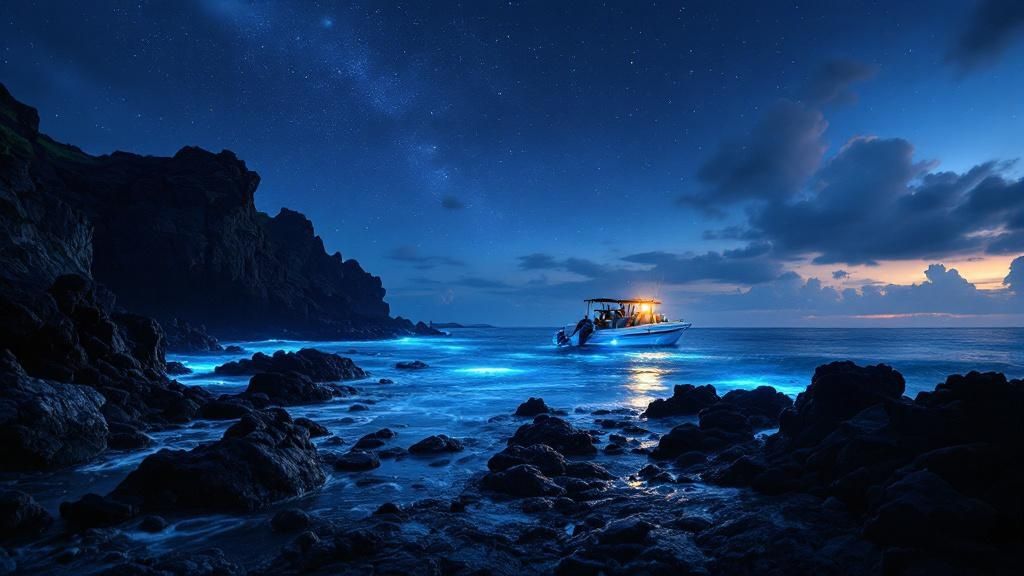
The nightly gathering of manta rays in Kona isn't just some happy accident. It’s a beautifully simple relationship between basic biology and smart animals. The waters right off the Kona coast are basically a giant, all-you-can-eat buffet, thanks to nutrient-rich upwellings that fuel huge blooms of zooplankton.
For the manta rays that live here, this plankton is a five-star meal. Decades ago, someone at one of the coastal hotels had the bright idea to shine lights into the water at night. This attracted the plankton, and the remarkably intelligent mantas quickly figured out that light meant an easy dinner. Today, we simply recreate that same effect, setting up a reliable "campfire" of light that draws in the plankton and, right behind them, the mantas.
Gentle Giants of the Sea
Don't let their size fool you. With wingspans that can stretch over 15 feet, manta rays are incredibly gentle filter-feeders. We often call them the "butterflies of the sea" for the way they move so gracefully through the water. They are also shockingly smart, boasting the largest brain-to-body size ratio of any fish, which explains their curious nature and complex social behaviors.
During your manta ray dive in Kona, you'll get a front-row seat to their primary feeding method: the barrel roll. They glide right through the beams of light with their mouths wide open, doing these slow, looping somersaults to scoop up as much plankton as possible. It’s a silent, hypnotic ballet that happens just inches from your mask.
Identifying Kona's Manta Rays
Believe it or not, there are two different manta ray species that call Kona home. If you look closely, you can learn to tell them apart.
- Reef Manta Ray (Mobula alfredi): This is the species you'll see most often. They're a bit smaller and have dark shading on their backs that forms a distinct "Y" shape.
- Giant Oceanic Manta Ray (Mobula birostris): Seeing one of these is a rare treat. They are the largest rays in the world and have a darker "T" shape on their back, plus a noticeable bump right at the base of their tail.
The coolest part? Researchers and local divemasters know many of these mantas by name. Each manta ray has a unique pattern of black spots on its belly, which works just like a human fingerprint and lets us tell them apart.
This incredible citizen science effort has been going on for decades, creating one of the most detailed records of a wild manta ray population anywhere on Earth. Since 1991, individual mantas have been tracked and cataloged, giving us amazing insight into their lives. The database now includes over 330 unique individuals, with some local celebrities like "Big Bertha" being sighted for decades. You can even check out the catalog of named mantas yourself at mantarays.info.
Beyond the Manta Ballet
For certified divers, the thrill doesn't have to stop with the mantas. Those same dark, deep waters also set the stage for one of the most unique dives on the planet. The Kona blackwater dive takes you offshore to witness the largest vertical migration of life on Earth, as bizarre and beautiful deep-sea creatures rise toward the surface under the cover of darkness.
Learn more about the Big Island manta ray night dive and see why it’s a true bucket-list experience for any diver.
Choosing Your Manta Dive Site
When you're planning your manta ray dive in Kona, one of the first questions you'll face is where to go. Not all manta sites are the same; each has a completely different vibe and delivers a unique experience. The two world-famous locations are known affectionately as Manta Village and Manta Heaven.
It helps to think of it like picking a concert venue. Are you looking for a cozy, intimate amphitheater where you can sit back and watch the show unfold? Or do you prefer a massive stadium where you're right in the thick of the action? Your answer will point you to the perfect spot for your adventure.
Manta Village: The Calm Amphitheater
Located south of Kailua-Kona in the protected waters of Keauhou Bay, Manta Village is what we consider the most reliable and accessible site. We call it the "amphitheater" of manta diving for good reason.
The whole experience here is built around comfort and ease. Divers settle onto the sandy bottom at a pretty shallow depth, usually around 25-35 feet. This calm, sheltered spot is perfect for first-time night divers, anyone who hasn't been in the water for a while, or divers who might be a little nervous. The gentle conditions also make it a fantastic choice for families and snorkelers.
Manta Heaven: The Adventurous Front Row
For those with a few more dives under their weight belt, Manta Heaven (also known as Garden Eel Cove) serves up a more dynamic, adventurous encounter. You'll find this site north of town near the airport, in a more exposed, open-ocean setting.
The dive profile is a bit deeper, typically between 35-50 feet, and the conditions can sometimes bring stronger currents. This is where confident, experienced divers and underwater photographers thrive, getting those dramatic, up-close shots as the mantas swoop and barrel-roll through the beams of light.
While both sites offer incredible sightings, Manta Heaven can sometimes attract a larger group of rays, creating an absolutely breathtaking spectacle. To time your trip perfectly, check out our guide on the best time of year to see manta rays in Kona.
Manta Village vs. Manta Heaven at a Glance
To make the choice a little easier, we've put together a direct comparison of the two main sites for your manta ray dive in Kona. This table breaks down the key differences to help you decide which adventure is right for you.
| Feature | Manta Village (Keauhou Bay) | Manta Heaven (Garden Eel Cove) |
|---|---|---|
| Location | South of Kona, in Keauhou Bay | North of Kona, near the Airport |
| Typical Depth | 25-35 feet (Shallow) | 35-50 feet (Deeper) |
| Conditions | Generally calm, protected bay | Can have stronger currents, more open ocean |
| Best For | Beginners, snorkelers, first-time night divers | Experienced divers, underwater photographers |
| Bottom Type | Sand bottom | Rubble and sand |
| The Experience | Amphitheater-style viewing as mantas glide overhead | Dynamic, up-close encounters |
At the end of the day, there’s truly no wrong choice. Both locations offer an incredibly high chance of an unforgettable, world-class encounter. Your decision really comes down to your personal comfort, your certification level, and the kind of underwater adventure you're dreaming of.
How to Prepare for Your Manta Adventure
There's a secret to turning a great manta ray dive in Kona into the experience of a lifetime: a little bit of prep work. When you know what to expect and have the right things with you, you can relax and focus completely on the mind-blowing spectacle happening right in front of your mask.
Think of it like getting ready for a big performance. You wouldn't just walk on stage cold. The same goes for stepping onto the dive boat. A little planning goes a seriously long way in making sure you’re comfortable, confident, and ready for the main event.
Gear and Certification Essentials
First things first, let's talk about what you need to have and what's provided. While a professional operator like Kona Honu Divers will handle most of the heavy lifting, there are a few things you need to sort out.
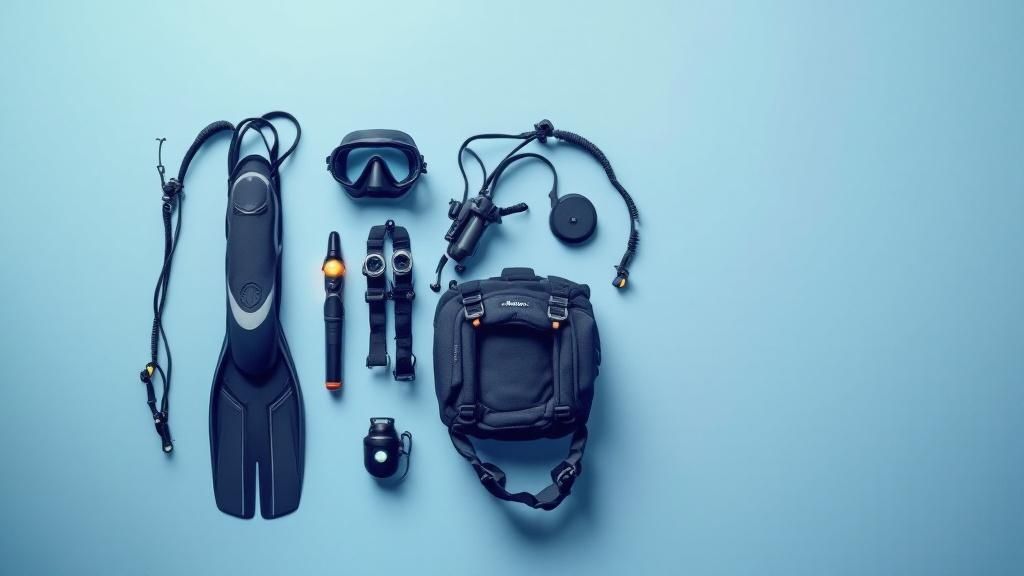
- For Divers: You absolutely must have a valid Open Water Diver certification. No advanced certs are needed, but you have to be comfortable with the fundamentals. The dive shop will provide all the essential scuba gear—tanks, weights, BCD, and regulators.
- For Snorkelers: No certification necessary! If you can float and are comfortable in the water, you're good to go. You'll get a mask, snorkel, fins, and a wetsuit to keep you warm.
- Personal Items: If you wear glasses, getting a prescription mask is a game-changer. Standard masks are provided, but seeing the mantas with perfect clarity makes the whole thing that much more incredible.
Most quality tours provide excellent, well-maintained equipment. But if you have your own gear that fits you perfectly and you love diving with it, you're typically welcome to bring it. Just give your chosen operator a heads-up beforehand. You can get a great feel for the entire flow by reading about what it's like to go on the manta ray dive in Kona.
Understanding the Two-Tank Dive Format
Nearly all manta dive charters run on a standard two-tank format. This is brilliant because it gives you two completely different, equally amazing underwater experiences in a single trip.
The adventure kicks off in the late afternoon with a beautiful twilight reef dive. This is the "magic hour" when the reef starts to shift from its daytime patterns to its nighttime activity. You'll explore stunning coral gardens and see marine life that's just starting to come out as the sun goes down. This first dive is the perfect warm-up, letting you get your weighting right and just get comfortable in the water.
After surfacing, you'll have your surface interval on the boat as twilight fades to black. This is when the crew works their magic, setting up the powerful underwater lights that create the "campfire." This light attracts the plankton, which is like ringing the dinner bell for the mantas.
Then, it's time to gear up for round two: the main show. You'll descend into the dark and find your spot on the sandy bottom to witness the famous manta ballet. This two-part structure makes the whole evening feel like a complete, unforgettable adventure.
Tips for Physical and Mental Comfort
Feeling good physically and mentally is key to soaking it all in. The boat ride out, though usually short, is on the open ocean. If you have even the slightest tendency toward motion sickness, take your medication before you step on the boat. Trust us on this one.
Staying hydrated and having a little something in your stomach helps, too. Eat a light meal a few hours before the trip, but maybe skip the greasy burger and fries. Most boats have snacks and water for your surface interval, which is perfect.
Finally, pay close attention to the safety briefing. These crew members live and breathe this dive. They know the site, the conditions, and the mantas like the back of their hand. Following their lead is the surest way to have a safe, respectful, and absolutely incredible encounter. A few simple steps are all it takes to prepare for one of the best nights of your life.
Safety and Responsible Manta Interaction
Taking part in the manta ray dive in Kona is so much more than just a cool adventure; it’s a privilege, and one that comes with a big responsibility. The future of this nightly underwater ballet rests entirely on us—how we behave and interact with these gentle giants. The whole experience is built around one guiding principle: passive interaction. It’s a simple idea designed to protect the mantas and make sure they keep visiting us for years to come.
This all boils down to one simple, unbreakable rule: do not touch the manta rays. Ever. Their skin has a delicate, slimy mucus layer that’s their primary defense against nasty bacteria and infections. When people touch, chase, or try to "ride" a manta, it strips off that protective coat and leaves the animal vulnerable. Our job is to be respectful guests in their home, not active participants.
The Campfire Viewing Model
To make sure the mantas feel safe and can feed without stress, the local operators have perfected what we call the "campfire" viewing method. It’s a brilliant setup. After the sun goes down, powerful lights are set up on the ocean floor, all pointing straight up. These lights attract massive clouds of plankton, creating a concentrated, irresistible buffet for the mantas.
This approach works beautifully for two reasons:
- It’s a dinner bell: The mantas know exactly where to find an easy meal, which is why the sightings are so incredibly reliable.
- It creates a natural boundary: All of us—divers and snorkelers—stay just outside this "campfire" of light, giving the mantas plenty of room to swoop, glide, and feed without bumping into us.
This method minimizes our footprint and lets the mantas approach on their own terms. It’s what leads to those breathtakingly close encounters that feel truly magical, all while keeping the mantas safe. To keep the entire marine ecosystem healthy for these amazing creatures, it’s also a great idea to brush up on some basic marine environmental protection tips.
Rules of Engagement for Divers and Snorkelers
The guidelines are simple but absolutely critical. They’re a little different depending on whether you’re diving or snorkeling, but the goal is the same: stay passive and let the show come to you.
For Divers:
Your job is to become part of the scenery. You'll descend with your guide and find a spot to settle on the sandy bottom. By staying still and low, you keep the water column above you wide open for the mantas to maneuver. This is key—it makes them feel secure.
For Snorkelers:
You'll be on the surface, holding onto a custom-made light board. These are big, stable floats with lights that shine down, drawing plankton up toward you. Just hold on, keep your face in the water, and watch the action unfold below. One major rule: absolutely no free-diving down toward the mantas. It can spook them and disrupt their feeding.
Following these guidelines isn’t just about a list of rules; it’s about respect. When we all stick to the passive interaction model, we’re showing the mantas that we aren’t a threat. That’s precisely why they feel comfortable enough to return to these spots, night after night.
Understanding the "why" behind the rules helps everyone appreciate the delicate balance we're part of. You can learn more about why the manta ray dive is a must-do experience and how responsible tourism keeps it going.
Your Manta Ray Dive Questions Answered
You’ve learned all about the science, the sites, and how we keep everyone safe, but I bet you still have a few questions swimming around in your head. That’s completely normal. Planning a trip to meet 12-foot gentle giants in the dark ocean is a special kind of adventure, and it’s smart to have all the details sorted out.
This final section is where we tackle all the common questions we get from divers and snorkelers just like you. Getting clear, straightforward answers helps you plan with confidence and puts your focus right where it should be—on the incredible experience waiting for you.
Let's get into it.
When Is the Best Time of Year for the Manta Ray Dive?
This is easily one of our most asked questions, and the answer is fantastic news for anyone planning a trip: the manta ray dive in Kona is a spectacular, year-round event! Our manta rays are residents; they don’t migrate, which means they show up for their plankton dinner in every season. The sighting success rate consistently stays above a whopping 90%, no matter what month you visit.
That said, if you're chasing those picture-perfect, flat-calm ocean conditions, many of us locals would point you toward late spring and early fall, roughly from April to October. During these months, the water is typically warmer and the seas are calmer, which just makes for an even more comfortable time on the boat and in the water. We also tend to see denser plankton blooms then, which can sometimes draw in even bigger groups of mantas.
But don't count out a winter trip! While the open ocean can get bigger swells, our primary dive sites are nicely protected in bays. An expert crew knows exactly how to read the conditions to ensure a safe and amazing trip. We've seen just as many mantas in December as we have in July.
Is the Manta Ray Dive Safe for Beginners and Non-Swimmers?
Absolutely. The entire encounter is meticulously designed from the ground up to be safe and accessible for a huge range of comfort and skill levels. It's truly a perfect activity for the whole family.
Here’s how it works for everyone:
- For Divers: You’ll need to be a certified Open Water diver, but no advanced certifications are necessary. This is a highly controlled and stationary dive. You'll simply find a spot on the sandy bottom, get comfortable, and watch the show unfold above you. It's widely considered one of the easiest and most rewarding night dives you can possibly do. Check out the latest diving tours on the Big Island to find the right one for you.
- For Snorkelers: You don’t even need to be a strong swimmer. We’ll get you geared up in a high-quality wetsuit that provides a ton of buoyancy, helping you float effortlessly. You just hold onto a large, custom-built light board that floats on the surface. Your only job is to relax, keep your face in the water, and enjoy the show.
For both activities, our professional crew gives a comprehensive safety briefing before you even touch the water, and our guides are with you the entire time. Their presence makes sure everyone feels secure, allowing you to fully immerse yourself in the magic of the mantas.
What Happens If We Don't See Any Manta Rays?
While sightings are incredibly consistent, it’s important to remember that these are wild animals in their natural habitat. Their appearance can never be 100% guaranteed. Nature is wonderfully unpredictable, and on very rare occasions, the mantas simply decide to dine somewhere else for the night.
Reputable tour operators get this, and they stand by the quality of their experience. The best companies, including Kona Honu Divers, offer a "manta guarantee."
This policy is a huge vote of confidence in just how reliable the sightings are. It typically means that if your tour doesn't see any manta rays, you're invited to come back on another night for free, usually on a standby basis. It’s a great bit of peace of mind that significantly boosts your chances of having that once-in-a-lifetime encounter. Just be sure to check the operator's specific policy when you book.
Can I Take Photos or Videos During the Dive?
Yes, and you'll definitely want to! Capturing the graceful, silent ballet of the manta rays is part of the fun. However, we have some crucial guidelines in place to protect these amazing animals.
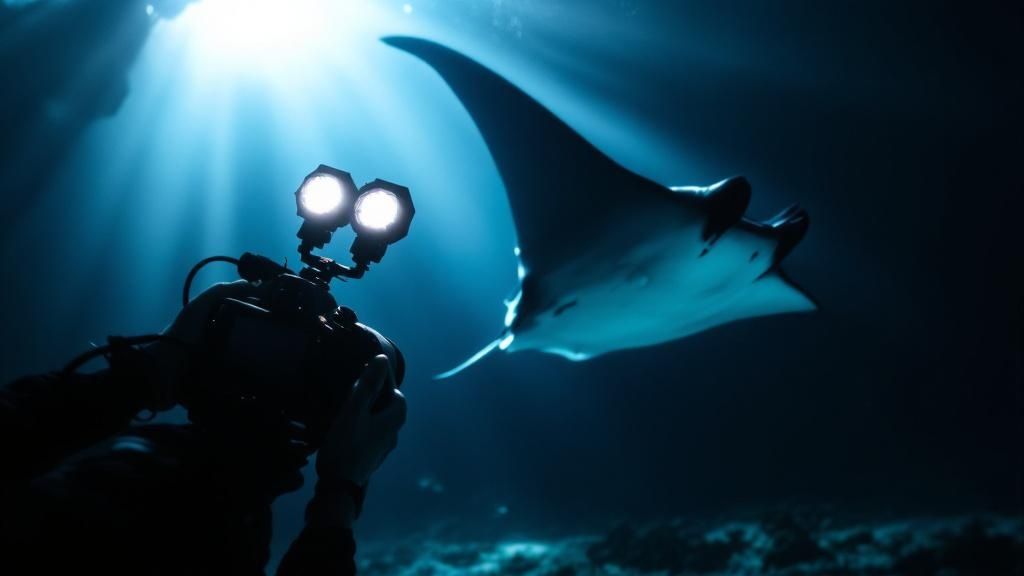
The most important rule is no external camera strobes or flashes. The sudden, bright bursts of light from a traditional camera flash can startle the mantas and even harm their sensitive eyes. To ensure their comfort and safety, this is a strict no-go.
Video lights, on the other hand, are generally just fine because they provide a constant, steady beam of light that doesn't shock the animals. A modern action camera paired with a good video light can get you some absolutely stunning results. If you don't have your own gear, don't worry—many tours have a professional videographer on board to capture the whole experience. You can often purchase a high-quality video of your specific dive, ensuring you go home with incredible memories to share.
What Should I Do If a Manta Touches Me?
This is a fantastic question that gets right to the heart of our passive interaction rule. The guideline is crystal clear: you should never intentionally touch a manta ray. But the mantas themselves haven't read the rulebook.
These are curious and intelligent animals, and in their graceful hunt for plankton, they often glide within inches of you. Sometimes, a manta might misjudge its path and gently brush against you with a wingtip. If this happens, the most important thing to do is stay calm and remain perfectly still. Don't flinch, push it away, or try to grab it. Just freeze and let it pass. By remaining motionless, you're signaling to the manta that you're not a threat, and it will just continue on its way. For many people, this unexpected, gentle contact becomes the highlight of their trip—a true testament to how comfortable the mantas are with our presence.
For a deeper dive into the specifics of this amazing adventure, you can explore our complete guide to the Kona Manta Ray Night Dive.