
Picture this: you descend into the dark, quiet ocean as the last bit of sunlight fades from the surface. Then, a silent, graceful giant glides into the beam of your light, performing an underwater ballet just for you. This is the magic of the manta ray dive in Kona, an experience so consistently incredible it’s earned its reputation as one of the best night dives in the world.
The Unforgettable Kona Manta Ray Experience
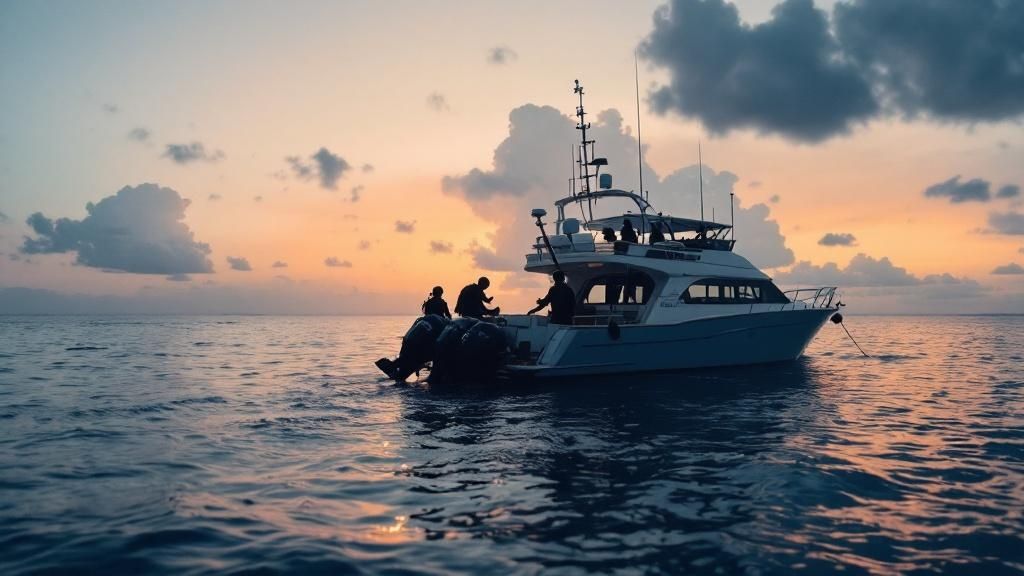
There are very few underwater encounters that can genuinely be called life-changing, but the manta ray night dive in Kona absolutely qualifies. This isn't like catching a quick glimpse of a manta at a cleaning station somewhere else in the world. Here, you get a front-row seat to their nightly feeding frenzy. It's a full-on spectacle.
The whole encounter is built on a brilliantly simple idea. Dive operators shine powerful lights into the water, which act like a magnet for plankton—the mantas' favorite meal. What happens next is nothing short of mesmerizing. The rays swoop in, gliding effortlessly and performing barrel rolls to scoop up the dense clouds of food, sometimes passing just inches away from you.
So, Why is Kona the World's Best Manta Destination?
It turns out the Big Island’s Kona Coast is perfectly set up for these encounters. The local currents are rich with nutrients, creating a reliable buffet for a large, resident population of reef mantas (Mobula alfredi). This unique ecological setup is exactly what makes the manta ray dive in Kona so dependable night after night.
The numbers don't lie. This adventure brings in roughly 80,000 visitors to the island every year. At the go-to sites like "Manta Village" and "Manta Heaven," the sighting rates are astoundingly high, with a yearly success rate of 80-90%. That makes it one of the most reliable wildlife encounters you can find anywhere on the planet. You can dive deeper into the science behind Kona's manta phenomena and its thriving ecotourism on Manta Ray Night Snorkel Hawaii.
For anyone ready to witness this incredible ballet, Kona Honu Divers offers an exceptional manta ray dive tour that’s perfect for both certified divers and snorkelers. Their crew is fantastic, and they prioritize a safe, respectful, and truly memorable experience—just ask their guests.
Whether you’re a veteran diver with hundreds of log entries or you've never even put on a snorkel mask, this is an adventure for everyone. It’s so much more than just a dive; it’s a chance to have an intimate, humbling connection with one of the ocean's most majestic creatures.
Where To Go: Finding Your Perfect Kona Manta Ray Dive Site
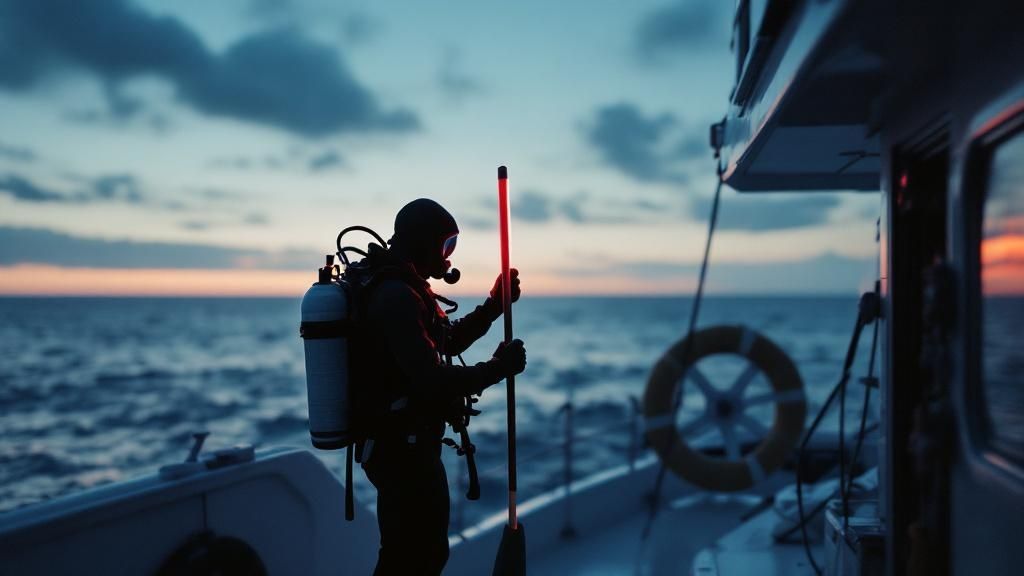
When you're planning a manta ray dive in Kona, you'll quickly realize you have a couple of fantastic choices. The Kona coast is home to two world-famous spots where these gentle giants gather, and each offers a unique flavor of adventure. Picking the right one is all about matching the site to your dive experience and what you’re hoping to see.
The two primary locations are lovingly called "Manta Village" and "Manta Heaven." Think of them as two different theaters putting on the same breathtaking show. One is a calm, protected bay perfect for a relaxed, intimate viewing. The other is a more dynamic, open-water stage that can feel a bit wilder. Understanding the key differences will help you book the perfect front-row seat.
Manta Village: The Original Classic
Just off the coast of Keauhou Bay, south of the main town, you'll find Manta Village. This is where it all started—the original site for the manta ray night dive. Its biggest draws are its shallow depth, usually around 25-35 feet, and its sheltered location, which keeps the water consistently calm.
This setup makes Manta Village the go-to spot for a few different kinds of adventurers:
- First-Time Night Divers: The mellow, shallow conditions are far less intimidating if you've never been underwater in the dark before.
- Beginner Divers: Recently certified? Or just prefer a totally chill dive? This is your place.
- Families and Snorkelers: The gentle surface is perfect for snorkelers, who get an incredible bird's-eye view of the action below.
At Manta Village, divers gather on the sandy bottom in a semi-circle, shining their lights up to create a "campfire." This light attracts plankton, and the mantas swoop in to feed, often performing the graceful barrel rolls this dive is famous for. It's a serene and truly beautiful experience.
Manta Heaven: A Dynamic Encounter
A bit further north, near the Kona International Airport, is the site known as "Manta Heaven" (also called Garden Eel Cove). This spot is a little deeper, with the underwater campfire set up in about 35-45 feet of water. Because it's more exposed to the open ocean, it can sometimes have stronger currents.
This more dynamic environment is often a magnet for experienced divers and anyone looking for a slightly different kind of thrill.
The currents at Manta Heaven, while still manageable, can bring in massive clouds of plankton. This often results in a higher number of mantas gathering for a feeding frenzy, creating an electric atmosphere full of action.
Underwater photographers often lean towards Manta Heaven. The potential for more mantas making big, sweeping passes creates incredible opportunities for both photos and video. If you're a seasoned diver who is comfortable in the water, this site delivers a high-energy version of the manta ballet.
Manta Village vs. Manta Heaven: A Quick Comparison
So, which one is right for you? Both sites offer an unforgettable night with Kona's famous residents, but they cater to slightly different comfort levels and expectations. This quick table breaks down the main differences to help you decide.
| Feature | Manta Village (Keauhou Bay) | Manta Heaven (Kona Airport) |
|---|---|---|
| Depth | Shallow (25-35 ft) | Deeper (35-45 ft) |
| Conditions | Very calm, protected bay | Can have currents, more exposed |
| Best For | Beginners, first-time night divers, snorkelers | Experienced divers, photographers |
| Vibe | Serene, classic, predictable | Dynamic, high-energy, wilder |
| Manta Behavior | Graceful barrel rolls, close passes | Sweeping glides, feeding frenzies |
Ultimately, there's no "wrong" choice here—only the one that fits you best. The Manta Village experience is classic and calming, while Manta Heaven provides a dose of adrenaline with its dynamic conditions. You can find more details about these incredible Kona locations on the Kona Honu Divers' blog.
No matter which location you end up at, we’re here to ensure a professional and unforgettable adventure. We always choose the best site based on the day's conditions to maximize your chances of a magical encounter.
Ready to book your seat for the show?
How To Prepare For Your Manta Adventure
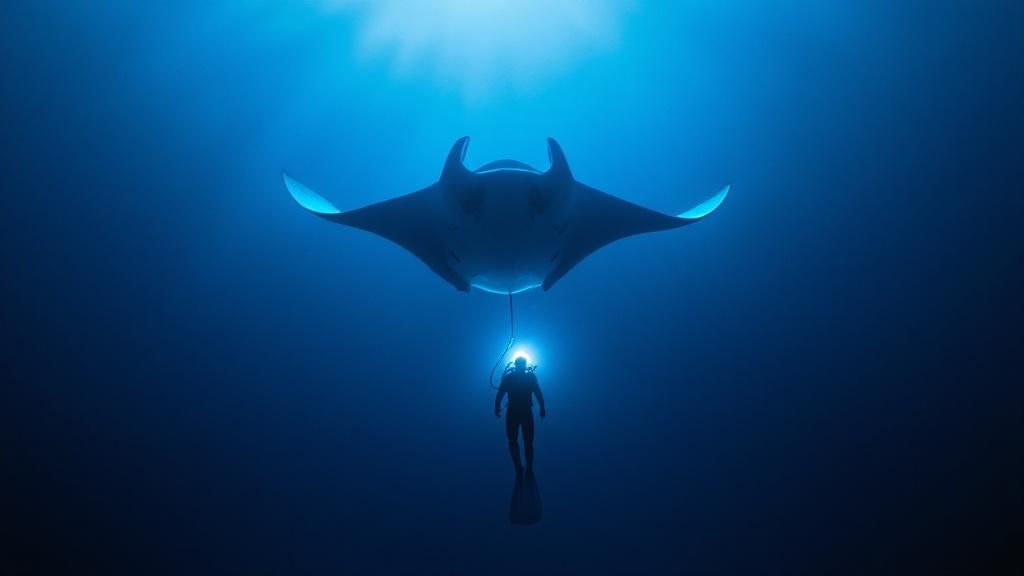
An unforgettable manta ray dive in Kona starts well before you ever hit the water. Honestly, your preparation is what turns a good dive into a truly mind-blowing one. Getting a few things sorted out beforehand means you can be fully present for the main event, without any distractions.
It's just as much about your mindset as it is about your gear. When you know what to expect, what to bring, and why the briefing is so important, you're setting yourself up for a smooth, stress-free adventure. So, let's walk through the ultimate pre-dive checklist to get you ready.
What To Pack For Your Dive
While the dive boat will have all the big-ticket scuba or snorkel gear, bringing a few personal items can make a world of difference in your comfort. Think of it as your personal go-bag for an evening on the water.
Here’s what I always recommend packing:
- A Towel: A small, quick-drying travel towel is perfect.
- Something Warm: It might be tropical Hawaii, but that boat ride back to the harbor at night can get surprisingly chilly once you're out of the water. A hoodie or windbreaker is a lifesaver.
- Reef-Safe Sunscreen: If you’re doing a two-tank charter that includes a late afternoon dive before the main event, you'll want sun protection that won't harm Kona's delicate reefs.
- Dry Clothes: Trust me, changing into something dry and comfortable for the ride home is a game-changer.
- Motion Sickness Meds: If you even think you might get seasick, take your preferred medication ahead of time. The last thing you want is for a rocky boat to ruin this incredible experience.
Tossing these few things in a bag ensures you're comfortable from start to finish. If you’re still on the fence about the whole thing, you can read more about why you should go on a manta ray dive in Kona.
Gear Provided Versus Personal Items
One of the best parts about booking with a professional operator is that they handle all the heavy lifting. No need to lug your own tanks or weights across the ocean.
Your tour operator provides all the necessary, well-maintained life-support equipment. This includes your buoyancy control device (BCD), regulator, mask, fins, wetsuit, and of course, your tank. Snorkelers are also fully kitted out with a mask, snorkel, fins, and a wetsuit top.
That being said, a lot of seasoned divers prefer to bring their own "soft gear." This usually means their personal mask that fits just right, their dive computer, and sometimes their fins. Bringing your own mask is a fantastic idea for anyone—a good, leak-free seal makes a dive so much more enjoyable. And, of course, don't forget your camera!
The Importance Of The Pre-Dive Briefing
This might be the single most critical part of your preparation, and it happens right on the boat. The pre-dive briefing is not just a formality; it’s your roadmap to a safe and amazing dive. Your divemaster will cover absolutely everything you need to know.
Pay close attention here. You’ll learn the dive plan, safety protocols, and exactly how to position yourself in the water. More importantly, you'll learn the "manta etiquette"—the rules of engagement that keep both you and these gentle giants safe. Understanding your role helps create the best possible show, allowing the mantas to swoop in and feed completely undisturbed. This is your chance to ask any lingering questions before you take the plunge.
Diving With Mantas Responsibly
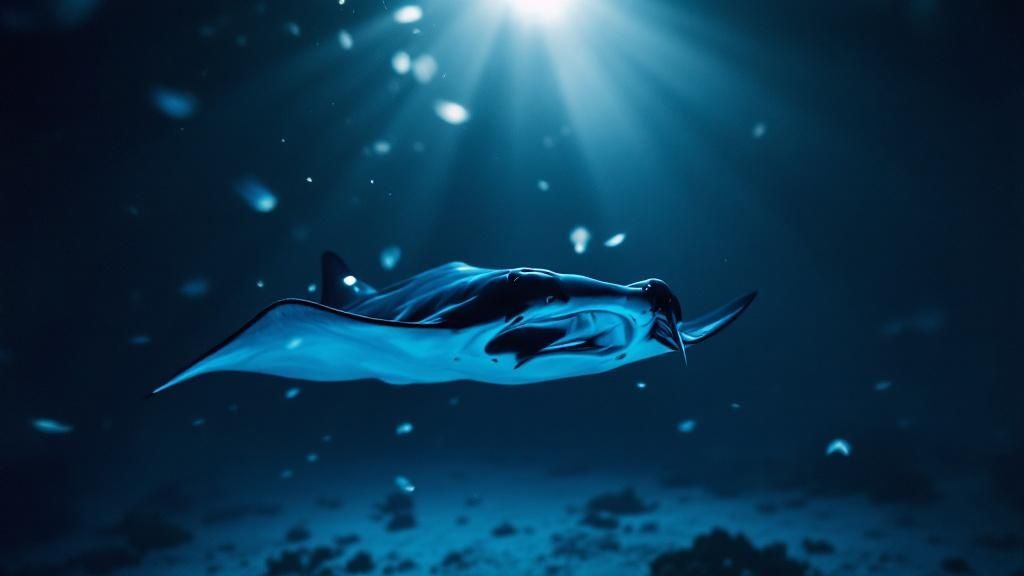
Watching the incredible underwater ballet during a manta ray dive in Kona is a privilege, plain and simple. We're being invited into their world, and with that comes a massive responsibility to protect them. The entire experience hinges on one core principle: passive observation. We're just guests in their underwater dining room.
This is about more than just following a checklist of rules; it's about being mindful of our impact. When you choose a reputable operator, you're not just a tourist—you become part of a community that’s committed to keeping this magical encounter around for future generations. The guidelines are simple, but following them is what ensures the long-term health of Kona's resident manta population.
The Golden Rule: No Touching Ever
If there's only one thing you remember from your pre-dive briefing, make it this: you must never, ever touch a manta ray. This is the absolute, non-negotiable golden rule. It can be incredibly tempting when a 1,000-pound animal glides inches over your head, but even a gentle touch can cause serious harm.
Manta rays have a delicate, slimy mucous coating covering their entire body. Think of it as their skin's immune system, their first line of defense against nasty bacteria and parasites in the ocean. When we touch them, our hands strip away that protective layer, leaving them vulnerable to infections that can be life-threatening.
The real magic of the Kona manta ray dive happens when you let the animals control the interaction. By staying still and calm, you signal that you aren't a threat. This allows them to feel safe enough to come incredibly close on their own terms, giving you those breathtaking fly-bys without any need for physical contact.
Sticking to this one rule is the single most important thing you can do for their well-being. It guarantees the encounter is a positive one for the mantas, encouraging them to keep coming back night after night.
Mastering Manta Etiquette
Beyond the no-touching rule, there’s a bit of "manta etiquette" that helps create a calm, predictable environment for everyone. Your divemaster will go over this in detail, but it all boils down to your positioning and how you move in the water.
- For Divers: Your spot is on the sandy bottom. The job is simple: stay low, stay put, and don't go chasing the mantas up into the water column. This creates a clear, safe "stage" for them to do their thing.
- For Snorkelers: You'll be on the surface, holding onto a specially designed light board. The key is to avoid kicking or diving down. This keeps the space directly under the lights—the main attraction—clear for the mantas.
- Lights Point the Way: Divers are instructed to point their flashlights straight up toward the surface. The snorkelers' light boards shine down. This creates a concentrated column of light that attracts the plankton, forming the perfect feeding zone right in the middle.
- Avoid Sudden Movements: Any quick, jerky motions can easily startle a manta. Try to keep your movements slow and deliberate, especially when they get close. This builds trust and lets you witness their most natural behavior.
Your Dive Supports Manta Conservation
Here's the great part: your responsible dive does more than just protect the animals you see that night. It actually contributes to a much larger conservation effort. The regulated tourism here in Kona provides a powerful economic reason to protect the local manta population and their habitat. It also fuels some incredible long-term scientific research.
In fact, dedicated monitoring of Kona's mantas has been happening since at least 1991. Researchers can identify each manta by its unique belly spot pattern—it's like a human fingerprint. Over a 14-year period, this method has helped document nearly 6,000 encounters and over 28,500 individual sightings, creating a priceless library of data on their behavior and population. You can dive deeper into the numbers and see how this research helps on the Manta Ray Advocates website.
When you book a manta ray dive tour, you're directly funding the science and advocacy that keeps these magnificent creatures safe.
What Happens During Your Manta Dive
The energy on the boat is palpable. As you cruise out from the harbor, the sun melts into the Pacific, setting the sky ablaze in fiery oranges and deep purples. Your crew has already walked you through a detailed and engaging briefing, so you know the plan. All that's left is the anticipation of what's to come.
The boat's engine goes quiet, and a sense of calm settles over everyone as you anchor at the site. Darkness has fallen, pierced only by the boat's lights and the distant twinkle of the shoreline. This is it. With a gentle splash, you back-roll into the warm, inky water. For a few seconds, it’s just you, floating in the quiet embrace of the ocean at night.
The Descent To The Campfire
If you're diving, your adventure begins with a slow, controlled descent. You'll follow your divemaster down into the deep blue, heading for the sandy bottom about 35 to 40 feet below. As the seafloor takes shape, a strange and wonderful glow appears—a circle of powerful lights pointing straight up from the sand. This is the famous manta "campfire."
You and the other divers find your designated spots on the sand, arranging yourselves in a ring around the lights. You’ll remember the briefing: get settled, stay put, and aim your own dive light up toward the surface. Once in position, you're now part of a beacon in the vast darkness, creating an irresistible invitation for the gentle giants of the sea.
The Snorkeler's Bird’s-Eye View
Meanwhile, the snorkelers on the surface are getting their own incredible show. They hold onto a large, custom-made flotation board equipped with its own set of powerful lights shining down. This creates a brilliant column of light that attracts the plankton manta rays love to eat.
Think of it as a "plankton sandwich"—with snorkelers' lights from above and divers' lights from below. Floating comfortably with their masks in the water, snorkelers get a breathtaking panoramic view of the entire spectacle. They can see the divers below and the wide-open stage where the main event is about to unfold. To get a better feel for both experiences, you can read our firsthand account of the manta ray dive.
The Grand Entrance
And then, it begins. A ghost-like shape materializes from the darkness. A massive, shadowy figure glides into the light with an elegance that defies its size. The first manta ray has arrived. You can almost feel the collective, silent awe ripple through the group as this magnificent creature, with a wingspan that can stretch up to 18 feet, makes its first pass.
Before you know it, another appears, and then another. They swoop and soar through the beams of light, performing graceful, acrobatic barrel rolls to gulp down the rich plankton soup. Their movements are pure ballet, a mesmerizing dance happening just inches from your face. They are the conductors of this underwater symphony, and you have a front-row seat.
The experience is profoundly humbling. You are a guest in their world, a silent witness to a natural feeding behavior that's been happening here for decades. The divemasters are nearby but discreet, making sure everyone remains in place so the mantas can move freely and safely.
It’s impossible to truly grasp the sheer scale and grace of these animals until you see them for yourself. As they glide right over your head, their white bellies are lit up, revealing the unique spot patterns that act like fingerprints for researchers. It's an intimate, powerful, and utterly magical encounter that you will never forget.
Exploring Other Incredible Kona Dives
While the manta ray night dive is a truly unforgettable experience, it’s really just the opening act for what Kona’s underwater world has to offer. The same dramatic volcanic coastline that creates the perfect manta habitat also sculpts an incredible playground for divers. Trust me, once you've seen the manta ballet, you'll be itching to get back in the water to see what else is out there.
Kona’s diving scene is incredibly diverse. The ancient lava flows have formed a spectacular underwater landscape filled with canyons, swim-through archways, and winding lava tubes. By day, these sites come alive with vibrant coral gardens packed with Hawaiian marine life you won't find anywhere else—from huge schools of colorful butterflyfish to gentle honu (green sea turtles) and cleverly hidden octopus.
The Thrill of a Kona Blackwater Dive
If you're a certified diver looking for a completely different kind of adventure after dark, you have to try a Kona blackwater dive. This is nothing like a typical reef dive. You'll find yourself drifting in the deep, open ocean, miles from shore, tethered to the boat as the abyss rises to meet you.
This is where you see the truly weird and wonderful. Bioluminescent creatures, many in their larval stage, migrate toward the surface every night, creating a living light show. You'll encounter life that looks like it belongs on another planet—strange, translucent fish, otherworldly jellyfish, and shimmering squid. It definitely requires being comfortable in the dark and having solid buoyancy, but the payoff is witnessing a part of the ocean few will ever see. For a safe and mind-blowing trip into this alien world, check out the guided Kona blackwater dive tour offered by Kona Honu Divers.
Advanced and Daytime Diving Adventures
Have a few more dives under your belt? Kona has some deeper, more challenging sites that will absolutely thrill experienced divers. Advanced dive charters can take you to remote pinnacles and breathtaking wall dives where you have a better chance of spotting larger pelagic species like sharks and rays. These trips are designed for divers who are confident and ready to see Kona’s wilder side.
Of course, you don’t have to go deep to have an amazing time. The sun-drenched reefs offer fantastic dives for all skill levels. And if you’re looking for a great day on the surface, you can't go wrong with a fantastic Captain Cook Snorkel Tour in Kona, which showcases one of the most pristine marine sanctuaries on the island.
From surreal night dives to vibrant reefs, Kona really is a complete diving destination. You can explore all the possibilities on our comprehensive diving tours page.
Common Questions About The Kona Manta Dive
Planning your trip to see the Kona mantas is exciting, but it's natural to have a few questions pop up. We get it. Having the right info beforehand means you can relax and just soak in the magic when you're here. Let's clear up some of the most common things people ask.
When Is The Best Time Of Year For The Manta Ray Dive?
The fantastic thing about the Kona manta dive is that you can do it any time of year. These aren't migratory animals; they live here, so the show goes on every single month.
That said, many experienced divers love the window from April through October. The water is usually a bit warmer and the seas are calmer, which can bring in more plankton. More plankton often means more mantas. But honestly, the sighting success rate is consistently high year-round, so you really can't go wrong.
Do I Need To Be A Certified Diver?
Absolutely not! This is probably the biggest misconception out there. You don't need a dive certification to have an incredible, up-close experience with the mantas. Great operators like Kona Honu Divers have options for both divers and snorkelers, so everyone can get a front-row seat.
If you're snorkeling, you'll hold onto a specially made, floating light board at the surface. These bright lights are like a dinner bell, attracting plankton and drawing the mantas right up to feed just below you. It's an amazing top-down view of the whole ballet.
The snorkel experience is every bit as spectacular as the dive. You get this unique bird's-eye view as the mantas barrel roll just inches beneath the surface. It’s unforgettable.
How Safe Is The Manta Ray Night Dive?
When you go with a professional, experienced crew, the manta ray dive in Kona is incredibly safe. Manta rays are called "gentle giants" for a good reason—they are completely harmless. They have no teeth, no barbs, and no stingers.
Your safety really comes down to listening to your guides and following the pre-dive briefing. They'll cover all the night diving procedures, where to position yourself, and how they manage the dive to keep everyone safe and comfortable. If you want to dig deeper into the specifics, you can explore our detailed guide on the Kona manta ray night dive.
Is It Okay To Touch The Manta Rays?
No. This is the golden rule, and it's non-negotiable: never touch the manta rays.
Think of a manta's skin as being covered in a very delicate, protective slime coat. This layer is their immune system, shielding them from nasty bacteria in the water. Touching them, even lightly, can wipe off this protection and leave them exposed to potentially deadly infections. The real magic happens when you stay still and let them come to you—they'll often glide within inches, making for a truly wild and responsible encounter.