
Picture this: you're sinking into the warm, dark embrace of the Pacific Ocean just off the Kona coast. The only thing piercing the blackness is the beam from your dive light. Then, out of the deep, a magnificent shape emerges. A giant manta ray, with a wingspan stretching up to 16 feet, glides effortlessly through the water, performing a graceful underwater ballet.
This isn't a rare, once-in-a-lifetime sighting. This is the world-famous Kona manta ray night dive, one of the most reliable and genuinely moving wildlife encounters you can find anywhere on Earth.
Experience the Magic of the Kona Manta Ray Night Dive
The Kona coast of the Big Island isn't just another beautiful dive destination; it's the undisputed global capital for this unique marine spectacle. While many wildlife tours hinge on luck and timing, the manta ray dive here is incredibly consistent. Here at Kona Honu Divers, we've spent years perfecting an approach that's both mind-blowing for our guests and completely safe for the mantas.
We call it the "underwater campfire." The concept is simple but brilliant. Divers settle in a circle on the sandy ocean floor, all pointing their dive lights up to create a massive column of light. This light acts like a magnet for plankton, the manta rays' favorite meal, essentially creating a concentrated buffet. Soon enough, the stars of the show arrive, swooping and barrel-rolling through the feast just inches above your head.
Why Is This Dive So Reliable?
The secret to Kona's success lies in its resident population of reef mantas (Mobula alfredi). These gentle giants are homebodies; they don't migrate far and tend to stick around the coastal waters where their food source is abundant. This incredible dependability has transformed the area into a world-class ecotourism hub.
Just how reliable is it? Let's look at the numbers.
- The manta ray dive and snorkel trips attract around 80,000 people every year.
- The success rate for sightings hovers between 80% and 90% year-round.
This isn't just a dive; it's a front-row seat to one of nature's most dazzling performances. The feeling of a massive, gentle creature gliding silently over you is something that stays with you forever.
To help you understand what makes this dive so special, here’s a quick breakdown of the key factors.
Why the Kona Manta Ray Dive is a Must-Do
| Factor | Why It Matters for Your Dive |
|---|---|
| Resident Manta Population | These mantas live here year-round, which means you have an extremely high chance of seeing them on any given night. |
| "Underwater Campfire" Method | By attracting plankton with light, we bring the mantas directly to you for a safe, up-close, and personal experience. |
| Ideal Bottom Topography | The sandy, amphitheater-like dive sites are perfect for divers to gather and watch the show from below. |
| Established Ecotourism | Decades of experience have led to standardized, safe practices that protect both the mantas and the divers. |
Simply put, the combination of biology and smart logistics makes for an unforgettable and highly dependable adventure.
Choosing a top-tier operator is the key to having a safe and memorable trip. To learn more about this incredible excursion, including the differences between diving and snorkeling, check out this guide to the Night Snorkel with Manta Rays Hawaii. At Kona Honu Divers, we're dedicated to providing an adventure you'll never forget. You can get more details in our complete guide to the manta ray night dive in Kailua-Kona.
Choosing Your Manta Ray Dive Site
When you're getting ready for your manta ray dive in Kona, one of the first things you'll realize is that you have a choice to make about where you'll be diving. It’s a bit like choosing between seeing a concert in a grand, historic theater versus a modern, intimate arena. Both put on an incredible show, but the vibe and experience are completely different.
The Kona coast boasts two world-class locations for this unforgettable experience. Here at Kona Honu Divers, our crew has spent countless nights at both sites. We know their every nook and cranny, which means we can pick the best spot based on ocean conditions and where the mantas have been most active, giving you a front-row seat to the magic.
Manta Village: The Classic Kona Experience
Often called the "original" manta dive site, Manta Village is tucked into Keauhou Bay, just south of Kailua-Kona. Its biggest claim to fame is its incredibly calm and protected conditions. This makes it a fantastic option for divers of all stripes, especially if you're newly certified or feeling a little nervous about your first night dive.
The dive itself is relatively shallow, usually around 25 to 35 feet (8-11 meters), which is great for extending your bottom time. The whole setup feels like a natural amphitheater built just for watching the mantas, offering a consistently reliable and comfortable show.
Manta Heaven: A Dynamic Deep-Water Stage
A bit further north, near the Kona airport, you'll find Manta Heaven, also known as Garden Eel Cove. This site serves up a slightly different flavor of manta encounter—one that's a bit more dynamic. The water is deeper, and it’s not uncommon to have a gentle current, which is why it's often a favorite among more seasoned divers looking for a bit more adventure.
The underwater landscape here is what makes it so special. It creates the perfect stage for the mantas to perform some truly breathtaking acrobatics. It’s pretty amazing that the Kona Coast is home to two premier sites like this, each offering a distinct experience. On an average night at either location, you can expect to see 8 to 12 mantas, which just goes to show how incredible and reliable this wildlife encounter really is. You can explore detailed information on Kona's manta dive locations to learn more.
At Kona Honu Divers, our job is more than just guiding you underwater. We’re your interpreters for the marine world, sharing insights into manta behavior and making sure you feel safe and comfortable from start to finish.
So, how do you choose? It really comes down to your own comfort level and what you want out of the dive.
- Choose Manta Village if: You're a new diver, you prefer exceptionally calm water, or you're diving with family members who have different levels of experience.
- Choose Manta Heaven if: You're a more experienced diver who is comfortable in deeper water with a potential for current, and you’re hoping for a more wild, thrilling encounter.
No matter which location we visit, the experience is pure magic. When you book your Kona manta ray dive adventure with a trusted operator like us, you can rest assured you’re in the best possible hands for this once-in-a-lifetime show.
Meeting Kona’s Famous Manta Rays
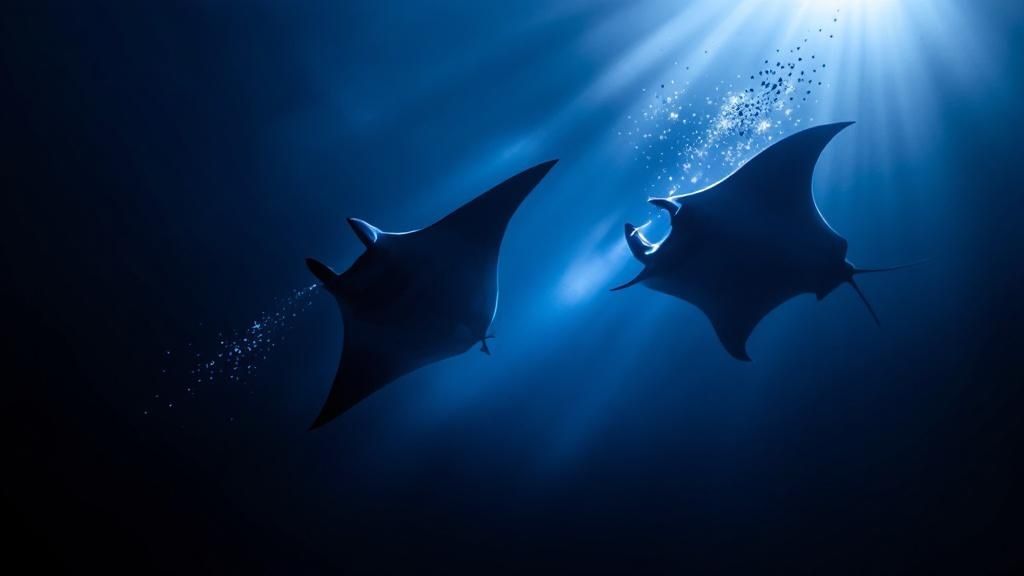
When you slip into the water for a manta ray dive in Kona, you're not just observing random marine life. You’re being introduced to the local celebrities. The massive, graceful creatures gliding inches above your head aren't just anonymous fish; most are well-known residents with names, personalities, and life stories we've followed for years.
This completely changes the experience from a simple wildlife encounter to something far more personal. Imagine your dive guide catching your eye underwater and pointing out "Big Bertha" with her incredible wingspan, or "Lefty," who is easy to spot thanks to a healed injury on his pectoral fin. All of a sudden, you're not just watching a manta ray; you're meeting a specific individual.
This amazing familiarity is the result of decades of dedication from local researchers and the dive community. It’s a beautiful mix of science and a genuine love for these animals that makes the Kona dive so special. For a deeper look, check out our post on why you should go on a manta ray dive in Kona.
How We Know Who Is Who
So, how on earth do we tell them apart in the dark? The secret is on their bellies. Every single manta ray has a unique pattern of black spots on its white underside. This pattern is as distinct as a human fingerprint and stays with them for their entire life.
Think of it like a personal constellation map—no two are ever the same. This natural "barcode" lets our guides and scientists photograph and identify each manta, allowing us to track their movements, health, and behavior over decades.
This identification method is the foundation of all manta ray research and conservation here in Hawaii. It has allowed organizations to build an incredibly detailed catalog of the local manta population, turning every single dive into an opportunity to gather important data.
The project is massive. Since 1991, the local manta population has been carefully documented, leading to a database built from nearly 6,000 reported encounters and 28,500 individual sightings. This catalog now recognizes over 330 individual mantas, including both reef mantas (Mobula alfredi) and the larger giant oceanic mantas (Mobula birostris) that frequent the Kona coast.
You Can Be Part of the Science
Here's one of the coolest parts about the manta ray dive in Kona: you can become a citizen scientist. The photos and videos you capture are more than just incredible memories; they can be invaluable tools for conservation.
If you get a clear shot of a manta's belly, you can submit it to the researchers. Your photo might just help:
- Identify a brand-new manta that has never been seen before. You might even get the honor of naming it!
- Confirm a sighting of a known manta, which adds a crucial data point about its location and feeding habits.
- Monitor the population's health by documenting new injuries or noting the healing of old ones.
This amazing collaboration between divers, tour operators like us at Kona Honu Divers, and research groups creates a powerful community dedicated to protecting these gentle giants. It adds a whole new layer of purpose to your dive, knowing your adventure directly contributes to the well-being of the animals you came to see. When you book a tour, you’re not just paying for a thrill—you’re supporting a sustainable, ethical model of wildlife tourism that works.
How to Prepare for Your Night Dive
A little bit of prep work can make all the difference between a good manta ray dive and an absolutely unforgettable one. While the dive itself is pretty straightforward, knowing what to expect ahead of time means you can just relax and soak in the magic. Here’s a practical rundown of everything you need to know before you even think about getting wet.
When you dive with an experienced crew like Kona Honu Divers, we’ve got you covered on all the big stuff—tanks, BCDs, regulators, and weights. But there are a few personal items you’ll want to bring along to make sure you’re comfortable before and, more importantly, after the dive.
What to Bring and What to Expect
Let’s be honest, a big part of preparation is thinking about what happens after you’re out of the water. Even in Hawaii, that boat ride back to the harbor can get surprisingly chilly once the sun is down and you’re wet.
Here's a simple checklist of what you should toss in your dive bag:
- A Warm Jacket or Hoodie: This is an absolute must. You'll thank yourself for having a dry, warm layer for the ride home.
- A Towel: A quick-drying one is perfect.
- Dry Clothes: Slipping into a dry t-shirt and shorts makes the post-dive vibe so much better.
- Reusable Water Bottle: Staying hydrated is always smart, although we provide water and snacks on board.
You can leave the heavy scuba gear to us. We supply high-quality, well-maintained equipment, including wetsuits to keep you comfortable at depth and the powerful dive lights needed to attract the plankton.
The All-Important Pre-Dive Briefing
The single most critical part of your prep happens right on the boat deck: the pre-dive briefing. This isn’t just a formality we rush through; it’s where you’ll learn the essential rules for a safe and respectful manta encounter. Pay close attention, because your guide will lay out the "golden rules" for passive interaction.
The core idea is simple: you’re an observer, not a participant. Think of it like being a guest in the mantas' dining room. When we stay still and respectful, they can feed comfortably and naturally. That’s how we ensure these incredible encounters can continue for years to come.
During the briefing, you'll learn the unbreakable rules: no touching, no chasing, and no blocking the mantas' flight path. Touching a manta can rub off its protective slime coat, which is like its immune system, leaving it vulnerable to infections.
Mastering the 'Campfire' Formation
Your guide will also walk you through the unique "campfire" formation that makes this dive so special. We’ll descend to a designated sandy spot on the ocean floor, usually around 35 feet deep, and get settled in a circle. From there, everyone points their dive lights straight up, creating beams of light that act like magnets for plankton. This, in turn, brings the mantas right over our heads.
Good buoyancy control is your best friend here. The goal is to stay put on the bottom without kicking up a bunch of sand. You’ll also learn proper light etiquette—keeping your beam aimed up and being mindful not to shine it in your fellow divers' eyes.
It’s this carefully managed setup that gives everyone a front-row seat to the breathtaking underwater ballet. Ready to join the show?
Why You Should Dive with Kona Honu Divers
Picking the right dive operator for your manta ray dive in Kona is every bit as crucial as picking the dive site itself. The right guide, a safe boat, and a company that genuinely cares for the ocean are what separate a good dive from an unforgettable one. That’s where we come in.
Our whole operation is built on safety, a deep respect for the ocean, and a real passion for sharing the magic of Hawaii’s underwater world. We don't just take people diving; we welcome you into our ohana (family) and make sure your entire experience is seamless, safe, and truly awe-inspiring. We believe an exceptional dive experience starts long before you even get your fins wet.
This commitment shows in everything we do, from our custom-built, meticulously maintained dive boats to our intentionally small group sizes. Keeping things intimate means you get the personal attention you deserve—you’ll never feel like just another face in a crowded boat.
A Team Built on Experience and Passion
The heart of any dive shop is its crew, and we're incredibly proud of ours. Our guides aren't just certified professionals; they are seasoned Kona experts who know these waters and the resident mantas like the back of their hands. They are storytellers, marine life interpreters, and your biggest advocates for having a safe, amazing time.
This local knowledge is key. It allows us to make smart, real-time decisions based on the day's ocean conditions and where the mantas are active. We don't just stick to a rigid plan; we read the ocean and adapt, making sure you're always in the best possible spot for the show.
We are also fiercely committed to ethical diving. Kona Honu Divers is a proud supporter of the Manta Ray Green Standards, which means we follow the strictest guidelines for passive, respectful interactions. We feel it is our kuleana (responsibility) to protect the very creatures that make this dive so special. Don't just take our word for it—see what our guests have to say.
More Than Just a Manta Dive
While the manta encounter is our signature experience, it's just one piece of the incredible scuba diving the Big Island has to offer. We're a full-service dive center, and our passion for the ocean runs through every single trip we lead. For a bigger picture, you can dive the Big Island of Hawaii with Kona Honu Divers and explore all the adventures waiting for you.
We offer a whole lineup of adventures for certified divers, including:
- World-Class Manta Ray Dives: Our flagship manta ray dive and snorkel tours are designed for maximum safety and awe.
- Thrilling Blackwater Dives: For the truly adventurous, the Kona blackwater dive takes you into the deep open ocean at night to witness bizarre and beautiful creatures rising from the abyss.
- Advanced Dive Trips: Experienced divers can join our premium advanced dive tours to explore deeper reefs, dramatic lava tubes, and other challenging sites.
- Daily Scuba Charters: Our morning and afternoon diving tours in Kona showcase the vibrant reefs and abundant marine life that make this coast famous.
When you dive with us, you’re choosing an operator that puts quality over quantity, safety above all else, and has a deep-seated respect for the marine ecosystem we’re lucky to call home. We invite you to join our ohana and experience the difference firsthand.
Your Kona Manta Ray Dive Questions Answered
It’s completely normal to have a few questions swirling around before you book an adventure as incredible as the manta ray dive in Kona. Even with all the excitement, you want to know what to expect. We've gathered the most common questions we hear from divers to clear up any last-minute uncertainties.
Think of this as your final gear check. Our goal is to make sure you feel totally confident and ready to dive in.
When Is the Best Time of Year for a Manta Ray Dive in Kona?
Here’s the fantastic news: there’s no "off-season." The experience is spectacular year-round. Kona is home to a resident population of reef mantas that don’t migrate, so they’re here every single month.
The sighting success rate hovers between 80% and 90%, whether you come in July or December. While some folks prefer the summer months (April to October) for warmer water, usually around 75-80°F (24-27°C), the winter dives are just as magical. Honestly, the best time to book your manta ray dive is simply whenever you can get here.
Do I Need an Advanced Scuba Certification for This Dive?
Nope! You don’t need an advanced certification to join the fun. The main dive site, Manta Village, is famously calm and relatively shallow, with depths sitting comfortably between 25 and 35 feet (about 8-11 meters). It’s perfect for certified Open Water divers of any experience level.
With a top-notch operator like Kona Honu Divers, you’ll get a thorough pre-dive briefing, and our expert guides will be right there in the water with you. And if you have non-divers in your group, they can join as snorkelers to watch the show from the surface. It’s an adventure the whole family can share.
Is the Manta Ray Dive Safe for the Animals?
Absolutely. The Kona dive community has spent decades pioneering a model for ethical wildlife tourism that’s now admired and copied around the world. The entire encounter is built on one simple principle: passive observation.
The golden rule is to be a respectful guest in their underwater dining room. This means no touching, no chasing, and never blocking a manta's path. By remaining stationary on the seafloor, we allow the mantas to swim and feed freely and naturally.
Touching a manta can damage the protective mucus coating on its skin, which is like its immune system. Certified operators are extremely strict about enforcing these rules to protect the long-term health and safety of Kona's beloved manta ray population.
What Happens If We Don't See Any Manta Rays?
While sightings are incredibly consistent, we are dealing with wild animals, and nature always has the final say. On the rare night the mantas decide to be shy, reputable operators like Kona Honu Divers have you covered with what’s often called a "manta guarantee."
This policy means you can come back and join the tour on another available night, free of charge. It’s our way of showing confidence in the experience while giving you peace of mind. That’s why we always recommend booking your manta ray dive in Kona early in your trip—it gives you the flexibility to reschedule just in case.
What Is the Difference Between Diving and Snorkeling with Mantas?
The main difference is your perspective. Both experiences are breathtaking, but they offer a unique vantage point for watching the underwater ballet.
- Divers: As a diver, you’ll head down to the sandy bottom and arrange yourselves in a circle, like you're sitting around a campfire. From there, you look up as the mantas glide and perform barrel rolls just inches above your head. It’s a completely immersive, front-row seat.
- Snorkelers: As a snorkeler, you'll float on the surface, holding onto a custom-built light board. The lights attract plankton, which brings the mantas right up to the surface to feed. It's an incredible bird's-eye view of all the action.
Neither one is "better" than the other; it just comes down to your certification level and what kind of view you want. The manta ray dive and snorkel tours are designed so that everyone gets to witness the magic.
Will I Get Cold During the Dive?
Kona’s water is pleasant, but you’ll be sitting still at night for a good chunk of time. We provide full-length wetsuits (usually 5mm) to keep you comfortable during the 40-45 minute dive.
Where you might feel a chill is on the boat ride back to the harbor. We can't recommend this enough: bring a warm jacket or hoodie and a towel. Having a warm, dry layer to throw on after the dive makes the whole experience so much better.
Your adventure is waiting. With Kona Honu Divers, you're not just booking a tour; you're joining a passionate ohana (family) dedicated to providing a safe, ethical, and unforgettable encounter with Kona's gentle giants.