
There are few wildlife encounters on Earth that can truly be called magical, but the manta ray dive in Kona is absolutely one of them. It's a world-famous nighttime spectacle, part scuba dive, part snorkeling tour, that happens right off the coast of the Big Island. The setup is simple but brilliant: powerful lights go into the water, attracting clouds of plankton. This plankton buffet rings the dinner bell for the area's giant manta rays, who show up to perform an incredible underwater ballet, often somersaulting just inches from your face.
It’s no surprise this is consistently ranked as one of the best night dives on the entire planet. If you're looking for an unforgettable scuba diving experience on the Big Island, this is it.
Picture it: you're floating in the warm, dark Pacific as these gentle giants, with wingspans that can stretch up to 18 feet, glide and swoop all around you. This isn't CGI; it's the real deal, a bucket-list adventure choreographed by Mother Nature herself.
The whole thing kicks off when the crew submerges the lights, creating what feels like a brilliant "underwater campfire." This beacon illuminates the water, and almost immediately, swarms of microscopic plankton—the mantas' favorite food—are drawn in. For the local manta population, it’s a clear signal that the all-you-can-eat buffet is open.
What Makes This Dive So Special?
The Kona coast of the Big Island is the perfect stage for this reliable and breathtaking encounter. The local reef manta rays (Mobula alfredi) aren't just passing through; they're year-round residents. This amazing consistency has cemented Kona's reputation as one of the most dependable places in the world to see these incredible animals.
Because it's so reliable, the experience has become a massive draw. Each year, roughly 80,000 people head to the Kona Coast for a manta ray tour, making it a global hub for this unique kind of wildlife interaction.
This nightly feeding frenzy happens mainly at two well-known locations:
- Manta Village: Just south of Kailua-Kona, this is the original site where the manta craze first started.
- Manta Heaven: Located north of Kona near the airport, this spot is equally famous for its high success rate and the sheer number of mantas that often show up.
At these sites, the mantas put on a show, barrel-rolling through the light beams to scoop up as much plankton as they can. They are completely unfazed by the people watching, and it's common for them to glide within inches of divers and snorkelers. It's all about passive observation, which keeps the animals safe and ensures the encounter is sustainable for years to come.
Of course, to have a truly great and ethical experience, you have to go with a reputable operator. Companies like Kona Honu Divers are known for their deep commitment to both guest safety and manta ray conservation. You can find out more about what to expect on a tour with our in-depth guide to the manta ray night dive.
Choosing Your Manta Ray Adventure: Dive vs. Snorkel
So, you’re ready for the Kona manta ray experience, but how do you want to see the show? This is one of the most accessible wildlife encounters on the planet, but your perspective—and the adventure itself—changes dramatically depending on whether you dive or snorkel.
Each option gives you a unique window into the nightly feeding ballet. The best choice really just boils down to your comfort in the water, whether you have a dive certification, and what kind of view you’re after. Let's break it down so you can pick the perfect adventure.
The Scuba Diving Experience: A Bottom-Up View
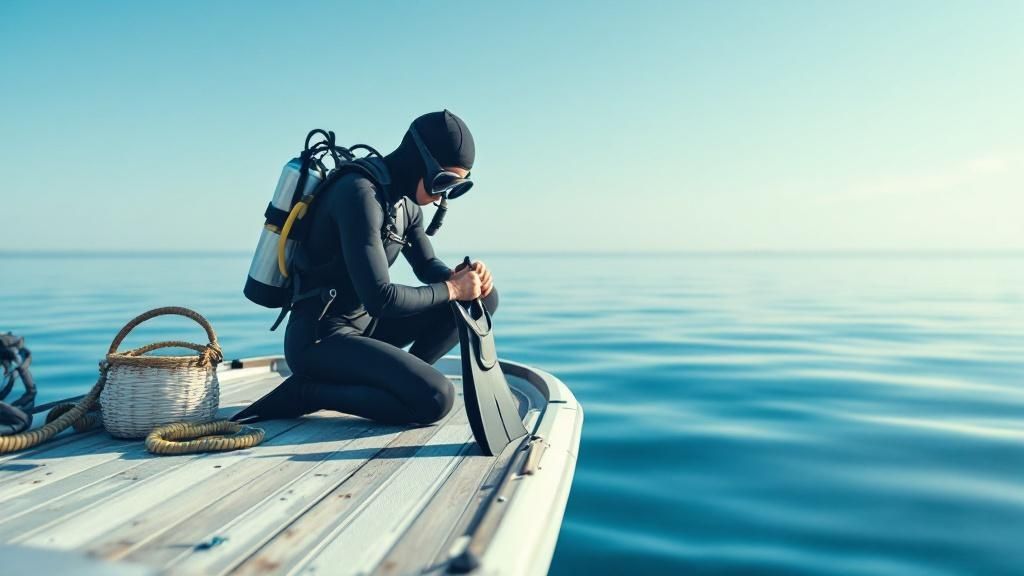
For certified scuba divers, this is the holy grail. The manta ray dive offers a totally immersive, front-row seat to the action. After a quick boat ride out, you'll gear up and descend with your group to the sandy ocean floor, usually around 30 to 40 feet deep. Here, you'll settle in a semi-circle around a powerful light source that the guides call the "campfire."
And then you wait. From this calm, stationary spot, you look up as the magic happens right above you. Giant manta rays, some with wingspans over 12 feet, swoop and barrel-roll through the light beams, sometimes just inches from your mask. It's a peaceful, almost meditative experience that lets you truly grasp their incredible size and grace from below.
The feeling of a massive, gentle giant gliding silently over you, blotting out the lights from the surface, is a feeling that stays with you forever. It’s a perspective that makes you feel truly part of their underwater world.
This option is perfect for:
- Certified Open Water divers looking for an unforgettable night dive.
- Underwater photographers who want a stable platform to capture incredible shots.
- Anyone who wants the most up-close and personal perspective possible.
The Snorkeling Experience: A Bird's-Eye View
No scuba certification? No problem. The manta ray snorkel tour makes this incredible encounter available to just about everyone, from families to even non-swimmers.
Instead of diving, you’ll hang onto a custom-built flotation board at the surface. These boards are equipped with high-intensity lights that shine straight down, attracting plankton from above and creating a brightly lit stage. You just float comfortably, put your face in the water, and watch the show unfold below. From this angle, you get to see the whole scene—the divers on the bottom, the light beams slicing through the dark, and the mantas dancing between the two. It's an absolutely thrilling view of the entire ecosystem in action.
This is the ideal choice for:
- Families with kids or groups with both divers and non-divers.
- Anyone who is not scuba certified or isn't keen on diving at night.
- Someone looking for a safe, simple, and totally epic way to see the mantas.
Choosing a Quality Operator Like Kona Honu Divers
Whether you dive or snorkel, the single most important decision you'll make is choosing your tour operator. A top-tier company like Kona Honu Divers makes all the difference. They focus on small group sizes, so you get a personal experience instead of feeling like you're lost in a crowd. Their expert guides give fantastic safety briefings and share amazing facts about manta ray biology and conservation.
One of the best ways to know you’re in good hands is to see what other people have to say.
No matter what you choose, you're in for an adventure of a lifetime. Kona Honu Divers offers exceptional manta ray dive and snorkel tours that are designed to give you the best, most respectful encounter with these magnificent animals.
The Science Behind This Underwater Ballet
That otherworldly experience of a **manta ray dive in Kona** feels like pure magic, but what you’re really seeing is a brilliant bit of marine biology in action. This isn’t some random fluke; it’s a predictable event that local tour operators have responsibly figured out, making the Kona coast the absolute best place on Earth for this encounter.
The secret is a simple, yet powerful, chain reaction: lights attract plankton, and plankton attracts mantas.
It all starts with a concept called phototaxis, which is just a scientific way of saying that certain tiny organisms are drawn to light. In this case, we're talking about microscopic critters called zooplankton. When dive boats switch on their powerful, eco-friendly lights in the dark ocean, they create a massive, glowing cloud of these little guys. Think of it as ringing a dinner bell in the middle of the ocean.
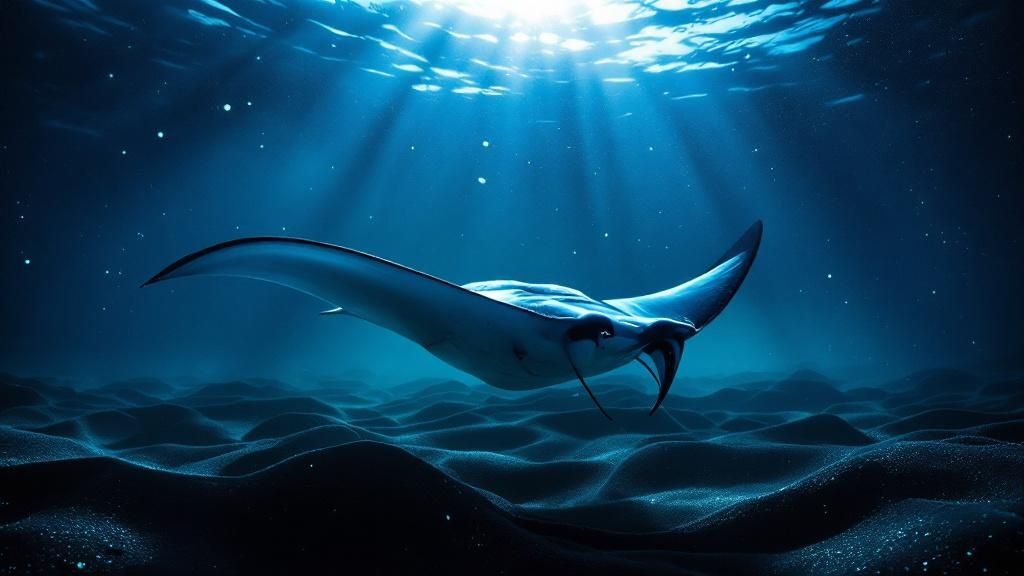
For Kona's resident population of Reef Manta Rays (Mobula alfredi), this glowing plankton cloud is an irresistible, all-you-can-eat buffet. Over many years, these incredibly intelligent animals have learned to connect the lights with an easy meal. This behavior is so ingrained that the nightly glow from the boats now signals suppertime, drawing the mantas in from the surrounding reefs to feed.
It’s Like Pavlov’s Bell, But for Mantas
What we're witnessing is a real-world example of classical conditioning. This whole thing actually started by accident decades ago, when an oceanfront hotel installed lights that spilled into the water. The local mantas discovered the plankton feast that gathered there, and a new behavior was born. Today, responsible tour operators have perfected this into a sustainable and breathtaking spectacle.
It’s crucial to understand that the mantas are not being baited or hand-fed. They're simply taking advantage of the concentrated food source that the lights create. This hands-off approach is the cornerstone of an ethical wildlife encounter. We’re working with their natural instincts, not against them, which gives us a front-row seat to their natural feeding behavior. It’s not just a dive; it’s a living science lesson.
It’s a beautiful symbiotic relationship. The tour operators create the opportunity, the plankton provides the food, and the mantas put on the show. Everyone wins, especially the spectators who get to witness this incredible natural event.
Every Manta Has a Name
What truly deepens the manta ray dive in Kona is the personal connection you can feel with these animals. You're not just observing a random school of rays; you're meeting a well-documented local community. For years, a remarkable citizen science project has been running, allowing researchers and dive guides to identify each manta individually.
How? Every single manta ray has a unique pattern of black spots on its belly—just like a human fingerprint. By snapping photos of their undersides, divers and snorkelers contribute to a massive photo-ID catalog. Every new picture helps track their health, movements, and life cycles.
This means the manta gliding inches above your head isn't just "a manta"—it could be "Big Bertha," "Lefty," or "Ray Charles," individuals with known personalities and histories. This incredible monitoring has given us a treasure trove of data. For example, detailed records from underwater videographers have helped researchers map out their movements and confirm just how reliable their presence is at these sites. You can explore more about these long-term studies and their findings to see the data for yourself.
When you join a tour with a conservation-focused operator like Kona Honu Divers, your trip becomes more than just a vacation highlight. You become an active participant in research that helps protect these gentle giants for future generations. Once you understand the science and the individuals involved, that underwater ballet becomes infinitely more meaningful.
How to Prepare for Your Night Dive Adventure
Knowing what to expect before you hop on the boat for your **manta ray dive in Kona** is the key to a smooth, safe, and utterly mind-blowing experience. When you’re prepared, you can just relax and soak in the main event—the underwater ballet. Think of this as your ultimate pre-tour checklist.
Let's start with what the pros handle. When you book with a top-notch operator like Kona Honu Divers, you can bet all the essential gear is included.
- Scuba or Snorkel Gear: Your mask, fins, snorkel, BCD, and regulator are all covered.
- Wetsuits: These are a must. You'll be in the water at night for about 30 minutes, and this keeps you comfortable.
- Lights: They bring the big guns—powerful, specially designed lights to attract the plankton that mantas feast on.
- Snacks and Drinks: Most boats will have some light snacks and water waiting for you after your swim.
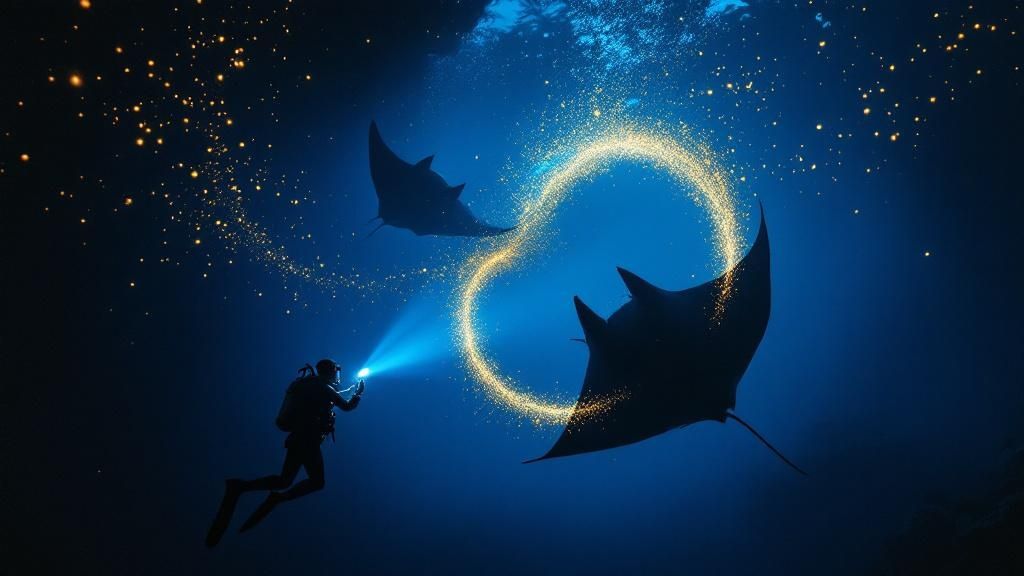
Basically, you don’t need to sweat the heavy stuff. The operator has the technical side locked down so you can just get excited for the adventure.
What You Should Pack
While the main equipment is provided, a few personal items will make your trip a whole lot more comfortable.
- Swimsuit: The easiest thing to do is wear it under your clothes so you’re ready to jump in.
- Warm Clothes: Don't skip this! Getting out of the ocean at night can feel surprisingly cold, especially with the breeze on the boat ride back. A dry towel, a warm hoodie, and maybe some long pants will feel like a lifesaver.
- Reusable Water Bottle: Always a smart move to stay hydrated.
- Underwater Camera: Got a GoPro? Bring it! This is a moment you'll want to capture forever. Just remember to be aware of your surroundings and the animals while you're filming.
- Reef-Safe Sunscreen: If you're on an afternoon tour that catches the sunset, you’ll want to apply this before you head out.
For an even more detailed rundown, check out our complete guide on what you should know about the manta ray dive in Kona.
The Most Important Rule: Look, Don’t Touch
Before anyone gets a toe wet, your guide will run through a detailed safety briefing. They’ll cover everything from boat procedures to using the gear and, most importantly, the rules for interacting with the mantas. Listen up—this is crucial for a safe and responsible encounter.
There’s one rule that’s non-negotiable: you must not touch the manta rays.
This isn't just a friendly suggestion; it's a critical rule that protects the animals. Manta rays have a delicate, protective mucus layer on their skin. Human touch can rub this off, leaving them exposed to nasty bacteria and infections.
Think of yourself as a guest in their dining room. You're there to watch, to be amazed, and to witness something incredible. By staying still—either on the seafloor as a diver or holding onto the float as a snorkeler—you let the mantas feel secure enough to approach on their own terms. This hands-off approach is what makes the Kona encounter so special and sustainable.
Coming prepared and respecting the wildlife ensures the manta ray dive in Kona stays a world-class adventure for years to come. Ready to see it for yourself?
Protecting the Mantas Through Responsible Tourism
When you go on a **manta ray dive in Kona**, you’re doing more than just ticking off a bucket-list item. You’re stepping into a much bigger story, one where your choices directly help protect these magnificent animals. You’re not just a tourist; you become a guardian of the ocean.
Around the world, manta rays are in trouble from things like overfishing and their homes being destroyed. But here in Kona, we've managed to flip the script. Regulated, sustainable tourism has created a powerful local economy that depends on keeping our mantas healthy, wild, and right here where they belong. Every person who joins a tour becomes a part of that protective shield.
The Power of Protection and Ecotourism
This isn't just a casual agreement; it's a community-wide commitment backed by law. The nightly manta ray dives are the backbone of our marine tourism, fueling both the local economy and crucial conservation work. All together, these dives bring in over $2.5 million in revenue for the Kona community each year.
That economic muscle was the key to a huge victory for the mantas. In 2009, thanks to tireless work from the local dive community, Hawaii passed a landmark state law making it illegal to capture or kill manta rays in our waters.
When you book a tour, you're voting with your wallet for a system that puts marine life first. Supporting the good guys sends a powerful message: responsible tourism isn't just the right thing to do, it's good business. That's how we make sure this incredible experience is around for generations to come.
Choosing an Operator Who Champions Conservation
This is the single most important decision you'll make. Not all tour companies operate the same way, and your choice really does matter to the mantas. A truly ethical operator does more than just get you in the water; they are dedicated to protecting the rays by following strict, established guidelines.
Here’s what you should be looking for in a great operator:
- Mandatory Manta Briefings: They'll give you a detailed briefing that covers the number one rule—do not touch the mantas—and explain exactly why it’s so important for their health.
- Following Manta-Safe Rules: Their crew actively makes sure everyone stays in their spot (divers on the sand, snorkelers at the surface). This creates a safe, clear runway for the mantas to do their thing.
- Smaller Group Sizes: The best companies keep groups small. It's a better, less crowded experience for you, and it's way less stressful for the animals.
- An Educational Vibe: You want a guide who is genuinely passionate. The best ones will tell you all about manta biology, how they identify individual rays, and what's happening with local conservation efforts.
Operators like Kona Honu Divers live and breathe these principles. They're all-in on making sure every single tour is done with the deepest respect for the ocean. You can see it in the quality of their trips and the rave reviews from people who appreciate their conservation-first mindset.
By choosing your operator with care, you become a key part of the solution. You can dive deeper into this by checking out our article on why you should go on a manta ray dive in Kona. Your support helps a whole community that has built its identity around protecting these gentle giants, ensuring the underwater ballet continues, night after magical night.
Your Manta Ray Dive Questions Answered
It's one thing to get excited about the magic of the Kona manta ray dive, but it's another to feel totally ready for the adventure. You've probably got some practical questions buzzing around your head. That's a good thing! Being prepared is the key to soaking up every incredible moment.
We've heard just about every question there is from folks gearing up for this dive. Let's get them answered so you can feel confident and ready to book a trip you'll be talking about for years.
When Is the Best Time of Year for a Manta Ray Dive in Kona?
This is the beautiful thing about the Kona coast—the party never stops! Our resident manta rays don't pack up and leave for the winter, so you can have this amazing encounter any month of the year. This is why the sighting success rate is so ridiculously high, often topping 90%, no matter when you decide to visit.
Now, if you're chasing the flattest, most glassy ocean conditions, the summer months (roughly April through October) are often a dream. The Pacific tends to calm down, and the water is a touch warmer. But don't let that discourage a winter trip. The mantas will be there, waiting for the lights to turn on so they can start their nightly buffet.
What Happens if We Don't See Any Manta Rays?
It's a fair question. These are wild animals, after all, and even in Kona, they don't work on a fixed schedule. While no-show nights are super rare, they can happen. The good news is that any reputable dive operator worth their salt has a plan for this.
Most of the top-tier companies, including Kona Honu Divers, offer what's known as a "manta guarantee." If your tour ends up being one of those rare nights where the mantas don't appear, you can come back for another try on a different night, completely free (subject to availability, of course). Just make sure to double-check the specific policy when you book.
Pro Tip: Try to schedule your manta ray dive for one of your first nights in Kona. That way, if you do happen to need that second-chance trip, you have plenty of other nights to fit it in.
Is the Manta Ray Dive Safe for Children?
Absolutely! This is a phenomenal experience for the whole family. For the snorkelers, kids who are comfortable swimmers can easily join in by holding onto a custom-made flotation board. It’s a stable raft that keeps them right in the middle of the action without having to worry about a thing.
If you've got a little scuba diver in the family, the minimum age to get a Junior Open Water certification is typically 10 years old. For either snorkeling or diving, any child will need to be with an adult. The biggest factor, no matter their age, is that they're genuinely excited and comfortable with being in the ocean after dark.
Can I Touch the Manta Rays During the Dive?
This is the single most important rule of the night, and it's a hard no. You can never, ever touch a manta ray. It’s incredibly tempting as they swoop and glide inches from your face, but touching them can cause them serious, lasting harm.
Manta rays have a special mucous slime coat covering their skin. Think of it as their immune system. It’s a protective barrier that shields them from nasty bacteria and infections. When we touch them, our hands rub off this delicate layer, leaving them vulnerable to diseases.
The entire encounter is designed around passive observation. Your job is to simply be a guest in their world. Divers find a spot on the sandy bottom, and snorkelers float at the surface. You just become part of the scenery and let the mantas put on the show. This hands-off approach is what keeps the mantas safe and ensures this incredible Kona tradition can continue for generations.
Ready to see it all for yourself? Kona Honu Divers runs fantastic manta ray dive and snorkel tours that put the safety of both guests and mantas first.