
Picture this: you’re floating in the warm, dark Pacific. Suddenly, a massive, graceful shadow emerges from the blackness, gliding inches from your face. It's a giant manta ray, dancing in the beams of underwater lights. This isn't a scene from a nature documentary—it's the world-famous manta ray dive kona, a true bucket-list experience that brings people from all corners of the globe right here to the Big Island.
It is, without a doubt, one of the most reliable and utterly magical wildlife encounters you can have anywhere on Earth.
Why Kona is the Manta Ray Capital of the World
Of all the incredible places to dive, Kona holds a special title as the spot for manta ray encounters. So what makes this little stretch of coastline so unique? It's a perfect storm of reliable food sources, calm waters, and a dive community that has spent decades perfecting a responsible, safe way to interact with these gentle giants.
The real magic kicks off after sunset. Local dive operators have established sites where powerful, eco-friendly lights are set up on the ocean floor. These lights act like a massive bug zapper, attracting huge clouds of plankton—the mantas' favorite meal. The mantas show up for their nightly buffet, creating an unforgettable underwater ballet for divers and snorkelers.
A Consistently Magical Experience
This isn't some hit-or-miss wildlife tour where you cross your fingers and hope for the best. The Kona manta ray dive has an incredibly high success rate. For decades, local experts have fine-tuned this unique relationship between light, plankton, and mantas, making sightings practically a guarantee.
In fact, research tracking manta sightings between 2009 and 2014 found that visitors have an 80-90% chance of an encounter. Good luck finding another wildlife experience with odds like that!
Kona is home to a resident population of over 240 identified manta rays. Each one has a unique spot pattern on its belly, like a fingerprint. Veteran divers and guides even know many of them by name!
Choosing the right guide is everything for a dive like this. You want a crew that’s not only safe but also respects the animals and their habitat. With over 20 years of experience, the team at Kona Honu Divers has this incredible dive down to a science. Their expert divemasters prioritize both your safety and the mantas' well-being, creating an atmosphere of pure wonder and respect.
You don't have to take our word for it—their glowing reviews say it all. People consistently rave about this as a once-in-a-lifetime memory. If you’re ready to witness this natural spectacle for yourself, booking a tour with a trusted, experienced crew is the absolute best way to do it.
How to Plan Your Manta Adventure
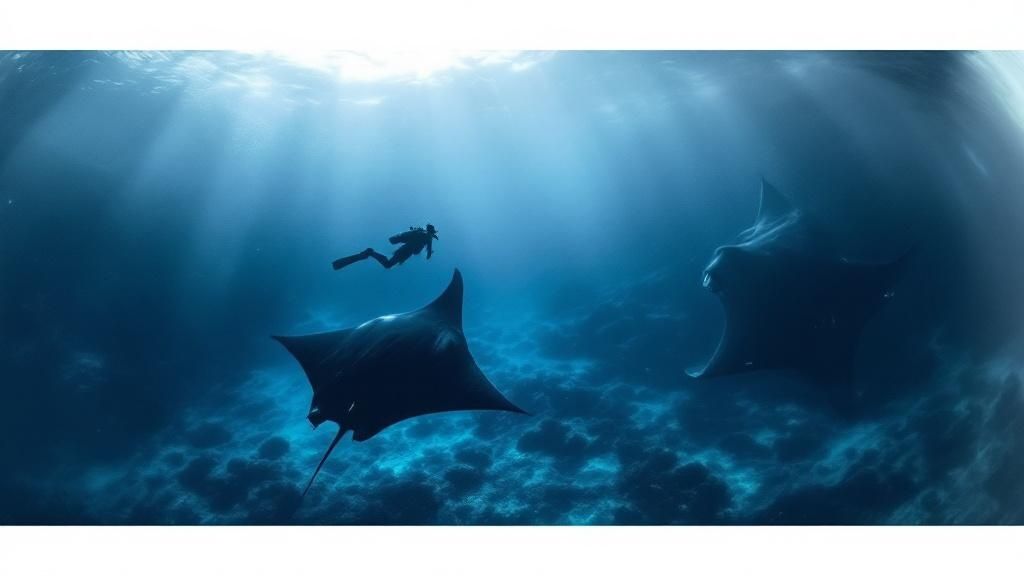
So, you’re ready to see the mantas. The good news is, planning this adventure is surprisingly straightforward. One of the biggest questions we get is, "When is manta season?" The answer is simple: there isn't one.
These incredible animals are year-round residents of the Kona coast. They aren't just passing through; they live here. That means they show up for their nightly plankton buffet consistently, making any time of year a fantastic time to book your trip.
The only real variable is the water temperature. It hovers around a balmy 79°F (26°C) in the summer and dips to a cooler 74°F (23°C) in the winter months. A good wetsuit makes this difference pretty much unnoticeable, and any quality operator will provide one for you.
Choosing Your Experience: Scuba or Snorkel
One of the first big decisions is how you want to witness the manta ballet: from below the surface or from above. Both are absolutely spectacular, but they offer two completely different perspectives. Your choice really boils down to your certification level, how comfortable you are in the water, and the kind of view you're hoping for.
Manta Dive vs Snorkel: Which Is Right for You?
Trying to decide between the two? Both get you incredibly close to the action. This table breaks down the key differences to help you choose the best experience for your adventure.
| Feature | Scuba Diving | Snorkeling |
|---|---|---|
| Perspective | Bottom-up view, sitting on the seafloor as mantas glide overhead. | Top-down view from the surface, looking down at the mantas below. |
| Proximity | Often closer encounters as mantas can get within inches (no touching). | Close, but from the surface; mantas may come up near the light board. |
| Certification | Requires Open Water Scuba certification or higher. | No certification required; suitable for most swimming abilities. |
| Experience | Fully immersive, surrounded by the underwater world at night. | Less immersive but still spectacular; great for families and non-divers. |
Scuba diving puts you right in their world. You’ll descend with your guide and find a spot on the sandy bottom, looking up as these gentle giants perform their mesmerizing barrel rolls just feet above your head. Snorkeling, on the other hand, gives you a bird's-eye view, which is perfect for non-divers, families with kids, or anyone who prefers to stay on the surface.
Selecting a Top-Tier Dive Operator
Your choice of dive company can genuinely make or break this once-in-a-lifetime experience. You want to look for an operator that lives and breathes safety, has a stellar reputation, and shows a real commitment to protecting the marine environment and these amazing animals.
A key indicator of a quality operator is their adherence to Manta Ray Green List standards, which focus on passive, respectful interaction to protect the animals. For a complete overview of what to expect, check out our comprehensive guide to the Kona manta dive.
Kona Honu Divers is a perfect example of a company that gets it right. Their crew is seasoned, professional, and handles every detail—from the thorough safety briefing before you leave the dock to guiding you personally in the water.
We highly recommend their two-tank manta ray dive tour. It includes a beautiful twilight reef dive before the main event, which is an incredible way to see the reef transform from day to night. You get a full evening on the water and see so much more of Kona's underwater world before the mantas even make their grand entrance.
Ready to secure your spot for this unforgettable night?
Getting Ready for Your Night Dive
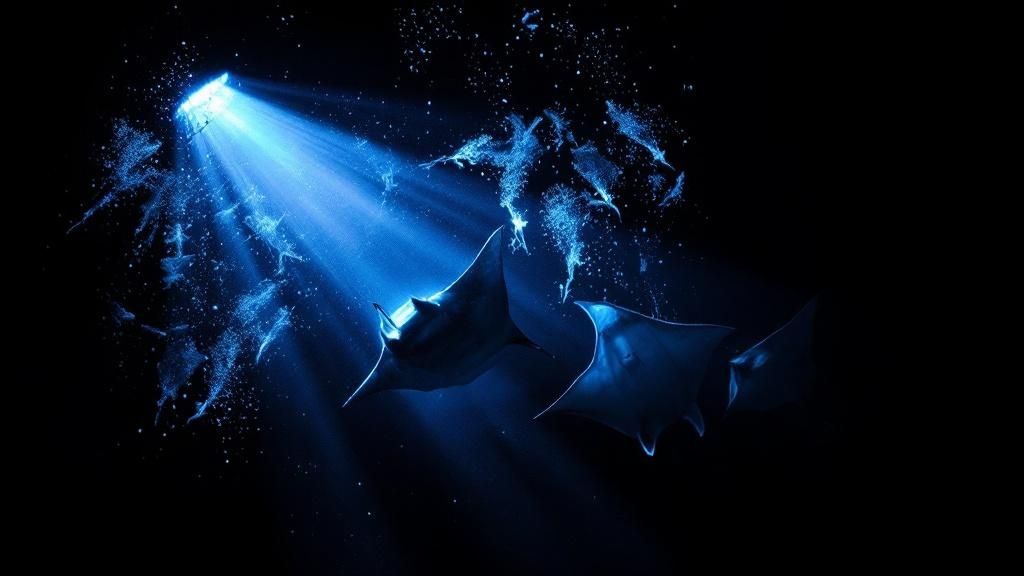
A truly great manta ray dive kona experience starts way before you ever get your fins wet. A little bit of smart preparation goes a long way, making sure you can just relax and soak in the magic once you're in the water.
First off, let's talk about the essentials. You absolutely must be a certified Open Water scuba diver or have a higher certification to join this dive. While it's not a super technical dive, that basic certification is a hard requirement for your safety and everyone else's.
When it comes to equipment, top-notch operators like Kona Honu Divers have you covered with all the main gear—tanks, weights, BCDs, and regulators. Still, there are a few personal items you’ll want to pack to make the whole trip smoother and more comfortable.
What to Pack for Your Dive
You’re in tropical Hawaii, but don't let that fool you. The ocean can feel surprisingly cool after sunset, especially after you've been submerged for a full dive. A wetsuit is non-negotiable. The operators provide them, but it helps to know what to expect. Kona's water temperature usually sits between 74-79°F (23-26°C), making a 3mm or 5mm wetsuit the sweet spot for staying comfortable.
Here’s a quick mental checklist of what to throw in your bag for the boat:
- Proof of Certification: Don't leave your C-card behind!
- Towel and Dry Clothes: You'll thank yourself when you have something warm to change into for the boat ride back to the harbor.
- Reusable Water Bottle: Staying hydrated is always a good idea, especially before and after a dive.
- Seasickness Medication: If you even think you might get motion sickness, take your meds well before the boat leaves the dock.
Mindset, Jitters, and the All-Important Briefing
It’s totally normal to feel some pre-dive nerves, particularly if this is your first night dive. The trick is to trust your training and your guides. This dive is unique because it's stationary—you aren't navigating a reef. You're just settling in for the show, which takes a lot of the usual stress out of the equation.
The single most important part of your prep happens right there on the boat: the pre-dive briefing. Listen up! This is where your divemaster lays out the entire plan, from entry to exit. They’ll cover critical info that’s specific to this unique manta encounter.
Pro Tip: Your guide will go over night-specific hand signals. You'll learn how to signal "OK" with your light (making a circle in the water) and how to get their attention (waving your light beam back and forth across theirs). These are your lifeline for communication in the dark, so pay close attention.
This whole experience is a cornerstone of marine tourism in Hawaii, generating over $2.5 million annually from manta operations alone. Because Hawaii’s manta populations are small and slow to reproduce, the state passed legislation in 2009 to protect them from intentional harm, ensuring these incredible dives can continue sustainably. You can dive deeper into the data on these conservation efforts and their economic impact at the Hamer in Hawaii website.
For certified divers, the adventure in Kona doesn't stop with the mantas. The Big Island's wild geology opens the door to other-worldly experiences like the Kona blackwater dive. Imagine drifting in the deep, dark ocean surrounded by bizarre and beautiful bioluminescent creatures. It’s another incredible chapter in the world of scuba diving Kona, Hawaii. For those with more experience under their belts, there are even more advanced dive tours available.
What to Expect on the Manta Ray Dive
The excitement starts the moment the boat leaves the harbor. As you cruise out, a spectacular Kona sunset often paints the sky, setting the stage for the main event. This isn't just a ride to the dive site; it's the opening act, a chance to take in the stunning coastline before you slip into the ocean's twilight world.
Once we arrive, your divemaster will walk you through the plan. It's elegantly simple but incredibly effective. As a group, you'll descend to a chosen spot on the sandy bottom, usually around 30-40 feet deep. There, you'll find your place in a semi-circle around a central beacon of light—what we affectionately call the underwater "campfire."
The Underwater Campfire and the First Arrivals
Here’s the most important part: you don't swim around. Unlike a typical reef dive where you're constantly on the move, your only job here is to get comfortable, dial in your buoyancy, and wait. It sounds easy, but staying still is what makes this experience so magical and safe for everyone, especially the mantas. It lets them know we're not a threat, encouraging them to come right in.
And then, it happens. A massive shadow peels away from the darkness, growing bigger and bigger as it glides toward the light. The first manta has arrived, and the feeling that runs through the group is absolutely electric.
Soon, more will follow. They begin their hypnotic dance, performing effortless barrel rolls and somersaults through the light beams. You'll watch, mesmerized, as they filter clouds of plankton with their huge, gaping mouths. It's a completely silent, immersive, and spellbinding show. You have a front-row seat to one of nature's greatest performances—a moment that feels both epic and deeply personal. This passive observation is key to the entire encounter, something we detail in our complete guide to the Kona manta ray night dive.
The Golden Rules of Passive Interaction
This whole encounter is built on respect for these gentle giants. To keep them safe, we have two unbreakable rules: no touching and no chasing. Manta rays are covered in a delicate mucus layer that acts as their shield against infection. Touching them can damage this vital coating, leaving them vulnerable.
Your divemaster is more than just a guide; they're a guardian for the mantas. They’re watching out for your safety, of course, but they’re also ensuring the well-being of the rays, ready to gently correct any diver who might forget the rules in the heat of the moment. This commitment keeps the dive sustainable for years to come.
Rock-solid buoyancy is just as critical. By staying low and still, you essentially become part of the underwater landscape. This is what allows the mantas to glide just inches above your head without a hint of fear.
These strict protocols have allowed researchers to study Kona's manta population for decades. Since 1991, individual rays have been identified by the unique spot patterns on their bellies. Today, the catalog includes over 330 identified mantas from more than 28,500 sightings! It's a massive database that speaks to how special this place is.
Capturing Photos Without Disturbing the Mantas
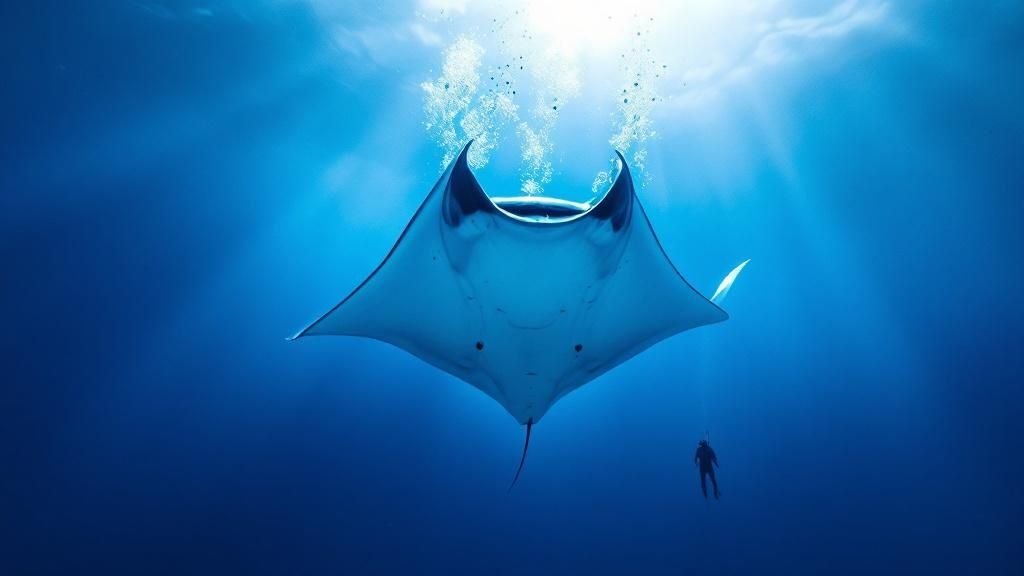
The manta ray night dive is a photographer's dream, a true bucket-list opportunity. But getting that perfect shot isn't like your typical daytime reef photography. It requires a completely different approach, one that puts the mantas' well-being first. Our main goal is to capture incredible images without disrupting their natural feeding behavior or ruining the experience for everyone else in the water.
The biggest rule? Strobes are strongly discouraged. This is a huge adjustment for most underwater photographers. Those powerful, sudden flashes of light can easily startle the mantas, and a spooked manta is a manta that leaves the "campfire."
Instead, continuous video lights are the tool for the job. Their steady, predictable beam illuminates the scene beautifully without causing any alarm. This lets the mantas swoop and glide in their mesmerizing feeding ballet, completely undisturbed, while you get all the light you need for a stunning photo.
Essential Camera Settings and Techniques
Night dive photography is a game of managing low light. Nailing your camera settings is the key to freezing the action and capturing those crisp, vibrant images of the gentle giants.
Here are some good baseline settings to start with. You’ll likely need to tweak them a bit once you're in the water.
- ISO: Start high, somewhere in the 800-1600 range. This makes your camera’s sensor more sensitive to the available light, helping you avoid super slow shutter speeds that cause motion blur.
- Aperture: Open it up wide. A low f-stop number like f/2.8-f/5.6 lets in the maximum amount of light. As a bonus, it creates that beautiful, soft background, making the manta truly pop.
- Shutter Speed: You need to be fast enough to freeze the manta's graceful movement. I’d suggest starting around 1/100s or 1/125s and adjusting from there to see what works best.
Your position in the water is just as critical as your camera settings. Get low on the sandy bottom and shoot up towards the surface. This angle gives you that dramatic silhouette of the manta against the glow of the lights and, crucially, minimizes backscatter—those ugly white specks you get when your light reflects off particles in the water.
For a deeper dive into responsible photography, check out our full guide to the Kona manta ray dive.
Remember, the best photographers are patient observers. Let the mantas come to you. By remaining still and predictable, you become part of the environment, allowing for incredibly close and natural photo opportunities without ever needing to chase the shot.
Focusing in the dark can be a real challenge. Use your video light to illuminate the manta’s bright white underside. This gives your camera’s autofocus a clear, high-contrast target to lock onto, ensuring your subject is tack-sharp. It's the secret to a photo that truly captures the magic of the moment.
Your Manta Ray Dive Questions, Answered
https://www.youtube.com/embed/bib3E6MAAVM
Even after you've done all the research, it's totally normal to have a few last-minute questions before committing to something as wild as the Kona manta ray dive. We get it. Let's tackle some of the most common things people ask, so you can book your spot with zero hesitation.
Is the Manta Ray Night Dive Safe?
Yes, absolutely. When you go with a professional, safety-first operator like Kona Honu Divers, the manta ray night dive is incredibly safe. It’s not like a typical night dive where you’re navigating a reef in the dark. The whole experience is stationary in a pretty shallow, controlled area. This setup basically eliminates common risks like getting lost or tricky navigation.
Before you even dip a fin in the water, your divemaster runs through a detailed briefing. They stay with the group for the entire dive, making sure everyone is comfortable and following the plan. Honestly, your only job is to hold on, breathe, and enjoy the show.
Why Can’t We Touch the Manta Rays?
This is the single most important rule, and it’s a big deal. Manta rays have a protective mucus coating on their skin. Think of it as their immune system—it's their main line of defense against nasty bacteria and infections in the ocean.
Touching them, even for a second, can rub off this crucial slime coat. It leaves them exposed and vulnerable to diseases.
By practicing passive observation—looking but never touching—we act as respectful visitors in their environment. This ensures the mantas remain healthy and feel safe enough to return to the site night after night, preserving this incredible encounter for future generations.
What If We Don’t See Any Manta Rays?
It’s the question on everyone’s mind, and thankfully, it's rarely an issue. Kona's success rate for manta sightings is well over 90%. The dive sites we use are proven feeding grounds that mantas have been visiting consistently for years.
That said, these are wild animals, so a 100% guarantee is impossible. In the extremely rare case the mantas decide to take the night off, most reputable companies have a "manta guarantee." Kona Honu Divers, for example, will invite you to come back and try again on another night, completely free of charge (just subject to availability).
This is why we always suggest booking your dive early in your trip—it gives you a backup window, just in case. For more details on this, feel free to learn what you should know about the manta ray dive in Kona in our other guide.