
Picture this: you're floating in the warm, dark waters of the Pacific. Suddenly, a giant, graceful shadow emerges from the deep, gliding effortlessly just inches from your face. This isn't a once-in-a-lifetime fantasy; it’s the nightly spectacle that makes the manta ray dive in Kona a true bucket-list adventure.
You're about to witness one of nature’s most incredible underwater ballets, and it happens right here, every single night.
Why Is Kona *The* Spot for Manta Ray Dives?
When divers talk about swimming with manta rays, Kona is always at the top of the list. What makes this one stretch of coastline on the Big Island so incredibly special? It boils down to a perfect storm of reliable sightings, perfect natural conditions, and a community deeply committed to protecting these amazing animals.
The whole experience hinges on a brilliant, yet simple, setup. After sunset, tour boats shine powerful lights into the water. These lights attract massive clouds of plankton, which just so happens to be the manta rays' favorite meal. The mantas, in turn, show up for their nightly buffet, performing incredible acrobatics as they swoop and barrel-roll through the beams of light to scoop up the feast. This nightly feeding ritual is what makes sightings so dependable. In fact, Kona is widely considered the world's most reliable spot for manta ray encounters, with local operators reporting an 80-90% success rate for sightings. This incredible consistency brings around 80,000 visitors here each year just for this experience.
Finding an Operator Who Cares
With so many people eager to see the mantas, choosing the right tour operator is one of the most important decisions you'll make. A great company doesn't just give you a boat ride; they prioritize the safety of both their guests and the manta rays.
Kona Honu Divers, for example, is a fantastic model of responsible tourism. Their crew is seasoned, their safety protocols are top-notch, and they have a genuine respect for the marine life they share with visitors every night. It’s an approach that makes the entire experience better.
But don't just take our word for it—see what divers who have been out with them have to say.
When you pick an operator that follows strict, manta-safe guidelines, you’re doing more than just booking a tour. You're helping ensure these magnificent creatures will be around for future generations to admire. Find out more about what makes this dive so special in our guide on why you should go on a manta ray dive in Kona.
Key Takeaway: The Kona manta ray dive isn't just another tourist attraction; it's a carefully managed ecological interaction. Your job is simply to be a calm, passive observer. By letting the mantas go about their natural feeding behavior undisturbed, you get a front-row seat to a truly authentic and awe-inspiring spectacle.
Choosing Your Manta Ray Adventure
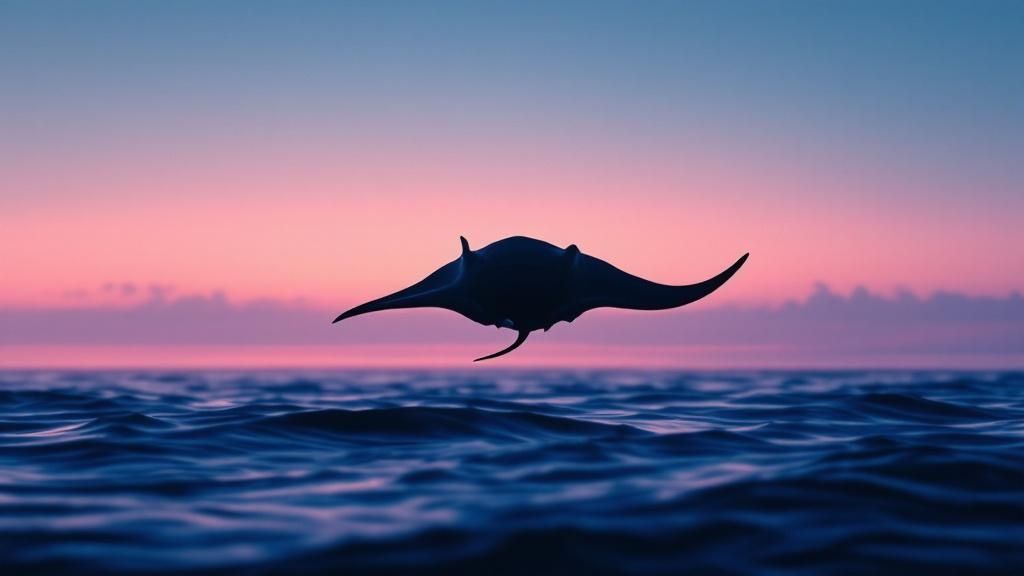
Okay, so you're ready for one of the most incredible experiences of your life. The first big decision for your manta ray dive kona adventure is picking the right tour. This really comes down to your personal comfort in the water, your experience level, and whether or not you have a scuba certification.
The two main ways to see Kona's famous "manta ballet" are the Manta Ray Night Dive and the Manta Ray Night Snorkel. Both are amazing, but they offer completely different perspectives on the same magical show.
Dive or Snorkel: Which Is Right for You?
Choosing between diving and snorkeling is the most important decision you'll make, as it truly shapes your entire evening. One isn't better than the other; they are just different ways to witness this incredible natural wonder.
- The Manta Ray Night Dive: This is for certified scuba divers only. You'll descend to the ocean floor, usually around 35 feet deep, and find a spot on the sand. From there, you just watch in awe as the mantas swoop and glide right over your head. It’s a completely immersive, bottom-up view that makes you feel like you're truly part of their world.
- The Manta Ray Night Snorkel: This option is fantastic because it's open to everyone, no matter your swimming ability or if you have any certifications. You'll float comfortably on the surface while holding onto a specially designed light board. The bright lights attract plankton, which in turn brings the mantas right up to you. It's a breathtaking, top-down view of the action.
The choice is pretty straightforward. If you're a certified and confident diver, the night dive offers a perspective you just can't get any other way. For everyone else—families, non-swimmers, or anyone without a dive card—the snorkel tour is the perfect, safe, and equally spectacular option.
To make it even clearer, here’s a quick comparison to help you decide which adventure fits you best.
Manta Dive vs Manta Snorkel Experience
Deciding between the dive and snorkel experience can feel tough, but it really just boils down to your certification and what kind of view you're hoping for. Both put you incredibly close to these gentle giants.
| Feature | Manta Ray Night Dive | Manta Ray Night Snorkel |
|---|---|---|
| Certification | Open Water Diver certification required | No certification needed |
| Your Position | Stationary on the sandy ocean floor | Floating on the surface, holding a light board |
| Perspective | Looking up at the mantas from below | Looking down at the mantas from above |
| Experience Level | Best for confident, certified divers | Perfect for all ages and swimming abilities |
| Proximity | Mantas may glide inches above your head | Mantas may come inches below you at the surface |
Ultimately, both paths lead to an unforgettable night. No matter what you choose, you're in for a real treat. You can check out the options for both adventures on the Manta Ray Dive and Snorkel tours page.
Understanding the Manta Viewing Sites
Another factor to consider is the location. Kona has two main spots where the mantas gather: Manta Village and Manta Heaven.
Manta Village, tucked away in the sheltered waters of Keauhou Bay, is known for its consistently calm conditions. This makes it a fantastic choice for snorkelers and divers who might be a little less experienced or just prefer a gentler environment.
Manta Heaven is a bit further north, near the airport. The site is a little deeper and can sometimes have more current, which can attract a larger number of mantas. It's often a favorite for more seasoned divers. During the peak season from April to October, it's not unusual to see 8 to 12 mantas at either site on a good night. You can dive deeper into the specifics of these world-class locations by reading more about Kona's Manta Dive sites.
Key Insight: While Manta Heaven can sometimes boast higher numbers, Manta Village offers a more predictable and sheltered environment. Both sites provide an over 90% success rate for sightings, so you can't go wrong.
By thinking about your certification level and the kind of underwater setting you'd prefer, you can book the perfect trip with confidence. The most important thing is that you feel safe and comfortable, so you can relax and fully soak in the magic of being in the water with these gentle giants.
How to Prepare for Your Manta Encounter
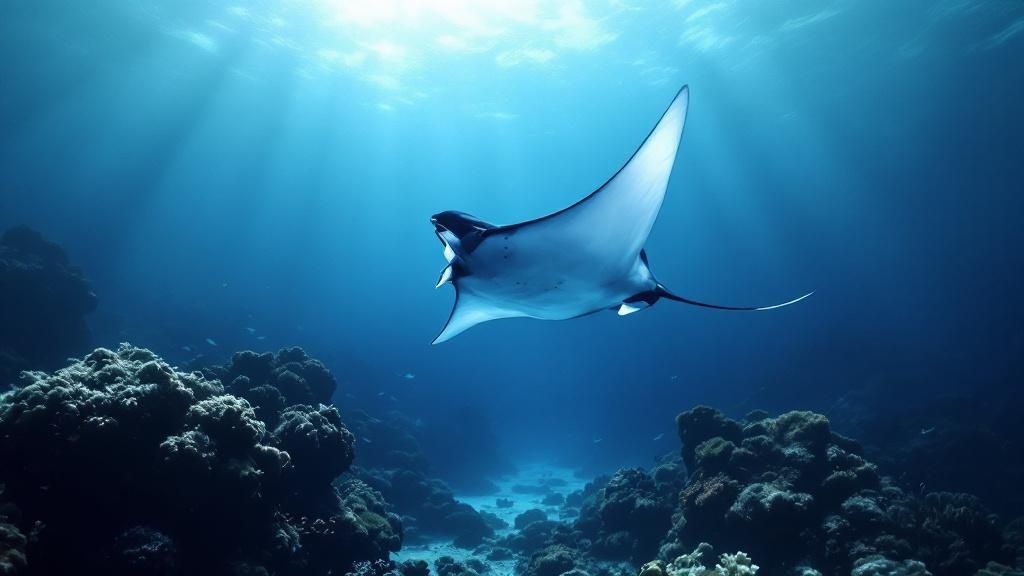
A little bit of prep work can make all the difference between a good manta ray dive and a truly unforgettable one. Getting ready isn't just about tossing a few things in a bag; it's about setting yourself up to be comfortable, safe, and completely present for the magic.
When you take care of the small details beforehand, you can leave your worries at the dock. This way, your full attention will be on the main event: the incredible ballet of Kona's giant mantas.
What to Bring for a Comfortable Trip
The packing list for your manta tour is pretty straightforward, but getting it right is key to your comfort. Think about what you'll need both in and out of the water.
Even in Hawaii, the air can feel chilly after a night dive, and that boat ride back to the harbor feels a lot better when you're warm and dry.
Here's a quick checklist of essentials to have with you:
- Swimsuit: The easiest approach is to wear it under your clothes when you head to the boat.
- Towel: A microfiber, quick-dry towel is perfect since it takes up less space in your bag.
- Warm, Dry Clothes: A sweatshirt or light jacket is a must. You'll be glad you have it for the trip back.
- Reusable Water Bottle: It's important to stay hydrated, especially before any dive.
- Reef-Safe Sunscreen: For late afternoon tours, apply this hours before boarding. This gives it time to soak in and keeps harmful chemicals out of the fragile marine ecosystem.
- Underwater Camera: If you have one, make sure it’s fully charged and, most importantly, secured to your wrist with a lanyard.
Following these tips helps ensure everything goes smoothly. For a complete rundown of the entire experience, you can check out the manta ray night dive of Kona with Kona Honu Divers.
Getting Yourself Mentally and Physically Ready
Your preparation isn't just physical—it's mental, too. This is especially true if you’re feeling any nerves about being in the ocean after dark.
A little apprehension is totally normal, particularly if this is your first night dive. Just remember, you're in the care of seasoned professionals whose main job is to keep you safe and comfortable.
Expert Tip: Listen closely to your guides. The pre-dive briefing is incredibly thorough and is your best tool for feeling confident. They’ll cover exactly what to expect, how to position yourself for the best view, and all the safety procedures.
Before you leave for your tour, have a light meal and drink plenty of water throughout the day. Diving on an empty—or an overly full—stomach is a recipe for discomfort.
The safety briefing is non-negotiable and one of the most important parts of the tour. The crew will walk you through everything, from how to get in and out of the water to the strict "no-touch" rule that keeps the mantas safe. By the time you hit the water, you'll feel prepared, confident, and ready for an amazing show.
What Happens During the Manta Ray Dive
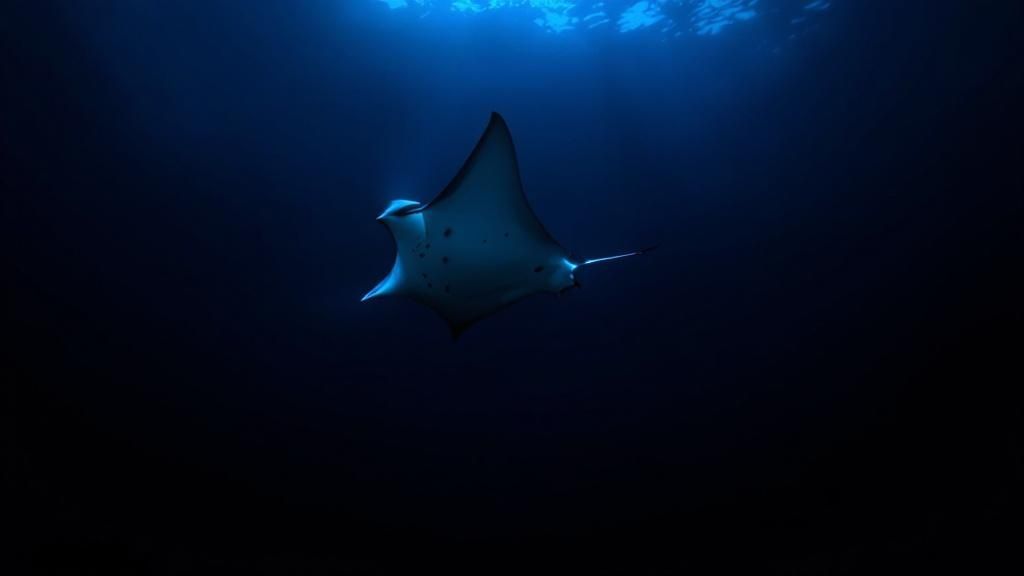
The boat ride out is part of the magic. As the Hawaiian sun dips below the horizon, painting the sky in fiery oranges and deep purples, your anticipation builds. This isn't just another dive trip; it's a journey into a nighttime world where gentle giants come out to perform.
Once you arrive at the dive site, the energy on the boat shifts from relaxed sightseeing to focused preparation. The crew springs into action, and the air buzzes with the quiet clinking of gear and final safety checks. It's a well-oiled machine designed to get you into the water smoothly and safely for the main event.
The Underwater Theater Begins
The moment you slip into the warm, dark ocean, the experience truly begins. The world above fades away, replaced by the muffled sounds of your own breathing and the gentle lapping of water. For those on a manta ray dive kona tour, your guide will lead you to a designated spot on the sandy ocean floor, typically around 35 feet deep.
This is where the concept of the "manta campfire" comes to life. Your group will arrange itself in a circle, and each diver will aim their powerful light towards the surface. Together, these beams create a massive column of light that illuminates the water, acting as a giant beacon for plankton.
This brilliant setup is what makes the Kona manta experience so reliable. The plankton swarm to the light, and the mantas, in turn, arrive for their nightly feast.
Your Role as a Spectator
Your only job is to be a passive, respectful observer. You’ll remain stationary on the sandy bottom, looking up in awe. Meanwhile, snorkelers will be on the surface, holding onto a custom-built floating board that also has lights shining down. This creates a "sandwich" of light, with mantas swooping between the divers below and snorkelers above.
The experience is an underwater ballet. The mantas, some with wingspans stretching over 12 feet, glide effortlessly through the beams of light. They perform graceful barrel rolls and somersaults, their huge mouths open to filter the dense clouds of plankton. Watching them feed so close is a humbling and mesmerizing spectacle.
For many, this is the most profound part of the experience. The mantas are not bothered by your presence; you are simply part of the scenery for their nightly ritual. For a more detailed breakdown of the entire evening, explore our complete guide on what to expect on a manta ray night dive.
The All-Important No-Touch Rule
The most critical rule of any manta encounter is simple: do not touch the mantas. These magnificent creatures are covered in a delicate, protective mucus layer that acts as their immune system, shielding them from harmful bacteria and infections in the water.
Touching a manta ray, even accidentally, can rub off this vital coating. This leaves them vulnerable to disease and disrupts their natural behavior. By maintaining a respectful distance and keeping your hands to yourself, you play a direct role in their conservation.
Reputable operators like Kona Honu Divers are extremely strict about this rule, and it's for the good of the animals. Let the mantas initiate any close encounters. Often, their curiosity and graceful movements will bring them within inches of you, creating an unforgettable moment without any need for physical contact. When you choose a responsible tour, you're not just a tourist; you're a steward of the ocean.
Identifying the Locals
Each manta ray you see has a unique identity. The spot patterns on their ventral side (their belly) are like a human fingerprint—no two are the same. Since 1991, dedicated researchers and divers have been photographing and cataloging these patterns to track individuals. This incredible effort has resulted in a catalog of over 330 unique manta rays identified along the Kona coast, with tens of thousands of sightings recorded. To see the incredible work being done, you can discover more about this manta ray research.
As your time in the water comes to an end and you ascend back to the boat, you'll be left with a profound sense of wonder. The ride back to the harbor is often quiet, filled with shared smiles as everyone processes the incredible spectacle they just witnessed. It's an experience that stays with you long after you've dried off.
What’s Next? Exploring Other Kona Diving Adventures
After the silent, graceful ballet of the manta ray dive, it’s hard not to feel inspired. You start wondering what other secrets Kona's underwater world is hiding. Trust me, the manta encounter is just the beginning. The Big Island’s volcanic past has carved out a spectacular and diverse underwater landscape, offering world-class diving for every single skill level.
Once you've ticked the manta ray dive kona off your list, a whole new set of adventures is waiting for you. From dramatic lava tubes and arches to vibrant, sun-drenched coral gardens, the Kona coast really is a diver's playground. You could spend one day exploring a shallow reef teeming with colorful fish and the next navigating ancient lava formations. The possibilities are as vast and varied as the marine life itself.
The Thrill of the Kona Blackwater Dive
For the truly adventurous at heart, there's an experience that takes night diving to a completely different dimension: the famous Kona Blackwater Dive. This is nothing like a typical reef dive. Instead, you're taken miles offshore, where you'll be tethered to the boat and suspended in thousands of feet of deep, open ocean.
As you float in the darkness, you get a front-row seat to one of the planet's largest migrations. Every single night, bizarre and rarely seen creatures ascend from the abyss toward the surface to feed. Many of these animals are bioluminescent, creating their own light show in the inky blackness.
What might you see?
- Peculiar Larval Creatures: You'll see fish and invertebrates in their early, almost alien-like stages.
- Bioluminescent Jellies: Witness pulsating lights from creatures you've probably never even imagined.
- Deep-Water Squids: Encounter unique cephalopods that spend their entire lives in the deep ocean.
This dive is often described as a "spacewalk" in the ocean. It's a surreal and thrilling experience for certified divers who are looking for something completely different. If you're ready for an adventure that feels like exploring another planet, you can learn more about the Kona Blackwater Dive tour.
Advanced Dives for Experienced Divers
If you're an experienced diver searching for more challenging and rewarding sites, Kona absolutely delivers. The unique underwater topography creates opportunities that go far beyond standard reef tours. These advanced dives are really meant for those with solid buoyancy control and plenty of experience in deeper waters.
It's also worth noting that if you have non-diving friends who want a taste of the magic, you can point them toward the Big Island manta ray night snorkel.
Key Insight: The true depth of Kona diving is revealed at its advanced sites, where you can explore deep pinnacles, dramatic walls, and encounter larger pelagic species.
Here at Kona Honu Divers, we offer specialized charters for those who want to push their limits and see a totally different side of Kona's marine ecosystem. These trips might take you to remote locations to explore lava tubes, drift along current-swept walls covered in rare sponges, or visit known shark habitats.
These premium trips are perfect for divers who are comfortable with:
- Deeper dive profiles
- The potential for stronger currents
- Navigating more complex underwater structures
These excursions are less about a single attraction and more about the raw thrill of exploration and discovery. For those ready to take their skills to the next level, check out the opportunities available on an advanced dive tour.
Your Kona Manta Dive Questions, Answered
Alright, you've seen the pictures and heard the stories. But before you commit to one of the most incredible experiences of your life, it's totally normal to have a few lingering questions. Let's clear up those last-minute details so you can book with confidence.
We get these questions all the time from both seasoned divers and first-time snorkelers. Here are the straightforward answers you need to feel 100% ready for your manta ray adventure.
When’s the Best Time of Year to Go?
This is the easiest question to answer, and the answer is fantastic: anytime! The manta rays you'll see are local residents. They don’t migrate, which means they are here feeding year-round. It's this amazing consistency that put Kona on the map for this encounter.
Now, while the mantas are always here, some people have a preference for the ocean conditions between April and October. The water tends to be a bit calmer and warmer during these months. But honestly, the chance of seeing mantas is incredibly high no matter when you decide to visit.
Is This Tour Safe for Beginners or Non-Swimmers?
Yes, absolutely. The manta ray snorkel tour is specifically designed from the ground up to be safe and accessible for everyone, no matter your comfort level in the water. You don't even need to know how to swim to join the snorkel trip.
Here's why it works so well:
- You'll be buoyant. The wetsuits we provide don't just keep you warm; they make you float effortlessly.
- There's a floating raft. Snorkelers hold onto a large, custom-built light board. You just hang on, put your face in the water, and watch the show unfold beneath you. It's that simple.
- You're never alone. Our professional crew and divemasters are in the water with you the entire time, keeping a close eye on everyone. Your safety is their top priority.
Even the most nervous guests feel completely at ease after our thorough briefing and with the constant support from our crew.
The Bottom Line: The snorkel experience requires zero special skills. The whole system is built to let you float safely on the surface while the manta ballet happens right below.
What Happens If We Don’t See Any Manta Rays?
This is a great question. While manta sightings are incredibly reliable—we're talking a success rate well over 90%—these are wild animals in their natural habitat. Nature is unpredictable, and a 100% guarantee is never possible.
That's why reputable operators like Kona Honu Divers have a "manta guarantee." If your tour happens to be one of those very rare nights when the mantas don't show up, you'll typically be offered a chance to go again on another night for free, on a standby basis. It's always smart to confirm the specific policy when you book your manta ray dive and snorkel tour.
Can I Bring My Camera?
Of course! You'll definitely want to capture this magical experience. We encourage you to bring an underwater camera, but we have a few simple guidelines to keep the mantas and other guests safe and happy.
- For Divers: Keep your camera rig secure and be mindful of your buoyancy so you don't touch the seafloor or the animals. We find that continuous video lights are much less disruptive to the mantas than powerful strobes.
- For Snorkelers: A GoPro or a similar compact camera is perfect. Just make sure it has a wrist strap or lanyard so you don't accidentally drop it into the deep blue.
The golden rule is simply to be aware of your surroundings. Get those amazing shots, but never let it interfere with the well-being of the mantas or the experience of your fellow adventurers. For a full rundown of what to expect, check out our guide to the Kona Manta Ray Night Dive.
Ready to see the magic for yourself? With Kona Honu Divers, you're not just a customer on a tour; you're part of our 'ohana (family), and we're dedicated to giving you a safe, respectful, and truly unforgettable experience.
Explore all our diving tours and book your adventure today.