
Picture this: you're floating in the calm, dark Pacific off the Kona coast. Suddenly, a gentle giant emerges from the shadows, its massive wingspan silhouetted against a brilliant underwater light. It glides effortlessly past you, so close you can see every detail. This isn't just a dive; it's a world-famous underwater ballet. For so many visitors, the manta ray dive in Kona is the single most memorable part of their entire trip to the Big Island.
Your Unforgettable Kona Manta Ray Dive Awaits
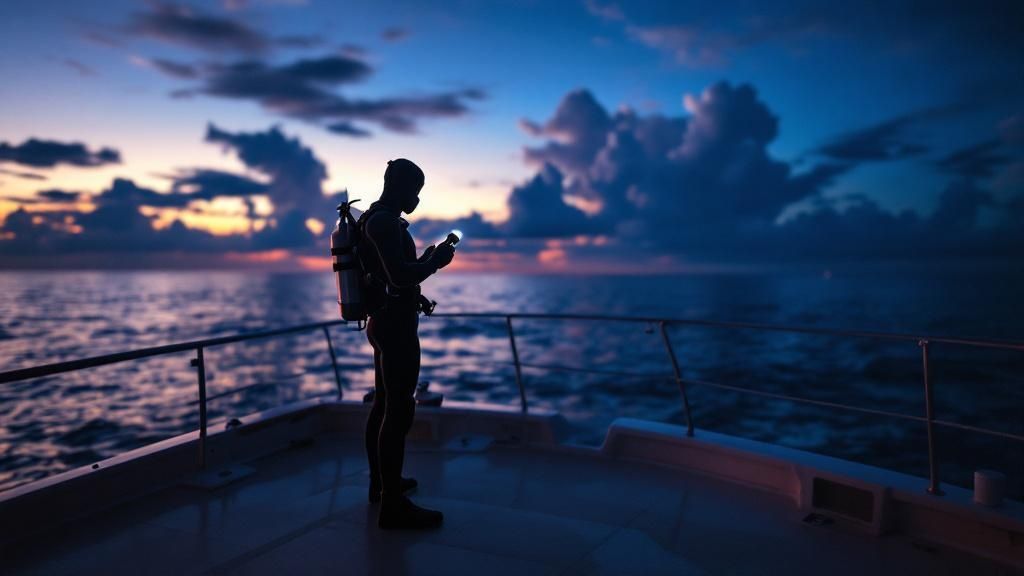
The Kona coast of Hawaii isn't just a good place for this encounter—it's globally recognized as the premier destination. There's a reason divers and ocean lovers flock here from all corners of the globe. The magic of the ocean truly comes alive after sunset, offering an experience so consistently incredible that it's become legendary. This isn't about catching a fleeting glimpse; it's about getting a front-row seat to one of nature's most graceful spectacles.
So, what makes this specific spot on the planet so special? It's a perfect storm of geography and biology. The waters here are incredibly rich with plankton, the microscopic critters that manta rays love to eat. This all-you-can-eat buffet has created a thriving local manta population, turning a few specific sites into reliable, nightly feeding grounds.
What to Expect on Your Tour
Your adventure usually kicks off with a breathtaking sunset boat ride along the stunning Kona coast. As the sky melts from gold to deep indigo, the expert crew will walk you through a detailed briefing. They’ll cover everything from safety procedures to fascinating facts about the very mantas you’re about to meet.
Once you’re at the spot, the crew sets up what we lovingly call the "campfire"—a collection of powerful underwater lights that shine up from the seafloor. This glowing beacon acts like a giant magnet, attracting swarms of plankton. It doesn't take long before the real stars of the show make their grand entrance.
The feeling of watching a massive fish the shape of a stealth bomber coming into vision is impossible to describe. It's akin to watching your child ride a bike for the first time or finding a winning lottery ticket.
Divers head down to a sandy bottom at a comfortable depth, while snorkelers hang onto a custom-built floating raft on the surface. From these vantage points, you get to witness the mantas perform their mesmerizing feeding ballet. They swoop, glide, and barrel-roll through the beams of light, often coming within inches as they scoop up plankton.
Why Kona is the Best Place for Manta Dives
The Kona Coast is the undisputed champion of manta ray night dives, and the numbers back it up. The local population is estimated to be over 450 individually identified manta rays!
Here’s why it works so well:
- Shallow Depths: The dive sites are typically between 30 and 40 feet, making the experience accessible for certified divers and snorkelers alike.
- Incredible Reliability: The chance of seeing mantas is exceptionally high, with sighting success rates between 85% and 90%—a consistency that is almost unheard of anywhere else in the world.
- Impressive Size: These gentle giants can boast wingspans of over 12 feet, creating an absolutely unforgettable sight as they feed right before your eyes.
You can dive deeper into what makes Kona a top manta destination on KonaHonuDivers.com. Choosing a professional and eco-conscious operator like Kona Honu Divers is the key to a safe, respectful, and truly memorable trip. Their experienced crew handles every detail, so you can just relax and soak in the wonder of it all.
If you're ready to tick this once-in-a-lifetime experience off your bucket list, you can learn more about this incredible manta ray dive tour and book your spot for a night you'll never forget.
Choosing Your Ideal Manta Ray Adventure
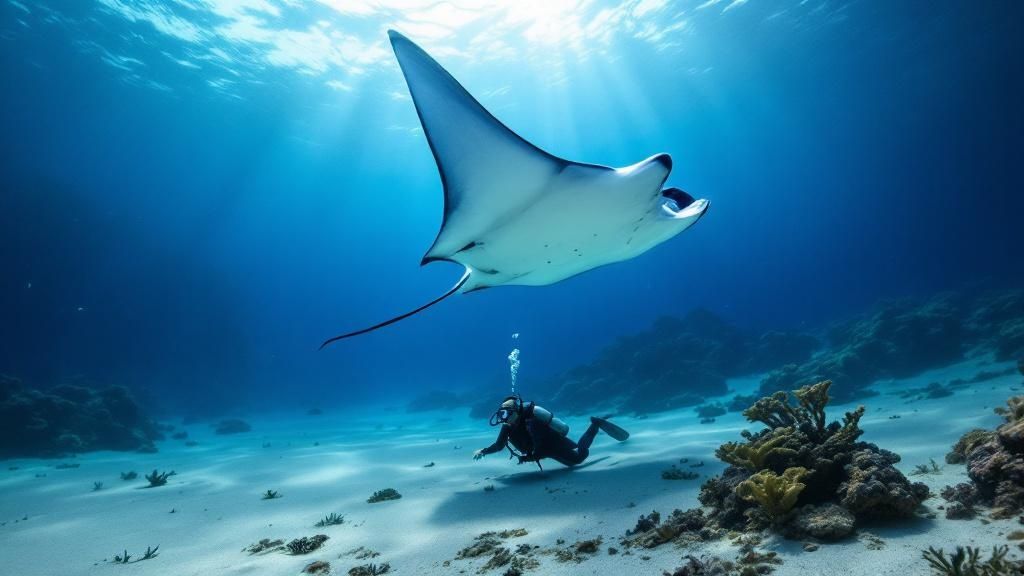
Deciding to do a manta ray dive in Kona is the easy part—it’s an experience you'll talk about for years. The trickier part is picking the right adventure for you. To make sure your trip is everything you're hoping for, you'll want to match the tour to your comfort level, diving skills, and what you want to see.
Think of it this way: you have two big choices to make. First, which "stage" will you visit? Kona has two world-famous manta sites, each with its own unique personality. Second, how do you want to watch the show—from the surface as a snorkeler, or fully submerged as a scuba diver?
Both options are incredible, but they offer completely different perspectives. Let's walk through the details so you can book your tour with confidence.
Manta Village vs. Manta Heaven
The two go-to spots for the Kona manta ray dive are famous for a reason: the mantas show up consistently. But the sites themselves are not identical. They differ in depth, conditions, and the general vibe of the dive.
Making the right choice between Manta Village and Manta Heaven is the first step in planning the perfect outing. To help you decide, here’s a quick comparison of what to expect at each location.
| Feature | Manta Village (Keauhou Bay) | Manta Heaven (Near Airport) |
|---|---|---|
| Best For | Beginner divers, snorkelers, families | Experienced, confident divers |
| Depth | 30-35 feet (shallow) | 35-45 feet (deeper) |
| Conditions | Sheltered and calm | Can have currents, more open ocean feel |
| Vibe | Relaxed, controlled, great for first-timers | Dynamic, can be a bigger "show" |
| Bottom | Mostly sand | Mostly rubble and coral heads |
While both sites deliver unforgettable encounters, Manta Village is often the preferred spot for those new to night diving, while Manta Heaven attracts divers looking for a more dynamic and sometimes more populated manta spectacle.
Scuba Diving vs. Snorkeling
Once you’ve thought about the location, the next question is how you want to experience it. Your choice here really depends on your certification and how you feel in the water.
-
Scuba Diving: As a certified diver, you get to descend to the ocean floor, settle in, and watch the show from below. Imagine looking up as these gentle giants glide just inches above your head, silhouetted by the lights from the surface. It’s a completely immersive experience and what most people picture when they think of the classic manta ray dive Kona adventure.
-
Snorkeling: If you're not a diver, don't worry—you still get a front-row seat! Snorkelers hold onto a custom-built floating light board on the surface. These powerful lights attract the plankton, which in turn brings the mantas right up to you. You'll see them swoop and barrel-roll just feet below, giving you an amazing top-down view of the action.
No matter which you choose, you're joining a massive community of ocean lovers. Each year, roughly 80,000 people participate in manta ray tours on the Kona Coast, cementing its reputation as one of the best places on Earth for this encounter. You can discover more about the specifics of Kona's manta sites to get an even better feel for the experience.
Finally, choosing a top-tier, safety-conscious operator is the most important decision you'll make. Kona Honu Divers runs exceptional trips for both divers and snorkelers, ensuring everyone has a safe, magical, and unforgettable time. Their professional crew and well-maintained gear make them an easy recommendation for your manta ray dive or snorkel tour.
A Step-By-Step Tour Walkthrough
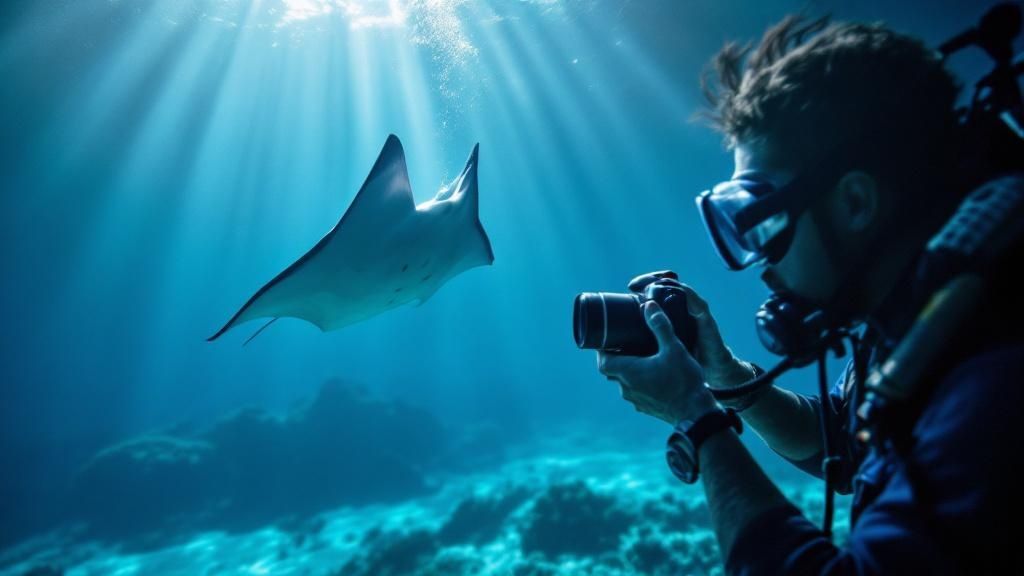
The buzz around a manta ray dive in Kona starts long before you ever hit the water. It begins the second you arrive at the harbor, with the tropical air electric with anticipation. So, what can you really expect on a tour with a top-notch crew like Kona Honu Divers? Here’s a play-by-play of the evening, from the sunset send-off to the final, awe-inspiring encounter.
Your adventure kicks off with a warm, professional check-in at the boat. The crew greets you, helps you get your gear stowed, and makes sure all your paperwork, like your certification card, is in order. It’s a smooth, organized start that immediately sets a relaxed and confident tone for the whole trip.
The Sunset Cruise and Briefing
As the boat pulls away from the dock, you're treated to a legendary Hawaiian sunset. The sky puts on a show, blazing with orange, pink, and purple over the Pacific—a perfect backdrop for the short ride to the dive site. This scenic cruise is the ideal time to settle in, chat with your fellow divers, and ask the crew any questions you might have.
During the journey, your divemasters give a comprehensive briefing. This is far more than a quick rundown of rules; it's an engaging and vital part of the experience. They'll cover:
- The Manta Rays: You'll hear fascinating stories about the local manta population, their unique behaviors, and even how to identify specific individuals.
- The 'Campfire': They'll explain how the crew creates the iconic circle of underwater lights that attracts the plankton—the mantas' favorite meal.
- Safety Procedures: A thorough walkthrough of how to get in and out of the water, communicate with hand signals, and navigate the site safely.
- Manta Manners: These are the golden rules. The crew emphasizes that this is a passive observation, ensuring we respect these magnificent animals and their home.
This briefing makes sure everyone, whether you're a seasoned pro or it's your first night dive, feels completely prepared and ready for the main event.
Setting the Stage for Magic
Once you arrive at the site, the crew moves with a practiced rhythm. They anchor the boat and begin setting up the "stage." For divers, this means lowering the "campfire"—a powerful light box that sits on the sandy bottom. For snorkelers, a large floating raft with bright, downward-pointing lights is deployed on the surface.
This light setup is the secret sauce. Think of it like a bug zapper, but for plankton. The intense light attracts swarms of microscopic organisms, creating an irresistible, concentrated buffet. And where the plankton go, the mantas are sure to follow.
As the last bit of daylight fades, the energy on the boat shifts. The crew helps everyone get into their gear, running through final safety checks. Then, one by one, you take that exhilarating step off the boat and descend into the dark, inviting waters of the Pacific.
A dive instructor once described the feeling perfectly: "It’s impossible to describe the feeling of watching a massive fish the shape of a stealth bomber coming into vision. It’s akin to watching your child ride a bike for the first time or finding a winning lottery ticket."
The Underwater Ballet Begins
Slipping into the twilight ocean is a thrill in itself. As a diver, you'll make your way down to a designated spot on the sand, get comfortable, and aim your dive light upward to add to the beacon. Snorkelers find their place around the floating light raft, holding on as they peer down into the illuminated water below.
And then, you wait. The first sighting is a moment of pure, unfiltered magic. A dark, elegant shape emerges from the gloom, gliding effortlessly into the beams of light. Soon, another follows, and then another. They swoop, circle, and perform breathtaking barrel rolls just feet—and sometimes inches—away from you as they feast on the plankton.
It’s an intimate, silent ballet, and you have the best seat in the house. This is the heart of the manta ray dive Kona experience—a memory that will stick with you forever. To see what the tour is all about, check out Kona Honu Divers' manta ray dive and snorkel tours.
Understanding The Science and Conservation
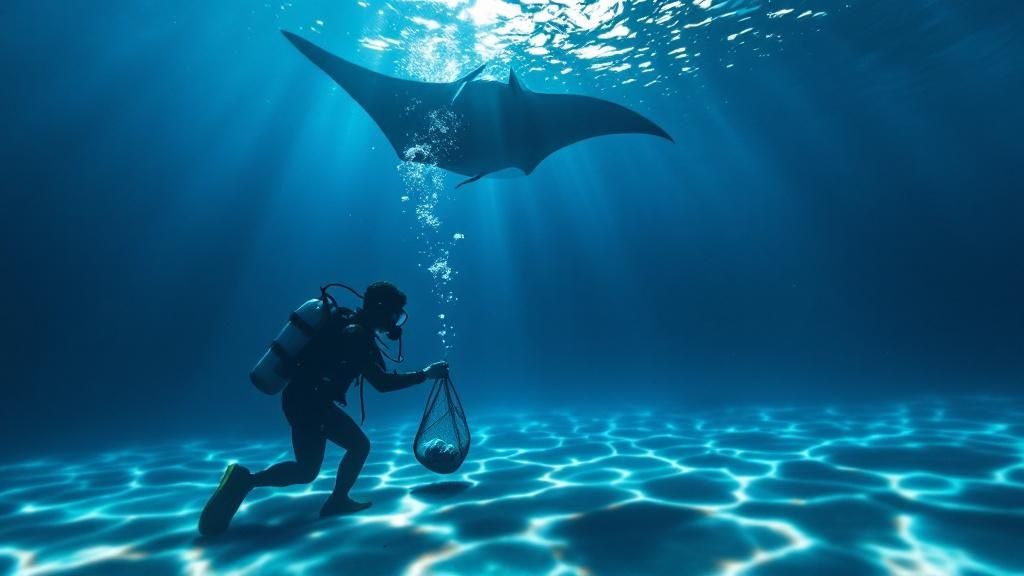
The manta ray dive in Kona is so much more than just a dazzling spectacle. It’s a living, breathing example of marine conservation in action. When you join one of these dives, you're not just a spectator; you're stepping into the role of a citizen scientist, playing a small part in a research effort that’s been going on for decades.
This beautiful blend of eco-tourism and scientific study is what makes the Kona experience truly unique. While you’re mesmerized by the underwater ballet, valuable information is being gathered on these gentle giants. It’s this symbiotic relationship that helps ensure the mantas will continue to grace these waters for generations to come, turning your vacation adventure into something truly meaningful.
How We Know Our Mantas
One of the coolest parts about the manta population here is just how well we know them. Researchers and seasoned dive guides can actually identify individual rays by the unique pattern of black spots on their white bellies. Think of it like a human fingerprint—no two are the same.
This is how we get to know them on a first-name basis. Your guide might point out a familiar face, saying something like, "Look, that's Lefty! See the little notch in his left cephalic fin?" or "Here comes Big Bertha, one of the biggest females we see regularly." This personal connection makes the experience so much richer; you're not just watching fish, you're meeting individuals with known histories.
This incredible knowledge is all thanks to a massive, collaborative effort. Since 1991, the Kona manta ray population has been studied by photographing and cataloging these distinct belly spots. This has created an enormous database with nearly 6,000 reported encounters and over 28,500 manta sightings documented in just 14 years. We've identified more than 330 individual mantas, which helps us track their health, movements, and so much more. This data is absolutely vital for global conservation efforts.
The Importance of Manta Manners
To keep these interactions safe and positive for everyone—especially the mantas—the Kona dive community has developed a strict code of conduct called "Manta Manners." These aren't just suggestions; they are crucial rules that protect the rays and ensure the long-term health of this amazing ecotourism experience.
The guiding principle is simple: be a passive observer. You are a guest in their underwater dining room, so it's all about respect.
The Golden Rule: Never, ever touch a manta ray. Their skin is covered in a protective mucus layer that shields them from bacteria. Touching them can rub this layer off, leaving them vulnerable to nasty infections.
Here are the key guidelines you'll need to follow:
- Stay Put: Divers will find a spot on the sandy bottom, while snorkelers hold onto a floating light raft. This creates a predictable and safe space for the mantas to swim.
- Don't Give Chase: Let the mantas approach you. Chasing after them only causes stress and disrupts their natural feeding patterns.
- Lights Point the Way: Divers shine their lights up toward the surface, and snorkelers shine theirs down. This concentrates the plankton in the water column between the two groups, creating a clear "stage" for the mantas.
- Mind Your Bubbles: If you're diving, try to time your breathing so your exhaled bubbles don't go directly into a manta's face as it glides overhead.
Following these simple rules helps create a stress-free encounter for the animals. It’s why choosing a reputable operator who is deeply committed to these principles is so important for the well-being of the local manta population.
Want to learn more about the dive itself? You can continue reading about the logistics of the Manta Ray Night Dive with Kona Honu Divers in our other guide.
How to Prepare for Your Manta Dive
A little bit of prep work can make the difference between a good night and an absolutely unforgettable one. When you’re getting ready for your manta ray dive in Kona, sorting out the details beforehand frees you up to just be in the moment and soak in the magic. This is your game plan for a perfect night, from what to pack to how to feel your best in the water.
Think of it this way: the dive crew at Kona Honu Divers handles the heavy lifting. They've got the essentials covered—tanks, weights, and the powerful lights that bring the mantas in. Your part is to bring the personal gear that keeps you comfortable and to make sure you're ready for the dive itself.
Your Personal Packing Checklist
While we provide the core dive equipment, you’ll want to bring a few things to make the trip more comfortable. The ride back to shore can get surprisingly chilly once you’re out of the water, so thinking ahead about warmth is a pro move.
Here's a quick list of what you should bring along:
- Certification Card: For divers, this is a must-have. No C-card, no dive. You can bring a physical copy or just have a digital version on your phone.
- Logbook: This is a dive you'll want to remember. Don't forget to log it!
- Towel: A small, quick-drying towel is perfect for the boat.
- Warm Jacket or Sweatshirt: Trust us on this one. After an evening dive, the boat ride back can feel brisk. A dry, warm layer is your best friend.
- Dry Bag: It’s a boat! Things can get splashed. A small dry bag is a great idea for keeping your towel, clothes, and phone safe and dry.
- Reusable Water Bottle: Staying hydrated is always a good idea, both before and after your dive.
That’s really all you need. Packing light and smart means you can focus on the main event: those incredible mantas.
Managing Seasickness and Photography
Even on the calmest Kona nights, the ocean always has a bit of movement. If you know you're prone to motion sickness, it's smart to plan ahead. Pop an over-the-counter remedy like Dramamine or Bonine before you even step on the boat. It works much better as a preventative measure than it does after you already feel queasy.
For all you photographers, getting that perfect shot of the manta ray dive kona is a huge part of the fun. Nighttime underwater photography has its challenges, but the payoff is huge. Just remember to practice good Manta Manners—don't get so focused on your camera that you forget your surroundings. Stay in your spot, let the mantas come to you, and use your camera lights to draw them in. A GoPro or a dedicated underwater camera rig with a video light will give you the best shots.
Check Your Certification and Skills
Feeling confident in the water is everything. If it's been more than a year since your last dive, doing a refresher is a really good idea. This isn't about us being strict; it's about making sure you have a safe, stress-free experience. A refresher dive gets you reacquainted with your gear, helps you dial in your buoyancy, and sharpens your skills so you can relax and truly enjoy the show.
Kona Honu Divers offers all kinds of Kona diving tours that are perfect for knocking the rust off. A simple two-tank morning dive is a great way to get your sea legs back before the main event.
"I love the Manta Dive with Kona Honu Divers. I have done it 4 times now and it is different every time… The crew is awesome as always." – Mark W., Google Review
With just a little bit of planning, your manta ray tour will easily become the highlight of your entire trip to Hawaii.
Explore More Big Island Underwater Adventures
While the legendary manta ray dive in Kona is an absolute can't-miss experience, it's really just the tip of the iceberg for what the Big Island’s underwater world has in store. Trust me, once you've seen that incredible manta ballet, you’ll be hooked and eager to see what else is out there.
Kona’s coastline is a diver’s dream, packed with a stunning variety of marine environments that are just as mesmerizing during the day. With Kona Honu Divers, your adventure doesn't have to end when the mantas swim off into the darkness. In fact, your next dive could be one of the most unique on the entire planet.
The Thrill of a Blackwater Dive
Picture this: you're drifting in the deep, open ocean, miles from shore and suspended in what feels like outer space. Below you? Thousands of feet of pure, dark water. This is the setting for the incredible Kona blackwater dive, an experience unlike any other. On the Blackwater Dive tour, you'll have an adventure that's truly out of this world.
Every single night, a massive migration occurs as countless strange and wonderful deep-sea creatures travel up from the depths to feed. On this dive, you’ll come face-to-face with alien-like larval fish, glowing bioluminescent jellyfish, and bizarre cephalopods you'd simply never encounter on a typical reef dive. It’s a whole different world.
Daytime Reefs and Advanced Challenges
The Big Island is also famous for its dramatic underwater landscapes, all shaped by ancient volcanoes. Daytime scuba diving tours on the Big Island reveal vibrant coral reefs, incredible lava tubes you can actually swim through, and massive archways buzzing with life. From schools of colorful reef fish to tucked-in turtles and curious eels, there's always something new to see. For a deeper look into the local dive culture, you can learn more about the incredible Kona manta ray dive experience that started it all.
For seasoned divers looking for a bigger challenge, Kona definitely delivers. Our advanced dive tours can take you to deeper pinnacles and sheer walls where you have a good chance of encountering sharks and other large pelagic animals. Whatever your skill level, Kona Honu Divers is ready to show you all the underwater treasures the Big Island has to offer.
Frequently Asked Questions About The Kona Manta Dive
You've learned about the magic, the science, and the logistics of a manta ray dive in Kona. It's totally normal to still have a few questions buzzing around. To help clear things up, here are some straight answers to the things we hear most often from divers and snorkelers getting ready for this adventure.
Is The Manta Ray Dive Safe For Beginners?
Yes, absolutely. In fact, the Kona manta ray dive is famous for being one of the safest and most beginner-friendly iconic dives in the world. Safety is the top priority for great operators like Kona Honu Divers.
If you're a certified diver, you'll find the whole experience takes place in fairly shallow water, usually around 30 to 40 feet. Better yet, you’ll be stationary for most of the dive, kneeling or sitting on the ocean floor, which makes it much less demanding than a typical dive.
For snorkelers, it's just as secure. You'll hold onto a custom-built floating raft equipped with powerful lights. This gives you a stable, supported position on the surface. Every trip kicks off with a detailed safety briefing, and you'll have professional divemasters right there in the water with you. And the mantas themselves? They're gentle giants—they have no teeth, stingers, or barbs.
What Is The Best Time Of Year For This Dive?
Here’s the fantastic news: you can have an incredible manta encounter any time of year! Kona’s manta ray population is resident, which means they live here year-round and don’t migrate. The feeding sites are active every single month.
That said, if you're aiming for the absolute best conditions, plan your trip between April and October. During these summer months, the ocean is typically at its calmest, warmest, and clearest. It's not unusual to see more than a dozen mantas show up for the feast. While the winter months can bring bigger ocean swells, the dive sites are tucked away on Kona's protected leeward coast, so tours can run safely almost every night of the year.
What Happens If No Manta Rays Show Up?
While manta sightings in Kona are incredibly consistent—with a success rate often over 90%—it’s important to remember they are wild animals. Their appearance can never be 100% guaranteed.
This is where reputable operators like Kona Honu Divers really stand out. They understand nature's unpredictability and almost always offer a "manta guarantee."
What does this mean for you? If you happen to be on one of those rare tours where the mantas don't make an appearance, you can come back and try again on another night for free (subject to availability). It’s always smart to double-check the specific policy when you book your tour.
Can I Touch The Manta Rays?
No. This is the most critical rule of the entire experience: you must never, ever touch the manta rays. Think of it like a living museum—look, but don't touch.
Manta rays have a special mucus layer covering their skin, which is their primary defense against bad bacteria. Touching them, even gently, can rub off this protective slime and leave them vulnerable to dangerous infections.
To keep both you and the mantas safe, everyone follows a code of conduct sometimes called "Manta Manners." This just means you passively observe from your spot, whether you're on the bottom or at the surface. Don't chase, reach out, or impede their path. When you respect their space, they feel comfortable enough to put on their incredible feeding ballet, sometimes gliding just inches away from you. To get a better sense of this, check out our guide on what it’s like to go on the manta ray dive.