
Picture this: you're sinking into the warm Pacific waters just as the last bits of daylight disappear. The only sound is the gentle hum of the ocean around you. Then, out of the darkness, a massive, elegant shape swoops into your dive light's beam. It’s a giant manta ray, and it’s dancing right in front of you. This isn't some lucky, once-in-a-lifetime sighting. This is the legendary manta ray dive Kona is famous for—an experience so consistently incredible, it belongs at the very top of every diver's list.
What Makes the Kona Manta Ray Dive Unforgettable
Kona, on Hawaii's Big Island, has rightfully earned its reputation as the world's number one spot for this encounter. It feels less like a dive and more like a beautifully choreographed underwater ballet. At night, tour boats shine powerful lights down onto the seafloor, creating what we call the "campfire." This light is a magnet for tiny plankton, which in turn rings the dinner bell for dozens of these gentle giants.
Think of this guide as your complete roadmap. I'm going to walk you through everything you need to know, from picking the right dive site to understanding what this awe-inspiring experience actually feels like. We’ll even touch on the crucial conservation work that keeps this adventure sustainable for years to come.
A Reliable and Magical Encounter
Most wildlife encounters are a gamble, heavily dependent on luck and the right season. The Kona manta ray dive, however, is a different story. It's remarkably consistent. The mantas are local residents, drawn to the same feeding spots night after night by the light "campfire" the operators create. That predictability is precisely why people travel from all over the world for this specific dive.
The experience itself is hard to put into words. You settle onto the sandy bottom, and these enormous creatures perform an aquatic ballet, swooping and barrel-rolling just inches from your face. Their sheer size—some with wingspans over 12 feet—combined with their effortless grace is truly humbling. It’s a peaceful, mesmerizing moment that photos and videos just can't do justice.
The Kona coast is globally famous for its manta ray dives, offering a unique mix of accessibility and reliability. Divers typically explore at depths of 30 to 40 feet, where the mantas glide through the illuminated water. The consistency of these sightings is what makes the experience truly special.
Why Kona is the Global Hotspot
So, what makes the manta ray dive Kona experience so unique? It's a combination of the perfect ecosystem and decades of responsible tourism practices. The local scuba diving Kona, Hawaii community has worked hard to create a safe, sustainable, and respectful interaction. You can learn more by reading our complete guide to the manta ray night dive in Kailua-Kona. This deep-rooted commitment ensures the mantas and their home are always protected.
The absolute best way to have an incredible and ethical trip is to go with a trusted local operator. They don't just provide gear and a boat ride; they bring invaluable expertise on manta behavior, conservation, and safety. Booking a professionally guided manta ray dive tour is a must for an adventure of this caliber.
Choosing Your Dive Site: Manta Heaven or Manta Village?
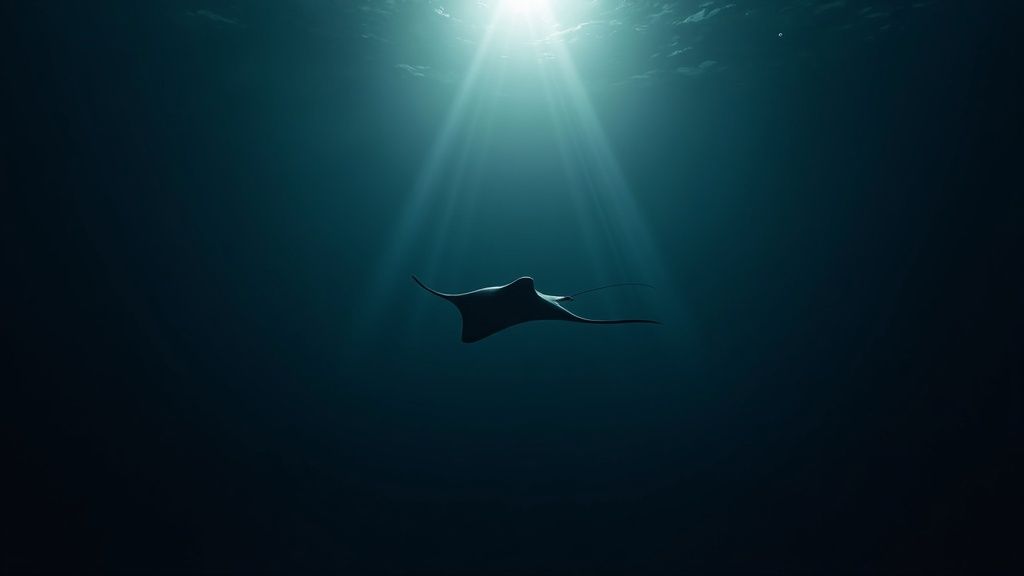
When you decide to finally take the plunge for a manta ray dive in Kona, you'll quickly face a key choice: where to go? The two main locations, Manta Heaven and Manta Village, aren't just interchangeable spots on a map. They're two completely distinct underwater stages, and each offers a unique flavor for this incredible wildlife encounter.
Think of it like choosing between a cozy, intimate theater and a grand, bustling amphitheater. Your decision will shape the entire vibe of your adventure, so it's worth knowing the difference.
Manta Village: The Original Site
Nestled in Keauhou Bay, Manta Village is where the magic all began. Years ago, a nearby hotel’s lights started illuminating the water, which attracted plankton. It didn't take long for the local mantas to notice the free buffet, and a world-famous dive site was born. It's the most established and, arguably, the most consistent of the two.
Its biggest advantage is its location. Tucked inside a bay, the water is usually much calmer and more protected from the open ocean swell. This makes it a fantastic choice for a few different kinds of adventurers:
- Families with snorkelers: The gentle surface conditions are often way more comfortable for those watching from the top.
- Divers prone to seasickness: The boat ride from Keauhou Harbor is very short, minimizing travel time on the water.
- Anyone seeking a reliable experience: Historically, Manta Village boasts a sighting success rate of over 90%, which offers fantastic peace of mind.
While the number of mantas might be slightly lower on average compared to its northern cousin, the reliability and gentle conditions make Manta Village a classic and beloved choice. You can learn even more about the unique aspects of this location by exploring our guide to the Big Island manta ray night dive.
Manta Heaven: The Grand Amphitheater
Manta Heaven, also known as Garden Eel Cove, is located offshore from the Kona International Airport. While Manta Village is the historic heart, Manta Heaven is the bustling metropolis. The main draw here is the potential for sheer numbers. Seriously. It’s not uncommon for divers to be surrounded by a dozen or more mantas gracefully barrel-rolling through the lights.
This site is more exposed, which can sometimes mean slightly choppier conditions. For many, though, the trade-off is well worth it. Seeing a massive "fever" of mantas—the actual term for a group of them—is a spectacle you will never forget.
The experience at Manta Heaven feels like being in the middle of a grand, underwater ballroom. With mantas gliding in from all directions, the energy is often more dynamic and absolutely awe-inspiring.
Manta Heaven vs Manta Village at a Glance
So, how do you pick? This table breaks down the key differences to help you choose the best Kona manta ray dive site for your trip.
| Feature | Manta Heaven (Keahole Bay) | Manta Village (Keauhou Bay) |
|---|---|---|
| Location | North of Kona, near the airport | South of Kona, in Keauhou Bay |
| Primary Draw | Potential for very large numbers of mantas | High consistency and reliable sightings |
| Conditions | More exposed to open ocean; can be choppier | Sheltered in a bay; typically very calm |
| Best For | Adventurous divers wanting a massive spectacle | First-timers, snorkelers, families, those prone to seasickness |
| Boat Ride | Longer boat ride | Very short boat ride |
| "Vibe" | A bustling, grand spectacle | An intimate, classic encounter |
Ultimately, there's no wrong answer. Deciding between these two amazing sites comes down to what you're looking for. Do you prefer the calm reliability of the classic Manta Village, or are you drawn to the potential for a larger, more dynamic show at Manta Heaven?
Either way, you’re signing up for one of the world's most breathtaking wildlife encounters. Ready to choose your stage?
What Your Manta Ray Adventure Will Actually Feel Like
The buzz of anticipation is almost tangible. As the boat cuts through the water along the Kona coast, the sun begins its slow-motion dip into the Pacific, setting the sky ablaze in shades of orange, pink, and purple. This isn't just a simple boat ride—it's the opening scene for one of the most incredible wildlife encounters you can have anywhere on Earth. The journey to the manta ray dive kona experience starts here, with a quiet excitement that slowly builds into pure awe.
Most tours are designed as a two-tank adventure. Your first dive is often a late-afternoon exploration of a nearby reef. Think of it as the perfect warm-up. It’s a chance to get comfortable with your gear, check your buoyancy, and watch as Kona’s vibrant coral gardens transition from day to night. You'll see daytime fish heading for cover while the nocturnal creatures just begin to stir. It’s a beautiful dive on its own, but everyone knows it's just the appetizer for the main event.
Once you're back on the boat, twilight settles in and the whole vibe changes. Your divemaster will gather everyone for the main briefing. This is where you’ll learn about the "campfire"—a collection of powerful lights that will be placed on the ocean floor. This light is the secret sauce. It acts like a giant neon sign for plankton, the tiny organisms that are the foundation of the ocean's food web.
Descending into the Ballet
With the briefing done, it's time for final gear checks before taking that giant stride into the dark, surprisingly welcoming water. As you begin your descent, you’ll see the campfire's glow below, an illuminated stage just waiting for its performers to arrive. If you're diving, you'll find a spot on the sandy bottom around the light, get settled, and aim your own dive light straight up to add to the beacon.
Then, you wait. For the first few minutes, there's a shared sense of suspense in the quiet. Before long, you'll see the plankton cloud thickening in the beams of light. And then, it happens. A huge, dark shape glides silently out of the blackness and into the bright circle. The first manta is here.
It's a moment that will be permanently etched into your memory. Watching a creature with a wingspan of up to 12 feet perform a weightless ballet just inches from your face is a truly humbling experience. The silent, graceful show feels both completely surreal and deeply moving.
The view is just as stunning for snorkelers. You'll float on the surface, holding onto a specially made raft that also shines lights down into the water. From up top, you get a bird's-eye view of the whole spectacle, watching the mantas swoop upward with their enormous mouths open to filter the plankton. Whether you’re on the bottom looking up or on the surface looking down, it's simply breathtaking. For a closer look at what makes this encounter so special, you can find more details about manta ray diving in Hawaii.
Beyond the Campfire Other Night Adventures
While the manta dive is Kona's claim to fame for night diving, it's not the only after-dark adventure available for certified divers. If you're looking for something truly different, the Kona coast offers one of the most unique and mysterious dives in the world: the blackwater dive.
Picture yourself drifting in the deep open ocean, miles from shore, suspended over thousands of feet of water. This is no reef dive. On a Kona blackwater dive, you'll hang in the darkness and witness the largest migration on the planet, as bizarre, bioluminescent creatures rise from the abyss to feed near the surface. It’s an entirely different kind of magic, showing you a side of the ocean very few people ever get to see. See what other divers think of their experiences with Kona Honu Divers.
The Gentle Giants and How We Protect Them
The incredible creatures you'll meet on a manta ray dive in Kona aren't just passing through. They're our local celebrities, and believe it or not, each one has a name. This personal connection is the real heart of Kona's conservation success story, turning an amazing dive into something truly meaningful.
So, how do we tell them apart? It all comes down to their bellies. Every single manta ray has a unique pattern of black spots on its underside, just like a human fingerprint. Our local researchers and veteran divemasters have spent years using these patterns to identify, name, and track individual mantas. It's a living catalog of our resident population.
When you're in the water with us, you might get to meet well-known regulars like "Big Bertha," "Lefty," or "Sugar Ray." Knowing their names and recognizing their individual personalities creates a powerful sense of connection and responsibility. It’s no longer just watching animals; it's a personal introduction.
A Community Built on Respect
This intimate knowledge has fueled an incredible commitment to their protection. The dive community here in Kona doesn't just see a group of fish; we see a family of individuals we've known for years. That bond is the driving force behind the strict guidelines we all follow to ensure every single encounter is safe and respectful for the mantas.
That’s why choosing an experienced and responsible operator is the most important decision you can make for your trip. It ensures you not only get a world-class experience but also actively support the sustainable practices that keep this whole ecosystem thriving. Your dive directly contributes to the research and conservation that allows these gentle giants to flourish.
Why Kona Is a True Sanctuary
Hawaii's dedication to these animals is backed by law. This isn't just a cool wildlife encounter; the manta ray night dive is a huge part of the local economy, generating over $2.5 million annually. Recognizing their immense value, Hawaii passed protective legislation on June 5, 2009, making it illegal to knowingly harm or capture manta rays in state waters.
This legal shield, combined with the passionate local community, has cemented Kona’s status as a genuine sanctuary. When you join a tour here, you’re stepping right into a real-life conservation success story.
The core philosophy of the Kona manta ray dive is passive interaction. By staying still and becoming part of the environment, you allow the mantas to feel safe and approach on their own terms. This respect is what creates those breathtakingly close, magical moments.
Our local efforts are part of a bigger picture. Understanding broader strategies to protect endangered species helps inform everything we do to safeguard these magnificent animals for generations to come. Every responsible action we take is a powerful reminder that we are guests in their world, and our respect is the key to preserving the magic for everyone.
How to Prepare for a Safe and Respectful Dive
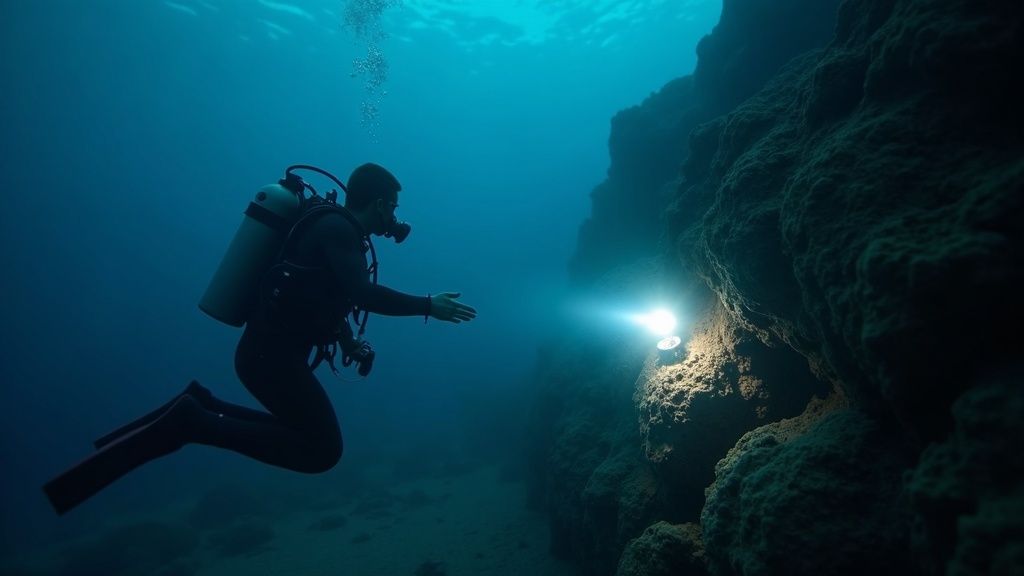
To get the absolute most out of your manta ray dive in Kona, a little preparation goes a long way. This isn't just about making sure you're comfortable; it’s about understanding your role as a visitor in the mantas' world. Think of it less as a dive and more as being invited to a spectacular underwater dinner party.
The golden rule here is passive interaction. Your job is to be a quiet, respectful observer. You want to blend into the background so the mantas can go about their business completely undisturbed. When you’re calm and still, the mantas see you as part of the environment, and that’s when the real magic happens.
That means absolutely no touching, chasing, or getting in a manta's way. Their skin has a protective mucus layer, and our touch can strip it away, leaving them vulnerable to infections. Giving them space is the best way to ensure they feel safe and keep coming back to these feeding sites.
Gearing Up for the Night
Getting your gear right is crucial for staying warm and being able to focus on the incredible show in front of you. While Hawaii's waters are a pleasant 75°F (24°C) by day, you'll definitely feel a chill on a night dive, especially once you're back on the boat.
- Wetsuit: We strongly recommend a full-length 3mm wetsuit for everyone, both divers and snorkelers. It hits the sweet spot, keeping you warm for the 45-minute experience without feeling bulky.
- Snorkeler Comfort: If you're snorkeling, you'll be holding onto a floating raft. While all the snorkel gear is provided, do yourself a favor and bring a jacket or a long-sleeved shirt for the boat ride home. You'll be glad you did.
- Diver Gear: Certified divers will get a full setup, including a dive light. Once you're on the sandy bottom, your main job is to relax and point that light straight up. You're helping create the plankton buffet!
Tips for Underwater Photographers
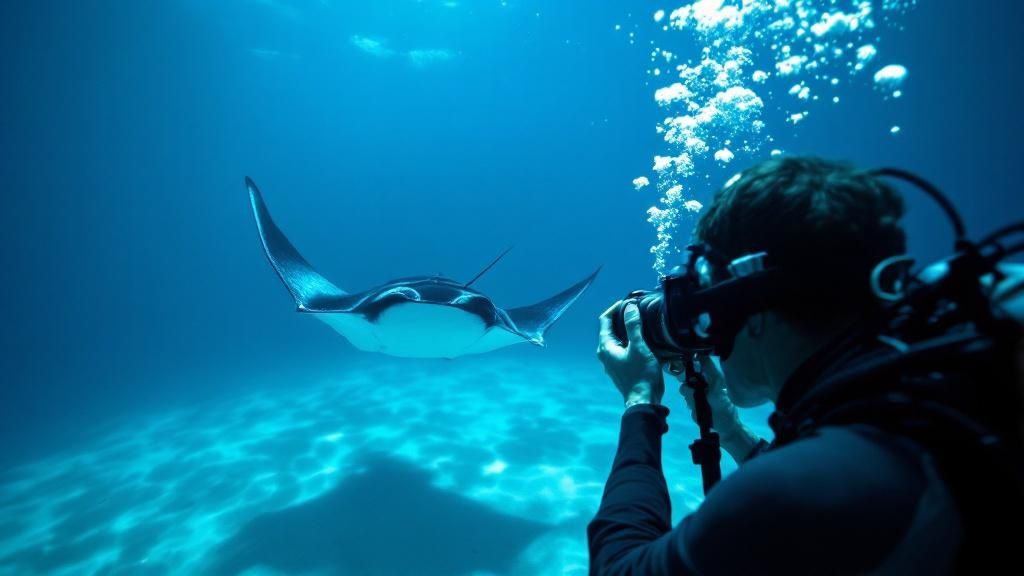
I get it—everyone wants that perfect photo. But capturing the moment has to be done with the mantas' well-being in mind. Big, bright camera strobes can easily disorient these gentle giants.
Instead of using your own powerful strobes, try a different approach. Use the main "campfire" of lights from the dive operator as your primary light source. This lets you play with silhouettes and capture the stunning, graceful movements of the mantas against the glowing water. If you hang back just a bit from the main light circle, you can often find unique angles without disturbing the feeding. A little patience and respect will get you far better shots.
For divers who want to build their confidence for more challenging dives, taking a premium advanced dive trip can be a fantastic way to level up your skills. More experienced divers should check out the advanced dive tour for other opportunities.
The most important thing to remember is this: let the mantas come to you. When you minimize your movement and just become a calm presence on the ocean floor, you’ll be rewarded with encounters that are far closer and more natural than you could ever get by chasing them.
Ready to see it for yourself? Booking with a professional, eco-conscious operator like Kona Honu Divers ensures your adventure is safe, respectful, and absolutely unforgettable.
Booking Your Manta Ray Dive with Kona Honu Divers
Alright, you're ready to take the plunge and experience the world-famous manta ray dive Kona offers. Let's talk about the most important decision you'll make: choosing the right dive operator. This single choice can make or break your entire adventure.
You want a crew that’s not just experienced, but also deeply committed to safety and the well-being of the marine life you're there to see. That’s where Kona Honu Divers really shines. When you book with them, you’re not just getting a spot on a boat; you're investing in a sustainable, respectful encounter that helps protect these gentle giants for future generations. Their reputation speaks for itself, and you can see for yourself why Kona Honu Divers was voted the best dive operator in Kona.
Securing Your Spot
Booking with a top-notch crew means you can relax, knowing you're in good hands and can focus on the incredible experience ahead. They have options for everyone, whether you’re a seasoned diver or prefer to watch from the surface.
- For Certified Divers: The most sought-after trip is the 2-Tank Manta Dive. You'll start with a gorgeous reef dive as the sun sets, then move on to the main event with the mantas after dark.
- For Everyone Else: Not a diver? No problem. The snorkel trip is just as spectacular. You'll float on a custom-made board at the surface, giving you a perfect view of the underwater ballet below.
A quick heads-up: these tours are wildly popular. I can't stress this enough—book well in advance to avoid missing out. Securing your spot early guarantees you a front-row seat to one of the planet's most magical wildlife encounters.
The dedication to these animals is what makes the Kona experience so unique. For years, nightly dives have been meticulously documented, tracking which mantas show up. Thanks to photographic and video records kept since 1991, researchers have identified and cataloged over 330 individual mantas, feeding this information into a global database. You can dive deeper into the incredible findings from these manta ray studies.
By choosing a trusted operator like Kona Honu Divers, you are directly contributing to the ongoing research and conservation efforts that make these magical encounters possible.
Your Manta Ray Dive Questions, Answered
As you get ready to book this incredible adventure, you probably have a few last-minute questions. It's only natural! Getting clear answers beforehand is the best way to feel confident and fully prepared for your manta ray dive Kona experience.
We've been asked just about everything over the years, so we’ve gathered the most common queries right here. Let’s clear up those final details so you can book your tour knowing exactly what to expect.
Is the Manta Ray Dive Safe for Beginners?
This is easily the most important question we get, and the answer is a resounding yes. The entire operation is designed with safety and accessibility in mind. The dive sites themselves are carefully chosen—they're relatively shallow, usually around 30-40 feet, and are tucked into bays that protect them from any strong, open-ocean currents.
Every reputable operator puts safety first. You'll get a detailed briefing before you even touch the water, covering all the safety protocols and how to interact with the mantas respectfully. With expert guides in the water supervising everything, it's a remarkably controlled and safe adventure for almost everyone.
What Happens if No Mantas Show Up?
It's a valid concern! While sightings are incredibly consistent—we're talking a success rate well over 90%—these are wild animals, and nature never comes with an absolute guarantee. The good news is that the best operators have a plan for those rare, unlucky nights.
Most top-tier companies, including our friends at Kona Honu Divers, provide a "manta guarantee." If your tour doesn't see a single manta, you can come back for another try on a different night, completely free of charge (subject to availability). This is a great reason to schedule your manta dive early in your vacation, just in case you need to use that second chance!
What Is the Best Time of Year for This Dive?
Here’s one of the best parts about this experience: there is no "best" time of year! The manta rays along the Kona coast are a resident population, meaning they live here all year long. They aren’t just passing through.
Because they show up every single night, drawn to the lights to feed on plankton, there's no official "manta season." Whether you're planning a summer holiday or a winter escape, the mantas will be here, ready to put on their show.
Can I Participate if I Am Not a Certified Diver?
Absolutely! The snorkeling option is just as breathtaking as the dive, and you won’t miss a thing. Snorkelers float comfortably at the surface while holding onto a large, custom-made light board.
This board floats on the water and shines powerful beams of light down below, attracting the plankton. From your spot on the surface, you get a perfect bird's-eye view as the mantas glide, swoop, and barrel-roll right underneath you in the light beams. It’s an amazing option for non-divers and families.
Ready to book this bucket-list adventure? Secure your spot for an unforgettable night with these gentle giants.