
Picture this: you’re floating in the warm, dark Pacific waters off the Kona coast. Suddenly, a colossal, graceful creature with a wingspan wider than a car glides silently just over your head. This isn't a scene from a sci-fi movie—it's the world-famous manta ray dive in Kona, Hawaii, an adventure that tops bucket lists for travelers from every corner of the globe.
Why the Kona Manta Ray Dive Is a Bucket-List Experience
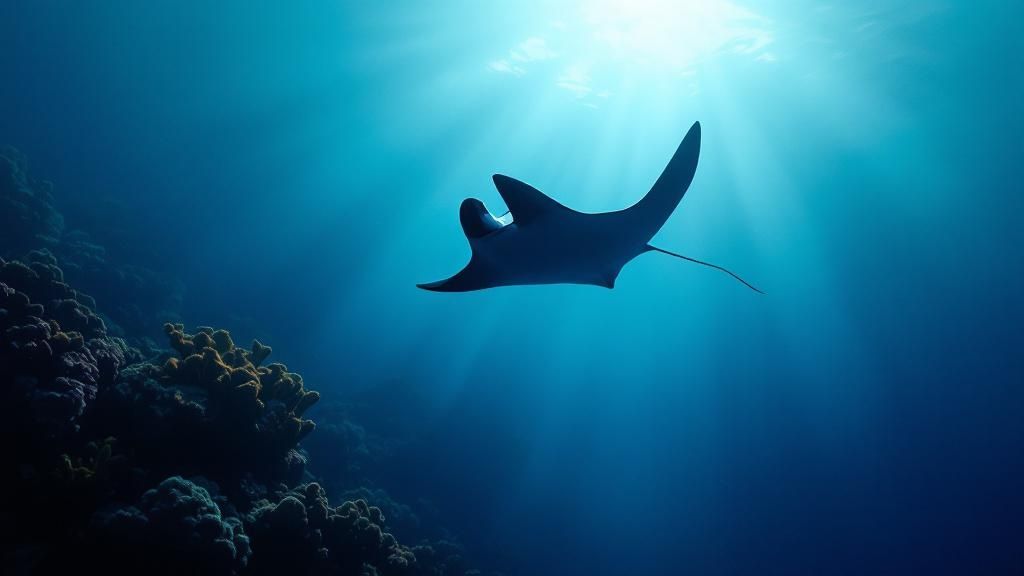
The Kona manta ray dive is so much more than just another underwater tour. It's a genuine, profound connection with one of the ocean's most majestic animals. People often call it an "underwater ballet," and for good reason. What makes it so unique is the sheer reliability and intimacy of the encounter. While spotting mantas in other parts of the world can be a total crapshoot, Kona offers a near-guaranteed show.
So, what’s Kona’s secret sauce? It’s a perfect storm of conditions:
- A Resident Population: The Kona coast is home to a massive, non-migratory community of reef mantas. They live here year-round.
- A Plankton Buffet: Nutrient-rich currents create an endless supply of plankton, which is the mantas' favorite meal.
- A Ringing Dinner Bell: For decades, local operators have set up dive sites where they use powerful lights to attract plankton. This basically acts as a dinner bell, and the mantas show up ready to feast.
This incredible setup means you get a front-row seat to a mind-blowing natural spectacle. Best of all, it's designed to be incredibly accessible. You don't need to be a grizzled, veteran diver to experience the magic.
To give you a quick overview, here's a table with the essential details you'll want to know.
Quick Guide to Kona Manta Ray Dives
| Attribute | Details |
|---|---|
| Success Rate | An incredible 85-90% chance of seeing mantas on any given night. |
| Manta Population | Over 450 identified individuals in the resident population. |
| Typical Wingspan | Averages 8-12 feet, but some are even larger! |
| Dive Depth | Shallow and accessible, typically 30-40 feet. |
| Best For | Both certified scuba divers and first-time snorkelers. |
| Key to Success | Choosing a reputable, eco-conscious operator. |
This combination of factors makes the Kona manta ray dive a truly reliable and awe-inspiring adventure you can count on.
An Adventure for Everyone
Whether you're a certified diver with hundreds of dives under your belt or a total newbie who has never even worn a snorkel mask, you can be part of this. Divers get to settle on the sandy ocean floor, looking up as these gentle giants perform their acrobatic feeding dance just inches above their heads. Snorkelers get an equally amazing view from the surface, holding onto custom-made light boards and watching the ballet unfold from a bird's-eye perspective.
The feeling is truly indescribable—watching a massive fish, shaped like a stealth bomber, materialize from the darkness and glide effortlessly through the water. It’s a moment of pure awe that stays with you forever.
When you go with a top-notch operator like Kona Honu Divers, you're not just a tourist. You're actively participating in a sustainable ecotourism model that helps protect these incredible animals for future generations. Their commitment to safety and marine conservation ensures your adventure is both unbelievably thrilling and completely responsible.
This blend of natural wonder, accessibility, and an almost-guaranteed sighting is what makes the Kona manta ray dive more than just a tour. It’s a chance to witness one of nature's most breathtaking phenomena up close.
Ready to see it for yourself? Check out the available manta ray dive tours and get ready for a night you will never, ever forget.
Choosing the Right Time and Place for Your Dive
So, you're ready for a manta ray dive in Kona? That's an awesome decision. But before you jump in, a little planning will make sure your trip is absolutely epic.
Not every manta tour is the same. Picking the right one really boils down to knowing the main spots, the best time of year to go, and what you’re comfortable with in the water. This isn’t a theme park ride; you're heading into their world. A little inside knowledge helps you pick an experience that’s a perfect fit, whether you've logged a hundred dives or are just getting your fins wet.
Manta Village vs. Manta Heaven
Here in Kona, we're lucky to have two world-famous spots for seeing manta rays. They both put on an incredible show, but they offer slightly different vibes. Knowing the difference is your first step to choosing the right manta ray dive in Kona.
- Manta Village (Keauhou Bay): This is the classic, the original spot that made Kona famous for manta dives. It's tucked into Keauhou Bay, which means the water is generally calmer and shallower. This makes it a fantastic choice for first-time divers and snorkelers who want a comfortable, secure place to watch the magic happen.
- Manta Heaven (Garden Eel Cove): A bit further north, near the airport, you'll find Manta Heaven. This site can be a little more adventurous. The water can be deeper, and sometimes you'll feel a bit more current. This tends to be a magnet for more experienced divers and photographers looking for those one-of-a-kind shots.
These sites are so reliable that around 80,000 tourists come to the Kona Coast every year for manta tours. That's a huge testament to how special this place is. No matter which you choose, you're plugging into a truly world-class ecotourism experience.
Finding the Best Time for Your Dive
You can see our local manta population all year long, which is great. But if you want to really stack the odds in your favor for a mind-blowing encounter, some times are better than others.
The absolute peak season for manta rays runs from about April to October. The ocean is basically a plankton buffet for them during these months, and the water is a balmy 75 to 80 degrees Fahrenheit. It’s pretty common to see 8 to 12 different mantas on a single night dive during this time.
That’s not to say a winter trip is a bad idea! The mantas live here and they’ve got to eat, so they’re around year-round. An "off-season" trip can sometimes mean fewer boats and a more personal experience with the rays. For a full breakdown, check out our guide on the best time of year to see manta rays in Kona.
Ultimately, picking the right time and place comes down to what works for your schedule and your comfort level. Whether it’s the calm waters of Manta Village or the wilder depths of Manta Heaven, you're setting yourself up for a night you’ll be talking about for years to come.
How to Prepare for Your Manta Ray Adventure
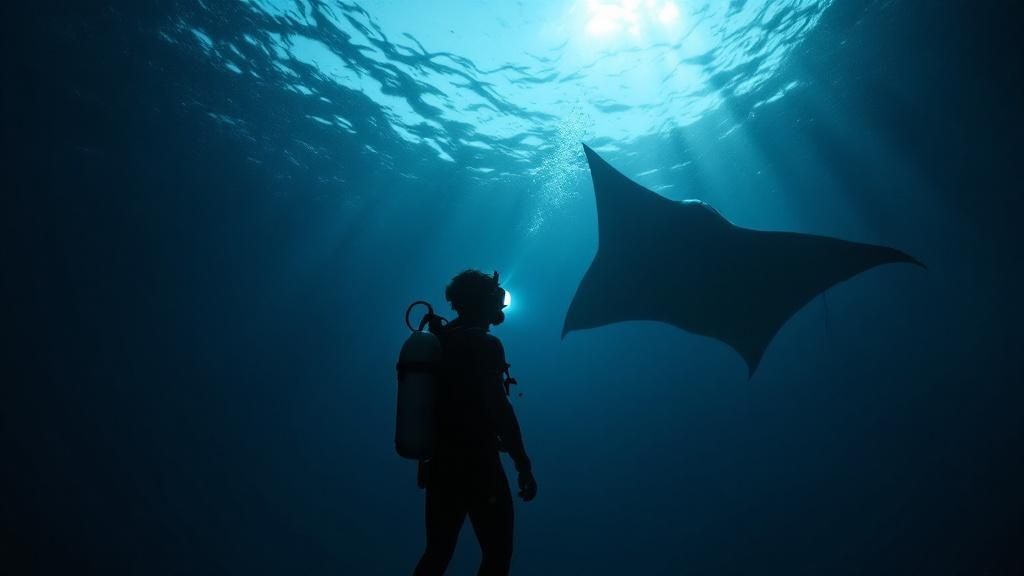
You’re about to have one of the most exhilarating experiences of your life—a manta ray dive in Kona! A little bit of prep work can take your trip from just "great" to absolutely unforgettable.
Getting ready is about more than just tossing a few things in a bag. It's about setting yourself up for total comfort and safety so you can soak in every single moment of the underwater magic without a single worry. Think of it as setting the stage for one of the most incredible encounters the ocean has to offer.
What to Bring and What to Expect
Any reputable operator, including us here at Kona Honu Divers, will provide all the essential scuba or snorkeling gear you need. That means your mask, snorkel, fins, and a buoyancy control device (BCD) for divers are all taken care of.
That said, there are a few personal items you'll definitely want to bring to make your trip more comfortable.
Here’s your quick checklist:
- Swimsuit: The easiest thing is to just wear it under your clothes to the marina.
- Towel: A small, quick-drying towel is perfect for after you get out of the water.
- A Warm Jacket or Sweater: Trust me on this one. Even in Hawaii, that boat ride back can get surprisingly chilly at night after a dive. A simple windbreaker works wonders.
- Dry Clothes: Nothing beats changing into something warm and dry for the ride back to shore.
The most important piece of gear provided is your wetsuit. Water temps might be in the mid-70s, but your body loses heat fast, especially on a night dive. A wetsuit that fits you well is an absolute must for staying warm, so you can focus on the mantas, not the shivers.
Getting Physically and Mentally Ready
Your physical state makes a huge difference. Start hydrating well before your tour even begins—it can actually help fend off seasickness. If you know you're prone to motion sickness, it’s a good idea to take an over-the-counter remedy before you leave the harbor.
Now for the most important part of your prep: the pre-dive briefing. Your guide isn't just giving a speech; they're an expert on the local conditions and exactly how these mantas behave.
Listen carefully during the briefing. Your guide will explain everything from how to enter the water safely to the specific "rules of engagement" for interacting with the mantas. This information is designed to keep both you and the wildlife safe.
Knowing the plan and what’s expected of you gets rid of any pre-dive jitters. It lets you just relax and get lost in the show. If you're thinking about doing a few dives while you're here, check out our Kona diving packages—it's a great way to bundle experiences and see more of the Big Island's underwater world.
The trust you put in your guides is key. Hearing from people who have been in your shoes can give you all the confidence you need. We've worked hard to build a reputation for professionalism and for creating safe, amazing experiences you'll be talking about for years.
Inside the Underwater Ballet: What to Expect on Your Dive
The boat ride out is pure anticipation, with the sun dipping below the horizon and painting the Kona coast in twilight colors. As you cruise toward the dive site, your guide will run through the final briefing, and then it’s time. This is where the real magic of the manta ray dive in Kona kicks off.
You'll slip into the warm Pacific and descend toward a circle of lights on the ocean floor, about 35 feet down. It honestly looks like an underwater campfire, a glowing beacon cutting through the deep blue of the evening.
The Science of the Spectacle
This isn't just for mood lighting; it’s a brilliant and wonderfully simple bit of science. Those powerful lights are a magnet for phytoplankton, the microscopic critters that manta rays absolutely love to eat.
As the plankton swarm into the beams, they form a thick, shimmering cloud of food. For the local manta population, this is basically a five-star, all-you-can-eat buffet. You're not just hoping for a chance encounter; you're joining them for their nightly feast, and you’ve got the best seat in the house.
The mantas, being smart creatures of habit, have figured out over decades that these lights mean an easy dinner. That's the secret sauce to Kona’s ridiculously high success rate for manta sightings.
A Front-Row Seat to the Ballet
Once you’re settled on the sandy bottom, the show truly begins. A shadow will emerge from the darkness, growing bigger and more defined until a majestic manta ray with a wingspan of 12 feet or more glides right into the light. Then another follows, and another.
They perform a mesmerizing, completely silent ballet just inches above your head. You’ll see them do these graceful barrel rolls, swooping through the plankton-filled water with their huge mouths wide open. It’s a moment that is somehow both thrilling and incredibly peaceful.
The feeling of a creature the size of a small car gliding effortlessly over you is indescribable. It’s a moment of pure awe, a connection to the natural world that feels ancient and deeply personal.
These gentle giants are totally unfazed by your presence. They’re just focused on dinner, looping and soaring through the light in a display of pure, unscripted grace.
Safety and Respectful Observation
The whole manta ray dive Kona experience is designed around one core principle: passive, non-intrusive observation. Your guides will get everyone positioned in a semi-circle on the ocean floor, creating a safe and clear "stage" for the mantas.
This setup is critical for two big reasons:
- Your Safety: By staying put on the bottom, you stay clear of the mantas' flight path and avoid any accidental bumps. It keeps the whole environment predictable and secure.
- Manta Safety: This hands-off approach ensures the mantas aren't chased, stressed, or blocked from feeding. It lets them behave naturally, which is absolutely essential for keeping this incredible experience sustainable for the long haul.
Your only job is to stay calm, breathe, and take it all in. By following these simple rules, you become a respectful audience member, making sure this underwater ballet can continue for years to come. This deep commitment to conservation and safety is at the very heart of the Kona Honu Divers manta ray tour.
Ready to see this breathtaking performance for yourself? The underwater stage is set, and the dancers are waiting.
Diving With Purpose: Manta Ray Safety and Conservation
Your manta ray dive in Kona is so much more than just an unbelievable vacation memory. It's a chance to step into the world of these gentle giants and actively help protect them. This whole incredible encounter is built on a foundation of respect and science, turning every single diver and snorkeler into a partner in conserving Kona's beloved manta ray population.
The experience hinges on one simple but absolutely critical principle: passive observation. This is the golden rule out on the water. Think of it like being a quiet, respectful guest in their underwater dining room. Your job is to simply become part of the scenery, letting the mantas perform their nightly feeding ballet completely undisturbed.
The Golden Rules of Manta Interaction
To keep the mantas healthy and ensure this amazing experience can continue for decades to come, everyone—divers and snorkelers alike—has to follow a strict code of conduct. These aren't just polite suggestions; they are absolutely essential for protecting these magnificent animals.
- No Touching: Manta rays have a special mucus coating on their skin that acts as a shield against infection. Even a simple touch from a human hand can rub it off, leaving them vulnerable to nasty diseases.
- No Chasing: Never, ever swim after a manta ray. Chasing causes them a ton of stress and can scare them away from their food source, disrupting the very behavior we've come to see.
- No Blocking: Always give the mantas a wide, clear path. Your job is to stay put in your designated spot—whether that’s on the seafloor or floating at the surface—and let them glide, swoop, and loop without having to dodge you.
Following these rules helps create the safe, stress-free environment that has allowed this one-of-a-kind wildlife interaction to flourish.
You Are Part of the Science
Believe it or not, when you go on a manta ray dive in Kona, you become a citizen scientist. Every single trip contributes to a massive, ongoing research project that is crucial for manta conservation.
Here’s how it works: the unique pattern of black spots on each manta ray's white belly is like a fingerprint. No two are alike. This allows researchers to identify, name, and track individual animals over their entire lives.
This cataloging effort has been going on right here in Kona since 1991, creating one of the most detailed datasets on a wild manta ray population anywhere on Earth. In the last 14 years alone, researchers have documented nearly 6,000 encounters and over 28,500 manta sightings, identifying more than 330 individual mantas! This data is pure gold for scientists trying to understand their life cycles, population health, and migration patterns—information that is vital for protecting them globally.
Choosing a responsible operator means you're not just booking a tour; you're casting a vote for conservation. You are actively supporting a system that values the well-being of the mantas above all else.
Booking with a vetted operator like Kona Honu Divers is the best way to ensure these critical conservation rules are followed on every trip. It's a huge part of why you should go on a manta ray dive in Kona. For those who feel inspired to do even more after their dive, checking out some of the top wildlife conservation volunteer opportunities can be a fantastic next step.
Beyond the Mantas: Exploring More Kona Dive Adventures
The famous manta ray dive in Kona is an absolute showstopper. It's one of those true bucket-list adventures that brings people here from all corners of the globe, and for good reason. But I'll let you in on a little secret: it's just the beginning.
Think of the manta dive as your incredible introduction to one of the most diverse and thrilling diving destinations on the planet. Once you’ve watched that silent, graceful ballet unfold, you'll realize Kona’s volcanic coastline holds countless other secrets just waiting for you. The adventure doesn't stop when the mantas swim off into the night—it’s just getting started.
The Otherworldly Kona Blackwater Dive
If you've got a true taste for adventure, your next step has to be the legendary Kona Blackwater Dive. It's an experience that's almost impossible to put into words. You descend into the deep, dark, open ocean at night, tethered to the boat, and just… drift.
What happens next is pure magic. Strange, bioluminescent creatures you've never imagined rise from the abyss, creating a spectacle that feels more like floating through outer space than diving. It's a must-do for anyone chasing a genuinely unique experience. We run this trip regularly, and you can get all the details on our Blackwater Dive tour page. Trust me, it will redefine what you think is possible underwater.
Advanced Dives and Volcanic Formations
Are you a certified diver looking for a challenge that goes beyond the manta ray dive in Kona? The Big Island’s dramatic underwater topography, sculpted by millions of years of raw volcanic power, is your playground. We run specialized trips that take experienced divers to these incredible, less-trafficked spots.
Picture yourself exploring:
- Intricate Lava Tubes: Imagine swimming through ancient underwater caverns and archways carved out by molten lava flows.
- Dramatic Walls and Pinnacles: You can descend along sheer drop-offs completely covered in rare corals and sponges, a world away from the usual reef.
- Hidden Reefs: We know where to find the pristine coral gardens that are home to sharks, huge schools of fish, and other marine life you just won't see at the busier sites.
These advanced dives serve up a different kind of thrill, rewarding seasoned divers with some of the most spectacular underwater scenery you'll ever see. To get a look at these deeper, more complex sites, check out our premium advanced dive trips.
Here at Kona Honu Divers, we believe every single dive should be an adventure you remember for a lifetime. Whether you came for the mantas or you're ready to explore everything else Kona has to offer, we have a trip that’s perfect for you. Our full lineup of Kona scuba diving tours is designed to show off the absolute best of the Big Island's underwater world.
Frequently Asked Questions About the Kona Manta Ray Dive
We've covered a lot of ocean, but I bet you still have a few questions bubbling to the surface. That's totally normal! When you're planning an adventure as epic as the manta ray dive in Kona, you want to have all your ducks in a row.
This is where we'll tackle the most common questions we get. From safety to logistics, we'll clear up any murky water so you can book your trip with absolute confidence.
What Happens if No Manta Rays Show Up?
This is the big one, and it's a fair question. We're dealing with wild animals here, and nature never gives a 100% guarantee. The good news? The success rate at the Kona dive sites is insanely high, consistently hitting over 90%.
On the rare night the mantas are a no-show, any reputable operator will have your back. The standard practice, and what we do here at Kona Honu Divers, is to offer you a free do-over on another night. This is exactly why we always tell people to book their manta adventure early in their vacation—it gives you plenty of wiggle room to reschedule if you need to.
Is It Safe to Swim With Manta Rays?
Absolutely! This is one of the safest and most jaw-dropping wildlife encounters you can possibly have. Don't let their massive size fool you; manta rays are the definition of gentle giants.
Here’s what you need to know:
- No Stingers: Unlike their stingray cousins, mantas have no stinger, no barb, no way to hurt you at all. They're completely harmless.
- Plankton Eaters: They are filter feeders, meaning their diet consists of microscopic plankton. You are definitely not on the menu.
- Curious, Not Aggressive: The only interest they might show in you is pure curiosity. The whole experience is designed around passive observation, keeping both you and the mantas safe and stress-free.
What if I Can't Swim or I'm Not a Certified Diver?
No problem! You can still experience the magic. The manta ray encounter is brilliantly set up to be accessible to almost everyone.
If you're not a certified diver or maybe not the strongest swimmer, the snorkeling option is perfect for you. You'll float comfortably on the surface, holding onto a custom-made light board. This board gives you stability and, more importantly, shines a bright light into the water, attracting the plankton that the mantas come to eat. You get an incredible bird's-eye view of the underwater ballet, often just inches below you, without ever needing to dive.
Our expert crew at Kona Honu Divers is with you every step of the way to make sure you feel completely safe and have an unforgettable time. We provide all the gear and guidance you need.
Ready to lock in your spot for this once-in-a-lifetime adventure? You can check out our manta ray dive and snorkel tour options and find the perfect trip for you.