
Of all the world's great underwater adventures, the manta ray dive in Kona is truly something special. It's more than just a dive; it's a world-famous, bucket-list experience that brings you breathtakingly close to these gentle giants in a way you can't find anywhere else on the planet. Think of it as an underwater ballet, where massive manta rays glide, swoop, and feed in beams of light, putting on a show that will stick with you forever.
The Magic of the Kona Manta Ray Night Dive
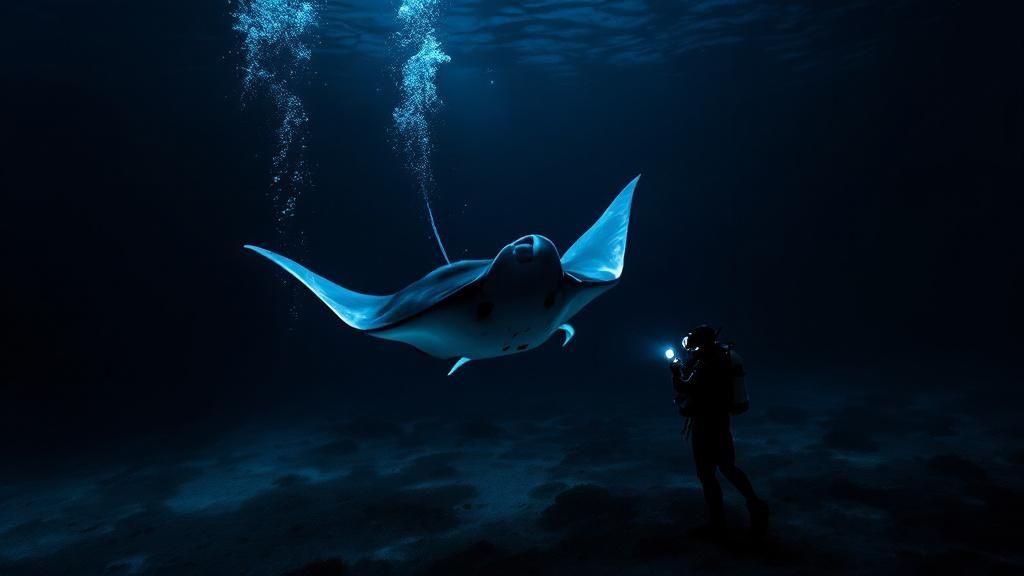
Picture this: you slip into the warm, dark Pacific Ocean just as the last colors of a Hawaiian sunset fade from the sky. Below you on the ocean floor, powerful lights create a glowing circle, a beacon in the twilight. Divers call it the "manta campfire." This bright light draws in clouds of plankton, the go-to meal for the giant Pacific manta ray.
Then, it happens. A huge, graceful shadow emerges from the deep blue, gliding effortlessly into the light. Soon, another follows. This is the heart and soul of the Kona manta ray dive—a completely mesmerizing and almost otherworldly experience that has rightfully earned its reputation as one of the most iconic wildlife encounters on Earth.
What makes Kona the global hotspot for this? Consistency. Unlike other places where manta sightings can be hit-or-miss, Kona's resident population shows up reliably. With an estimated 80,000 participants joining tours every year, local operators have perfected a safe and awe-inspiring way to share this spectacle. You can learn more about the unique ecosystem that makes this possible in our guide to the manta ray night dive in Kailua-Kona.
Two Premier Dive Sites
The manta action happens at two main locations along the Kona coast. Each has its own distinct personality, so you can pick the one that best matches your experience level and what you're hoping to get out of the dive.
A great way to understand the differences is to see them side-by-side.
Kona Manta Ray Dive Sites at a Glance
| Feature | Manta Village (Keauhou Bay) | Manta Heaven (Near Airport) |
|---|---|---|
| Location | South of Kailua-Kona | North of Kailua-Kona |
| Depth | 25-35 feet | 35-45 feet |
| Experience Level | Beginner-friendly, great for snorkelers | Best for experienced divers |
| Bottom Topography | Sandy bottom, easy to settle on | Rocky reef & coral heads |
| Currents | Generally calmer | Can have stronger currents |
| Vibe | The "classic" site, very reliable | More adventurous, can attract larger schools |
Both sites offer incredible opportunities, but knowing the key differences helps ensure you have the best possible experience. Manta Village is a fantastic starting point, while Manta Heaven provides an exciting alternative for those with a few more dives under their belt.
No matter which site you visit, the resident mantas are here year-round. The best time for the most comfortable water temperatures is typically from April to October, but the show goes on all year long. On an average trip, it's common to see 8 to 12 manta rays, which is why Kona's reputation as a world-class destination is so well-deserved.
Of course, the key to an amazing trip is choosing a top-tier operator. Going with a team like Kona Honu Divers means you're in the hands of an experienced crew that prioritizes not just your safety, but the well-being of the mantas too. Their local knowledge is what turns a good dive into an unforgettable one.
Your Manta Ray Dive From Start to Finish
So you’ve booked a manta ray dive. What can you actually expect to happen from the moment you arrive at the dock to the second you get back on the boat? It’s more than just getting in the water; it's a whole adventure, planned from start to finish to be safe, unforgettable, and totally respectful of these incredible animals.
The experience kicks off well before your fins touch the water, with a fantastic pre-dive briefing from the Kona Honu Divers crew. This isn't your average, run-of-the-mill safety talk. Instead, you'll get a real education on manta rays—fascinating details about their behavior, how their unique spot patterns act like fingerprints, and the conservation work that keeps them thriving. The most important lesson? The golden rule of interacting with them: passive observation.
The Underwater 'Campfire'
At the heart of the whole experience is a clever setup affectionately known as the "manta campfire." Think of it as a specially designed light array that the crew places on the ocean floor. As dusk begins to settle, your guide flips the switch, and these powerful lights shoot beams straight up toward the surface.
This brilliant beacon of light is irresistible to tiny plankton, which happen to be the mantas' absolute favorite meal. The light draws them in, and soon a dense, shimmering cloud of plankton forms—basically, an all-you-can-eat buffet for any mantas in the area. This ingenious technique is the secret sauce behind Kona's world-famous, reliable sightings. If you want to dive deeper into the nuts and bolts of it, you can explore the logistics of the manta ray dive in our other guide.
Once darkness falls, the anticipation really starts to build. You'll gear up and make your way into the calm, warm Pacific waters, descending to a designated spot around the campfire. The crew gets everyone settled comfortably on the sandy bottom, forming a circle of spectators for the incredible show that’s about to begin.
The Show Begins
There's a palpable buzz of excitement in the water as you kneel on the ocean floor, shining your own dive light up to add to the glow. And then, it happens. A huge, dark shape glides out of the blackness, swooping effortlessly into the light. The first manta ray has made its grand entrance.
It's often called an underwater ballet, and for good reason. The mantas perform these graceful barrel rolls, somersaulting over and over through the beams of light to scoop up plankton. They'll soar down, sometimes passing just inches above your head, before banking a turn and gliding back up into the darkness.
Watching these gentle giants in their element is simply breathtaking. It's a completely immersive, peaceful, and truly awe-inspiring experience that puts you face-to-face with the magic of the ocean.
How to Prepare for Your Manta Adventure
To make your manta ray dive truly spectacular, a little bit of prep work makes all the difference. When you know what to expect and what to bring, you can stop worrying about the logistics and just soak in the incredible experience happening all around you.
First, let's cover the absolute must-haves. If you're a certified diver, you’ll need to bring your certification card and logbook. It’s the one thing operators can’t provide. While a top-notch outfit like Kona Honu Divers will have all the high-quality gear you need, your credentials are your ticket to the show.
What to Bring and Wear
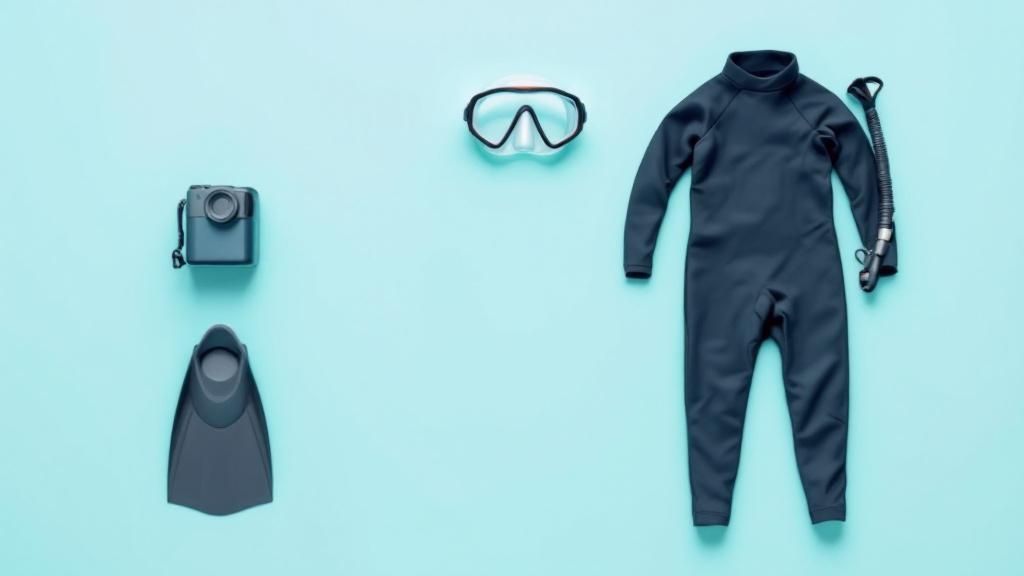
You might think "Hawaii" and picture warm, tropical water, but a good wetsuit is your best friend on this dive. The manta ray dive is a pretty passive experience; you'll spend most of your time settled on the ocean floor, looking up at the action. Without much movement, you can get cold surprisingly fast.
Here's a simple checklist to make sure you're comfortable:
- Wetsuit: We strongly recommend a 3mm or 5mm wetsuit. It’ll keep you perfectly warm while you’re captivated by the mantas.
- Hydration: A reusable water bottle is a great idea. Staying hydrated before and after the dive helps keep you feeling sharp and energized.
- Dry Clothes: Pack a towel and something warm, like a hoodie or a windbreaker, for the boat ride back. The air can feel chilly after you get out of the water.
Fine-Tuning Your Skills
If there's one skill that will make or break your dive, it's buoyancy control. You need to be able to hold your position on the sandy bottom without stirring up sediment or, more importantly, floating into the mantas' flight path. Keeping still protects the fragile marine life and gives you the best, uninterrupted view.
Thinking about brushing up on your skills? Taking some general diving courses can be a huge confidence booster before a unique dive like this one.
The great thing about the manta encounter is that it’s not just for divers. Most operators, Kona Honu Divers included, offer an amazing snorkeling version. Snorkelers get to float at the surface, holding onto a lighted raft, and watch the mantas swoop up from the depths to feed. It’s an awesome way for everyone to join in.
Getting these few things sorted out beforehand means you'll be completely ready for an unforgettable adventure. To get even more excited about your trip, check out our guide on why you should go on a manta ray dive in Kona.
Diving with Respect: Manta Ray Conservation in Kona
Sharing the water with Kona's majestic manta rays is an absolute privilege. It’s an experience that sticks with you, but it also comes with a serious responsibility to protect these incredible animals. The whole operation is built around one central idea: respect. We are guests in their home, and our actions directly impact their well-being.
The most important rule is simple, but it’s non-negotiable: don’t touch the manta rays. Ever. Manta rays have a thin, slimy coating on their skin that acts like a shield, protecting them from nasty bacteria and infections. When we touch them, even with a gentle poke, we can wipe off this protective layer and leave them vulnerable.
Following the Golden Rules
Every reputable dive operator in Kona will drill you on a specific set of rules before you even hit the water. This isn't just about being polite; it’s about ensuring a safe and breathtaking encounter for everyone involved—especially the mantas. Following these guidelines is your direct contribution to their conservation.
- Find Your Spot and Stay Put: Whether you're a diver settled on the sandy bottom or a snorkeler floating at the surface, it’s critical to hold your position. This creates a predictable space, like a well-lit stage, for the mantas to swoop in and feed.
- Let Them Come to You: This is the hard part for excited divers, but you must resist the urge to chase or swim toward a manta. The real magic happens when you stay still. These gentle giants are incredibly curious and will often glide just inches away once they know you aren't a threat.
- Watch Your Bubbles and Fins: If you're diving, try to avoid blowing your exhaust bubbles right into a manta's face as it passes overhead. And for everyone in the water, keep your fins under control to avoid kicking up sand or accidentally bumping one of the animals.
The Bigger Picture of Manta Protection
These simple rules are part of a much larger conservation story. When you book a tour with a responsible operator, you're essentially casting a vote to protect these creatures. Manta ray tourism brings over $2.5 million to Kona’s local economy every year, which proves that these animals are far more valuable alive and thriving.
Recognizing their importance, Hawaii made it illegal to knowingly kill or capture manta rays in state waters back in 2009. By participating respectfully, you help reinforce the value of these protections and ensure the manta ray dive in Kona remains a world-class experience for future generations.
If you want to get a real feel for what one of these respectful encounters looks like from a diver's perspective, check out this great rundown of what it’s like on the manta ray dive.
Choosing the Right Kona Manta Ray Dive Operator
The success of your manta ray dive in Kona hinges on more than just the mantas showing up—the dive operator you choose can make or break the entire experience. A great company doesn't just get you in the water; they elevate the dive from good to genuinely magical. The key is finding an operator who is as dedicated to the well-being of the ocean as they are to your safety and enjoyment.
When you're looking, prioritize companies that are serious about conservation. Operators who follow strict eco-guidelines, like those formerly on the Manta Ray Green List, are showing you they put the health of the marine environment first. Beyond that, look for practical signs of a quality operation: well-maintained boats, a commitment to small group sizes, and a top-notch safety record.
What Makes an Operator Stand Out
A truly exceptional operator goes far beyond a simple taxi service to the dive site. They'll give you a thorough, engaging briefing that doesn't just cover the dive plan, but also educates you about manta ray behavior, the local ecosystem, and the golden rules of a respectful encounter. This approach makes you an informed and responsible participant, not just a tourist.
Kona Honu Divers is a fantastic example of a company that gets everything right. They're well-known for having a highly experienced crew that’s passionate about customer service and manta ray conservation, a combination that leads to consistently incredible trips. Of course, having the right equipment is also part of the equation; you can learn more about why now is the perfect time to invest in your own dive gear.
The best operators foster a deep sense of respect for the ocean. Their passion is contagious, turning your dive into a powerful lesson in marine conservation while delivering a breathtakingly beautiful show.
One of the most reliable ways to vet an operator is to hear what other divers have to say. Reading reviews from people who have already done the trip gives you honest, unfiltered insight into the crew, the boat, and the overall adventure you can expect. Take a look at what people are saying about their manta ray dive with Kona Honu Divers.
When you're ready to book your own unforgettable manta ray dive, Kona Honu Divers keeps it simple. Their manta ray dive tours are specifically designed to give you an amazing, up-close encounter with these gentle giants.
Explore More Incredible Kona Diving
The manta ray dive in Kona is genuinely a bucket-list experience, but believe me, it’s only scratching the surface of what the Big Island offers beneath the waves. The very same volcanoes that forged the island created a stunning, dramatic underwater world that makes Kona a true diver's paradise.
Once you’ve had your mind blown by the mantas, you’ll find vibrant coral gardens, ancient lava tubes begging to be explored, and breathtaking underwater arches. This one-of-a-kind geology supports an incredible amount of marine life, including many species you simply can't find anywhere else on the planet.
Beyond the Mantas
While the mantas rightly get top billing, Kona's daytime dives are packed with other amazing encounters. You'll almost certainly come across Hawaiian green sea turtles (honu) relaxing on the reef, spot pods of acrobatic spinner dolphins, and be surrounded by schools of endemic fish that bring the reefs to life with flashes of brilliant yellow, red, and blue.
Ready for another unforgettable night dive? If you loved the thrill of the manta dive, you have to try the Kona Blackwater Dive. This is a completely different kind of adventure where you drift in the deep, dark open ocean. You’ll witness some of the weirdest and most wonderful creatures as they make their nightly migration from the abyss toward the surface. It's surreal, otherworldly, and a dive you will never forget.
For certified divers eager to expand their skills and see something truly epic, Kona has some world-class advanced diving opportunities. These trips will take you to more remote sites featuring sheer drop-offs, exciting swim-throughs, and a better chance of spotting larger open-ocean animals.
Here at Kona Honu Divers, we offer a complete range of scuba diving Kona tours designed to show you the absolute best of the Big Island. Whether you’re looking for a relaxing reef tour, another nighttime thrill, or a challenging new adventure, your next amazing dive is right here.
Your Kona Manta Ray Dive Questions, Answered
It's one of the most famous wildlife encounters on the planet, so naturally, people have a lot of questions. Let's walk through some of the most common ones so you can plan your trip and know exactly what to expect.
Is a Manta Ray Sighting Guaranteed?
That's the million-dollar question, isn't it? Since manta rays are wild animals, no one can offer a 100% guarantee. But here's the good news: the Kona dive has one of the highest success rates you'll find anywhere, consistently hitting over 90%. The dive operators here, like Kona Honu Divers, have spent decades figuring out how to draw in the plankton that mantas love, which brings these gentle giants right to the "campfire" of lights.
What happens on that rare night when the mantas are a no-show? Most top-tier companies have a "manta guarantee." This usually means you can come back and try again on another night for free. Just be sure to double-check the specific policy when you book.
What Is the Best Time of Year for the Dive?
Believe it or not, any time is a great time! The local manta ray population sticks around all year, so you can book this adventure whenever it fits your schedule.
That said, if you're looking for the absolute best conditions, most experienced divers aim for the months between April and October. During this time, the ocean is typically flatter and the water is warmest, hovering around a pleasant 75-80°F (24-27°C). Winter can bring bigger swells, but the dives still run consistently and the show is just as incredible.
Do I Need to Be Scuba Certified?
Nope! This is one of the best parts—you don't need a scuba certification to have an incredible experience. The snorkeling option is just as spectacular.
Most outfits, including Kona Honu Divers, have custom-built flotation boards with high-powered lights pointing down. Snorkelers simply hold onto the board and float on the surface while the lights do the work, attracting a thick soup of plankton. The mantas swoop right up from the depths to feed just inches below you. It’s a jaw-dropping, up-close view that’s accessible to almost everyone.
Is the Manta Ray Night Dive Safe?
Absolutely. When you go with a professional, safety-conscious operator, the manta ray night dive is a very controlled and safe experience. Manta rays themselves are completely harmless; they're gentle giants with no teeth, barbs, or stingers.
The primary safety focus is on standard night dive procedures. Your guides will give you a detailed briefing, keep a close watch on everyone, and run the dive in a shallow, protected area. The number one rule is simple: don't touch the mantas. This protects their delicate skin and keeps the encounter respectful for everyone. As long as you listen to your guide, you're in for a safe and truly magical evening.
At Kona Honu Divers, our passion is sharing this adventure with you safely and respectfully. We want to give you a memory that lasts a lifetime. Take a look at our manta ray dive and snorkel tours and see what the magic is all about.