
Picture this: you're floating weightlessly in the warm, dark waters of the Pacific Ocean. Suddenly, a giant, graceful creature with a wingspan stretching over 12 feet glides silently towards you, its movements fluid and effortless. This isn't a scene from a documentary; it's the world-famous manta ray dive in Kona, a genuinely magical underwater experience. For good reason, Kona is widely considered the single best place on the planet to reliably swim with these gentle giants.
Experience Kona’s Unforgettable Underwater Ballet
This isn't just another dive—it's a true bucket-list adventure, a chance to connect with one of the ocean's most majestic animals in a way you'll never forget. The Kona coast hosts a unique and spectacular underwater ballet, where massive reef manta rays perform nightly acrobatics. While manta sightings can be hit-or-miss in other parts of the world, Kona provides a dependable stage for this natural wonder.
This guide will walk you through everything you need to know to make this incredible adventure happen. We'll set the stage by introducing you to a top-tier operator, Kona Honu Divers, so you can be confident your encounter will be safe, responsible, and absolutely breathtaking.
Why This Dive Is So Special
The real magic is in how it all works. At night, dive operators bring out powerful, submerged lights. These lights attract swarms of plankton, the manta rays' favorite meal. It essentially creates a concentrated, all-you-can-eat buffet that draws the mantas in from the surrounding ocean. They then spend the evening feeding, gracefully gliding and somersaulting through the beams of light in a mesmerizing show. To get a deeper look at what makes this so incredible, check out the Manta Ray Dive Kona Epic Hawaiian Adventure.
This isn't about watching animals from a boat. You're completely immersed in their world, and the rays often get within inches of you. It's a humbling and awe-inspiring connection you have to feel to believe.
"Diving with mantas is one of the most satisfying things a person can do in the water. It’s impossible to describe the feeling of watching a massive fish the shape of a stealth bomber coming into vision." – Samuel Beckett, Planet Dive
Choosing the right tour operator is the most critical decision you'll make for this trip. When you go with a company like Kona Honu Divers, you're not just booking a spot on a boat. You're signing up for a professionally guided adventure with a team that's passionate about both your experience and marine conservation. Their seasoned crew handles every detail, from fitting your gear perfectly to ensuring you're safe and comfortable in the water.
If you're ready for an encounter that stands apart from anything else, the Kona manta ray dive is an absolute must for your Hawaii itinerary. You can book one of the best manta ray dive tours by checking their availability below.
Why Kona is the Manta Ray Capital of the World
What is it about the Kona coast that makes it the global hotspot for manta rays? It's not just a happy accident. A perfect storm of ecological factors has transformed this specific stretch of Hawaiian coastline into the most reliable place on Earth to see these gentle giants. For divers and snorkelers, this means you're not just hoping for a chance encounter—you're getting a front-row seat to a natural spectacle that’s incredibly rare anywhere else.
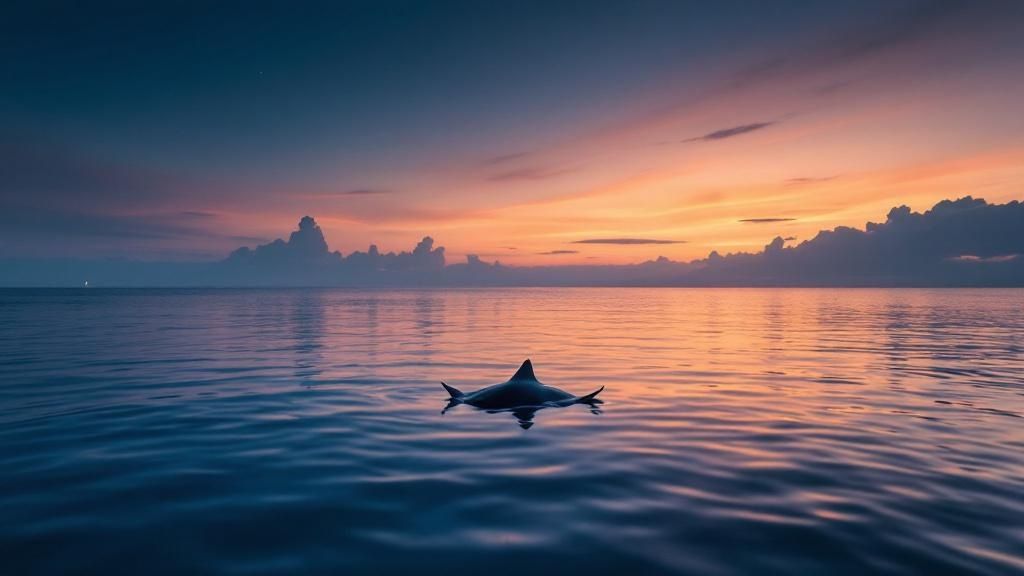
The secret ingredient here is a phenomenon we lovingly call the "manta campfire." Think about it: for decades, lights from coastal hotels and, more recently, dive boats have acted like giant bug zappers for plankton, the mantas' favorite meal. These lights draw in dense swarms of microscopic critters every single night.
This nightly, all-you-can-eat plankton buffet has literally trained the local manta population to show up at the same dinner spots, night after night. It’s this unique, conditioned behavior that makes the manta ray dive in Kona so incredibly consistent.
The table below breaks down the key ingredients that make Kona's manta experience truly special.
Kona Manta Ray Dive At a Glance
| Factor | Details |
|---|---|
| Plankton-Rich Waters | Nutrient-rich currents along the Kona coast create a consistent, year-round food source for mantas. |
| Resident Population | Kona is home to a non-migratory population of over 450 identified manta rays. They live here all year. |
| Shallow Dive Sites | The feeding grounds are conveniently located in shallow waters, typically 30 to 40 feet deep, making them accessible to most divers. |
| High Success Rate | Because of these factors, the nightly sighting success rate is a stunning 85-90%, the highest in the world. |
This combination of a reliable food source and a resident population is what sets Kona apart and solidifies its reputation as the premier destination for manta encounters.
Kona vs. Other Manta Destinations
Sure, you can spot manta rays in other breathtaking locations like the Maldives or Indonesia. But those encounters are fundamentally different. They usually happen at "cleaning stations," which are specific coral heads where mantas go to let smaller fish nibble away parasites. While fascinating, it's a much more passive, come-and-go activity.
The Kona experience is pure action—it's a dynamic feeding frenzy. You're not just watching the mantas get a spa day; you're watching them dine. The consistent food and unique underwater geography create predictable, up-close encounters just off the coast.
Because Kona’s manta population is residential and not migratory, you can experience this incredible dive year-round. There is no “off-season” for the world’s best night dive.
That reliability is the key differentiator. You aren't just crossing your fingers for a random sighting; you're pulling up a chair at their nightly dinner table. To get a real feel for this underwater ballet, you can learn more about what it's like to go on the manta ray dive in Kona, Hawaii.
How to Prepare for Your Manta Ray Adventure
Booking your trip is one thing, but getting ready for what will likely be one of the most incredible nights of your life is where the real anticipation begins. When you're properly prepared for your manta ray dive in Kona, you can let go of the logistics and just soak in the magic. So, let’s break down what a typical two-tank manta adventure really looks like from the moment you step on the boat.
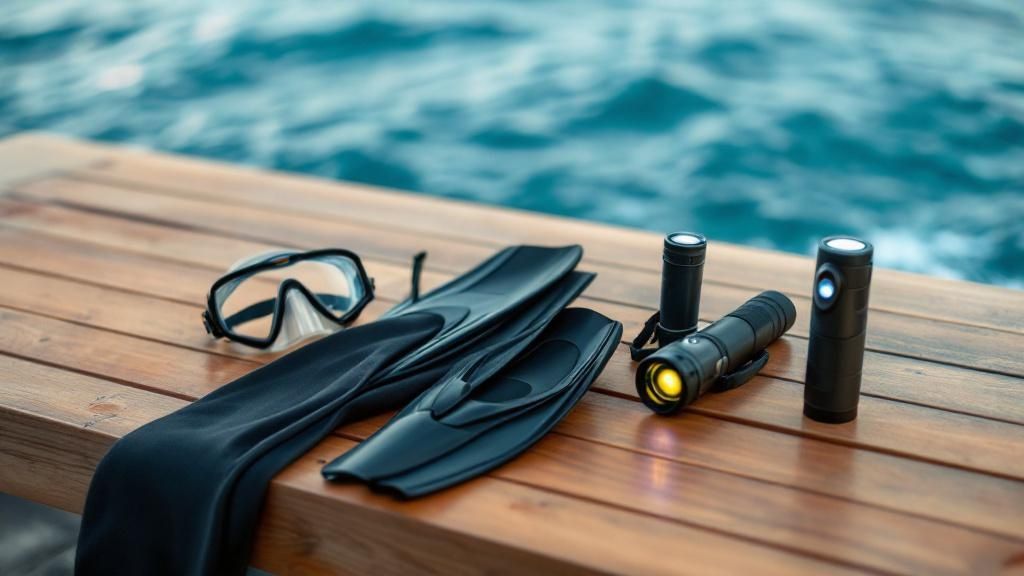
Most operators run their manta trips as a two-tank charter. The first dive is usually a late-afternoon exploration of a gorgeous Kona reef. Think of it as the perfect warm-up. It's your chance to check your gear, dial in your buoyancy, and get reacquainted with the water while the sun starts to dip toward the horizon.
Then, as daylight fades and the sky turns brilliant shades of orange and pink, the real show gets ready to start. Your crew will motor over to one of the designated manta dive sites. This is when you'll get a thorough briefing on exactly how the main event will go down, including the all-important rules for interacting with these gentle giants.
The Underwater 'Campfire'
The entire spectacle of the Kona manta ray dive hinges on a brilliant setup known as the "campfire." Your divemasters will place powerful, upward-facing lights on the ocean floor. You and the other divers will then settle in a circle around this light field, creating a front-row seat for the show.
It’s a simple but effective concept. These bright lights act like a massive bug zapper for plankton, the manta rays' favorite meal. The light attracts a thick, shimmering cloud of the microscopic critters. What follows is pure underwater alchemy. The mantas, drawn in by the all-you-can-eat buffet, begin to swoop and roll through the light beams, their cavernous mouths wide open as they filter-feed.
The secret to an unforgettable encounter? Stay calm and be still. The mantas are incredibly intelligent and curious. If you remain relaxed and avoid jerky movements, they’ll often glide just inches over your head. Let them be in control.
Your spot in this underwater theater is crucial. Pay close attention to your divemaster's instructions on where to position yourself on the sandy bottom. This ensures everyone gets a fantastic, unobstructed view and, more importantly, keeps the mantas' flight paths clear.
What to Bring and What to Expect
While the dive boat crew provides all the heavy-duty equipment, packing a few personal items will make the whole experience much more comfortable. Having the right gear is key, and you can dive deeper into this with our guide on the gear you will need for your Kona diving adventure. For the manta trip itself, here’s a quick checklist:
- Something Warm: Even in paradise, the boat ride back after a night dive can be chilly. A towel and a dry sweatshirt or jacket are your best friends.
- A Dry Bag: You’ll be glad you have a small dry bag to protect your phone, keys, and a change of clothes from inevitable splashes.
- Reef-Safe Sunscreen: Don't forget this for the afternoon portion of the trip!
- Your Cert Card: An old-school but essential rule. Always have your certification card and logbook handy.
Showing up prepared means you can stop worrying about the small stuff and focus completely on the breathtaking ballet unfolding right before your eyes.
Protecting Kona’s Gentle Giants Through Responsible Tourism
The Kona manta ray dive isn't just a thrilling adventure; it's a world-renowned example of ecotourism working beautifully. But its success—and its very future—depends entirely on us protecting the main attraction: the mantas themselves. When you join this experience, you're not just a spectator. You become a partner in their conservation.
This commitment is a big deal. The local manta dive industry brings in over $2.5 million every year, supporting families and businesses across the community. Yet, manta populations are fragile. They grow slowly and don't reproduce often, making them vulnerable to global threats like being hunted for their gill rakers. Recognizing this, Hawaii took a crucial step in 2009, passing a law that makes it illegal to harm or capture manta rays in state waters. To learn more about how tourism and conservation work hand-in-hand, you can understand these majestic creatures better.
The Golden Rule of Manta Interaction
If you remember only one thing, make it this: no touching. It’s the single most important rule of the entire experience. Manta rays have a special mucous coating on their skin, which is their primary defense against harmful bacteria and infections. When you touch them, you can strip that layer off, leaving them exposed and vulnerable to disease.
This is non-negotiable for any reputable dive company. We, and other operators like Kona Honu Divers, are serious about enforcing these no-touch policies. It’s our job to make sure every single person on the boat understands how to keep the mantas safe. By following the rules, you help guarantee this incredible encounter will be around for future generations to enjoy.
"Observe only: No touching. Resist the urge to “pet” the mantas. This will rub off their protective mucus coating. Do not chase, grab, or try to take a ride on the mantas." – PADI Project AWARE
Your Role in Manta Conservation
Believe it or not, your choice of a dive operator has a real impact. When you book with a company that follows the official Manta Tour Operator Standards, you’re voting with your wallet. You're supporting an economy built on preserving these animals, not exploiting them.
Following the guidelines during your dive is more than just a safety brief—it’s a sign of respect for the mantas and their home. You can review the complete set of rules and find out what to expect on a manta ray night dive to be fully prepared. Your mindful participation proves that these gentle giants are worth far more alive and swimming free than they are any other way.
Meet the Famous Mantas of Kona
When you go on a manta ray dive in Kona, you're not just swimming with a random group of sea creatures. You’re actually meeting local celebrities, each one with its own name, personality, and a well-documented history. This transforms the dive from a simple wildlife sighting into something much more personal, almost like being introduced to the town's most famous residents.
It all started back in 1991 with the identification of a very special manta named 'Lefty'. Ever since, researchers and local divemasters have been using the unique spot patterns on the mantas' bellies—which are as distinct as human fingerprints—to identify and keep track of the local population. It’s a massive citizen science effort, and every single dive contributes.
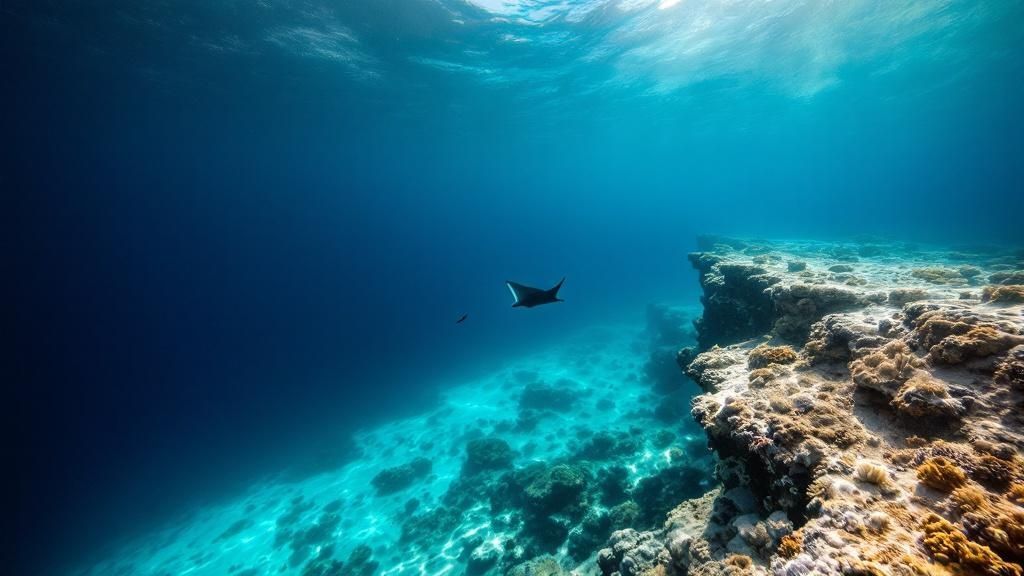
From Diver to Citizen Scientist
Thanks to this ongoing study, Kona has become a living laboratory for manta ray research. The database has swelled to include over 330 known individuals, spanning both reef and giant manta ray species. With nearly 6,000 reported sightings, this wealth of information gives us incredible insight into their behavior, movements, and how they live their lives. You can learn more about this amazing work at the manta ray identification project.
By learning to recognize a few of Kona's regulars, your dive becomes that much richer. You might be lucky enough to spot Big Bertha, one of the largest and most frequently seen mantas, or maybe Kailey, another familiar face at the nightly "dinner party." To get the best shot at an introduction, check out what’s involved in the Kona manta ray night snorkel.
Knowing that each manta has a story deepens your appreciation for these intelligent animals. It’s the difference between seeing a crowd and recognizing familiar faces. This connection is what makes the Kona manta dive an experience you carry with you long after you surface.
A Legacy of Local Research
The information gathered by dive operators like Kona Honu Divers and visiting divers like you directly supports global conservation strategies. It's a perfect example of how tourism, when handled with care, can fuel both scientific discovery and wildlife protection. This symbiotic relationship is what makes Kona so special—a place where adventure and conservation swim side-by-side, every single night.
Explore More Kona Diving Adventures
The manta ray night dive is an unforgettable experience, but don't let it be the only thing you do in Kona. It's really just the first chapter in an incredible underwater story the Big Island has to tell. Once you've seen the manta ballet, you'll be itching to see what else is out there, and trust me, Kona always has something new to show you.
Daytime dives reveal a completely different side of Kona's personality. You can spend your mornings exploring pristine coral reefs that are absolutely bursting with color and life. Picture yourself swimming through ancient lava tubes and navigating dramatic underwater cliffs and archways, all lit by the Hawaiian sun. This is where you'll see the sheer diversity of fish and coral that makes Kona a top-tier scuba destination.
Beyond the Manta Campfire
If you're looking for another unique nighttime thrill, Kona offers a dive that's famous among divers worldwide: the Kona Blackwater Dive. It’s a completely surreal experience. You'll find yourself drifting in the deep, dark open ocean, suspended over thousands of feet of water, watching an incredible vertical migration of deep-sea creatures. It's a parade of the bizarre and beautiful—glowing squid, tiny larval fish that look like aliens, and otherworldly jellyfish rising from the depths. Kona Honu Divers offers one of the best Blackwater Dive tours available.
For those with more dives under their belt, Kona has plenty of advanced sites to push your skills and reward you with amazing encounters. These premium trips often take you to more remote spots, known for their wild topography and the chance to see larger marine life passing through.
No matter your experience level, Kona’s diverse underwater landscapes ensure every dive is a new adventure. From shallow reefs to deep-water drifts, there is always something new to discover.
Kona Honu Divers has a full lineup of charters designed to showcase the very best of the Big Island. To get a better feel for all the possibilities, you can dive the Big Island of Hawaii with Kona Honu Divers in our detailed guide.
Ready to see what else lies beneath the waves?
Your Top Questions About the Kona Manta Ray Dive Answered
I get it. Planning a bucket-list trip like the manta ray dive in Kona always comes with a few last-minute questions. You want to be sure you're making the right choice. So, let’s clear up the most common ones I hear from divers and snorkelers. Getting these answers sorted will help you book with confidence and get you one step closer to an incredible adventure.
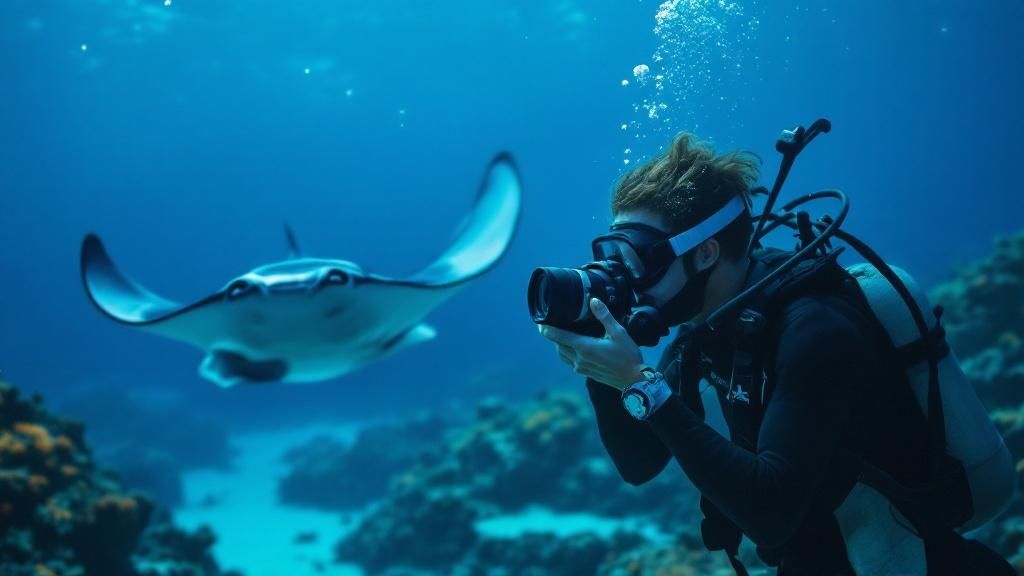
Is the Manta Ray Dive Safe for Beginners?
Absolutely. This is probably the number one question I get, and the answer is a resounding yes. The dive sites are specifically chosen because they're shallow, usually only 30-40 feet, and protected from strong currents.
Plus, the manta rays themselves are the definition of gentle giants—they have no teeth, barbs, or stingers. With a professional divemaster guiding you every step of the way, even a brand-new diver can feel totally at ease.
What Is the Best Time of Year to See Mantas in Kona?
Here’s the great news: any time is a good time! Unlike migratory whales, Kona’s manta ray population sticks around all year long. They don’t pack up and leave for the winter.
Because of this, sighting success rates are consistently over 90%, no matter if you book in July or December. The real question isn't when to go, but how soon you can get here!
Can I Snorkel Instead of Dive?
You sure can, and the snorkel experience is just as magical. Snorkelers float on the surface while holding onto a specially designed light board. The powerful lights draw the plankton in, and the mantas swim right up to the surface to feed, barrel-rolling just inches below you. It's a fantastic choice for anyone who isn't a certified diver, including kids and families.
The best way to think about it is perspective. Divers get the "front-row seats" on the ocean floor, looking up as the mantas glide overhead. Snorkelers get the "balcony view," looking down as the action unfolds right beneath them. Both are amazing.
What Happens If We Don’t See Mantas?
While it’s incredibly rare, we are dealing with wild animals, and their appearance can never be 100% guaranteed. That said, the best operators, like Kona Honu Divers, have a "manta guarantee."
This usually means that if your tour doesn't see a single manta, you can come back another night for free. It’s a great safety net, and it's why I always tell people to schedule their manta tour for one of their first nights in Kona—just in case you need to use that re-booking option.
With those questions out of the way, you should be ready to book what is truly one of the most unforgettable underwater encounters on the planet.
At Kona Honu Divers, we're passionate about sharing this experience safely, responsibly, and in a way that creates memories for a lifetime. Check out our world-famous manta ray dive tours and get ready for the night of your life.